

Despite last year’s surge of$1.8 trillion in clean energy investments worldwide, investment remains below what is needed to meet the COP28 target of tripling renewable capacity by 2030, according to the latest EY Renewable Energy Country Attractiveness Index (RECAI).
This edition of RECAI focuses on BESS. According to the report, the U.S., bolstered by a 30% IRA tax credit, takes the top spot in the ranking of the world’s most attractive markets for BESS investment. China with strong government support, subsidies and plans to reduce costs, is second. The U.K., with its sophisticated energy market design and new energy bill classifying BESS as a generation asset, rounds out the top three.
A fourfold increase in global BESS deployment is forecast from 2023 to 2030, reaching 572 GW.
“Scaling up battery energy storage systems can help solve multiple problems holding up clean energy progress, including stabilizing and strengthening network infrastructure and enabling more distributed energy resources to connect to the grid,” says EY’s Arnaud de Giovanni.
“Focusing on four factors can help investors navigate this complex, highly regionalized and fast-changing market. These include building a resilient investment case, taking steps to maintain technology competitiveness, establishing the optimal business model or financing structure and mitigating supply chain risks.”
The post Energy Investments Failing to Keep World on Renewables Target, Says Report appeared first on Solar Industry.
Energy Investments Failing to Keep World on Renewables Target, Says Report

 Maybe the protestors are less concerned about length of time in office, and more with criminal authoritarianism.
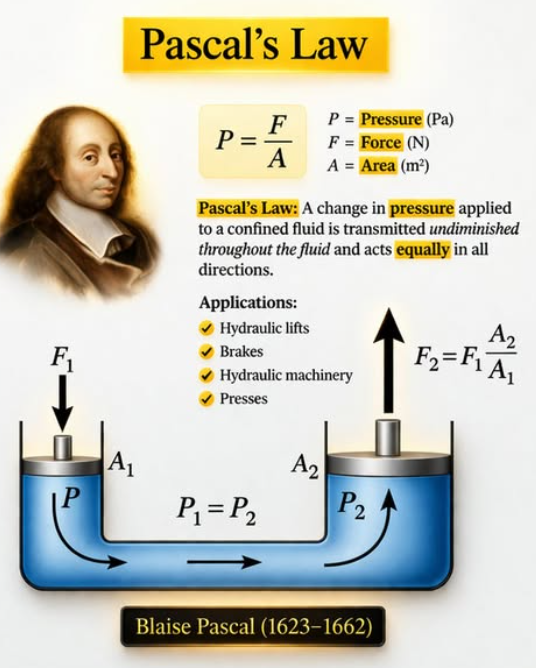 I have such respect for Pascal that I considered naming our son after him. (My wife wasn’t having it. Maybe if we lived in France?)
Pascal made important contributions to both math and physics but he’s perhaps best known for his philosophic “wager,” that it makes sense to believe in God, since if He exists, you’ll be very glad you did, and if He doesn’t, you haven’t lost anything. I counter that this is not how we accept or reject religious tenets.
 “Republican Patriots” writes: Howard Stern once again reveals the contempt so many in the entertainment elite hold for everyday Americans. He claims not to hate President Trump himself, but openly declares his hatred for those who support him, calling them stupid and saying he has no respect for them. This kind of arrogant dismissal shows how out of touch these Hollywood types have become with the hardworking people who built this country.
I’ve got news: contempt for Trump supporters is hardly limited to “these Hollywood types.” The vast majority of Americans–especially at this point–are neither greedy pigs nor hateful morons. We respect human rights and rule of law.



-
Greenhouse Gases8 months ago
Guest post: Why China is still building new coal – and when it might stop
-
Climate Change8 months ago
Guest post: Why China is still building new coal – and when it might stop
-

 Greenhouse Gases2 years ago
嘉宾来稿:满足中国增长的用电需求 光伏加储能“比新建煤电更实惠”
-
Climate Change2 years ago
Bill Discounting Climate Change in Florida’s Energy Policy Awaits DeSantis’ Approval
-

 Climate Change2 years ago
嘉宾来稿:满足中国增长的用电需求 光伏加储能“比新建煤电更实惠”
-
Climate Change Videos2 years ago
The toxic gas flares fuelling Nigeria’s climate change – BBC News
-

 Carbon Footprint2 years ago
US SEC’s Climate Disclosure Rules Spur Renewed Interest in Carbon Credits
-

 Renewable Energy5 months ago
Sending Progressive Philanthropist George Soros to Prison?