

Weather Guard Lightning Tech
Enel vs. The Osage Nation: An Explanation w/ Doug Sandridge
A lawsuit has been unfolding between the Osage Nation and Enel since 2010, potentially ending with Enel dismantling their 150 MW wind farm. What can wind developers learn from this? How can they avoid these situations moving forward? Expert Doug Sandridge explains the intricacies of Native land rights in the US and why understanding those rights is crucial to expanding the wind industry. Follow Doug on Substack, Linkedin or reach out via email doug@fulcrumef.com.
Sign up now for Uptime Tech News, our weekly email update on all things wind technology. This episode is sponsored by Weather Guard Lightning Tech. Learn more about Weather Guard’s StrikeTape Wind Turbine LPS retrofit. Follow the show on Facebook, YouTube, Twitter, Linkedin and visit Weather Guard on the web. And subscribe to Rosemary Barnes’ YouTube channel here. Have a question we can answer on the show? Email us!
Pardalote Consulting – https://www.pardaloteconsulting.com
Weather Guard Lightning Tech – www.weatherguardwind.com
Intelstor – https://www.intelstor.com
Allen Hall: Welcome to the Uptime Wind Energy Podcast. I’m your host, Allen Hall, joined by my co host, Joel Saxum. Today, we’re diving into a complex and significant issue at the intersection of renewable energy development and Native American rights. Our guest is Doug Sandridge, a veteran of the energy industry with over 40 years of experience.
Doug is currently the senior vice president at Fulcrum Energy Capital Funds, overseeing land operations and strategy for this private equity firm that invests in energy assets across North America. He’s also an adjunct instructor for the executive MBA and energy program at the University of Oklahoma.
And I’ve only heard good things about that, Doug. Today, Doug will be sharing his insights on the ongoing dispute between the Osage Nation and Enel Green Energy regarding the Osage Wind Project. And this project, which consists of 84 wind turbines, has become the center of a long legal battle that touches on critical issues of tribal mineral rights.
and the development of wind energy on Native American lands. Doug, with his extensive background in land management, regulatory compliance, and stakeholder relations, is uniquely positioned to help us understand the complexities of this case and its potential for implications for the future of wind energy development.
Welcome to Uptime.
Doug Sandridge: Man, it’s a great pleasure to be here. And I don’t think I’ve ever had a better introduction. Wow, can I? Thank you so much. That’s great.
Joel Saxum: You can play that one the next time you start a new class at the University of Oklahoma. Where you walk in, turn the lights down a little bit, and play the clip.
Doug Sandridge: Excellent.
Allen Hall: So thanks for being here. And you and I have been corresponding for quite a while now. About what is happening in Oklahoma and for those outside of the United States, Oklahoma is right smack dab in the middle of the continental United States. And it has a unique history. It’s different than pretty much any other state in the U.
S. Because of its history with Native American tribes. And this has led to some unique situations, which now, it now is in the middle of. And Doug, I want to walk through just the basics of what happened on the O. C. A. When project here, and maybe you could just introduce that background and how we got to where we are today.
Doug Sandridge: Absolutely. And I just want to start by saying whatever we say here today, I don’t want it to be reflected as some sort of black eye or. A a bad image for wind in general, this is just an isolated, unique situation, a unique case, and we should not paint the wind industry or the renewable industry with a broad brush thinking that this is how things are done.
We just happen to have a unfortunate situation taking place in Osage County, Oklahoma. Osage tribe is located primarily in a county in northeastern Oklahoma near Tulsa called Osage County and that’s their tribal reservation. They actually bought that reservation from the Cherokee tribe.
The Osage were originally located in the Missouri, Ohio Valley area of Missouri and then were relocated to southeastern Kansas. For And then white western European encroachment kept pushing on them, and the federal government decided that they wanted that land that was the Osage reservation in southeastern Kansas, they wanted that for white settlers.
And so they, federal government actually purchased that reservation from the Osage, and with the money that they had from that sale they purchased their own reservation in what is now Oklahoma. At the time, Oklahoma was not a state, it was called the Indian Territory, and it was called the Indian Territory because that was in a real crass way, where the U.
S. had been pushing so many tribes. From the southeastern United States, from central United States, even from the northern United States, they were pushing them all into this small area called Oklahoma, or called Indian Territory, which is now Oklahoma. Cherokee Nation had a huge reservation, and they sold one some land to the Osage, and that Osage became Os, what is current day Osage County, and that that became the permanent reservation for the Osage tribe.
So that’s how we got to where we are. And the Osage tribe, when they when they bought the land, they were still considered a sovereign nation by the United States. And so they had their own rules, their own laws, and they governed themselves in that county in Oklahoma, in Osage County. But as the U. S.
was trying to assimilate the Native Americans or first Americans, into the greater United States culture. They were trying to get tribes to give up their tribal sovereignty for citizenship. And so what happened is they basically went to the tribe and said, We will make you U. S. citizens if you’ll do X, Y, and Z.
And what they ended up doing is, as they say, allotted, they gave all the land in Osage County was allotted to all of the members of the tribe at that time. So the surface of the land, all of the surface, was divided equally or fairly equally among all the tribal members. And so they all own that land.
They could do with it whatever they want. They could live on it. They could sell it. They could farm it, ranch it. And as it happens, a lot of the surface has over the last hundred years. has gone out of the tribe. The tribe no, tribal members no longer own a lot of the surface. A lot of the surface is owned by farmers and ranchers and white people and not basically non Osage.
I don’t know what the percentage is. I’m guessing probably at least 80 or 90 percent of the surface in Osage County is actually owned by non Osage. But a lot, a lot of the county is still governed. You still run by owned by and operated by and the communities are Osage there still but they own the surface.
But the critical point is at the time of allotment, the Osage tribe negotiated with the federal government and basically the government agreed that the Osage tribe as a whole would keep all of the minerals. And they would hold those minerals in trust for all of the Osage tribal members. The individual tribal members owned the surface.
This person owned this section, somebody else owned something else. But the minerals underlying that each of the entire county was retained by the tribe. And the tribe had the right to, to lease it for oil and gas, lease it for mining, for whatever purposes. And you can’t do any business related to the minerals in Osage County without dealing with the Osage tribe.
Doug, can I ask you a question
Joel Saxum: about this then? Because when we talked a little bit in a pre interview process, just walking through this thing, that was, like, like you said, they watch the other tribes do certain things. But there’s a certain, there’s four or five other tribes in the area, and they’re Ownership of their lands or their tribal rights to the surface or subsurface is different than what the Osage negotiated with the Osage have.
Can you explain the difference there?
Doug Sandridge: Yes. And there, there are very multiple differences. For instance, the the so called wild tribes, which are the tribes of Western Oklahoma that were the Apache, the Comanche, the Kiowa the Arapaho, those tribes. At the time, it was believed that they had not been exposed to Western law and Western customs enough to deal in their own real property.
And in order to protect them from being swindled by, Westerners by Western Europeans the entire process of leasing from them was maintained by the federal government, so the Bureau of Indian Affairs. So even today, I believe. If you want to lease anything, even if someone, even if an Indian or a Native American owns those rights individually, they are not permitted to lease them because they’re still governed by the process of the Bureau of Indian Affairs monitoring managing their affairs for them.
And so then, but in any event, all of the different tribes have different rules that are there that are assessed to their, but the unique the Osage have a unique situation. And I. I said in my Substack article, I studied Indian law a long time ago at University of Oklahoma, and the general takeaway from it was you had three types of law in Oklahoma.
You had the law of the civilized tribes, which was the Cherokee, the Choctaw, the Chickasaw, the Creek, and the Seminole Indians. Those tribes were tribes that had been affected by and been around Western civilization for a lot longer because they were on the East Coast. And so they had become, these are not my words, but in the words of the government, it had become more civilized and so those so called, not my words of legal words of art, those so called civilized tribes were moved to Oklahoma, but they had different rights than the wild tribes and the wild tribes had different rights.
So you had three types of law, the law of the civilized tribes, the law of the wild tribes. And then the law of the Osage, which was different than everyone else. They were unique.
Allen Hall: Very interesting because the complexities of Oklahoma are not the complexities of the adjoining states.
And I think this is where Enel had problems. So In about 2010, Enel leased about 8, 400 acres in Osage County from the land owners. So that would have been mostly outside Osage Nation people, for the most part, right?
Doug Sandridge: I understand that the majority of them were non Osage, but there were two, I believe, two tribal members who owned lands.
That did agree to lease, but generally the Osage as a, the tribe and most of the members of the tribe were against the wind turbine
Joel Saxum: project. The important thing here is
Allen Hall: they leased the surface. That’s right. Just to give some context here, Osage Nation has mineral rights about 1. 5 million acres. So 8, 400 out of 1.
5 million. It’s a small piece of a larger set of metal, right? So it’s not that big of a piece of land in contrast. However, and as you pointed out, the Osage nation went to court to stop the Enel project back in 2011. And They lost that initial suit, correct? It went for a couple of years, but they lost.
Doug Sandridge: Yeah, so what happened is, let’s just be honest, I wasn’t clear until I started interviewing members of the tribe and I, a few weeks ago, interviewed one of the former assistant chiefs of the tribe. I wasn’t certain of this, but what apparently, I think it’s a fairly accurate statement to say the tribe as a whole, the official tribe and most of the tribal members, were not interested in having wind development in their county.
And, they just they have a deep love of the land. They had a deep love of the vistas. They really just didn’t want wind development. And so I think it’s fair to say that was what they, that’s how they felt. So before Enel even began constructing the project the tribe did file a lawsuit in federal court asking the federal court to stop them from building the wind farm.
And the federal court said, look I understand your concerns and it totally legitimate. And I know there’s a lot of people who don’t want to see wind turbines, but from a legal standpoint, we have no basis to stop development of this wind farm. And they have valid leases. They have valid permits from the county authorities.
To build a wind farm. And so the federal court denied their request and returned it with a, we’re not going to, we’re not going to injunct them from building it.
Joel Saxum: So we’re in this timeframe here of 2010, they started now the wind farm that exists today, there’s a hundred or sorry, there’s 84.
84 turbines is 150 megawatt farm. It’s a bunch of GE, like 1. 7 or whatever out there, but those did not get commissioned until 2015.
Doug Sandridge: That’s correct. So they sued him in 2010 or 2011. And the court said, no, we can’t stop the construction. They have legitimate legal rights to be there. They’ve got the permits, they’ve got the leases.
And so then Enel started building the wind farm, I believe in 2013, approximately. And then it came on, I think it came on in 2014.
Allen Hall: 2014 is the critical year in all this, because at this point, the Osage noticed that, and when Enel was putting the foundations in, they were, and this territory is rocky, if you haven’t been to this county, it’s rocky, so Enel’s digging into the ground, and bringing up rocks.
And then setting them aside to put the foundation in, but in this transaction of moving the rocks, they decided to then crush the rocks and use them in the turbine installation. That’s essentially what happened. And that one move started a chain of legal proceedings. That’s correct.
Doug Sandridge: And so let’s be clear the United States is almost unique.
Most countries in the world. Private citizens and private organizations cannot own minerals. The only private mineral ownership in the world is primarily in the United States to some degree in Canada. I understand there’s a very few places in England and a few places in Australia where there’s some very old legacy mineral ownership by some old people, nobility, but basically the U S and Canada is where you have private ownership of minerals.
So a lot of people around the country, around the world have no idea that several, that minerals can be severed from the surface in this way and that there’s private
Allen Hall: ownership. That would make sense. Now the Osage noticed that, Hey, Enel is crushing the rock. Those rocks are ours. Those are not Enel’s rocks.
Doug Sandridge: That’s right. So let me throw another concept out here to understand though. If you. Allen Hall goes and buys a piece of property, and he buys a piece of land, just the surface, he doesn’t buy any minerals. And he wants to build a house, or a Kroger grocery store, or something like that. He has the right to use the subsurface a reasonable amount of the subsurface.
So you want to build a house and you want to build a basement, or you need to put a foundation down, or if you’re going to build a footer for a Kroger grocery store. So the fact that you own the surface does not mean that you don’t have the right to use a certain amount of the subsurface. You have the right to use a reasonable amount of the subsurface.
necessary for the full enjoyment of the surface. So that’s the rule, no matter where you are in the U. S., you can use subsurface. What you can’t do is use the subsurface minerals for commercial purposes. Enel starts digging these huge holes in the ground, and they have the right to do that. Even though they only own the surface, they have the right to use the subsurface to build these wind turbines.
They dig the holes, they put in steel for reinforcement, they fill it with concrete, They have the right to do all of that. There is nothing wrong with that. What they don’t have the right to do is to take the rock out of the hole, take it to a refiner, crush it, process it, refine it, sort it, and then use it for commercial purposes because that constitutes mining.
And so in this particular case, they were taking the rock and using it in a way described by the law as mining. They were mining rock. That was owned by the Osage tribe and they were mining it without a permit or the right or a license from the tribe. Now one important point is, I’d heard some people previously indicate the tribe is greedy.
They should have brought this to the attention of Enel earlier. They’re just trying to, extort them out of some money. The reality is, Immediately following the first excavation, as soon as the tribe saw that they were excavating this rock, putting it on trucks, taking it, refining it, processing it, and making it commercial quality, immediately, literally within the first few weeks, they notified Enel that what they were doing was illegal.
This isn’t something they came and did 10 years later or 3 years later, they did it immediately. And so Enel basically made their first mistake by saying, Sorry, we don’t recognize your authority. We don’t believe you. We’re going to keep mining it regardless. And so the tribe then went to the Bureau of Indian Affairs and said, Look, this is what’s happening to us.
We’re being taken advantage of. No one’s taking us seriously. Can you please intervene? And so the Bureau of Indian Affairs researched the matter themselves, came to the same conclusion that they, Enel had no right, they, Enel had the right to dig the foundations. They had the right to construct them, but they didn’t have the right to make commercial use of the rock that they excavated.
They sent a letter to Enel and told them to cease and desist. And Enel said, No they just ignored it. They went on. They ignored not only the tribe, but now they’ve ignored the Department of the Interior and the United States Bureau of Indian Affairs. And so this is big mistake.
Allen Hall: I think this adds some complexity to it.
If it was a generic landowner anywhere else in the United States that was arguing about mineral rights, I could see any developer questioning that and probably getting it settled in court. In this case, the unique piece is that the Osage now have the federal government behind them with infinite resources to fight on their behalf, which is what happened.
So it’s not the Osage nation going to court to fight this. The federal government goes to court and goes after Enel.
Doug Sandridge: Yeah. So they, first of all they notified him by letter. Enel ignored it. Now, this is also important because it shows intent. Enel, I can’t speak for what Enel was doing, why they were doing it, I can only speculate.
But I have had multiple sources, including the former vice chief of the tribe, assistant chief of the tribe, and also multiple local reporters tell me that as soon as they got this letter, they started they ramped up their operations to 24 hour operations. This shows bad faith, because what they now see, they see that they’re getting challenged on this, And instead of stopping and doing the right thing and trying to make it right and trying to negotiate and try and settle, trying to do the right thing, they bring out the light plants and start constructing 24 hours a day to speed up the construction.
Presumably, I don’t know what Enel’s purpose for doing that was, but a lot of people believe they sped it up because they felt like, If we can just get this built, then nobody’s going to make us tear it down. And so that, that was the second mistake they made by doubling down and working 24 hours a day to accelerate completion of the project.
So then the federal government sued them again the first time when they were sued by the tribe, but then the federal government sued them. And originally the court ruled against the tribe. Originally said that they didn’t do anything wrong, but they persisted and the eventually the courts determined from the fact situation that Enel had in fact been illegally mining this rock.
And the irony of this is that Enel at any time could have continued to construct this wind turbine, this wind farm, they could have continued to do it legally without using that rock. And they would not be in any trouble at all. They might owe a few hundred dollars for the rock they use, but they, at any point during the time, if they made the right decision and heeded the court and heeded the tribe and heeded the Bureau of Indian Affairs and heeded the department of the interior at any time, they just finished the wind farm using legal methods, the wind farm would be fine, but instead they kept snubbing their nose at all of those agencies, government agencies, and the federal courts.
Allen Hall: Yeah, and obviously Enel’s a big corporation, right? So who in the organization was involved in that decision, that’s really hard to tell. But as a corporation, the whole corporation is held accountable for that. So it turns out to be a much more significant than they first probably thought.
But it all comes down to, and this is where the court case went, the definition of mining. That we think of mining like, Hey, we’re digging down there looking for gold, oil, anything really to get under the surface and to have a commercial purpose. The mere fact that they crushed the rock is defined as mining and used it for commercial purpose.
Joel Saxum: Yeah. So I think that there’s a, Doug, you touched on this earlier, but The definition of that separation between surface rights and mineral rights and not being known to a lot of people outside of the United States, to be honest with you, a lot of people in the United States don’t even know about that.
Like I’m from Northern Wisconsin. That’s not a thing up there, right? There’s not like people, if you say, Oh, do you own the mineral rights and the surface rights? They’re like, what are you talking about? This is my land. It’s not a, it doesn’t exist that way now. In a legal standpoint, it does exist, but people don’t recognize it.
People don’t see it so Enel again, being an Italian company and a lot of the operations being the way Enel works internally, a lot of the operations or the majority of decisions and operational decisions get made in Italy, right? Even the people that work, I’ve spoke with a lot of people that have worked for Enel in the United States, even at, Hey, do we repair this blade or not?
They make a decision and then they go, oh, we gotta get it stamped by. Italy. So we’ve got to go, we’ve got to go back there. So most of these decisions are not being made, large decisions are not being made on United States soil. They’re being made over there. So you can, I’m not making any kind of excuses here.
I’m just trying to put some context to it, right? You can see that there’s a, there’s like a, there’s a disconnect in, like you said, when they were like, we don’t value your rights or we’re not saying this because they don’t, they didn’t understand it. I think if they were to or maybe you can help us understand, consulting land men or lawyers within the, within Oklahoma that are familiar with the specific laws there.
Doug Sandridge: I think you’re right. And I have had other people in the renewal industry tell me that the companies that have the hardest time dealing with these issues are the foreign companies because it is so foreign to them, but, and so I don’t know what went on in the decision making process and now, and so we’re not going to speculate, They had a lot of really high dollar, high powered attorneys working on this over the last 10 years.
The attorneys they’ve had working on this are not your run of the mill 200 an hour attorneys. These are high powered attorneys, and so they’re either getting bad advice from these attorneys, or, I suspect, and again, we don’t know, I suspect they’re getting good advice from these attorneys, and Enel is choosing not to follow it.
We just don’t know. Yes, I think it is partly because they’re foreign countries and they don’t understand the complexities of U. S. land. But the end result is,
Joel Saxum: or the end fact is, you are doing business in the United States. You are doing business in Oklahoma, and in this case in Osage County, and you have to abide by those rules.
So you better make sure that you do. And at the end of the day, What has happened here is they’ve been ordered to remove these turbines. They’ve been ordered to basically tear this wind farm down at an estimated cost of, oh, north of 300 million. Yeah, that’s And these are, so they’re built in 2015, if we’re just looking at normal wind energy practices.
They’re 8 years, 9 years old right now. They’re probably ripe for a repower coming up. None of that really matters anymore because they’re all going to get taken down.
Doug Sandridge: Yep, they are still producing. I was, I drove through there a couple of weeks ago. I was driving from Oklahoma back to Denver where I live, and I just took a little detour, and they are still going strong, and I think this is a cautionary tale.
I don’t, this is a cautionary tale for wind and solar developers across the country, but I do want to make sure, this does not set a precedent. We’re not about to tear down all the wind farms in the United States. This is a very unique situation. This is not a precedent is going to be applied to a lot of other places.
And this is a problem that could be easily overcome. First of all, there are a lot of people, there are a lot of places where you’re building wind farms, where you don’t need to use any of the mineral estate. And I talked to several developers. They all told me if we’re going to use the rock that we’re excavating, we have a mineral permit before we even break ground.
So the normal practice in this industry. Is to do the right thing. Most people are doing the right thing. This is an isolated case. And unfortunately there’s a The truth is they would not have been asked to tear down this wind farm were it not for their arrogance and their continued fighting of this for ten years.
The judges basically said that. The judges essentially said The reason we’re having you tear it down is not because you mined the rock, we’re having you tear it down because we’ve told you over and over again for 10 years that this is illegal and you’ve continued to defy the federal court and the federal government.
Allen Hall: Doug, there are two pieces to that though and fought this for 10 years, the financial aspects, at least according to news reports, if Enel were to remove that wind farm, it would cost them about 300 million to do that. The value of the rock that they could have just brought in instead of using the rock they excavated is only about 70, 000.
So if they just brought in rock, it would have cost them about 70, 000 and all this would never have happened. So they got this 300 million issue sitting in front of them. On top of that, the Osage and the federal government on behalf of the Osage, It’s seeking damages of about 37 million, which is actually a lot less than what they started at.
It does seem likely there’s going to be penalties applied damages applied here because of this long history of not following the court’s instructions at times. So it is a huge financial impact to do this and time impact. And Joel, you’ll know typically wind turbine farms are repowered every 10 years.
So we’re into this 10 year repower situation at the minute, is there now a negotiation that happens between the Osage and Enel that goes, hey, we’re going to repower this thing, we’re going to take the turbines out, but we could keep them there and let’s negotiate this? Are they back to the negotiation because of that 10 year time,
Doug Sandridge: time span?
Personally, I don’t see that happening because the tribe has never wanted this to begin with. And you just have to get into the mindset of the Native Americans, First Americans, the Osage. They look at the world differently. And they really, this is their sacred land. And they feel like they’ve been violated.
The bald eagle is sacred to the tribe. And so Enel is gonna go get, take permits from the U. S. Fish and Wildlife to allow them to kill a certain number of bald eagles. So I think this fundamentally for the tribe, there is, I don’t think there’s any way that, this is just my sense of it. I don’t speak for the tribe in any way, but from all the people I’ve talked to, I don’t think there’s any chance that they’re going to negotiate.
They want these wind turbines gone. They want their wind turbines gone. their vistas in their sacred lands back and not scarred by this.
Joel Saxum: If you follow the history of the, any native American tribe in the country, let alone the Osage are a specific case because they have been wronged many times in the past by people from outside of the tribe.
So they’re, they have historically had some, people, Pressing on them pushing on them and doing things to them that aren’t fair to them And so they’re I would agree with you doug. I have no idea but I would say that Negotiation here is probably off the table for them.
One thing i’d like to touch on though, too So in the industry, like you said best practices what’s actually really happening on the ground in a normal case There’s a lot of really intelligent and experienced professionals like yourself You That are what we would call in like the oil and gas world, land men land men and land women.
So those people are they’re a special mix of contract, almost like a contract lawyer, real estate agent, negotiator, arbitrator Business development person, sales person, all in one, but with technical prowess. So when you run into any kind of permitting agency or environmental agency that is, hired or contracted by a developer or even on the developer’s direct team, these people do exist.
They’re very specialized. I know Doug, you have a Massive storied history of your experience in the oil and gas world Those people can come directly from that oil and gas side As well and help with the renewables because they know it very well. We’ve been doing oil and gas permitting land Negotiations for a hundred years.
So this isn’t something that’s new but it’s new in the respect of renewable energies
Doug Sandridge: It is new for renewable and let me just give you a little perspective about what we do So let’s say we want to go drill an oil and gas We say we have a place that we want to go drill. And so they send that me out as a landman to buy a lease.
I buy the right to drill that well. So I have to go out to that land, the piece of land. I have to say, okay, we’re going to drill the well here. Who owns this land? And I need to make a deal with the surface owner and the mineral owner. Cause I have to make a deal with the mineral owner and the surface owner could be the same, but if they’re not, the mineral owner owns the right to the oil.
The surface owner controls where I put my drilling rig to put it out there. So I have to go make those negotiations and determine who owns it. But what I don’t, what I don’t do is walk out there and see the little farmhouse sitting there and walk up to the farmhouse and say, Hey, knock on the door and say, Hey, we want to lease this.
And the old lady says, okay, how much are you going to pay me? And I pay her. That’s not how you do it. Because the problem is you have to know with certainty who owns that land just because she owns the farmhouse. She doesn’t necessarily own it. She might be renting it. It might be her brother’s, it might be that she owns it, but so do her other seven siblings, so you have to determine that.
So we go to a lot of trouble to figure out who the true owners of that property are to make sure that we’re buying the, because what we don’t want to do is buy it from the old lady at the farmhouse, drill a 10 million dollar well, and then find out that she didn’t have the right to lease it to you. She was just renting the property.
She presents a rent check to somebody else. So it’s very important in our industry that we identify the correct ownership right up front. And what I do see happening with some, not all, but there are some unsophisticated people in the renewal industry who are just getting in, do not understand the immense importance of understanding you’re building your wind farm or your solar farm on a piece of property that you own the rights to do because you don’t want to build it and then have to tear it out later.
And that’s what’s happening to Enel. It is important to get good land and legal advice wherever you are. And it’s different in every state. Literally the surface rights, the mineral rights are different in every state. And even in like in Oklahoma, they’re different even within the different counties.
So you have to have some local knowledge of what’s going
Joel Saxum: on. We can add some add a little bit of complexity that from my oil and gas past so people listening can understand It’s not just the subsurface That has rights. It can also be stratified layers. There can be different owners depending on depth.
So there can be someone who owns the first 500 feet, the next 5, 000 feet, and then you can get into different layers of ownership. So title research and these kinds of background things that you must do. I’ve been a part of projects where you’ve had a team of 10, 12, 15 people in courthouses for a year doing research before you even get started on the ground.
So there’s a lot of things going on behind the scenes for all kinds of development projects that people just don’t see.
Doug Sandridge: Yeah, I’ve seen places in South Texas, I personally have worked on a project where there have been 25 to 28 different stratas with different owners. So, it can’t happen, but we’re getting off the subject here.
The reality is that from a wind farm developers, they need to take seriously the land issues. They need to be sure they understand who owns it. And we just got to make sure somebody pointed out the other day. We’ve been doing this in the oil and gas business for 140 years. So we’ve developed a lot of experience doing this and the people that are getting into renewables.
Some of them are just now learning these lessons, but they can be hard lessons. And so let’s engage properly with the community. Another big problem with Enel was, is that they were basically not engaging with the local community. And I think wherever you’re working, whether it’s wind, solar, oil, you have to be good citizens.
You have to have a social license to operate and you have to operate in good faith with your community. with the people in your, in the neighborhood where you’re working.
Allen Hall: Doug, it’s been really good to have you on the podcast. I know we’ve talked a number of times, particularly about this issue and some others, so we need to get you back on the podcast, but if someone wanted to get a hold of you and pick your brain about land matters, how would they do that?
Doug Sandridge: Really the best thing is to reach out to me on LinkedIn. I’m most active on LinkedIn. You can also, I’ll, you can provide them my email address. I don’t mind people emailing me directly, linkedIn or email. I also write this. The article that you guys read was on my sub stack. So it’s called energy ruminations on sub stack.
And I write about all things energy, not just oil and gas or wind. But I write about all subjects related to energy. So subscribe to my sub stack. And I don’t write prolifically. I have a full time job like you guys do. So I write when I can. But sub stack LinkedIn or send my email is fine.
Allen Hall: Doug, thank you so much for being on the podcast.
It’s been a great discussion.
Doug Sandridge: You guys have been brilliant. Keep up the great work. I listen to you every week. Let’s stay in touch.
https://weatherguardwind.com/enel-vs-the-osage-nation-an-explanation-w-doug-sandridge/

 For those who struggle with elementary school arithmetic, Trump won the election (50%+ approval) out of more than 150 million votes cast, and now his approval rating is in the low 30s.
That’s ~30 million voters who regret their choices, out of the common American.
Add in the Tucker Carlsons of the world.
Absolutely.
It must be done, because our country is home to some hateful morons who want to see honest, hardworking, taxpaying people with brown skin deported, and their families torn apart.
It wasn’t the American way until recently, but it sure is now.
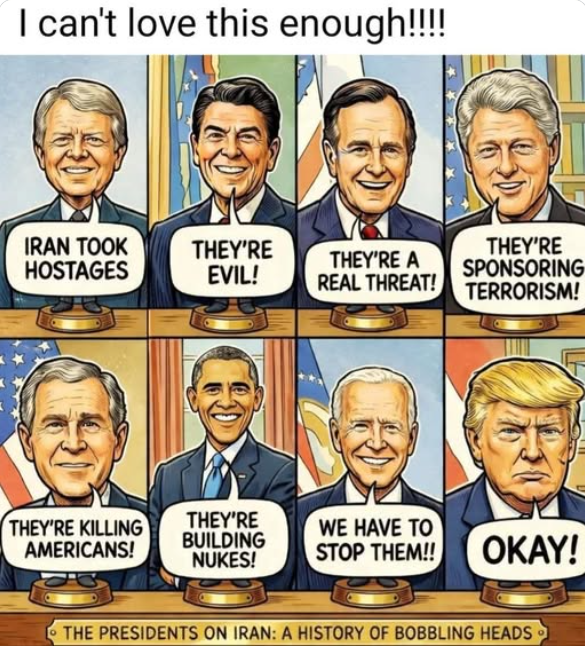 As shown at left, the United States is loaded with people who twist the facts to their liking.



-
Climate Change8 months ago
Guest post: Why China is still building new coal – and when it might stop
-
Greenhouse Gases8 months ago
Guest post: Why China is still building new coal – and when it might stop
-

 Greenhouse Gases2 years ago
嘉宾来稿:满足中国增长的用电需求 光伏加储能“比新建煤电更实惠”
-
Climate Change2 years ago
Bill Discounting Climate Change in Florida’s Energy Policy Awaits DeSantis’ Approval
-

 Climate Change2 years ago
嘉宾来稿:满足中国增长的用电需求 光伏加储能“比新建煤电更实惠”
-
Climate Change Videos2 years ago
The toxic gas flares fuelling Nigeria’s climate change – BBC News
-

 Renewable Energy6 months ago
Sending Progressive Philanthropist George Soros to Prison?
-

 Carbon Footprint2 years ago
US SEC’s Climate Disclosure Rules Spur Renewed Interest in Carbon Credits