Connect with us

Published

on

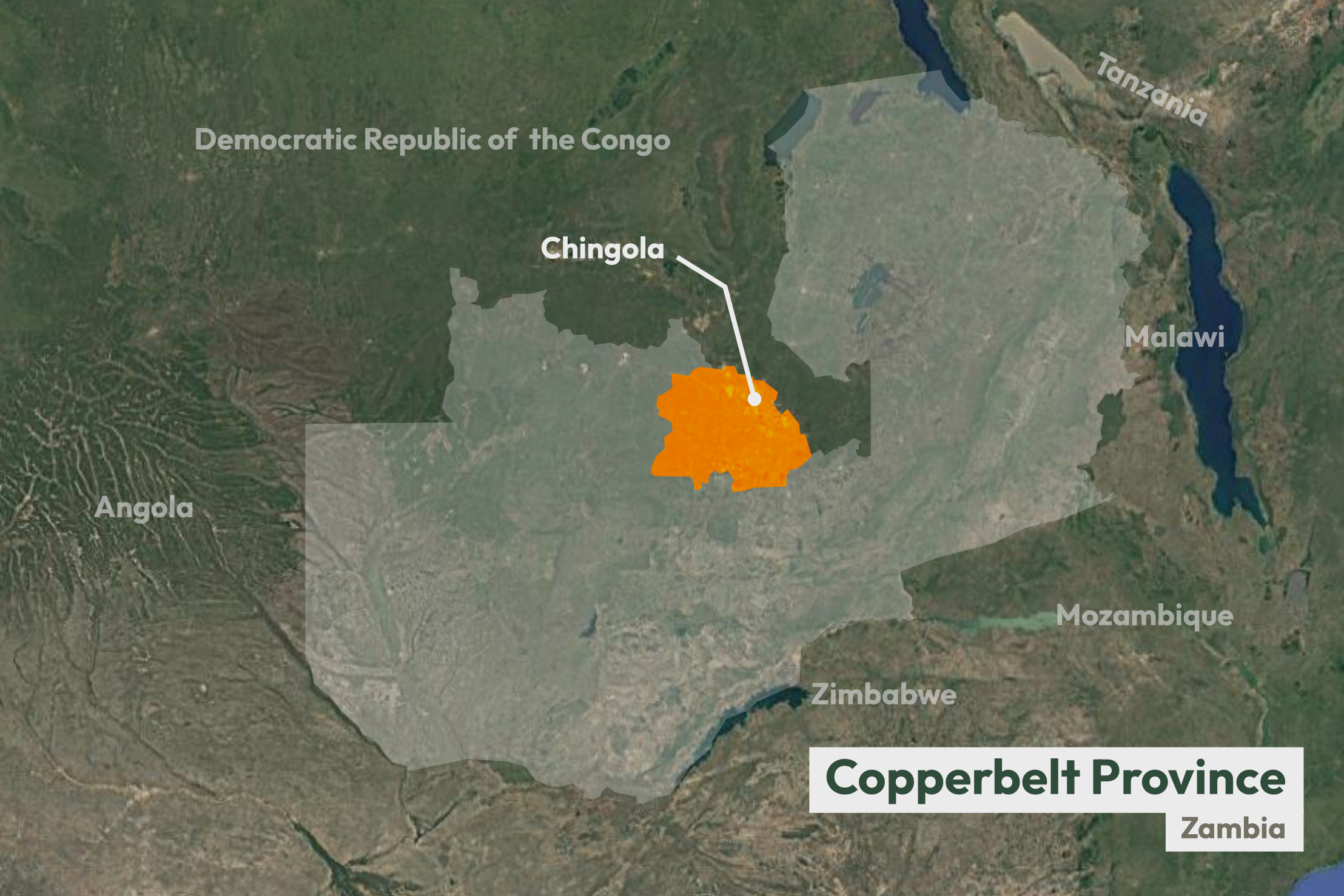
Monica Ngambi was born in Zambia’s copper-rich northern province as the nation declared its independence on 24 October 1964. For 60 years, she has lived by the large copper mines on which the independent country tied its economic prosperity.

But as miners scarred the land to extract the metal – at times polluting water sources and destroying farmland – local people have reaped few of the benefits.

Today, Ngambi doesn’t earn enough selling groundnuts and cassava at a market in the mining town of Chingola to feed her family.

Chingola sits atop one of the world’s largest reserves of copper – a reddish metal that is particularly good at conducting heat and electricity and is pivotal to the world’s clean energy transition.

But Ngambi, who barely earns 100 Zambian Kwacha (about $4) a week, survives thanks to a cooperative of market traders, who pool funds to buy food. Her neighbourhood doesn’t have access to clean water, and local people buy chlorine to purify the water from shallow wells.

“We don’t know how our children’s grandchildren will live. We need… a real future,” she told Climate Home News.

In 2022, Zambia was the world’s top exporter of raw copper, selling $6.6 billion worth of the unprocessed metal. The same year, nearly two-thirds of Zambia’s population lived in extreme poverty.
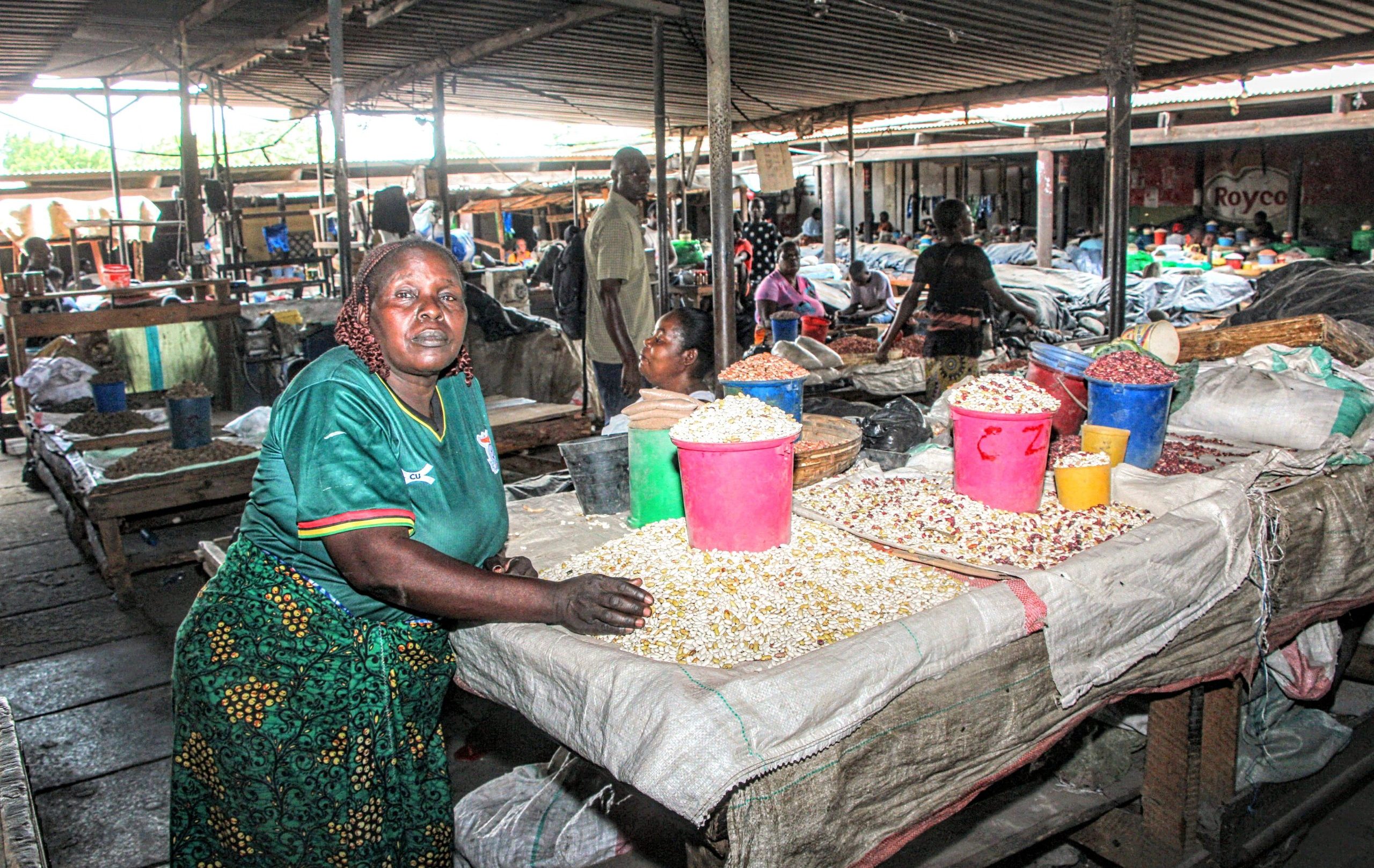
Monica Ng’ambi by her stall at Chiwempala Market in Chingola

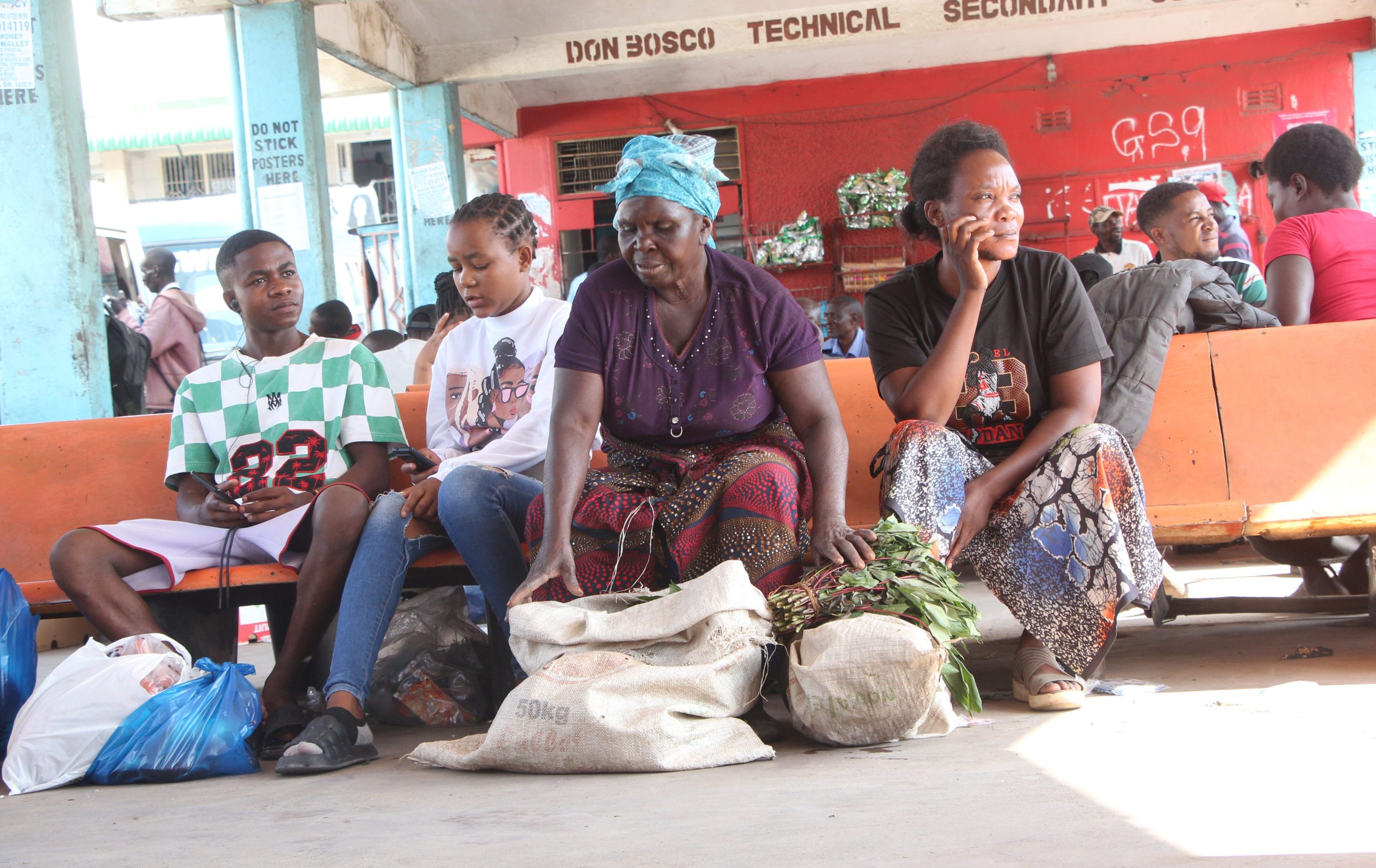
Travellers at the Chingola main bus station

Monica Ng’ambi by her stall at Chiwempala Market in Chingola

Travellers at the Chingola main bus station

Intense Chinese and Western interest in Zambia’s copper resources, however, has renewed the promise of using the mineral to lift people out of poverty, free the country from debt and meet its development goals. Mining investments have soared as the government seeks to massively boost copper output and add value to its resources by processing the metal for the electric vehicle (EV) industry.

But analysts warn that delivering on the ambitious plans while ensuring local people benefit requires the nation to address its large informal mining economy, end an opaque tax regime and deliver legislative efforts to better regulate the sector.

In Chingola, that will mean clamping down on a dangerous – and sometimes violent – illegal industry that sees gangs of youths scavenge and supply raw copper to small-scale Chinese processors.


Open for business

Zambia is Africa’s second-largest copper producer after the Democratic Republic of the Congo (DRC). Its economy depends on the metal, which accounts for around 70% of its export earnings.

Moving away from climate-warming fossil fuels and slashing greenhouse gas emissions requires the electrification of global power, transport and heating systems – none of which is possible without copper.

Copper is needed to manufacture everything from EV motors and batteries to solar power wiring and cables for energy storage and distribution networks.

As a result, soaring demand for the metal is soon expected to outstrip supply. The International Energy Agency has warned the world could see a 30% copper deficit by 2035, with more investments required to scale copper production than any other transition mineral.

To capture a slice of this booming market, the Zambian government has set out highly ambitious plans to quadruple copper output to three million tonnes annually by 2031. It recently launched a high-resolution aerial geological survey of the country to determine mineral deposits across its ten provinces – the first comprehensive mapping exercise since 1972.
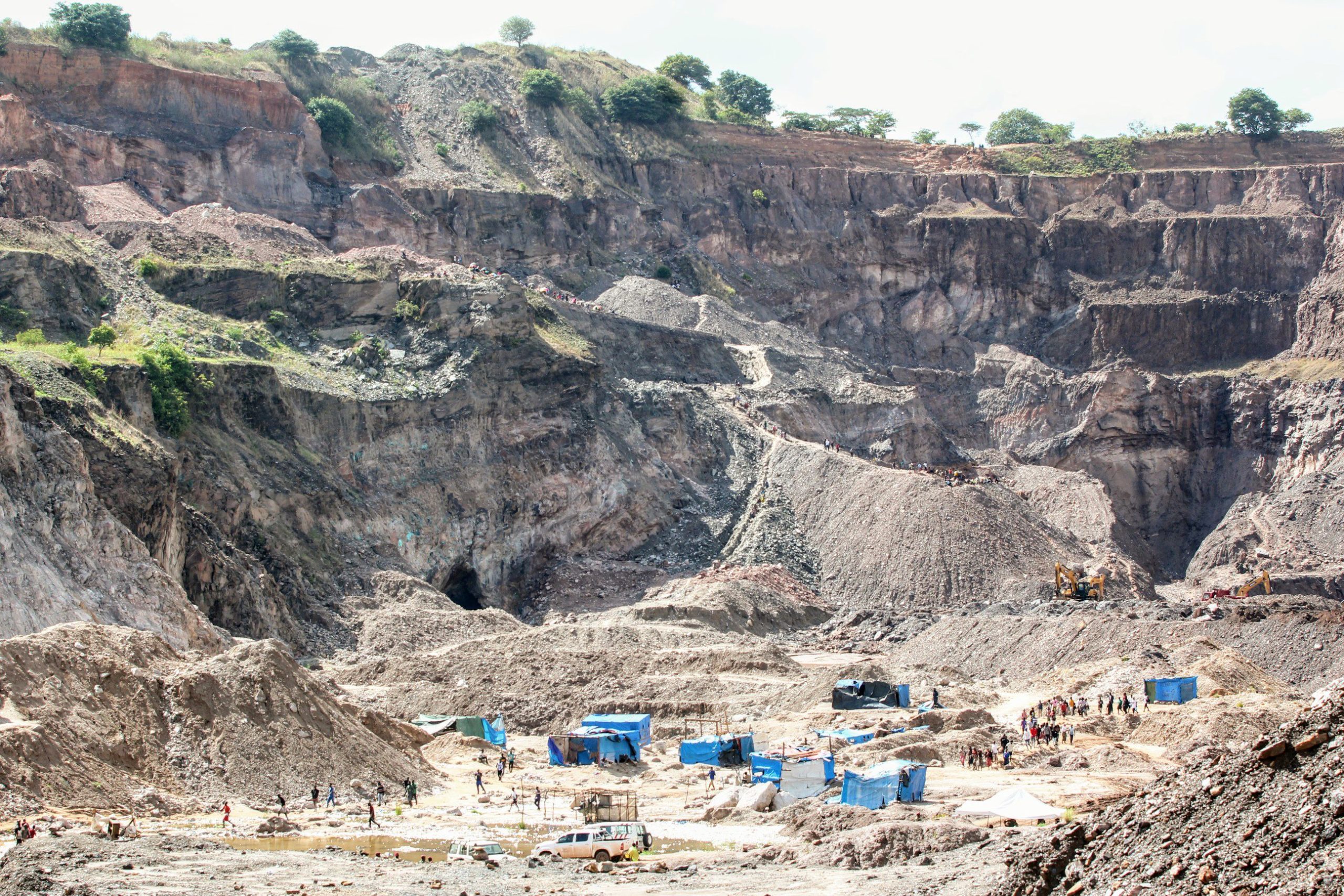
Illegal miners camp at the Sensele Mine in Chingola

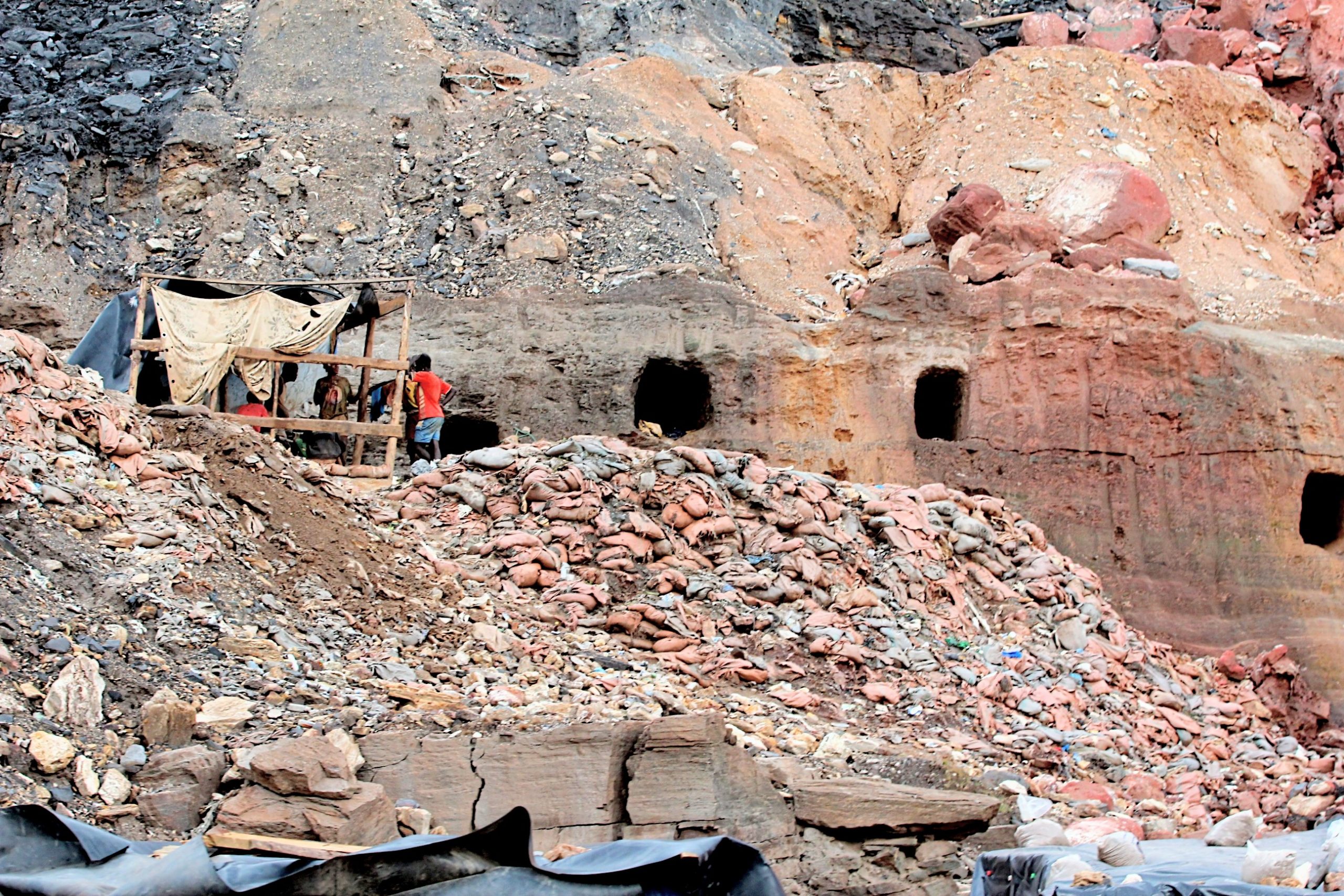
Illegal miners dig mining tunnels inside the pit

Illegal miners camp at the Sensele Mine in Chingola

Illegal miners dig mining tunnels inside the pit

To deliver on its growth plans, the government is wooing international investors to inject capital into the country’s ageing mining infrastructure, with some success.

Between 2022 and the end of June 2024, Zambia received mining investment pledges exceeding $7 billion for new and expansion projects, according to the World Bank.

Among Zambia’s flagship new investors is KoBold Metals, an AI-powered critical mineral exploration start-up, which is backed by Bill Gates and Jeff Bezos and is mooted to spend upwards of $2 billion on mining a vast copper deposit it recently discovered north of Chingola.

Over a few days in October, in a leafy neighbourhood of the capital Lusaka, government officials, investors, mining experts and company representatives gathered for the Zambia Mining and Investment Insaka – the country’s first international mining conference.

The event took stock of the impacts of a century of mining and pitched the nation’s mining opportunities to global mining companies and investors.

“We believe we have natural resources that can change the economy of this country,” Paul Kabuswe, Zambia’s mines minister, told the conference. But years of repeated policy changes created uncertainty in the mining sector, which hurt investments, he said. “All we needed were good policies that make investors comfortable,” said Kabuswe.

Since coming to power in 2021, the government has sought to develop a tax regime which is “stable, predictable and competitive“ to drive investments and scale mining output.

Mining companies have responded positively. Chinese firms, which have invested more than $3.5 billion in Zambia’s mining industry since the late 1990s, are planning to invest an additional $5 billion into the sector over the next five years, Li Zhanyan, chair of the Chinese Mining Enterprises Association, told the conference.

Shadow mines
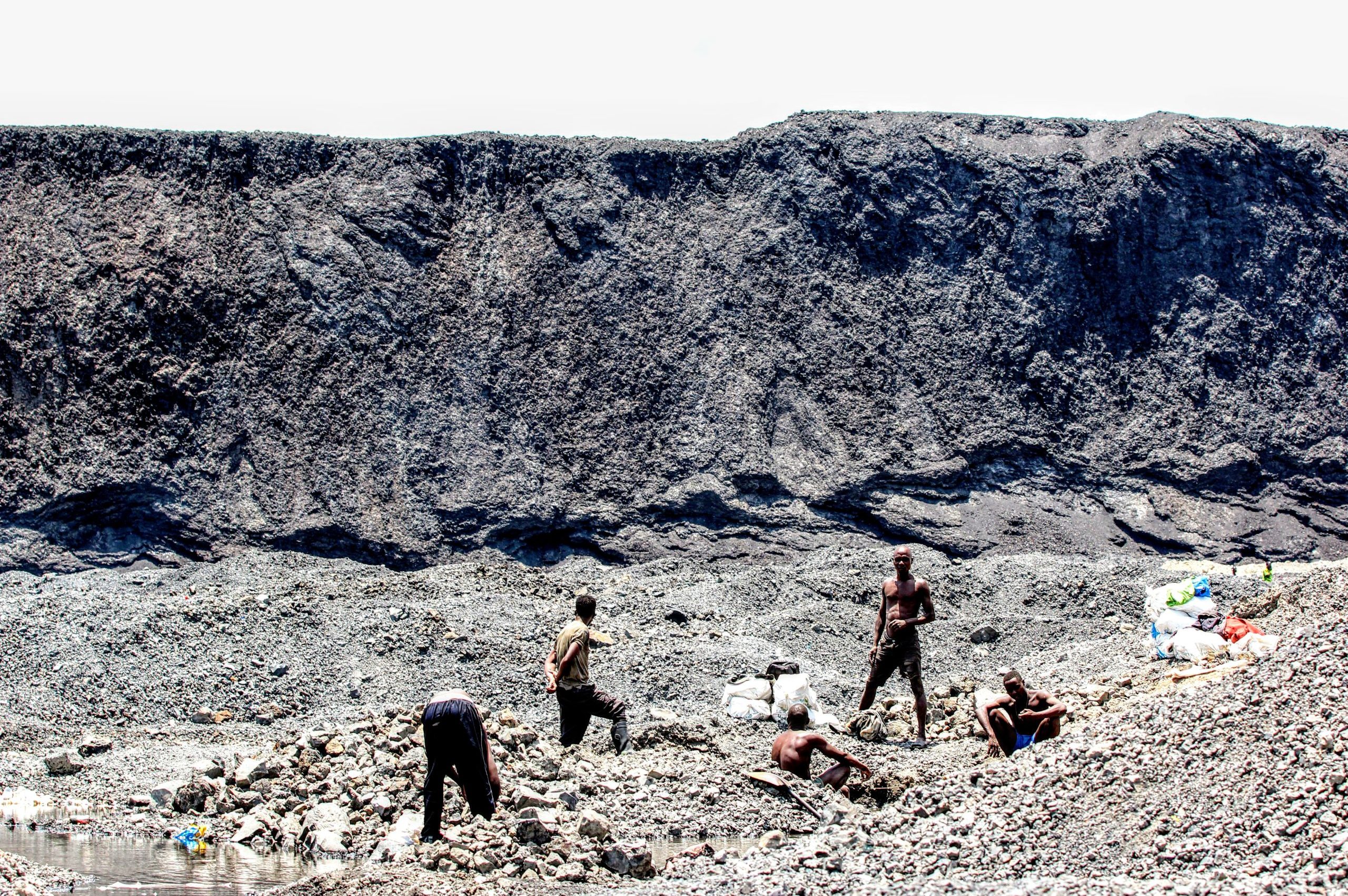
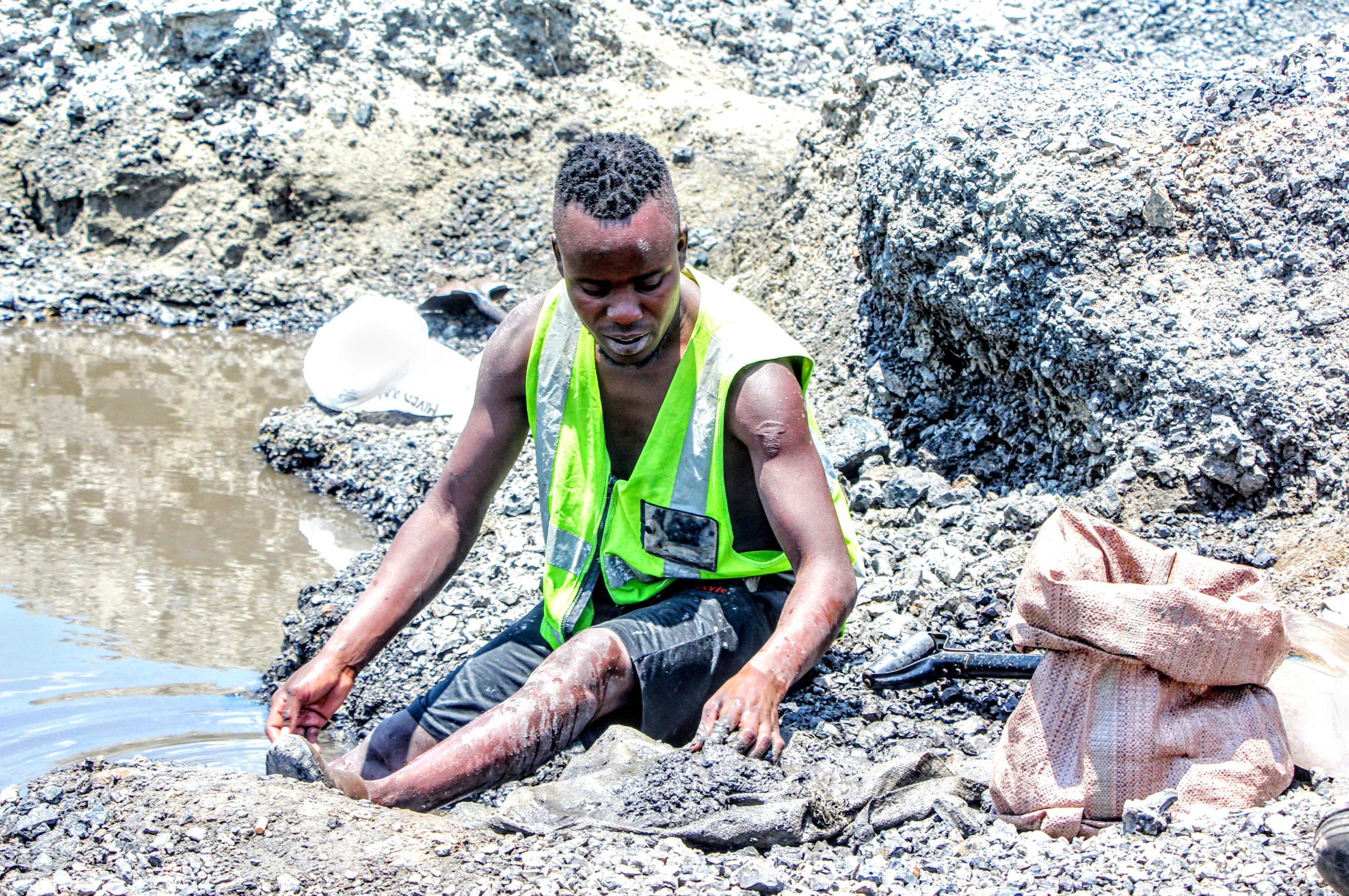
Artisanal miners look for copper at a large mining dump near Kitwe known as the Black Mountain

A miner uses a shovel to recover copper

Artisanal miners look for copper at a large mining dump near Kitwe known as the Black Mountain

A miner uses a shovel to recover copper

The copper-rich soils under Chingola gave the province its name: the Copperbelt.

For close to a century, the metal was extracted in some of the continent’s largest open-pit mines.

After Zambia’s independence, copper mining companies were gradually nationalised. Revenues from copper exports were used to boost public and development spending: the sector created jobs, and helped fund hospitals, healthcare facilities and education scholarships.

Chingola thrived. “Even those who didn’t work at the mines felt secure,” remembered Ngambi.

But by the early 1990s, President Frederick Chiluba had sold off the mines to private companies, including foreign firms, to withstand a long-term decline in copper prices and an economic depression. Jobs were cut and Chingola’s fortunes faded.
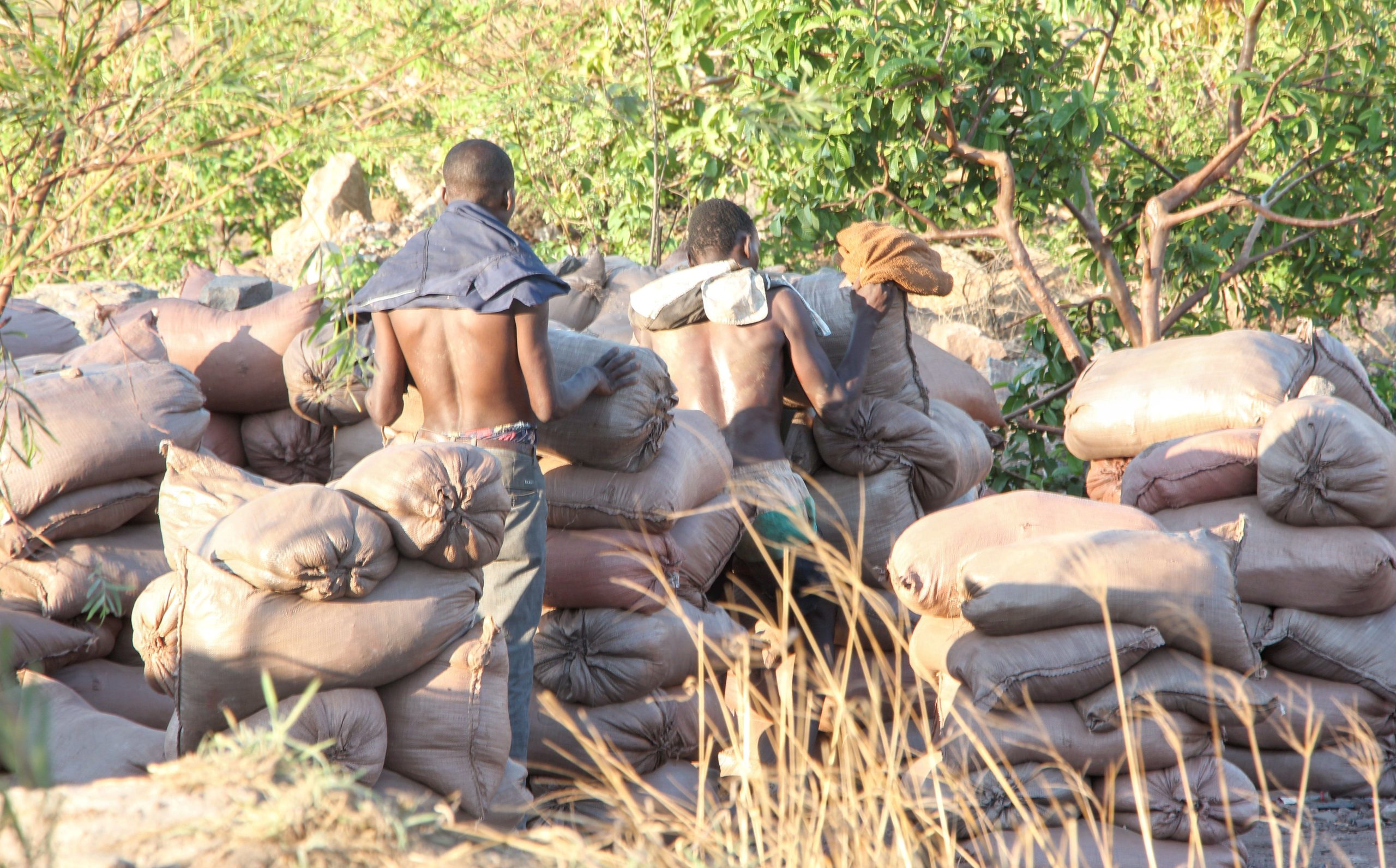
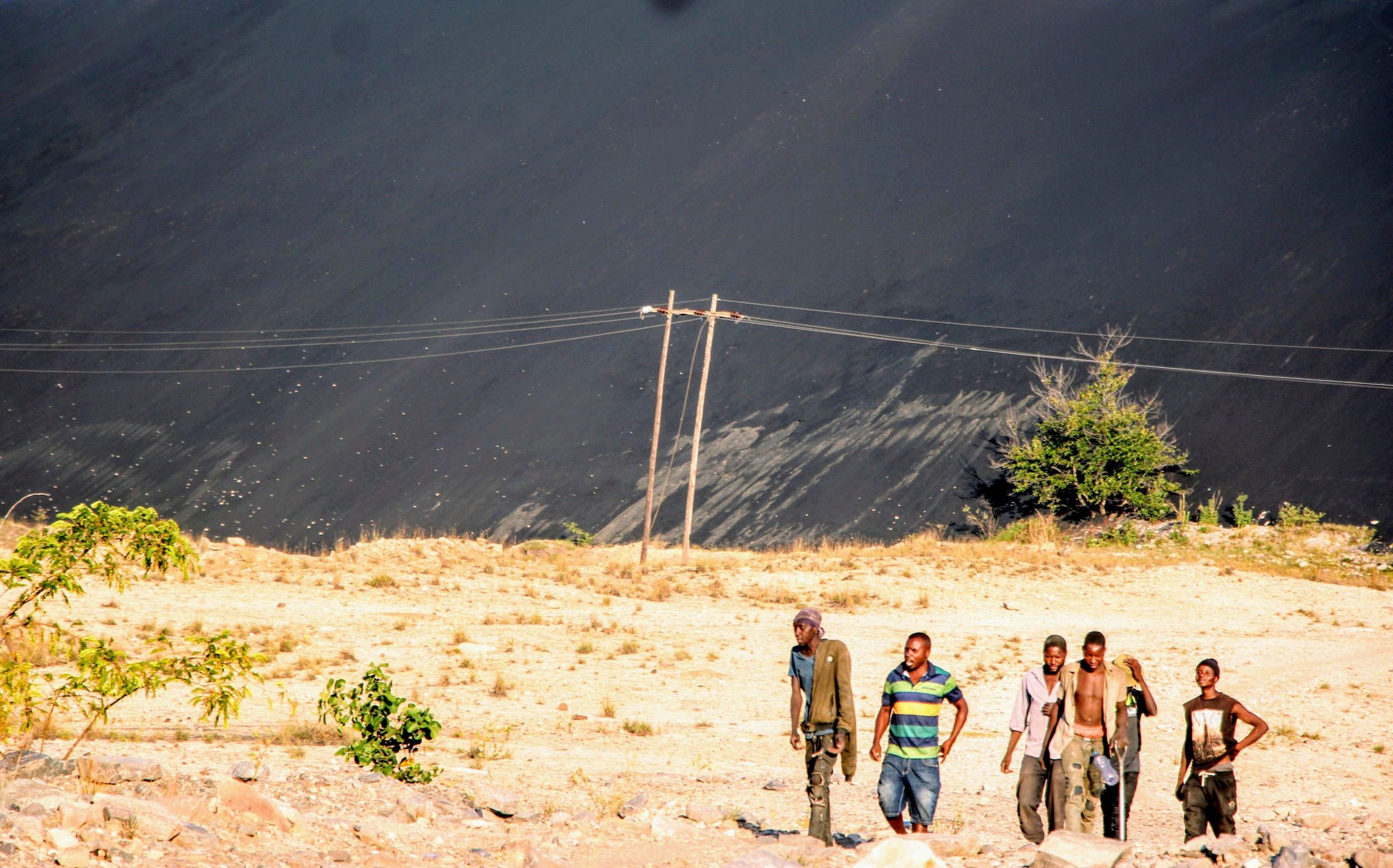
Artisanal miners sort bags of copper

Informal miners return home after a day’s work

Artisanal miners sort bags of copper

Informal miners return home after a day’s work

Whether renewed large-scale foreign investments can help clean up and modernise Zambia’s mining sector remains to be seen. Today, the country’s copper extraction relies partially on a parallel informal mining economy, fuelled by high youth unemployment, which has grown up to sustain the livelihoods of thousands of people.

Across the Copperbelt, gangs of young artisanal miners, known as Jerabos, scavenge copper scraps and mining waste known as tailings – dangerous work, which often turns deadly.

Without formal training or safety gear, the Jerabos dig tunnels hundreds of metres underground with minimal lighting and no structural reinforcements. They risk exposure to toxic waste and death if the tunnels cave-in.
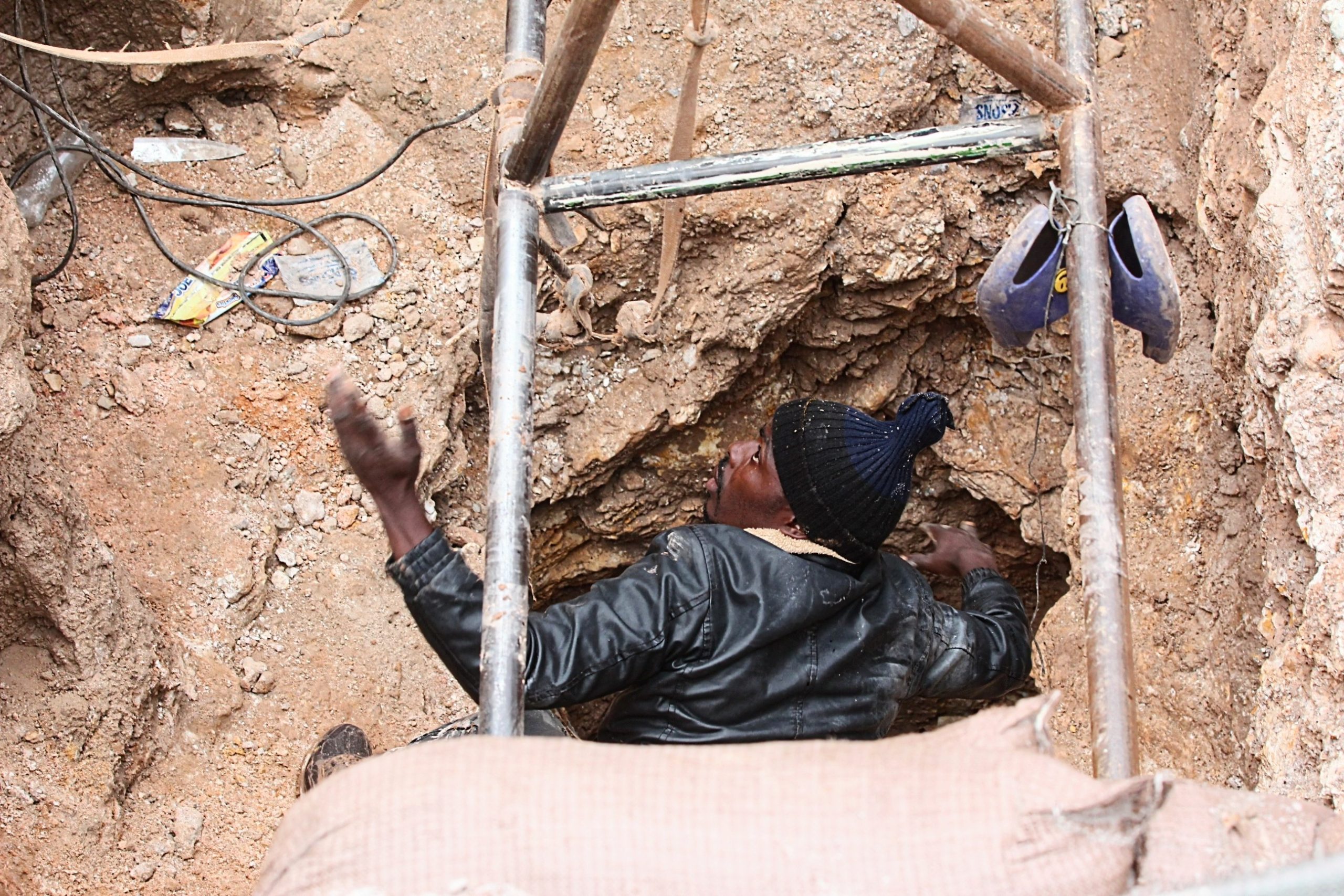

Illegal miner Mulenga Chishala climbs out of a mining tunnel

Edward Kapungwe is a leader of
an illegal mining gang in Chingola

Illegal miner Mulenga Chishala climbs out of a mining tunnel

Edward Kapungwe is a leader of
an illegal mining gang in Chingola

Over a 10-day period when Climate Home was reporting in the area in October 2024, ten men from Chingola died in both legal and illegal mining operations, local police officers told us.

Edward Kapungwe joined Chingola’s Jerabos at just 20 years old. Danger, he told Climate Home, is part of the job. But the work pays.

“We have a ready market – the Chinese,” he said, describing a network of buyers, some of whom operate unauthorised and makeshift smelters under trees.

This informal economy often fuels gang violence in Chingola, as rival groups compete for control over illegal copper trading networks, leading to frequent clashes over mining sites and smuggling routes.
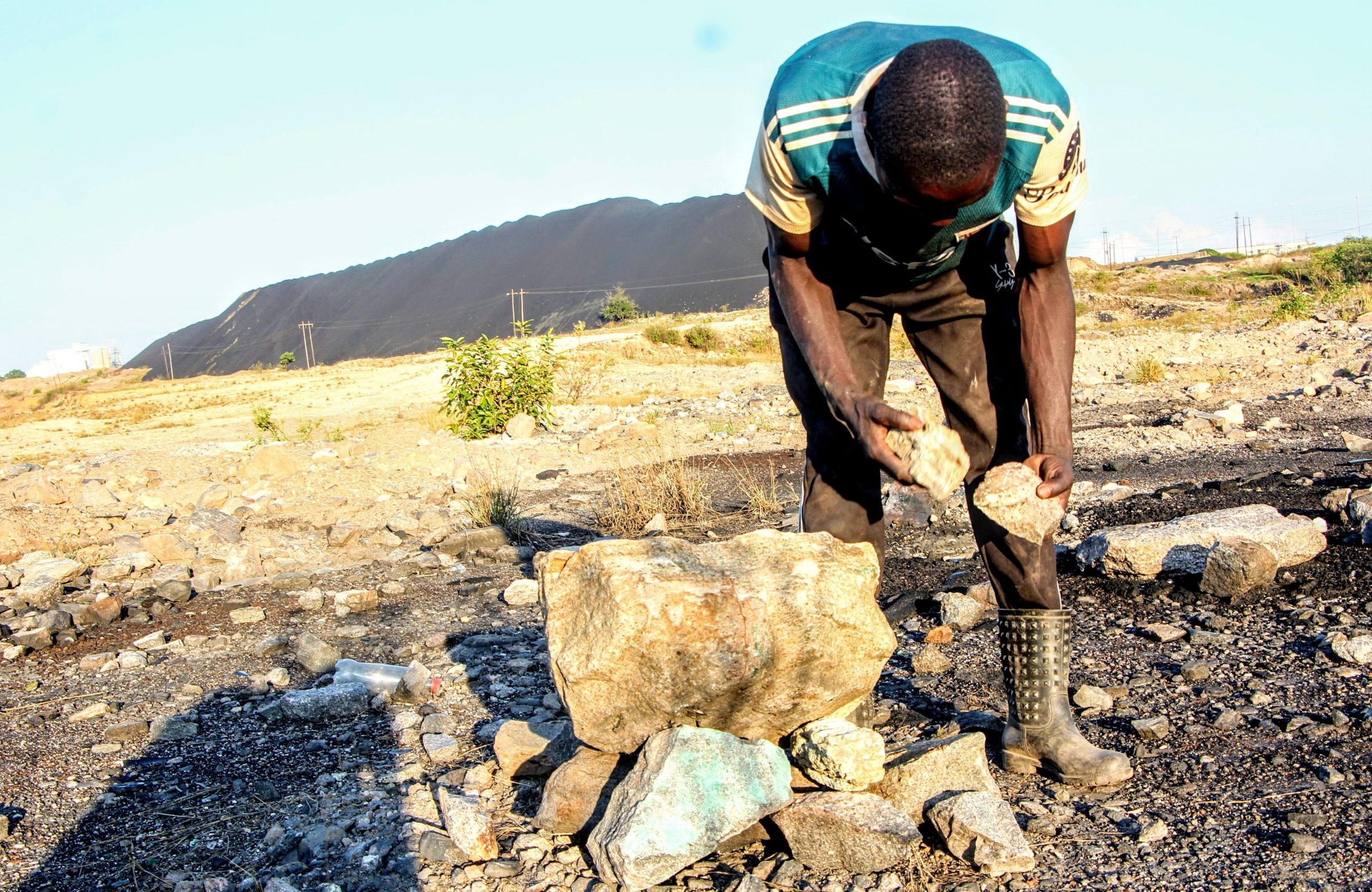
Ben Mweemba examines the copper ore he found

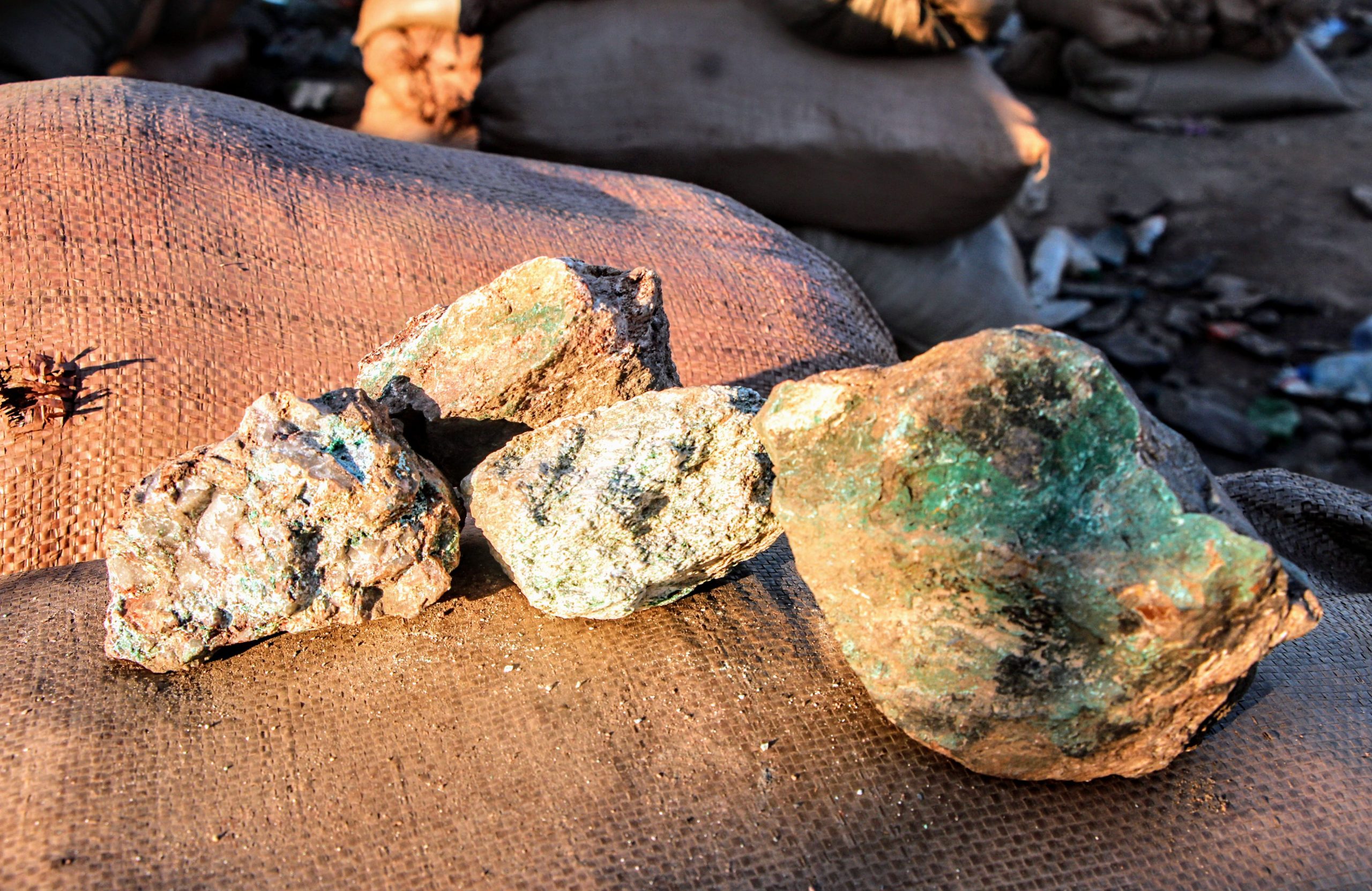
Copper ore

Ben Mweemba examines the copper ore he found

Copper ore

To tap into this vast workforce, the government wants to formalise the work of thousands of young illegal miners.

“We are working towards giving artisan licences to the youths so that they can legally mine and contribute to the tax base,” Raphael Chimupi, Chingola’s district commissioner, told Climate Home.

The increasing presence of mini processing plants, often run by Chinese companies, which purchase copper ore from unlicensed miners, indirectly encourages illegal mining activities, he added.
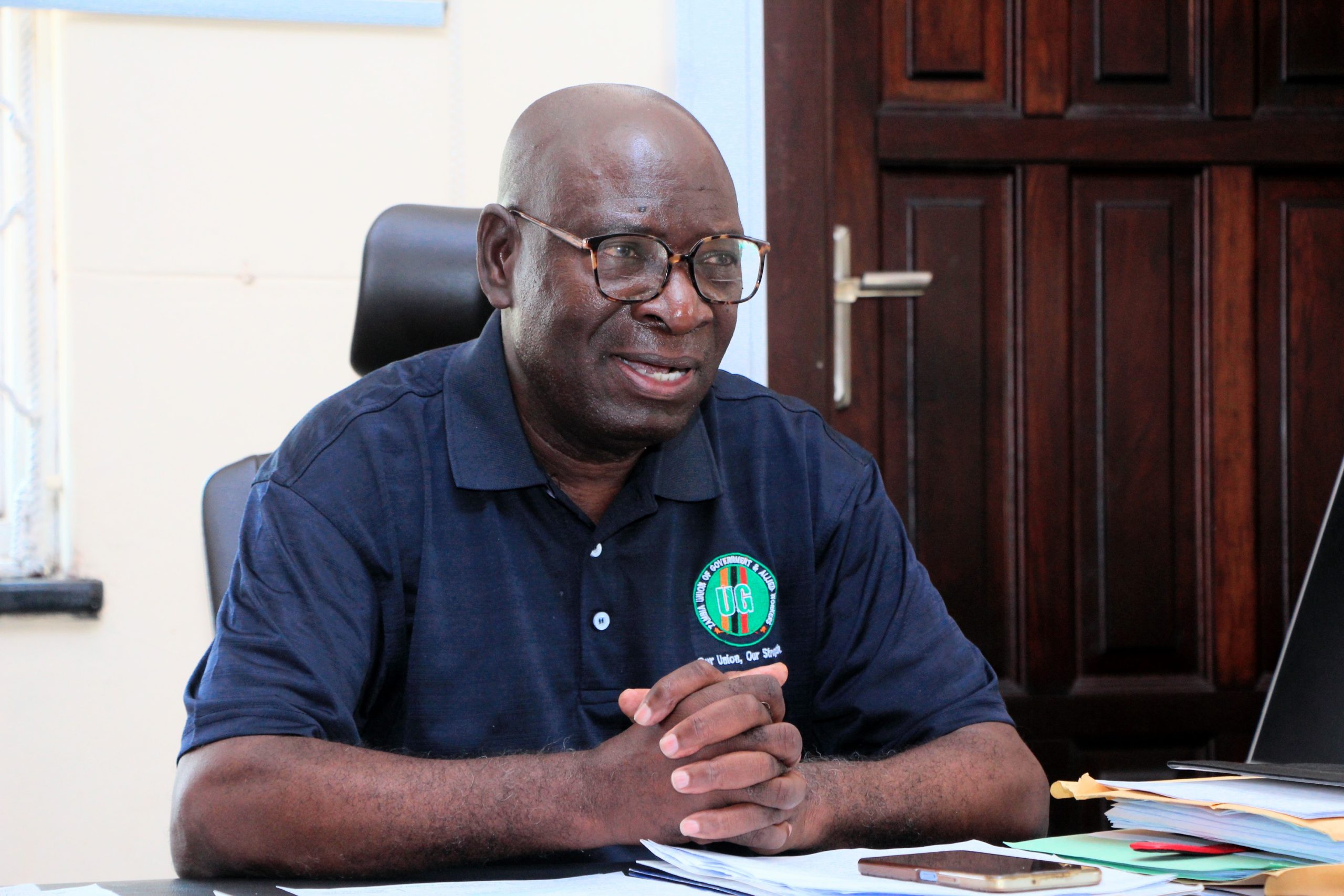
Chingola District Commissioner Raphael Chimupi

Chingola District Commissioner Raphael Chimupi

In response, the government is advancing legislation to prohibit the purchase of illegally mined copper through a licensing system which will help establish a more regulated and transparent supply chain, Chimupi said.

But campaigners at Transparency International have raised concerns the government’s dual approach of reforming the informal sector while turbocharging production could undermine governance reforms.

A node in the EV battery supply chain

To better capitalise on its resources, the mineral-rich but debt-laden nation has set out plans to shift away from exporting raw copper and to refine minerals domestically.

The move is part of Zambia’s plans to process its copper into high-value battery-grade metals, becoming a vital node in the continent’s aspiring EV supply chain.
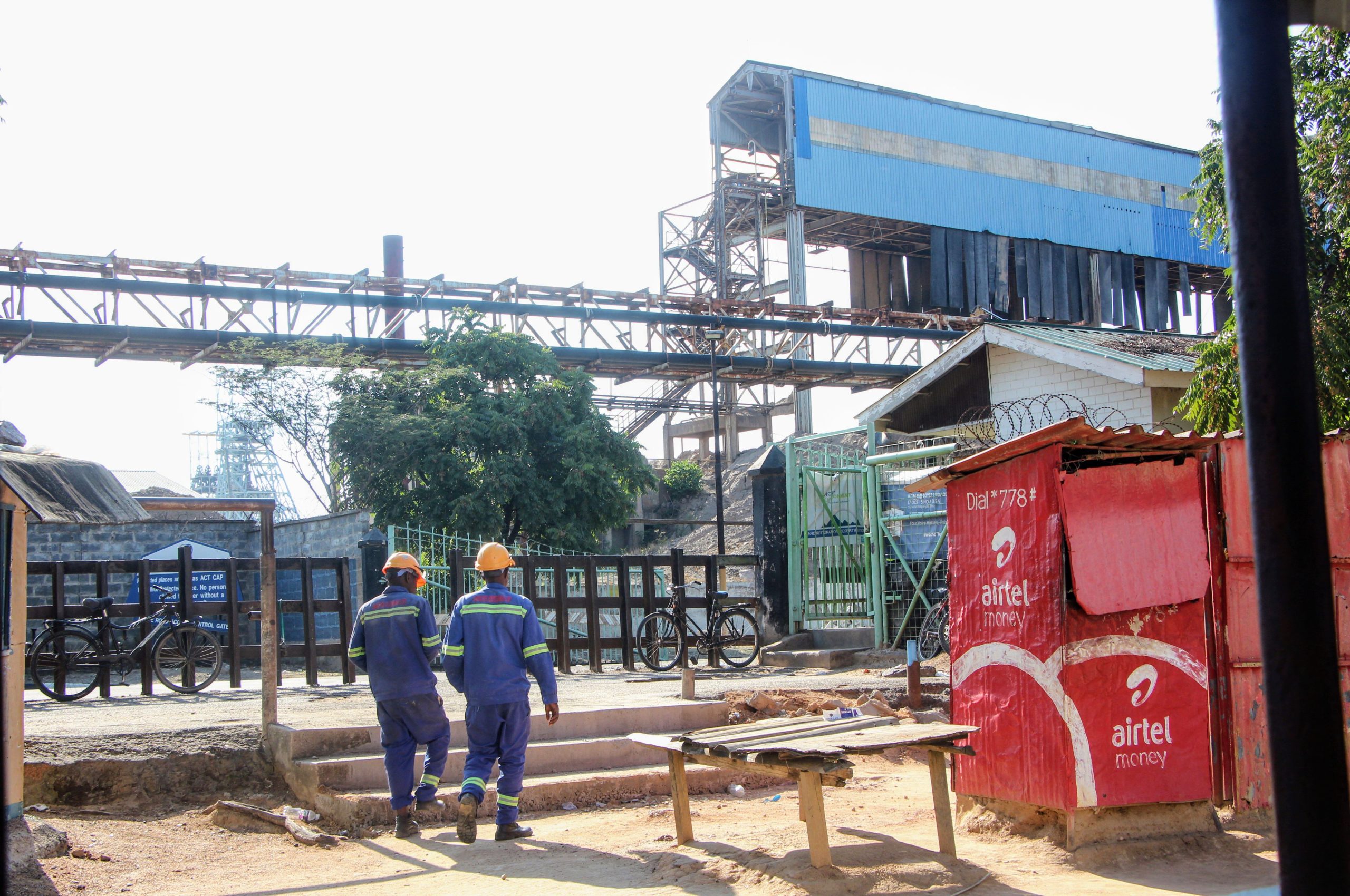
KCM workers go to work at the mine near Chingola

KCM workers go to work at the mine near Chingola

In late 2022, the US, Zambia and the DRC agreed to support the development of a joint EV battery supply chain across the two African nations that would cover mining, processing, manufacturing and assembly, sparking hope for further value addition on their soil.

The DRC holds abundant reserves of copper and 70% of the world’s reserves of cobalt, another pivotal battery material.

While US President Donald Trump’s support for the initiative agreed under his predecessor is uncertain, Kabuswe told the mining summit that Zambia and the DRC are working to develop a battery manufacturing supply chain. “This transition would create jobs and bring substantial economic benefits to our communities,” he said, calling for the negotiations with the DRC to move forward.

Chingola is earmarked as a potential site for an EV battery production plant and the plans have brought hope to the mining town.
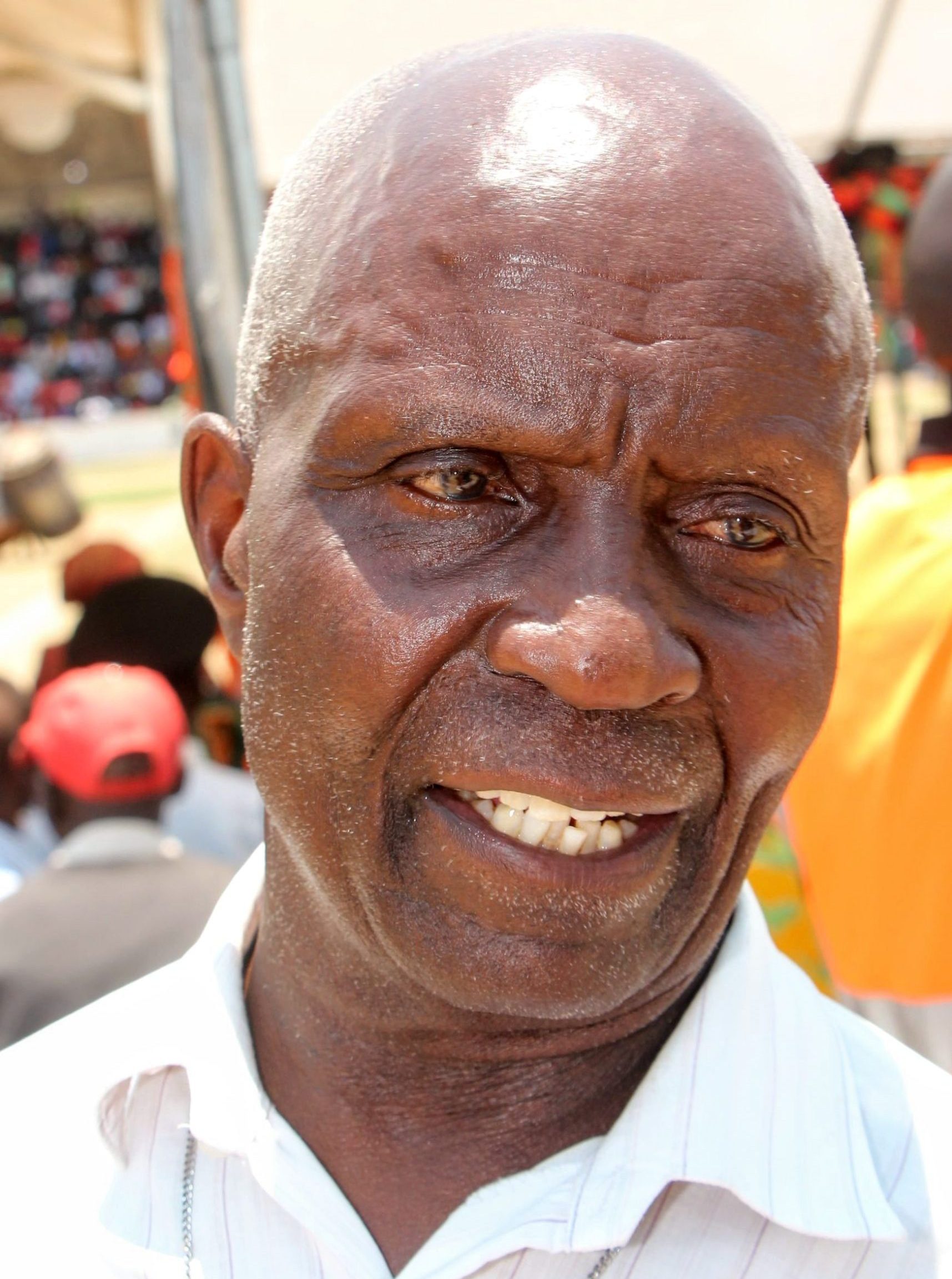
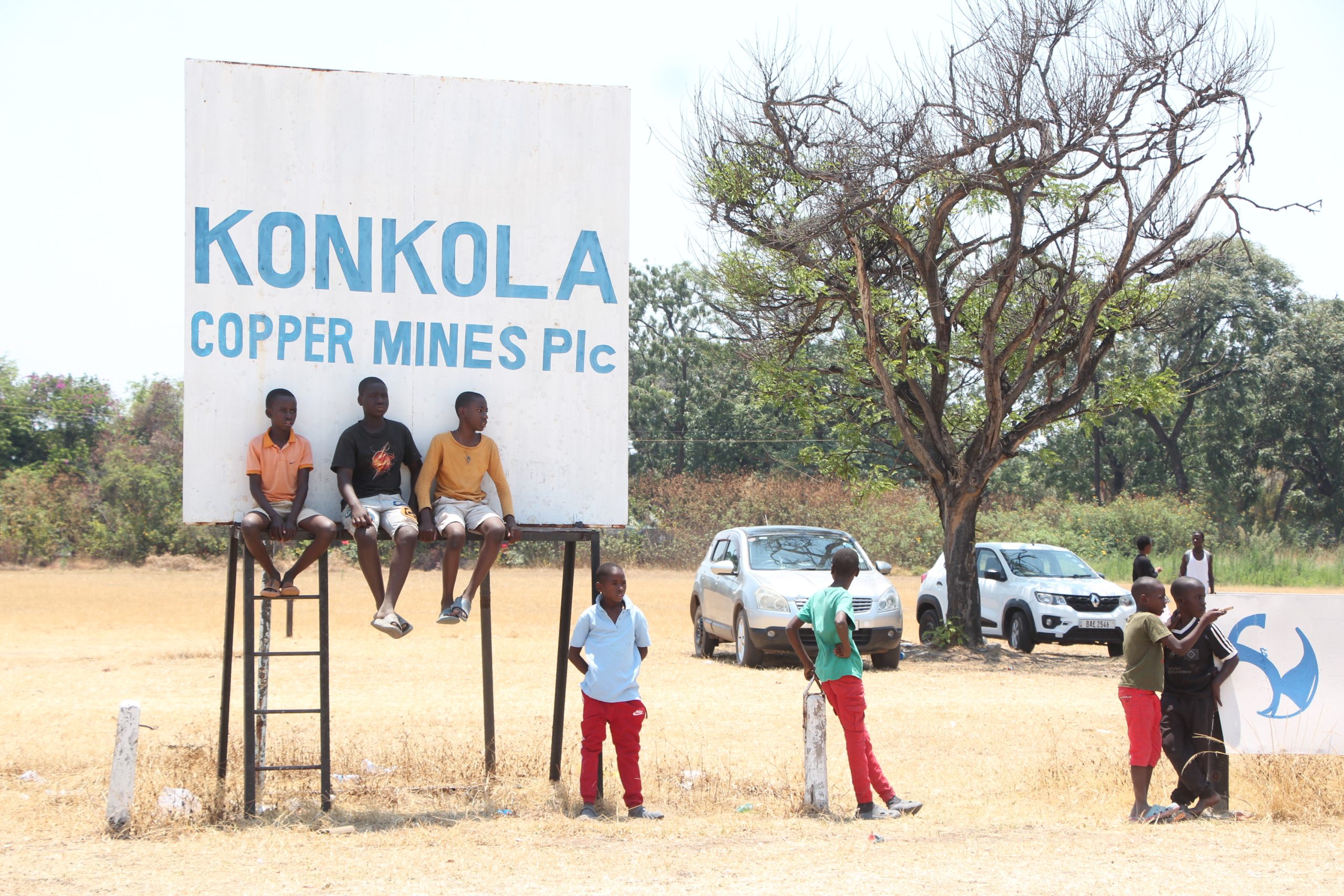
Mulenga Pascal Bwalya

Children sit in front of a KCM sign

Mulenga Pascal Bwalya

Children sit in front of a KCM sign

Mulenga Pascal Bwalya arrived in Chingola in 1965 a young and ambitious man with a job in the copper mining industry. Decades later and now retired, Bwalya said the rise of EVs could mark a U-turn in Zambia’s struggle to add value to its resources.

“Copper is one of the valuable components of electric vehicles. I pray that those will be assembled here one day, ensuring technology transfer, creating employment for our people and fostering a prosperous Zambia,” he said.

From raw resources to processed wealth

Anticipating a jump in production, the US and China are reviving two major railway projects to join the landlocked nation to the sea and get Zambia’s mineral resources to their own markets.

To the west, the US is supporting the Lobito Corridor, a massive railway project linking the DRC to the Angolan port of Lobito, which previously received Chinese investment. A new 830-kilometre section would extend the railway to Chingola in Zambia’s Copperbelt.

The railway, which has received financing exceeding $1 billion, has been designed to create a faster route to export DRC and Zambia’s minerals. It will reduce the journey time from 45 days using the existing road corridor to the South African port of Durban to just seven days, lowering export costs and cutting emissions, according to the project’s developers.
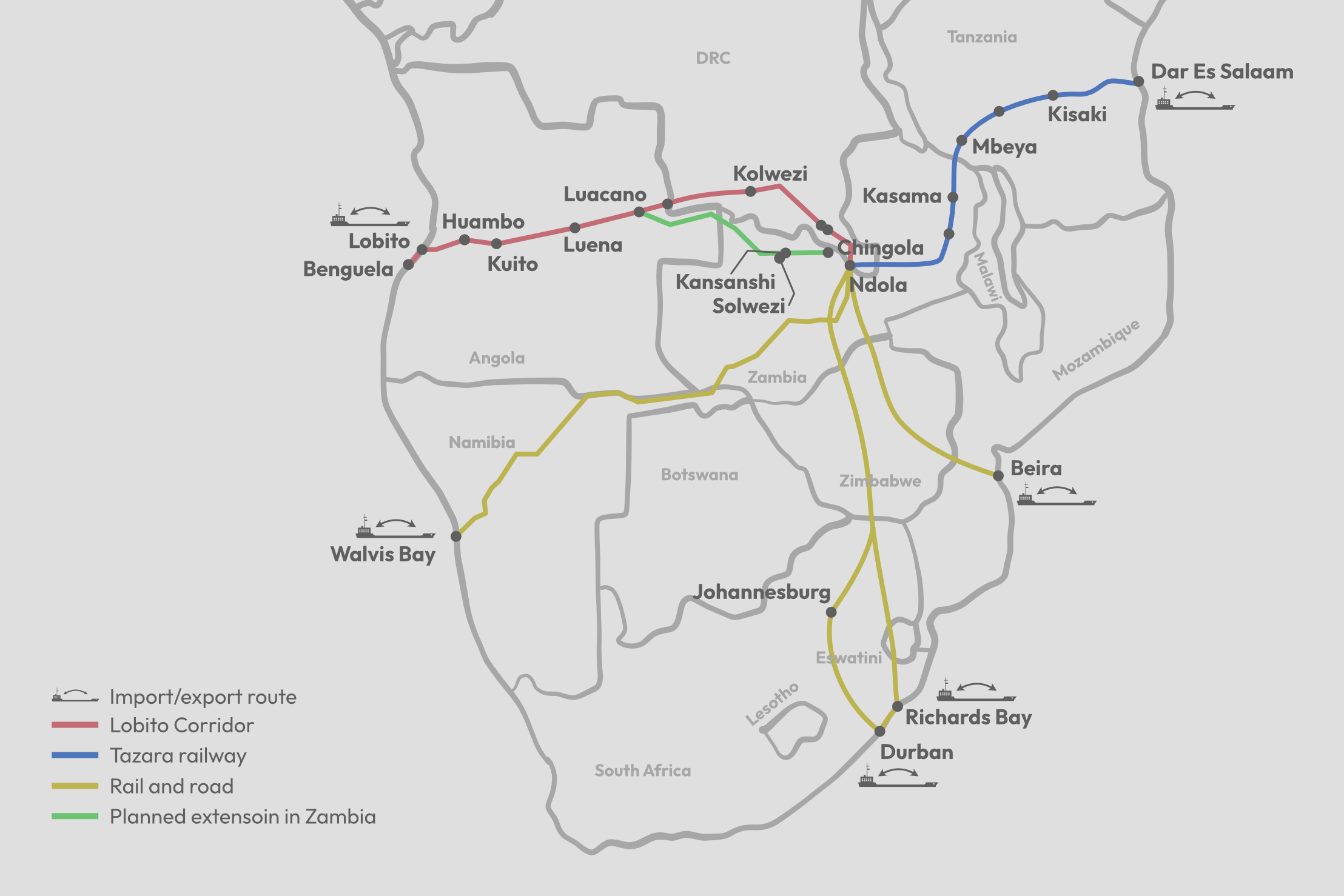


The Biden administration backed the rehabilitation of the Angolan section of the railway with a $553-million loan but it is unclear to what extent Trump will support the project. Yet, KoBold Metals has already committed to use the railway to export 300,000 tons of copper and related freight annually.

To the east, China is revamping the Tazara railway, which links Zambia’s Copperbelt to the Tanzanian port of Dar es Salaam. Plans to link the two rail projects would create a huge network of infrastructure to facilitate trade across the continent.

Both projects have the potential to massively boost Zambia’s copper exports. But experts caution they could serve as fast lanes for exporting raw minerals if the resources are not processed domestically before they are shipped.
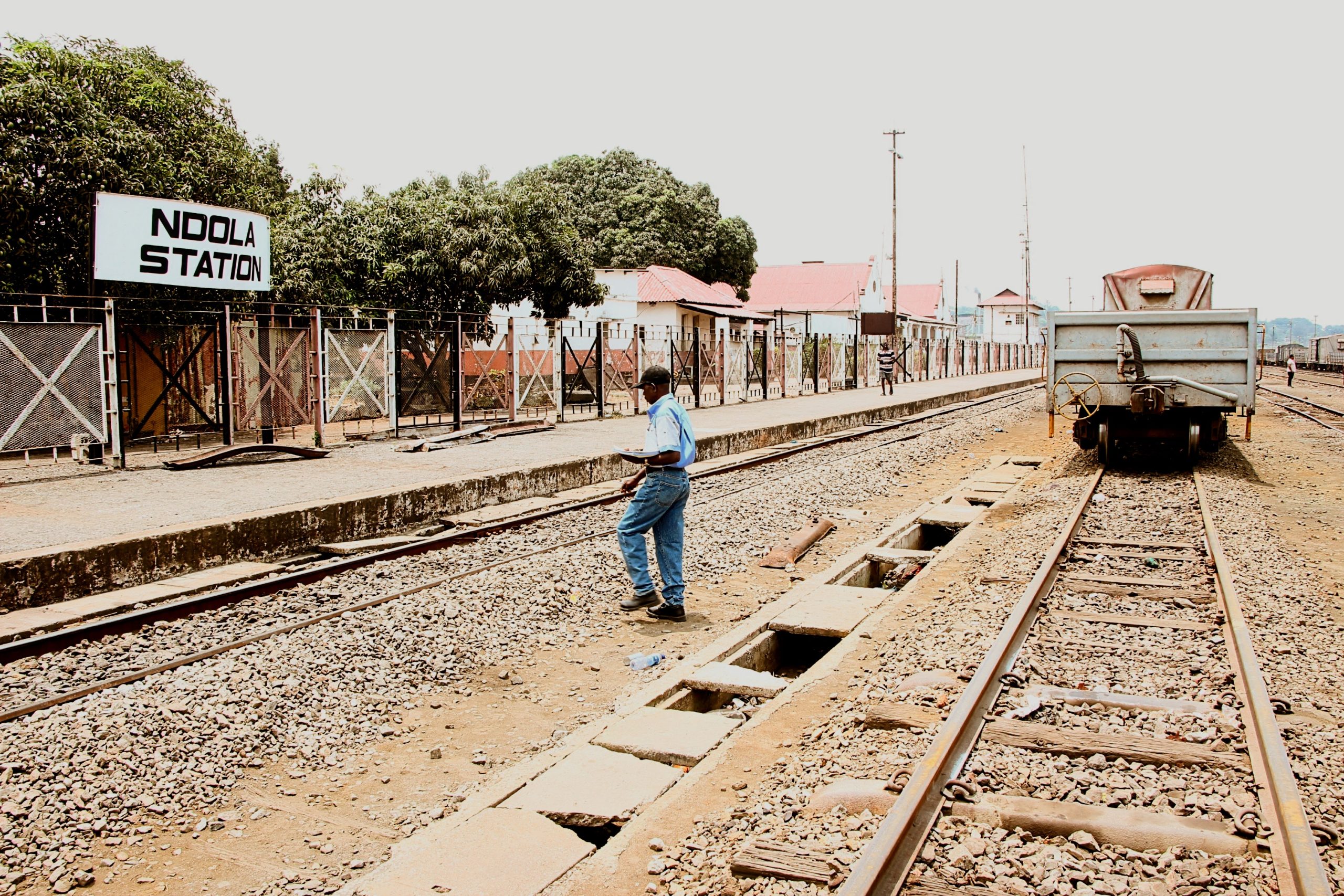
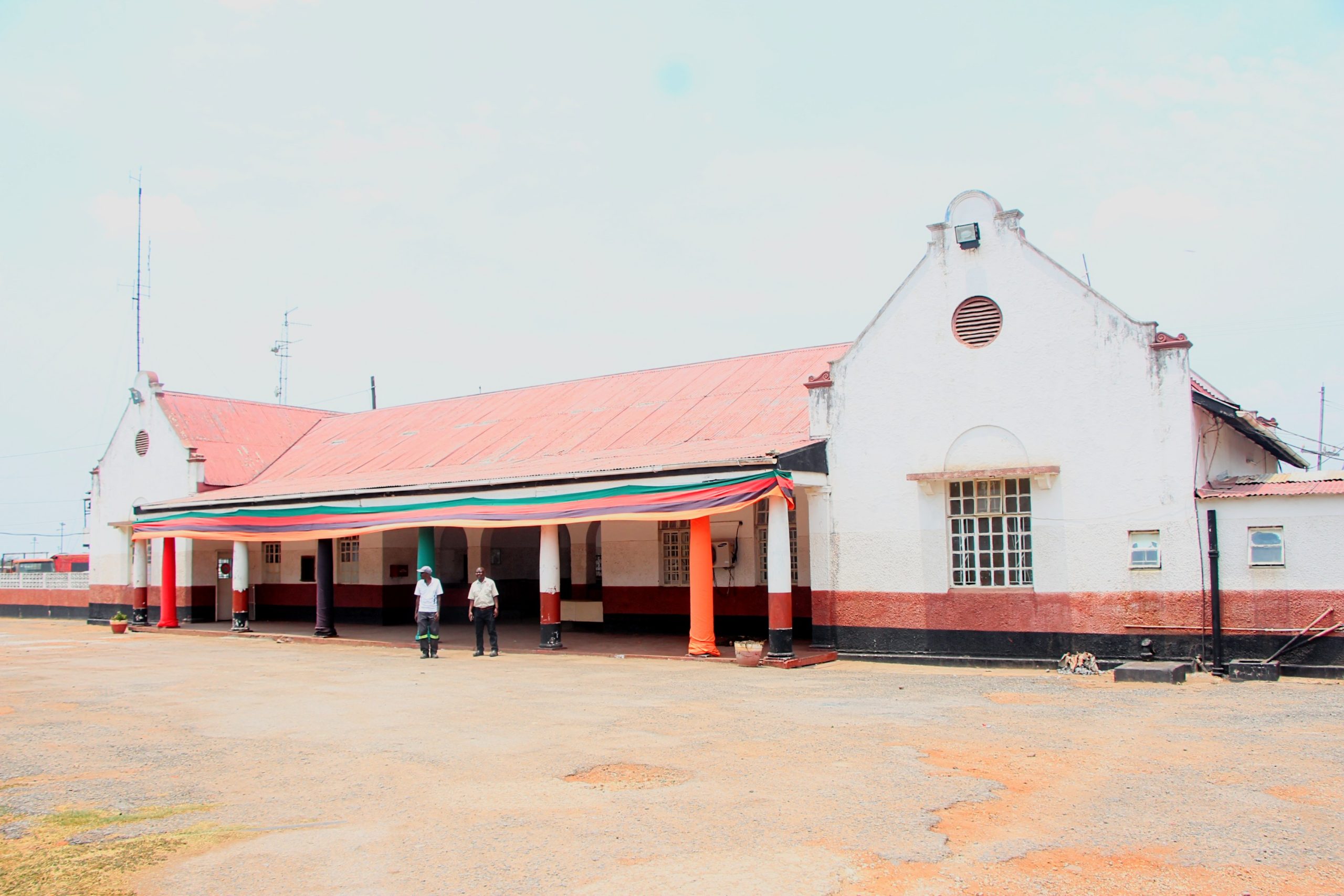
Ndola rail Station was built in 1924 to export copper from the Copperbelt

The station could get a makeover as part of plans to revamp the Tazara railway

Ndola rail Station was built in 1924 to export copper from the Copperbelt

The station could get a makeover as part of plans to revamp the Tazara railway

“The development of the Lobito Corridor and the modernisation of Tazara are important for Zambia’s mining sector. But we must ensure that these projects focus on refining and value addition,” Ashu Sagar, president of the Zambia Association of Manufacturers, told the mining conference.

“If these transport corridors are used solely to export raw copper, we risk losing out on the full economic potential that comes with value-added products,” he said.

KoBold didn’t answer Climate Home’s questions about whether it plans to process the copper it is set to start commercially mining in 2026 in the country.

An estimated 20% of Zambia’s copper is processed domestically, according to Zamefa, the nation’s sole copper processor. Raw copper is exported for processing, mostly to China, which refines the majority of the world’s minerals for producing clean energy technologies.

But some plans are afoot to process minerals in Zambia, including Africa’s first cobalt sulphate refinery to supply battery grade cobalt for EVs.

For the many, not the few

Civil society groups in Zambia have long demanded more accountability in the country’s mining sector so it maximises revenues, benefits local communities and helps finance local development.

OpenNet For All Zambia, a local NGO, has pointed to secretive mining contracts and an opaque tax regime with loopholes allowing companies to underreport earnings as part of the problem that keeps wealth from communities.

“Mining must contribute to the social fabric, not just corporate profits,” Sipho Mwanza, the NGO’s executive director, told Climate Home.

“These opaque systems make it difficult for the government to monitor and collect the fair share of revenues from the sector, often resulting in substantial revenue losses for the country,” he warned.
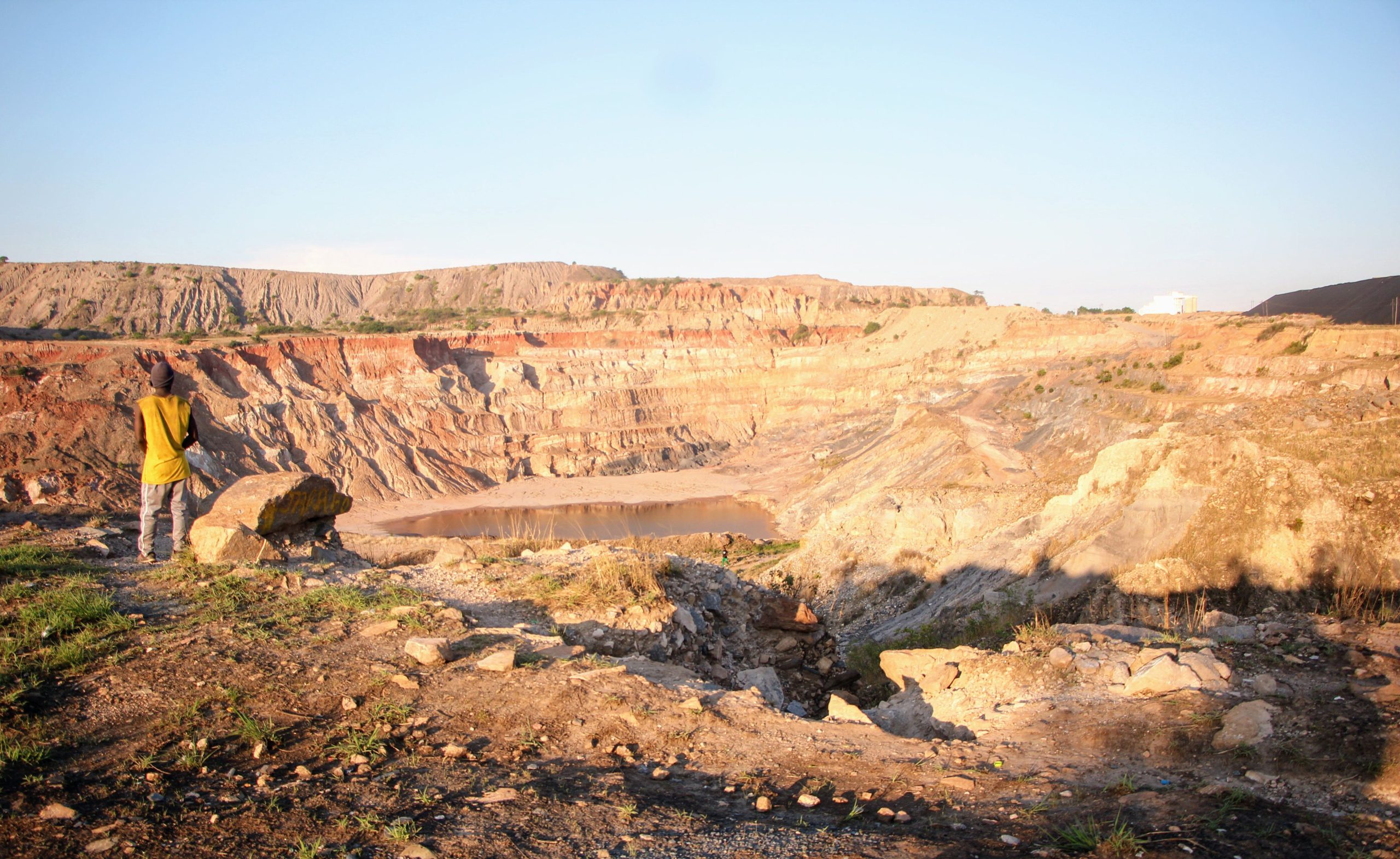
A disused open pit which is mined by artisanal miners mine

A disused open pit which is mined by artisanal miners mine

“Zambia’s mining sector needs to be accountable,” agreed Edward Lange, of the Southern Africa Resource Watch, which monitors resource extraction in the region. He told Climate Home that fair taxation policies, stricter corporate social responsibility laws and local value addition are essential to retain more mining wealth in the country.

Lange welcomed the government’s legislative push to create a more transparent and better regulated mining sector.

This includes plans to reduce foreign dominance, increase Zambian ownership through a local content requirement, and ensure the country benefits more from its vast mineral resources by establishing a public investment company that will control at least 30% of mineral production from future mines.

“By focusing on these fair and equitable policies, Zambia has the potential to improve its national economy, increase job creation, and ensure that its resources benefit the local population while still attracting foreign investment,” said Lange.

“Our resources should not be a curse,” he added, “but uplift our communities.”


Main image: Artisanal miners look for copper in mining waste

The post Ending poverty and gangs: How Zambia seeks to cash in on the global drive for EVs appeared first on Climate Home News.

Ending poverty and gangs: How Zambia seeks to cash in on the global drive for EVs

Continue Reading

Climate Change

Carbon Brief Quiz 2026: Picture Round 1 and 2

Published

on

All answers will need to be submitted via the Google form by the end of the half-time break

The post Carbon Brief Quiz 2026: Picture Round 1 and 2 appeared first on Carbon Brief.

Carbon Brief Quiz 2026: Picture Round 1 and 2

Continue Reading

Climate Change

Landmark deal to share Chile’s lithium windfall fractures Indigenous communities

Published

on

Rudecindo Espíndola’s family has been growing corn, figs and other crops for generations in the Soncor Valley in northern Chile, an oasis of green orchards in one of the driest places on Earth the Atacama desert.

Perched nearly 2,500 metres above sea level, his village, Toconao, means “lost corner” in the Kunza language of the Indigenous people who have lived and farmed the land in this remote spot for millennia.

“Our deep connection to this place is based on what we have inherited from our ancestors: our culture, our language,” said Espíndola, a member of a local research team that found evidence that people have inhabited the desert for more than 12,000 years.

This distant outpost is at the heart of the global rush for lithium, a silvery-white metal used to make batteries for electric vehicles (EV) and renewable energy storage that are vital to the world’s clean energy transition. The Atacama salt flat is home to about 25% of the world’s known lithium reserves, turning Chile into the world’s second-largest lithium producer after Australia.

For decades, the Atacama’s Indigenous Lickanantay people have protested against the expansion of the lithium industry, warning that the large evaporation ponds used to extract lithium from the brine beneath the salt flats are depleting scarce and sacred water supplies and destroying fragile desert ecosystems.

Espíndola joined the protests, fearing that competition for water could pose an existential threat to his community.

But last year, he was among dozens of Indigenous representatives who sat across the table from executives representing two Chilean mining giants to hammer out a governance model that gives Indigenous communities living close to lithium sites a bigger say over operations, and a greater share of the economic benefits.

A man wearing a black T-shirt and a hat stands in front of a tree
Rudecindo Espíndola stands in a green oasis near the village of Toconao in the Atacama desert (Photo: Francisco Parra)

A pioneering deal

The agreement is part of a landmark deal between state-owned copper miner Codelco and lithium producer the Sociedad Química y Minera de Chile (SQM) to extract lithium from the salt flats until 2060 through a joint venture called NovaAndino Litio.

The governance model that promises people living in Toconao and other villages around the salt flats millions of dollars in benefits and greater environmental oversight is the first of its kind in mineral-rich Chile, and has been hailed by industry experts as the start of a potential model for more responsible mining for energy transition metals.

NovaAndino told Climate Home News the negotiations with local communities represented an “unprecedented process that has allowed us to incorporate the territory’s vision early in the project’s design” and creates “a system of permanent engagement” with local communities.

The company added it will contribute to sustainable development in the area and help “the safeguarding of [the Lickanantay people’s] culture and environmental values”.

    For mining companies, such agreements could help reduce social conflicts and protests, which have delayed and stalled extraction in other parts of South America’s lithium-rich region, known as the lithium triangle.

    “Argentina and Bolivia could learn a lot from what we’re doing [here],” said Rodrigo Guerrero, a researcher at the Santiago-based Espacio Público think-tank, adding that adopting participatory frameworks early on could prevent them from “going through the entire cycle of disputes” that Chile has experienced.

    Justice at last?

    As part of the governance deal, NovaAndino has pledged to adopt technologies that will reduce water use and mitigate the environmental impacts of lithium extraction.

    It has also committed to hold more than 100 annual meetings with community representatives to build a “good faith” relationship, and an Indigenous Advisory Council will meet twice a year with the company’s sustainability committee to discuss its environmental strategy, company sources said. The meetings are due to begin next month.

    To oversee the agreement’s implementation, an assembly – composed of representatives from all 25 signatory communities – will track the project’s progress. In addition, NovaAndino will hold one-on-one meetings with each community to address issues such as the hiring of local people and the protection of Indigenous employees.

    A flamingo at the Chaxa Lagoon in the Atacama salt flat (Photo: REUTERS/Cristian Rudolffi)

    Espíndola said the deal, while far from perfect, was an important step forward.

    “Previously, Indigenous participation was ambiguous. Now we talk about participation at [every] hierarchical level of this process, a very strong empowerment for Indigenous communities,” said Espíndola, adding that it did not give local communities everything they had asked for. For instance, they will not hold veto power over NovaAndino’s decisions or have a formal shareholder role.

    But after years of conflict with mining companies, a form of “participatory justice is being done”, he said.

    Not everyone is convinced that the accord, pushed by Chile’s former leftist government, marks progress, however.

    “Not in our name”

    The negotiations have caused deep divisions among the Lickanantay, some of whom say greater engagement with mining companies will not stop irreparable damage to the salt flats on which their traditional way of life depends. Others fear the promise of more money will further erode community bonds.

    In January 2024, Indigenous communities from five villages closest to the mining operations, including Toconao, blocked the main access roads to the lithium extraction sites. They said the Council of Atacameño Peoples, which represents 18 Lickanantay communities and was leading discussions with the company, no longer spoke for them.

    Official transcripts of consultations on the extension of the lithium contracts and how to share the promised benefits reveal deep divisions. Tensions peaked when communities around the mining operations clashed over how to distribute the multimillion-dollar windfall, with villages closest to the mining sites demanding the largest share.

    Eventually, separate deals establishing a new governance framework over mining activities were reached between Codelco and SQM with 25 local communities, including a specific agreement for the five villages closest to the extraction sites.

    Codelco’s chairman Maximo Pacheco (Photo: REUTERS/Rodrigo Garrido)

    The division caused by the separate deal for the five villages “will cause historic damage” to the unity of the Atacama desert’s Indigenous peoples, said Hugo Flores, president of the Council of Atacameño Associations, a separate group representing farmers, herders and local workers who oppose the mining expansion.

    Sonia Ramos, 83, a renowned Lickanantay healer and well-known anti-mining activist, lamented the fracturing of social bonds over money, and for the sake of meeting government objectives.

    “There is fragmentation among the communities themselves. Everything has transformed into disequilibrium,” said the 83-year-old.

    “[NovaAndino] supposedly has economic significance for the country, but for us, it is the opposite,” she said.

    The company told Climate Home News it has “acted consistently” to promote “transparent, voluntary, and good-faith dialogue with the communities in the territory, recognising their diversity and autonomy, and always respecting their timelines and forms of participation”.

    A one-off deal or a model for others?

    The NovaAndino joint venture is a pillar of Chile’s strategy to double lithium production by 2031 and consolidate the copper-producing nation’s role in the clean energy transition as demand for battery minerals accelerates.

    Chile’s new far-right president, José Antonio Kast, who was sworn in last week, promised to respect the lithium contracts signed by his predecessor’s administration – including the governance model.

    Still, some experts say the splits over the new model highlight the need for legislation that mandates direct engagement and minimum community benefits for all large mining projects.

    “In the past, this has lent itself to clientelism, communities who negotiate best or arrive first get the better deal,” said Pedro Zapata, a programme officer in Chile for the Natural Resource Governance Institute.

    “This can be to the detriment of other communities with less strength. We cannot have first- and second-class citizens subject to the same industry,” he added.

    The government is already negotiating two more public-private partnerships to extract lithium with mining giant Rio Tinto, which it said would include a framework to engage with Indigenous communities and share some of the revenues. The details will need to be negotiated between local people, the government and the company.

    Sharing the benefits of mining

    Under the deal in the Atacama, NovaAndino will run SQM’s current lithium concessions until they expire in 2030 before seeking new permits to expand mining in the region under a vast project known as “Salar Futuro” – a process which will require further mandatory consultations with communities.

    Besides the participatory mechanism, the new agreement promises more money than ever before for salt flat communities.

    A stone arch welcomes visitors to the village of Peine, one of the closest settlements to lithium mining sites in the Atacama salt flat (Photo: REUTERS/Cristian Rudolffi)

    Depending on the global price of lithium and their proximity to the mining operations, Indigenous communities could collectively receive roughly $30 million annually in funding – about double what SQM currently disburses under existing contracts.

    When taking into account the company’s payments to local and regional authorities, contributions could reach $150 million annually, according to the government.

    To access these resources, each community will need to submit a pipeline of projects they would like funding for under a complex arrangement that includes five separate financial streams:

    • A general investment fund will distribute funding based on each village’s size and proximity to the mining sites
    • A development fund will support projects specifically in the five communities closest to the extraction sites
    • Contributions to farmers and livestock associations
    • Contributions to local governments
    • A groundbreaking “intergenerational fund” held in trust for the Lickanantay until 2060

    For many isolated communities in the Atacama desert, financial contributions from mining firms have funded essential public services, such as healthcare and facilities like football pitches and swimming pools.

    In the past, communities have used some of the benefits they received from mining to build their own environmental monitoring units, hiring teams of hydrogeologists and lawyers to scrutinise miners’ activities.

    Espíndola said the new model could pave the way for more ambitious development projects such as water treatment plants and community solar energy projects.

    A man in a white shirt and glasses stands in front of a stone wall
    Sergio Cubillos, president of the Peine community, was one of the Indigenous representatives in the negotiations with Codelco and SQM (Photo credit: Formando Rutas/ Daniela Carvajal)

    Competition for water

    The depletion of water resources is one of local people’s biggest environmental concerns.

    To extract lithium from the salt flats, miners pump lithium-rich brine accumulated over millions of years in underground reservoirs into gigantic pools, where the water is left to evaporate under the sun and leaves behind lithium carbonate.

    One study has shown that the practice is causing the salt flat to sink by up to two centimetres a year. SQM recently said its current operations consume approximately 11,500 to 12,500 litres of industrial freshwater for every metric ton of lithium produced.

    NovaAndino has committed to significantly reduce the company’s water use by returning at least 30% of the water it extracts from the brine and eliminating the use of all freshwater in its operations within five years of obtaining an environmental permit.

      Cristina Dorador, a microbiologist at the University of Antofagasta, told Climate Home News that reinjecting the water underground is untested at a large scale and could impact the chemical composition of the salt flats.

      Continuing to extract lithium from the flats until 2060 could be the “final blow” for this fragile ecosystem, she said.

      Asked to comment on such concerns, NovaAndino said any new technology will be “subject to the highest regulatory standards”, and pledged to ensure transparency through “an updated monitoring system with the participation of Indigenous communities”.

      High price for hard-won gains

      For the five communities living on the doorstep of the lithium pools, one of the biggest gains is being granted physical access to the mining sites to monitor the lithium extraction and its impact on the salt flats.

      That is a first and will strengthen communities’ ability to call out environmental harms, said Sergio Cubillos, the community president of Peine, the village closest to the evaporation ponds. It could also give them the means to seek remediation through the courts if necessary, Espíndola said.

      Gaining such rights represents long-overdue progress, Cubillos said, but it has come at a high price for the Lickanantay people.

      “Communities receiving money today is what has ultimately led to this division, because we haven’t been able to figure out what we want, how we want it, and how we envision our future as a people,” he said.

      Main image: A truck loads concentrated brine at SQM’s lithium mine at the Atacama salt flat in Chile (Photo: REUTERS/Ivan Alvarado)

      The post Landmark deal to share Chile’s lithium windfall fractures Indigenous communities appeared first on Climate Home News.

      Landmark deal to share Chile’s lithium windfall fractures Indigenous communities

      Continue Reading

      Climate Change

      Roadmap launched to restart deadlocked UN plastics treaty talks

      Published

      on

      Diplomats will hold a series of informal meetings this year in a bid to revive stalled talks over a global treaty to curb plastic pollution, before aiming to reconvene for the next round of official negotiations at the end of 2026 or early 2027.

      Hoping to find a long-awaited breakthrough in the deeply divided UN process, the chair of the talks, Chilean ambassador Julio Cordano, released a roadmap on Monday to inject momentum into the discussions after negotiations collapsed at a chaotic session in Geneva last August.

      Cordano wrote in a letter that countries would meet in Nairobi from June 30 to July 3 for informal discussions to review all the components of the negotiations, including thorny issues such as efforts to limit soaring plastic production.

        The gathering should result in the drafting of a new document laying the foundations of a future treaty text with options on elements with divergent views, but “no surprises” such as new ideas or compromise proposals. This plan aims to address the fact that countries left Geneva without a draft text to work on – something Cordano called a “significant limitation” in his letter.

        “Predictable pathway”

        The meeting in the Kenyan capital will follow a series of virtual consultations every four to six weeks, where heads of country delegations will exchange views on specific topics. A second in-person meeting aimed at finding solutions might take place in early October, depending on the availability of funding.

        Cordano said the roadmap should offer “a predictable pathway” in the lead-up to the next formal negotiating session, which is expected to take place over 10 days at the end of 2026 or early 2027. A host country has yet to be selected, but Climate Home News understands that Brazil, Azerbaijan or Kenya – the home of the UN Environment Programme – have been put forward as options.

        Countries have twice failed to agree on a global plastics treaty at what were meant to be final rounds of negotiations in December 2024 and August 2025.

        Divisions on plastic production

        One of the most divisive elements of the discussions remains what the pact should do about plastic production, which, according to the UN, is set to triple by 2060 without intervention.

        A majority, which includes most European, Latin American, African and Pacific island nations, wants to limit the manufacturing of plastic to “sustainable levels”. But large fossil fuel and petrochemical producers, led by Saudi Arabia, the United States, Russia and India, say the treaty should only focus on managing plastic waste.

        As nearly all plastic is made from planet-heating oil, gas and coal, the sector’s trajectory will have a significant impact on global efforts to reduce greenhouse gas emissions.

        Countries still far apart

        After an eight-month hiatus, informal discussions restarted in early March at an informal meeting of about 20 countries hosted by Japan.

        A participant told Climate Home News that, while the gathering had been helpful to test ideas, progress remained “challenging”, with national stances largely unchanged.

        The source added that countries would need to achieve a significant shift in positions in the coming months to make reconvening formal negotiations worthwhile.

        Deep divisions persist as plastics treaty talks restart at informal meeting

        Jacob Kean-Hammerson, global plastics policy lead at Greenpeace USA, said the new roadmap offers an opportunity for countries to “defend and protect the most critical provisions on the table”.

        He said that the document expected after the Nairobi meeting “must include and revisit proposals backed by a large number of countries, especially on plastic production, that have previously been disregarded”.

        “These measures are essential to addressing the crisis at its source and must be reinstated as a key part of the negotiations,” he added.

        The post Roadmap launched to restart deadlocked UN plastics treaty talks appeared first on Climate Home News.

        Roadmap launched to restart deadlocked UN plastics treaty talks

        Continue Reading

        Trending

        Copyright © 2022 BreakingClimateChange.com