
Connect with us
The UK government’s “high-risk” research funding agency last week announced that it will invest £57m ($76m) in a new solar geoengineering research programme. “Solar geoengineering” refers...
Shanxi province in northern China is the country’s largest coal producer, leaving its coal-reliant economy and workers particularly exposed to the nation’s pledge to transition away...
Rapidly rising emissions from China’s agricultural machinery could “hinder” the country’s push to net-zero, according to new research. The study, published in Nature Food, finds that...
For the first time, the growth in China’s clean power generation has caused the nation’s carbon dioxide (CO2) emissions to fall despite rapid power demand growth....
More than 70% of European cities are not adapting to climate change in a consistent and coherent way. That is the headline finding of our new...


Welcome to Carbon Brief’s DeBriefed. An essential guide to the week’s key developments relating to climate change. This week Australia votes for climate action CLIMATE PROMISE:...


On May 1, these 26 House Republicans signed a new letter supporting clean energy tax credits that have particularly benefitted America’s nuclear power capacity. New support...
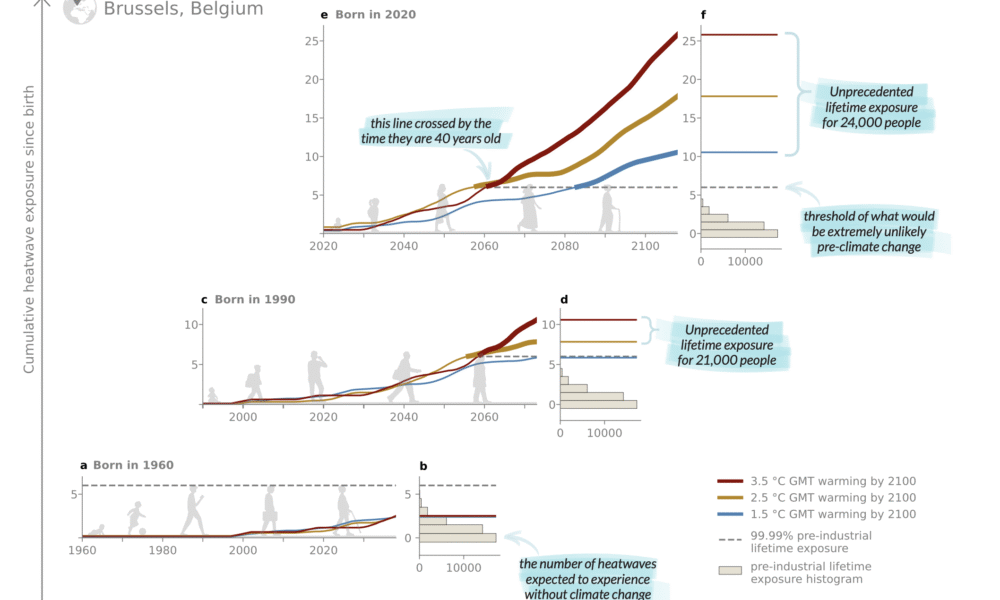


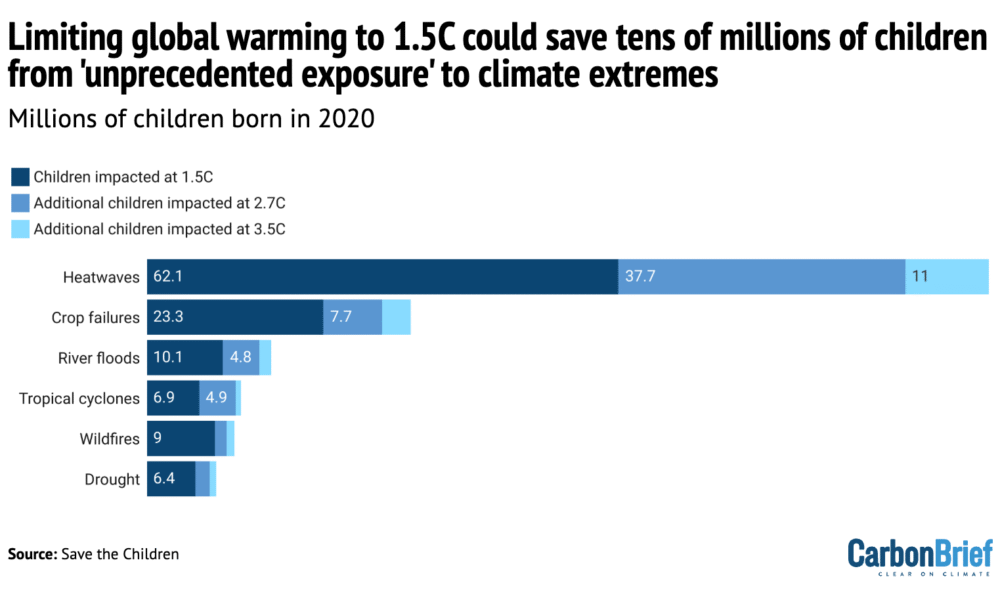
Children born in 2020 will face “unprecedented exposure” to extreme weather events, including heatwaves, droughts and wildfires, even if warming is limited to 1.5C above pre-industrial...


We handpick and explain the most important stories at the intersection of climate, land, food and nature over the past fortnight. This is an online version...
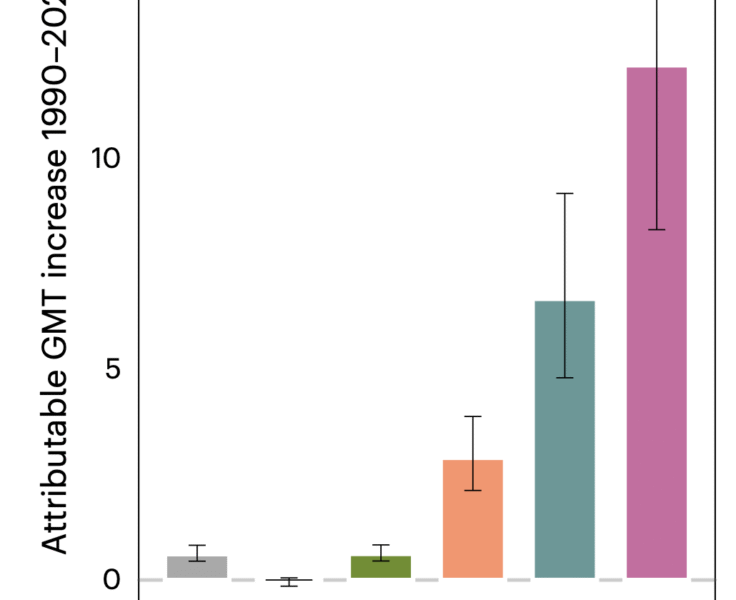

The “wealthiest 10%” of people on the planet are “responsible” for 65% of the 0.61C increase in global average temperatures over 1990-2020, according to new research....


