


An Introduction to Ballard Power Systems Company Reviews
Ballard Power Systems is a Canadian company specializing in fuel cell technology. They are known for their work in the fuel cell industry, particularly in the development of hydrogen fuel cells for various applications, including transportation and stationary power.
Ballard Power Systems is a leading Canadian company at the forefront of fuel cell technology. With a strong presence in the global market, the company has garnered significant attention from both investors and customers. Reviews of Ballard Power Systems Company provide valuable insights into its products, services, and overall performance in the field of hydrogen fuel cells.
These reviews often cover a range of topics, including the company’s technological innovations, environmental impact, financial stability, and customer experiences with their products. Whether you’re considering investing in the company or interested in their sustainable energy solutions, reading Ballard Power Systems Company reviews can help you make informed decisions and gain a better understanding of their reputation and performance.
Ballard Power Systems History
Ballard Power Systems is a Canadian company with a significant history in the development and advancement of fuel cell technology.
Here’s a brief overview of their history:
Foundation (1979)
The company was founded in 1979 as Ballard Research Inc. by Dr. Geoffrey Ballard and Keith Prater. Their initial focus was on lithium batteries, but they soon shifted their attention to proton exchange membrane (PEM) fuel cells.
Fuel Cell Development (1983-1990s)
In the 1980s and 1990s, Ballard made substantial progress in fuel cell development. They played a pivotal role in advancing PEM fuel cell technology, which is now widely used in various applications.
Partnerships and Alliances (1990s-2000s)
Ballard formed strategic partnerships with major companies, including Daimler, Ford, and several others, to collaborate on fuel cell projects. These partnerships helped drive the development and commercialization of fuel cell vehicles.
Commercialization (2000s-Present)
The company has continued to work on making fuel cell technology more commercially viable. They have developed fuel cell products for various applications, including buses, trucks, and backup power systems.
Global Reach
Over the years, Ballard Power Systems expanded its operations internationally, establishing a presence in Europe and Asia. They have played a significant role in advancing the use of hydrogen as a clean energy source.
Sustainable Transportation
Ballard has been a key player in the development of fuel cell-powered buses and commercial vehicles, contributing to the growth of hydrogen fuel cell transportation.
Ongoing Innovation
The company remains committed to research and development in fuel cell technology, focusing on improving efficiency and reducing costs to make fuel cells more competitive in the energy industry.

Ballard Power Systems Company Profiles
Here’s a brief company profile of Ballard Power Systems:
Company Name: Ballard Power Systems Inc.
Founded: 1979
Key People
– Randy MacEwen (President and CEO)
– Tony Guglielmin (CFO)
Overview
Ballard Power Systems is a leading global provider of clean energy solutions. The company specializes in the development and commercialization of hydrogen fuel cell technology. They are known for their work in advancing proton exchange membrane (PEM) fuel cells, which have a wide range of applications in transportation, industrial, and stationary power generation.
Key Areas of Expertise
Transportation
Ballard Power Systems is a key player in the development of hydrogen fuel cell technology for various transportation applications. This includes fuel cell buses, trucks, trains, and marine vessels. They work with major automakers and transportation companies to promote clean and sustainable mobility solutions.
Industrial and Stationary Power
The company provides fuel cell products for industrial and stationary power applications, offering reliable and environmentally friendly power solutions for a range of industries, including backup power and distributed energy generation.
Hydrogen Production
Ballard Power Systems also focuses on hydrogen production technologies, contributing to the growth of the hydrogen economy by enabling the production of clean hydrogen for use in fuel cells.
Global Reach
Ballard has a global presence, with operations and partnerships in North America, Europe, and Asia. Their products and solutions are used worldwide, with a particular emphasis on regions embracing clean energy and hydrogen infrastructure.
Sustainability and Innovation
The company is committed to advancing clean energy and reducing greenhouse gas emissions. They continue to invest in research and development to improve fuel cell efficiency, reduce costs, and promote the adoption of hydrogen as a clean energy source.
Headquarters
Burnaby, British Columbia, Canada
Ballard Power Systems’ headquarters is located in Burnaby, British Columbia, Canada.
Here is the address:
Ballard Power Systems Inc.
9000 Glenlyon Parkway
Burnaby, BC V5J 5J8
Canada

Ballard Power Systems Visions and Missions
Here’s the vision and mission of Ballard Power Systems:
Vision
“Ballard Power Systems’ vision is to create a sustainable and zero-emission future by leading in the development and commercialization of hydrogen fuel cell technology. We aspire to be at the forefront of the clean energy revolution, driving innovation and providing solutions that reduce greenhouse gas emissions and improve air quality.”
Mission
Ballard Power Systems is dedicated to delivering innovative and reliable hydrogen fuel cell solutions that address the world’s pressing energy and environmental challenges.
Ballard Power Systems Mission is to:
1. Enable Clean Mobility: We aim to revolutionize transportation by providing fuel cell solutions that power a wide range of vehicles, from buses and trucks to trains and ships, reducing emissions and enhancing efficiency.
2. Advance Industrial and Stationary Power: We are committed to offering clean energy alternatives for various industrial and stationary power applications, helping industries reduce their carbon footprint and improve sustainability.
3. Promote Hydrogen Economy: We strive to play a pivotal role in advancing the adoption of hydrogen as a clean and sustainable energy carrier, supporting the development of a global hydrogen economy.
4. Drive Innovation: We invest in research and development to continuously improve our fuel cell technology, making it more cost-effective and efficient, and thereby accelerating the transition to a hydrogen-based future.
5. Deliver Value to Stakeholders: We are dedicated to creating value for our customers, partners, shareholders, and employees by providing cutting-edge, environmentally friendly solutions that contribute to a cleaner and more sustainable world.

Ballard Power Systems Manufacturer’s
Ballard Power Systems is primarily known for its role in the development and commercialization of hydrogen fuel cell technology, but the company itself does not manufacture vehicles or equipment that directly use fuel cells. Instead, they provide fuel cell stacks and systems to various original equipment manufacturers (OEMs) and partners.
These OEMs and partners integrate Ballard’s fuel cell technology into their products.
Here are some examples of manufacturers and industries that have used Ballard’s fuel cell technology:
1. Automakers: Companies like Daimler, Ford, and Honda have used Ballard’s fuel cell stacks in their fuel cell electric vehicles (FCEVs).
2. Commercial Vehicle Manufacturers: Manufacturers of buses, trucks, and other commercial vehicles have integrated Ballard’s fuel cell technology into their products to create zero-emission vehicles.
3. Industrial Equipment: Various industrial equipment manufacturers have adopted Ballard’s fuel cell technology for applications like forklifts and material handling equipment.
4. Marine Industry: Companies in the marine industry have explored the use of fuel cell systems developed by Ballard for hybrid and electric propulsion systems on boats and ships.
5. Rail Transportation: Some rail transportation companies have incorporated fuel cell technology to power trains and rail vehicles.
6. Backup Power and Stationary Power Generation: Ballard’s fuel cell systems have been used in stationary and backup power systems for applications such as data centers and critical infrastructure.
Sustainability in Ballard Power Systems
Sustainability is a key focus for Ballard Power Systems, and they are committed to promoting clean and environmentally friendly energy solutions.
Here are some ways in which sustainability is integrated into the company’s operations:
1. Clean Energy Solutions: Ballard specializes in the development of hydrogen fuel cell technology, which is a clean and sustainable energy source. Hydrogen fuel cells produce electricity with zero emissions, making them an environmentally friendly alternative to traditional fossil fuels.
2. Reducing Greenhouse Gas Emissions: The use of Ballard’s fuel cell technology in various applications, such as transportation and stationary power generation, helps reduce greenhouse gas emissions. This contributes to mitigating climate change and improving air quality.
3. Advancing the Hydrogen Economy: Ballard is actively involved in promoting the growth of the hydrogen economy. By providing fuel cell solutions for a range of industries and applications, they play a role in establishing hydrogen as a viable and sustainable energy carrier.
4. Innovation and Research: The company invests in research and development to improve the efficiency and cost-effectiveness of fuel cell technology. This innovation is crucial for making fuel cells more accessible and competitive in the market.
5. Global Reach: Ballard Power Systems operates internationally, working with partners and customers around the world to expand the use of clean energy solutions.
6. Corporate Responsibility: The company likely has corporate responsibility and sustainability initiatives in place to ensure that their own operations are conducted in an environmentally responsible manner.
7. Compliance and Standards: Ballard likely adheres to environmental and sustainability standards and regulations in the regions where they operate.

Products of Ballard Power Systems
Ballard Power Systems specializes in the development and production of hydrogen fuel cell technology for various applications.
Here are some of their key products:
1. Fuel Cell Stacks: Ballard designs and manufactures fuel cell stacks that are the core components of fuel cell systems. These stacks come in various sizes and power outputs to suit different applications, from small portable devices to heavy-duty transportation.
2. Modules and Systems: Ballard offers complete fuel cell modules and systems that integrate their fuel cell stacks with balance of plant components, making it easier for OEMs and partners to incorporate fuel cell technology into their products. These systems are used in buses, trucks, and other vehicles.
3. Fuel Cell Powertrains: Ballard has developed fuel cell powertrains designed for use in commercial vehicles, including buses and trucks. These powertrains provide zero-emission propulsion for a range of applications.
4. Fuel Cell Products for Material Handling: The company produces fuel cell products for material handling equipment, such as forklifts, providing efficient and clean power solutions for warehouses and distribution centers.
5. Marine Fuel Cell Solutions: Ballard’s fuel cell systems are used in the marine industry for applications such as hybrid or electric propulsion systems in boats and ships.
6. Backup and Stationary Power: Ballard offers fuel cell products for stationary power generation and backup power application.
Future of Ballard Power Systems
Here is some insights into the potential directions the company may take based on industry trends and their areas of expertise:
Continued Growth in Hydrogen Economy
Ballard Power Systems is well-positioned to benefit from the growing interest in hydrogen as a clean and sustainable energy carrier. The company may continue to play a significant role in advancing the hydrogen economy, especially as governments and industries seek to reduce carbon emissions.
Expansion in Transportation
The use of hydrogen fuel cells in transportation, including buses, trucks, trains, and even passenger vehicles, is expected to grow. Ballard may expand its product offerings and partnerships in this sector.
Technological Advancements
The company is likely to invest in research and development to enhance the efficiency and cost-effectiveness of fuel cell technology. This includes improving the performance and durability of fuel cell stacks.
Global Reach
Ballard may further expand its global presence by partnering with companies and organizations in regions with a strong commitment to clean energy and hydrogen infrastructure.
Diversification
While transportation remains a key focus, Ballard may explore new applications for fuel cell technology, such as in the aerospace industry or distributed energy generation.
Environmental Initiatives
The company is likely to continue its commitment to sustainability and environmental responsibility, aligning its strategies with global efforts to combat climate change.

Conclusion for Ballard Power Systems Company Reviews
Ballard Power Systems is a Canadian company with a strong reputation in the field of hydrogen fuel cell technology.
Their commitment to clean energy solutions and advancements in fuel cell technology has garnered attention from various industries, including transportation and stationary power generation.
Their focus on reducing greenhouse gas emissions, their contributions to the growth of the hydrogen economy, and their partnerships with leading manufacturers and organizations make Ballard Power Systems a prominent player in the transition to a cleaner and more sustainable energy future.
With ongoing research and development efforts, the company is poised to continue making strides in fuel cell technology, potentially expanding into new markets and applications in the years to come.
https://www.exaputra.com/2023/11/ballard-power-systems-company-reviews.html


 Does this guy have a solid point?
Is war a bad thing? What about rape and torture?
Do they point to weaknesses that must be strengthened?
Is Bullying a Bad Thing? Not if We Want a Society of Brutality
 Maybe the protestors are less concerned about length of time in office, and more with criminal authoritarianism.
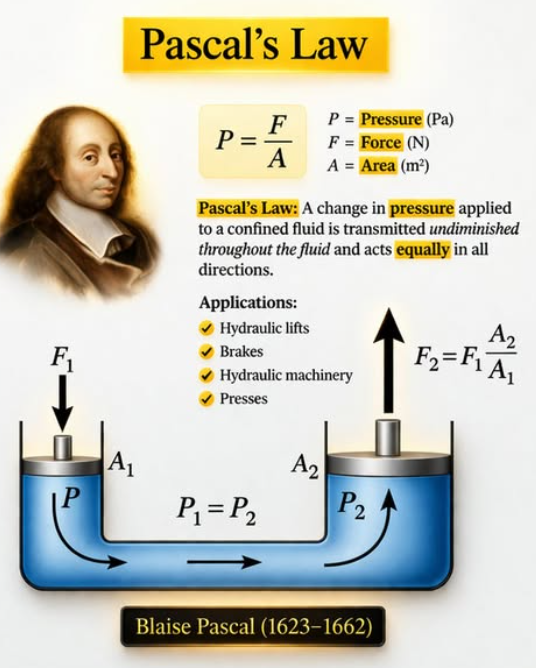 I have such respect for Pascal that I considered naming our son after him. (My wife wasn’t having it. Maybe if we lived in France?)
Pascal made important contributions to both math and physics but he’s perhaps best known for his philosophic “wager,” that it makes sense to believe in God, since if He exists, you’ll be very glad you did, and if He doesn’t, you haven’t lost anything. I counter that this is not how we accept or reject religious tenets.



-
Greenhouse Gases8 months ago
Guest post: Why China is still building new coal – and when it might stop
-
Climate Change8 months ago
Guest post: Why China is still building new coal – and when it might stop
-

 Greenhouse Gases2 years ago
嘉宾来稿:满足中国增长的用电需求 光伏加储能“比新建煤电更实惠”
-
Climate Change2 years ago
Bill Discounting Climate Change in Florida’s Energy Policy Awaits DeSantis’ Approval
-

 Climate Change2 years ago
嘉宾来稿:满足中国增长的用电需求 光伏加储能“比新建煤电更实惠”
-
Climate Change Videos2 years ago
The toxic gas flares fuelling Nigeria’s climate change – BBC News
-

 Carbon Footprint2 years ago
US SEC’s Climate Disclosure Rules Spur Renewed Interest in Carbon Credits
-

 Renewable Energy5 months ago
Sending Progressive Philanthropist George Soros to Prison?