


Mit dem Ende des ersten Teils unserer Forschungsfahrt haben wir den Hafen von St. John’s erreicht. Nachdem die Maria S. Merian noch lange in Nebel gehüllt war, tauchte dann ganz plötzlich der Eingang der Bucht von St. John’s auf. Nach Pass- und Zollkontrolle durften wir dann zum ersten Mal seit dem Start unserer Reise 10 Tage zuvor festen Boden betreten. St. John’s ist ein kleiner Ort mit hügeligen Straßen und vielen bunten Holzhäuschen. Der Überlieferung nach soll ein unter englischer Flagge segelnder venezianischer Seefahrer 1497 den Naturhafen von St John’s entdeckt haben. Er nannte das Land „neu gefundenes Land also New-found-land. 1583 wurde St. John’s dann zur ältesten britischen Kolonie. Nachdem die Siedlung ein paar Mal zwischen England und Frankreich hin und her wechselte, blieb sie ab 1762 fest in englischer Hand. Viele der Siedler damals kamen aus Irland, was vermutlich die Ursache dafür ist, dass der Neufundländische Dialekt dem Irischen ähnelt. Vielleicht erklärt es auch die ausgeprägte Pubkultur und die keltische Livemusik, die dort gespielt wurde.

Im Vorhinein wurde uns eine Wanderung auf den Signal Hill ans Herz gelegt. Dort empfing Guglielmo Marconi am 12. Dezember 1901 die erste transatlantische Funkübertragung. Ein historischer Ort, denn hier wurde die Nachricht vom Sinken der Titanic und vom Beginn des zweiten Weltkrieges als erstes Empfangen.


Obwohl immer noch sehr viel Nebel um St. John’s und Signal Hill lag, konnten wir zwischendurch doch den ein oder anderen Blick auf die Felsen und den Atlantik werfen. Wir hatten sogar das Glück einen Buckelwal und einen Weißkopfseeadler zu sehen.
Nachdem wir Proviant und Treibstoff nachgefüllt haben und die neue Crew- und Wissenschaftsmitglieder an Bord gekommen sind, geht es jetzt weiter in die Labradorsee. Was wird dort machen, erfahrt ihr im kommenden Blogartikel. Also bleibt gespannt!
English version:
At the end of the first part of our research trip we reached the port of St. John’s. After the Maria S. Merian had been shrouded in fog for a long time, the entrance to St. John’s Bay suddenly appeared. After passport and customs control, we were then allowed to enter solid ground for the first time since the start of our journey 10 days earlier. St. John’s is a small town with hilly streets and many colorful wooden houses. According to legend, a Venetian sailor sailing under the English flag discovered the natural harbour of St John’s in 1497. He called it “new-found-land ” (Newfoundland). In 1583, St. John’s became the oldest British colony. After switching between England and France a few times, the settlement remained firmly in English hands from 1762. Many of the earlier settlers back then came from Ireland, which is probably why the Newfoundland dialect is similar to Irish. Perhaps it also explains the distinct pub culture and the Celtic live music that was played there.
Before our arrival we the beautiful trail to Signal Hill was recommended to us by several people. On December 12, 1901, Guglielmo Marconi received the first transatlantic radio transmission there. A historic place, because this is where the news of the sinking of the Titanic and the beginning of the Second World War was first received.
Although there was still a lot of fog around St. John’s and Signal Hill, in between we were able to catch a glimpse of the rocks and the Atlantic Ocean. We were even lucky enough to see a humpback whale and a bald eagle.
After refilling supplies and fuel and the new crew and science members coming on board, we are now heading to the Labrador Sea. In the next blog post, I will explain a bit about what we are doing there. So stay tuned!


Despite their dramatic name, false killer whales aren’t an orca species. These animals are dolphins—members of the same extended family as the iconic “killer whale” (Orcinus orca). Compared to their namesake counterparts, these marine mammals are far less well-known than our ocean’s iconic orcas.
Let’s dive in and take a closer look at false killer whales—one of the ocean’s most social, yet lesser-known dolphin species.
Appearance and anatomy
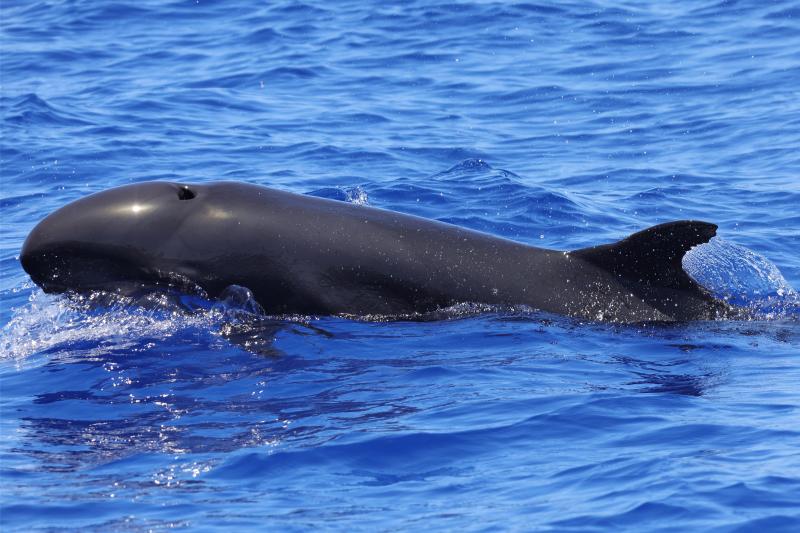
False killer whales (Pseudorca crassidens) are among the largest members of the dolphin family (Delphinidae). Adults can grow up to 20 feet long and weigh between 1,500 and 3,000 pounds, though some individuals have been recorded weighing even more. For comparison, that’s roughly double the size of a bottlenose dolphin—and slightly larger than a typical sedan.
These animals are incredibly powerful swimmers with long, torpedo-shaped bodies that help them move efficiently through the open ocean in search of prey. Their skull structure is what earned them their name, as their head shape closely resembles that of orcas. With broad, rounded heads, muscular jaws and large cone-shaped teeth, early scientists were fascinated by the similarities between these two marine mammal species.
Although their heads may look somewhat like those of orcas, there are several ways to distinguish false killer whales from their larger namesake counterparts.
One of the most noticeable differences has to do with their coloration. While orcas are known for their iconic black-and-white pattern with paler underbellies, alternatively, false killer whales are typically a uniform dark gray to black in color—almost as if a small orca decided to roll around in the dirt. If you’ve ever seen the animated Disney classic 101 Dalmatians, the difference is a bit like when the puppies roll in soot to disguise themselves as labradors instead of showing their usual black-and-white spots.
Their teeth also present a differentiator. The scientific name Pseudorca crassidens translates almost literally to “thick-toothed false orca,” a nod to their sturdy, cone-shaped teeth that help these animals capture prey. Orcas tend to have more robust, bulbous heads, while false killer whales appear slightly narrower and more streamlined.
Behavior and diet
False killer whales are both highly efficient hunters and deeply social animals. It’s not unusual to see them hunting together both in small pods and larger groups as they pursue prey like fish and squid.
Scientists have even observed false killer whales sharing food with each other, a behavior that is very unusual for marine mammals. While some dolphin and whale species work together to pursue prey, they rarely actively share food. The sharing of food among false killer whales spotlights the strong social bonds within their pods. Researchers believe these tight-knit social connections help false killer whales thrive in offshore environments where they’re always on the move.
Maintaining these close bonds and coordinating successful hunts requires constant effective communication, and this is where false killer whales excel. Like other dolphins, they produce a variety of sounds like whistles and clicks to stay connected with their pod and locate prey using echolocation. In the deep offshore waters where they live, sound often becomes more important than sight, since sound travels much farther underwater than light.
Where they live
False killer whales are highly migratory and travel long distances throughout tropical and subtropical waters around the world. They prefer deeper waters far offshore, and this pelagic lifestyle can make them more difficult for scientists to study than many coastal dolphin species.
However, there are a few places where researchers have been able to learn more about them—including the waters surrounding the Hawaiian Islands.
Scientists have identified three distinct groups of false killer whales in and around Hawaii, but one well-studied group stays close to the main Hawaiian Islands year-round. Unfortunately, researchers estimate that only about 140 individuals remained in 2022, with populations expected to decline without action to protect them. This is exactly why this group is listed as endangered under the U.S. Endangered Species Act and is considered one of the most vulnerable marine mammal populations in U.S. waters.
Never Miss An Update
Sign up for Ocean Conservancy text messages today.
Current threats to survival
False killer whales are currently listed as Near Threatened on the IUCN Red List. From climate change-induced ocean acidification and harmful algal blooms to marine debris and fishing bycatch, false killer whales face the same mounting pressures that are impacting marine ecosystems around the world. As their prey becomes scarce due to increasing threats, populations of top predators like these decline, serving as a powerful signal that the ocean’s overall health is in critical need of protection.
Here at Ocean Conservancy, we’re working daily to confront these threats head-on and protect the ecosystems and wildlife we all cherish so dearly. But we can’t do it without you. Support from ocean lovers is what powers our work to protect our ocean, and right now, our planet needs all the help it can get. Visit Ocean Conservancy’s Action Center today and join our movement to create a better future for our ocean, forever and for everyone.
The post All About False Killer Whales appeared first on Ocean Conservancy.
https://oceanconservancy.org/blog/2026/03/31/false-killer-whales/
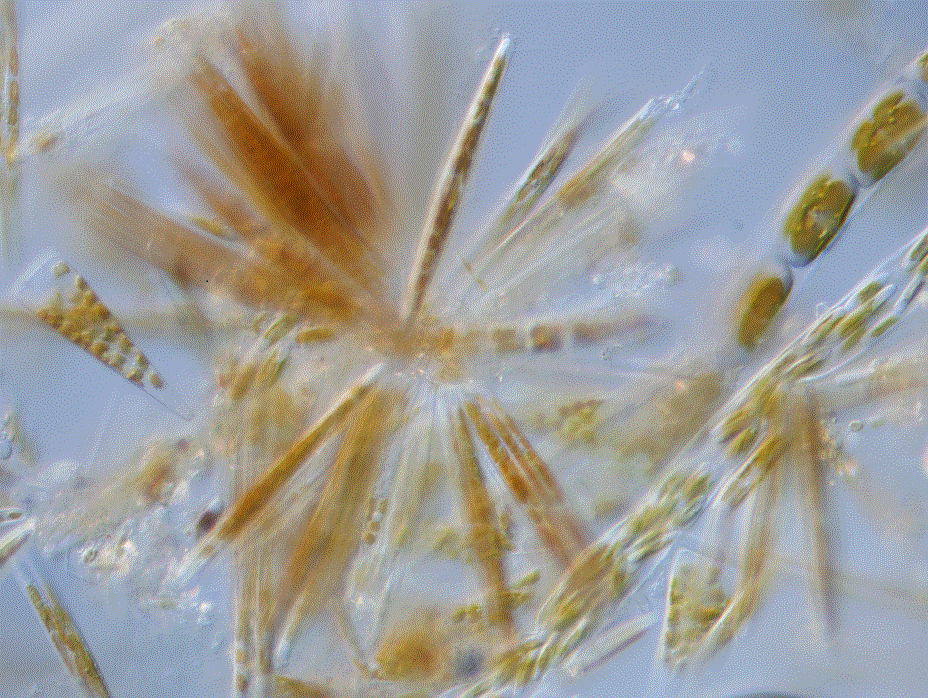
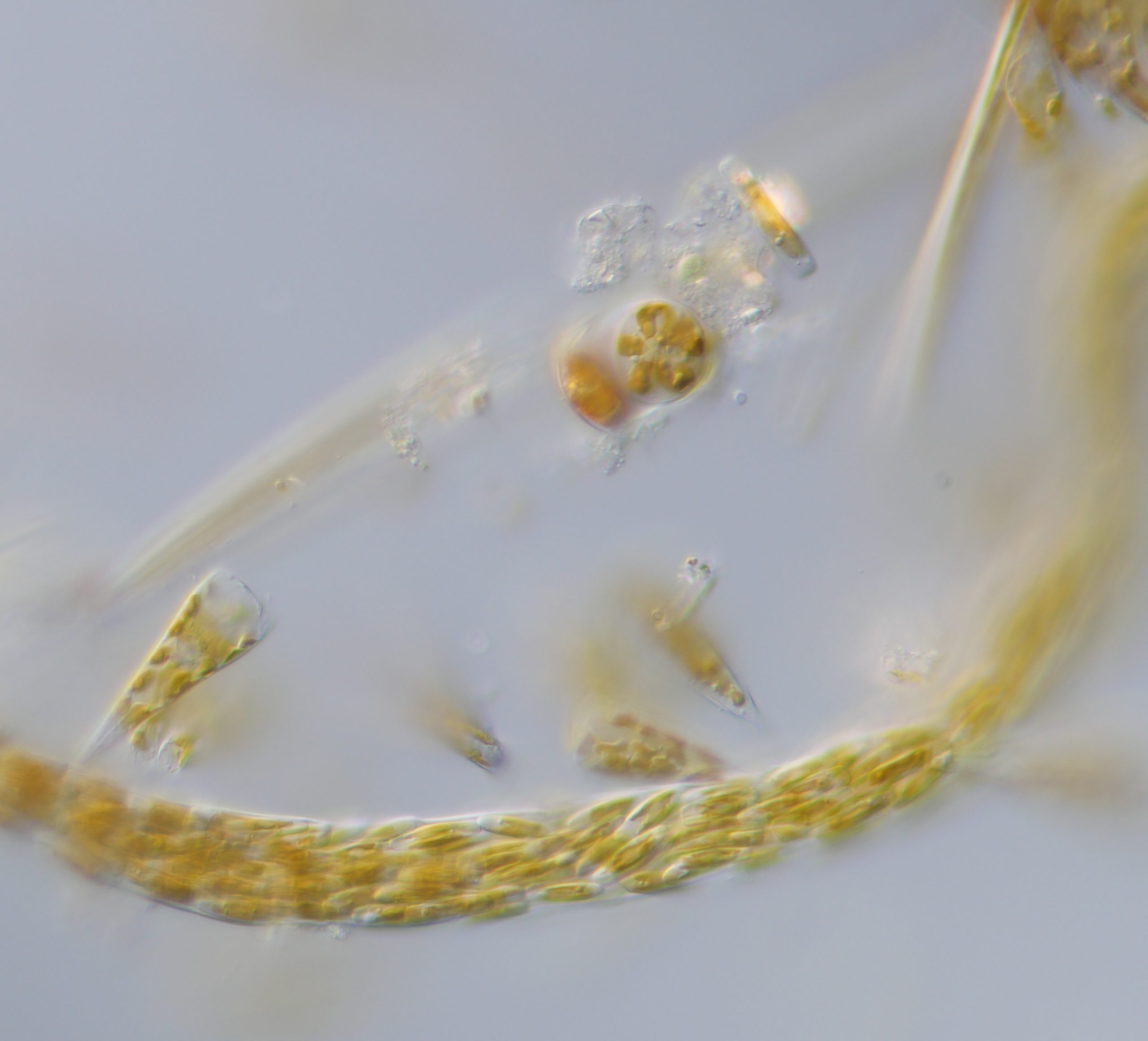
A lot has happened in the meantime: I became an Associate Professor at the University of Southern Denmark, we all lived through the Corona period, then slowly adjusted to the post‑pandemic stability, only to find ourselves again in turbulent political times. I am now affiliated with the Marine Research Center in Kerteminde, a beautiful coastal town on the island of Fyn. My plan is to share small updates on my research and activities every now and then. So let’s start with yesterday’s sampling trip for benthic phytoplankton, carried out by my colleague, Prof. Kazumasa Oguri. The sampling will help prepare for the first‑semester bachelor students who will join his small but fascinating project. This project is all about the benthic diatoms that form dense, photosynthetic communities on tidal‑flat sediments. Their daytime oxygen production enriches the sediment surface and allows oxygen to penetrate deeper, supporting diverse organisms that rely on aerobic respiration. The project will explore how oxygen distribution and oxygen production/consumption in sediments change under different light conditions (day, night, sunrise/sunset). The team will incubate benthic diatom communities in jars and measure oxygen profiles using an oxygen imaging system under controlled light regimes.
Yesterday, we visited several potential sampling sites where students can carry out their fieldwork. I encourage all PIs in our group to define at least one small project related to Kerteminde Fjord, where our laboratories are located. Over time, I hope we can build a more integrated dataset describing the marine and coastal ecosystems of the area.
Another activity currently in preparation is a project on marine invasive species in Kerteminde, which will feed into a course I will run in July and a master’s thesis project. More will come later.
Let’s hope for a more continuous blog from here on, keeping track of our activities, with or without jellyfish!
You may have seen headlines recently about a new global treaty that went into effect just as news broke that the United States would be withdrawing from a number of other international agreements. It’s a confusing time in the world of environmental policy, and Ocean Conservancy is here to help make it clearer while, of course, continuing to protect our ocean.
What is the High Seas Treaty?
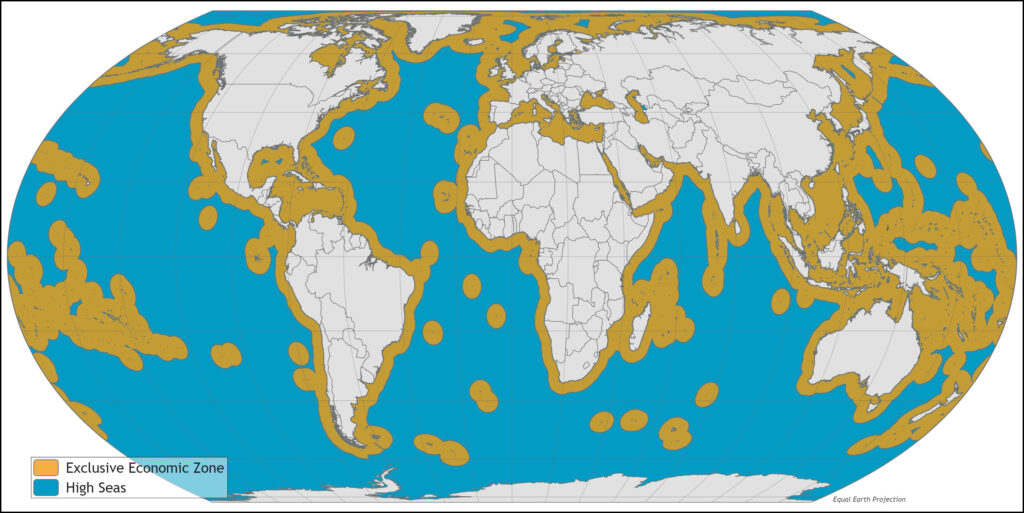
The “High Seas Treaty,” formally known as the Agreement on the Conservation and Sustainable Use of Marine Biological Diversity of Areas Beyond National Jurisdiction (BBNJ) Agreement, went into effect on January 17, 2026. We celebrated this win last fall, when the agreement reached the 60 ratifications required for its entry into force. (Since then, an additional 23 countries have joined!) It is the first comprehensive international legal framework dedicated to addressing the conservation and sustainable use of the high seas (the area of the ocean that lies 200 miles beyond the shorelines of individual countries).
To “ensure the conservation and sustainable use of marine biological diversity” of these areas, the BBNJ addresses four core pillars of ocean governance:
- Marine genetic resources: The high seas contain genetic resources (genes of plants, animals and microbes) of great value for pharmaceuticals, cosmetics and food production. The treaty will ensure benefits accrued from the development of these resources are shared equitably amongst nations.
- Area-based management tools such as the establishment of marine protected areas (MPAs) in international waters. Protecting important areas of the ocean is essential for healthy and resilient ecosystems and marine biodiversity.
- Environmental impact assessments (EIA) will allow us to better understand the potential impacts of proposed activities that may harm the ocean so that they can be managed appropriately.
- Capacity-building and the transfer of marine technology with particular emphasis on supporting developing states. This section of the treaty is designed to ensure all nations benefit from the conservation and sustainable use of marine biodiversity through, for example, the sharing of scientific information.
Get Ocean Updates in Your Inbox
Sign up with your email and never miss an update.
Why is the High Seas Treaty Important?
The BBNJ agreement is legally binding for the countries that have ratified it and is the culmination of nearly two decades of negotiations. Its enactment is a historic milestone for global ocean governance and a significant advancement in the collective protection of marine ecosystems.
The high seas represent about two-thirds of the global ocean, and yet less than 10% of this area is currently protected. This has meant that the high seas have been vulnerable to unregulated or illegal fishing activities and unregulated waste disposal. Recognizing a major governance gap for nearly half of the planet, the agreement puts in place a legal framework to conserve biodiversity.
As it promotes strengthened international cooperation and accountability, the agreement will establish safeguards aimed at preventing and reversing ocean degradation and promoting ecosystem restoration. Furthermore, it will mobilize the international community to develop new legal, scientific, financial and compliance mechanisms, while reinforcing coordination among existing treaties, institutions and organizations to address long-standing governance gaps.
How is Ocean Conservancy Supporting the BBNJ Agreement?
Addressing the global biodiversity crisis is a key focal area for Ocean Conservancy, and the BBNJ agreement adds important new tools to the marine conservation toolbox and a global commitment to better protect the ocean.
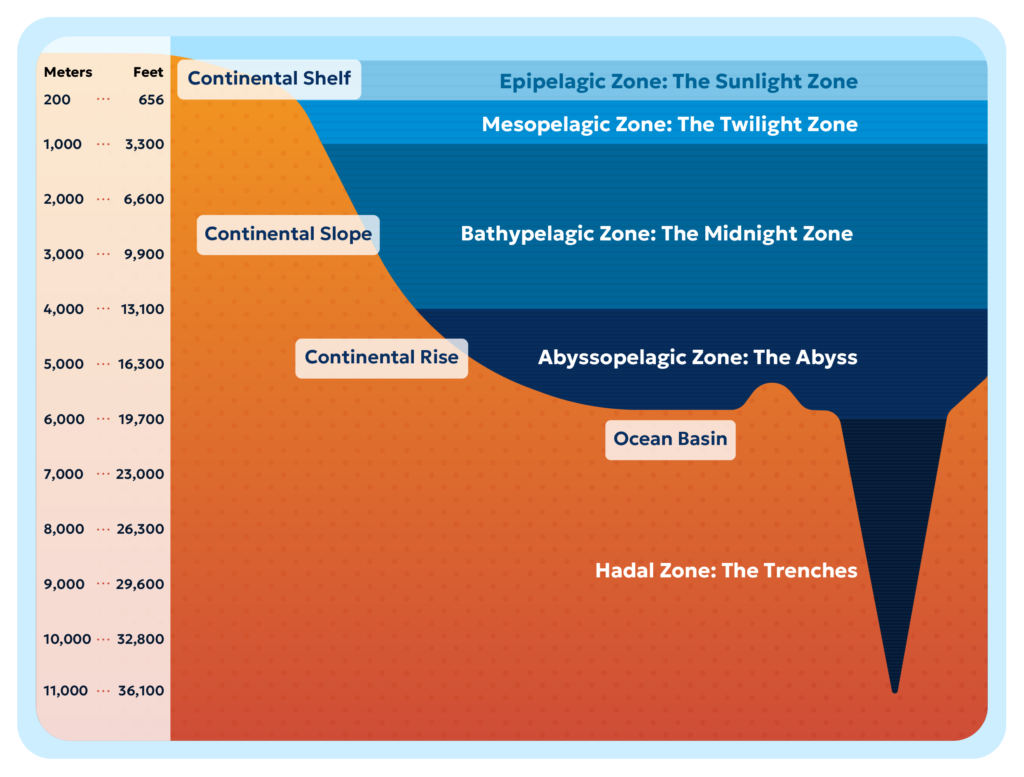
Ocean Conservancy’s efforts to protect the “ocean twilight zone”—an area of the ocean 200-1000m (600-3000 ft) below the surface—is a good example of why the BBNJ agreement is so important. The ocean twilight zone (also known as the mesopelagic zone) harbors incredible marine biodiversity, regulates the climate and supports the health of ocean ecosystems. By some estimates, more than 90% of the fish biomass in the ocean resides in the ocean twilight zone, attracting the interest of those eager to develop new sources of protein for use in aquaculture feed and pet foods.
Done poorly, such development could have major ramifications for the health of our planet, jeopardizing the critical role these species play in regulating the planet’s climate and sustaining commercially and ecologically significant marine species. Species such as tunas (the world’s most valuable fishery), swordfish, salmon, sharks and whales depend upon mesopelagic species as a source of food. Mesopelagic organisms would also be vulnerable to other proposed activities including deep-sea mining.
A significant portion of the ocean twilight zone is in the high seas, and science and policy experts have identified key gaps in ocean governance that make this area particularly vulnerable to future exploitation. The BBNJ agreement’s provisions to assess the impacts of new activities on the high seas before exploitation begins (via EIAs) as well as the ability to proactively protect this area can help ensure the important services the ocean twilight zone provides to our planet continue well into the future.
What’s Next?
Notably, the United States has not ratified the treaty, and, in fact, just a few days before it went into effect, the United States announced its withdrawal from several important international forums, including many focused on the environment. While we at Ocean Conservancy were disappointed by this announcement, there is no doubt that the work will continue.
With the agreement now in force, the first Conference of the Parties (COP1), also referred to as the BBNJ COP, will convene within the next year and will play a critical role in finalizing implementation, compliance and operational details under the agreement. Ocean Conservancy will work with partners to ensure implementation of the agreement is up to the challenge of the global biodiversity crisis.
The post What is the High Seas Treaty and Why Does It Matter? appeared first on Ocean Conservancy.
https://oceanconservancy.org/blog/2026/02/25/high-seas-treaty/



-
Climate Change8 months ago
Guest post: Why China is still building new coal – and when it might stop
-
Greenhouse Gases8 months ago
Guest post: Why China is still building new coal – and when it might stop
-

 Greenhouse Gases2 years ago
嘉宾来稿:满足中国增长的用电需求 光伏加储能“比新建煤电更实惠”
-
Climate Change2 years ago
Bill Discounting Climate Change in Florida’s Energy Policy Awaits DeSantis’ Approval
-

 Climate Change2 years ago
嘉宾来稿:满足中国增长的用电需求 光伏加储能“比新建煤电更实惠”
-
Climate Change Videos2 years ago
The toxic gas flares fuelling Nigeria’s climate change – BBC News
-

 Renewable Energy6 months ago
Sending Progressive Philanthropist George Soros to Prison?
-

 Carbon Footprint2 years ago
US SEC’s Climate Disclosure Rules Spur Renewed Interest in Carbon Credits