


Soaring on Green Wings: Exploring Africa’s Airlines in a Sustainable Sky
The vast landscape of Africa, with its diverse cultures and vibrant economies, is interconnected by the threads of air travel.
Yet, as the continent takes flight, concerns are rising about the environmental impact of its growing aviation industry. Recognizing this challenge, African airlines are increasingly embracing sustainability efforts, charting a course towards a greener future. This article delves into the initiatives, progress, and challenges faced by these airlines on their journey towards sustainable aviation.
Painting the Picture with Numbers:
- Africa’s air travel is projected to soar, with passenger traffic growing at a staggering 5.9% annually, exceeding the global average (IATA).
- However, the continent’s carbon footprint from aviation remains relatively low, accounting for only 2.4% of global emissions in 2019 (ICAO).
- Investing in fuel efficiency is critical, with new-generation aircraft offering up to 25% reduction in fuel burn.
Taking Off with Sustainable Practices:
African airlines are not merely spectators in this green evolution, but active participants:
- Ethiopian Airlines: A frontrunner in the region, they boast a young and fuel-efficient fleet, participate in the Carbon Offsetting and Reduction Scheme for International Aviation (CORSIA), and actively contribute to green initiatives.
- Royal Air Maroc: Committed to a 20% carbon footprint reduction by 2030, they focus on fleet modernization, operational efficiency, and exploring alternative fuels like biofuels and SAF.
- Kenya Airways: Their “Green Wings” program tackles fuel consumption, waste generation, and noise pollution. Additionally, they invest in carbon offsetting projects and community engagement.
- RwandAir: This fast-growing airline prioritizes fuel efficiency through fleet modernization and optimized flight paths, actively collaborating with industry partners on sustainable practices.

Sustainability Initiatives of Leading African Airlines
| Airline | Fuel Efficiency | Carbon Offsetting | Alternative Fuels | Carbon Neutrality Target |
|---|---|---|---|---|
| Ethiopian Airlines | Young fleet, CORSIA participation | Yes | No | 2050 (aspirational) |
| Royal Air Maroc | Fleet modernization, operational efficiency, biofuel and SAF exploration | Yes | Yes (biofuels, SAF) | 2050 |
| Kenya Airways | “Green Wings” program, fuel efficiency focus | Yes | No | N/A |
| RwandAir | Fleet modernization, optimized flight paths | Yes | No | N/A |
Turbulence on the Journey:
Despite their efforts, African airlines face unique challenges:
- Access to financing: Investing in new technologies and sustainable practices can be expensive, with limited access to financing hindering progress.
- Infrastructure limitations: The lack of adequate infrastructure at some airports poses obstacles for utilizing alternative fuels efficiently.
- Policy landscape: Supportive policies for sustainable aviation, like tax breaks and carbon pricing, are still evolving in many African countries.
Charting a Sustainable Course:
Overcoming these hurdles requires collaborative action:
- International collaboration and support: Developed nations can provide financial and technical assistance to African airlines for sustainable development.
- Investment in research and development: Affordable and readily available alternative fuels like SAF are crucial for long-term sustainability.
- Policy harmonization: Implementing consistent and supportive policies across the continent can create a conducive environment for green aviation.
Conclusion:
As Africa’s skies witness a surge in air travel, its airlines are no longer just connecting people and places, but also embracing a responsibility to fly greener. Through continuous innovation, strategic partnerships, and a commitment to a sustainable future, they are charting a course for a responsible and environmentally conscious aviation industry in Africa. This journey, like the vast landscapes below, holds immense potential for a brighter future, where the skies remain blue and the continent thrives.
https://www.exaputra.com/2024/02/africas-airlines-in-sustainable-sky.html


 Does this guy have a solid point?
Is war a bad thing? What about rape and torture?
Do they point to weaknesses that must be strengthened?
Is Bullying a Bad Thing? Not if We Want a Society of Brutality
 Maybe the protestors are less concerned about length of time in office, and more with criminal authoritarianism.
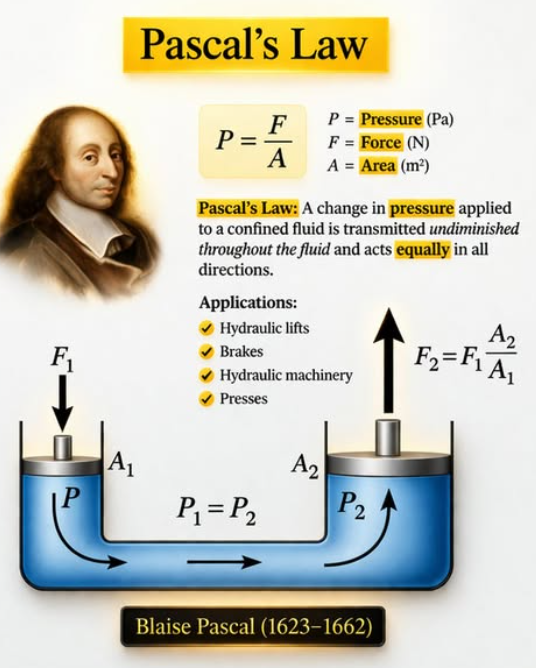 I have such respect for Pascal that I considered naming our son after him. (My wife wasn’t having it. Maybe if we lived in France?)
Pascal made important contributions to both math and physics but he’s perhaps best known for his philosophic “wager,” that it makes sense to believe in God, since if He exists, you’ll be very glad you did, and if He doesn’t, you haven’t lost anything. I counter that this is not how we accept or reject religious tenets.



-
Greenhouse Gases8 months ago
Guest post: Why China is still building new coal – and when it might stop
-
Climate Change8 months ago
Guest post: Why China is still building new coal – and when it might stop
-

 Greenhouse Gases2 years ago
嘉宾来稿:满足中国增长的用电需求 光伏加储能“比新建煤电更实惠”
-
Climate Change2 years ago
Bill Discounting Climate Change in Florida’s Energy Policy Awaits DeSantis’ Approval
-

 Climate Change2 years ago
嘉宾来稿:满足中国增长的用电需求 光伏加储能“比新建煤电更实惠”
-
Climate Change Videos2 years ago
The toxic gas flares fuelling Nigeria’s climate change – BBC News
-

 Carbon Footprint2 years ago
US SEC’s Climate Disclosure Rules Spur Renewed Interest in Carbon Credits
-

 Renewable Energy5 months ago
Sending Progressive Philanthropist George Soros to Prison?