

Weather Guard Lightning Tech

Uptime’s Guide to Upcoming Wind Energy Events
Allen and Joel discuss the best conferences in the wind industry in the upcoming months. Across the world, the wind industry is coming together to better the industry and share knowledge.
Sign up now for Uptime Tech News, our weekly email update on all things wind technology. This episode is sponsored by Weather Guard Lightning Tech. Learn more about Weather Guard’s StrikeTape Wind Turbine LPS retrofit. Follow the show on Facebook, YouTube, Twitter, Linkedin and visit Weather Guard on the web. And subscribe to Rosemary Barnes’ YouTube channel here. Have a question we can answer on the show? Email us!
You are listening to the Uptime Wind Energy Podcast brought to you by build turbines.com. Learn, train, and be a part of the Clean Energy Revolution. Visit build turbines.com today. Now here’s your hosts, Allen Hall, Joel Saxon, Phil Totaro, and Rosemary Barnes.
Allen Hall: Welcome to the Uptime Wind Energy Podcast. I’m your host Allen Hall, and I’m.
Here with Joel Saxum, who’s up in Wisconsin, and Joel and I have been talking back and forth about all the conferences that we need to attend, and it’s going to be that time of year. We need to be planning for the end of your conferences in 25. And then getting, uh, your registrations in for conferences in 2026.
It’s coming up fast, Joel.
Joel Saxum: Yeah, I know. This is the time of year where like blade season is over. A lot of the heavy repair season is over. MCE work starts to get a little bit touch and go depending on where you are. We’re getting into September, October. It starts to snow here soon in some places in the northern, uh, [00:01:00] latitudes.
So it’s also coinciding with that is the time when companies starts. Spooling up their budgets for 26. And those budgets are operations and maintenance budgets. They also include for, you know, depending on the team, you’re on, engineering asset management. It, it is conference budgets and it’s, uh, you know, these things aren’t cheap.
Uh, so that’s one of the complaints that we have globally about a lot of these conferences is, uh, you know, some of ’em are getting up to, it used to be a couple hundred dollars to get in. Now they’re 1500. 2000. I even heard of one to 2,500 to get in the door, which is. A bit extreme. So if I could say anything to the, uh, conference organizers, please stop raising the prices.
But like Allen said, it’s that time of year to start planning these things. ’cause it’s conference, the fall conference season starts kicking back off, uh, at a global way. So, uh, we’re gonna walk through some of those conferences and, uh. Can I share with you our thoughts and the knowledge that we have around some of ’em and where we’ll be?
Allen Hall: Yeah. And the, the first one on the list is one that it’s just gonna pass by the time this podcast comes out, which is hu Some [00:02:00] and Hu Some’s the big energy conference in Germany. And uh, it is. Just massively popular. It has been the, uh, counterpart to, uh, Hamburg every year. So the alternate year to year. So everybody that goes to Hamburg tends to go to Husam, and whoever goes to Husam tends to go to Hamburg.
It’s a great place. There’s a ton of technology there, and anybody that’s of interest in wind needs to go there at least once in their lifetime and see it.
Joel Saxum: Yeah, it’s like a, it’s a wind mecca. Conference. So when we talk Huso, usually it’s more focused on onshore. Hamburg is more focused on offshore, uh, which is really cool to see.
Of course, most companies that are playing in these spaces are dabbling in a little bit of both, whether you’re an ISP or you’re an operator or a financier, whatever it may be. But this is one of those conferences that Allen and I regularly tell people specifically from the North American market, if you haven’t been over to the European conferences, the big European [00:03:00]conferences.
You should go, um, just to see what kind of technology, what they’re doing, what’s a little bit different. Have some conversations with some different mindsets around operations and maintenance or development, or whether it’s greenfield, brownfield, whatever it may be. Because the Europeans are, you know, they’ve been in wind longer than we have over here in, in the North America, so they have some different ways of doing things and different technologies.
We always come back from there with, uh, some good context. I would say that. So, uh, encourage people to travel over there for that one.
Allen Hall: October is when the conference season for companies begins. There’s a lot of user forums happening. Two in particular that, uh, we have been paying attention to the last couple years and participated in.
One is the Sky Specs user forum, or customer forum, which is happening October 7th and eighth up in Ann Arbor, Michigan. Joel and I will be there again this year. Hosting some panels, uh, talking a little bit about lightning protection, uh, part in most of the us uh, most of their customers are in the US but [00:04:00] the Sky Specs event is really, really good.
If you’re interested in optimum maintenance schedules for your turbines, what’s going on with blades and new blades that are out in service? What’s happening there? It’s the way to connect with the industry, at least in the US It is, yeah. This year, the, the,
Joel Saxum: the focus of the event is predict. Prevent perform.
Um, so that they’re gonna talk through a lot of the different, uh, solu solutions that Skys spec has. And it’s not really a sales conversation, so I don’t wanna say that, but it’s, it’s how these things fit. It’s what can be done. And we’ve been, we were there last year as well. And it is, just to be clear, it is an invite only event.
So if you would like to go shoot us an email, um, and we could probably get you in there. But the conference is. Very focused on how to solve problems. You have this problem, this is how you solve it. We’re looking at this strategy, this is how you implement it. Um, we’ve, we’ve ran into this issue at say, end of warranty.
This is how you do these things. Um, and it is a, [00:05:00] I really like it because it’s an, it’s an intimate setting. There’s, you know, 50, 60 people there, and it’s all engineers, asset managers from a, from. Uh, you know, scada engineers do blade engineers. It’s, it’s the group of some of the smartest people in wind. Um, a lot of ’em from the US and North and North American general.
Uh, but yeah, that event, um, we really like that one. So we’ll be up there in Ann Arbor, uh, October 7th and eighth for sure.
Allen Hall: The other one, which is really popular is the Onyx event in Colorado, and it’s in the middle of October, October 14th and 15th. That also, I think that’s an invite only event, Joel, is that right?
Joel Saxum: Yeah. You got to reach out to Onyx. Um, we, we don’t deal with that team directly usually, so if you wanna try to get into that one, you’re on your own.
Allen Hall: Yeah. But I hear great things from it, people that have attended that event. Love it and have usually attend it quite frequently, every year. Uh, if, especially if you’re needing some CMS help or some, uh, specific things with there, there’s a lot of, uh, onyx [00:06:00] systems on a number of turbines, so it came delivered that way.
If you need help or insights as to what is actually happening with your turban, uh, it’s a good place to go. Onyx, we’ve had him on the podcast. Smart people, a good resource, and you should think about going there. The, the first real big open event, uh, in terms of wind energy, particularly o and m, is the wind summit event in Houston, which is the first annual event, October 14th and 15th.
Joel Saxum: Yeah. So that one, uh, down in Houston, I believe it as the, is at the Asian Society, so downtown, um, near the medical center. Uh, it is going to be a lot of, uh, some of the same MA material that we’re familiar with from our Melbourne conference last year. So, uh, again, a lot of value add. You can leave this event, um.
Learning something, something you can bring back to your team to uh, be able to implement to help in the future. And, uh, Allen and I, uh, as well as Rosemary here on the podcast, uh, of course [00:07:00] plus Phil Phil’s about organizing this one. Uh, mostly uh, we will be presenting, we’ll be hosting some panels moderating, um, and sharing some insights.
So that one is in Houston the same time as Onyx is, uh, going on up in Colorado.
Allen Hall: Yeah, the Wind Summit event, you can actually find online@windsummit.org. You can check out the events happening there. Uh, and then Joel and I are look, going to attend or try to attend two events at the same time. I’m not sure how we’re gonna pull that one off, but UK Offshore Wind Supply Chain Spotlight in Edinburgh, Scotland is December 11th, and just before that one is the Mi Plastics, uh, wind Turbine Blades Europe event, which is more of a supply.
Chain for blades, and that’s in Dusseldorf, and I haven’t been to the Dusseldorf event before. However, uh, everybody I talk to that has. Spin to that. Loves it and returns to it if you need anything in terms of sourcing materials, what’s, uh, about to come out in terms of new resin systems, new kinds of fibers, new [00:08:00] technology, uh, things in the factory to make blades, uh, quicker, lower cost.
All that happens in Juel, Dorf Plus, uh, you get to, I think a lot of the OEM blade designers are there, so you can actually cross paths with the people that are designing blades. It’s a, it is a good place to meet. Dusseldorf, uh, in December should be really nice. All the Christmas activities will be in full force.
It should be a good time, but, you know, be prepared. It’s gonna be a little bit chilly, I’m afraid, Joel.
Joel Saxum: Yeah. But I think, uh, uh, at the same time as well, the event in Edinburgh that we’re gonna go to the Ori Catapult, the UK offshore wind, uh, supply chain spotlight. We’re bringing jackets, uh, jackets and boots to both of those events for sure.
Um, yeah, that, that winter ride and Blades, Europe, uh, we’ve been a part of the a MI plastics event that’s kind of a mirror to this one in the states. Uh, Allen, I think you were there last year moderating a few panels.
Allen Hall: Yeah. In Boston.
Joel Saxum: Up in Boston there. And it is, it is a unique event, uh, because most of the blade stuff that we go to, blades or uh, o and m focused is [00:09:00] where are we at now?
Right? Once they’re installed, once we’re doing operations maintenance, once we’re running these wind farms, whereas this one you get access to a lot of knowledge, material knowledge. Um. Science, presentations, technology, and people that are actually designing and building the blades. Um, so you will see some, some aftermarket companies will be there, right?
Such as, I mean like, like, uh, weather guard here with our strike tape product. Um, that is something that can be, you know, applied in the factory as well. So you’ll see some of, uh, the likes of the, of the aftermarket type people like ourselves there, but. It is one of the few events where you can get access to those blade engineers.
So whether you’re really happy with them or you wanna stare ’em straight in the eye, they’re gonna be there and you can have conversation at that time. That one’s exciting. Uh, Dusseldorf as well. A beautiful little town.
Allen Hall: Yeah, it’s gonna be a good time in December.
Joel Saxum: One of the reasons that I’m excited for the ORE Catapult, uh, UK offshore wind supply chain spotlight, Allen is.
There’s gonna be like 80 to 90 exhibitors. It’s only [00:10:00] a one day event. Um, and they’re very keen on making it an even playing field for everybody there. So the goal is to be able to showcase to engineers, asset managers, procurement people, uh, from all of these asset owners and OEMs what is available in the marketplace and from the uk.
So we know some of our friends are gonna be there, like our buddy Bill Slatter over at 11 I who, uh, just was purchased by Onyx. Congratulations, bill. Um, he’ll be there. And so you’ll see those kind of, those, the, some of the smaller companies, some of the bigger companies showcasing themselves. And one thing I wanna flag with this event that I am really, really keen on is I think it’s like 500 bucks to get in the door.
It’s inexpensive. Yeah. Inexpensive. So you get the value out of the thing. You’re not shelling out a fortune. And you get to see the best of the best of what’s happening in the UK market. Uh. To help your wind farms.
Allen Hall: Yeah. Everybody affiliated with that conference swears to me, Scotland, it’s gonna be beautiful in December, so, but if it’s not, there’s plenty of, of, uh, great [00:11:00] whiskey to have, so don’t, don’t sweat it too much.
Are you worried about unexpected blade root failures and the high cost of repairs? Meet Eco Pitch by Onyx Insight, the standard in blade root monitoring. Onyx state-of-the-art sensor tracks blade root movement in real time, delivering continuous data to keep your wind farm running smoothly and efficiently.
With eco Pitch, you can catch problems early, saving hundreds of thousands of dollars. Field tested on over 3000 blades. It’s proven reliability at your fingertips. Choose Eagle Pitch for peace of mind. Contact Onyx Insight today. To schedule your demo of Eco Pitch and experience the future of blade monitoring.
And then we get into, uh, January after the holidays, there’s not much going on. Uh, the first big conference is really in February, which is the Wind Energy o and m Australia 2026 event, which Joel [00:12:00] Rosemary. I am helping with, uh, everybody at eLog Ping is helping with, that’s the 17th and 18th of February in Melbourne, Australia.
Uh, we had a, a great attendance last year. It’s gonna even be slightly bigger this year. And I have a feeling ’cause it’s, it’s already starting. Registrations are starting. We’re gonna run outta space here pretty quick here, Joel. Last year
Joel Saxum: we were, we thought to ourselves when we were putting the, in the inaugural girl conference together, if we get a hundred people, that’d be great.
We ended up with like 172 and capacity was 175, had to shut ticket sales off. Uh, so we are actually moving venues for that event this year. We’re gonna cap it at 250 people. Uh, but a, a resounding um, yes from the Australian, uh, wind energy world from that conference as it’s one of the only technically focused o and m.
Again, how can you bring value back from this conference to your company and, and learn something? Uh, one of the things that was really cool last year, we brought in some of our, our [00:13:00] friends and family from the podcast network from around the world, and I think almost every one of those companies has opportunities ongoing in Australia now.
Reason being, if you don’t know the Australian market, it’s, I mean, it is quite literally on an island. Uh, so it’s hard to get people, resources, technology, things down there. Um, and when they do get, uh, opportunities, uh, to fix their problems, they’re keen on it, right? Because it’s. It’s a remote place. The wind farms are far out.
You don’t, uh oh. And it’s not like you’re turning around to go to the, you know, the, the wind turbine store next, next door, grab some parts and go fix a turbine. It’s difficult to keep these things running in a remote and tough environment in Australia. So the, uh, operations and maintenance teams of those wind farms are very keen on solutions.
Um, we. We had a great time down there. Um, thank you to all of the Australian Wind Energy folks that we met. Um, and we will be repeating this year, uh, and it will be bigger and better. So we’re, we’re quite excited about it.
Allen Hall: Yeah. And [00:14:00] if you’re interested in sponsoring that event, just go to Woma, WM a 2026 or get a hold of Joel on LinkedIn and he can get you hooked up there, uh, because they’re gonna.
Run outta space for sponsors. That’s happening very quickly. I’m, I’m really shocked, uh, at how responsive the Australian market is to o and m events because there’s so many non o and m events. I guess this is pretty much the one. Great work that’s happening in Australia. There’s so much to learn too. So if you’re from Europe or you’re in the United States, Canada, even Brazil, uh, if you want to see how resilient and, and, and remarkably efficient, uh, to, to run a wind farm, go check out what what they’re doing in Australia.
And Joel and I had an opportunity after the event last year, we went to a couple of the operators there. I was blown away. I really was blown away. Really efficient teams, super bright, right on top of it. Uh, we’re [00:15:00] doing things in unique but at just smart ways that I, I hadn’t seen in the states. That is why you want to go check out other places because, uh, you know, not only answers lie in Europe and, and Brazil or the States, right?
And those are the big markets, uh, that they fly in places like Australia, which has to be resilient. That’s the beauty of Australia. They’ve taken
Joel Saxum: advantage in a good way of, of entering a wind market in a certain age, right? So they came in, they’ve, they’ve allowed, uh, the, the turbine suppliers, OEMs, this to be these FSA holders for them for a while.
But now as the market matures, they watched the lessons from all the other markets and now they’re taking it, taking it on themselves. Um, so it’s really cool to see them grow. I mean, the, there’s total salt capacity down there is about. 4,700 turbines, but it’s growing. Uh, we’ve been having conversations with a lot of, a lot of wind, a lot of operators are developing right now.
Um, so I would expect that market to grow, grow fast too. Go to
Allen Hall: [00:16:00] Wilma 2020 six.com. Sign up now and get your tickets booked, uh, in March. Uh, American Clean Power was back with OMNS in Orlando. They were, we were in Orlando, what, two, three years ago for OMNS. Uh, pretty good attendance down there. Obviously Orlando is where the Magic Kingdom is, and all the, the fun amusement parks are all down there.
The new Harry Potter, uh, rides and all that are happening. It’s a good place to to go. It’s easy to get in and out of, particularly if, if you’re from Europe, you can fly to Orlando usually cheaply. It’s kinda like going to Vegas without all the gambling. Uh, but. It’s a big event for Weather Guard, lightning Tech, because we’re part of that om and s solution.
So all the, uh, the gearbox people are there, all the equipment, people for technicians, all the tool people are there. It’s really more of a hands-on event than it is a theoretical policy event. This is the [00:17:00] one. I think is the more interesting of the two. Honestly, the, you know, the, a big A CP is fun, but it’s not as hands-on as om and s we get to see everybody too before the blade season starts.
Joel Saxum: Yeah. That’s the big key there is, um, om and s of course, operations, maintenance and safety is what it stands for. Um, so the safety guys are there too, which is, which goes hand in hand the operations and maintenance. Right? They, those are three things that. Bang, bang, bang. So Orlando this year, we were in Tennessee last year.
I know a lot of people complaining that we’re not back in San Diego yet, and hopefully a CP listens and gets us back out to Coronado Island. ’cause that’s always fun out there. Uh, but yeah, so Orlando this year, uh, March in Florida, come on. It’s beautiful. Um, a lot of golf courses around there. If you’re a fan of golfing, this is a good one to take the family to.
Yeah, Lars. Yeah. Yeah. Yeah, we can shout out to our buddy, uh, Kyle Rener from bp. I know he, he’s a fan of the golf course and Matt Segal. Um, so, uh, that’s a, that’s, that’s a, that’s a callback to Phoenix if you guys are listening. Um, but um, [00:18:00] yeah, so that event is always really good. Like Allen said, we get to run into everybody that’s basically dealing with the problems that we here at Weather Guard Solve are there.
Right. So it’s Blade people, it’s the ISPs that are looking for the blade people. The one thing I feel bad for sometime at this event is. The, the asset managers and engineers from the operators. ’cause they get hounded, like, like there’s a bunch of bird dogs falling around, which was all the ISPs. Um, but, uh, yes, a great event.
It is a, this one is, it’s a bit smaller, right? One, we, I think the first oh, M and SI went to is like 1100 people and now it’s about 22, 2300. Um, but it does seem more and more like it’s a. I mean, from the uptime side, right? From our, from our desks. It’s a, it’s a, it’s a network event. It’s a family event.
We’re a constant, it’s just people we know all day long. Coming up to the booth, talking last, last year, uh, we are, we were sitting in the booth with AC 8 83 and of course those guys, uh, goofy Danish Canadians, draw crowd as [00:19:00]well. Um, so lots of good friends, lots of good times. O, m and S is a good event.
Allen Hall: As wind energy professionals, staying informed is crucial, and let’s face it difficult.
That’s why the Uptime podcast recommends PES Wind Magazine. PES Wind offers a diverse range of in-depth articles and expert insights that dive into the most pressing issues facing our energy future. Whether you’re an industry veteran or new to wind, PES Wind has the high quality content you need. Don’t miss out.
Visit PES win.com today. The one blade event that does happen in, in the US is Blaze, USA, which happens in February. It looks like it’s what, 23rd or 24th this year down in Austin, Joel?
Joel Saxum: Yeah. So you and I will just be coming back from Australia, um, and then turn around and have that event. Luckily it’s in my hometown, so I only have to drive down 45 minutes.
You have to fly. Uh, but Blades us a is a, it’s the Perennial Blade event, uh, that everybody likes to go to in the States. Um, Austin again in February is nice, but, um. I [00:20:00] know this year I’ve talked with the organizers a little bit and they’re, they’re wanting to, uh, freshen up some of the material. You know, we’ve been talking about the same kind of inspections and strategy and stuff the last few years, so I would expect to see a bit of a refreshed, um, lineup for panelists in those kind of panels.
Um, at that event.
Allen Hall: Well, it should because of the change in the production tax credits. The whole landscape has changed in terms of operation and maintenance on blades in particular. Obviously gear boxes are a problem. Sure. But blades tend to be the, the bigger overall problem and uh, getting everybody together to talk about how to keep blades running 20 years instead of 10 is something that we haven’t really done in the United States in a long time.
Uh, obviously. The expertise lies within the operators generally, but, uh, you, you gotta, it’s just a different reframe to a problem that we’ve been solving by putting new blades [00:21:00] on every 10 years. And if you want to get the latest info of what operators are doing or how they’re trying to approach this problem, you need to get down to Austin.
So to register for the blade USA forum. Go to ablate usa forum.com. I think you, the registration page is up. You can actually book a spot at that event. Uh, what’s the general size of that event, Joel? It’s a couple hundred people, roughly 200 maybe? Uh, yeah,
Joel Saxum: a hundred and seventy five, two hundred, something like that.
Um, I, I, I would say when you’re trying to figure out the event, um. If you’re working on a work computer, I would caution you to not type in Blades USA or you’re gonna get blocked ’cause you’ll get a bunch of knife websites. Um, but yeah, as Allen was saying, and, and this is less of a focus on conferences here, but this is just a conversation we’ve been having ongoing on the podcast and the background and whatnot.
Is that, and with operators and ISPs and then the as market, is that the changes from this one big beautiful bill act [00:22:00] and how it’s going to impact wind operations for the next. For the foreseeable future. We don’t know what can happen in four years, eight years, whatever it may be. Uh, but we are looking at a, a big change in how we’re gonna operate.
Wind turbines, uh, blades being a very specific one, right? Because, uh, again, PTC Repower, Hey, at 10, 11 years old, let’s just fix these things. Whereas now you need to extend the life, um, and have a, you know, tracking remaining useful life. What does strategy look like? When do we put on LEP now, because that strategy all changes when you’re gonna just decommission these blades before.
Do we add a product, like a strike tape? Do we add zgs? What do we do here? So a lot of these conferences in the United States, and I’m gonna say. Sky Spec user forum will touch on it. Um, the, of course the blades, USA conference will touch on it. A-A-C-P-O-M-S there’s gonna be big, big conversations about it that is gonna be a big part of the conversation and win for the next few years while we, um, are staring at [00:23:00] these big strategic or tactical changes within management.
Allen Hall: Yeah. And I, and with the blades, USA, this may be a, just a really unique year. It would be good to have more OEM presence there. Uh, I think there’d be a lot of questions about how are we gonna maintain these blades? And obviously the people that designed the blade should have a, a pretty good idea about that.
But also, uh, people coming up from Brazil or even Spain and, you know, a lot of the turbines in Spain are kind of reaching that end of life period. Some of the UK it is kind of spread around Europe actually. It would be good to have some people, knowledgeable people come over to that blade USA conference and get on stage.
Talk about how they’re approaching this problem where you don’t have the financial incentives to, uh, remove and replace the blades every 10 years. How do you deal with this issue? I know there’s a lot you and I, Joel, have here. All kinds of operators talk about all kinds of things at the minute.
Everybody’s just really trying to understand the scope of the problem. They got a year or two to figure it [00:24:00] out, but. Come 2026, you better start forming a plan. ’cause you’re, honestly, we’re not even really sure what’s gonna happen in 2026 at this point. As fast as things are changing in the us who knows?
Joel Saxum: Yeah, I can see. So, back at the beginning of this conversation, we started this episode of the of the Uptime podcast. Here. We talked a little bit about, Hey, it’s the end of blade season. People are starting to set their budgets for 26 budgets, meaning operations and maintenance, how much we’re gonna spend per turbine, blah, blah, blah, blah, blah.
Uh, I have heard from a few operators that they are actually increasing their blade repair budgets. Two reasons. Yeah, two reasons. Partially because they’re behind on blade repairs, right? They’re running into like, Hey, we ran outta budget this year again, right? So they’re, the, the blade repairs, they, they’re running outta deficit to get things done with the budget they’ve had.
So that is starting to stack upon itself. So now they have to inject, uh, a larger amount to get it up to speed at this time. Compounding on that is [00:25:00] the same idea. Hey, you’re not gonna get PTCs right now, you’re, unless you got a repower basically in the works and you’ve got something either safe harbor or turbines quoted on delivery before July 4th of next year.
You’re in a tough spot. So I could see some budgets that some of these operators changing, um, for the 2026 fiscal year. Um, now I haven’t heard specifically like from anybody that’s like, yeah, we’re increasing by 21.6%. I haven’t heard that. Um, but I, I have heard whisperings of changes happening in that world.
Allen Hall: Well, and I think if you’re an engineer or technician at some of these companies. It’s good to invest in yourself and obviously if your company will pay for you to attend these events, great. Love it, right? Definitely put in for it. Hopefully the operators, uh, will pay for this educational trip. That’s exactly what it is, right?
It’s, it’s a way for everybody to get spooled up to, to learn a bunch of things. But sometimes, you know, you know, the first thing to go [00:26:00] after marketing is travel budgets. And, uh, if you don’t have a travel budget. And you plan to stay on in wind, you need to do a little spending on yourself. Some of these conferences are relatively easy to get to.
Blades. USA is an easy one to get to in Austin. Uh, a CP in Orlando, OMS is easy to get to. You’re not gonna spend a bunch of money. Usually your company will give you a day or two off to go do these events if you’re gonna pay for ’em yourself. That’s the way I used to do it. Not that you have to do it that way, but that’s the way I used to do it.
It’s important to keep up at the latest and greatest because your value to your company is what’s in your head. And the more good stuff you can get in your head and more answers you can help them with, the more likely, um, you’re gonna be promoted and, and grow within those organizations. Because right now, all the operators are looking for.
Smart people. They’re, they’re just looking for bodies. They used to be looking [00:27:00] for bodies two years ago. Now they’re looking for the, the brightest, the most connected, the, the most on top of what the industry is doing. That’s who they’re hiring. Yeah. I want to focus on that one
word you said there. Allen was the most connected.
Joel Saxum: Um, and this is coming from, uh, an, an ex engineer or still an engineer, I guess technically, but, uh, that has gone to the dark set of commercial things. So one, one time. A guy told me, um, your network is your network. Um, so focusing on that, I know like engineers for the most part, like, um, stereotypically it’s a psyche.
It’s this, I’m gonna solve this problem. I’m gonna do these things, I’m gonna do this. Now if you, if you sit back for a second and you fly over the top of the trenches and you look out, sometimes it’s nice to just know people that can solve problems for you or with you. So if you have this, like we get those calls like, oh man, I’m so glad I met you guys.
Help me, helping me to solve my lightning problem. Because that’s what we do at Weather Guard. We partner with people, we support, we work in, in cohesion to make sure we’re solving those issues. We’re not just selling [00:28:00] a product walking away. So we’re a good person to have in your network. Right. So I have in my network, or Allen, we both have the same people.
Like in the CMS world, we know. Man. Beer box, CMS blade, CMS, icing, CMS, acoustics, lightning. We know all kinds of people, so if someone has a CMS problem, we can help them out. So we’re able to help people solve problems. I think that that’s a very important thing. I know that, um, you know, these, the events at conferences, whether it is a opening reception, um, whether it is walking the exhibition floor.
Whatever it may be, meeting those people and making those connections also can help you, um, to learn more, to expand your horizons and, um, kind of, uh, be able to be of more value to your team, um, in the
Allen Hall: future. Absolutely. So Joel, this has been great to, to walk through what the conferences and symposiums I, I do wanna bring up one more that’s sort of near and dear to me [00:29:00] because leading edge erosion is one of the things that we have dealt with at Weather Guard when, ’cause a lot of operators talk to us about it.
There’s the sixth International Symposium on leading edge erosion and protection of wind turbine blades, and that’s in Ross, Gilda, Denmark. It’s, it’s sponsored by DTU. It’s fourth through 6th of February, so I’ve been to that one about two years ago. It’s not unpleasant weather, but it is a little chilly.
Uh, but anybody that’s anybody in leading edge erosion is there. Blade aerodynamics is there. Uh, it’s a worldwide event. People from all over come to that event and it’s, it’s hard to describe because there’s so much information coming at you so fast. It’s about, it’s really roughly two days of just leading edge.
This leading edge that here’s what we tried, this is what works. This is the testing we’re doing, this is the testing you should be doing. All that data [00:30:00] has no other place to reside, and DTU has put this conference together for a last couple of years. Wonderful conference. If you can get there. Do it. So even if you’re an operator in Texas, hey you, I know you have leading edge erosion.
Come on, let’s be honest. You have leading edge erosion and you probably reached out to different companies to see what they have to offer. All that information is sitting there at DTU in February. Everybody, all the, everybody that makes a product will be there. Everybody that has tried a product will be there.
So you can actually talk to someone who has used a leading edge protection material. You could talk to the people who offer leading Edge protection materials. You can talk about, uh, the testing that happens because at DTU, they have a rain erosion test facility, which we had on the podcast. Uh, that is the best one on the planet.
So you’re going to the right place. For leading edge protection. So you want to, just that one, you have to Google, and that’s the best way to find that one. DTU, uh, six [00:31:00] International Symposium on leading edge erosion. Put that into the Google machine, it’ll pop up. Uh, getting to there is relatively easy. You have to find a Copenhagen.
It’s just up the road. It’s it Ross Gill. It’s not that far from Copenhagen. Uh, it, it is very well done, so I have to speak highly of that one. I have presented there with, uh, Nicholas Godder with Power Curve about two years ago. Fabulous. Absolutely fabulous. So I’m trying to get to that one. If Joel will let me go this year, uh, to, ’cause I just, I think everybody’s there is really interested to talk to.
It’s a, it’s a very scientific community, but it’s worldwide. It’s, it’s, it’s unlike any other conference you’re gonna go to, in my opinion.
Joel Saxum: So, Allen, as we’re sitting here. You talked, you, you brought up the Leading Edge Symposium beginning of February. There’s another conference in the beginning of February every year that is much like this one.
So Leading Edge Symposium is very much focused on a problem leading edge erosion, what’s happening, what’s the science, what’s going on there. The other one, which is the, is the few days right before this, so you [00:32:00] could make a trip and hit both of them is winter wind, winter wind up in sva, so winter, and they do this one February 2nd and fourth in Northern Sweden.
So if you’re, it’s all about Arctic climate and, and to make sure that you’re thinking about Arctic climate, they put you in the middle of the Arctic climate in the beginning of February.
Allen Hall: Yeah. It’s mostly Scandinavians that are there. But, uh, where’s it gonna be held out this year? Joel? Is it in Aura? It’s in sva.
Sva, okay. All right. So I went there two years ago and it was in Aura. Beautiful ski chalet place. Amazing. Absolutely amazing. The sight lanes were incredible. Uh, and, but the technical content there, if you have any icing issue, if you’re in Canada, Northern us, anywhere in Northern Europe, uh, that is the place to go.
Because all icing questions can get answered there. All the technology people are there. All the protective coatings are there. All the de-icing companies [00:33:00] are there. All the sensor companies are there. It’s not the biggest conference in the world. Again, there’s probably a hundred, maybe 150 people that attend it, but it’s extremely well organized.
Very well organized, and it’s it, it’s maybe not the easiest place to get to. Traveling around Sweden, in my opinion, is not necessarily easy. However, once you’re there, you’re gonna learn so much. You’re gonna connect with both, all the, everybody that is doing research in icing or has a system that you’re interested in, you can talk to them about it and get the latest, uh, you know, how they’re using a system, how it works.
Do they like it? What do you like, what do you don’t like? That’s why you travel to Sweden for winter wind is to get that knowledge because anything in icing is expensive, in my opinion. To do anything about it is not cheap. So you, you want to have the right answer for your application and you’re gonna get it if you travel to Sweden.
Yeah, and that
Joel Saxum: one, um, they do a really cool job. Everybody I’ve talked to up [00:34:00] there is like, well, when it was an hour they, they’d go skiing, right? It was like, oh, we’ll go a day before the day after we go skiing. But I know last year they, they, the conference organizers organized a field trip to one of the largest wind farms in Sweden.
Um, and the, a ton of people from the conference went, so they had bus, bus loads of people that got to go out, see things in an extreme arctic environment to see how they operate up there in, in northern Sweden. And I think that that is a. That’s a really nice thing to be able to do. Kind of like if you’re in Copenhagen and you get the chance to go out to Stri and see the big test site like that is a, again, a wind mecca thing.
So very, very cool. Um, uh, thinking about doing that one myself here soon.
Allen Hall: Yeah. You wanna bring your mittens to winter wind. It’s cold. Yeah, be prepared. It’s so, yeah, if you’re from one of the southern US states or France or somewhere where the weather is decent. Spain, Italy, Greece. Oh, Greece is beautiful.
It takes a little, [00:35:00] uh, a might to get stuff on that airplane knowing when you get off that airplane, it’s going to be cold. But, uh, you know, a lot of operators have wind turbines all over the place. We, we’ve talked to operators in Southern Europe that have turbines up north, and you’re gonna have to take one for the team and go up there and, and participate in that.
That way you can just Google, uh, Joel, what’s the website for that? It is Winter wind.se. So Joel, I mean that, that’s a pretty good list for everybody. Uh, we just wanted to, to put it out there. Now’s the time to start looking at your travel schedules. Yes, yes, yes, I know. Travel budgets are being cut. However you need to invest in yourself and get out there and find out what’s going on in the wind world.
So this has been a, a great update. Joel. I appreciate uh, you organizing this. If you have any questions, obviously reach out to us. We’re both on LinkedIn and uh, next week Rosie and Phil will be back. And we will have a, a regular uptime episode. So thank you so much for joining us, and we’ll see you here next week [00:36:00] on the Uptime Wind Energy Podcast.
https://weatherguardwind.com/uptime-wind-events/

Weather Guard Lightning Tech
Nordex Invests in Türkiye, Vestas Wins First V182 Order
Allen covers Nordex’s Türkiye expansion, Chinese turbine makers seeking European partners, Vestas’ first V182 order, and two Pennsylvania repowers.
The Uptime Wind Energy Podcast is brought to you by Weather Guard Lightning Tech, creators of the StrikeTape Ultra LPS retrofit. Subscribe to Uptime’s Substack newsletter. And check out Rosemary’s “Engineering with Rosie” Youtube channel. Have a question we can answer on the show? Email us!
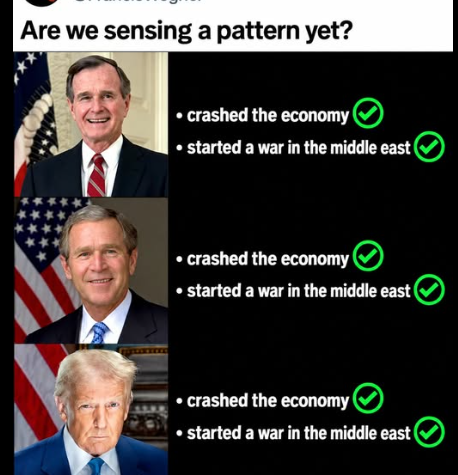 I’m not sure it’s as simple as this, insofar as Bush 41 and 43 weren’t criminal sociopaths.
I happened to be driving through Manhattan on the very day that Colin Powell was addressing the United Nations just a few miles away and claimed, and I think honestly, that Saddam Hussein had “weapons of mass destruction,” and must be stopped by a U.S. military invasion.
Contrast that against what we’re doing in Iran. Fifteen years ago, the Joint Comprehensive Plan of Action (JCPOA), included Iran, the P5+1 nations (the United States, China, Russia, France, the United Kingdom, and Germany), alongside the European Union made an agreement in which most of the developed world agreed that Iran must not have a nuclear weapon.
That stood firmly in place until Trump’s latest war crime, which is costing lives and choking the world economy, solely to defend our president’s neuroses.
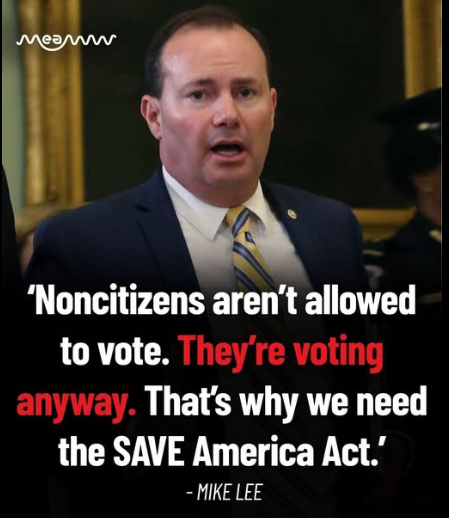 The Brennan Center at NYU’s seminal report on this issue, The Truth About Voter Fraud, found that most reported incidents of voter fraud are actually traceable to other sources, such as clerical errors or bad data matching practices. The report reviewed elections that had been meticulously studied for voter fraud and found incident rates between 0.0003 percent and 0.0025 percent.
Does that stop liars like Mike Lee from spreading disinformation of the subject? Of course not.
There is no judgement day. There is no Saint Peter standing in front of the Pearly Gates discerning good from evil and acting according.
That’s a lucky break for Mike Lee.



-
Climate Change1 year ago
Guest post: Why China is still building new coal – and when it might stop
-

 Greenhouse Gases2 years ago
嘉宾来稿:满足中国增长的用电需求 光伏加储能“比新建煤电更实惠”
-
Greenhouse Gases1 year ago
Guest post: Why China is still building new coal – and when it might stop
-

 Climate Change2 years ago
嘉宾来稿:满足中国增长的用电需求 光伏加储能“比新建煤电更实惠”
-

 Renewable Energy11 months ago
Sending Progressive Philanthropist George Soros to Prison?
-
Climate Change2 years ago
Bill Discounting Climate Change in Florida’s Energy Policy Awaits DeSantis’ Approval
-
Greenhouse Gases1 year ago
嘉宾来稿:探究火山喷发如何影响气候预测
-

 Climate Change2 years ago
Analysis: China’s CO2 falls 1% in Q2 2024 in first quarterly drop since Covid-19