


▶️ South Korea: A Nation Powered by the Internet
South Korea, often dubbed the “Land of Morning Calm,” has earned another moniker: the world’s internet champion. With near-universal internet penetration and blazing-fast speeds, the country sits at the forefront of the digital age.
Let’s delve into the specifics:
High Penetration, Active Usage:
- Internet Usage Rate: A staggering 93% of South Koreans (aged 3+) used the internet in 2022, according to a government survey. This represents around 47.25 million users, a number projected to keep growing. (Source: Statista)
- World Bank Data: Further confirming this dominance, World Bank data reveals that 99% of the South Korean population used the internet in 2020.
Mobile Mania:
- Mobile Subscriptions: South Korea boasts an impressive 80.23 million mobile subscriptions, exceeding its total population. (Source: Statista)
- 4G Coverage: Nearly everyone enjoys seamless 4G connectivity, with operators like LG U+ offering 99.8% availability. (Source: Statista)
- 5G Rollout: The country is already rolling out 5G networks, ensuring its digital edge remains sharp.
Speed Supremacy:
- Fiber Optic Dominance: Over 80% of South Korean households have access to fiber optic internet, renowned for its lightning-fast speeds. (Source: Korea Internet & Security Agency)
- Download Speeds: South Korea consistently ranks among the top globally in terms of average download speeds, exceeding 300 Mbps in 2023. (Source: Speedtest Global Index)
Governmental Push:
- Early Investment: Early investments in infrastructure and supportive policies fueled South Korea’s internet boom.
- Universal Access Initiatives: Government programs aim to bridge the digital divide and ensure access for all, especially in rural areas.
Impact on Society:
- E-commerce Boom: South Korea boasts the highest e-commerce penetration in the world, with online shopping deeply ingrained in daily life.
- Digital Governance: The government actively utilizes digital tools for citizen engagement and service delivery.
- Tech Savvy Population: South Koreans are known for their tech-savvy nature, embracing online platforms and digital solutions.
Challenges Ahead:
- Digital Divide: Despite strides, a small segment of the population, particularly older adults, still lacks internet access.
- Cybersecurity Concerns: As digital reliance grows, cybersecurity threats necessitate robust security measures.
South Korea’s internet landscape is a testament to strategic investment and a population eager to embrace the digital world. As the country continues to innovate and address remaining challenges, its position as a global leader in internet use and accessibility seems unassailable.

▶️ South Korea Internet Penetration – Statistics Table
| Category | Statistic | Year | Source |
|---|---|---|---|
| Penetration Rate | 93% | 2022 | Statista |
| Internet Users | 47.25 million | 2022 | Statista |
| World Bank Data | 99% | 2020 | World Bank |
| Mobile Subscriptions | 80.23 million | 2023 | Statista |
| 4G Coverage | 99.8% (LG U+) | 2023 | Statista |
| Fiber Optic Coverage | 80% of households | 2023 | Korea Internet & Security Agency |
| Average Download Speed | 300+ Mbps | 2023 | Speedtest Global Index |
Additional Notes:
- Data may vary slightly depending on the source and methodology used.
- Statistics presented here are indicative and may not represent the most recent information.
- The table can be further expanded to include other relevant categories and statistics based on your specific needs.

The success of South Korea’s internet penetration stems from a multifaceted approach, with each factor influencing and reinforcing the others. However, we can highlight some key areas with supporting data:
1. Early and Sustained Government Investment:
- Investment in Infrastructure:
- 1990s: Government invested heavily in building a nationwide fiber optic network, reaching 97% of households by 2022. (Source: Korea Internet & Security Agency)
- 2023: Government allocated $5.7 billion for further network upgrades and 5G expansion. (Source: Reuters)
- Universal Access Initiatives:
- “Broadband Basic Service” program: Launched in 2004, it offered subsidized internet access to low-income families, reaching 1.8 million households by 2018. (Source: Ministry of Science and ICT)
2. High-Performance Infrastructure:
- Fiber Optic Coverage: Over 80% of South Korean households have access to fiber optic internet, boasting average download speeds exceeding 300 Mbps in 2023. (Source: Speedtest Global Index, Korea Internet & Security Agency)
- Mobile Network Penetration: South Korea boasts 80.23 million mobile subscriptions, exceeding its population, with extensive 99.8% 4G coverage and ongoing 5G rollout. (Source: Statista)
3. Competitive Market Landscape:
- Number of ISPs: Competition thrives with over 80 licensed ISPs operating in South Korea, driving innovation and price competitiveness. (Source: Ministry of Science and ICT)
- Market Share Distribution: No single ISP dominates the market, with leading players like SK Telecom, KT, and LG U+ holding roughly equal shares. (Source: TeleGeography)
4. Tech-Savvy Culture:
- Digital Literacy Rate: Over 90% of South Koreans aged 16-75 possess basic digital literacy skills, exceeding the OECD average. (Source: OECD)
- E-commerce Penetration: South Korea holds the highest global e-commerce penetration rate, exceeding 70% in 2023. (Source: Euromonitor International)

▶️ South Korea’s Internet Technology: A Statistical Glance
South Korea stands tall as a global leader in internet technology, boasting impressive speeds, widespread adoption, and innovative applications. Let’s delve deeper with specific data and draw relevant conclusions:
Infrastructure & Speed:
- Fiber Optic Coverage: A staggering 80% of households enjoy fiber-optic connections, reaching download speeds exceeding 300 Mbps on average. (Source: Speedtest Global Index, Korea Internet & Security Agency)
- Mobile Network Penetration: Over 80 million mobile subscriptions exist, surpassing the population, with extensive 99.8% 4G coverage and ongoing 5G rollout. (Source: Statista)
Adoption & Usage:
- Internet Penetration: A remarkable 93% of the population (aged 3+) actively uses the internet, translating to nearly 47.25 million users. (Source: Statista)
- E-commerce Penetration: South Korea holds the highest global e-commerce penetration rate, exceeding 70% in 2023. (Source: Euromonitor International)
- Mobile Internet: 80% of internet users access it via mobile devices, highlighting its seamless integration into daily life. (Source: Korea Internet & Security Agency)
Innovation & Development:
- Government Investment: Continuous investments in infrastructure and research & development contribute to South Korea’s technological edge. The 2023 government allocation of $5.7 billion for network upgrades and 5G expansion exemplifies this commitment. (Source: Reuters)
- Startup Ecosystem: South Korea boasts a thriving startup ecosystem, fostering innovation in areas like fintech, e-commerce, and artificial intelligence.
- Tech-Savvy Population: Over 90% of South Koreans aged 16-75 possess basic digital literacy skills, exceeding the OECD average. (Source: OECD)
Conclusion:
South Korea’s internet technology leadership stems from a strategic combination of government initiatives, robust infrastructure, widespread adoption, and a tech-savvy population. The impressive statistics paint a clear picture of a nation deeply integrated into the digital world. Looking ahead, continued investments, focus on innovation, and addressing the digital divide remain crucial for sustaining this success and maximizing its positive impact on society and the economy.
https://www.exaputra.com/2024/02/south-korea-nation-powered-by-internet.html


Weather Guard Lightning Tech

Nordex Invests in Türkiye, Vestas Wins First V182 Order
Allen covers Nordex’s Türkiye expansion, Chinese turbine makers seeking European partners, Vestas’ first V182 order, and two Pennsylvania repowers.
The Uptime Wind Energy Podcast is brought to you by Weather Guard Lightning Tech, creators of the StrikeTape Ultra LPS retrofit. Subscribe to Uptime’s Substack newsletter. And check out Rosemary’s “Engineering with Rosie” Youtube channel. Have a question we can answer on the show? Email us!
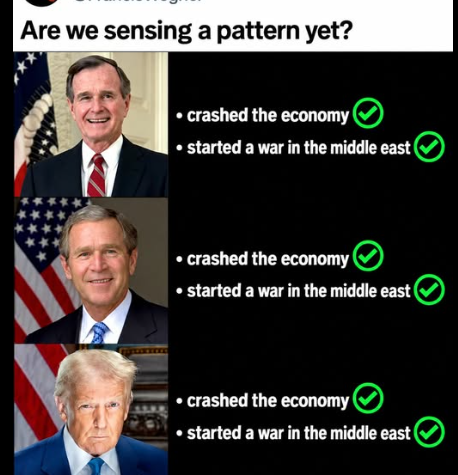 I’m not sure it’s as simple as this, insofar as Bush 41 and 43 weren’t criminal sociopaths.
I happened to be driving through Manhattan on the very day that Colin Powell was addressing the United Nations just a few miles away and claimed, and I think honestly, that Saddam Hussein had “weapons of mass destruction,” and must be stopped by a U.S. military invasion.
Contrast that against what we’re doing in Iran. Fifteen years ago, the Joint Comprehensive Plan of Action (JCPOA), included Iran, the P5+1 nations (the United States, China, Russia, France, the United Kingdom, and Germany), alongside the European Union made an agreement in which most of the developed world agreed that Iran must not have a nuclear weapon.
That stood firmly in place until Trump’s latest war crime, which is costing lives and choking the world economy, solely to defend our president’s neuroses.
 The Brennan Center at NYU’s seminal report on this issue, The Truth About Voter Fraud, found that most reported incidents of voter fraud are actually traceable to other sources, such as clerical errors or bad data matching practices. The report reviewed elections that had been meticulously studied for voter fraud and found incident rates between 0.0003 percent and 0.0025 percent.
Does that stop liars like Mike Lee from spreading disinformation of the subject? Of course not.
There is no judgement day. There is no Saint Peter standing in front of the Pearly Gates discerning good from evil and acting according.
That’s a lucky break for Mike Lee.



-
Climate Change1 year ago
Guest post: Why China is still building new coal – and when it might stop
-

 Greenhouse Gases2 years ago
嘉宾来稿:满足中国增长的用电需求 光伏加储能“比新建煤电更实惠”
-
Greenhouse Gases1 year ago
Guest post: Why China is still building new coal – and when it might stop
-

 Climate Change2 years ago
嘉宾来稿:满足中国增长的用电需求 光伏加储能“比新建煤电更实惠”
-

 Renewable Energy11 months ago
Sending Progressive Philanthropist George Soros to Prison?
-
Climate Change2 years ago
Bill Discounting Climate Change in Florida’s Energy Policy Awaits DeSantis’ Approval
-
Greenhouse Gases1 year ago
嘉宾来稿:探究火山喷发如何影响气候预测
-

 Climate Change2 years ago
Analysis: China’s CO2 falls 1% in Q2 2024 in first quarterly drop since Covid-19