

Weather Guard Lightning Tech

Wind Tech Winter Survival Guide: Safety in Freezing Temps
This week we spoke to Alex Fournier, a field operations manager who works on wind turbines in frigid temperatures, about the safety precautions and practices technicians need when doing turbine maintenance and repairs in extreme cold. Recommendations such as heated gear, taking breaks to warm up, and using procedures to mitigate risks like icefalls are only a few ways that techs could keep safe in winter temperatures. Visit https://www.fabricair.com/ice-protection-systems/
Sign up now for Uptime Tech News, our weekly email update on all things wind technology. This episode is sponsored by Weather Guard Lightning Tech. Learn more about Weather Guard’s StrikeTape Wind Turbine LPS retrofit. Follow the show on Facebook, YouTube, Twitter, Linkedin and visit Weather Guard on the web. And subscribe to Rosemary Barnes’ YouTube channel here. Have a question we can answer on the show? Email us!
Pardalote Consulting – https://www.pardaloteconsulting.com
Weather Guard Lightning Tech – www.weatherguardwind.com
Intelstor – https://www.intelstor.com
Allen Hall: Welcome to the special edition of the Uptime Wind Energy podcast. I’m your host, Allen Hall, along with my co host, Joel Saxum. In this episode, we explore the unique hazards faced by wind turbine technicians working to keep the turbine spinning during extreme cold weather events. As renewable energy expands, more wind farms are located in remote areas with harsh winter conditions, placing technicians at risk of frostbite, hypothermia, and injury.
Joining us to discuss cold weather safety is Alex Fournier, field operations manager at Borealis Wind, which is a division of FabricAir now. Alex is based in Quebec, Canada, and has been working in the wind industry for seven years. Alex will share his insights on the precautions technicians should take when performing maintenance and repairs in cold climates.
Alex, welcome to the program.
Alex Fournier: Thank you guys for having me today.
Allen Hall: So it’s been really cold in Canada and the United States. There’s been we’re expecting a snowstorm tonight. So we’re battening down the hatches. But as the wind turbines must keep running. And I was recently down in Texas when a cold front was coming on.
Coming through there and the technicians were really concerned about it because it’s something that doesn’t happen very often They’re not really prepared for the cold weather to stay any length of time And I thought Alex does this all the time. He lives in this kind of environment That’s my day today and with Borealis, Borealis obviously creates the de icing systems for wind turbine blades And so Alex is up and down on wind turbines all the time putting systems in and keeping blades Turning, I thought this is a good opportunity to talk about wind turbine safety and cold weather conditions and some of the things that you do and your technicians you work with to keep yourself safe in this cold weather conditions.
Because I’ll have to tell you one of the coldest times I was ever in was in Montreal, very near to you, actually.
Alex Fournier: Yeah the thing with Montreal is, oh, it’s an island, so it’s a circle of water. And so it’s really humid. So when you’re in the city, you can feel the humidity go through your clothes.
It’s so yeah, you don’t go in Montreal when it’s minus 30.
Allen Hall: No, and you better bring a hat and gloves because I thought I could make about a hundred yard run to the building I was working at from my car and I got about halfway there and I thought, I’m going to have hypothermia. I am not going to make it.
Alex Fournier: Oh yeah, no, it’s not not temperature you want to play around with.
Allen Hall: Yeah. Some of the gear that’s used up in Canada, and I’ve seen some pictures of technicians up in Canada, getting ready to go work on wind turbines. I think it’s really important that we all highlight what are those things are and the safety gear you guys take.
Cause I think the other thing about Canada is the location of the wind farms can be very remote. You’re out there by yourself.
Alex Fournier: Yeah, exactly. So most of the wind farm in Quebec they’re really isolated from the road or the cities. Some other some other province and Canada, the wind farm are closer to towns, but in Quebec, it’s really isolated.
So normally when you go to the turbine, you need to be prepared, and what I’ve seen recently, so props to Milwaukee, they started doing some heated clothes. So they do heated pants, heated coat, yeah, heated toque, heated glove, heated socks, heated boots even. So I think that’s really one of the key and we see it more and more technicians starting to equip themselves with it.
And we also see company that start buying that stuff to their technician, cause they don’t want to stop the work, even though the temperatures are really cold, right?
Joel Saxum: I’ll go give it one for the the rest of our listeners that may not know it. Okay. Cause I have my better half is Canadian. I’ve spent some time in Canada as well, but a toque.
It’s actually a warm winter hat. That’s what we would call like a be a beanie. Just so when you say two, I wanna make sure everybody knows what it is, but but the Milwaukee clothes, the one thing they’ve done it’s fantastic. So they can use the little drill batteries, actually like the little 12, 12 amp or 12 volt ones, and you plug it in, has a little pocket in the side.
The other cool thing they have is, and I don’t know about all of them, but some of them, like the jackets actually have a 12 volt plugin, so you can plug it into the truck while you’re in the truck and it will heat the jacket up. And then you unplug it, run out, do your work. You can get back in, plug it back in.
It’s like wearing a warm blanket. They’re pretty awesome.
Alex Fournier: Exactly. So I will say like an essential for a technician that work in the winter will be heated clothes or at least a good coverall. Me, I always wear coverall nice winter coverall. And also if they can eat something warm, so even a soup or even crock pot, they sell like a little pot that you can eat and warm up your food that will help you go through the day.
Joel Saxum: Not, this isn’t wind turbine specific, but I spent a lot of time up on the north slope of Alaska in the wintertime, and which is, it’s Arctic, right? The big thing up there, and of course, where wind turbines are, whether they’re in Quebec or Saskatchewan or North Dakota or Frickin Sweden or wherever else it is in the Arctic temperatures, we’re in wind.
It’s going to be windy. So all of those things, you want to protect yourself, right? So one of the, one of the concepts we always drilled home to people was, okay, there’s ambient temperature and then there’s the wind chill. Yeah, the wind chill. Yeah. And so ambient temperature, which is like the regular, Hey, it’s 20 below.
That affects everything material. So whether it’s a metal, or a car door, or ice, or whatever, that affects that. However, windchill only affects things that are living, that are organic. The wind has an effect on your hand, but does not have necessarily an effect on your hammer. So you want to make sure that everything that you have exposed to the wind is covered up in these windy areas.
If you’re out in the farm fields in Alberta, and you’re working wind turbines in the wintertime, Man, that wind is going to be blowing. So sometimes you want to wear face covering, make sure no, no skin, nothing down here under your eyes or anything like that is exposed because that’s when you can get frostbite real quick.
Alex Fournier: Oh yeah. And you have no choice. You’re going to work for, let’s say 10 to 12 hours of that turbine. You want to be warm. If you’re cold, what’s going to affect the cold really going to affect you because it’s going to affect you mentally too. And it’s going to exhaust you. Your body will become exhausted because it’s trying to warm up itself.
And also it can affect you mentally, because while you’re doing the work, you just want to be done because you’re cold, so that can be an effect of, working in cold weather is that it will affect also your job performance.
Joel Saxum: Do they regularly put out okay, here’s the windchill chart.
And when the temperatures are this much, this is when you must take warm up periods to warm up. And do they have policies for all that?
Alex Fournier: Yeah, so normally, especially in Quebec, I was on a site maybe two years ago, and I got to the site and it was minus 37 Celsius. So we got to the site, we assess the situation.
We’re like, Oh, it’s really cold outside. We’re really exposed to frostbite. And even it’s not going to make your day go easy. So do you actually have a charge, a chart and it’s maybe like you do 30 minutes of work and then you do 30 minutes of warm up. But normally when temperature are that cold, you’re going to wait until it drops under the 30 to start working again.
Joel Saxum: Another thing I was thinking, I’m thinking about here. So this was something that happened to us up in Alaska a lot. Certain tools that you use when you can use them inside or when it’s warm you can use just fine But when it’s cold you can’t like the one that always stuck up my mind was like zip ties, okay in a turbine You know There’s zip ties zipping wires together making you making sure everything looks neat and fancy if it’s 30 below a standard plastic zip Type just breaks like the tab just breaks off.
You don’t get to use it They make polar ones that have the little metal tab on them. And sometimes even those So it changes the way you do things.
Alex Fournier: I have a funny story. I was doing rope access in Montreal in my old days, and we had to install a banner on the crane just to promote like a project they were working on and it was during the winter.
So I was like, yeah, we’re just going to use zip tie, we’re going to zip tie it to the crane. And it will be perfect. So then we spend two hours with zip tying the big sign. And then we get to the ground and we look up and the sign is all off. We remove, cause it was so cold as zip tie snap in the wind.
So we looked at it and we’re like, okay, we went to Home Depot and we buy elastic and we put it back with elastic. But yeah we learned from that. Yeah.
Allen Hall: So what are some of the things you guys take on your truck? And I know a lot of times when you’re up that far north, you tend to plug your vehicles in to keep them warm, keep the oil warm so you can start them.
Alex Fournier: So some sites in Quebec, mostly they don’t plow the road. So the, they need to access with machinery. So some sites they will use snow cats some sites they will use side by side. So normally we use all that kind of stuff, but the essential really, I would say will be like coffee, warm clothes.
Charger for all your stuff. Cause even your phone up there, will die really quick. So you need the method of communication, either for your radio or your phone. We need, sometimes we need chain for the wheel. Because you can get stuck in the snow, right? So not only you deal, so people think that we’re usually dealing with ice, which is true, like we’re dealing with a lot of ice when we’re outside, but we’re also dealing with the cold weather, the snow and the wind, so you need to be prepared for all that kind of stuff.
Joel Saxum: Do they try to give you some kind of backup communications, right? If you’re normally on site, you have like a VHF radio in the vehicle and a cell phone and this just in case something happens.
Alex Fournier: Normally the radios, they’re charged every day. At the day, we charge our radio.
And we normally have three or four, depending on how many members we have in our team. So for all four radio to die at the same time, I think you need to stop the day there and go home. But yeah, normally we have enough communication, method to be able to talk to site especially with the phone or the radio.
Allen Hall: And for boots, what are you guys doing for boots? And to, are you doing like the yak tracks to add to boots so you get a little more grip when it does turn icy?
Alex Fournier: I know some sites they require ice not ice, but ice like a spike. So I was working on some site in the States and it was required to have some spike on your boots to be on site.
Just cause even at the OM yard, you can just slip and fall, so even the people in the office were wearing spike boots that I like, it’s the Geos or Neos boots. So it’s like a overboots so that will keep your feet warm because you’re not actually touching the surface of the you’re not touching the ground, you’re in your Neos, so the Neos touch the ground and keep your feet warm.
Or just a good winter boots. We’ll do the work.
Joel Saxum: Big old boot that, there’s a difference to that. People don’t think about because if you have an experience that you just don’t know, but when you’re standing on the cold metal stairs, grates or anything of the, of a turbine.
Your feet will get colder way faster than they will just standing on snow.
Alex Fournier: Yeah, exactly. And like I was saying, two years ago, I was in Minnesota working in the States and I was working with a lot of people from Texas in January. So they got sent to site and they didn’t really know, what to expect.
So me, I checked the weather before I came down there. So I was like, Oh, wow. It’s pretty close to Canada, so I bought, good boots, fiberglass toe. Because if you wear metal toe, it’s going to freeze up right away. So I bought good fiberglass toes, toe boots. I bought a big coat and I got there and I was ready, but I seen all these Texas people coming in with their stilto boots.
And the first minute they were outside, they were like, my feet are frozen. And I was like, yeah, it’s because you got still cap.
Joel Saxum: Here. I’ll give you, I’ll give you a South to North one. So while I was working on a project in Nenana, Alaska, one time outside of Fairbanks. And it was really remote.
This is an oil and gas thing. So every morning you woke up, you got in a helicopter, you flew over the mountain an hour, and you got dropped out in there, and we surveyed all day. And then they were drilling shot holes behind us for seismic exploration. And the drilling company, drillers for that kind of stuff are really hard to come by.
That is a very specific skill. And so they brought this drilling company out of Louisiana. To the middle of Alaska in February, and they showed up on site and they had, because they’re used to drilling in water, so they always wear like waiters and stuff. So these guys showed up, they were wearing waiters and like hooded sweatshirts and it was 40 below Fahrenheit.
The first day we couldn’t fly because it was 40 below is the cutoff for the collectives of the helicopter. To be able to be too cold to fly. So the first day we couldn’t fly. And all these guys, their eyes were this big. They just showed up from Louisiana what are we doing here? And they had to put them all in a bus and go to Fairbanks and buy them all.
Art, the Arctic Carhartt gear, right? Bibs and jackets and goggles, full face masks, all this stuff, because they were not prepared whatsoever.
Alex Fournier: So that’s what we ended up doing with the Texas people. We did the stop work, reassess, and we went to the store and we bought all the bibs and the big coat for them to be able to work.
It’s not some, it’s not something that someone will know if they don’t experience it, so it’s let’s say the wind farm in Texas that get, ice storm and then they’re stuck, their operation are all stuck because they don’t know what to do. It’s just they just don’t know, it’s not their fault, they just don’t experience it.
Joel Saxum: Yeah, there’s another thing that’s really important in the wintertime that I was taught from a young age, but grew up in northern Wisconsin, right? Same thing. Is layering. So layering it, cause if you go I’m gonna throw on as much clothes as I can to stay warm and you don’t walk around and you start sweating and all this stuff, then you get cold like that.
Then you’re done. If you start sweating, you’re screwed. So you wanna make sure that you got a good thin base layer and just kinda build that stuff up. It’s to, to mount, to be able to manage the heat within your body. Cause then you can take things off, take stuff on, whatever like that.
So if you don’t manage that heat and you get sweaty you’re in a world of hurt.
Alex Fournier: Exactly. And that’s an issue that we face in the wind industry. Cause that ladder, you still need to climb it. It’s not because it’s winter that you don’t climb the ladder. So when you get to climb the ladder, you need to remove some layers.
So when you climb, you’re not. Too warm. So when you get on top, you’re a little bit cold, but then you start layering back up. Exactly. So you don’t want to sweat while you climb because then you’re screwed.
Joel Saxum: Yep. Let me ask you this. Did you ever be up in a nacelle and it’s actually nice that the turbine is running because it creates a little bit of heat up there?
Alex Fournier: Yep. But normally when I go there, turbines are down. So I’m cold.
Joel Saxum: You’re not climbing during a snowstorm unless the turbine’s off.
Alex Fournier: Yeah, exactly. Because it’s actually like a rule in Quebec Don’t mark me on my word on that, but I think it’s actually a ruling in Quebec that tower, you cannot stop a tower in the winter if it doesn’t need to be stopped.
Cause that’s in the winter that we have the most wind production, like the wind is stronger in the winter, so they don’t want to stop tower if they’re not stopped. So normally when we go in towers, they’re pretty cold.
Joel Saxum: Yeah, cause they want to maintain the grid. That’s when you guys need the most power too is in the middle of winter.
Alex Fournier: Yeah, exactly. There’s some turbine model that they have heaters inside. We’re lucky enough that some of our clients have. Heaters and their turbines. So when we get up there, even if the turbine is stopped, we can start the heater and it’s Cancun in the cell. But we also have clients that don’t have any heating system.
And when we get up there, it’s just freezing cold.
Allen Hall: Are you allowed to take some heaters up there with you if they don’t have a heating system?
Alex Fournier: Yes, we do. But it’s going to be like a conventional house heater. So even if you put it like in the blade, it will make a little difference. We do it because when we eat, we like to be warm.
But even like putting that in the blade, it won’t change anything. I’m lucky enough because we work with the icing system, hot air de icing system, so we can start the system.
Joel Saxum: You just turn the Borealis system on, turn the heater on. Pull, yeah, pull the FabricAir thing off and let the heater just blow on you for a little bit.
Alex Fournier: Yeah, that’s how I eat my lunch, but no For real, when we, normally when we go in there we can start the system before, so when we go in the blade, it’s a little bit warmer. It doesn’t stay warm for hours, but it still give us a little push.
Joel Saxum: Let me ask you this one, this was a trick that we used to use.
So you take your Sammy Maker, Your nice sandwich at home or whatever the night before for your lunch or your soup or whatnot, but that sandwich you’d wrap in tinfoil. So when you got uptower.
Alex Fournier: Put it on the gearbox.
Joel Saxum: Yeah, put it on the gearbox, warm your sandwich up. Does that happen in the wind world?
Alex Fournier: Yeah, we still do that, yeah. We we actually bought the grill cheese maker last year. Heh. It seems stupid, but we bought a grill cheese maker and we just grill her sandwich and and the dinner lunchtime. So that make it more fun.
Joel Saxum: I learned that trick actually, when I was like 19 years old, I was working on a road crew in Chicago, Illinois and what they would do.
Is they would take, was it they’re pouring asphalt, right? So they take your sandwich and say, Hey, wrap that thing in five layers of tinfoil tomorrow. And they take a five gallon bucket and they put us a shovel full of asphalt in there and then put everybody’s sandwich and put another shovel on top.
Wait like 15 minutes, then take the asphalt out, unwrap your sandwiches and they’re all cooked.
Alex Fournier: That’s a good idea.
Joel Saxum: So let me ask a question about something turbine specific. Is there anything that you’ve seen in a turbine, whether it’s a. I don’t know, a cabinet latch or a climb assist or something that are like, man, it’s cold out.
Now we got to worry about this thing, right? Because it was, yeah, I’m thinking about mechanics wise, it was always like, when it got that cold where I’ve been, you don’t want to be cranking on, metal parts and stuff because they get brittle when it
gets that cold.
Alex Fournier: The 1 thing I can think about, it’s the 3s lift.
I know on the nuts, it’s right. If you work. Between these temperature that are low temperature, you need to work the lift before you use it. So make a couple of run and then you can use it just to warm it up. But obviously everything that is battery powered, your drill will, will give up after a couple of minutes.
Your climb assist can even give up after a couple of minutes. So everything really that have a battery, no good in the winter. If you use a lamp, bring extra battery with you because it won’t live forever. But yeah, everything that is mechanical, it’s more work in the winter, just because also you need to think about yourself, you all layer it up, so you’re just your movement are way harder than if it was summer.
Joel Saxum: So the whole crew though, all the technicians that got the spare batteries in their, in And inside their jacket and stuff, trying to keep them good.
We work with we work with Sikaflex and our method to warm it up is we put it in our bibs and we just carry it all day until we need to use it.
Allen Hall: Oh, wow. I wondered about adhesives because yeah, it’s so cold. I just don’t want to, don’t want to move.
Alex Fournier: Yeah, it’s crazy. I will say all. Everything that is fiberglass work, I would say take a break in the winter. Unless you really need to do it. I know some company they’re innovating right now. I seen Acura and they did a post on LinkedIn maybe two weeks ago.
And they’re using the SkyFlix platform with the heaters and the lamp and it’s all cover up, so they’re able to still do composite work in the winter. So a couple of company like this, they’re really innovating and trying to bring services all year round, which is exceptional.
Joel Saxum: Yeah, that when we were, when we would run with any kind of adhesives or anything like that, it was like when you’re driving to site, it’s always, they’re up on the dash rate where the defroster is getting heat right on them. You get out, grab, stick them inside, and away you go.
Allen Hall: And wintertime, the days are short, right?
So when your time, especially when you’re up north where you are, and some of those wind farms, the days are really short. Do you have to be cautious about, hey, it’s getting dark outside, we got to get out of here? Are there rules about that? About being where it’s really cold, plus it’s being dark, and the temperature does drop some when the sun goes down, even on those northern latitudes.
Is there more things you have to worry about once the sun goes down?
Alex Fournier: Yeah, my personal advice is if you work in the winter, don’t try to push it just because, it’s cold, you’re tired, it get dark fast, yeah, normally you still try to go down when the sun go down, if that makes sense.
But I don’t think there’s actually a ruling, but yeah, when the sun goes down, you need to go down too, because it will get even colder too.
Joel Saxum: Yeah, and for people who don’t realize that or have been in the South, basically working on turbines, or even the South, really, to be honest with you, all the way up to the Dakotas and whatnot.
If you’re up in Quebec or northern Quebec, especially your day, your sunlight, good sunlight of the day can only be 9 to 3. Like you’re down to a 6 hours of sunlight.
Alex Fournier: Yeah, exactly. Yeah, you really need to be cautious too. And if I can tell a story too, we were in Quebec I think a year ago and it was in the morning.
And so we opened the snow cat and it starts snowing and we’re like, oh, it’s going to snow today, but we didn’t expect much snow. And then it was the end of the day around 8, 9, so it’s already dark. Then we get out and all our tracks are completely cover up. So we didn’t even we didn’t even know the road anymore, and it’s all like big ditch.
Joel Saxum: How to get back to the O&M building.
Alex Fournier: Yeah, so we had a guy outside just walking, trying to find like the deep spot. And yeah, we were with the snowcat. It was crazy, be cautious of the snow too, because when it starts snowing, you never know what’s going to happen. And it can be a couple of centimeters, but it can be two feet too.
Allen Hall: Yeah, how do you deal with that though? It does seem like the snowstorms come randomly at times. Do you carry GPS with you in some way? I guess your phone has GPS, but does it even work that far? Away from cell towers.
Alex Fournier: The good idea will have been to look at the weather channel before the start of the day, when you need to get some stuff done, that’s not the first thing you’re going to think about, you mostly think about work first in my case, so no, but yeah, having, let’s say like a good, a good part of the day, a plan of the day, assess all the risk in the morning.
And then you can do your work and, work in consequences. That will really be the key.
Allen Hall: Just to summarize, make sure you have extra gear, make sure of extra food. Don’t get wet and prepare for when it gets really cold. Yeah. And mind your batteries.
Alex Fournier: But there’s some of our client, the innovative solution to, like I said, we work with snow cat.
So that, that can pretty much get you anywhere you need to go. And they also have ice trailer. What is an ice trailer? It’s something you attach either on a truck or at a snowcat, and when you bring it to the tower, there’s actually like a platform that’s deploying so that will protect you from the ice falling too.
Oh, I didn’t, never heard of that. Yeah, so that, that helps the technicians to to work safe and even mitigate the ice risk. And even now, they created some trucks with platform on it that will protect you from the ice as well.
Joel Saxum: Okay, this is a, we’re going to talk about a risk that is specific to wind turbines, right?
You guys, Borealis, you’re in the icing space, like your friends, Ice Tech, that are up there as well, in that icing space, knowing when that’s going on. And getting, the blades getting covered with ice. We, I’ve been on insurance cases where they say, hey the turbine was spinning, a chunk of ice came off that was the size of the hood of a truck.
The next blade came, hit it, did a bunch of damage. Now we’re talking about the blades. But you guys are people standing under the turbines. How do you handle that risk?
Alex Fournier: Yeah, so first of all, I should say, get a de icing system, a Borealis Wind IPS system. But all joke aside, there’s mitigation. First of all, it’s to have a good procedure in place.
I think just with having a good procedure, all to work with ice risk is the key of it because often people, they’re a little bit hesitant, to work with ice because everyone know it’s a risk, right? Everyone across the industry know that ice is a risk. So when you tell it a technician to go work on a tower, that’s I stopped it.
They might be hesitant, but if you have a good procedure in place that explain all the risk and all to mitigate them. That would be the first step, having a good procedure, that would be the first step, just to eliminate all the hesitation from technician and really have a clear idea of what it is.
And the second step will be to get some medication tool. Like I said, a snow cat with an ice trailer that’s really helpful, because now, that you have the procedure and then you’re on top of that. You have, risk mitigation, you have material to mitigate it. That will really be the key to be able to work with the eyes is to get prepared, have the tooling and the procedure to prepare yourself to, to work with the eyes.
And on top of that, if you can have the icing system, obviously that will work too.
Allen Hall: That’s a really serious problem to deal with though. It does seem the icefalls could instantaneously kill you, leave you stranded, or leave you stranded out there, seriously hurt.
Alex Fournier: Yeah, it’s, you don’t want to play around with that, and, there’s certain situation, if you see that it’s super sunny outside, and you see the ice shed, obviously don’t go there.
It’s the first step, and no one will be, no one will be mad because you do a stuff work that’s, you don’t play around with safety. There’s still some way to be able to work even though there’s ice, even if you don’t have a snowcat or ice trailer, if you follow a good procedure, there’s some case that it’s going to be minus four with a big sun shining, obviously some pieces of ice will shed, because it will melt.
But if it’s minus 20 outside, not sunny, and you’re able to yaw the tower away from the door. At temperature around minus 20, minus 15, the ice doesn’t shed. It’s pretty, stuck on the blade. You can do you can do break tests. People do that though. They will spin the rotor, do a brake test, see if the ice shed normally if the ice doesn’t shed, the temperature is super low, and you can yaw away from the tower and the wind is in the, another direction, then I will say it’s safe to access the turbine but yeah, in some cases, it’s just Not workable if you don’t have the good tool.
Allen Hall: I’ve learned a tremendous amount here, Alex. I had no idea of all the techniques and pieces of equipment you take to, to keep yourself safe while working on wind turbines when it’s cold outside, this is fascinating to hear.
Alex Fournier: But like I said, us, we’re used to it cause we’re from, we’re from Nordic province and it’s, we need to deal with it day to day.
So it will be a shame if every day we will not be able to work because of the ice. So people with good idea came in and, that’s how we’re able to work and innovate the industry.
Allen Hall: So if I’m down in Texas and I’m in the middle of an ice storm and I want to get ahold of you, Alex, how do I get some advice from you about how to work in cold climates?
Where do I go?
Alex Fournier: Really I suggest that every, service company or, energy provider to really dig into it and just make clear procedure for all their worker. That will be the best bet I can give them. Cause like I said, with a clear procedure, you educate your worker too, and you ensure that they’re safe to work.
Allen Hall: If you’re on the web, you might as well check out Borealis Wind. Because they have a really cool deicing system.
Alex Fournier: borealiswind.com. We can, so scrap all the podcasts, just go on the website and use our solution and you will be set.
Allen Hall: Alex, thanks for appearing on the program. We love hearing all this good stuff and we’ll see you at some of the trade shows this month.
Alex Fournier: So myself, Alexander, will be in Quebec at the IQPR conferences to talk about deicing. My buddy, Wade Coulis, our sales manager will be at Blades USA and me and him will be at, in San Diego next week at the OMS safety summit. And Daniel Roper will be at Winter Wind and we will be in Minneapolis for the ACP trade show also.
Allen Hall: Yeah, that’s great. Alex, so much for being on the program.
Alex Fournier: Thank you guys for having me and I wish you all a good day.

Weather Guard Lightning Tech
India Locks Down Turbine Data, Danish Wind Jobs Dip
India now requires turbine data, control centers, and R&D to sit inside its borders. Plus a study on reverse flow loads in parked blades, Envision’s spare parts push across Southeast Asia, and Danish wind employment falling to 32,700.
The Uptime Wind Energy Podcast is brought to you by Weather Guard Lightning Tech, creators of the StrikeTape Ultra LPS retrofit. Subscribe to Uptime’s Substack newsletter. And check out Rosemary’s “Engineering with Rosie” Youtube channel. Have a question we can answer on the show? Email us!
The Uptime Wind Energy podcast, brought to you by StrikeTape. Protecting thousands of wind turbines from lightning damage worldwide. Visit striketape.com. And now, your hosts
Rosemary Barnes: Welcome to the Uptime Wind Energy podcast. I’m your host, Rosemary Barnes, and I’m filling in for Allen today here with Jolanda Pedron. All right, onto our first story. India is drawing a line around its wind data. The Ministry of New and Renewable Energy has ordered every turbine maker on the approved list of models and manufacturers to report where its data actually lives.
Data centers inside India, servers inside India, research centers inside India, and no real-time data leaving the country. The order went out last week with status reports due by month-end. And while the government tightens the rules on data, the hardware keeps moving in. Flender has just opened another generator plant in Chennai [00:01:00] Yolanda, I think this is gonna have a large impact on the number of companies who are, you know, there’s a lot of companies around today developing, like, smarts for wind turbines.
There’s a lot of scope to operate turbines better, to improve power output, reduce maintenance costs, et cetera, and y- a lot of companies are taking advantage of that. Even Patlow has some projects going on in that sort of area. What do you think about the impact this will be? Is India planning to develop their entire own ecosystem for that aspect of the industry?
I
Yolanda Padron: mean, it looks like it, right? Which is really, I mean, kind of groundbreaking. I know that we talked a couple weeks ago about Europe sort of being a little bit scared of bringing in, um, different manufacturers from Asia, um, and just the, the idea of cybersecurity being something really prevalent and really important to all of these people.
So just if India starts siloing everything and that works, maybe that’ll translate to Europe.
Rosemary Barnes: Do you think that it, it can work? Has India [00:02:00] got the expertise in place already to, to make this work, or is this gonna be a real, like, handbrake on their, their wind industry continuing to develop as fast as it has been?
Yolanda Padron: I mean, I’m really curious to see it because I don’t know if they’ll bring in a lot more experts to be able to, to do that.
Rosemary Barnes: I know the Indian, um, operating environment is quite different to other locations. I mean, it’s, it’s similar in a way to Australia in its dissimilarity, if that makes sense. I, I think there’s a lot of really India-specific problems, so of course Indian companies are gonna be best placed to take advantage of that.
But what we’ve seen so far is a lot of, uh, companies from Europe or America coming in to y- you know, like tweak the way that they attack similar problems in other markets. They’re, you know, moving in to understand India better and take advantage of that. Now, of course, like not every smart operating method or aerodynamic improvement, they don’t all need [00:03:00] real-time data, and probably most of them don’t actually.
So I think it’s not gonna like s- snip off this entire kind of improvement. But it is really interesting. It’s quite, like it is quite severe, the restrictions, and I haven’t heard of any other market, um, that is doing that. I, I don’t know, do you think it’s warranted or is it maybe like overly paranoid? I know when I heard that in, um, in Europe they’re not allowing Chinese manufacturers of inverters, for example, and I just felt like, “Ugh, is that a bit over the top?”
I’m not sure. Um, yeah, what’s your opinion, Yolanda?
Yolanda Padron: I think it, it might be a little bit over the top. We live in such a globalized world that the idea of one country just siloing completely is, is a little bit strange to me. But- I guess if, if that’s, they have a, a reason for concern, then I guess it might make sense.
But to your earlier point, like, I don’t know if the cost of doing this [00:04:00]would also come into play
Rosemary Barnes: Yeah, I think that there’s always a, a, a trade-off. It’s like when you have any kind of l- local content rule, which is similar in a way because it forces, um, yeah, it, it forces your own ecosystem to develop, and that’s, that’s great.
Like, it is a missed opportunity if you just have, you know, like a huge new industry and you just import it all, then that i- is a lost opportunity for your own economy. But I mean, in the past, India has had pretty strong local content rules, and they do have a bunch of wind energy manufacturing, um, within the country.
They are a country known for really great engineering, so it’s for sure not beyond them to, you know, step up. So yeah, I guess time will tell if this is a smart move from that point of view. I don’t think it’s actually the motivation behind this rule. I think it’s more of a, like, a cybersecurity, um, kind of perspective where you don’t want, you know, overseas companies having the ability to shut down your energy system, for example.
Um, [00:05:00] so yeah, but it, it has the potential to have that other effect of, you know, like boosting the local industry or alternatively just slowing down the whole industry because they can’t get anything done. I guess that’s always that balance that you need to, need to look at when you’re looking at local content.
So India is deciding who gets to control the data inside a turbine. Our next story is about something inside that same turbine nobody controls yet, the air moving across a blade that isn’t turning. A parked turbine might look like the safest thing on the site. Blades are locked, the rotor’s still, nothing turning, nothing generating.
But a new study says that stillness is not safety. When the rotor is locked and the wind shifts, air can strike the trailing edge first and travel backwards across the blade. That is reverse flow, and in reverse flow, the models this industry uses to predict blade loads start to fall apart. Field data cited in the study suggests blades on turbines above 15 megawatts can go aerodynamically [00:06:00]unstable at winds as low as eight meters per second.
That is nowhere near a storm. So this is actually already definitely a known issue, and I know that modern wind turbines don’t usually park with locked rotors, right, Yolanda?
Yolanda Padron: Yeah.
Rosemary Barnes: We, we saw that a locked rotor during installation was one of the causes of the Vineyard Wind fiasco, right? Where broken blade pieces washed up on the beach.
So definitely something that’s known about.
Yolanda Padron: And it’s something that even onshore you have a, you have your system so that it tracks sort of where the wind is coming from. So even if it’s stopped, it won’t just be stopped at a specific angle, particularly in case the, the winds shift.
Rosemary Barnes: Yeah, and I’ve seen examples of blades failing when, um, there was a storm and there was power lost, so they weren’t able to yaw or pitch a turbine, and that also can cause…
Like, any time that- Wind is going in a different direction than what the turbine desi- was designed for, you’ll get unpredictable stuff happening and often, [00:07:00] like, really bad loads. Like the harshest, um, conditions, loading conditions that a wind turbine blade has to withstand is not in operation. It’s if you’ve got just wind hitting like a bluff body, they call it, where a gust of wind just hits flat on the blade and tries to bend it.
Like that is way, way stronger loading than, um, than anything it would see operationally. If you’re looking at, you know, like a really severe storm, like a one in 50 year kind of, um, wind speeds, and then if you have flow going on weird angles where it’s creating lift, then you can ratchet up those loads even more.
So for sure a known issue. This study, it, it singled out turbines above 15 megawatts, which are huge. That’s a, you know, like a big offshore wind turbine. But I don’t think it’s limited to that. Like what would you think, Yolanda? Is this, is this like purely a big blades thing, or is this something that actually all wind turbines need to take into account?
Yolanda Padron: Oh, this is definitely something that all wind turbines need to take into account. It’s something that we’ve seen a lot in the [00:08:00] US as well, um, onshore and s- wind f- uh, smaller wind farms and wind farms that have, you know, 200 plus, um, wind turbines on them, uh, the, the 1X or 2X turbines. Uh, this is also ver- a, a reason that it’s really important, right, to check your systems constantly, and I know that a lot of the, the owner/operators do that, um, in their regular maintenance checks.
Um, but it’s, it’s, it’s an issue that, uh, if you don’t have the correct systems in place or if you just remotely reset things, uh, because you see an error that maybe you thought, “Oh, that, that must be just a glitch,” uh, then you start having issues like this that can cause catastrophic failures, not just on the blade but on the turbine itself if, if the blade ends up hitting the turbine, um, it, it ends up hitting the, the tower itself.
Uh, and then [00:09:00] a similar issue, um, that can happen too is when you don’t have the correct systems in place for, for an emergency, and so the turbine can just overspin, and that also causes a lot of blade failures, uh, both onshore and, and offshore as well. But I think onshore it’s, it’s just the, the wind farms are so big that it’s It’s easy or, or easier to miss, like, one or two turbines, um, when you’re doing those checks.
Rosemary Barnes: Yeah. And I think another issue with keeping the rotors locked out, and one of the big reasons why they moved to pinwheeling as the, you know, um, turbine off kind of configuration, was with the, the bearings, right? Like, it’s not good for the bearings to be totally stationary. Um, so I think that it’s better to, yeah, pinwheel.
It’s lower loads on the bearings.
Yolanda Padron: Something, um, similar to this as well, right, and, and I think Wind Power posted about it the [00:10:00] other day, um, about just, oh, it’s really common for, for sites to, to think of, of a financial solution to, to negative pricing being just fully stopping turbines that might not be producing at positive pricing.
Um, and then, uh, that can also cause a lot of loading issues because you’re, you’re having a, a turbine at, at full capacity, and then it just stops.
Rosemary Barnes: Yeah, that’s true. The braking loads are, are one of the more extreme loads that turbines have to withstand also. I mean, hopefully if they’re curtailing, um, voluntarily, uh, they’re not doing an emergency brake kind of level.
I hope that they’re being a bit more gentle on their turbines, but yeah, for sure, like, the easiest thing for a turbine to do is just operate normally its whole lifetime. That’s exactly what it was designed to do, and anything that deviates from that can reduce the t- life of the turbine, complicate things.
So machines keep getting bigger, and the physics keep [00:11:00] getting harder. Meanwhile, the map keeps getting wider. Next, a Chinese manufacturer planting both turbines and spare parts across Southeast Asia. Stay with us
Speaker: Are you overspending on lightning repairs? Most operators are because solving lightning damage is complicated. Weather Guard Lightning Tech helps operators reduce lightning damage. Our innovative StrikeTape lightning diverter protects over twenty thousand blades worldwide. Now, StrikeTape Ultra installs faster than ever.
StrikeTape Ultra cures uptower in just fifteen minutes, even in cold weather. Visit weatherguardwind.com to schedule a call.
Rosemary Barnes: China’s turbine makers are no longer just shipping machines. They are building the network that keeps those machines running. Envision Energy has secured its largest wind project in Vietnam, 200 megawatts with REE Energy, 25 [00:12:00] turbines, grid connection targeted for October 2027. It is also the company’s largest overseas nearshore project to date.
And Batangas, Philippines, Envision has opened a distribution center holding major components and spare parts close to the projects that need them. Turbines first, then the parts network. Yelena, I’m just wondering if spare parts was a big headache for you when you worked in asset management, and do you think that this plan of, that Envision has is gonna be a successful one for Vietnam?
Yolanda Padron: I think spare parts, having spare parts on site or near a site is always a good strategy. I know that sometimes it can get the, the accounting itself can get a little bit difficult because for at least, you know, in the US for tax purposes, you can’t really sell something from one project to another, so you, you have to be a little bit careful, um, as far as when you hold a part or you’re sending one part that might fit in multiple sites and where you’re technically buying that [00:13:00] from.
Uh, but I think the spare parts that they’re having here I, I think it’s a, it’s a really good idea, right? Because oftentimes you might have a, a big, um, there might be a big queue for a particular component that fails years after, uh, it was produced, and then you– I mean, if you need it now and there’s a big queue now, then you need to wait until it can get to site, until it can be produced, until it’s your turn in line.
Uh, and so just having those components on site or really close to the site I think is a really good idea.
Rosemary Barnes: Yeah, it’s really challenging. Like it’s, it, it’s easy to imagine how you could organize a spare parts network or, you know, just l- literally a bunch of warehouses holding spare parts for the kind of, you know, like one-off failures that happen routinely throughout a wind turbine’s life.
But when you start to see a serial issue or if there’s just, you know, like statistically every now and then [00:14:00] you’ll get clusters of failures even if it’s not a serial issue, that’s when it starts to get really hard. So I know in Australia, and I’m sure it’s the case elsewhere, you kind of got to pair your spare parts inventory with the capability to repair and refurbish as well.
Because sometimes it’s like, you know, you might do, like speaking of blades, which is my specialty, you might have a bill of, you know, maybe even a million dollars to do a really big repair on a blade, but that’s better than spending probably, honestly, the similar amount of money on a brand-new blade, but then that comes with a six-month or a 12-month, um, wait time.
You know, like obviously you’re gonna save overall if you can get that turbine up faster. And we also see a lot of, um, in-country capabilities to refurbish, you know, all of the drivetrain components and, and everything like that, and I think that that is such an important complement. Like your spare parts strategy should never just be about having them physically sitting there, ’cause if you were [00:15:00] to have enough to cover any situation, then, you know, most of your components would go unused over the, the lifetime of the wind farm.
And it’s not like they’re just swap in, swap out for any different wind turbine, right? Like they are usually quite turbine specific.
Yolanda Padron: I completely agree with the idea, especially with blades and how trif- tricky some of the new blades and their, their repair processes can be. It’s really important to have a plan and not necessarily just, “Okay, now I’m gonna throw this one out and bring in a new one, and always hold a new one,” because that’s really expensive.
Um, and it’s also really, really important to, uh, that doesn’t matter what particular part it is, that whatever storage facility you’re using, that you’re, you make sure that the environmental factors impacting the spare parts are taken care of, right? So, um, I know I’ve seen spare parts for a battery site or spare parts for a solar site, uh, that just kind of end up degrading even more than the parts that were in [00:16:00] operations because no one was really looking at them.
They were just outside in the elements, and then you just wasted millions and millions of dollars for really nothing. Um, something that you need to take to the landfill eventually or report.
Rosemary Barnes: Hopefully recycle it if it’s electronic waste.
Yolanda Padron: I completely agree that to, to be able to, to have any sort of replacement strategy, you, or any sort of spare parts strategy, you need to make sure that, that the replacement strategy is there and that the refurbishment strategy is there.
If there’s anything that you can recycle in-house and use in-house, that’s a lot better than just landfilling anything or sending anything to be recycled elsewhere where it just piles and piles and piles up.
Rosemary Barnes: Yeah. I think also it’s reassuring if you’re buying wind turbines from maybe a, a less well-known manufacturer or less well-known in your country, I think it is reassuring to have a, like just a stack of spare parts on site, because that will give you the confidence that if [00:17:00] and when things start to go wrong, you know, a few years into the wind farm’s operation, you are gonna have that capability.
‘Cause I think it is, like it’s a big leap to move away from the really, really well-known, uh, manufacturers into some of the less well-known ones and have the confidence that y- you know, you wouldn’t have any- anyone to ask what they’re like for service, uh, for example, and you might also not have confidence that they’re even gonna exist in, you know, 10 years, 20 years, 30 years’ time.
So having the parts on site can give you that confidence. Although, as you say, if those parts aren’t actually functional when you go to use them, that can be worse than not having them in the first place because you thought that you were okay and then you find yourself scrambling. That’s not ideal at all.
Yolanda Padron: Yeah, I completely agree. I did hear about someone who, um, had a, a blade that they They thought they, they didn’t really have the capabilities in-house to, to restore it, and so they sent it to be recycled, [00:18:00] and then later it was sold to them by their OEM, um, on site. And so I think that also speaks to the…
And, and it was just because someone noticed the serial number was exactly the same and kind of noticed. It was, it was really honestly kind of a funny, funny thing in retrospect. But, uh, and it, it just speaks to the idea of you really need to understand if you’re holding spare parts and, and just in general, even if you don’t wanna hold spare parts.
Um, the idea of being able to refurbish or have a plan to be able to refurbish the, the materials that you have on site is really, really, really important because it can save you so much money. I mean, the, I mean, the, for that case, just the, the transportation costs of hauling the blade off, of paying someone to recycle it, of paying for a new blade, um, and everything just to kind of be bamboozled in that way where you could’ve just repaired it on site is, is It’s almost a no-brainer, yeah.
Rosemary Barnes: I gotta say, that’s like a real recycling win, right? Like, you can’t get [00:19:00] better than, than that. Uh, you know, you had a blade, you recycle it into a blade. It’s, you know, performing exactly the same function, better than shredding it and hiding it in a, you know, a footpath, a sidewalk, or something like that.
Stay with China a moment longer, because the product strategy tells you as much as the project map. Mingyang Smart Energy has unveiled the Tianchi MCD 5 MW turbine at its factory in Guizhou. It’s the first machine in the company’s new medium-speed compact drive platform, a semi-direct drive that Mingyang says cuts component count by 60%.
And it is built for sites nobody used to bother with: mountains, plateaus, places where the wind averages four and a half meters per second. Now, Yolanda, 5 MW is pretty big for an onshore turbine in locations. It sounds like, you know, these locations, aside from the, like, less than ideal wind resource, also sounds like places where it’s actually, you know, transport might be a bit of a constraint.
I wonder what their strategy [00:20:00] is gonna be to get those large components and installation equipment in.
Yolanda Padron: Yeah, I mean, it’s, it’s not gonna be the first site, I think, that we’ve seen that where they have to develop some sort of game-changing vessel or crane or something to be able to, to get things, uh, to the site.
Uh, my, my first thought honestly was just kind of like, “Oh goodness, that might be a lightning nightmare depending on, on where they’re located.”
Rosemary Barnes: Yeah, that’s true. Like we’ve seen in Japan, they have all their turbines on the ridges where the wind speeds are great, at least. Um, but they have been just absolutely destroyed by lightning, like really, really dealing with extreme situations.
I think also, like these are low wind speed sites. Like what, what did they say? Four and a half meters per second average wind speeds? I mean, that’s like half what you would consider a good, a good site, right? And we know that the power in wind, it goes, like it increases with the cube of wind [00:21:00] speed. So, um, you know, like if you double the wind speed, you get eight times as much power.
So it’s like all of the challenges associated with a high wind speed site in the mountains or, you know, somewhere tricky to get to you know, at least you’ve got eight times the power to make up for the effort of maintaining it. Uh, just it seems like, like a lot of effort to get to a low wind speed site, right?
I think these turbines, the cut-in wind speed is gonna be two and a half meters per second, so you know, again, like you can reduce your, yeah, like the, the wind speed a- again by another factor of eight. It’s almost nothing at that wind speed. It really, yeah, I don’t know that you can make up for a low wind speed site by having a really low cut-in wind speed, right?
Like, you’re still gonna end up with low power across the board.
Yolanda Padron: Yeah, and it’s, it’s strange too, I mean, we said it’s, it’s a mountainous region, right? And so, and the transportation [00:22:00] in itself, I mean, we talked about the idea of bringing them in is gonna be difficult. But I know that a lot of times we see a lot of blades that have issues down the line because of the transportation issues and because of the way that maybe they, they didn’t use the lifting points right, and there might be a lot more transportation issues or damages from transportation on the site if they come in and it’s a completely different terrain that they’re used to.
Uh, and teams have to build in a completely different terrain to- that- than they’re used to, then that might also cause problems down the line. Not to mention the idea that I know sometimes in sites where there’s already roads, uh, it, it, because of the position of the turbines, because of the, the way that things are, are mapped out in development and construction, sometimes it’s a, a hassle for operations to, to get the correct cranes or trucks or everything in there to do any sort of maintenance.
Uh, so [00:23:00] I can’t imagine in a place where it’s just really, really difficult to get to in general.
Rosemary Barnes: Yeah, and especially over the lifetime, you know, maintenance i- is gonna be such a challenge. So I think that it sounds like they’re aware of that because their emphasis with this new platform, dropping the component count by 60%, that’s a claim from Ming Yang that I haven’t seen the details of.
It seems highly implausible but, um, yeah, I would wanna look into that a bit more to believe it. But they also say that their new bearings and gearbox features lift reliability by 10%, so yeah, I think that that is going to make their job a little bit easier, but yeah, I don’t know if it’s enough that would make me wanna invest in a wind farm with a, what was the number?
Four and a half meters per second average wind speed. Seems marginal at best. So new machines for marginal sites built in China and priced to compete. Now let’s move [00:24:00] to Denmark, where the employment numbers show what that competition feels like from the other side. Back in a moment.
Speaker 4: Delamination and bondline failures in blades are difficult problems to detect early. These hidden issues can cost you millions in repairs and lost energy production. CIC NDT are specialists to detect these critical flaws before they become expensive burdens. Their nondestructive test technology penetrates deep into blade materials to find voids and cracks traditional inspections completely miss.
CIC NDT maps every critical defect, delivers actionable reports, and provides support to get your blades back in service. So visit cicndt.com because catching blade problems early will save you millions
Rosemary Barnes: Numbers out of Denmark tell two stories at once. Green Power Denmark counted [00:25:00] just under 110,000 full-time jobs across the Danish energy sector in 2025. That is up 1,526 positions or 1.4%, slightly ahead of Danish employment overall. That is the good news. Inside the wind sector, employment fell to 32,700, a drop of roughly 500.
Green Power Denmark blames international competition and unfavorable market conditions. Its chief economist calls the dip normal You know what, Yolanda? I think that if Denmark’s labor market is weak in the wind industry, there are many countries outside of Denmark that would wanna snap up that talent.
I know that my own company, Pardalote, is included in those numbers of people that would really like to have Danish talent. I’m trying to s- hire someone currently that’s got wind turbine blade expertise, and I tell you what, that is not easy to do in Australia. So I would say if there are any Danes listening or watching who fancy a move to Australia, then please do get in touch [00:26:00]if you have some excellent wind turbine blade experience.
Yolanda Padron: You guys would have a lovely, lovely boss. I’ve- I just gotta say that. The learnings that you have in Denmark and just the, the, the school- not just from the schooling, the, the onsite, I mean, it- it’s just historically Denmark’s been really, really great in, in wind. And there’s just so many bright minds, um, that d- I mean, if, if they can’t find a j- a job in Denmark, then I, I agree that there’s a lot of places in wind that if they’re, they’re okay with moving, they’ll, they’ll find a, a good spot that’ll receive them really happily.
Rosemary Barnes: I know it is a bit of a, like, a cultural blocker. Danes more than other nationalities that I know are, are really, um, I don’t wanna say attached, it makes it sound like not quite the word I’m looking for, but they, they do really appreciate the region that they’re from and, you know, family is so important to Danes, so not the easiest thing [00:27:00] to just say, “Just move to the other side of the world.”
But you know, I did it. It, it can be done and, uh, yeah, Australia is, has got very nice weather, especially at the moment. It’s, um, it’s gonna be… It’s been, like, in the high teens Celsius all this week, and this is, I’m in Canberra in still winter and, uh, yeah, like, on the weekend it’s gonna be 20 degrees. It’s, you know, normally 15 degrees is a really great one-off day in winter.
It was my birthday this week and in Denmark there is a, a saying or a, you know, a belief that if you have good weather on your birthday, then that means that you must have been really good all year. And the weather was just, like, unprecedentedly good for my birthday, um, yeah, for a winter day. So obviously I was very, very good this year.
Yolanda Padron: You’re a great person, and happy belated birthday.
Rosemary Barnes: Thank you. But it is something that I say every time we get another story about another Danish wind energy company that’s, you know, doing layoffs and, you know, I’m honestly surprised that it’s [00:28:00] only 500 fallen in wind energy. If you look at, like, even just the job losses at LM Wind Power alone, um, I think that it would be about that many, right?
And so there are obviously some other companies um, growing to absorb some of the job losses, ’cause for sure we’ve covered more than 500 job losses just on the show. But I know I always feel really sad, um, not just for the people involved who y- you know, probably love wind energy and wanted to work in that field, but I feel sad that, you know, this was such a strength for Denmark, their, their wind industry, that they had been, you know, developing this expertise since the ’70s, honestly.
Uh, really, really world leading and, uh, of course, like, globalization means that you can’t, like, stay siloed forever, and Denmark obviously also took advantage of that globalization to, you know, export. Wind industry was a huge export market for Denmark, and still is. Um, but I do, I, I just feel really bad at the companies that are losing, um, all of that, you know, institutional [00:29:00]knowledge and the really, really deep specialist knowledge.
It’s, um, yeah. Uh, and they’ll go on to, you know, bring new skills to other industries, but it just makes me sad. As a wind energy lover and, um, you know, somebody who has a lot of friends that work in wind industry in Denmark, I do feel, feel sad. And there are some of my old colleagues who are amazing, like, literally the best engineer that I ever worked with, an electrical engineer, it, it was not easy for him to find a new job in wind.
I’m actually not sure if he’s working in that industry now. And plenty of other, like, really, really talented engineers that have gone on to other, um, yeah, other different kinds of industries, and it just makes me a little bit sad.
Yolanda Padron: Yeah. I mean, there are a lot of people too that are com- And I agree, it’s sad.
It’s really sad. But I, there are a lot of people too, some friends that, uh, just, you know, started doing consulting on their own, and it’s, it’s good to see that they’re still in wind, you know? Because they’re, they, they’re so smart and they have so much knowledge of so many years in the industry that they bring to the table, um, [00:30:00] that, I mean, it, it might even work out better for them, right?
Because maybe now they’re not just wor- focusing on Denmark itself, and now they get to, to expand and do what they evidently love to do, uh, the, for clients around the world, which is really exciting.
Rosemary Barnes: Well, that wraps up another episode of the Uptime Wind Energy podcast, and my first as the primary host of the show, so let me know if you think I did a terrible job in the comments.
Comments boost engagement, make me look better. So if today’s discussion sparked any questions or ideas, we’d love to hear from you. Reach out to us on LinkedIn, and if you found value in today’s conversation, please leave us a review. It really helps other wind energy professionals discover the show. And don’t forget to subscribe so you never miss an episode.
For Yolanda, and Matthew and Allen Hall in their absence, I’m Rosemary Barnes, and we’ll see you here next week on the Uptime Wind Energy [00:31:00] podcast.
Renewable Energy
About Two-Thirds of Americans Will Never Call the Lake North of New York “Lake America”
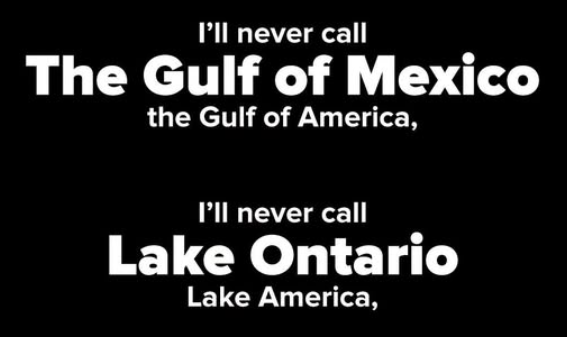 At what point did 30% of the U.S. electorate become so tuned into a criminal sociopath’s wanting to rename places in the Western Hemisphere in an effort towards his own self-aggrandizement?
The only interesting question that remains is what if any trajectory does this nation have to recover some level of dignity once Trump is removed from the presidency.
Some say it will take generations. No one knows for certain.
About Two-Thirds of Americans Will Never Call the Lake North of New York “Lake America”
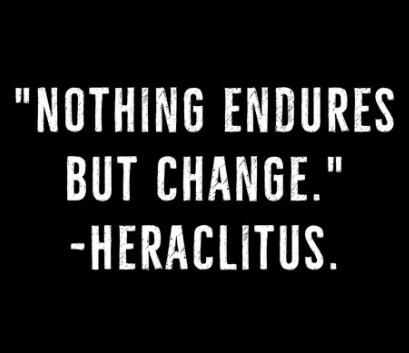 “No man ever steps in the same river twice, for it’s not the same river and he’s not the same man.” — Heraclitus
One of humankind’s greatest thoughts is tied up in this quote from the ancient Greek philosopher Heraclitus. It’s right up there with “I think therefore I am,” and “The unexamined life is not worth living.”
But where the last of the three are indisputable, what up with this “persistence of change” stuff?
It’s true that the aspects of people and things change. The walls of the Grand Canyon are constantly shifting, but no sensible person thinks it’s a different place than it was millions of years ago.
Most of the cells in my body die and are replaced in a matter of a few months, and my attitudes and beliefs change day by day. But my beloved kindergarten teacher, Alice Adams, will exist in my memories until the day I die.
What Heraclitus left of us is intellectually stimulating, but it doesn’t affect how we function as human beings.


India Locks Down Turbine Data, Danish Wind Jobs Dip

Guest post: Why tough methane cuts are crucial for keeping warming ‘well-below’ 2C

About Two-Thirds of Americans Will Never Call the Lake North of New York “Lake America”
-
Climate Change1 year ago
Guest post: Why China is still building new coal – and when it might stop
-
Greenhouse Gases1 year ago
Guest post: Why China is still building new coal – and when it might stop
-

 Greenhouse Gases2 years ago
嘉宾来稿:满足中国增长的用电需求 光伏加储能“比新建煤电更实惠”
-

 Climate Change2 years ago
嘉宾来稿:满足中国增长的用电需求 光伏加储能“比新建煤电更实惠”
-
Climate Change2 years ago
Bill Discounting Climate Change in Florida’s Energy Policy Awaits DeSantis’ Approval
-

 Renewable Energy10 months ago
Sending Progressive Philanthropist George Soros to Prison?
-
Greenhouse Gases1 year ago
嘉宾来稿:探究火山喷发如何影响气候预测
-

 Carbon Footprint2 years ago
US SEC’s Climate Disclosure Rules Spur Renewed Interest in Carbon Credits