


Harnessing the Wind at Sea: Unveiling the World’s Largest Floating Wind Farm
In the turbulent waters of climate change, where the search for sustainable energy sources reigns supreme, a beacon of innovation has emerged.
Nestled amidst the rolling waves of the Norwegian North Sea, the Hywind Tampen project stands tall, claiming the title of the world’s largest floating wind farm.
This marvel of engineering isn’t just about size; it’s about pushing the boundaries of renewable energy exploration. Unlike traditional wind farms anchored to the seabed, Hywind Tampen utilizes eleven colossal turbines perched atop buoyant platforms, dancing gracefully with the tide. Each turbine, a technological titan in its own right, boasts a staggering capacity of 8 megawatts, bringing the farm’s total output to a mighty 88 megawatts. This translates to powering roughly 35% of the annual electricity needs of five nearby oil and gas platforms, showcasing the potential of clean energy to coexist with established industries.
But Hywind Tampen isn’t just about numbers. It’s a testament to human ingenuity and a harbinger of a cleaner future. The pioneering spirit of Equinor, the project’s lead developer, coupled with cutting-edge engineering, has birthed a testament to sustainable progress. The floating design unlocks vast stretches of deep-sea potential, previously inaccessible to fixed wind farms, expanding the horizons of renewable energy generation.
Beyond immediate benefits, Hywind Tampen serves as a crucial stepping stone towards a decarbonized future. The learnings from this project will pave the way for larger, more efficient floating wind farms, accelerating the transition towards a world powered by the wind’s whisper. Moreover, the project fosters collaboration between the energy and maritime industries, fostering an environment of innovation and progress.
However, amidst the celebration, challenges remain. The high cost of floating wind technology needs to be addressed to ensure widespread adoption. Additionally, navigating environmental concerns alongside operational complexities poses an ongoing challenge. Yet, the success of Hywind Tampen demonstrates that these hurdles are not insurmountable.
As the sun sets over the North Sea, casting its golden glow on the dancing turbines of Hywind Tampen, we are reminded that hope floats. This majestic testament to human ingenuity stands not just as the world’s largest floating wind farm, but as a symbol of our collective endeavor to build a sustainable future, one wind-kissed turbine at a time.

The Hywind Tampen project Statistics
Hywind Tampen: Statistics of the World’s Largest Floating Wind Farm
Surging across the waves of the Norwegian North Sea, Hywind Tampen reigns supreme as the world’s largest floating wind farm, a testament to human ingenuity and a beacon of hope for a sustainable future. Let’s delve into the impressive statistics that paint a picture of this groundbreaking project:
1. Towering Turbines:
- Number of turbines: 11
- Turbine capacity: 8 megawatts each
- Total system capacity: 88 megawatts
- Turbine height: 167 meters (including blades)
- Rotor diameter: 167 meters
2. Deep-Sea Dance:
- Location: 140 kilometers off the coast of Norway
- Water depth: 260 to 300 meters
- Floating foundation: Concrete spar structures
- Anchoring system: Shared system for all turbines
3. Powering the Platforms:
- Platforms served: Snorre A and B, Gullfaks A, B, and C
- Electricity generated: Enough to cover 35% of the annual electricity needs of the platforms
- Emission reduction: Estimated to cut annual emissions from the platforms by 200,000 tonnes of CO2 and 1,000 tonnes of NOx
4. Innovation in Action:
- Developer: Equinor, in partnership with Petoro, OMV, Vår Energi, Wintershall Dea, and INPEX Idemitsu
- Project cost: Approximately NOK 5.8 billion (USD 680 million)
- Construction time: 2022-2023
- Official opening: August 23, 2023
5. A Glimpse into the Future:
- Paving the way for larger and more efficient floating wind farms
- Accelerating the transition towards a decarbonized future
- Promoting collaboration between the energy and maritime industries
- Serving as a symbol of hope for a sustainable future powered by clean energy
Hywind Tampen’s statistics are not just numbers; they represent a giant leap forward in the quest for clean energy. This project stands as a testament to the power of human ingenuity and collaboration, and its success offers a glimpse into a future where renewable energy takes center stage. As the turbines of Hywind Tampen continue to dance with the waves, they whisper a promise of a cleaner, greener world, powered by the wind’s boundless energy.
Table of The Hywind Tampen project Statistics
Hywind Tampen: A Statistical Snapshot
| Category | Statistic |
|---|---|
| Turbines | |
| – Number of turbines | 11 |
| – Turbine capacity | 8 MW each |
| – Total system capacity | 88 MW |
| – Turbine height | 167 meters (incl. blades) |
| – Rotor diameter | 167 meters |
| Location & Foundation | |
| – Location | 140 km off Norwegian coast |
| – Water depth | 260-300 meters |
| – Foundation type | Concrete spar structures |
| – Anchoring system | Shared system for all turbines |
| Power Generation & Emissions | |
| – Platforms served | Snorre A & B, Gullfaks A, B, & C |
| – Electricity generated | 35% annual electricity needs of platforms |
| – Emission reduction | 200,000 tonnes CO2/year, 1,000 tonnes NOx/year |
| Project Details | |
| – Developer | Equinor (partnerships listed) |
| – Project cost | NOK 5.8 billion (USD 680 million) |
| – Construction time | 2022-2023 |
| – Official opening | August 23, 2023 |
| Future Impact | |
| – Paving the way for larger, more efficient floating wind farms | |
| – Accelerating transition towards decarbonization | |
| – Promoting energy & maritime industry collaboration | |
| – Symbol of hope for a sustainable, wind-powered future |
This table provides a concise overview of Hywind Tampen’s key statistics across various categories.
https://www.exaputra.com/2024/01/the-hywind-tampen-project-largest.html


 Today, I met a professional driver for the film-making industry whose principal focus is stunt-work.
Somehow, we got to talking about the many movie stars for whom he’s worked over the years, and how pleasant most of them are to be around.
He started by mentioning Kevin Costner.
“I really like him,” I said. Please tell me he’s not an asshole.”
“Oh no; he’s a prince,” my new friend replied. “I also do the driving for Jay Leno’s show about his massive garage full of vintage cars. He’s even kinder. When we’re having lunch between shootings, he’ll often come up our table and ask if we need another Coke or two. Maybe desserts?”
We eventually got around to the stars who are, in fact, assholes.
“I drive in Lethal Weapon 4,” he began.
“Let me make a stab. Mel Gibson?”
Yes. One of the most hateful, most miserable people you could meet in 100 lifetimes.”
“That’s the rumor everyone’s heard,” I responded. “It’s weird how people who have more money that God feel the need to be such terrible people.”
“Well, my theory is that money doesn’t change people; it only amplifies them.”
I remind him of Henry Ford’s observation above.
Great conversation.
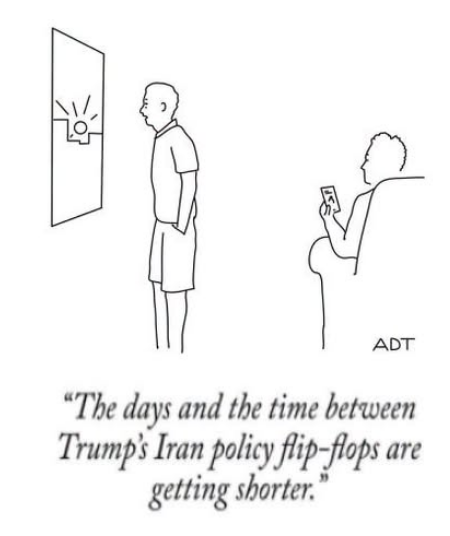 How Trump has any credibility with Americans–or the other citizens of planet–is a mystery that is impossible to unravel.
At This Point, No One Should Believe a Word that Comes Out of Trump’s Mouth
 It’s good to hear Bernie Sanders say what he did here, but it’s sad that it needs to be said at all.
Are we really interested in lower grocery prices if we’re living in a dictatorship?



-
Climate Change1 year ago
Guest post: Why China is still building new coal – and when it might stop
-
Greenhouse Gases1 year ago
Guest post: Why China is still building new coal – and when it might stop
-

 Greenhouse Gases2 years ago
嘉宾来稿:满足中国增长的用电需求 光伏加储能“比新建煤电更实惠”
-

 Climate Change2 years ago
嘉宾来稿:满足中国增长的用电需求 光伏加储能“比新建煤电更实惠”
-
Climate Change2 years ago
Bill Discounting Climate Change in Florida’s Energy Policy Awaits DeSantis’ Approval
-

 Renewable Energy10 months ago
Sending Progressive Philanthropist George Soros to Prison?
-
Greenhouse Gases1 year ago
嘉宾来稿:探究火山喷发如何影响气候预测
-

 Carbon Footprint2 years ago
US SEC’s Climate Disclosure Rules Spur Renewed Interest in Carbon Credits