

Weather Guard Lightning Tech

East Coast Offshore Wind Procurement Strategy, Dan-Bunkering Addresses U.S. Refueling Issues, Massive Employee Cuts at LM Wind Power
A collaborative approach is being taken by Connecticut, Rhode Island, and Massachusetts to procure offshore wind projects in the region. Dan-Bunkering is providing a solution to challenges posed by the Jones Act. And GE Vernova is cutting tons of employees at LM Wind Power.
Sign up now for Uptime Tech News, our weekly email update on all things wind technology. This episode is sponsored by Weather Guard Lightning Tech. Learn more about Weather Guard’s StrikeTape Wind Turbine LPS retrofit. Follow the show on Facebook, YouTube, Twitter, Linkedin and visit Weather Guard on the web. And subscribe to Rosemary Barnes’ YouTube channel here. Have a question we can answer on the show? Email us!
Pardalote Consulting – https://www.pardaloteconsulting.com
Weather Guard Lightning Tech – www.weatherguardwind.com
Intelstor – https://www.intelstor.com
Allen Hall: All right, Joel, I have instructions from above that I am to mention the Uptime Tech News newsletter. So I am mentioning it right now. If you have not subscribed to Uptime Tech News it contains all the stories and all the research that we’ve done and we’re talking about on the podcast. If you wanna read more in depth about those stories, we’re gonna give you all those links and details there.
Plus we include all the weekly stock updates and the whole thing is free. So if you go to weatherguardwind.com and subscribe there, or you can click the link in the show notes, you can belong to Uptime Tech News, our wonderful newsletter. Joel, now my conscience is clear.
Joel: You can sleep well tonight knowing that you did your part to spread the uptime tickets.
So here’s the other thing too, guys, is if you subscribe to that newsletter, when you get into it, all of the companies that we mentioned, Hey, what about this new solution here? These guys are doing this thing. That’s cool. Are these ladies over here designing this or blah, blah, blah. Like all of those companies.
Are hyperlinked right in there. So you can go find them real quick. If you want to research basically what we’re talking about.
Allen Hall: Because it does give you a focus for the week on what to be looking at, what’s moving, what’s trending without you having to go search the internet. And I am a recipient of other newsletters.
I get it. We created our own because there was just, there was a lot of fluff and a lot of these newsletters and things that didn’t matter to us as a business and to, I think the larger industry. Particularly in North America. And so we felt Hey, let’s just do it ourselves. Let’s just make it free.
And we’re doing the work anyway. So we’ll just open up to all our listeners for free. So go to weatherguardwind. com sign up for Uptime Tech News. Click in the show notes below, sign up for that thing. And that will make everybody on my team very happy.
Up along the East coast, there has been four developers submitting bids for a total of a little over six gigawatts of offshore wind. Along the sort of Connecticut, Massachusetts, Rhode Island, offshore area. The bidders were Avangrid Ørsted, South Coast Wind Energy, and Vineyard Offshore. Back in late last year Connecticut, Rhode Island, and Massachusetts had signed a MOU to collaborate together on offshore wind procurement, because they were all doing it separately and competing against one another, and they all had slightly different wording and contracts, and it made all the bidders confused and upset about it.
So they decided to combine them. Finally, the Massachusetts is looking for about 3. 6 gigawatts, Rhode Island about 1. 2, and Connecticut is headed for about 2 gigawatts. So Massachusetts received bids from Avangrid, South Coast Wind Energy, and Vineyard Offshore. And the final decisions on project will be decided in August, which seems like an eternity, everybody.
Rhode Island will evaluate proposals from all four bidders with a decision expected in about three months. Makes a little more sense. And then Avangrid submitted multiple proposals for the 800 megawatt New England Wind 1, which was formerly, everybody keep track now, Park City Wind. And they also proposed about one gigawatt for New England Wind 2, which Uh, this is so confusing, everybody.
There has been just a lot going on the East Coast at the minute, and they’re trying to get projects up and running. I assume before November, Phil, is that what this is all about? Having something due, project evaluations due in August, give some little breathing room before the November elections.
It looks like a lot of projects are trying to happen before election time.
Philip Totaro: Yes and no. It’s not just an election thing, although the politicians certainly want things to happen before elections so that they can use it to campaign off of. The developers want things to happen now because of the potential interest rate reductions that are going to necessarily lower capital costs on projects, which are also going to lower PPA prices.
So now that we’ve gone through all the malaise of last, late last year and early this year on, project power offtake renegotiations and things like that in New York, New Jersey, et cetera Massachusetts. This is the first kind of major tender round after all that and unfortunately they didn’t get the full 6. 8 gigawatts that they asked for in terms of bids, but what they did get I think most of it’s likely to get approved and again, the developers want this to happen as quickly as possible before interest rates are reduced so that they can lock in a higher PPA than what they will get in a year from now or 18 months from now.
Joel Saxum: What you’re saying there, what you’re suggesting, your thought process is that as we were developing these last couple of offshore wind farms that just happened with soft forks going in and all this other. kerfuffle we had with Orsted and all this stuff last year. So what you’re thinking now is that we’re on the backslide of that.
So instead of them fighting up water against these rising interest rates and harder to get capital, you’re like no. Now we will, we want to lock these things in because we might slide off the back end of it and you can lock it in at a higher price. That’s the, do you think that’s the strategy of a lot of these guys?
Philip Totaro: Absolutely.
Allen Hall: So how does that play out though? Because Massachusetts just. Freaked out about PPAs above 77 a megawatt, and the numbers now are going to be almost double that. How is Massachusetts and Rhode Island, Connecticut going to handle that situation if they just subject it to 77 and they’re going to get probably 130 to 150?
How do they smooth that over?
Philip Totaro: It’s the price they’re going to end up having to take. Similar to what New York just did, I think they’re probably going to say quote us a price, you’re not allowed to increase the price later, but quote us whatever price you’re going to quote us.
And at this point, it’s still like the lowest quote wins. Reverse auction style. That said the idea with this is that there’s also a certain amount of procurement that they have to make even though the, Connecticut, Rhode Island, Massachusetts are together in this kind of consortium, each state still has separate timelines for when they want the capacity to be added and separate procurement process.
They’re what they’re doing is they’re agreeing to pool some of the resources associated with the power procurement. They may decide to pull the the actual transmission as well. They may jointly invest or jointly fund the some of the transmission and power offtake. The other thing that this MOU does for these three states is gives them the opportunity to take any excess capacity they might have and sell it to New York or New Jersey or anybody else, Maryland, Delaware if they so choose.
It’s just some commercial mechanisms that allow them to to get these projects done. But it’s still up to each state to run their procurement process how they need to.
Joel Saxum: Watching what happened in the last two years with all these auctions and, like bids and all these things for PPA prices on in this offshore wind auctions.
Now you see, Massachusetts, Rhode Island, Connecticut, linking arms. This is, I think it’s great, that they’re getting together and pooling some resources and trying to basically standardize. I was having a conversation with someone today about standardization brings growth, right? When you start standardizing things, it makes it easier for everybody, rather than having all these different entities to deal with and different rules for every And when you’re talking the East Coast, U.
S., Rhode Island is like this, you can drive across it in a half hour. Having a different set of rules for that little area, and a little area of Connecticut, and a little area of Massachusetts, that’s crazy. But so where I’m going with this is they’re getting together to pool kind of their rules, and their, cut down on that back end paperwork, and make things a little bit more streamlined.
In my mind, I have to think somewhere, these offshore developers are having a beer together, thinking about what these prices should be. Now I know that’s illegal. So I’m not saying they’re doing this, but how much, how many problems we had with everybody being, like trying to fight each other and then this happening and canceling projects and all this stuff, like you got to think that the PPA prices that they’re going to come in with on these bids are going to be much.
Higher than they were originally a year or two ago, just to make sure that they’re safe and there’s no rebid this and rebid that and cancel here and all these different fees and stuff because that was just a mess. So I got to think that on the buy side, you see some people getting together, some states getting together to streamline the process.
I got to think that on the sell side, you’re seeing the same thing.
Philip Totaro: To also address Allen’s question to it’s okay, what? Are they, are the states happy with price taking something that might be double what it was before? I guess the reality of that is that they’re, they’re just going to have to.
It’s, keep in mind too, that with the recently rebid projects in New York, the prices were around 115. So it might not be quite as high as 130 to 150, but it could, it’s definitely going to be higher than 77 to 78, which is what they had with some of these cancelled projects before but you’re, again, it’s just, how many times have we said this on the show You have to accommodate inflation, like those 77, 78 were negotiated in 2020, 2021, and, inflation happened since 2021 that resulted in price increases across the board, raw materials, CapEx, et cetera.
Interest rates went up every, the cost of everything went up except the PPAs. This is just, that’s what I said before this is just the new environment that we’re in, and to the point, Joel also made, it’s, let’s lock in a PPA now before interest rates go back down, and we’re back down to 77.
I’m sure the states want to drag things out as much as possible, but then they also want to have stuff done before the election so they can campaign on it, as with everything, they got to make a choice, either you want security and certainty of knowing that the procurement’s done and it’s at a particular price point, et cetera, et cetera, or you’re going to play political games and run the risk of not being able to campaign on job creation and tax revenue and et cetera.
Allen Hall: Inflation rates are not going down though, Phil, I was checking that on that this week because I was trying to project out over the next several months and. We haven’t seen the indicated slowdown of interest rates and trying to get back to something more on the average, we’re still about twice the average at this point, right?
So the, as a developer, you still have to play in the interest rate issue and the inflationary issues. We haven’t seen on the Northeast up here. We haven’t seen a real slowdown and a lot of commodities in terms of price increases. That’s still trickling through. I would imagine, and that’s why I said 130 to 150, because New York was around below that.
Which may be fair, yeah. So it’s going to be somewhere around 130, I think, at the bottom end.
Joel Saxum: You also have some things really interesting happening here, too. Because there’s a lot of firsts. There’s a lot of people that want to have their little stamp on things as well, right? The, was it the mayor of Boston said that they were going to be the first city to ever buy offshore wind in the U.
S.? They’re gonna they were going to sign an agreement as an offtake? The city itself was?
Philip Totaro: That’s right, Joel. But to that point, you’re right. The Federal Reserve has not lowered, going back to January, there was an expectation that by May, They were already going to have reduced the interest rate by almost a full basis point, and that hasn’t even started yet.
Now we’re all in this condition of, okay, what’s the Fed doing, and why are they still, they’re always behind. Any, throughout history, any time the Fed’s had an opportunity to reduce interest rates, they always do it slower than expected. They always also raise interest rates, slower than expected when they need to.
But the reality of it is that, yeah, in inflation shouldn’t still be a problem. And so interest rates should be able to come down, but they’re, they remain stagnant at a higher plateau at the moment. But the ex, the long-term expectation for everybody is that they’re gonna come down at some point.
Allen Hall: Let me ask about the Francis Scott Key Bridge incident collapse. Does that have any effect on offshore wind? Because it seems like there’s a lot of money, time, ships, people being devoted to that project. And I assume that’s going to be take more than a few weeks to clear it even to, and to rebuild that bridge.
A lot of that is big cranes and things that could be used for offshore. Even in ports, does that, plus the access in and out of Baltimore, is there anything there that’s going to slow down some of these offshore projects?
Philip Totaro: I don’t think so. Access in and out of Baltimore, potentially the vessels themselves, I don’t think any of the vessels that they’re using for the cleanup were going to be used in any of the offshore wind projects.
Joel Saxum: The impact on the wind sector from that is roundabout. So it’s less active, like vessels or access to the port or anything like that. But that has the possibility of being the largest marine insurance case of all time. And so people that are deploying capital into the offshore wind insurance space may have to hedge a little bit on their future things.
So there’s possibility that may affect some people.
Philip Totaro: They’re not going to have as much to spend on backstopping offshore wind because they have to spend money on this other catastrophic event.
Joel Saxum: And that’s going to, that has, I was reading a couple articles today actually about that event, possibly raising the rates for marine insurance across the board globally.
It doesn’t matter if you’re hauling plastic, Or if you’re dredging rivers in the Seine in Europe, like it doesn’t matter. It has the possibility of raising everybody’s premiums no matter what. Because it’s such an interconnected thing, right? Like people don’t realize that’s not an insurance company that holds that policy.
There’s probably 50. At least that holds the policies that will cover all that stuff. And then you’re going to have crazy other insurances that’ll have to be bought for it. That’ll be things around the construction and reconstruction. And then what does the future policies look like and all this different stuff.
So there’s, that’s, that will affect the global insurance market for sure.
Allen Hall: Will there also be changes to the requirements for ships? But the power cutting out, there’s a preliminary indication that the power went out, the emergency power went out and they had no steering. Does that then force additional requirements onto the ship owners and ship builders to put in more redundant systems?
Joel Saxum: I think that, I don’t know if this one event will we’ve seen a lot of events like this. Let’s tie back to Offshore Wind. What was the one last year was on Gota 1?
Philip Totaro: Foundation, yeah.
Joel Saxum: Yeah, like this stuff happens it’s been happening for a long time. It is crazy when you think about it, that there’s these massive cargo ships like the one in Baltimore here, thousand feet long, or how many ever hundreds of tons of cargo on it, that there is no automatic.
Stuff on a lot of these there’s, autopilot for tracking GPS track when you’re out in the open ocean. But as far as navigating the channels, like an out of a port, they bring on local pilots to do it and they do it pseudo manually. Whereas if the power goes out on the boat, they can’t control it.
That’s crazy. To be honest with you, it’s scary.
Philip Totaro: And that goes back to standards. So Presumably standards will be evolved and that will drive up compliance cost once those standards are evolved But for any of the jones act compliant vessels that are under fabrication right now in the u. s It’s not going to have an impact on them.
It Won’t necessarily have an impact on offshore wind crane vessels that already exist that are in use in Asia and Europe that might be, dragged over here to help build the projects here, but yeah, in the future, it probably will have a material impact.
Joel Saxum: When you talk about vessel navigation, like the electronics and the software to control a vessel like that are available online for a hundred bucks.
They’re not hard to find. You can you can buy that stuff and get the code off of GitHub. You can do that stuff like that. Like I’ve done it myself for remote control boats. That’s not hard to come by. It’s just, will people enact it? Will they do it? And to be honest with you, the, like that shipping, right?
So the. Dynamic positioning systems to a third level could be easily built for that boat. And it shouldn’t get to the point where one power failure, two power failures can take things down like this. There should be way more redundancies built into that system than there is.
Allen Hall: So I want to keep Phil on offshore and touch on one of his pain points, the Jones Act, because it came up in PES Wind Magazine.
If you haven’t picked up the latest PES wins, go to peswind.com and You can see this article from Dan Bunkering. And if you get to, if you actually get into the articles, actually a lot of good articles in this quarter’s issue of PES Wind, but the Jones Act prevents vessels from going to shore US port without heading to a distant foreign port.
So if you have a foreign vessel you can’t just refuel in Delaware, then go back out and start working again. The Jones Act prevents that. So now they have a refueling problem and Dan Bunkering company does the fuel runs. So it’s offering infield fuel support. So they run vessels out and fuel you up.
So the, you, the big vessel don’t have to go back into shore because the Jones Act would prevent you from doing this. Now, that sounds like a big problem, right? And it’s smart for Dan Bunkering to take this on because it does seem like it is a needed thing. Otherwise ships would be running up to Canada to refuel, I would assume, and reload.
Is this Jones Act and the, all the maneuvering around it, including Dan Bunkering, which is doing a service for sure. Is this ever going to get addressed? Is anybody in Congress or the administration going to try to smooth this out? Or Are we going to have all these services trying to work around the Jones Act?
Joel Saxum: I think the lobby’s too big.
Philip Totaro: Yeah, it’ll get to a point where there, there could be a critical mass, but we’re still not even there yet. Which is crazy to think because, in offshore wind, we have such a huge problem with it. And the bottom line is it costs us money. I’m, I, again, I’m all for Dan Bunkering doing what they’re doing because it’s, you gotta have a workaround for this issue, but it’s the U.
S. government that ends up costing Americans more money by having the Jones Act remain in place because the fact that we don’t get port and harboring fees, we don’t get servicing fees for the vessels that, that dock at a U. S. harbor we, bottom line, we’re losing money.
We’re losing money across the board. Dan Bunkering’s making money because they’re providing the service that they need to and that the vessel operators need them to. But you’ve got two options. Either the vessel operator needs to bring their own fuel with them from Europe or wherever. Or you’ve got to have somebody like Dan Bunkering doing what they’re doing.
And it’s just nonsense. It’s absolute nonsense.
Joel Saxum: To talk about the Dan Bunkering solution though what they are doing is actually really smart operationally, to be honest, because if you can keep that, if you have a jack up or a specialized SOV or, crane ship out there, like that’s a specialized ship, you want to utilize that thing as much as possible and just keeping it, even if you have to just shut down operations for a few hours to refuel it.
That’s way better than that thing having a steam, steam home. And whether this is off coast, the U S or not, whether it’s, it might be in, I don’t know, it might be in German waters, whatever. That’s smart, right? That running that, that, that supplier valve or supplier barge out there to the extent, Allen and I were talking about the software.
I was like, I don’t know why they don’t bring food in Hey, we have the fuel here, but we also have your shift change. We don’t have to run a CTV for that. So now you have fuel people, everything like this, like that’s how I would do. I think that the Dan Bunkering business model is smart.
They’re providing a service. Yes. They’re getting around some regulations. Yes. But operationally it’s making things run smoother for the speed of installing the offshore wind farms that we’re working on at the same thing with oil and gas there there’s some, I’m sure they’re supporting oil and gas as well, right?
Drill ships want to stay on site. They don’t want to move.
Allen Hall: Yeah, someone’s got to bring the open faced rye bread sandwiches out to the workers, at the motopiles.
Joel Saxum: You can get the salmon overboard, but you need the rye bread brought from shore.
Philip Totaro: Just to put a bow on this, I’m not just I am anti Jones Act, but let’s at least modify it in a way that makes sense, which is let’s, yes, protect You know, U. S. merchant mariners, let’s protect U. S. vessel owners, let’s protect, but there’s a way to do that. We can leverage foreign flagged vessels as long as they’re, like, 75 percent crewed by U. S. citizens or U. S. green card holders, okay? There are common sense solutions like that could be implemented, that would still allow us to leverage the infrastructure that’s already been built and paid for around the world, and not cost Americans money.
Stop. Costing Americans money.
Allen Hall: Should I salute there, Bill?
Philip Totaro: I just did my Bill Clinton thumb thing too, didn’t I? I was, I just realized that.
Allen Hall: So if you haven’t checked out PES wind, you can get the latest version or latest edition at PES. Wind. com. There’s a lot of great things in this quarter’s issue.
Check it out. Hey, Uptime listeners. We know how difficult it is to keep track of the wind industry. That’s why we read PES. Wind Magazine. PES Wind doesn’t summarize the noose. It digs into the tough issues. And PES wind is written by the experts. So you can get the in-depth info you need. Check out the wind industry’s leading trade publication PES Wind at peswind.com.
Down in Brazil aeris has announced a termination of an agreement with Siemens Gamesa for the supply of the SG 170 wind blades. Now Aeris has. A production line with no blades on it coming up here shortly. So they’re trying to make adjustments down in Brazil and put some other blades into that production line.
So this is a two fold impact, right? It shows that Siemens Gamesa on the SG 170 is pulling back. Particularly in Brazil on the manufacture of that particular blade. My guess is that’s going to be moved up to Denmark if they’re going to do anything with it. And secondarily, it opens up an opportunity for somebody else with Aeris to grab a production spot they didn’t have last week.
Phil, who’s gonna, who’s gonna take that spot?
Philip Totaro: A couple of points to clarify, maybe and this is all based on, public knowledge, but Siemens Gamesa the contract with Aeris expired because Aeris has produced all the blades they need to for the Siemens SG170s Seems Gamesa doesn’t have sufficient order book to justify that line continuing, so you’re correct to the extent that maybe they, if they have additional orders, either they can rekindle the relationship with Aeris, which would then necessitate, restarting this line, or they produce in Denmark or whatever at a production volume that, that makes sense, but there should be enough demand from the Brazilian market in general to support domestic fabrication, but it’s, there’s still, some issues with project delivery and everything down there that, that preclude that.
The second thing to clarify is that Aeris has many orders for the Vestas V 150. And presumably that’s what that production line will be reallocated towards. So keep in mind that, GE’s pulled back from the Brazilian market. They were originally doing their, acquired Alstom turbines down there.
But that’s done now. They were trying to offer the Cypress turbine, the 4. 8 to 5. 3 158. Down in Brazil, but they didn’t, they weren’t able to get enough order volume to justify keeping going. GE’s even selling, rumored to, I guess rumored to be selling their factory in Bahia to Goldwind at this point.
And then both Goldwind and Nordex are actually using Sonoma, who recently opened a manufacturing facility down in Brazil. Basically what that leaves Aeris to do is to, refocus on the Vestas V 150. At the moment, as well as continue to try and grow their their services business but in terms of Blade production, I think, unless they can get a deal to be like a second supplier or something for Nordex that’s going to be the refocusing on Vestas is going to be where they where they’re at the moment.
Joel Saxum: Phil, I got a question for you. This is because, and I know this is maybe sounds odd, we’re in the wind industry globally looking at everything. I’ve never heard of a SG 170. Where are they installing these at?
Philip Totaro: They were installing a lot of them in Scandinavia and still are. Sweden, Norway Finland.
They’re getting a lot of those. They’ve installed a few of them in Germany. They’ve been bidding them down in Australia and then certainly down in Brazil. I think there were, It was a Statkraft project or something where they were supplying like, close to 90 of these units. There was another project where they were supplying another 60 to 80 or something.
I can’t remember all the projects off the top of my head but the idea being, they’ve been, the bigger you go with a turban the more limitations you have on the number of markets you can serve with that turban. I, it’s, the reason that they can sell them in Australia, Brazil, whatever, is because they’ve got plenty of open spaces where they’re not gonna bother anybody except a few insects.
It’s basically like the same, I guess you could argue the same thing in the Scandinavian countries too. It’s, maybe there’s a few caribou or whatever up there and reindeer that would get pissed off. But beyond that, it’s Those are the markets where you can deploy such a big turbine with 170 meter onshore rotor.
But this, the, so that product was a derivative off of the one that they’re, Siemens is having an issue with. But they’re using the hybrid glass blade. On the 170 and I believe using the same single shot casting process for that, that they had developed for the the six, seven, and eight megawatt 154 offshore turbine originally so that’s where a lot of how that evolved but a lot of the nacelle and the equipment for that was from.
The five megawatt platform where, they’ve been having some of these other blade issues.
Joel Saxum: Okay, that’s a good little bit of information phil. Thank you. So my last question for you about that Because I didn’t know my last question about this one is this anybody in the wind industry that’s specifically in blades You’ve seen blades from Brazil, right?
There’s the Texas blades that are all over the place, Aeris, Sonoma there’s all kinds of manufacturers. We know our friends at Earthwind a bunch of their people are X Factory people. Why is it that you see so many blades? Because, logistically, you would think that makes no sense.
Why are so many built in Brazil? They only, they have a growing, of course, local market there. Naturally, but the rest of the large markets in the world, of course, like the U. S. China, the E. U., there’s not, it’s not that easy to go from Brazil to those places. They’re shipping all of them, of course, but why so many built in Brazil?
Philip Totaro: Particularly, they make their way up to the U. S. because of not only production capacity limitations based on the existing manufacturing footprint, but Keep in mind that, the cost of raw materials and the cost of production is cheaper in Brazil, it’s almost comparable to, not quite as heavily subsidized as China, but it’s almost comparable in cost to China or even Turkey, where both the Brazilian Riai and the Turkish Lira are significantly depressed.
On the currency trade against the U. S. dollar, and so that basically means that you can get a blade for, pick your favorite turban manufactured in the U. S. for, maybe 700, for a blade set, you can have that same blade set manufactured in Brazil for Bye. 550, 000, including transportation up to the port of Houston, for instance.
It just comes down to economics a lot of times. What’s interesting, though, is that the Brazilian government doesn’t quite, they certainly don’t block an export market, but they don’t do anything to help the export market to flourish. Which is a bit curious because they could have a lot more, they could actually take a lot of business away from China or even Turkey and, do a lot more with international, being an international export hub for blades or even other components because of this favorable currency trade at the moment, but it’s, so they do export some but not actually as many as they could.
Joel Saxum: It is always interesting when you see blades coming out of the port of Houston, because no matter where you go, in which direction, east, you’re you’re not going south. East, you’re not going east either, you’re going north or west. Galveston. Oh no. Not a whole lot of turbines being built on the east coast of Texas.
But you’re going north or you’re going west. You’re going out I 10, or you’re going 290, or you’re going 45. And it is crazy to see blades moving out of there because I’ve been in rush hour traffic before in Houston And there’s some of the biggest widest highways in the world where it’s the Katy freeway on I 10 coming into Houston is 24 lanes from side to side that includes this, that’s that’s outside to outside now imagine you’re in traffic That’s bumper to bumper people packed in there and then all of a sudden there’s a frickin 80 meter wind turbine blade You get a good look at it because you’re going real slow right next to it, but it always looks funny in traffic
Lightning is an act of God, but lightning damage is not.
Actually, it’s very predictable and very preventable. StrikeTape is a lightning protection system upgrade for wind turbines made by WeatherGuard. It dramatically improves the effectiveness of the factory LPS, so you can stop worrying about lightning damage. Visit weatherguardwind. com to learn more, read a case study, and schedule a call today.
Allen Hall: Moving across the water a little bit. GE Vernova plans to cut about a thousand jobs at LM wind power, and this is all internal at the moment that I have seen, but watching LinkedIn today, it seems to be in action. Some higher level people at LM are looking for new positions. So this downsizing is supposed to happen over the next couple of weeks.
No one is sure where it’s focused at, but the people I’ve seen so far have been up in Denmark. Now why, right? Why is this happening now? And what does this indicate for LM going forward? Is it the fact that GE is just going to be cutting down on the number or the variety of turbines, so they need fewer designs for new blades and or they’re going to stop with a lot of new development work for the moment?
Or is this focused on just what the marketplace is telling them Hey, we’re just not going to sell a bunch of wind turbine blades and it’s a manufacturing focused reduction. Which is it, engineering or manufacturing? Or maybe a little bit of both.
Philip Totaro: I get the sense that it’s a little bit of both. And I think it ultimately has to do with comments that their new CEO made back at the Wind Europe event a couple of weeks ago now.
Where he was talking about international competition, which is a bit strange because LM’s got a factory in China. But the, the fact that, you can get cheaper blades made in Brazil and Turkey and China, as we’ve just been talking about it, it has an impact on the amount of business they’re going to be able to do in the core markets like Denmark Spain, and even India.
The Indian wind market is, remains robust, and yet they’re still seeing plenty of competition over there from other fabricators including the Chinese who are either setting up their own domestic supply lines there or importing blades from China. So it’s creating a level of competition that I guess just doesn’t support the amount of overhead that lM’s got at the moment.
Joel Saxum: Yeah, we’ve seen, Allen and I have seen on projects, Chinese made LM blades in the United States. So if people don’t think that happens, we’ve seen them.
Allen Hall: That is also troubling for the offshore blade factory that LM is supposed to build, or is planned to build in New York State. Is that still going to happen?
What happens to the LM facility in North Dakota, or up in Gaspé, Canada? Are those going to be impacted by this or is this a, a more Europe focused effort or more? What is an Indian focused effort? What is happening? Because it does seem like in the United States, GE is selling a number of turbines and they obviously have withdrawn from Brazil and they’ve slowed down a little bit in Europe.
But. Just watching the news releases, GE seems to have plenty of sales, but if they’re cutting a thousand people, are they gonna be able to meet that demand or are they projecting that the demand is just isn’t going to be there over the next couple of years?
Joel Saxum: Like one comment to this whole thing is if you read through the entire press release, what we’re focusing on here, two words, more profitable.
They just want to be more profitable. So I think that these decisions will be made more based on if you cut one person, what’s the ROI on cutting that person or what’s the ROI on cutting this division rather than is there a certain geography or whatever it may be. So I believe that because the ROI a lot of times of cutting someone in the United States is a lot higher than it is of cutting someone out somewhere else.
I don’t think that you’ll see the development that was thought up in New York or if you’re going to cut some people, it might be in North Dakota. That’s my thought.
Allen Hall: Oh, man.
Philip Totaro: Just to also be clear, the, these are two separate issues, particularly because the state of New York was going to provide some support for, in terms of tax relief and other things, for the LM factory in New York.
The, I do not believe the offshore plans are going to be impacted by this. North Dakota may be impacted, and they were planning on doing a new factory in either North Dakota, Colorado, or Texas, and presumably it was going to be in Texas, to be honest based on what I’ve heard but that would basically take advantage of this new 45X manufacturing tax credit through the IRA bill.
I don’t know if that’s probably the thing that might be the most impacted by this. They may not move forward with that new factory in spite of the fact that they would get the tax credits. They’re still spending, 300 million or whatever it is on a brand new, clean sheet of paper factory to, to, expand production lines where they’ve got, GE’s got blades being already made by LM in North Dakota.
They’ve got the same blades being made by TPI in Mexico. And they theoretically have, other international suppliers again, in China whether it’s LM in China or others in China that are manufacturing contract manufacturing these blades for U. S. based GE projects.
Allen Hall: There was a news report, I think late last year, where don’t hold me to this.
I heard it from multiple sources, so maybe do hold me to this. Okay. That LM was losing money, right? That LM lost money and needed G. E. Vernova to pump some money into them to keep them afloat. Not that they would. They’re all one company. Can we just get over this a little bit? It’s just all one thing. If LM is losing money, maybe Vernova’s just saying to them, Hey, you need to clean up your books and get this thing straightened out.
And yeah, we’re not gonna be controlling you. You need to do it internally. And maybe that’s what’s happening. Man that’s chaotic, right? Because, Vernova is, like Phil has pointed out, is in a really unique position that they have other suppliers making the same blade. So LM is competing against TPI.
Let’s just put that out there. Why? I think that’s the question. Why does GE set it up for the competing against themselves and then when their own division is having trouble against the competitor they set up against their slashing jobs at their own site, This whole thing is very circular and maybe the Vernova as a standalone company can now address these things and get everybody pointing in the same direction because it does seem like they’re fighting against themselves.
Because that’s the way the system was constructed.
Joel Saxum: But I think that some of that has to be contractual, right? Because you’re not going to get TPI to build you blades as a spare. They’re going to be like, no, we want this much, we want a line or we want this much capacity. So once you guarantee that third party that then you have to abide by that contract and then you end up hooping yourself, it’s almost like the, it’s the supply and demand of where those blades are.
Again, I go back to Allen. We’ve seen wind farms with. The same blade model, same in quotes, from four different manufacturers in one wind farm.
Philip Totaro: Just, but keep in mind as well that you, you also have the situation where, you know, before GE bought LM, LM was a supplier to a lot more companies, including even LM was supplying blades to Chinese OEMs.
They still do, but it’s to a lesser degree now. And the point is that’s, I think that’s a lot of what happened as well is once GE bought LM, a lot of companies, they might have had existing contracts that similar to what we were talking about before with Aeris and Siemens Gamesa. You let the contract run its course, once that, production line is no longer, able to produce based on order book, you might shut it down, you might reallocate it, or, and if you’re turning off the spigot in orders, then that production line necessarily needs to be retooled or whatever for something else.
And if you don’t have that something else, if you don’t have the sufficient order book, then you have to cut back on the personnel and you’re scrapping some of the tooling or doing, putting some of the tooling into storage or whatever you’re doing. So I guess that’s just the harsh reality.
Allen Hall: I just looked up the cap table for TPI composites. It’s about right now, 130 million. You can buy the whole thing. Seems really low. And why is for Nova not just saying TPI, you’re not part of LM and just get this over with.
Philip Totaro: Either that, or why doesn’t TPI merge with Aeris or somebody?
Allen Hall: Somebody has got to be thinking about it.
I can’t be the only person in the world who’s thought that.
Joel Saxum: I don’t know, Allen, you’re a pretty smart dude.
Allen Hall: I am. And maybe I shouldn’t invest in my own advice because no one else should be investing on my advice. That’s going to do it for this week’s Uptime Wind Energy podcast. Thanks for listening and please give us a five star rating on your podcast platform and subscribe in the show notes below to Uptime Tech News, our weekly newsletter.
And check out Rosemary’s YouTube channel, Engineering with Rosie, and we’ll see you here next week on the Uptime Wind Energy podcast.
https://weatherguardwind.com/dan-bunkering-refueling-employee-cuts-lm/

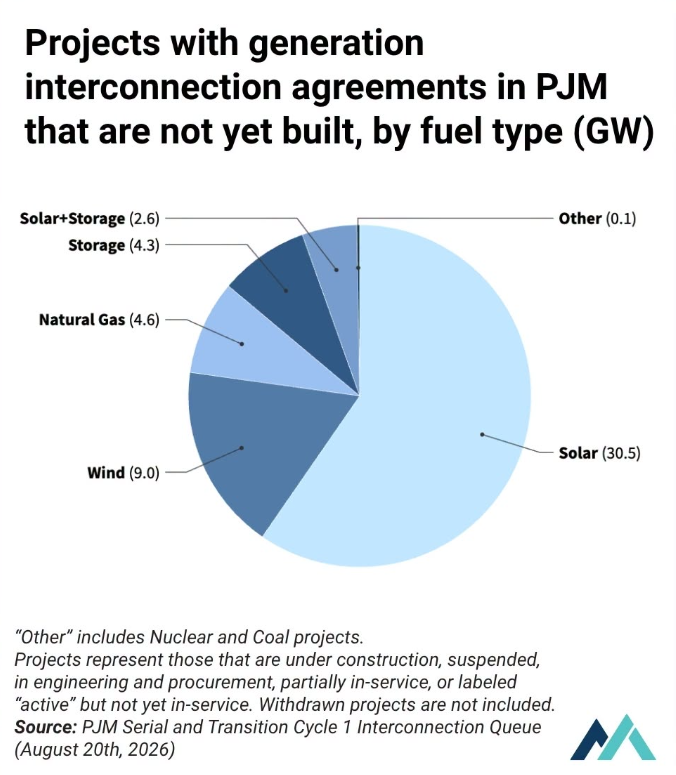
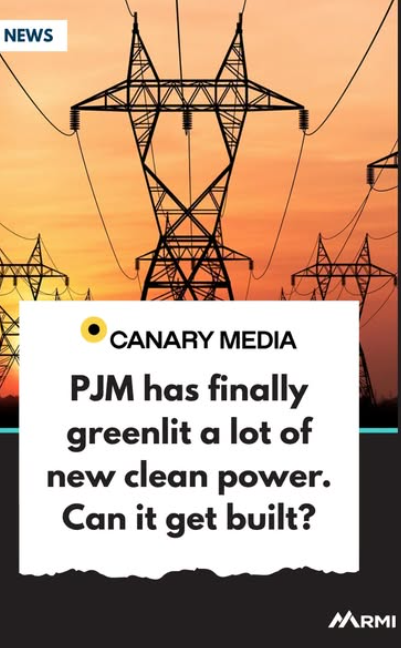 As shown below, there are tons of large clean energy projects slated for construction in the PJM (midAtlantic) region.
Once the Republicans’ war on renewables comes to a close, things could get interesting.
They are both the results of the human need to make sense of the world around us and to unravel life’s great mysteries.
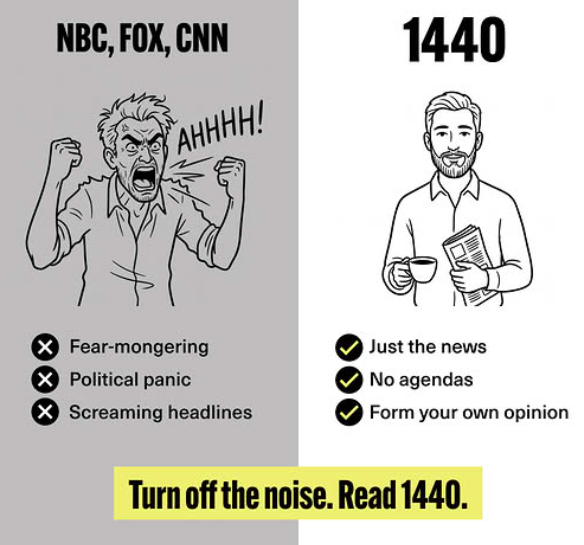 The idea of a calm presentation of the news may have a certain surface-level appeal, and, at most points in history, that may have been completely appropriate.
But what about 1933 when Hitler was coming to power in Germany?
What about 2026 while Trump is destroying American democracy?
If you’re an American and you’re not infuriated, there is something profoundly defective in you.



-
Climate Change1 year ago
Guest post: Why China is still building new coal – and when it might stop
-

 Greenhouse Gases2 years ago
嘉宾来稿:满足中国增长的用电需求 光伏加储能“比新建煤电更实惠”
-
Greenhouse Gases1 year ago
Guest post: Why China is still building new coal – and when it might stop
-

 Climate Change2 years ago
嘉宾来稿:满足中国增长的用电需求 光伏加储能“比新建煤电更实惠”
-

 Renewable Energy11 months ago
Sending Progressive Philanthropist George Soros to Prison?
-
Climate Change2 years ago
Bill Discounting Climate Change in Florida’s Energy Policy Awaits DeSantis’ Approval
-
Greenhouse Gases1 year ago
嘉宾来稿:探究火山喷发如何影响气候预测
-

 Carbon Footprint2 years ago
US SEC’s Climate Disclosure Rules Spur Renewed Interest in Carbon Credits