

Whether the family is sitting down for dinner in the kitchen or you and your roommates are marathoning Netflix in the living room, the sustainable tables from these brands will be your new gathering places for enjoying meals, drinks, and conversations together.
The sustainable table brands featured in this guide have furniture for any of your living and dining places:
- Dining tables,
- Side tables,
- Coffee tables, and
- Bar tables.
But first, you might be wondering: what is a sustainable table anyway?
What to Look for in a Sustainable Table
The word “sustainable” is used frequently and in so many different contexts that it can be difficult to pinpoint what exactly sustainable means.
That said, here are some key elements to consider when looking for your next coffee table, dining table, or desk.
Eco-Friendly Materials
When it comes to eco-friendly tables, wood is the most common material used because it’s a natural, renewable, and durable material that works with nearly any room or interior design style.
Note: If you find a brand that uses engineered wood or pressed wood, make sure to look on their website or ask about what adhesives are used. These products are often made from wood pieces that are bond together with glue that contains formaldehyde, which the EPA classifies as a “probable human carcinogen”.
Here’s what to look for to ensure sustainably-sourced wood:
- Reclaimed Wood. Using existing resources reduces waste and the need to cut down additional trees. Plus, reclaimed wood — especialcan add authentic character to your table!
- FSC-certified. The Forest Stewardship Council’s certification is the most widely used verification for responsible forestry practices. Just like any other large certification, the FSC seal is not perfect but can be an additional seal of approval to look for.
- Traceability. Look to see if the brand can tell you where the wood was sourced from. Usually, smaller furniture brands will be able to have more transparency and traceability of their supply chain!
- Local sourcing. Locally-sourced wood (from native or climate-appropriate trees) is preferable because sourcing locally reduces emissions from transportation.
Zero-VOC or Low-VOC Finishes
Similar to paints, finishes can contain Volatile Organic Compounds (VOCs). Not only do VOCs create environmental hazards like air pollution and smog but they also pollute your indoor air too.
According to the EPA, health impacts of VOCs include:
- Eye, nose, and throat irritations
- Headaches and nausea
- Damage to the liver, kidney, and central nervous system
- Some VOCs are also known or suspected carcinogens
All too often we think of environmental sustainability as something separate from ourselves — something “out there in nature”.
But as with so many aspects of sustainability, what’s healthy for the environment is also often healthy for us as well — humans are, in fact, part of the environment. That’s why this sustainable table guide only includes non-toxic tables, too.
Other Sustainability Initiatives
Some other initiatives to look for from sustainable table brands include:
- Use of renewable energy to power their operations or the purchase of renewable energy credits to offset fossil fuel energy use.
- Take-back and/or repair programs to extend the life of their tables.
- Quality manufacturing that ensures durable products built to last.
- Trustworthy tree planting projects, especially if the company uses wood for their products.
Where to Find Sustainable Tables
Just as with fashion, looking secondhand first is a great way to find eco-friendly furniture at a more affordable price. Check out your local flea markets, secondhand stores, and keep an eye out for estate sales.
For online secondhand options, check out:
If you’re looking for a new eco-friendly table made from responsibly-sourced or reclaimed materials, take a look at the brands below!
Disclaimer: This guide includes affiliate links and partners, but as always all brands are vetted rigorously for sustainability and are brands we love, that we think you’ll love too
Best for Dining Tables: Medley

Medley uses only FSC-certified walnut or maple hardwood for their solid wood eco-friendly dining tables and accent tables. Each table is finished with an all-natural furniture polish that consists of just beeswax, carnauba wax, and olive oil. And every table, just like the rest of Medley’s furnishings, is made in their own workshop in Los Angeles.
Conscious Qualities: FSC-Certified Wood, Transparent Local Production, Non-Toxic Finishes, Plants Trees
Price Range: Side tables start at $745 | Dining tables start at $2995
Best for Side Tables: Avocado

Founded as a non-toxic mattress brand, Avocado has now expanded into a variety of sustainable and non-toxic furniture like beds, dressers, and of course tables.
Their collection of eco-friendly tables includes accent tables, side tables, benches & stools, and a beautiful zero waste coffee table. Every table is made to order in the company’s Los Angeles woodshop from either reclaimed wood, FSC-Certified solid wood, or even 100% upcycled wood (which is not particleboard or fiberboard).
The Sustainable Furnishings Council member also uses non-toxic finishes and glues, like zero-VOC stain and safe odorless glues. And, Avocado offsets more than 100% of their emissions and has several product- factory- and company-level certifications of note.
Conscious Qualities: Made-To-Order In Avocado’s Own LA Woodshop; Uses Reclaimed and Sustainably-Sourced Materials; Non-Toxic Finishes; Renewable Energy-Powered Operations
Price Range: Side tables start at $329
Best Sustainable Coffee Table: Sylvan Craft

Perhaps you’ve heard of slow fashion or slow food — well Sylvan Craft is the epitome of slow furniture with their “Forest to Table” approach.
Sylvan Craft’s heirloom-quality tables (and other furniture) are all crafted with care from solid wood by their Amish business partner. And it’s not just any wood — this is wood that was sourced from Sylvan Craft’s own sustainably managed forest. Since their entire process from harvest to finished furniture takes place within a 5 mile radius, this “hyper-local” business also boasts a small carbon footprint and impressive average 8-10 week lead times on delivery. Blanket-wrapped shipping also minimizes packaging waste.
On a mission to preserve and restore forests through sustainable forestry and land management, Sylvan Craft has a meticulous forest management plan that centers on forest health. They employ selective harvesting (i.e. prioritizing damaged or dead trees for their wood), plant a variety of tree species to promote forest biodiversity, and use low-impact timber removal practices instead of heavy machinery.
Sylvan Craft’s selection of sustainably-crafted tables includes end tables, sofa tables, coffee tables, dining tables, and benches.
Conscious Qualities: Sustainable Forestry Management, Hyper-Local, Traceable Supply Chain, Heirloom Quality, VOC-Free Finish Option
Price Range: Side tables start at $525
Best for Durability: Emeco

Handcrafted in their own factory near Lancaster, Pennsylvania, Emeco’s minimalist sustainable tables are made to pass commercial-grade standards, ensuring they’ll be pieces for decades (if not generations!) to come.
The brand uses sustainably-harvested ash or reclaimed accoya wood and recycled aluminum to create their industrial-chic pieces. Many of their pieces are Cradle to Cradle Gold Certified, and are free of toxic chemicals like VOCs and formaldehyde.
One major bonus of Emeco’s sturdy eco-friendly tables? Most of them are suitable for outdoor use too. (Check out more sustainable outdoor furniture in this guide.)
Conscious Qualities: Sustainably-Sourced and Recycled Materials, Crafted in the Pennsylvania, Contract Grade Quality
Price Range: Tables start at $1740
Best For Extendable Sustainable Tables: Copeland

If you’re looking for an eco-friendly dining table with a bit more flexibility, Copeland is going to be your best bet. The sustainable furniture company has solid wood tables in walnut, oak, and cherry wood available with leafs. Some table styles even have a double leaf extension for accommodating extra large dinner parties.
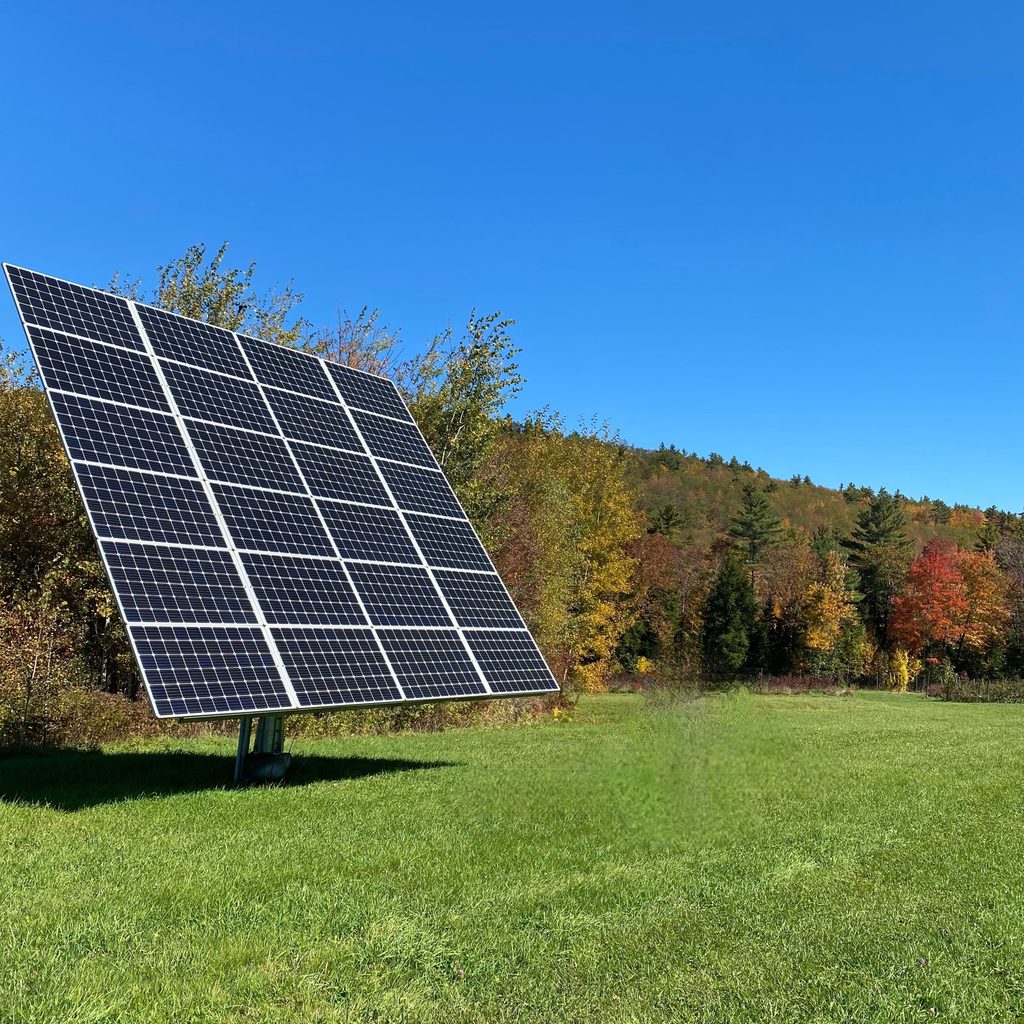
Copeland’s furniture is made-to-order in Bradford, Vermont and the company sources most of their wood within 500 miles of the factory. Speaking of Copeland’s factory, the brand doesn’t stop at sourcing sustainable materials but also has a solar array installed on the factory’s property and uses wood waste to heat the building. And the tables are low-toxic with a GREENGUARD certified finish.
Conscious Qualities: Domestically Sourced Hardwood, Made in the US, Made-to-Order, Durable, GREENGUARD Certified Finishes
Price Range: Side tables start at $508 | Dining tables start at $850
Check out Copeland @ Urban Natural
Best Artisan-Made Accent Tables: The Citizenry

The Citizenry has the most beautiful artisan tables ideal for completing your natural cozy minimalist aesthetic or adding an earthy touch to your bold boho living room. The brand has sustainable coffee tables made from natural rattan and eco friendly side tables and nightstands made from hinoki or mindi wood.
Every single product sold on The Citizenry is handcrafted in a fair trade environment, and their natural non-toxic tables are no exception. Most of this retailer’s sustainable side tables and coffee tables selection was made in Indonesia by artisans using traditional crafts.
Conscious Qualities: Artisan-Made, Fair Trade, Cultural Preservation, Natural Materials
Price Range: Starts at $349
Best Non-Toxic Coffee Table: Savvy Rest

Non-toxic furniture brand Savvy Rest has a simple timeless coffee table made in Central Virginia from solid wood. Each table is made with responsibly-sourced maple — a durable yet lightweight hardwood — and is available unfinished or in a variety of zero-VOC finishes: linseed oil, walnut, cedar, or mahogany.
Conscious Qualities: Zero-VOC Finishes, Local Production, Sustainably-Sourced Wood
Price Range: $779+ for coffee table
Use code CONSCIOUSSTYLE20 for 20% off all products on Savvy Rest!
What About More Affordable Sustainable Tables?
When looking for affordable sustainable furniture, we always recommend checking secondhand first! Try estate sales, garage sales, local resale shops, or online platforms like FB Marketplace and OfferUp.
If you’d like to find a new table or just can’t seem to find what you’re looking for used, here are a couple options to check out.
Affordable Dining Table: Adyn

Adyn is a family-owned business founded by a Portland-based Architect and her son. Their signature furniture piece — the Center Table — is entirely made in Oregon. These tables, which are offered in three sizes, are versatile pieces that can function as dining room tables, desks, vanity tables, or minimalist console tables. They are designed to be long-term pieces, and the company shares that they can be assembled and reassembled in just minutes.
Committed to responsible sourcing, 100% of the wood Adyn uses is from a single wood mill in Oregon. All of the tabletop sizes are offered in three finishes: you can select from natural/white maple, which is finished with an FSC-certified White Maple veneer, or laminate, which is made with partially post-consumer recycled materials. The laminates Adyn uses are made in the US and have sustainability certifications like GREENGUARD Gold, NSF, and SCS.
*Note: While we typically recommend solid wood furniture, Adyn reports that their plywood is free of UF (urea-formaldehyde) adhesives.
Conscious Qualities: Responsibly-Sourced Materials, Made in Oregon, FSC-Certified Wood
Price Range: $1000 – $1800
Affordable Coffee Table: Sabai

Sabai is a leader in sustainable furniture with their use of eco-conscious materials, ethical production practices, and low-waste shipping. Not to mention they’re committed to circularity with both a repair program and a resale program, called Sabai Revive.
Their City Table is so exception. This eco-friendly coffee table is made using recycled steel, wood sourced from urban fallen trees in Baltimore and a non-toxic, zero VOC water-based finish. Did we mention the brand is also a certified B-Corporation?
Conscious Qualities: Recycled & Natural Materials, Zero VOC Finish, Circularity Program
Price Range: $595
We hope you enjoyed this guide to sustainable tables! Looking for more furniture & home furnishings?
Check Out These Sustainable Home Guides:
15 Ethical Home Decor Brands for Your Conscious Space
The Best Places to Find Eco-Friendly Furniture
Sustainable Non-Toxic Sofas for Truly Restful Relaxation
The post 9 Gorgeous Sustainable Tables to Gather Around (2025) appeared first on .

Last winter, we kept our house at 60 degrees and our electric bill was STILL $280. I’ve been interested in solar for a long time, but on the long list of house projects (especially when you’re restoring a 200 year old house on the historic registry) some are more pressing than others.
But with a few of those major projects wrapping up, and a daunting bill before me, I figured now was the time for a quick google search on solar panels, and let me tell you….. It can be very overwhelming.
Figuring out the rules (cough, cough, historic society), incentives or rebates if applicable, how much it would cost, how much we could save, etc. felt a little like a part-time job. But, one website made it really easy to compare things, and I am happy to be partnering with Aurora Solar to share that site with you.
Because I think you should be able to easily run the numbers on your house without a lot of hassle!
This post is sponsored by Aurora Solar, but all thoughts and opinions are my own.
If you’ve ever gotten a solar quote, there’s a good chance that Aurora Solar was involved. Aurora was founded in 2013 after its co-founders spent seven months trying to design a solar energy system using a patchwork of different tools.
Afterall, designing a solar system shouldn’t be harder than actually installing one. So they built software specifically for solar professionals. Today, more than 7,000 solar organizations use Aurora, and more than 20 million solar projects have been designed using the platform. They are also the largest solar software provider in the world. Their software is used by roughly 80% of the top 75 residential solar companies in the U.S.
All of this tech has been primarily used by professional installers to map your roof and then create a proposal, but now Aurora is offering this tech to us to help compare quotes.
So instead of having to call a bunch of different installers, I could use the Aurora Solar Marketplace to understand my solar potential, compare estimates, understand my possible savings, look into battery storage and other home electrification incentives, and map out different financing options.
1. know how much electricity the system will actually produce
Before you even get into the price, make sure you understand what you’re actually being quoted.
Two solar systems can have very different prices because they may not be the same size or produce the same amount of electricity. A cheaper system might simply have fewer panels and offset less of your electric bill.
With Aurora, you can compare solar estimates and see the system size, energy production, and how much electricity the system should offset.
You can also upload your utility bill to get a solar estimate based more closely on your actual energy usage, to make the quote accurate for you instead of a ‘generic household’.
2. understand the solar payback period
Aurora calculates things like payback period and lifetime savings, which makes it much easier to understand the long-term finances.
The solar payback period is basically how long it takes for your estimated savings to make up for what you spent on the system, and this is the number that surprised me most!
One estimate had a payback period of around 7 years, and another was closer to 11 years! Over 25 years, two of the estimates I looked at had almost a $13,000 difference in projected savings.
Of course, these are still projections as electricity rates can change (HELLO 2026) but when you’re trying to compare two options for the same house, knowing that one is projected to pay for itself four years sooner is pretty useful information.
3. look beyond the monthly payment
Depending on the installer, you may be looking at a cash purchase, solar loan, lease, or power purchase agreement.
But thankfully with Aurora you can compare the different financing options side-by-side which makes it a lot easier to see the trade-offs. One option may have a lower upfront cost, another may have a lower monthly payment, and another may give you better long-term savings.
4. find out which solar incentives actually apply to you
The minute you start Googling solar, you can find federal incentives, state incentives, utility programs, rebates, net metering, and a whole bunch of information that may or may not even apply to where you live.
And some of the articles ranking at the top of Google are several years old! (RIP to the federal incentives canceled at the end of 2025.) But, Aurora can account for solar incentives when calculating the cost and savings of a system, including state, local, and utility-specific programs.
I would still double check any incentive or tax benefit you’re planning to use before signing a contract, especially because programs and eligibility can change, but having all the relevant information in the same place makes the research process much less overwhelming.
5. research the installer, equipment, and warranties
Aurora lets you compare solar installers based on things like reviews, reputation, pricing, and financing options, which I think is just as important as the actual quote.
I’d also look closely at what equipment is included. What panels are they using? What kind of inverter? How long are the equipment warranties? Is there also a workmanship warranty from the installer? Who handles repairs if something goes wrong five or ten years from now?
And, I know I’ve said it a million times, but it’s nice to see it side-by-side without having to fill out a bunch of forms and be hounded on the phone just to get an idea of what solar may look like.
The post How to Compare Solar Quotes: What to Look For Before You Choose appeared first on Going Zero Waste.
How to Compare Solar Quotes: What to Look For Before You Choose
Green Living
Sustainability In Your Ear: XPRIZE’s David Babson on Why Climate Grand Challenges Need Buyers, Too
Buyers contracted nearly 30 million tons of durable carbon removal in 2025, more than triple the 2024 total, according to CDR.fyi data reported by Heatmap. About 90% of those purchases came from a single company, Microsoft, and suppliers delivered only about 450,000 tons during the year. That is a sliver of the six to 10 billion tons of removal a year that climate scenarios suggest the world will need by 2050. The technology to pull carbon out of the air works, but the customers needed to scale it remain scarce.
Our guest today, David Babson, is executive vice president of the Energy, Climate, and Nature domain at the XPRIZE Foundation. He calls the slow progress a market failure, because the technology is progressing faster than it is being adopted. Babson previously led MIT’s Climate Grand Challenges initiative and was a program director at the U.S. Department of Energy’s ARPA-E. His portfolio includes XPRIZE Carbon Removal, which drew 1,334 teams and whose participants have raised more than $3.3 billion. In April 2025, Mati Carbon won its $50 million grand prize for spreading crushed basalt on smallholder farms in India, where the rock locks away carbon dioxide. “If people could make money taking carbon out of the air and putting it underground, as opposed to only being able to make money taking it from underground and putting it in the air, we would be in a better place,” Babson says. Mati is weathering the slump in part because its rock dust also improves soil health and crop yields, giving farmers a reason to participate that doesn’t depend on carbon credit prices.

XPRIZE’s answer is to change what winners receive. Babson describes “mixed purses” that pair a cash award with a guaranteed buyer through an advance market commitment, a power purchase agreement, or an offtake contract. In one thought experiment, a carbon removal prize would come with a separate $1 billion fund raised from credit buyers, which qualified teams could draw on as they deliver verified tons. XPRIZE is applying the same thinking to a planned series of fusion energy prizes, pairing technical milestones with market mechanisms to build the supply chain that commercial fusion will require. The same gap between invention and adoption shows up in other XPRIZE competitions. On September 23, XPRIZE Wildfire awarded about $4.55 million from its $11 million purse, with defense contractor Anduril Industries taking first place in autonomous fire response along with a $1 million Lockheed Martin bonus. Babson expects costs to fall as fire agencies adopt the tools and as startups license individual components into cheaper platforms, though underfunded agencies will need a way to buy the first systems. He also notes that the competition left fuel management and ground-based autonomy for future prizes. Earlier this year, program director Andrea Santy told us that field testing had moved ahead of drone regulations. In biodiversity, Limelight Rainforest won $5 million for surveying 100 hectares of tropical forest in under 24 hours and identifying more than 250 species. Biodiversity still lacks a price, but Babson argues that once ecosystems can be measured, slow-walking policy becomes “a dereliction of what they should be doing.”
We also discuss the tension inside XPRIZE’s vision of “equitable abundance,” including a $101 million Healthspan prize that could add years of consumption to longer lives. Babson argues that abundant, cheap clean energy would let society move beyond efficiency as its organizing principle, powering uses such as indoor vertical farms that could return millions of acres of farmland to nature. You can follow XPRIZE’s new competitions and get involved in its prize ideation workshops at xprize.org.
- Subscribe to Sustainability In Your Ear on iTunes
- Follow Sustainability In Your Ear on Spreaker, iHeartRadio, o