

The ethical and sustainable furniture companies featured below everything from sustainable office chairs and desks to bed frames and storage furniture (with a whole lot in between)!
I’ve curated this selection of ethical and environmentally friendly furniture companies to bring you everything you’d need to furnish your space consciously, whether you need sustainable bedroom furniture, living room furniture, dining room furniture, or outdoor furniture.
This is your ultimate guide to finding the very best in sustainable furniture.
Note that this guide does include affiliate links, which means we may earn a commission if you choose to purchase via these links at no additional cost to you. As always, brands we curate meet strict standards for sustainability and design, and are brands we love that we think you’ll love too.
What is Sustainable Furniture Anyway?
Just as with anything with the word sustainable in front of it: there’s a lot to consider when it comes to sustainable furniture! Below is a list of elements to get started with.
Secondhand Furniture
The most sustainable furniture is the furniture that already exists! Shopping for used furniture prevents that piece from being landfilled and reduces the need to produce new furniture. Looking secondhand is also a way to get affordable sustainable furniture.
I shop for secondhand furniture quite a bit so I have an entire guide to the best places to buy and sell used furniture if this is something you’re interested in. You might also enjoy listening to my podcast episode with secondhand interior designer Nina Verduin.
Some easy options to get started with our Facebook Marketplace, Craigslist, OfferUp, or Buy Nothing Groups on Facebook. Local furniture resale shops, garage sales, and estate sales are also good options if you have a bit more flexibility in what you’re looking for and would rather shop in person.
Personally I’ve had the best luck with Facebook Marketplace and secondarily with estate sales.
For more curated selections of secondhand furniture, this is what I’d suggest after an embarrassing amount of hours spent browsing furniture resale marketplaces!
AptDeco
AptDeco is a mecca for buying and re-selling furniture in nearly every category from various brands—including West Elm, Pottery Barn and Crate & Barrel. There’s also often quite a few beautiful vintage furniture available on the site.
Chairish
Chairish is an online destination to sell and buy used furniture, mostly vintage furniture. The secondhand furniture site has a massive collection of furniture in every category, no matter how specific, that you may be looking for. However, it tends to be more expensive than other secondhand marketplaces since they have more of a focus on vintage furniture, including some collectible or high-demand items.
Eco-Friendly Furniture Materials
Below is a list of eco-friendly furniture materials that a sustainable furniture company might use:
- Reclaimed or sustainably harvested wood (look for labels like FSC-Certified)
- Recycled steel or recycled aluminum for metal furniture
- Natural fabrics like organic cotton, hemp, and linen or recycled fabrics for upholstery
- Natural Dunlop latex, Talalay latex, or CertiPUR-US® certified foam
- Recycled or natural fiber fills for pillows and cushions
- Non-toxic, low to zero-VOC finishes and stains, such as linseed oil
[Learn more about non-toxic furniture materials.]
Responsible and Locally-Made Furniture
An ethical furniture company should be considering their workers, ensuring safe conditions and fair wages.
Ideally, the brand would produce their furniture domestically to minimize emissions and increase transparency of their supply chain. Some of the furniture brands in this guide even own their own manufacturing facility, which is a major bonus!
Since I am based in the US, a lot of the brands in this guide are USA Made furniture companies.
Check the furniture company’s About or Sustainability pages to see if they include any information about the factories they source from or the craftspeople and furniture artisans that they partner with to produce their pieces.
Other Sustainability Efforts
In addition to environmentally-friendly materials and fair production standards, sustainable furniture brands likely have several other sustainability initaitives.
These might include:
- A take-back, resale program, or secondhand marketplace
- A repair program or ability to buy replacement components
- Reforestation projects that replenish forests beyond the trees sourced for their furniture
- Donation initiatives to environmental or social justice organizations
The Best Sustainable Furniture Companies
I know that there is a lot to sort through when it comes to sustainable furniture, so my goal is to make that search easier.
Below are my top picks for sustainable furniture stores, environmentally friendly furniture companies, and secondhand furniture marketplaces that are doing things better.
That might mean they are sourcing eco-friendly materials, using non-toxic finishes and fabrics, producing locally and ethically, considering the full lifecycle of their products, or all of the above!
For more on what we consider “sustainable furniture” scroll down to the bottom below the brands!
1. Urban Natural
Responsible furniture retailer Urban Natural curates a variety of furniture brands that meet at least three of their five sustainable sourcing criterion.
Urban Natural’s sourcing values are Ethically Sourced (makers are fairly compensated), Handcrafted (made by experienced artisans), Organic Materials (partners have certifications like GOTS and GOLS), Made Sustainably, and Made in the USA.
Furniture Categories: Sofas & Sectionals, Chairs, Beds, Tables, Benches & Ottomans, Dining Tables, Dining Chairs & Stools, Storage Furniture, Office Furniture, Lighting, Outdoor Furniture
2. Medley
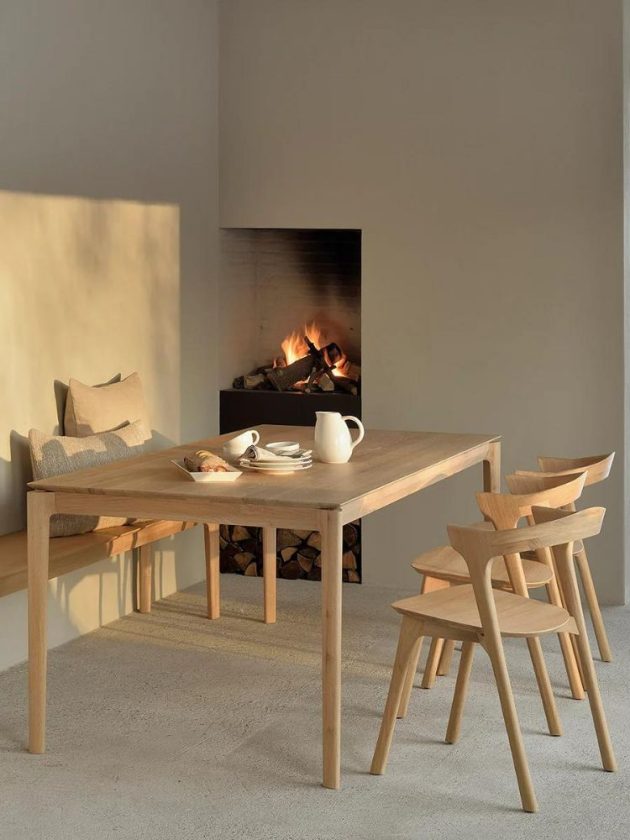
Medley Home is an eco-friendly furniture company that handcrafts their pieces in California with mindful materials. The company uses domestically-sourced hardwoods (no plywood here!) from FSC-certified forests and solid bamboo, which is one of the fastest-growing plants in the world. Medley Home’s wood pieces are finished naturally with a blend of beeswax, carnauba wax, and olive oil.
For foam, Medley sources only CertiPUR-US® certified foam or certified organic natural latex, and for textiles, the company uses GOTS-certified organic linings and other natural fabrics such as hemp and wool.
Furniture Categories: Sofas & Sectionals, Chairs, Dining & Side Tables, Dining Chairs, Beds, Storage, Benches & Ottomans

3. Savvy Rest
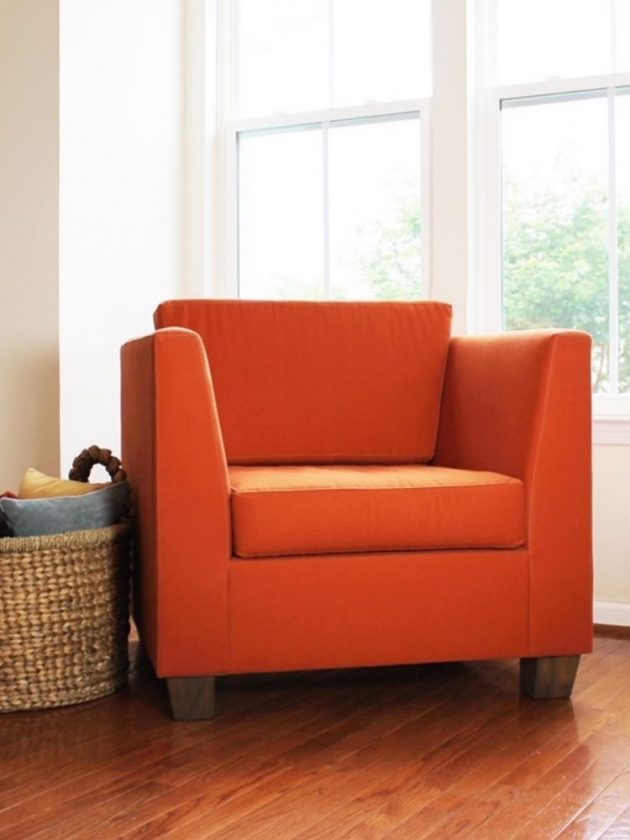
Savvy Rest creates functional, sustainable furniture with your health and the planet’s health in mind. The eco-friendly furniture brand sources only the best natural and organic materials for their non-toxic furnishings, like hemp and certified organic cotton fabric, natural Talalay latex, and responsibly sourced solid hardwood. You can also choose between a variety of zero-VOC stains or no finish for their wood furniture.
Furniture Categories: Sofas, Loveseats & Armchairs, Tables & Benches
(Use code CONSCIOUSSTYLE20 for 20% off!)
4. Avocado
Getting their start as a non-toxic mattress brand, Avocado now crafts eco-friendly furniture too.
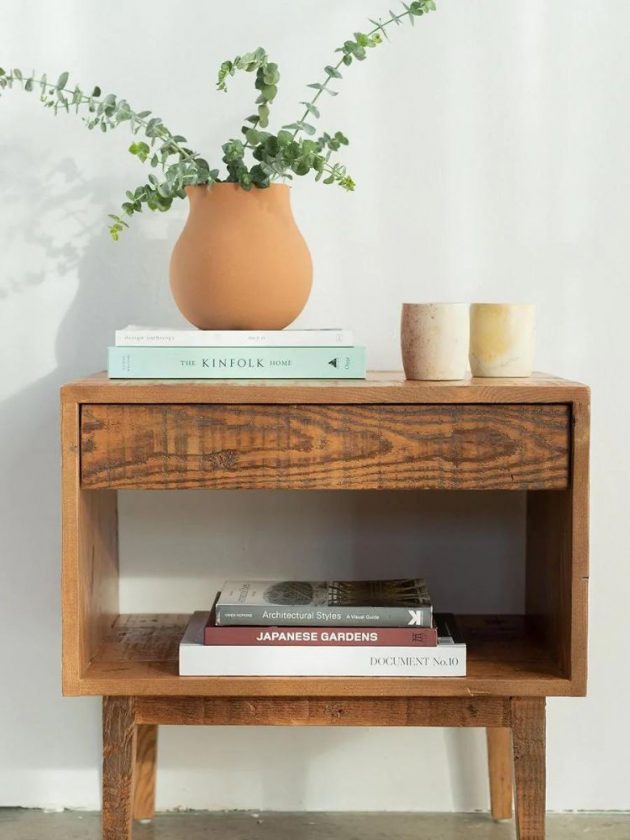
The Certified B-Corporation crafts both their furniture in a FSC-certified facility in Los Angeles and uses materials like 100% reclaimed wood and responsibly-harvested American timber. Additionally, the majority of Avocado’s offerings have non-toxic certifications like Greenguard Gold and the MADE SAFE® seal.
The brand has some gorgeous sustainable mid-century modern furniture pieces!
Furniture Categories: Beds, Nightstands & End Tables, Dressers, Benches & Ottomans
5. Thuma
Thuma makes environmentally friendly, modern and minimalistic platform beds. The brand’s platform bed frames are crafted with upcycled, repurposed rubberwood, and for every order made, Thuma plants a tree.
The Bed is thoughtfully designed for functionality and quality too—the conscious company even backs their pieces with a lifetime warranty. With Thuma’s direct-to-consumer model, their eco-friendly beds are also pretty affordable.
Furniture Categories: Bed Frames, Dressers, Nightstands & Side Tables

6. WHAT WE MAKE
Based in Chicago, What WE Make is an environmentally friendly furniture company that crafts non-toxic modern furniture from reclaimed materials.
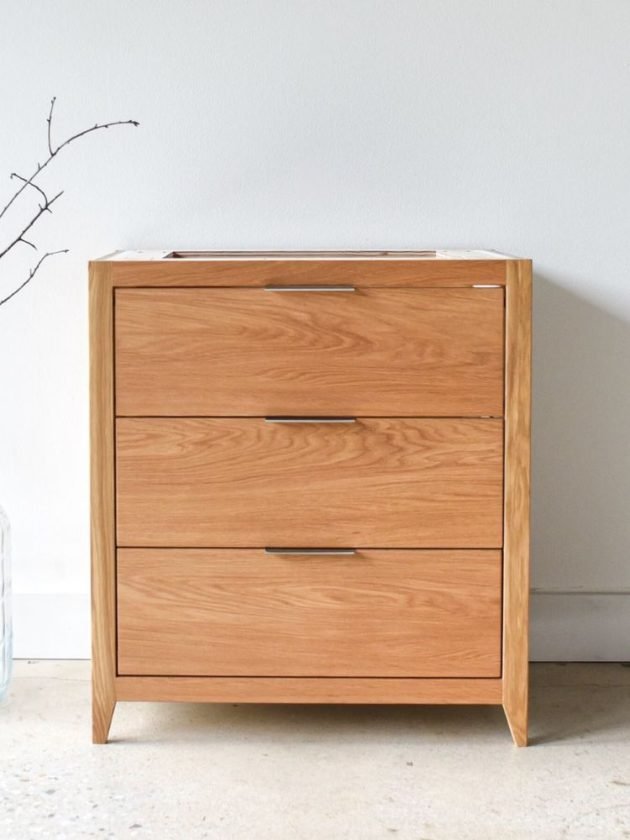
They salvage wood from Midwestern barns and make the furniture start to finish themselves in Chicago to ensure the highest quality. Each piece is completed with zero-VOC finishes.
Furniture Categories: Bathroom Vanities, Tables, Storage & Dressers, Dining Tables, Coffee Tables & Console Tables
7. Sabai
Sustainable by design, Sabai is an affordable sustainable furniture brand with modern, responsibly-made seating. They offer two repurposed fabric options — either recycled velvet or upcycled polypropylene — and the frames are made from FSC-certified wood. Sabai also uses mechanical fasteners in it’s upholstery process instead of glue, low-VOC stains for their domestic maple legs, recycled fiber fills, and certiPUR-US certified foam.
Plus, Sabai works with an ethical, fair wage manufacturer located domestically in North Carolina, which helps to minimize their shipping footprint.
Furniture Categories: Sofas & Sectionals, Chairs, Ottomans

8. Natural Home
As you might guess, The Futon Shop makes sustainable futons, but they also have other furniture like bed frames and sofas.
The woman-founded furniture and mattress company uses eco-friendly and non-toxic materials such as certified organic cotton cotton and wool, organic Dunlop latex, OEKO-Tex 100 certified coconut coir and hemp, and solid American hardwood.
Furniture Categories: Futons, Beds, Sofas & Sectionals

9. Greenington
Greenington is a bamboo furniture company with stunning, sustainably-crafted pieces for every room in your home: from the office to the bedroom.
Each piece is made from responsibly hand-harvested (never clear cut) Moso bamboo, which is one of the fastest growing plants on the planet. Greenington also sources only mature bamboo to ensure maximum strength and durability.
Furniture Categories: Beds, Nightstands & Dressers, Desks, Bookcases & Shelving, Dining Tables, Chairs & Stools, Coffee & Side Tables, Cabinets & Credenzas

10. Burrow
Handcrafted from durable materials like responsibly-sourced hardwood, Burrow’s eco-friendly furniture is designed to be your next heirloom. Burrow’s modular sofas are the true standouts: they’re designed to be assembled and configured in a variety of ways so you can customize them to your needs even through moves and family changes.
[Check out this guide for more eco-friendly sofas.]
Furniture Categories: seating, storage, tables, benches

11. MasayaCo
With origins as a reforestation project, MasayaCo is deeply committed to (beyond) sustainable sourcing. They’ve planted 1.2 million trees to date and on average, leave 40% of their reforestation projects completely untouched.
The elegant furniture from MasayaCo is crafted by artisans using teak, and many of their pieces are outdoor friendly too.
Furniture Categories: Lounge Chairs, Ottomans & Benches, Storage, Cabinets & Shelves, Beds, Accent Tables, Dining Tables & Chairs

12. Saatva
Originally known for their sustainable mattresses, this company has now expanded into eco-friendly bedroom furniture.
The company has a 180-day trial and a lifetime warranty, showing that they are committed to quality and service.
Materials vary by product but some of the responsible materials Saatva uses include responsibly-sourced hardwood, linen upholstery, and foams that meet CertiPUR-US® standards. Several product pages also note that the product is adherent to the Toxic Substances Control Act and contains no VOCs.
Furniture Categories: Bed Frames, Chairs, Ottomans, Rugs

13. Healthier Homes
Founded by expert healthy home builders, Jen and Rusty Stout, Healthier Homes is committed to helping you curate a healthier indoor space.
The online marketplace sells natural furniture, organic decor and non-toxic paint & finishes. You’ll find furniture, from seating to accent tables, made from materials like teak, acacia, mango wood, and jute. And if you’re working on some DIY projects, be sure to check out their selection of zero VOC paints.
Furniture Categories: Chairs & Stools, Side Tables & Coffee Tables, Benches, Shelving

Honorable Mention for Sustainable Furniture Options
14. West Elm – Sustainably Sourced Collection
Furniture company West Elm has added sustainable collections to their offerings. The company defines “sustainably sourced” as furniture made either from reclaimed wood or FSC-certified wood from responsibly harvested sources.
Furniture Categories: Everything!

Looking For More Eco-Friendly Furniture Guides?
Sustainable Storage: Dressers, Media Consoles, and Sideboards
9 Eco-Friendly Bookcases to Showcase Your Latest Reads
What is Non-Toxic Furniture? Plus 12 Brands to Know
The Best Sustainable Tables To Gather Around
The post 14 Best Sustainable Furniture Companies For Your Eco-Friendly Home in 2026 appeared first on Conscious Life & Style.
14 Best Sustainable Furniture Companies For Your Eco-Friendly Home in 2026

Green Living
Classic Sustainability In Your Ear: Coastal Flooding in 2050 With Climate Scientist James Renwick
Turn back the clock to hear an early warning from James Renwick, co-author of the upcoming 2021 United Nations Intergovernmental Panel on Climate Change (UNIPCC) report and head of the School of Geography, Environment and Earth Sciences at Victoria University, Wellington, New Zealand, joins Earth911 to discuss the prospects for coastal flooding due to climate change. He shares troubling but important insights into how much seas have already risen since the 1800s — about one foot — and the potential for up to two feet more flooding in the coming century. He also reports the UNIPCC will acknowledge that the critical 1.5C warming threshold is locked in unless the world takes radical action to reduce emissions immediately. Humanity has already committed future generations to potentially disastrous climate impacts, he says.
Renwick explains how much water is stored in Antarctica and the projections for economic and housing losses along the U.S. East Coast, which is particularly prone to flooding because of the configuration of ocean currents. He also discusses the growing accuracy of climate models and how accelerated warming seen in recent years appears poised to continue speeding ice loss at the poles. But, Renwick argues, the international climate dialogue has shifted from resistance to acknowledgment of climate impacts and growing national and local action, which gives him hope. “Things are moving in the right direction,” he told Earth911’s Mitch Ratcliffe. “But we’ve got a lot of work to do.”
The upcoming COP26 meeting of global leaders, which was postponed to the fall of 2021 due to the pandemic, will feature many nations’ increased commitments to reduce emissions. In the meantime, he urges individual citizens to speak out and choose sustainably produced products, as well as support effective local remediation projects, such as tree-planting programs. Each of us can make a difference. Start your journey with this conversation with Professor James Renwick.
- Subscribe to Sustainability In Your Ear on iTunes
- Follow Sustainability In Your Ear on Spreaker, iHeartRadio, or YouTube
Editor’s Note: This podcast originally aired on January 1, 2021.
The post Classic Sustainability In Your Ear: Coastal Flooding in 2050 With Climate Scientist James Renwick appeared first on Earth911.
https://earth911.com/podcast/earth911-interview-coastal-flooding-in-2050-with-climate-scientist-james-renwick/
Before you throw away that empty soda bottle, wine bottle, or milk carton, think about turning it into a bird feeder.
These seven DIY projects show how to reuse common household items to make useful backyard wildlife stations. There’s something for everyone, whether you’re crafting with kids or have experience with tools. Whenever possible, choose glass instead of plastic. Experts say glass bottles last longer in the sun and are easier to clean than plastic.
This article contains affiliate links that help fund our work.
1. Soda Bottle Bird Feeder

The soda bottle bird feeder is a classic project that’s easy for anyone to make. Start by saving a 1- or 2-liter soda bottle from the recycling bin. Then, find two wooden spoons, dowels, or sturdy twigs from around your home or yard. These will serve as perches for the birds.
To make one, follow the instructions from Gardening Know How: mark two sets of holes at right angles, insert the spoons or dowels, fill the bottle with birdseed, put the cap back on, and hang it up with string or fishing line. If you’re working with young kids, adults should handle the cutting.
If you prefer not to do DIY from scratch, you can buy soda bottle bird feeder kits. Just attach the tray and wire to your own bottle.
2. Milk Carton Bird Feeder
Making a bird feeder from a milk or juice carton is just as easy as using a soda bottle. The Audubon Society even has a version that’s great for kids. Cut a large opening a few inches from the bottom on one side, add a stick underneath for a perch, make two small holes at the top for hanging, decorate it, and fill with birdseed.
Keep in mind that milk cartons don’t last as long as plastic or glass feeders. Watch for signs of wear and replace your feeder when needed. Remember to recycle the old carton.
3. Tray Bird Feeder

If you have leftover wood from a home project, you can make a simple tray feeder using Birds & Blooms’ instructions. You’ll need cedar or pine scraps, an aluminum screen for drainage, panel nails, eye screws, and some chain for hanging. You should also be comfortable using a drill and hammer.
You can also reuse old windows, picture frames, or other wooden items from around the house to make a tray feeder. One Instructables tutorial shows how someone built a feeder from the wooden backing of an old bronze award.
Tray feeders bring in many types of birds, like cardinals, chickadees, woodpeckers, and mourning doves. However, they don’t keep out squirrels.
4. Floppy Disk Bird Feeder
If you have some old floppy disks lying around, you can turn them into a retro bird feeder using an Instructables guide.
You’ll need to take apart three disks, remove the magnetic film, cut a window for the seeds, put the pieces together to form a cube, and attach a string for hanging. Use tape or a hot glue gun to hold it together, then add birdseed inside.
5. Self-Refilling Glass Bottle Bird Feeder
This gravity-fed feeder is a smart upgrade from basic designs. Remodelaholic’s wine bottle bird feeder tutorial explains how to build a simple wooden platform with a notched holder that keeps an upside-down glass bottle just above the seed tray. As birds eat, gravity refills the tray with more seed.
You need only a recycled wine bottle (or any narrow-neck glass bottle) and some wood for this project. The screw-based mount makes it easy to remove the bottle for refilling. Use a low- or no-VOC wood sealer to protect the frame.
6. Plastic Bottle Hummingbird Feeder
Want to bring hummingbirds to your yard? Try this Instructables guide for making a hummingbird feeder from recycled plastic containers. It uses a pop bottle and a deli container lid, like the ones from grocery store takeout, with milk bottle caps glued on as feeding ports.
Fill the bottle with hummingbird nectar. The International Hummingbird Society suggests mixing one part white sugar with four parts water. Don’t use food coloring, honey, or artificial sweeteners. The red parts of the feeder attract the birds, not the nectar itself.
If you want something sturdier and easier to clean, Birds & Blooms offers instructions for a glass bottle hummingbird feeder that uses copper wire and a commercial feeding tube. This version takes more effort to make but lasts much longer.
7. Glass Soda Bottle Bird Feeder

This is a step up in craft and durability, and a good reason to save that glass Jarritos or Mexican Coke bottle. Birds & Blooms’ glass soda bottle feeder tutorial pairs a recycled glass bottle with a chicken feeder base for a sturdy feeder that holds plenty of seed and will last for years.
The most involved step is drilling a hole in the bottle’s bottom using a diamond drill bit under running water to keep the bit cool so the glass doesn’t crack. A steel rod threads through the bottle and into the chicken feeder base, locked in place with a washer and wing nut; a G-hook at the top completes the hanger. To refill, simply unscrew the base, add seed, and reattach.
This DIY project requires comfort with a drill and patience with glass, but the result looks intentional and well-made, not like a weekend craft project. For the nectar-recipe and feeder-cleaning guidance that applies to all glass bottle builds, the International Hummingbird Society’s feeding page and Birds & Blooms’ black oil sunflower seed guide are solid references depending on what you’re trying to attract.
To find out where to recycle glass bottles in your area, check the Earth911 Recycling Directory. Most curbside programs don’t accept them, but many drop-off sites do.
Tips for Bird Feeders
- Clean your feeders every one or two weeks to stop mold and bacteria from harming birds.
- Hang feeders at least five feet above the ground and away from bushes where cats might hide.
- Black oil sunflower seeds attract the most types of birds.
- For hummingbird feeders, change the nectar every two or three days. In hot weather, change it even more often.
- Plastic feeders break down faster than glass ones in sunlight. Check them regularly and replace when needed.
Related on Earth911
Editor’s Note: This article was originally published in 2014, and was most recently updated in March 2026.
The post 7 DIY Recycled Bird Feeders appeared first on Earth911.
https://earth911.com/home-garden/7-diy-recycled-bird-feeders/
Green Living
Sustainability In Your Ear: Schneider Electric’s Steve Wilhite Maps the Renewable Energy Transition
The global energy system is changing in two big ways: it is moving from centralized fossil-fuel generation to distributed renewables, and it is becoming more digital in how energy is measured, traded, and optimized. Steve Wilhite, Executive Vice President of Advisory Services at Schneider Electric, works at the intersection of these complementary yet challenging transitions. Schneider supports more than 40% of the Fortune 500 with energy procurement and sustainability strategies, managing over $50 billion in annual energy spending. His experience shows something that pledges and press releases often miss: the biggest challenge for corporate sustainability is not money, technology, or political will. The real issue is the gap between ambition and the ability to deliver. Companies are making Science-Based Targets commitments faster than they are building the infrastructure to meet them. Scope one and two emissions are being managed better, but scope three emissions, which come from a company’s supply chain, still present a systems problem that no single company can solve alone. Schneider’s zero-carbon supplier program suggests what it takes to close this gap. When the company started its own effort to cut emissions from its top 1,000 suppliers by 50% in five years, all 1,000 signed up within two weeks. However, about 84% of them did not fully understand what they had agreed to. Achieving success meant creating measurement tools, education programs, and action plans to help the whole ecosystem, not just individual companies.

This critical conversation explores how renewable energy is bought, including the difference between physical and virtual power purchase agreements. Steve also explains why the Power Purchase Agreement (PPA) market became more complex as it grew, and why 10% fewer renewable deals closed in 2025 compared to 2024, as tech companies used up available clean energy. He also addresses a key question in clean energy: is AI helping the environment overall, or do its energy needs still outweigh its efficiency benefits? Schneider processes over a million energy invoices each month, and about 50,000 of them had issues that took 10 to 15 business days to resolve. Now, a team of AI systems can handle these in seconds. Accurate energy consumption and billing data directly affect emissions reporting, energy efficiency, and money-saving market decisions. He describes Schnieder’s approach as “frugal AI”: using the right-sized models for each task, running them on clean energy, and choosing simple solutions over complex ones. Looking ahead, electrification is building a global digital energy network in which every meter and adjustment contributes to a new system independent of central plants. As intelligence spreads, power can shift to consumers, communities, and businesses. Schneider is enabling this shift by building a mesh grid in which each point both produces and consumes energy, coordinated by AI. These changes fundamentally reshape the global energy landscape. The central question: will we intentionally build this new, distributed system, or will we repeat centralized patterns digitally?
To learn more about Schneider Electric’s sustainability efforts, visit se.com.
- Subscribe to Sustainability In Your Ear on iTunes
- Follow Sustainability In Your Ear on Spreaker, iHeartRadio, or YouTube
Interview Transcript
The post Sustainability In Your Ear: Schneider Electric’s Steve Wilhite Maps the Renewable Energy Transition appeared first on Earth911.
https://earth911.com/podcast/sustainability-in-your-ear-schneider-electrics-steve-wilhite-maps-the-renewable-energy-transition/


-
Climate Change8 months ago
Guest post: Why China is still building new coal – and when it might stop
-
Greenhouse Gases8 months ago
Guest post: Why China is still building new coal – and when it might stop
-

 Greenhouse Gases2 years ago
嘉宾来稿:满足中国增长的用电需求 光伏加储能“比新建煤电更实惠”
-
Climate Change2 years ago
Bill Discounting Climate Change in Florida’s Energy Policy Awaits DeSantis’ Approval
-

 Climate Change2 years ago
嘉宾来稿:满足中国增长的用电需求 光伏加储能“比新建煤电更实惠”
-
Climate Change Videos2 years ago
The toxic gas flares fuelling Nigeria’s climate change – BBC News
-

 Renewable Energy5 months ago
Sending Progressive Philanthropist George Soros to Prison?
-

 Carbon Footprint2 years ago
US SEC’s Climate Disclosure Rules Spur Renewed Interest in Carbon Credits