

Shopping consciously during Black Friday and Cyber Week isn’t easy! This time of year practically encourages overconsumption, impulse purchases, and buying things destined for the landfill within months (or sometimes days).
But sustainable living doesn’t look just one way. Black Friday and Cyber Week deals can actually help you access better-quality products at more affordable prices while supporting small businesses during their most critical sales period of the year.
If you’re planning to participate, here are some ways to engage more sustainably:
1. A deal isn’t a deal if you won’t use it long-term. It’s easy to get swept up in the excitement and buy something you’d never consider otherwise. (We’ve all been there!)
2. Sales can be strategic. If you’ve been waiting to invest in ethical clothing or eco-friendly gifts, these discount periods offer a chance to support conscious brands more affordably.
3. Take your time. The dopamine rush of a “good deal” can cloud your judgment, so give yourself space to make intentional decisions.
4. You can opt out anytime. If Cyber Week feels overwhelming or you’re buying more than you intended, step away. Turn off notifications, get outside, spend time with people you love. You don’t need to buy of ALL of your holiday gifts over the course of a couple of days.
If you’re ready to make a mindful purchase or want support shopping small and consciously, check out our curated list of the best sustainable and ethical Black Friday and Cyber Week deals.
Transparency note: We only feature brands meeting our high sustainability standards. Some links are affiliate links, meaning we may earn a commission on purchases, which helps us keep this site running. Thanks for your support!

Sustainable Homewares & Furniture Sales
Medley
Made-in-theUSA sustainable, non-toxic furniture
Discount: 10% off sitewide now through Dec 3 (The sale will include new styles such as the Chloe Bed Frame at up to $480+ off, as well as bestsellers such as the Rio Bumper Sleeper Sectional at up to $1500+ off and the Burr Accent Chair at up to $260+ off.)
Avocado
Non-toxic brand with low-waste manufacturing offering your bedroom a sustainable upheaval with organic mattresses and bedding
Discount: Save up to 20% on organic mattresses, pillows, bedding, beds, and furniture going on now
Circadian
Organic pillows for all types of sleepers (side, back, stomach) and sleep needs plus organic bedding
Discount: 10% off orders $200+, 15% off orders $350+, and 20% orders $500+ from Nov 27 – Nov 30; no code needed
Urban Natural
Sustainable home decor and furniture retailer with top brands like Copeland, Cisco Home and East Fork
Discount: Save up to 20% off furniture and home decor with Black Friday Early Access
Boll & Branch
Fair trade and organic-certified bedding and bath products
Discount: 25% off sitewide with code CYBER25
Coyuchi
Sustainable bedding, bath, home goods, and pajamas made with GOTS-certified organic cotton or regeneratively-sourced fibers
Discount: 25% off sitewide now through Nov 30
MasayaCo
Artisan handcrafted indoor and outdoor furniture made from reforested teak wood
Discount: Up to 50% off going on now, no code needed
My Green Mattress
Non-toxic organic mattresses, bed frames, and accessories
Discount: Save up to $300 on organic mattresses | save 15% on bedding, bases & other bedding accessories right now through Dec 1
Saatva
Eco-friendly memory foam mattresses and organic bedding
Discount: Get 15% off orders $1,000+ until November 12; Black Friday TBA
Sabai
Sustainably-made seating, tables, and beds made from recycled or natural materials and designed for repairability
Discount: $400 off orders $1,500+, $850 off orders $3,500+ and $1,5000 off orders $5,000+
Savvy Rest
Organic mattress and non-toxic furniture retailer using sustainable natural materials
Discount: Save 20% off with code BLACKFRIDAY starting November 13, 2026
Ethical & Sustainable Fashion Holiday Sales
Christy Dawn
Slow fashion brand with dreamy dresses and other clothing made responsibly from deadstock fabric, organic cotton, or regenerative cotton grown by Oshadi in India
Discount: Up to 50% off favorite pieces from past seasons
Kotn
Responsible clothing brand offering everyday essentials made from natural fibers with a traceable origin
Donation: Gives a portion of sales towards building schools in Egypt, where the cotton for Kotn’s collections is grown
Mate The Label
Loungewear and basics made with non-toxic and organic materials
Discount: 25% off sitewide right now
Mightly
Mother-founded organic kidswear brand with clothing made in Fair Trade Certified faactories
Discount: Up to 40% off going on now
Monica Vinader
Quality jewelry made from 100% recycled gold vermeil and 100% recycled sterling silver made in traceable supply chains
Discount: up to 50% off sitewide, new flash sales drop daily until Dec 2
PACT
Organic cotton basics and loungewear plus home textiles made in Fair Trade Certified factories
Discount: Daily deals from $10 and sitewide sale up to 40% off through Nov 30
Passion Lilie
Fair trade artisan-crafted fashion brand using natural fibers
Discount: 20% off with code SHOPEARLY2026 Nov 6 – Nov 25; 30% off with code BFCM2026 from Nov 25 – Dec 4
Encircled
Versatile clothing in super-soft natural fabrics ethically cut and sewn in Canada
Discount: Up to 70% off now through Dec 1
JulieMay
Organic cotton and silk lingerie certified by AllergyUK
Discount: Up to 15% off sale items starting Nov 27
The RealReal
Luxury fashion consignment site for finding pre-loved designer apparel and accessories
Discount: Up to 80% off now through Nov 30
Thesus
Ethical footwear brand with vegan boots and sneakers made from sustainable, traceable materials, including large percentage of recycled materials (my personal favorite boots!)
Discount: 25-50% off sitewide
Vestiaire Collective
Luxury fashion resale site
Discount: Up to 70% off during early Black Friday Sale active now
tentree
Eco-minded clothing and accessories brand that plants 10 trees with every order
Discount: Up to 50% off sitewide now through Dec 1
ThredUp
Online secondhand marketplace
Discount: 50% off + free shipping with code 50WELCOME
Subset
Organic cotton underwear and bralettes
Discount: 30% off sitewide and up to 50% off select styles
Brook There
Comfy organic cotton undergarments: underwear, bralettes, and nightgowns cut and sewn in the U.S.
Discount: Up to 25% off sale items
ColieCo
Ethically made lingerie manufactured to order from natural, recycled, and reclaimed fabrics
Discount: 20% off the entire ColieCo collection from November 27 to to November 30, plus a donation to garment worker advocacy organization Awaj Foundation
EILEEN FISHER
Timeless, high quality slow fashion brand with circularity programs
Discount: 50% off sale items now through Nov 30
HYER GOODS
Wallets, bags, and other accessories made from upcycled materials
Discount: TBA
Toad&Co
Eco-friendly men’s and women’s outerwear and casual clothing
Discount: Up to 70% off sitewide, no code needed now through Nov 30
Reformation
Sustainably-minded apparel brand actively working towards 100% circularity and building a Climate Positive business
Discount: 25% off sitewide expected Nov 27 – Nov 30
Organic and Low Waste Beauty Sales
100% Pure
Fruit-pigmented makeup and plant-based non-toxic skincare
Discount: $5 – $25 Skincare Deals Nov 23 – Nov 29, plus free gift with $75+ purchase
Activist Skincare
Woman-owned brand creating high-performing vegan skincare that comes in plastic-free and refillable packaging
Discount: TBA
ILIA
Clean makeup brand — personally I love their Limitless Lash and Super Serum Skin Tint
Discount: 20% off sitewide, plus free Complexion Stick
Detox Market
Clean beauty and wellness retailer
Discounts: $20 off + an Irene Forte gift when you spend $200+
Henry Rose
Fine fragrances with 100% ingredient transparency; EWG Verified and Cradle to Cradle Certified
Discount: 25% off sitewide now through Nov 29
Kjaer Weis
Natural makeup brand with low-waste refillable packaging
Discount: TBA
Sustainable Cookware, Cleaning & Daily Essentials
360 Cookware
Non-toxic stainless steel cookware crafted in Wisconsin in the U.S.
Discount: Up to 36% off going on now with code BF2026
Blueland
Plastic free cleaning supplies, including dish soap and laundry detergent
Discount: 20% off sitewide, 30% off new auto-ship subscriptions going on now
Our Place
Non-toxic non-stick pans made in ethical factories; WOC-owned
Discount: Sitewide sale of 6% – 68% across cookware, tableware, appliances, and kitchen tools
Enviroscent
Non-toxic, cruelty-free refillable home scents
Discount: Buy 3, save 15%; buy 4, save 20%
XTREMA
Non-toxic ceramic cookware
Discount: Save at least 20% off sitewide, up to 30% off
Dropps
Biodegradable laundry and dishwashing pods
Discount: 25% off sitewide with code BIGDEALS2026
We’re continuing to update this post so be sure to bookmark it for later!
In the meantime, check out our gift guide: Sustainable and Ethical Gift Ideas for Everyone On Your List
The post Our Top Picks for Black Friday and Cyber Week Sales From Sustainable Brands (2026) appeared first on Conscious Life & Style.
Our Top Picks for Black Friday and Cyber Week Sales From Sustainable Brands (2026)

Last year, I followed a cardboard box through the recycling process to see what actually happens after we toss it into the recycling bin. And someone left me a comment:
“Love it. Can you do one on plastic water bottles, please?”
I responded, “I’ll see what I can do.  ”
And, what can I say, I aim to serve. Somehow, I managed to turn that comment into a sponsored trip to Michigan, to attend the RECYCLE BOWL and follow the full journey of a bottle.
Lemme tell ya, I learned a lot about recycling, deposit programs, and football.
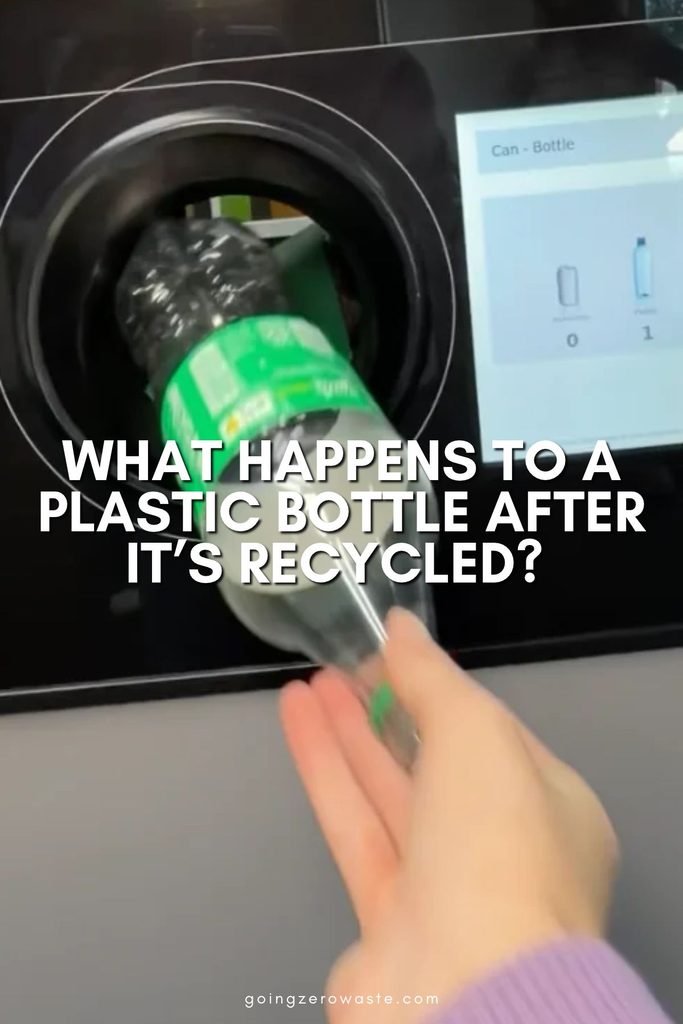
bottle deposits
I live in Maine, where we have a bottle deposit program, and I’ve been a big advocate for bottle bills for years.
If you’re unfamiliar, when you purchase certain beverages, you pay a small deposit, usually 5 or 10 cents, on the container. Once you’re finished with your drink, you return the empty bottle or can to a redemption center or participating retailer to get your deposit back.
It’s pretty simple, but it’s incredibly effective.
This is for things like aluminum cans, glass bottles, and different types of plastic beverage containers. And while each of these materials goes through its own recycling process, collecting them separately creates a cleaner, more reliable supply of material that manufacturers can use to make new products.
Which is really important, because recycling is a business!! REPEAT AFTER ME! RECYCLING IS A BUSINESS.
PEOPLE HAVE TO BUY WHAT YOU PUT IN YOUR BIN. Next time you go to your bin, I want you to ask yourself, ‘Would I buy this??’
When you start viewing your recycling in this way, it really changes how you approach the whole process in a good way. No more wishcycling!
That’s what makes these programs so exciting. It’s creating a reliable infrastructure that can almost guarantee a reduction in virgin material needed!
And Michigan has an incredibly effective system where you can go bottle to bottle in a 30 mile radius. This is an incredibly effective process I’d love to see replicated.
Michigan offers a 10-cent deposit on eligible beverage containers, and historically, the state has had some of the highest redemption rates in the country at almost 70%.
But, Germany’s deposit system collected approximately 96% beverage bottles in 2023, with an overall PET bottle collection rate of 98.7% across its different collection systems… so how do we increase this?
Because if we compare it to the United States, where the average is only 29% of PET bottles, that’s a LOT of valuable material we’re not collecting.
Which means we’re losing it to landfills, incinerators, litter, or other disposal routes.
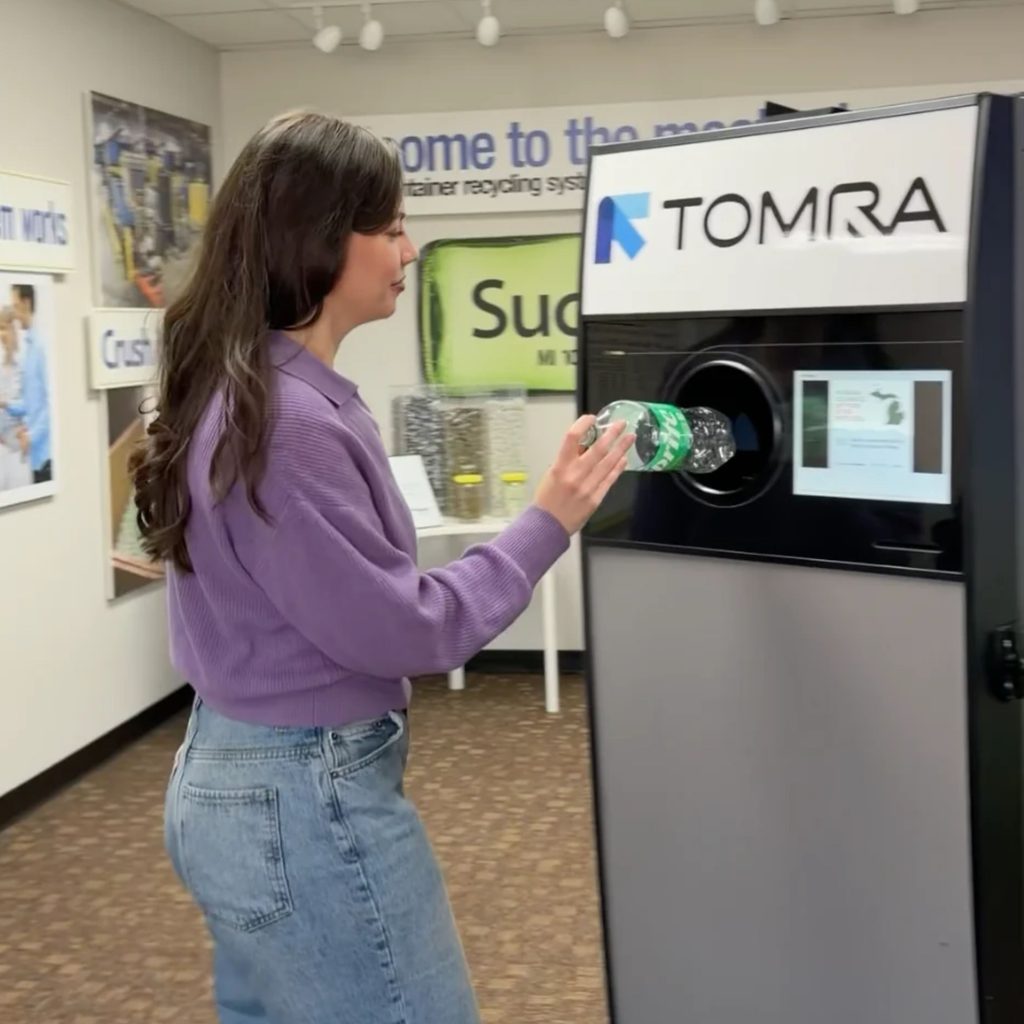
following a plastic bottle through the recycling process
While I was in Michigan, I visited Shcupan, Clean Tech, and Plastipak which is the full journey after you return your bottles at the grocery store or at a UM football game.
Now, I knew plastic bottles could be recycled into other materials like fabric or carpets, but did you know PET (plastic #1) could actually become another food-grade plastic bottle with 100% recycled material?
collecting and sorting
So after you drop your bottle or can into the beverage deposit machine at the grocery store, a truck comes and picks it all up. Where everything is sorted into like material. Glass is with glass, PET is with PET, HDPE is with HDPE. Aluminum is with Aluminum, you get the idea.
And, this is a very impressive process. Each material goes on it’s own journey. Once all the PET bottles were gathered, their first stop was my favorite machine – the label remover. When you recycle a plastic bottle you don’t need to remove the label and keep the cap on because they have machines to handle all of that for you.
shredding, washing, and separating
After the label is removed the bottles are shredded into small pieces, and they are passed through a machine that contains water. The lids of plastic bottles are made from HDPE (plastic #2) which floats while PET sinks so they can be separated and recycled with their own material.
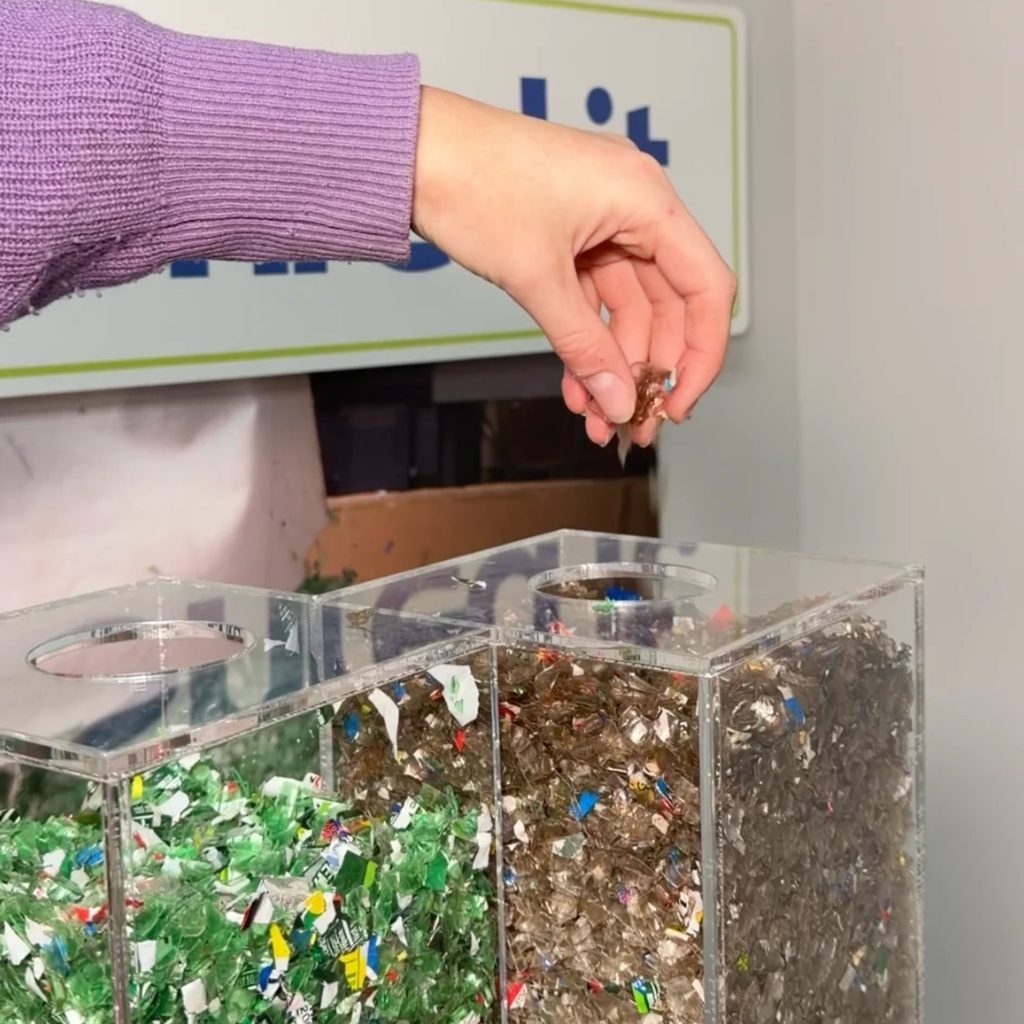
from plastic flakes to brand-new bottles
The clean PET flakes go through additional process to ensure it meets food safety requirements set by the FDA. This flake material is then turned into something called a preform, and these preforms are heated and blown into molds to create full-size bottles.
And just like that, an old plastic bottle has become a new plastic bottle, and I think that’s pretty cool! When I started my zero-waste journey, so much of the conversation around plastic recycling focused on downcycling, where materials are turned into products that might not be recycled again.
And while that still happens, It’s really nice to see bottle-to-bottle recycling that’s done mechanically and efficiently. (because chemical recycling is a whole ‘nother can of worms)
zero waste football stadium?
Part of my sponsored trip was to go to the University of Michigan RECYCLE BOWL!! UM has a zero waste football stadium and it’s one of the largest in the world.
Now, I love a good opps tour at a sporting event. Most people are excited to go to the game but I am thrilled to dig through the trash. There are really unique opportunities at arenas for education and really effective design.
Because if you can control what comes into the stadium, you can control what goes out and WHERE it goes. Essentially you can have a full end of life plan for every item sold or offered inside guaranteeing a massive diversion from landfill.
Michigan Stadium has a substantial recycling and composting program, with the university reporting that it typically diverts around 70-80% of game-day waste from landfills.
That’s an impressive undertaking when you consider just how much packaging, food waste, and other material can be generated during one football game with more than 100,000 fans in attendance.
In fact, we just got the results from the 2026 Recycle Bowl! Recycling is up 2,434 more pounds than last year, and 5 tons more than the very first Recycle Bowl.
Almost 50,000 pounds of material were collected for recycling, composting, reuse, and food donation. That’s nearly 25 TONS equivalent to almost 5 elephants. Not too shabby for a football game, but I have a confession to make. I actually bought a plastic bottle of water while I was there.
I could probably count on two hands the number of plastic water bottles I’ve purchased in the last decade. But you can’t bring your own bottles into the stadium, and I was thirsty.
The reality is that we’re not always going to have a reusable option available. Sometimes we’re going to forget something, find ourselves in a situation where reusables aren’t allowed, or simply need to buy a drink.
Thankfully, they had water refill stations, so I was able to refill my bottle instead of purchasing another one, but I feel a little less bad knowing that the stadium has a dedicated recycling program and I got to see the whole journey of my bottle.
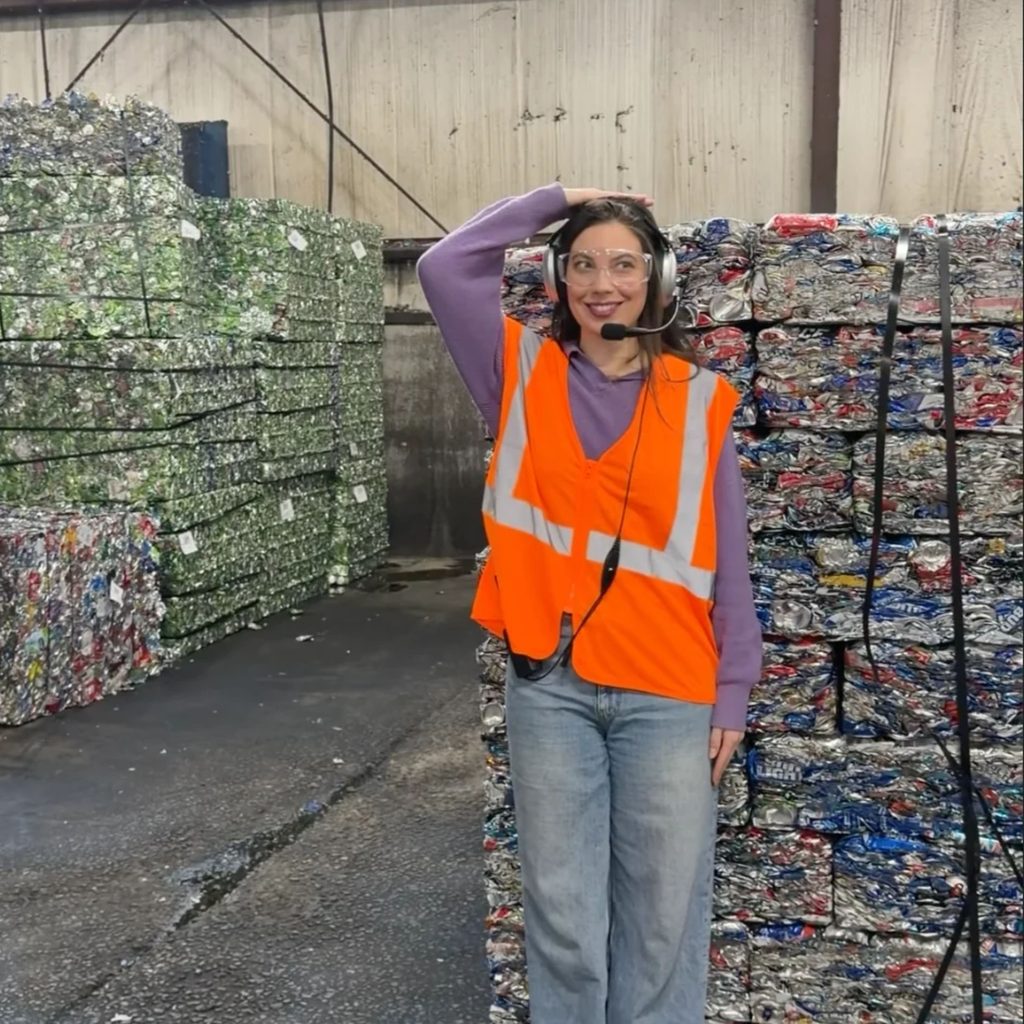
we need to reduce plastic AND recycle more of it
Now look, I’m not planning on buying more plastic bottles. I still believe we should reduce first, reuse second, and recycle as a last resort. But I don’t think reducing plastic consumption and improving plastic recycling are competing goals.
I wrote a blog post several years ago about whether glass or plastic is better for the environment, and it challenged a lot of my assumptions about packaging.
Glass is often viewed as the obvious environmentally friendly choice, but it’s also heavier to transport, and manufacturing it requires significant energy. The truth is that packaging has a lot of trade-offs, and we have to consider how it’s manufactured, transported, reused, and recycled.
And this trip has added another layer to that conversation for me.
I have family members who are never going to give up their bottled soda. And while I will always encourage people to reduce unnecessary packaging, I’d much rather see those bottles collected and turned into new bottles than have them end up in a landfill.
so how do we keep the bottles out of the landfill and environment?
BOTTLE BILLS. We desperately need more bottle bills. Since we’re capable of turning used plastic bottles into new, food-grade bottles, why aren’t we collecting more of them?
Germany’s collection rates show us what’s possible. We already have so much valuable material in circulation so let’s make sure we’re actually getting it back. We need more convenient redemption locations, and better infrastructure to reclaim the materials we’re already producing.
The post I Followed a Plastic Bottle Through the Recycling Process. Here’s What I Learned. appeared first on Going Zero Waste.
I Followed a Plastic Bottle Through the Recycling Process. Here’s What I Learned.
Doorframes decorated with fresh pine garlands are downright magical. But they sure cost a pretty penny.
Why spend all that money when you can make your own for free (or at a discount)? Not to mention, you’ll have way more fun getting creative and making it your own.

I’m all about slowing down and getting crafty during the holidays. After all, is it really the gifts we remember every year, or the memories we make with people we love?
Speaking of, it’s even better if you invite friends or family to help make a DIY garland! Put on some Christmas tunes, grab some hot cocoa, and it’s a Christmas memory you’ll be talking about for years.
Pine is also zero waste decor because it’s all compostable at the end of the season. Here’s how to make a DIY garland you’ll never forget.
materials you’ll need:
- Evergreens (you can get these while foraging, at a local nursery, or some from your own tree)
- 22-gauge floral wire (or dyed green twine)
- Heavy duty scissors
- Gloves (to protect your hands)
step 1 – measure your space
Where do you want your garland to hang? Above a doorway? A window? A fireplace? Measure the space so you know how long the garland will need to be. This will give you a better idea of how much pine you’ll need to bring your vision to life.
step 2 – find your pine
Now’s the time to decide if you want to forage or buy your pine. Faser Fir is a great option when it comes to garlands because of how sturdy the pine is, but any Fir will hold up great.
If you’re planning on foraging, try renting a book from the library that identifies the different types of native pine near you. This will help familiarize you on what to look for and what kind of effect different pines will have for your garland.
Generally, pines, firs, boxwoods and cedars make for good indoor decoration because they dry out more slowly.
Fraser fir, red pine, eastern white pine, and western red cedar are some great choices. You can use a mix of them to achieve a whimsical effect.
It’s a good idea to know how to identify different pine if foraging outdoors. Bring a reusable bag, gloves and heavy duty scissors with you while foraging. Be aware some pine trees are spikey and their needles can hurt! And never take too much off one plant.
If foraging isn’t for you, try hitting up a local nursery. They will likely have excess pine they’ll be happy to sell you for your garland. Christmas tree lots will often have a bunch of leftover greens they’ll likely part with for free too.
When in doubt, trimming some off your own tree works too (just be careful not to leave any bald spots).

step 3 – organize
Now’s the fun part – once you have all the evergreens you want, you’ll want to lay it out before you in the style of your choosing. The beauty of foraging for pine is that everything won’t be uniform – so embrace the imperfection.
You’ll want to make sure the sturdiest pieces are in the center. And make sure to pick which pine goes on the end – something with the right drip is always good. And don’t be afraid to prune them as needed.
When you have a structure you like, start layering and lining up your pieces properly. Then use the floral wire to secure them in place. You can also use dyed green twine if you’d like to compost the whole thing without hassle of removing the wire. But note that twine may be less subtle compared to wire.
Also, you’ll want to secure each end with a knot so nothing unravels. To make it easier to mount your garland, create loops with your wire or twine. Do this by simply making a loop and twisting the base until the loop is securely closed.
You can also add decorative elements if you wish, like upcycled ribbons, dried citrus, pinecone, and winter berries. It’s good to add these to any gaps you discover to help fill it in.
step 4 – hanging and display
Now you’ll want to mount your garland. You should set your hooks first (try two for single doorways, three for double, and four for triple width doorways).
Once your hooks are set in place, mount your garland using the loops you created earlier. Or, just by the wire you find – letting things shape naturally.
Don’t be afraid to add to it as needed. If you notice any gaps, this is a good time to fill them with more pine or decorative elements. And if you’d like, you can even entwine some battery operated string lights into the garland for added wow.
Have you ever made a DIY garland before? Drop your tips in the comments!
The post Easy DIY Garland: Step-By-Step Instructions appeared first on Going Zero Waste.
For 15 years, Toronto showed North America what a green roof mandate could build. Its 2009 bylaw, the first on the continent to both require green roofs and set a construction standard for them, produced more than 1,200 green roofs across the city. On November 3, 2025, the Ontario government revoked the provision of the City of Toronto Act that allowed the bylaw, with no advance notice or phase-out period.
That reversal represents the state of green roof policy in 2026. It’s a time of backlash against environment-minded construction practices. Housing-cost pressure is pushing some governments to loosen or drop requirements, while other cities keep adding them, and most of the newer laws let owners choose solar panels, vegetation, or both.
For building owners, advocates, and homeowners, the practical question now is which roof, under which local rule, delivers the most value for a specific building.
What Are Green Roofs?
A green roof, also called a living roof or ecoroof, is a roofing system that supports living plants. Sod roofs have existed since at least the Middle Ages. The modern version is engineered: Toronto’s definition calls for, at minimum, a root repellent layer, a drainage system, a filtering layer, a growing medium, and plants, all installed over a waterproof membrane.
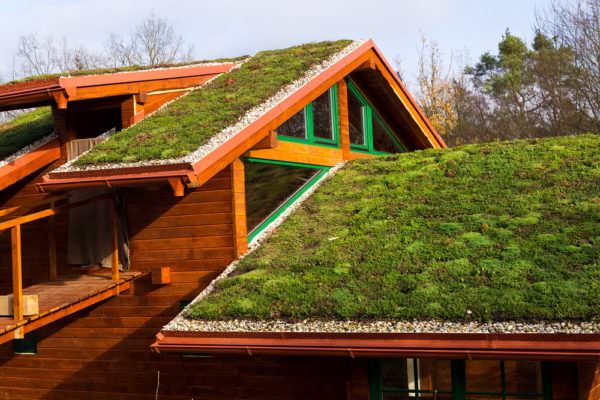
Today’s ecoroof systems fall into two broad families. Extensive roofs use a few inches of lightweight media and hardy, drought-tolerant plants such as sedums. Intensive roofs, on the other hand, use deeper soil that can hold grasses, shrubs, and even trees. The difference is the price: the Environmental Protection Agency noted in January 2025 on a page now removed that a simple extensive roof without public access can cost one-tenth to one-third as much as an intensive roof built for public access.
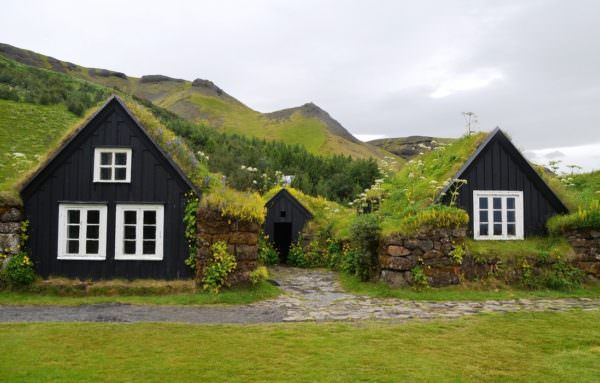
A modern green roof involves more than just plants. It needs high-quality waterproofing and protection against root damage, a drainage system, filter cloth, and a lightweight growing medium. The plants may be small, drought-tolerant ones like sedums, or larger grasses. The system can be modular or site-built, and depending on the planting medium depth, may even resemble a natural meadow or a garden with shrubs and trees.
Project Drawdown ranks green roofs and cool roofs as #73 in their list of solutions to global warming, with an anticipated 0.77 gigaton reduction in carbon dioxide by 2050. If green roofs cover 30% of roof space by 2050 and cool roofs cover 60%, approximately 407 billion square feet of efficient roofing would be in place globally.
A 2024 study published in Nature Cities reports that Seoul’s city-wide green roof implementation could reduce building energy use intensity by up to 7.7%. Another comprehensive 2024 study in Nature Urban Sustainability projected that by 2100, green and cool roofs could reduce HVAC use by up to 71.72% in six cities studied. A 2023 meta-analysis found that green roofs reduce rooftop surface temperatures by an average of 30°C during summer months.
A U.S. General Services Administration study that was removed from its website following the Trump Administration’s anti-green guidance estimated that the heating and cooling savings from green roofs on commercial and public buildings paid back the cost of installation in about 6.2 years.
Residential and Commercial Applications
Green roofs on private residences are very efficient. Despite the high cost of design and installation, which has slowed their adoption as a standard roofing option, they can provide lifetime savings.
Single-family homes accounted for less than 2 percent of green roofs in the U.S. in 2015. Multifamily homes, on the other hand, provide economies of scale that can justify the expense (and sometimes have the square footage to trigger green roof requirements), accounting for 22 percent of green roof projects. That still leaves the vast majority of green roofs to industrial and commercial buildings.
But private homeowners need not despair. Many of the incentives for green roof construction are also available for single-family residences.
Several impressive green roof installations have been completed in recent years:
Will’s Garden at Carle Foundation Hospital is a 2023 Award of Excellence winner that features a therapeutic garden in Urbana, Illinois. The immersive, wheelchair-accessible rooftop included significant technical achievements that allow the plants to grow in only six inches of media.
Construction began on the LXK Office and Residential Campus in Berlin. A designed development, it includes green rooftops and terraces.
Kö-Bogen II, in Düsseldorf, Germany, is a commercial complex features one of Europe’s largest green façades with over 30,000 hornbeam plants that provide a “green heart” and “urban mountain” in the city.
The Vancouver Convention Centre’s six-acre living roof remains the largest in Canada.
The California Academy of Sciences in San Francisco features 1.7 million plants in its living roof.
Chicago City Hall’s green roof remains one of the most studied examples, with more than 20,000 plants from 150 species.

Toronto’s Mandate Ends, Its Lessons Remain
Toronto’s bylaw applied to new commercial, institutional, and multi-unit residential developments with more than 2,000 square meters of floor area. Developers who could not fit the required coverage into a floor plan could pay $200 CAD per square meter in fees for the missing ecoroof. The city now advises building applicants that the bylaw is no longer applicable law under the Ontario Building Code.
The repeal followed Bill 17, the Protect Ontario by Building Faster and Smarter Act, which passed on June 3, 2025, after a rapid review process.
The province argued the law bars municipal requirements that go beyond the building code, including Tier 1 of the Toronto Green Standard; city staff disputed that reading, and a builders’ group was already suing the city over the standard. Green Roofs for Healthy Cities founder Steven Peck cited an analysis by local green roof companies that put the added cost at between $1 and $2.50 CAD per square foot of condominium living space, against units selling for $800 to $1,200 CAD per square foot.
Green roofs remain legal and voluntary in Toronto. The city published updated Eco-Roof Incentive Program terms in November 2025, so owners of existing buildings should check whether funding is available.
Where the Rules Stand in 2026
The most aggressive North American ecoroof requirements are concentrated in a handful of U.S. cities, and nearly all of them now treat solar as a qualifying or companion option. The summary below draws on city sources and a 2026 Roofing Brief roundup of mandates by city.
| Jurisdiction | What it requires | Applies to | Status, Nov. 2026 |
|---|---|---|---|
| New York City | Local Laws 92 and 94 (2019): a “sustainable roofing zone” of green roof, solar, or both | New buildings and full roof replacements | In effect |
| San Francisco | Better Roofs Ordinance (2017): 15% of roof as solar or 30% as living roof; SoMa needs 15% solar plus 50% living roof | Most new construction of 10 or fewer occupied floors | In effect |
| Denver | Green Buildings Ordinance (2019): cool roof plus one green option; the green-roof path means 60% vegetation (new) or 18% (existing) | New buildings, additions, and roof permits at 25,000 sq. ft. or more | In effect |
| Portland, Ore. | Central City 2035 ecoroof standard (effective July 2018) | Buildings of 20,000 net sq. ft. or more in the Central City | In effectSolar allowed as an alternative for residential projects since March 2024 |
| Cambridge, Mass. | Article 22 (2021): green roof and/or solar on 80% of available roof, or a per-square-foot payment | Most new buildings over 25,000 sq. ft. | In effect2026 payment is $64.29/sq. ft. of vegetated roof not built |
| Somerville, Mass. | Late 2023 ordinance: vegetation on 80% of available roof area | New mid-rise and high-rise buildings and major renovations, outside the Affordable Housing overlay | In effect |
| Toronto | Green Roof Bylaw (2009): 20% to 60% of available roof, scaled by building size | New buildings over 2,000 square meters | RepealedNo longer in effect since Nov. 3, 2025; Eco-Roof grants for existing buildings remain open |
| France | Climate and Resilience and APER laws: solar or vegetation on a share of the roof | Covered nonresidential new builds, extensions, and heavy renovations | 40% since July 1, 202650% from July 1, 2027; a bill that passed the Senate in Feb. 2026 and awaits National Assembly action would drop the green option |
San Francisco’s 2017 ordinance gives owners a choice between solar and a living roof rather than requiring living roofs outright. Denver’s current ordinance, adopted in 2019, replaced the voter-approved 2017 measure and pairs a cool roof requirement with a menu of compliance options. Portland’s ecoroof standard took effect in July 2018, and the plan was re-adopted in July 2020 after a court challenge.
Portland loosened, Massachusetts tightened. Portland’s Housing Regulatory Relief package, effective March 1, 2024, kept the ecoroof requirement while permitting solar panels as an alternative for buildings with residential uses. On the other side of the country, Cambridge requires green or solar coverage on 80% of available roof area for most new buildings over 25,000 square feet, and developers who build less pay a unit contribution that reaches $64.29 per square foot of vegetated roof in 2026. Neighboring Somerville went further at the end of 2023, requiring 80% vegetated coverage on new mid-rise and high-rise buildings and significant renovations.
France raised its bar, then reopened the debate. French law requires covered nonresidential buildings to put solar or vegetation on part of their roofs, and the share rose from 30% to 40% on July 1, 2026, and will reach 50% on July 1, 2027. A pending bill to align French law with EU rules would, in its Article 45, remove the vegetation option and require solar alone; legislators who object note that the EU buildings directive itself asks member states to account for green roofs.
Vancouver is still writing guidance. The city published a Rain City Green Roof Best Practices Guide in February 2026 and updated its rainwater management requirements in January 2026, but local advocates note that a mandate the council voted to explore in 2018 has not arrived.
Incentives Look Generous, but Few Owners Use Them
New York State extended New York City’s green roof property tax abatement in June 2026. The law, signed June 26, 2026, runs the program through June 30, 2031, at $10 per square foot citywide and $15 per square foot in designated community districts, capped at $200,000 per application and $4 million citywide per year. The application deadline moved to March 15, 2030.
Uptake has been the problem. A 2024 analysis of city Department of Finance records found that only two buildings had received the abatement, which helps explain why lawmakers keep raising the rate. The city’s Department of Environmental Protection runs a separate, rolling grant for green roof retrofits of at least 3,500 square feet on private property; a deputy commissioner told the City Council in 2025 that the program had funded $13 million across 32 sites, mostly green roofs.
Other programs have shrunk. Washington, D.C.’s RiverSmart Rooftops rebate, which offered $15 per square foot in target areas, now carries a notice that the program is closed. Chicago still offers developers in its downtown districts a floor area ratio bonus for green roofs, allowing more buildable space on the same lot.
Barriers to Adoption
Despite growing support, several challenges continue to limit widespread implementation.
- High Costs: Initial installation costs remain a financial barrier. A University of Michigan study found that a 21,000-square-foot green roof costs about $100,000 more to install than a conventional roof. Maintenance costs and the need for specialized expertise add to these expenses.
- Structural Concerns: Existing buildings, especially older ones, may not have been designed to bear the additional weight of saturated soil and vegetation. Assessing and potentially reinforcing structural capacity adds complexity and cost.
- Technical Challenges: The design and construction process requires coordination across multiple disciplines. Green roof components appear on architectural, structural, landscape, and plumbing drawings, while civil engineers handle exterior drainage—creating potential for coordination challenges.
- Policy and Regulatory Gaps: In municipalities without green roof policies, the permitting process for a living roof can pose barriers. Complex approval timelines often mean stormwater management plans are submitted before green roof designs are finalized.
Lack of awareness of green roofs across the public and private sectors, insufficient promotion by government entities, and limited experience with green roof systems in some regions continue to slow adoption. More research is needed to confidently price the public and environmental benefits of green roofs, including their distributed energy savings and cooling effects on surrounding buildings.
Carrots and Sticks: Policy Approaches
Toronto became the first city to require green roofs in 2009; in 2019, New York City became one of the latest major cities to pass mandatory legislation. At least 25 cities in North America now have programs to encourage green roofs, with a trend toward making them mandatory rather than voluntary. The organization also developed the Living Architecture Performance Tool, a free rating system and best practice guide for policymakers.
These cities are taking the next step toward making green roofs a fixture in their skylines:
Portland, Oregon (2020): The city’s “ecoroof” requirement went into effect, mandating that vegetation must cover 100% of roofs on buildings in the central city over 20,000 square feet (with some exceptions).
Denver, Colorado: Denver’s green roof ordinance requires new construction and existing buildings over 25,000 square feet to dedicate portions of their rooftops to vegetation or solar panels. The percentage of vegetation required increases with building size: 20% for 25,000 sq ft buildings, up to 60% for buildings 200,000 sq ft or larger.
San Francisco: The city implemented the first green roof mandate in the United States in January 2017 with its “Better Roofs Ordinance,” requiring living roofs on most new construction as part of the Sustainable City initiative.
New York City: Through the Climate Mobilization Act, Local Laws 92 and 94, passed in 2019, require solar panels or green roofs on all new construction and buildings undertaking major roof renovations. Additionally, the city’s Resolution 66 tripled the tax break for property owners who install green roofs in high-priority areas.
Barriers to Adoption
- Upfront cost. Green roofs cost more to install than conventional roofs, and intensive systems cost several times more than extensive ones. Maintenance and specialized expertise add to the bill.
- Structural capacity. Older buildings may not be designed to carry saturated soil and vegetation. Assessing and reinforcing a roof adds time and cost.
- Green roof components appear on architectural, structural, landscape, and plumbing drawings, while civil engineers handle exterior drainage, which creates room for errors.
- Permitting gaps. Where cities lack green roof policy, approval can be slow, and stormwater plans are often submitted before roof designs are final.
- Housing politics. Ontario and Portland both framed their changes as housing-cost relief. Requirements that lack clear cost data and flexible compliance paths are the most exposed to rollback.
Tips for Planning a Green Roof
For homeowners
- Start small. A garage, shed, carport, or porch roof is a manageable first project and teaches you how plants behave on your site.
- Get the structure checked first. Ask a structural engineer to confirm the roof can carry the system’s saturated weight before you buy materials.
- Choose plants for neglect. Sedums and drought-tolerant natives suited to your region survive best with little irrigation, and native mixes add more habitat value.
- Protect the membrane. Insist on a root barrier, ask about leak detection, and get a warranty that covers the whole assembly, waterproofing included.
- Budget for upkeep. Plan for watering during establishment, weeding, replanting, and at least two inspections a year to keep drains clear.
- Apply before you build. Most rebates and abatements require approval in advance. If your utility charges a stormwater fee, ask whether a green roof earns a credit.
- Handle old materials responsibly. Use Earth911’s recycling search to find outlets for old shingles, membranes, and metal flashing.
For building owners and developers
- Model a biosolar roof. Combining solar panels and vegetation satisfies the compliance menus in New York, Denver, Cambridge, and France, and gives you stormwater and energy benefits from one surface.
- Compare build versus pay. Where cities offer payment in lieu, as Cambridge does, price the payment against the lifecycle savings of building the roof.
- Hire credentialed teams. Look for designers and installers with Green Roof Professional (GRP) training or similar credentials, and require a written maintenance plan.
For advocates and policymakers
- Watch housing bills closely. Toronto’s requirement disappeared by provincial order within months of Bill 17. Comment early when code or zoning relief packages are drafted.
- Push for performance-based rules. Standards keyed to stormwater retention and heat reduction let green, cool, and solar roofs compete on results.
- Fund maintenance and monitoring. Toronto’s experience shows long-term success is achievable: a recent study found more than 90% of the city’s green roofs thriving.
Resources
- Green Roofs for Healthy Cities: Green Roof and Wall Policy in North America
- Living Architecture Monitor for ongoing policy news
- Project Drawdown: Deploy Green Roofs
- Your local planning, building, or stormwater department
Related Earth911 Reading
- Design Your Landscaping to Handle Stormwater Runoff
- How To Combat the Urban Heat Island Effect at Home
- How To Create a Rain Garden
- What Can You Do About Nonpoint Source Pollution?
Editor’s Note: This article was updated in November 2026 to include recent research, policy developments, and examples of green roof installations across North America.
The post Green Roof Policies Face: 2026 Update appeared first on Earth911.
https://earth911.com/home-garden/green-roof-policies-are-a-growing-trend/



-
Climate Change1 year ago
Guest post: Why China is still building new coal – and when it might stop
-
Greenhouse Gases1 year ago
Guest post: Why China is still building new coal – and when it might stop
-

 Renewable Energy1 year ago
Sending Progressive Philanthropist George Soros to Prison?
-
Greenhouse Gases1 year ago
嘉宾来稿:探究火山喷发如何影响气候预测
-

 Climate Change2 years ago
Analysis: China’s CO2 falls 1% in Q2 2024 in first quarterly drop since Covid-19
-

 Climate Change1 year ago
嘉宾来稿:探究火山喷发如何影响气候预测
-

 Renewable Energy5 months ago
Send a Bible to a Starving Child
-

 Green Living2 years ago
Our Picks for the Top 2024 Black Friday and Cyber Week Sales From Sustainable Brands