

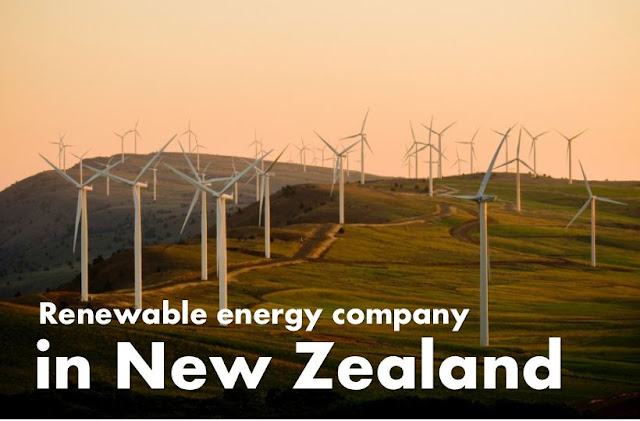
New Zealand renewable energy industry
New Zealand has a vibrant renewable energy industry with several companies actively involved in the development, operation, and maintenance of renewable energy projects.
One such company is Meridian Energy, which is New Zealand’s largest renewable energy company and generates electricity from hydro, wind, and solar power.
Meridian Energy operates several renewable energy projects across New Zealand, including the Manapouri hydroelectric power station, which is one of the largest hydroelectric power stations in the country. The company also operates several wind farms, including the Te Uku and White Hill wind farms, and has recently completed construction of a solar farm in the North Island.
Another prominent renewable energy company in New Zealand is Contact Energy, which generates electricity from a mix of hydro, geothermal, and wind power. The company operates several hydroelectric power stations and geothermal power plants across the country, and also has interests in wind farms.
In addition to these large companies, there are also several smaller renewable energy companies in New Zealand, such as Windflow Technology, which specializes in designing and manufacturing wind turbines, and Pioneer Energy, which develops and operates small-scale hydroelectric power stations.
New Zealand has a strong and diverse renewable energy sector, and the country is committed to transitioning to a low-carbon energy system. The government has set a target of generating 100% of its electricity from renewable sources by 2030, and the renewable energy industry is expected to play a significant role in achieving this goal.
New Zealand renewable energy company
Here are some New Zealand renewable energy companies and their locations:
Meridian Energy – Wellington
Contact Energy – Wellington
Genesis Energy – Auckland
Trustpower – Tauranga
Nova Energy – Taranaki
Vector Limited – Auckland
Windflow Technology – Christchurch
Pioneer Energy – Alexandra
NextGen Energy – Taranaki
South Pacific Hydro – Nelson
It’s worth noting that many of these companies have projects and operations throughout New Zealand, not just in the locations listed above.
New Zealand renewable energy company project
One of the largest renewable energy companies in New Zealand is Meridian Energy.
The company generates electricity from a mix of hydro, wind, and solar power, and is the largest generator of electricity in New Zealand, with a market share of around 35%.
Meridian Energy operates several large-scale renewable energy projects across New Zealand. Its hydroelectric power stations include the Manapouri, Waitaki, and Benmore power stations, which generate a significant amount of the country’s electricity. The company also operates several wind farms, including the Te Uku, Te Apiti, and Mill Creek wind farms, which have a combined capacity of over 500 MW. In addition, Meridian Energy has recently completed construction of a solar farm in the North Island, which has a capacity of 26 MW and can generate enough electricity to power around 4,500 homes.
Meridian Energy has a strong commitment to sustainability and has been recognized for its environmental and social responsibility. The company has set a target of reducing its greenhouse gas emissions by 90% by 2030, and has been investing in research and development to improve the efficiency and performance of its renewable energy projects. In addition, Meridian Energy has implemented several initiatives to support local communities, such as providing funding for education and conservation programs.
Meridian Energy is a leading renewable energy company in New Zealand, with a strong focus on sustainability and a diverse portfolio of renewable energy projects. The company is expected to play a significant role in New Zealand’s transition to a low-carbon energy system in the coming years.
Here are some renewable energy projects undertaken by the New Zealand Company
Meridian Energy: Manapouri hydroelectric power station, Waitaki hydroelectric power stations, Benmore hydroelectric power station, Te Uku wind farm, Te Apiti wind farm, Mill Creek wind farm, West Wind wind farm, and Pukaki hydroelectric power station.
Contact Energy: Wairakei geothermal power station, Te Mihi geothermal power station, and Clyde Dam hydroelectric power station.
Genesis Energy: Hau Nui wind farm, Castle Hill wind farm, and Tekapo hydroelectric power station.
Trustpower: Mahinerangi wind farm, Snowtown 2 wind farm, and Kaiwera Downs wind farm.
Nova Energy: Waitahora wind farm.
Vector Limited: Cleardale and Glenariffe wind farms.
Windflow Technology: Windflow 500 turbine, a mid-sized wind turbine designed for distributed generation.
Pioneer Energy: Port Craig hydroelectric power station, Luggate hydroelectric power station, and Matahina hydroelectric power station.
NextGen Energy: Plans to develop several wind farms in Taranaki.
South Pacific Hydro: Several small-scale hydroelectric power stations in the Nelson region.
Conclusion of New Zealand renewable energy company
New Zealand has a strong focus on renewable energy, and there are many companies operating in the sector.
Meridian Energy is one of the largest and most well-known renewable energy companies in the country, with a diverse portfolio of hydroelectric, wind, and solar projects. Other notable companies include Contact Energy, Genesis Energy, and Trustpower, all of which operate large-scale renewable energy projects in various locations throughout the country.
Tthe New Zealand renewable energy industry is expected to play an increasingly important role in the country’s energy system in the coming years. With its abundant natural resources and a growing focus on sustainability, renewable energy is poised to be a major driver of economic growth and environmental progress in New Zealand.
https://www.exaputra.com/2023/03/new-zealand-renewable-energy-company.html


Weather Guard Lightning Tech

Trump Targets Revolution Wind, Nordex Q3 EBITDA Doubles
Allen covers the Trump administration’s bid to reopen Revolution Wind’s permit, a bipartisan Senate permitting deal, Nordex’s doubled third-quarter profit, and GE Vernova’s new wind chief.
The Uptime Wind Energy Podcast is brought to you by Weather Guard Lightning Tech, creators of the StrikeTape Ultra LPS retrofit. Subscribe to Uptime’s Substack newsletter. And check out Rosemary’s “Engineering with Rosie” Youtube channel. Have a question we can answer on the show? Email us!
 Have you ever wondered why every dictator in human history follows the exact same playbook? Check this out
Plato nailed this 2400 years ago, and it’s been on “rinse/repeat” ever since.
 On average, I meet perhaps 50 K-12 teachers each year, and I often ask them: What is the biggest challenge you face that impacts your ability to connect with and educate your students?
Here’s a rough tabulation:
Screen time, how it robs kids of their ability to pay attention, impedes social interaction, and makes parenting more difficult: 80%
Everything else combined: 20%
Maybe this is a cynical viewpoint, but it seems like that world of today revolves around the mega-corporations profiting by punishing their customers.
In this case, we have the tech giants ruining the lives of our children. Elsewhere, we have healthcare industry driving people into bankruptcy, Big Oil ruining our planet, the gun lobby murdering our kids, and, of course, an ultra-corrupt government looting our treasury to pay off billionaire donors.
Note that this wasn’t the case when we boomers were growing up 60 years ago. This is a distinctive shift from the 1960s when corporate America was focused on things like color TVs and the Ford Mustang.


Sustainability In Your Ear: XPRIZE’s David Babson on Why Climate Grand Challenges Need Buyers, Too
Trump Targets Revolution Wind, Nordex Q3 EBITDA Doubles

Protecting nature is a public duty, not a Wall Street profit opportunity
-
Climate Change1 year ago
Guest post: Why China is still building new coal – and when it might stop
-

 Greenhouse Gases2 years ago
嘉宾来稿:满足中国增长的用电需求 光伏加储能“比新建煤电更实惠”
-
Greenhouse Gases1 year ago
Guest post: Why China is still building new coal – and when it might stop
-

 Climate Change2 years ago
嘉宾来稿:满足中国增长的用电需求 光伏加储能“比新建煤电更实惠”
-

 Renewable Energy12 months ago
Sending Progressive Philanthropist George Soros to Prison?
-
Climate Change2 years ago
Bill Discounting Climate Change in Florida’s Energy Policy Awaits DeSantis’ Approval
-
Greenhouse Gases1 year ago
嘉宾来稿:探究火山喷发如何影响气候预测
-

 Climate Change2 years ago
Analysis: China’s CO2 falls 1% in Q2 2024 in first quarterly drop since Covid-19