

Each year, tons of food – literally 1.3 billion tons – end up in the trash, adding to the ever-growing greenhouse gas emissions and putting a strain on our planet’s resources.
In the US, we waste 40% of all our food – which hurts both our wallet and the planet. If food waste were a country, it would be the third largest emitter of greenhouse gasses behind the US and China.
Some of the links in this post are affiliate links; for more information please see my disclosure policy.
So how do we prevent this? Learning how to store your food properly and meal plan is half the battle.
But there are even more ways to reduce food waste. Here’s a guide to stop wasting food (and save money in the process).
utilize your leftovers
Sometimes we make too much food or can’t finish the food we ordered. Here are a few tips for preventing having too many leftovers, on top of what to do with them when you have them anyway.
dine out mindfully
Try to only order what you know you’ll finish. Knowing your body and personal tastes helps a lot here. For example, I know I love pizza and Mexican dishes so I’ll try to stick with those.
Asking about portion sizes and being aware of side dishes with entrees is helpful too. For example, many Mexican restaurants will give you a side of beans and rice – if this is too much for you, simply tell them ahead of time.
If you’re at a buffet, remind yourself that your eyes are bigger than your stomach. Take only what you like and can finish. And if you want to try something new, opt for a small portion just in case it’s not for you.
When you absolutely cannot finish your plate, get it to go so you can eat it another day. Even better if you bring your own metal tiffin for storing it.
have a leftovers night
Dedicate one night of the week to finishing the leftovers in the fridge. You can mix and match to plate up something tasty. For example, make yourself a plate of mac and cheese from Monday night, broccoli from Tuesday, and chicken cutlets from Wednesday.
think ingredients, not leftovers
Most of my leftovers tend to be side dishes (think rice, cooked veggies, etc.). Which means I always have some ready-made ingredients on hand to whip up a new meal.
Some ideas include:
- Turning extra pasta or cooked vegetables into a frittata
- Creating burritos with leftover rice, beans, meat and vegetables.
- Blending a can of tomato sauce up with leftover vegetables to create a veggie-packed sauce for pasta
- Using fried rice as a base for your next stir fry.
- Turning the last bits of roast chicken into chicken salad. Combine the chopped meat with mayonnaise, salt and pepper, celery, and chopped onions. You can put it between two slices of bread, or eat as is.
- Using leftover rice to make rice pudding.
make soup
You can’t go wrong throwing together an impromptu soup. I like the idea of ‘use-it-up’ soup that cleans out leftover steamed, roasted or grilled vegetables. Throw it into a blender with 3 to 4 cups of vegetable broth, then add any extra seasonings. Serve hot!
add fresh food to canned soup
If you have some leftover spinach, swiss chard, or mushrooms sitting in your fridge, add them to some canned soup. Just empty your canned soup into a pot and add some greens you want to use up to it. Let it simmer and cook for a bit together until the greens wilt, then remove from heat and enjoy.
use food scraps strategically
Say it with me: Food scraps are not trash. Your potato peels, strawberry tops, and carrot tops all have a place at your table – if you’re crafty enough.
I had a scrappy recipe series on my socials where I made all kinds of things like glazes from empty jam jars and wilted spinach icing. Cooking with food scraps is both rewarding and a money saver.
Here are several ways to use up food scraps:
- Use the odds, ends and peels of vegetables like carrot, celery, and onion to make veggie broth.
- Carrot, radish, and beet tops can actually be eaten (make pesto or salad).
- Strawberry tops can be used to make a delicious simple syrup for coffee, mocktails, or lemonades. Or add them right into smoothies for extra vitamins and fiber.
- Onion and garlic skins can be ground up into onion/garlic powder.
- Make citrus powder from leftover lemon and lime skin. Bake citrus peels for 2-3 hours until crispy and dry. Blend with salt, if desires. Then store in an airtight container for ~3 months.
- Save pumpkin seeds for roasting.
- Use herb stems – like basil, cilantro, and parsley – to blend into an herbal sauce by combining with mayo, salt, pepper, lemon and garlic. Or chop them up and add them to soups and stews.
- Add celery leaves to soup for extra flavor.
- Watermelon rinds can be added to smoothies or chopped up and used in stews to bulk them out. I’ve even made watermelon rind and apple jam before!
- Find ways to use up stale bread – like turning it into croutons.
I recently challenged myself to try saving and using every food scrap I had for a week. You can watch my journey below!
expiration dates decoded
Many products have a sticker labeled ‘sell-by, use-by, best-by’ on there. But you can pretty much ignore them, considering it’s impossible for the manufacture to know exactly when something goes bad.
The most ironic example of this is honey. Honey you find in stores typically has an expiration date on it – yet honey found from ancient Egypt, 1000s of years ago, is safe to eat.
Also, food is most sensitive to temperature, lighting, humidity, and proximity, which varies from home to home. Bananas may spoil faster in my house than in yours, simply based on one of these factors. No label can predict that!
here’s what those labels actually mean:
- Sell-by: Tells the store how long to display the product for sale for inventory management. It is not a safety date.
- Use-by: Is the last date recommended for the use of the product while at peak quality. It is not a safety date except when used on infant formula.
- Best-by: Indicates when a product will be of best flavor or quality. It is not a purchase or safety date.
The only time you should avoid eating a food is if it’s spoiled. Spoiled foods will develop an off-putting odor, flavor or texture due to naturally occurring spoilage bacteria (more on this later). Don’t eat it if it develops such characteristics.
utilize your freezer
The freezer is a powerful tool you’re probably underutilizing. Frozen foods last longer and are a great way to stop produce from going bad before you can get to it.
Consider blanching vegetables and some fruit before freezing them – Blanching stops destructive enzymes that can cause loss of flavor, color and texture during freezing. Blanching also loosens the skin on fruits like peaches and tomatoes, allowing you to peel them with ease.
Blanching is scalding produce in boiling water for a short time, then transferring them to an ice bath before freezing. Vegetables like broccoli, cauliflower, string beans, brussels sprouts and root veggies benefit most from blanching.
Blanching times will vary based on which vegetable or fruit you’re focusing on, but here’s a good guide to keep in mind. Don’t forget to label whatever you freeze with the date you froze it and what it is.
You can also freeze several unconventional items like:
- Eggs (don’t freeze in their shells – instead, crack the eggs, whisk and pour into an ice cube tray, then freeze. Keeps for up to a year).
- Pasta (Make sure to cook al dente, otherwise it may be mushy after defrosting. Keeps for ~2 months).
- Hard cheeses (Best to grate first and store in an airtight container. Keeps ~6 months).
- Nuts (Can be frozen in their shells or shelled. Keeps ~1-2 years).
- Opened wine (Freeze in ice cube trays, then transfer to freezer bags like Stasher. Add to stews, sauces, or risottos. Keeps ~6 months).
- Cake (Avoid freezing cakes with icing, filling or decoration. Freeze whole or in slices. Keeps ~6 months).
Upcycled glass jars are a great way to store frozen food. However, if freezing a liquid, always be sure to leave room at the top for expansion. And never try to stack jars.
You can cook most vegetables, meats and bread straight from frozen. But if your food does need to thaw, be mindful thawing at room temperature invites microbes that spoil good food.
Instead, try thawing in the fridge for 24 hours, or place the item in a bowl of cold water, making sure to change every 30 minutes (use the excess water to feed houseplants!).
You can also use the microwave as well. However, if you’re defrosting in a mason jar, the safest way is to let it thaw in the fridge under a plate to catch excess water. This will prevent cracking and leaks.
And of course – don’t forget about your frozen goods! Many people “lose” items in the back of the freezer so try to plan a freezer night to eat your frozen food every week or two.
one bad spot isn’t the end
If you see a brown spot on a banana or a potato, don’t toss the whole thing. I cut off the black spots and eat the rest!
However, if you notice multiple black spots or it starts to shrivel, you may need to cook it on high heat to help kill anything off. Always use your judgement – and certainly don’t chance anything if it smells rancid!
If your vegetables are a bit dry or limp, they can be rescued. But if they’re slimy, mushy, or discolored, they’re rotten.
Some veggies have tell-tale signs they’ve gone bad. For example, celery will become white and hollow, eggplants will toughen and asparagus tips will go soft and turn black.
For fruits, examine their skin. Fruits like grapes, plums and apricots should be smooth, not wrinkly. Melons shouldn’t have any squashy patches. And always avoid fruit that has mold or a bad odor.
To reduce waste, always try to compost what has gone rancid. Here’s how to compost in an apartment or backyard.
only buy what you’ll eat
Never go grocery shopping hungry – this leads to impulse buys. Instead, stick to your staples and don’t get too adventurous.
I’m not saying you can’t try new things or indulge in a treat every so often but let it be with reservation.
Some grocery stores will capitalize on trending items or seasonal products (pumpkin ice cream in the fall, anyone?). But I advise steering clear of these unless you know you like them.
Instead, allow yourself one or two snacks every week, and try to stick to things you already know you’ll enjoy (like chips and salsa or your favorite ice cream flavor).
Doing this will ensure everything gets eaten before the week is through.
For even more tips, be sure to check out my YouTube video below!
How are you saving food from going to waste? Let me know your tips in the comments!
The post How to Stop Wasting Food (And Save Money) appeared first on Going Zero Waste.

Just like fashion has been overrun by fast fashion, home goods and furniture have similarly seen a rapid decline in quality. Rugs are no exception.
And similar to fashion, these cheap goods come at a high cost — namely, to the planet and to people. In fact carpet and rug production is rampant with exploitation.
On the other hand, fair trade rugs present the best of what a rug can bring to your home: artistry, craftsmanship, and heritage.
The brands featured in this guide are partnering with (and fairly paying!) skilled artisans who are using generations-old — and sometimes even centuries-old — techniques. These artisans are sustaining long lines of crafts, preserving their cultural diversity, and celebrating the richness of their time-honored crafts.
There’s simply no replacement for a timeless, quality artisan-made rug — they’re like pieces of art you can lay out on your floor or hang on your walls.
So, enjoy browsing through this guide to sustainable rug brands listed out below and best of luck on your search for the right fair trade rug!
Where to Find Ethical and Fair Trade Rugs
Note that this guide includes affiliates and partners. As always, brands must meet high standards for ethics and sustainability to be featured and all opinions are my own.
1. Obakki
Best for: warm-hued handwoven wool rugs
Categories: Area Rugs, Runners, Accent Rugs
Obakki partners with artisan weavers primarily in Oaxaca, Mexico — including individual makers like José — who hand-dyes and weaves rugs on a traditional pedal loom using locally sourced sheep’s wool and natural dyes derived from native plants. The brand also works with Rrres Design Studio, a Latin American studio dedicated to preserving traditional Oaxacan weaving techniques, and sources handwoven textiles from artisan communities beyond Mexico as well, including Morocco.
Each rug is made from 100% wool with no synthetic dyes or backing. Most pieces are made-to-order with a 4-8 week production window, shipped directly from the artisan partners.
Price Range: $460 – $4,159
Conscious Qualities: Natural Fibers, Natural Dyes, Craft Preservation

2. Kiliim
Best for: modern wool kilim rugs
Categories: Area Rugs, Accent Rugs
If you’re well-versed in rug terminology, you may recognize that this brand’s name looks similar to the word kilim.
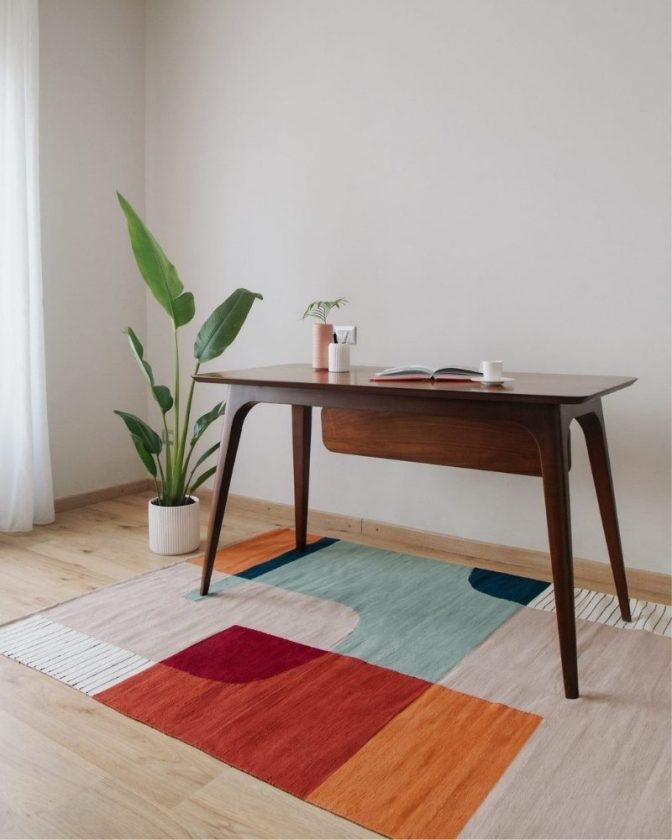
Kiliim’s rug are made using authentic kilim rug craftsmanship by artisans in Egypt coming from generations of kilim artisans. To ensure ethical production and to support the preservation of this heritage craft, Kiliim pays living wages to all artisans.
Price Range: $95 – $4,812
Conscious Qualities: Ethical Production, Heritage Craft Preservation, Natural Fibers
3. Urban Natural
Best for: browsing fair trade rugs in lots of styles and sizes
Categories: Outdoor, Area Rugs, and Accent Rugs
This natural home and lifestyle retailer has a beautifully curated selection of sustainably-made rugs crafted with materials like jute, sisal, wool, and cotton.
Several brands on Urban Natural are also ethically hand-loomed or hand-knotted, such as Loloi — a GoodWeave partner — and Jaipur Living — a brand that partners with thousands of local artisans to sustain heritage crafts.
Price Range: $259 – $9,755
Conscious Qualities: Eco-Conscious Materials

4. LOOMY
Best for: pet-friendly and performance rugs
Categories: Area Rugs, Accent Rugs, Runners, Outdoor Rugs
Founded by a weaver, LOOMY is dedicated to crafting beautiful artisan-made rugs that will last for decades to come.
LOOMY partners with highly-skilled artisan weavers who craft quality rugs made from eco-minded materials like banana silk, jute, and recycled cotton, plus performance options made from 100% recycled polyester built to withstand whatever life brings you.
Price Range: $298 – $8,298
Conscious Qualities: Natural Fibers, Craft Preservation, Vintage Options

5. West Elm
Best for: fair trade rugs in on-trend mainstream styles
Categories: Area Rugs, Accent Rugs
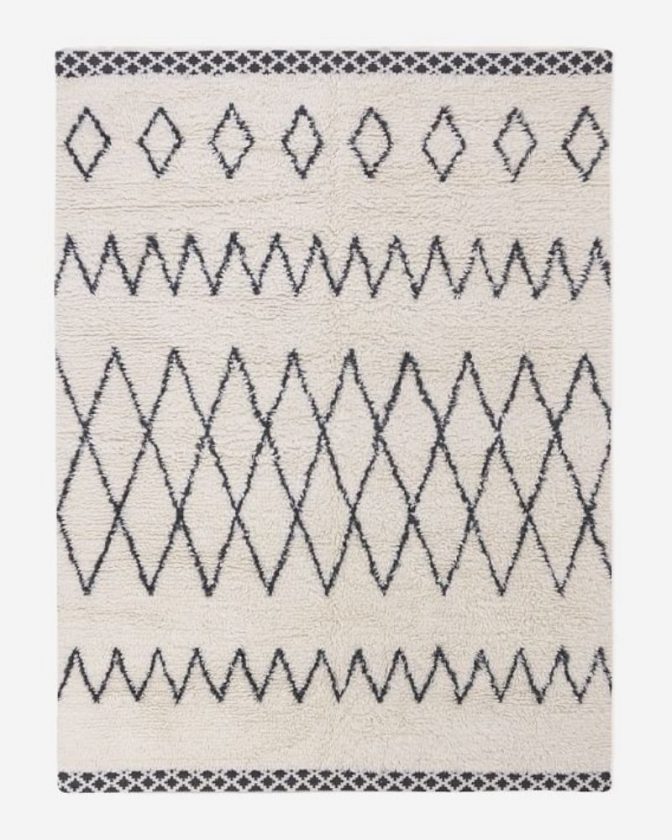
West Elm is bringing ethical rugs to a broader market with their collection of Fair Trade Certified wool and cotton rugs. While I recommend browsing the smaller shops listed above first, West Elm is supporting the movement to responsibly-made, fair trade rugs.
Price Range: $$$
Conscious Qualities: Fair Trade production, Majority Natural Materials
6. Jubi
Best for: Modern rugs in vibrant prints
Categories: Accent Rugs, Circle Rugs, Runners
Jubi is a Brooklyn studio founded by textile designer Cassie Dagostino. Every rug is handmade from New Zealand wool by fourth-generation weaving families in Bhadohi, India using traditional techniques. Each rug is made-to-order, meaning no excess stock. Since everything is made to order, expect between 3 and 7 weeks for your rug, depending on the technique used.
Conscious Qualities: Pays Above Market Rates, 100% Wool, Made-to-Order
Price Range: $228 – $668
Shipping: Free worldwide shipping

7. Rejuvenation
Best for: Classic rug styles made in Fair Trade factories
Categories: Accent Rugs, Runners, Area Rugs
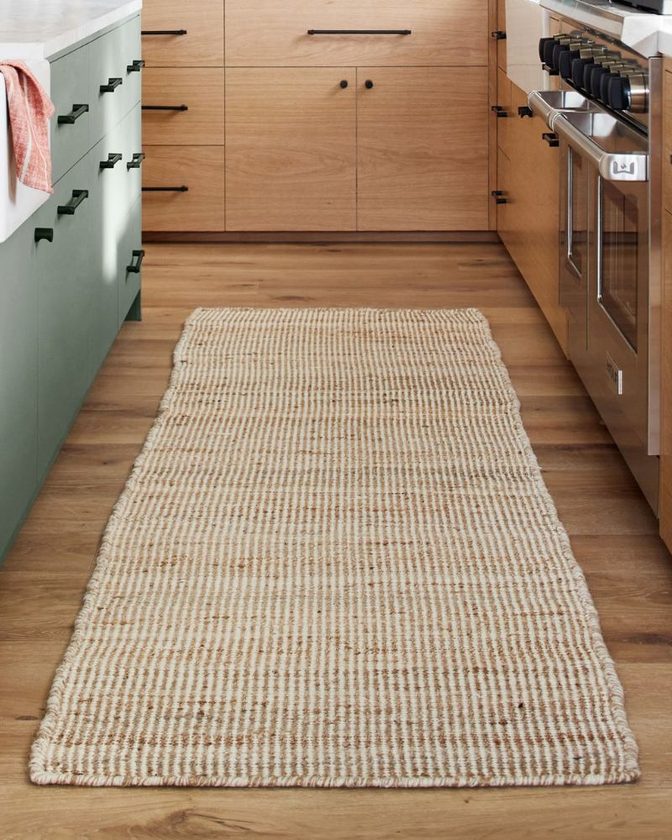
Home retailer Rejuvenation has a selection of rugs made in Fair Trade Certified factories. Their collection includes undyed hand-loomed rugs to geometric flatwoven wool rugs. And while I’d typically avoid synthetics, it tends to be unavoidable for outdoor rugs — so Rejuvenation’s Fair Trade 100% recycled poly rug is a good option.
Conscious Qualities: Fair Trade Certified, Mostly Natural Materials
Price Range: $79 – $1,649
Shipping: Contiguous U.S. shipping for 10% of product price (add $20 for HI, AK, and US. territorries)
Liked this guide to ethical rugs? You might also enjoy:
Ethical Home Decor Brands to Curate a Beautiful, Conscious Space
Eco-Friendly Furniture to Furnish Your Home Sustainably
Fair Trade and Eco-Friendly Blankets to Cozy Up With
The post 5 Best Ethical Fair Trade Rugs to Elevate Your Space appeared first on Conscious Life & Style.
As a longtime book lover, I may be biased, but I think a full bookshelf is one of the most beautiful additions to a space. There’s nothing better than seeing a showcase of your favorite reads alongside a TBR list.
A bookcase, though, can of course be used for all sorts of purposes from placing your favorite photos of family and friends to showcasing treasured vintage finds.
Whatever the case, this guide will help you find the right sustainable bookshelf for your living room, office, or wherever you like to cozy up with a good read!
So what make a bookcase more sustainable? What makes a bookshelf non-toxic?
First of all: sustain