

Today the Federal Energy Regulatory Commission (FERC) issued a rule through Order 1920 that will bring regional transmission planning into the modern era. This rule is a particularly big deal for the Southeast, as it will now require regional utilities to plan for the future and find ways for transmission to lower costs, improve reliability, and improve utilities’ ability to connect clean energy resources to the grid at the pace required to decarbonize the electricity sector.
Currently, regional transmission “planning” in the Southeast is conducted by an entity called the Southeastern Regional Transmission Planning (SERTP). The SERTP process is run by utilities, and meets the bare minimum of requirements from FERC’s Order 1000. That means that SERTP’s current process does not result in any transmission plans that provide regional benefits, but instead stack each utility’s transmission plans together like layers of a cake.
Under Order 1920, SERTP will have nearly a year to file a compliance plan outlining changes to its process to meet Order 1920 requirements.

Comparison of current SERTP process to requirements under FERC Order 1920
This order will change regional transmission planning in the Southeast by requiring SERTP to: look out farther into the future (at least 20 years); look at multiple potential futures (at least 3 scenarios); and look at multiple benefits. FERC requires consideration of seven specific benefits:
- Avoided or deferred reliability transmission facilities and aging infrastructure replacement
- Either reduced loss of load probability or reduced planning reserve margin
- Production cost savings
- Reduced transmission energy losses
- Reduced congestion due to transmission outages
- Mitigation of extreme weather events and unexpected system conditions
- Capacity cost benefits from reduced peak energy losses
FERC Chairman Willie Phillips stated that the Order’s number (1920) was chosen as a tribute to the creation of the Federal Power Commission (FPC), FERC’s predecessor, which was created by Congress in 1920. He goes on to state that the FPC was formed “to solve the urgent national challenge of how to develop energy infrastructure… needed to meet the demands of an emerging global superpower. Why did Congress do that? Because in 1920… Congress had fully grasped that large-scale development of the nation’s power infrastructure was essential.” Phillips continued, saying that “even in 1920 we as a country recognized that, when it comes to the electric system, we are all in this together.”
FERC also issued a second rule related to transmission today: Order 1977, focused on streamlining the permitting process for electric transmission. This order will also be impactful in the Southeast, however it is Order 1920 that will more likely address the first roadblock to transmission: shifting from piecemeal transmission within utility fiefdoms to holistic regional transmission planning for the common good.
We at SACE look forward to working with utilities and state regulators across the Southeast to find the best way to implement this rule and get the region on a path to transmission planning for the future.
The post FERC Puts the “Planning” in Regional Transmission Planning in the Southeast appeared first on SACE | Southern Alliance for Clean Energy.
FERC Puts the “Planning” in Regional Transmission Planning in the Southeast

 Does this guy have a solid point?
Is war a bad thing? What about rape and torture?
Do they point to weaknesses that must be strengthened?
Is Bullying a Bad Thing? Not if We Want a Society of Brutality
 Maybe the protestors are less concerned about length of time in office, and more with criminal authoritarianism.
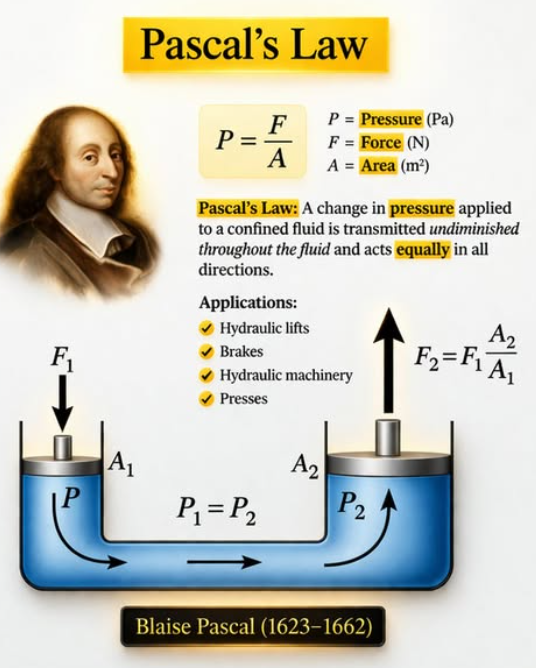 I have such respect for Pascal that I considered naming our son after him. (My wife wasn’t having it. Maybe if we lived in France?)
Pascal made important contributions to both math and physics but he’s perhaps best known for his philosophic “wager,” that it makes sense to believe in God, since if He exists, you’ll be very glad you did, and if He doesn’t, you haven’t lost anything. I counter that this is not how we accept or reject religious tenets.



-
Climate Change8 months ago
Guest post: Why China is still building new coal – and when it might stop
-
Greenhouse Gases8 months ago
Guest post: Why China is still building new coal – and when it might stop
-

 Greenhouse Gases2 years ago
嘉宾来稿:满足中国增长的用电需求 光伏加储能“比新建煤电更实惠”
-
Climate Change2 years ago
Bill Discounting Climate Change in Florida’s Energy Policy Awaits DeSantis’ Approval
-

 Climate Change2 years ago
嘉宾来稿:满足中国增长的用电需求 光伏加储能“比新建煤电更实惠”
-
Climate Change Videos2 years ago
The toxic gas flares fuelling Nigeria’s climate change – BBC News
-

 Carbon Footprint2 years ago
US SEC’s Climate Disclosure Rules Spur Renewed Interest in Carbon Credits
-

 Renewable Energy5 months ago
Sending Progressive Philanthropist George Soros to Prison?