

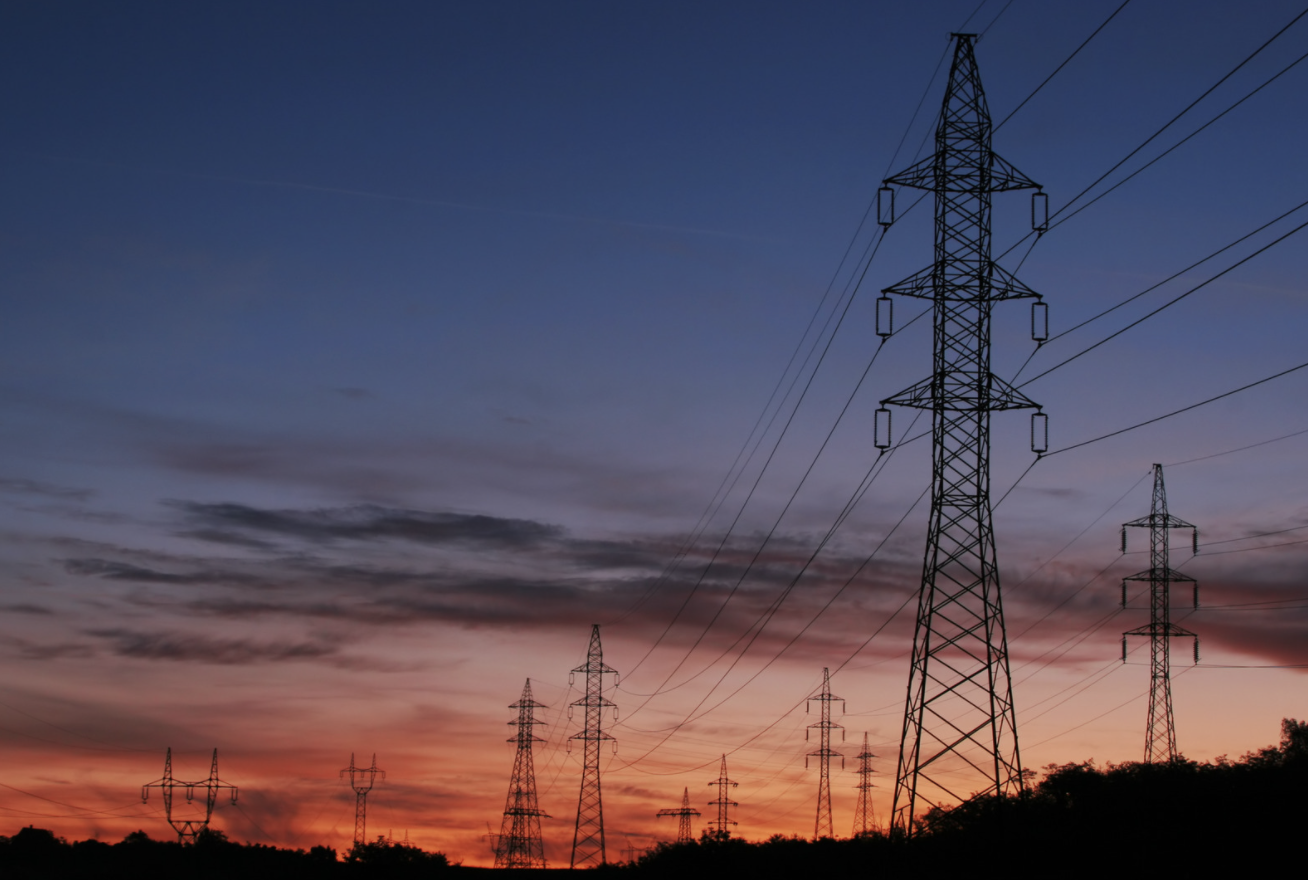
Despite the need for more regional transmission capacity in the Southeast, our region’s utilities have resisted building new lines.
It’s been almost nine months since the Federal Energy Regulatory Commission (FERC) issued Order 1920 to improve transmission planning across the country. The benefits of improved transmission are numerous: as SACE wrote when the rule was issued last May, they include lower energy costs, fewer power outages, and more clean energy.
These benefits offer solutions to problems that the Southeast has experienced acutely in the past nine months. Our region has been hit hard by two hurricanes exacerbated by climate change, which knocked out power for millions of customers, with the unluckiest waiting weeks before getting theirs restored. Meanwhile, electricity demand is soaring thanks to population growth in the Southeast coinciding with extreme weather. TVA set a record for electricity load on January 22. This trend will grow even more pronounced as data centers like the xAI facility in Memphis continue to sprout up.
A Series of Delays
Despite the need for more regional transmission capacity, our region’s utilities have resisted building new lines, and there is no regional authority to require them to do so in the Southeast. While other parts of the country have interstate regulators known as regional transmission organizations (RTOs), the Southeast has no such entity. Instead, we have the Southeastern Regional Transmission Planning Group (SERTP), a collection of regional utilities with no regulatory staff or responsibilities.
So far, SERTP’s response to Order 1920 has been to offer reasons why it should not yet come into effect. The rule provided utilities with about one year to comply, but SERTP has made it clear that they don’t think that year is sufficient. Throughout three public meetings since last May, SERTP has offered no details about its compliance plans and has now filed for an extension.
Order 1920 includes a provision to extend its deadline by six months if utilities can show good cause, but SERTP is asking for an even longer extension—a full year beyond the original deadline.
What Will SERTP Do With Its Time?
At last month’s “stakeholder engagement meeting,” SERTP invited interested parties to offer ideas and concerns about the best ways to reimagine transmission planning for our region. Regional clean energy advocates, including SACE, provided hours of feedback and ideas, including an overview of the basics of good transmission planning – a subject that has been studied extensively – and detailed suggestions based on the planning in other parts of the country. Some stakeholders even made procedural suggestions, indicating how SERTP could devise its compliance strategy within the original timeframe set by FERC.
It remains to be seen which of these suggestions SERTP might follow. And with the original Order 1920 deadline approaching around three months from now, it is increasingly likely that the deadline will be nearly upon us by the time we find out. Does SERTP have a working transmission plan that they haven’t shared yet? What will they do if their request for an extension is denied? If their request is approved, when might we begin to see badly needed electricity lines bringing clean, low-cost energy into millions of homes? At the moment, we have no way to know.
The Cost of Waiting
While all this bureaucratic maneuvering continues, energy customers throughout the Southeast will be the ones dealing with the cost of delays. That cost could come in many forms: rolling blackouts like the ones during Winter Storm Elliott, skyrocketing electricity bills, especially during the summer heat, or any number of unpredictable outcomes from hurricanes and other extreme weather events.
Regulators, customers, and everyone in the region need to know that they’re paying the cost. We have a long way to go to modernize and repair our transmission system, and we can’t wait any longer to get started.
The post FERC Order 1920 Warns the Southeastern Power Grid is Failing. Utilities Are Avoiding Upgrades as Long as Possible. appeared first on SACE | Southern Alliance for Clean Energy.

Weather Guard Lightning Tech
Trump Targets Revolution Wind, Nordex Q3 EBITDA Doubles
Allen covers the Trump administration’s bid to reopen Revolution Wind’s permit, a bipartisan Senate permitting deal, Nordex’s doubled third-quarter profit, and GE Vernova’s new wind chief.
The Uptime Wind Energy Podcast is brought to you by Weather Guard Lightning Tech, creators of the StrikeTape Ultra LPS retrofit. Subscribe to Uptime’s Substack newsletter. And check out Rosemary’s “Engineering with Rosie” Youtube channel. Have a question we can answer on the show? Email us!
 Have you ever wondered why every dictator in human history follows the exact same playbook? Check this out
Plato nailed this 2400 years ago, and it’s been on “rinse/repeat” ever since.
 On average, I meet perhaps 50 K-12 teachers each year, and I often ask them: What is the biggest challenge you face that impacts your ability to connect with and educate your students?
Here’s a rough tabulation:
Screen time, how it robs kids of their ability to pay attention, impedes social interaction, and makes parenting more difficult: 80%
Everything else combined: 20%
Maybe this is a cynical viewpoint, but it seems like that world of today revolves around the mega-corporations profiting by punishing their customers.
In this case, we have the tech giants ruining the lives of our children. Elsewhere, we have healthcare industry driving people into bankruptcy, Big Oil ruining our planet, the gun lobby murdering our kids, and, of course, an ultra-corrupt government looting our treasury to pay off billionaire donors.
Note that this wasn’t the case when we boomers were growing up 60 years ago. This is a distinctive shift from the 1960s when corporate America was focused on things like color TVs and the Ford Mustang.

IPCC scientists vow to press on with climate reports despite political deadlock

Sustainability In Your Ear: XPRIZE’s David Babson on Why Climate Grand Challenges Need Buyers, Too
Trump Targets Revolution Wind, Nordex Q3 EBITDA Doubles
-
Climate Change1 year ago
Guest post: Why China is still building new coal – and when it might stop
-

 Greenhouse Gases2 years ago
嘉宾来稿:满足中国增长的用电需求 光伏加储能“比新建煤电更实惠”
-
Greenhouse Gases1 year ago
Guest post: Why China is still building new coal – and when it might stop
-

 Climate Change2 years ago
嘉宾来稿:满足中国增长的用电需求 光伏加储能“比新建煤电更实惠”
-

 Renewable Energy12 months ago
Sending Progressive Philanthropist George Soros to Prison?
-
Climate Change2 years ago
Bill Discounting Climate Change in Florida’s Energy Policy Awaits DeSantis’ Approval
-
Greenhouse Gases1 year ago
嘉宾来稿:探究火山喷发如何影响气候预测
-

 Climate Change2 years ago
Analysis: China’s CO2 falls 1% in Q2 2024 in first quarterly drop since Covid-19