


Dancing with the Trade Winds: Exploring Brazil’s Wind Farm Landscape
From the sun-drenched shores of Bahia to the rugged plateaus of the Northeast, Brazil’s diverse landscape embraces not just vibrant culture and natural beauty, but also the power of the wind.
As a global leader in wind energy production, Brazil boasts a network of wind farms that paint a picture of innovation and sustainability. Let’s embark on a breezy journey, exploring the statistics, key projects, and future prospects of this dynamic sector.
A Statistical Snapshot:
- Installed Capacity: As of 2023, Brazil stands strong with an impressive 22.6 gigawatts (GW) of installed wind power capacity, contributing over 13% of the nation’s electricity demand. This translates to generating roughly 51 terawatt-hours (TWh) of electricity annually, significantly reducing reliance on fossil fuels.
- Growth Trajectory: Brazil’s wind power sector has experienced remarkable growth, averaging a 14.8% annual increase in installed capacity over the past decade. This translates to adding roughly 3.3 GW of new wind power capacity every year, solidifying its position as a wind energy leader.
- Geographic Distribution: Wind farms strategically dot the Brazilian landscape, with the Northeast region taking the lead due to its strong and consistent trade winds. States like Bahia, Rio Grande do Norte, and Ceará hold the top positions. Other notable regions include the South and Southeast.
Landmark Projects:
- Oitis Wind Complex: Situated across Piauí and Bahia states, this complex comprises 12 individual wind farms boasting a combined capacity of 566.5 MW. Its 462 turbines stand as the largest onshore wind farm project in Latin America and the second largest in the world, showcasing the potential of large-scale development.
- Lagoa dos Ventos Wind Farm: Nestled in Rio Grande do Norte, this project holds the title of the largest onshore wind farm in Brazil with a capacity of 716 MW. Its 292 turbines stand tall, harnessing the region’s abundant wind resources and contributing significantly to national power generation.
- Uruguaiana Offshore Wind Farm: Located off the coast of Rio Grande do Sul, this project marks Brazil’s foray into offshore wind energy, boasting a planned capacity of 1,100 MW. With construction expected to begin in 2024, it represents a pivotal step towards diversifying the nation’s renewable energy portfolio.
Looking Ahead:
Brazil’s ambitious goal targets 50 GW of installed wind power capacity by 2030, requiring sustained investment, technological advancements, and social responsibility. With a commitment to climate change mitigation and energy security, wind power stands as a cornerstone in Brazil’s transition to a greener future.

To illuminate the Brazilian wind farm landscape, here are two data tables
Table 1: Top 5 States by Installed Wind Power Capacity (as of 2023):
| State | Installed Capacity (GW) | Percentage of National Total |
|---|---|---|
| Bahia | 5.9 | 26.1% |
| Rio Grande do Norte | 3.5 | 15.5% |
| Ceará | 2.7 | 11.9% |
| Piauí | 2.2 | 9.8% |
| Rio Grande do Sul | 1.7 | 7.5% |
Table 2: Projected Wind Power Capacity Growth in Brazil:
| Year | Installed Capacity (GW) | Projected Annual Increase (%) |
|---|---|---|
| 2025 | 28.0 | 7.5% |
| 2030 | 36.0 | 5.7% |
| 2035 | 43.0 | 4.3% |
| 2040 | 48.0 | 2.3% |
| 2050 | 50.0 | 0.8% |
The Road Ahead:
The Brazilian wind power sector faces challenges including grid integration limitations, environmental concerns, and social impacts on local communities. However, innovative solutions, policy advancements, and community engagement offer promising opportunities. By navigating these challenges and capitalizing on its strong wind resources, Brazil can solidify its position as a global wind energy leader, contributing to a more sustainable future for itself and the world.
https://www.exaputra.com/2024/02/exploring-brazils-wind-farm-landscape.html


 Poor and working-class Americans are struggling with the current economy.
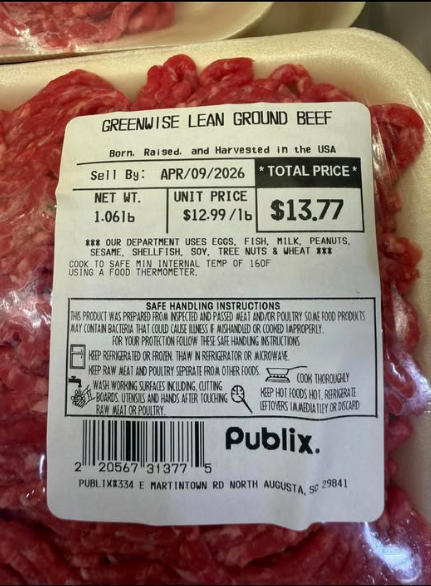
The MAGA base must be going insane. Trump’s telling them that the economy is great while they’re paying $6/gallon of gas and $12.99 for a pound of hamburger.
Re: what comedian Bill Maher says at left: bullcrap.
The “left” would like to see the United States a) evolve into a social democracy like the countries in Northern Europe, and b) expel its authoritarian president.
Not much new here, and certainly, nothing “goofy.”
 Those wishing to know why Rex Tillerson, former CEO and chairman of ExxonMobil, lasted only 13 months as Trump’s Secretary of State need look no further than the meme at left.
Trump places essentially zero value on the law, as demonstrated by his attempt to overthrow the U.S. federal government when he lost the 2020 election. People who will not commit crimes on his behalf don’t last long.


-
Climate Change8 months ago
Guest post: Why China is still building new coal – and when it might stop
-
Greenhouse Gases8 months ago
Guest post: Why China is still building new coal – and when it might stop
-

 Greenhouse Gases2 years ago
嘉宾来稿:满足中国增长的用电需求 光伏加储能“比新建煤电更实惠”
-
Climate Change2 years ago
Bill Discounting Climate Change in Florida’s Energy Policy Awaits DeSantis’ Approval
-

 Climate Change2 years ago
嘉宾来稿:满足中国增长的用电需求 光伏加储能“比新建煤电更实惠”
-
Climate Change Videos2 years ago
The toxic gas flares fuelling Nigeria’s climate change – BBC News
-

 Renewable Energy6 months ago
Sending Progressive Philanthropist George Soros to Prison?
-

 Carbon Footprint2 years ago
US SEC’s Climate Disclosure Rules Spur Renewed Interest in Carbon Credits