


Electric Vehicle
Austria is driving towards a greener future
Austria, a country renowned for its breathtaking landscapes and commitment to environmental conservation, is embracing the transition to electric vehicles (EVs) as a key step towards sustainable transportation.
With its robust charging infrastructure, supportive policies, and innovative initiatives, Austria is driving towards a greener future. In this article, we explore Austria’s journey towards electric mobility, examine the driving factors behind its success, and discuss the environmental and economic benefits that EVs bring to the country.
Supportive Policies and Incentives
Austria’s government has implemented a range of supportive policies and incentives to encourage the adoption of electric vehicles. Financial incentives, such as purchase subsidies and tax benefits, make EVs more affordable and appealing to consumers. The government also offers incentives for the installation of private charging stations, further enhancing the convenience of owning an electric vehicle. These measures are aimed at accelerating the transition to sustainable transportation and reducing carbon emissions.
Expanding Charging Infrastructure
Austria has invested significantly in the development of a comprehensive charging infrastructure to cater to the growing number of electric vehicles on its roads. Public charging stations are strategically located in urban centers, shopping centers, parking lots, and along major highways, ensuring that EV owners have easy access to charging facilities. The focus on expanding the charging network, including the deployment of fast-charging stations, addresses range anxiety concerns and enables longer trips. Austria’s commitment to a robust charging infrastructure is crucial in promoting electric mobility.
Environmental Benefits and Carbon Reduction
The adoption of electric vehicles in Austria brings significant environmental benefits, primarily in reducing greenhouse gas emissions and improving air quality. EVs produce zero tailpipe emissions, contributing to the reduction of carbon dioxide and other pollutants compared to conventional combustion engine vehicles. By replacing internal combustion engine vehicles with electric alternatives, Austria is actively addressing climate change and working towards achieving its carbon reduction targets. The integration of renewable energy sources in the charging infrastructure further enhances the environmental advantages of electric vehicles.
Technological Advancements and Innovation:
Austria is a hub for technological advancements and innovation in the electric vehicle sector. The country boasts renowned automotive manufacturers, research institutions, and startups that are actively contributing to the development of electric vehicle technology. Collaborations between academia, industry, and government entities foster innovation and drive advancements in battery technology, charging infrastructure, and smart mobility solutions. Austria’s commitment to technological progress positions it as a leader in the electric vehicle revolution.
Economic Opportunities and Job Creation
The transition to electric vehicles in Austria presents significant economic opportunities and job creation. The growth of the electric vehicle industry stimulates investment, research and development, and the creation of skilled jobs. Austria’s focus on domestic manufacturing and supply chain development for electric vehicle components fosters economic growth and supports the creation of employment opportunities. Moreover, the expansion of the charging infrastructure sector and the integration of renewable energy sources contribute to the development of a sustainable and resilient economy.
Austria’s commitment to electric vehicles showcases its dedication to sustainability and environmental preservation. Through supportive government policies, investments in charging infrastructure, technological advancements, and a focus on innovation, Austria is driving the transition towards sustainable transportation. The environmental benefits, improved air quality, and economic opportunities presented by electric vehicles position Austria as a leader in sustainable mobility. As the country continues to promote electric vehicle adoption and advance its efforts in decarbonization, it sets an inspiring example for other nations to follow in the pursuit of a cleaner and more sustainable future.

Implementation of Latest Technology of Electric Vehicle in Austria
Here are some general trends and advancements in EV technology that have been observed globally:
1. Increased Driving Range: Electric vehicles have been improving their driving range over time. With advancements in battery technology, many EV models now offer longer ranges, reducing range anxiety and making them more practical for everyday use.
2. Fast Charging Infrastructure: The development of fast-charging infrastructure has been a focus in many countries, including Austria. High-power charging stations enable faster charging times, making long-distance travel more convenient for EV owners.
3. Enhanced Battery Technology: Battery technology continues to evolve, with advancements in energy density, longevity, and charging speed. Newer battery chemistries such as solid-state batteries and lithium-sulfur batteries hold promise for further improving EV performance and reducing costs.
4. Electric Vehicle Models: Automobile manufacturers worldwide are introducing new electric models with innovative features. These models often incorporate advanced driver-assistance systems (ADAS), improved connectivity, and enhanced user experiences.
Please note that specific advancements and technologies in the EV sector may have progressed since my knowledge cutoff. To stay updated on the latest technology and developments of electric vehicles in Austria, I recommend referring to automotive news sources, industry publications, and official websites of EV manufacturers and research organizations operating in Austria.
https://www.exaputra.com/2023/07/electric-vehicle-development-in-austria.html




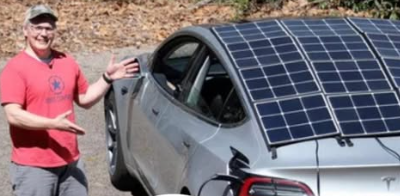

 Have we hit the tipping point on climate change? For example, has the melting permafrost in the Arctic released so much methane that a runaway feedback loop has been established?
As suggested at left, an analogous question could be asked about the level corruption in the U.S. government.
Weather Guard Lightning Tech
Nordex Outsells Vestas, GE Vernova Rebuilds Wind Team
Nordex closes in on Vestas in onshore orders, GE Vernova rebuilds its wind team, Nexxis buys BladeBug, and wooden blades draw doubts.
The Uptime Wind Energy Podcast is brought to you by Weather Guard Lightning Tech, creators of the StrikeTape Ultra LPS retrofit. Subscribe to Uptime’s Substack newsletter. And check out Rosemary’s “Engineering with Rosie” Youtube channel. Have a question we can answer on the show? Email us!
Weather Guard Lightning Tech

Siemens Gamesa Builds Hornsea Blades, NEMS Invests in Perth
Siemens Gamesa starts Hornsea 3 blade production in Hull, Germany approves an Offshore Wind Act amendment, and Nexxis buys BladeBUG.
The Uptime Wind Energy Podcast is brought to you by Weather Guard Lightning Tech, creators of the StrikeTape Ultra LPS retrofit. Subscribe to Uptime’s Substack newsletter. And check out Rosemary’s “Engineering with Rosie” Youtube channel. Have a question we can answer on the show? Email us!
Episode Transcript
Uptime News Flash
September 7, 2026
Happy Monday, everyone. Well, let’s talk about the biggest wind farm on earth. It doesn’t exist yet, but its blades are being built right now. Over in Hull, England, Siemens Gamesa just started making blades for Ørsted’s Hornsea 3 offshore wind farm. That’s two point nine gigawatts, one hundred and ninety-seven turbines. Each blade is longer than a football pitch. Fourteen hundred workers build blades in that factory, turning raw materials into finished product. When complete, Hornsea 3 will power more than three million British homes. It’s the single largest offshore wind farm in the world.
And if we slide over to Germany for a moment, the German cabinet just approved an amendment to the Offshore Wind Act, the WindSeeG. It’s headed to the Bundestag next. The goal? New rules by January first, twenty twenty-seven. But the Offshore Wind Energy Foundation says the draft does not go far enough. Sixteen gigawatts of awarded projects are still waiting on final investment decisions. Sixteen — that’s quite a few. The foundation wants a new way for developers to hand back sites they can’t build, so those sites can be re-tendered quickly under conditions that actually work. Sort of a use-it-or-lose-it approach. That’s the idea.
We’ll head a little further east to India. India ranks fourth in the world for installed wind power, but probably not for long. A government official said this week that India will overtake Germany and become the world’s third-largest wind energy nation by twenty thirty — one hundred seven gigawatts of installed capacity. India added a record six gigawatts last year alone, shattering their previous record of a little over four gigawatts. And twenty-eight more gigawatts are under construction right now. Impressive.
Let’s head down to Western Australia, because a company called National Electric Motor Services, NEMS for short, is building a one million dollar facility in Perth to test and repair wind turbine generators. Right now, Australian wind farm operators ship their broken generators overseas for repairs, and that takes months. NEMS is the only authorized service center for ELIN Motoren in all of Western Australia. This is the fifth project funded through Australia’s Wind Energy Manufacturing Co-investment program. Local repair, faster turnaround, and homegrown capability — that’s all good.
And staying in Australia, Perth-based Nexxis Technology just bought a British robotics company, BladeBUG. BladeBUG is a robot that uses suction cups to crawl across wind turbine blades. Nexxis already has a robot called Magneto that uses electromagnetic adhesion to climb steel structures. If you put the two together, you can inspect almost any surface on a turbine, or about anything else. Add AI and machine vision, and you have robots that can see what human eyes might miss, from places human hands shouldn’t have to reach. It’s safer, faster, and it’s going to be a lot smarter.
One more story before we finish today. Siemens Gamesa has now installed more than 300 recyclable blades in six countries. The secret is a new resin. Unlike conventional resins, this one lets you separate the blade components at end of life, so you can separate the fabric from the resin. Cool stuff. Jonas Pagh Jensen, head of sustainability at Siemens Gamesa, says the technology is ready for full-scale use. And Siemens Gamesa has already installed 36 GreenerTower units — steel towers with 63% lower carbon emissions. So although sustainability may have faded from the headlines, it’s still in tender documents, and it’s showing up more than ever. In Denmark, the Netherlands, and France, buyers are all asking about recyclability and decarbonization before they award contracts.
So what should you be watching this week? Recyclability is no longer a nice-to-have — it’s a must-have, and it’s showing up in tender scoring. If your blades can’t be recycled at end of life, you may not win the contract to begin with. And a lot of supply chains are going local. Australia doesn’t want to ship generators overseas anymore. India is building its own turbine factories. The countries buying wind power want it built at home. For professionals in the wind industry, the competitive edge is shifting — it’s not just who can build the best turbine, it’s who can build it locally, recycle it fully, and inspect it without putting a person in a harness.



-
Climate Change1 year ago
Guest post: Why China is still building new coal – and when it might stop
-

 Greenhouse Gases2 years ago
嘉宾来稿:满足中国增长的用电需求 光伏加储能“比新建煤电更实惠”
-
Greenhouse Gases1 year ago
Guest post: Why China is still building new coal – and when it might stop
-

 Climate Change2 years ago
嘉宾来稿:满足中国增长的用电需求 光伏加储能“比新建煤电更实惠”
-

 Renewable Energy11 months ago
Sending Progressive Philanthropist George Soros to Prison?
-
Climate Change2 years ago
Bill Discounting Climate Change in Florida’s Energy Policy Awaits DeSantis’ Approval
-
Greenhouse Gases1 year ago
嘉宾来稿:探究火山喷发如何影响气候预测
-

 Carbon Footprint2 years ago
US SEC’s Climate Disclosure Rules Spur Renewed Interest in Carbon Credits