

Cheeky chubby babies, I love ‘em. I have had the great pleasure of being around some littles this past year. I have a 7 month old great niece and 3 of my bonus daughters have babies under 13 months. I also have young friends who have made a difficult decision to not bring children into the world as it is and is on trajectory to become.
It is a radical act of hope to bring a child into this world right now.
So for the life of me I cannot understand why we who make decisions can’t or won’t make decisions that center the children. And their children. And their children in turn, out seven generations as the Haudenosaunee (Iroquois) philosophy mandates. Why aren’t we considering the impacts seven generations out as we lead our families, communities, states and nations in decisions small and grand every single day? How can we reconcile our hopes and dreams for our babies with our decision to continue to burn fossil fuels, engage in war, and collect stuff we do not need?
A UNICEF report from 2024 finds that climate change is endangering children’s health at every stage of development and consolidates growing evidence of climate change’s effects on children’s health, identifying six major hazards: extreme heat, droughts, wildfires, floods, air pollution and ecosystem changes. Climate-related displacement is a major concern. Over the past six years, weather-related disasters caused 43.1 million internal displacements of children, averaging about 20,000 daily. A warming world is intensifying infectious diseases like malaria and dengue.
The report is not an easy read — more than an inconvenient truth for anyone with a heart. Just like the reality of the tragedy experienced at Annunciation School here in Minneapolis earlier this month. Deeply unsettling and disturbing. But are either shocking enough to move us to action?
Here in the USA, we have increased giveaways to the fossil fuel industry by over $4 billion per year. Those funds could provide nutrition to 3 million families through SNAP. $4 billion in funding for early childhood education (ECE) could significantly expand access to high-quality programs for millions of children, leading to long-term benefits like improved academic performance, increased adult productivity, and higher earnings for parents. $4 billion could significantly improve the quality of public education for our k-12 learners. 54 million households could install solar panels with those funds.
Our children, all of them, the whole world of children, deserve a future. They bear absolutely zero responsibility for the making of the climate crisis. They have zero responsibility for the lack of safety in their schools and communities. But they suffer because we have put profits before people, profits before children.
It really doesn’t have to be this way. We know what we could and should do. So I ask again, are we ready to figure it out for the children? Because we are, and we need you to join us.
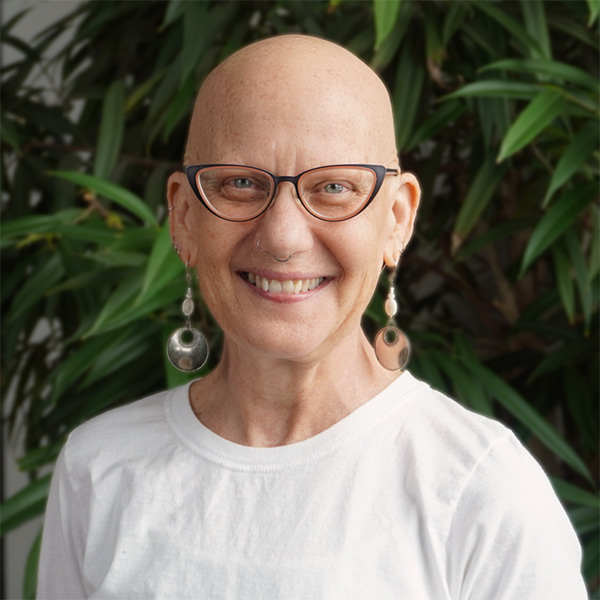
Susan Phillips
Executive Director
Photo credit: Asian Development Bank
The post Can we just figure it out for the children? Or for the Babies appeared first on Climate Generation.
Can we just figure it out for the children? Or for the Babies

The invasive emerald ash borer, native to northeast Asia, has spread to 37 states over the past quarter century, killing nearly all of the ash trees it infests. But in Maine, a coalition of basketmakers, scientists and government officials are plotting a future for their trees.
Each strip of wood in Richard Silliboy’s hands started as a year of an ash tree’s life.
Climate Change
Toxic Ocean Crisis in Papua New Guinea Sparks Mass Marine Die-Off and Public Health Emergency
Thousands of dead fish are washing ashore and people are falling ill too, as officials investigate possible sources of contamination.
It started in December, when dead fish began washing ashore New Ireland—a mountainous island in Papua New Guinea’s New Ireland Province, flanked by the Pacific Ocean and the Bismarck Sea.
Toxic Ocean Crisis in Papua New Guinea Sparks Mass Marine Die-Off and Public Health Emergency
Go behind the scenes with senior editor Corey Mitchell and reporter Bob Berwyn as they discuss critical measures of the planet’s health.
“Earth is being pushed beyond its limits while every key climate indicator is flashing red,” warned U.N. Secretary-General António Guterres after the release of the latest State of the Global Climate report from the World Meteorological Organization.



-
Climate Change8 months ago
Guest post: Why China is still building new coal – and when it might stop
-
Greenhouse Gases8 months ago
Guest post: Why China is still building new coal – and when it might stop
-

 Greenhouse Gases2 years ago
嘉宾来稿:满足中国增长的用电需求 光伏加储能“比新建煤电更实惠”
-
Climate Change2 years ago
Bill Discounting Climate Change in Florida’s Energy Policy Awaits DeSantis’ Approval
-

 Climate Change2 years ago
嘉宾来稿:满足中国增长的用电需求 光伏加储能“比新建煤电更实惠”
-
Climate Change Videos2 years ago
The toxic gas flares fuelling Nigeria’s climate change – BBC News
-

 Renewable Energy5 months ago
Sending Progressive Philanthropist George Soros to Prison?
-

 Carbon Footprint2 years ago
US SEC’s Climate Disclosure Rules Spur Renewed Interest in Carbon Credits