

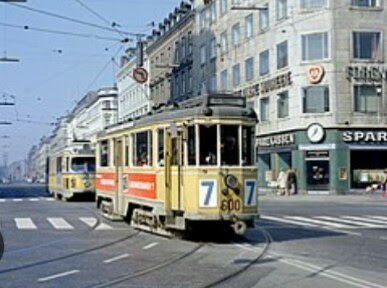
Sustainable Transportation
Introduction Sustainable Transportation in Copenhagen
Copenhagen, the vibrant capital city of Denmark, has gained international recognition for its outstanding commitment to sustainable transportation.
The city’s approach to urban mobility serves as a role model for other urban centers worldwide.
By prioritizing cycling, public transport, and innovative solutions, Copenhagen has successfully created a transportation system that reduces congestion, improves air quality, and enhances the quality of life for its residents.
In this article, we will explore the key elements that make Copenhagen’s transportation system sustainable and how it can inspire other cities to follow suit.
Sustainable transportation in Copenhagen
1. Cycling Culture and Infrastructure
Copenhagen’s renowned cycling culture is at the heart of its sustainable transportation revolution. With over 400 kilometers of dedicated bike lanes, the city has created a safe and efficient infrastructure for cyclists. The network seamlessly connects residential areas, business districts, and public transport hubs, encouraging people to choose bikes as their primary mode of transportation.
Moreover, the city has implemented numerous initiatives to promote cycling, including bike-sharing programs, bike-friendly traffic signals, and secure parking facilities.
2. Expansive Public Transport System
Copenhagen’s public transport system is comprehensive and highly efficient. The city boasts an extensive network of buses, trains, and metros, ensuring that residents have convenient and reliable alternatives to private vehicles. The integration of various modes of public transport allows for seamless interconnectivity, reducing travel times and congestion.
Additionally, Copenhagen aims to achieve carbon neutrality by 2025, with public transport being a key component of this ambition.
3. Pedestrian-Friendly Urban Design
Copenhagen’s commitment to sustainable transportation extends beyond cycling and public transport. The city’s urban design prioritizes pedestrians, creating a safe and pleasant environment for walking.
Wide sidewalks, pedestrianized streets, and green spaces enhance the overall pedestrian experience, encouraging people to choose walking for shorter trips. By prioritizing pedestrians, Copenhagen promotes active lifestyles, reduces emissions, and fosters social interaction within the community.
4. Embracing Electric Mobility
To further reduce carbon emissions, Copenhagen has embraced electric mobility. The city has installed an extensive network of charging stations, making electric vehicles a viable option for residents and visitors.
Moreover, Copenhagen has electrified its bus fleet and is gradually introducing electric taxis and delivery vehicles. By transitioning to electric mobility, the city aims to reduce noise pollution and improve air quality, contributing to a healthier urban environment.
5. Innovative Solutions: Intelligent Transportation Systems
Copenhagen actively integrates technology into its transportation system to optimize efficiency and enhance user experience. Intelligent transportation systems play a crucial role in managing traffic flow, providing real-time information to commuters, and facilitating smart mobility solutions.
These innovations include intelligent traffic lights, dynamic parking systems, and smartphone applications that enable users to plan their journeys and access up-to-date information on various transportation options.

Public Transport System in Copenhagen
Copenhagen, the capital city of Denmark, has a well-developed and efficient public transport system.
The main components of the public transport system in Copenhagen include:
1.: The S-train network covers the city and its suburbs, connecting various neighborhoods and districts. It’s an integral part of the public transport system, offering frequent and reliable services.
2. Metro: Copenhagen has a modern and expanding metro system with two lines, M1 and M2. The metro connects the city center to the surrounding areas, providing a fast and convenient way to travel.
3. Buses: The bus network in Copenhagen complements the train and metro services, providing comprehensive coverage of the city. Buses run frequently, and many of them operate during the night as well.
4. Harbour Buses: Copenhagen’s unique harbour buses offer transportation across the city’s harbor, providing a scenic way to travel between certain waterfront locations.
5. City Bikes: Copenhagen is known for being a bike-friendly city, and there’s a bike-sharing system available, making it easy for residents and visitors to rent bikes and cycle around the city.
The public transport system in Copenhagen is well-integrated, and various ticket options are available to suit different travel needs. For the most up-to-date information, it’s best to refer to official sources or check with local authorities.

Conclusion Sustainable Transportation in Copenhagen
Copenhagen’s sustainable transportation initiatives have transformed the city into a global leader in eco-friendly urban mobility.
By prioritizing cycling, public transport, and pedestrian-friendly design, Copenhagen has successfully reduced congestion, improved air quality, and enhanced the overall quality of life for its residents.
Through embracing electric mobility and integrating intelligent transportation systems, the city continues to innovate and push the boundaries of sustainable transportation.
As other cities around the world face the challenges of urbanization and climate change, they can look to Copenhagen as a model for building a sustainable, efficient, and people-centric transportation system.
By adopting similar strategies and tailoring them to their unique contexts, cities can pave the way toward a greener and more livable future.
https://www.exaputra.com/2023/08/sustainable-transportation-in.html

 The answer will probably surprise you.
 To the author of the meme here, FWIW, I agree. My wife employed a decent number of immigrants from Mexico for her horse breeding operation, and I found them to be hardworking, honest, respectful, and family-oriented.
Weather Guard Lightning Tech

Ørsted Finishes Drone Trial, Iberdrola Exits South Korea
Allen covers Ørsted’s Hornsea 2 drone trial, the DeepWind test site, Germany’s proposed land rent cap, and Iberdrola’s Korea exit.
The Uptime Wind Energy Podcast is brought to you by Weather Guard Lightning Tech, creators of the StrikeTape Ultra LPS retrofit. Subscribe to Uptime’s Substack newsletter. And check out Rosemary’s “Engineering with Rosie” Youtube channel. Have a question we can answer on the show? Email us!



-
Climate Change1 year ago
Guest post: Why China is still building new coal – and when it might stop
-

 Greenhouse Gases2 years ago
嘉宾来稿:满足中国增长的用电需求 光伏加储能“比新建煤电更实惠”
-
Greenhouse Gases1 year ago
Guest post: Why China is still building new coal – and when it might stop
-

 Climate Change2 years ago
嘉宾来稿:满足中国增长的用电需求 光伏加储能“比新建煤电更实惠”
-

 Renewable Energy12 months ago
Sending Progressive Philanthropist George Soros to Prison?
-
Climate Change2 years ago
Bill Discounting Climate Change in Florida’s Energy Policy Awaits DeSantis’ Approval
-
Greenhouse Gases1 year ago
嘉宾来稿:探究火山喷发如何影响气候预测
-

 Climate Change2 years ago
Analysis: China’s CO2 falls 1% in Q2 2024 in first quarterly drop since Covid-19