


Carbon
In today’s world, businesses have a crucial role to play in addressing climate change. Understanding and measuring their carbon footprint is a fundamental step towards adopting sustainable practices.
A carbon footprint calculator tailored for businesses provides valuable insights into their environmental impact.
This article explores the importance of using such calculators, backed by facts and data.
Data and Facts Carbon Footprint Measuring Calculator
Measuring the carbon footprint of a business involves quantifying the greenhouse gas emissions resulting from its operations, including energy consumption, transportation, waste generation, and supply chain activities.
Here are some data and facts related to carbon footprints of businesses:
1. Emissions Breakdown
According to the Intergovernmental Panel on Climate Change (IPCC), globally, around 71% of greenhouse gas emissions come from energy production, 14% from industry, and 11% from agriculture, forestry, and other land-use.
2. Supply Chain Emissions
A significant portion of a business’s carbon footprint can be attributed to its supply chain activities. The Carbon Disclosure Project (CDP) reports that, on average, supply chain emissions are four times higher than a company’s direct emissions.
3. Scope 1, 2, and 3 Emissions
The Greenhouse Gas Protocol categorizes emissions into three scopes. Scope 1 includes direct emissions from owned or controlled sources, Scope 2 includes indirect emissions from purchased electricity, and Scope 3 encompasses indirect emissions from activities such as business travel, procurement, and waste disposal. Scope 3 emissions often represent the largest share of a company’s carbon footprint.
4. Carbon Intensity
Carbon intensity is a measure of emissions per unit of output or revenue. It helps businesses assess their efficiency and identify areas for improvement. The World Resources Institute (WRI) states that carbon intensity can be reduced by adopting energy-efficient technologies and cleaner energy sources.
By utilizing a carbon footprint calculator specifically designed for businesses, companies gain valuable insights into their environmental impact. These calculators use various data inputs, including energy consumption, transportation data, waste management practices, and supply chain information, to estimate greenhouse gas emissions. With this data, businesses can:
– Identify Hotspots: A carbon footprint calculator allows businesses to identify the major sources of emissions within their operations. It highlights areas where emissions reduction efforts can be focused, such as optimizing energy usage or improving logistics and transportation.
– Set Reduction Targets: Armed with accurate data, businesses can set realistic and ambitious reduction targets. This provides a roadmap for achieving sustainability goals and demonstrates commitment to stakeholders.
– Track Progress: Regularly using a carbon footprint calculator enables businesses to monitor and track their progress over time. It helps evaluate the effectiveness of implemented measures and identify areas for further improvement.
– Make Informed Decisions: By understanding their carbon footprint, businesses can make informed decisions that align with their sustainability objectives. They can choose suppliers and partners with lower emissions, promote energy-efficient practices, and invest in renewable energy projects.
Conclusion Carbon Footprint Measuring Calculator
Measuring and understanding a business’s carbon footprint through the use of a dedicated calculator is a vital step towards adopting sustainable practices.
It provides crucial data to identify emission hotspots, set reduction targets, track progress, and make informed decisions.
By taking proactive steps to reduce their environmental impact, businesses can contribute to a greener future and demonstrate leadership in tackling climate change.
https://www.exaputra.com/2023/06/carbon-footprint-measuring-calculator.html


 Some people may be, but, to a person, the foreigners I’ve met are deeply saddened, and terrified of the consequences of the Trump regime.
Their feeling is simply that America re-elected a convicted felon, rapist, and traitor who attempted to overthrow the U.S. federal government. If we’re willing to do that, we’re capable of anything, regardless of how depraved.
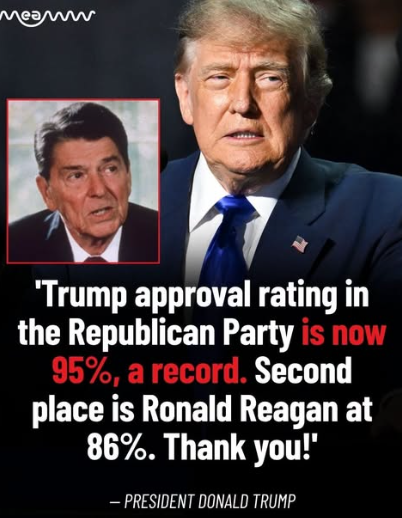 I’ve never understood why those who compose total bullshit like this don’t go for the gusto. Why 95% and not 99% or 100%?
Trump’s actual approval rating among Republicans is somewhere between 75% and 80%, as can be easily verified by anyone on Earth with a cell phone or computer. That number continues to dwindle, as he faces more pressure regarding the war, gas prices, child rape, etc.
Obviously, the president’s supporters are suckers for his lies, but isn’t this a bit over the top?
 I get a call every week or so from someone working for a start-up in oil exploration, hoping that I’ll invest. I guess my name and cell number got collected somehow from various online searches I’ve made.
I’m always quick to explain, “Oh, sorry, I don’t support wrecking the planet, even if I can profit from it. Neither should you. Bye now.”



-

 Greenhouse Gases2 years ago
嘉宾来稿:满足中国增长的用电需求 光伏加储能“比新建煤电更实惠”
-
Climate Change1 year ago
Guest post: Why China is still building new coal – and when it might stop
-
Greenhouse Gases1 year ago
Guest post: Why China is still building new coal – and when it might stop
-

 Climate Change2 years ago
嘉宾来稿:满足中国增长的用电需求 光伏加储能“比新建煤电更实惠”
-

 Renewable Energy11 months ago
Sending Progressive Philanthropist George Soros to Prison?
-
Climate Change2 years ago
Bill Discounting Climate Change in Florida’s Energy Policy Awaits DeSantis’ Approval
-
Greenhouse Gases1 year ago
嘉宾来稿:探究火山喷发如何影响气候预测
-

 Carbon Footprint2 years ago
US SEC’s Climate Disclosure Rules Spur Renewed Interest in Carbon Credits