

Finding dress-code compliant workwear that you actually like wearing is already not easy. Add on top of that that it’s made ethically with more sustainable materials? You might be searching for weeks. Thus this guide to ethical and sustainable workwear brands was born!
Note that there are affiliate links in this guide, which means we may earn a commission if you choose to purchase through one of these links at no additional cost to you.
What Qualifies as More Sustainable Work Clothing?
As with all things sustainable fashion, there are a lot of layers to it!
Secondhand Workwear
First off, repurposing what you have and shopping secondhand is always a good idea. It’s also often more affordable.
But it tends to be quite tough to find something like quality well-fitting workwear from a thrift shop. So you might want to try a searchable marketplace, such as:
- The RealReal (more premium brands and prices)
- thredUP (sells all types of brands). This online consignment store even has a workwear thrift shop collection, making it easier to find items like secondhand trousers, sheath dresses, blouses, and loafers.
Responsible Materials and Production
When shopping for new more sustainable workwear, here’s the criteria I’m looking for:
- Certified — or otherwise guaranteed — organic natural fibers (if using synthetics, then they should be recycled, but I do tend towards natural fibers over even recycled synthetics due to concerns about microplastics and my own skin health)
- Traceability throughout the brand’s supply chain,
- Transparency around their environmental impact with clear goals and progress towards reducing that impact
- A commitment to genuine partnerships with supplier factories and farms, and assurance of fair worker wages
- Prioritization of quality over quantity
- Circularity efforts such as repair programs and resale options
Where to Find More Sustainable Workwear
These slow fashion brands have button-ups and blazers, well-fitted trousers, silky blouses, and sheath dresses suitable for a formal dress code and some sustainable workwear-inspired options for a business casual dress code.
1. Eileen Fisher
Categories: Blazers, Shirts, Trousers, Dresses & Skirts
Size Range: XXS – 3XL + Petites
Price Point: $$$
Sustainability-forward brand EILEEN FISHER is known for their industry-leading circularity practices as much as their elegant timeless clothing. Among the slow fashion label’s versatile garments, there are plenty of pieces that can serve as office attire, like the brand’s TENCEL Lyocell blazers, silky blouses, linen trousers, and organic cotton collar shirts. Even EILEEN FISHER’s relatively modest dresses could be suitable for a more causal work dress code.

2. Filippa K
Categories: Blazers, Shirts, Trousers, Dresses & Skirts
Size Range: EU 30 – 44
Price Point: $$$$
For over 30 years, Filippa K has been dedicated to crafting thoughtfully designed classics that embody Scandinavian minimalism. Beyond the brand’s dedication to the “less but better” ethos, Fillipa K is deeply committed to sustainability with their traceability and social responsibility initiatives along with ambitious goals (and impressive progress) towards greenhouse gas emissions reductions. Find sustainable workwear in materials like GOTS-certified organic cotton and GRS (Global Recycling Standard) recycled fabrics.

3. Kotn
Categories: Women’s Blazers, Shirts, Trousers | Men’s Jackets, Shirts, and Trousers
Size Range: XS – XXL
Price Range: $$
With contemporary takes on timeless wardrobe staples — like loose-fit trousers and striped blazers — offer an opportunity to add some personality to your sustainable workwear attire.
As the name suggests, the B Corp certified Canadian slow fashion brand uses primarily cotton for their garments. Kotn partners directly with the cotton farms they source from and traceability of their supply chain from the raw materials to the garment’s final stitch.

4. M.M. Lafleur
Categories: Jackets, Trousers, Work Dresses, Pencil Skirts, Sheath Dresses
Size Range: EU 30 – 44
Price Point: $$$
M.M. Lafleur is not necessarily the most sustainable brand on this list, but they do have the most work clothes for women with plenty of suiting options, including tailored jackets and streamlined trousers.
The brand uses some lower impact fabrics including LENZING ECOVERO Viscose and has a resale program to sell or shop pre-loved. However, they do also use a significant amount of polyester, so you may want to check the fabric content of individual products.

5. ASKET
Categories: Men’s Polos, Shirts, and Trousers | Women’s Shirts
Size Range: XS – XXL
Price Point: $$
We love a brand that has sustainability commitments as bold as its’ marketing. As the Swedish brand writes: “the world doesn’t need another fashion brand.” That’s why ASKET is committed to doing less, better. Instead of churning out new styles every season, the brand has a permanent collection so they can obsess over creating the best fit and using the best fibers for those pieces. Now that’s slow fashion. The brand

6. Encircled
Categories: Trousers, Jackets, Blouses
Size Range: XS – XXL (petite and tall options)
Price Point: $$
Prioritizing comfort as much as they do sustainability, Encircled has a “workleisure capsule” that looks dressy enough for the office and feels comfy enough to wear off-duty. The pieces are designed to be effortlessly mixed and matched to make early morning workday dressing a breeze.
The Canadian slow fashion brand crafts their garments ethically in Toronto from ultra-soft lower impact fabrics like LENZING TENCEL Modal and Lenzing MicroModal®.

7. Amour Vert
Categories: Blazers, Blouses, Trousers, and Dresses
Size Range: XS – XXL
Price Point: $$
Many of Amour Vert’s feminine blouses and workwear staples are made with lower impact fabrics, such as TENCEL modal, FSC-certified beechwood fibers, GRS certified recycled cashmere, and GRS certified recycled polyester (as I mentioned though recycled synthetics are not my favorite material). The California-based brand also has a resale program, called ReAmour where you can shop or sell pre-loved garments from the company.

Bonus: CLOECO for Workwear Stockings
For workwear undergarments, a great pair of hosiery is often an essential in cooler weather. However, most tights are synthetic, itchy, and end up ripping after a few wears.
Enter in CLOECO: a sustainable undergarments brand that is redefining hosiery with their comfortable, high-quality, plant-based tights made from TENCEL.

To Complete Your Sustainable Workwear Ensemble:
Sustainable Flats to Take You from Day to Night
The Best Eco-Friendly Vegan Handbags
Fair Trade Jewelry Brands That Shine
The post 7 Best Sustainable Workwear Brands to Elevate Your Office Attire appeared first on Conscious Life & Style.
7 Best Sustainable Workwear Brands to Elevate Your Office Attire

Just like fashion has been overrun by fast fashion, home goods and furniture have similarly seen a rapid decline in quality. Rugs are no exception.
And similar to fashion, these cheap goods come at a high cost — namely, to the planet and to people. In fact carpet and rug production is rampant with exploitation.
On the other hand, fair trade rugs present the best of what a rug can bring to your home: artistry, craftsmanship, and heritage.
The brands featured in this guide are partnering with (and fairly paying!) skilled artisans who are using generations-old — and sometimes even centuries-old — techniques. These artisans are sustaining long lines of crafts, preserving their cultural diversity, and celebrating the richness of their time-honored crafts.
There’s simply no replacement for a timeless, quality artisan-made rug — they’re like pieces of art you can lay out on your floor or hang on your walls.
So, enjoy browsing through this guide to sustainable rug brands listed out below and best of luck on your search for the right fair trade rug!
Where to Find Ethical and Fair Trade Rugs
Note that this guide includes affiliates and partners. As always, brands must meet high standards for ethics and sustainability to be featured and all opinions are my own.
1. Obakki
Best for: warm-hued handwoven wool rugs
Categories: Area Rugs, Runners, Accent Rugs
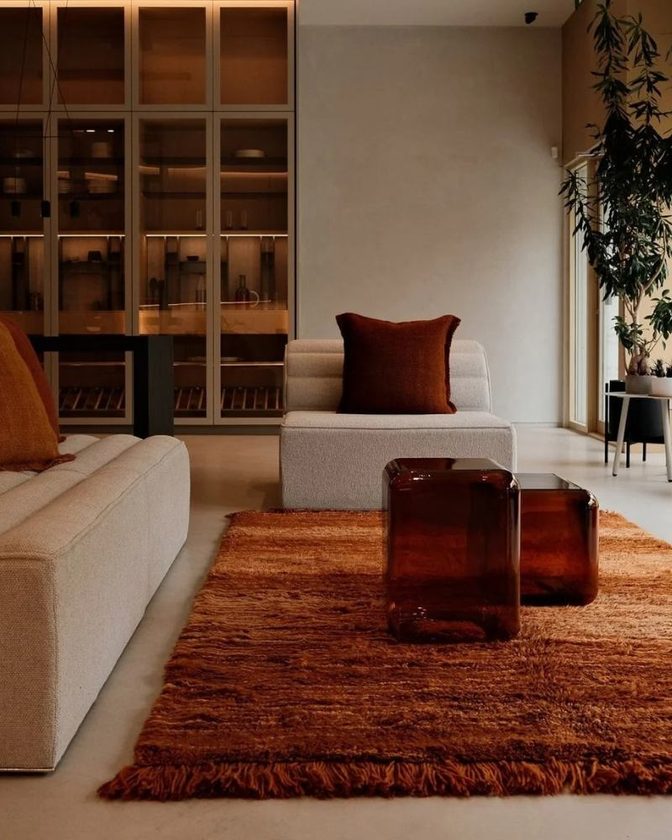
Obakki partners with artisan weavers primarily in Oaxaca, Mexico — including individual makers like José — who hand-dyes and weaves rugs on a traditional pedal loom using locally sourced sheep’s wool and natural dyes derived from native plants. The brand also works with Rrres Design Studio, a Latin American studio dedicated to preserving traditional Oaxacan weaving techniques, and sources handwoven textiles from artisan communities beyond Mexico as well, including Morocco.
Each rug is made from 100% wool with no synthetic dyes or backing. Most pieces are made-to-order with a 4-8 week production window, shipped directly from the artisan partners.
Price Range: $460 – $4,159
Conscious Qualities: Natural Fibers, Natural Dyes, Craft Preservation
2. Kiliim
Best for: modern wool kilim rugs
Categories: Area Rugs, Accent Rugs
If you’re well-versed in rug terminology, you may recognize that this brand’s name looks similar to the word kilim.
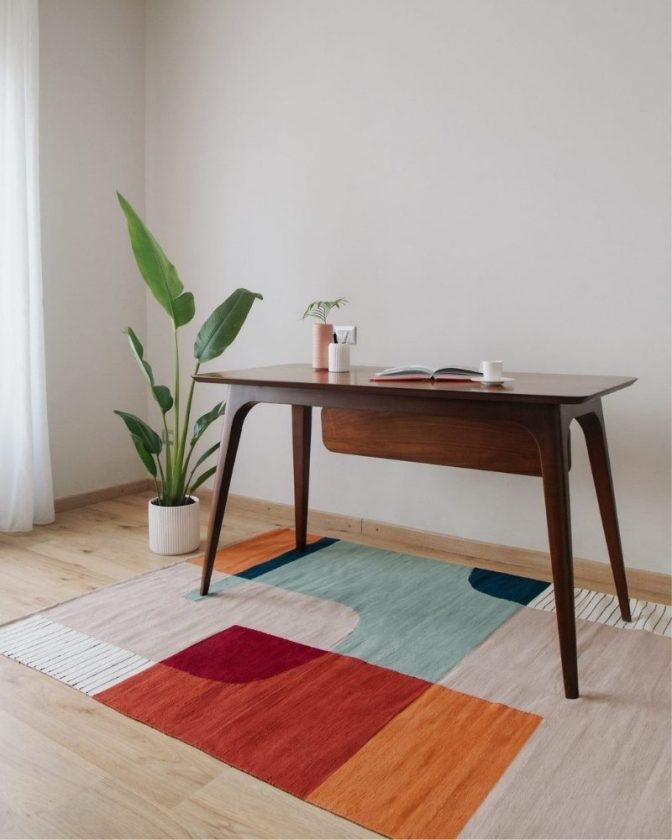
Kiliim’s rug are made using authentic kilim rug craftsmanship by artisans in Egypt coming from generations of kilim artisans. To ensure ethical production and to support the preservation of this heritage craft, Kiliim pays living wages to all artisans.
Price Range: $95 – $4,812
Conscious Qualities: Ethical Production, Heritage Craft Preservation, Natural Fibers
3. Urban Natural
Best for: browsing fair trade rugs in lots of styles and sizes
Categories: Outdoor, Area Rugs, and Accent Rugs
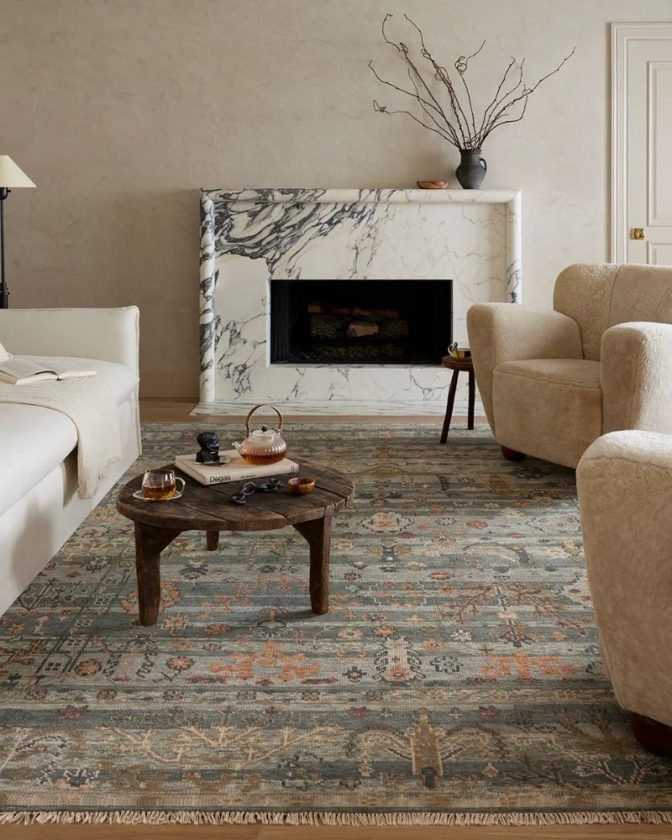
This natural home and lifestyle retailer has a beautifully curated selection of sustainably-made rugs crafted with materials like jute, sisal, wool, and cotton.
Several brands on Urban Natural are also ethically hand-loomed or hand-knotted, such as Loloi — a GoodWeave partner — and Jaipur Living — a brand that partners with thousands of local artisans to sustain heritage crafts.
Price Range: $259 – $9,755
Conscious Qualities: Eco-Conscious Materials
4. LOOMY
Best for: pet-friendly and performance rugs
Categories: Area Rugs, Accent Rugs, Runners, Outdoor Rugs
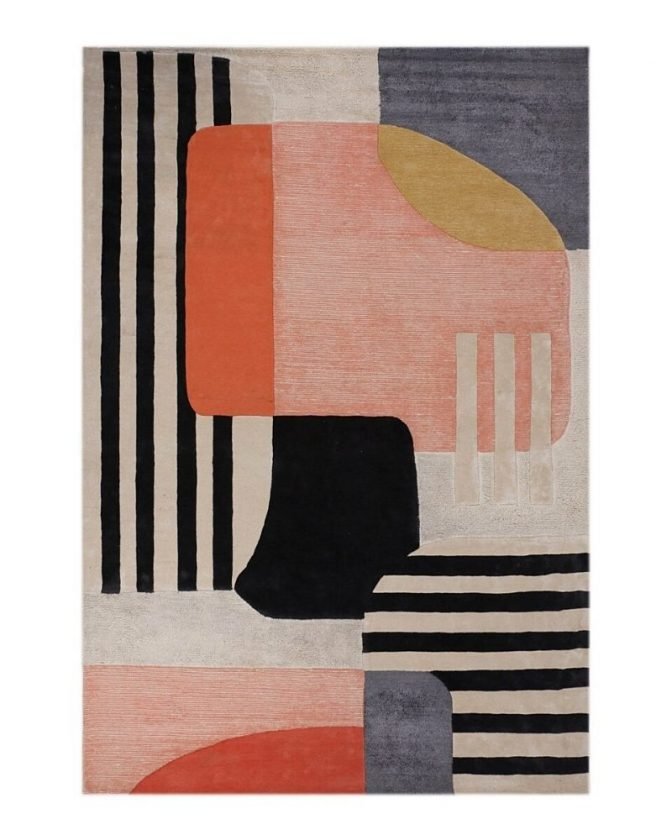
Founded by a weaver, LOOMY is dedicated to crafting beautiful artisan-made rugs that will last for decades to come.
LOOMY partners with highly-skilled artisan weavers who craft quality rugs made from eco-minded materials like banana silk, jute, and recycled cotton, plus performance options made from 100% recycled polyester built to withstand whatever life brings you.
Price Range: $298 – $8,298
Conscious Qualities: Natural Fibers, Craft Preservation, Vintage Options
5. West Elm
Best for: fair trade rugs in on-trend mainstream styles
Categories: Area Rugs, Accent Rugs
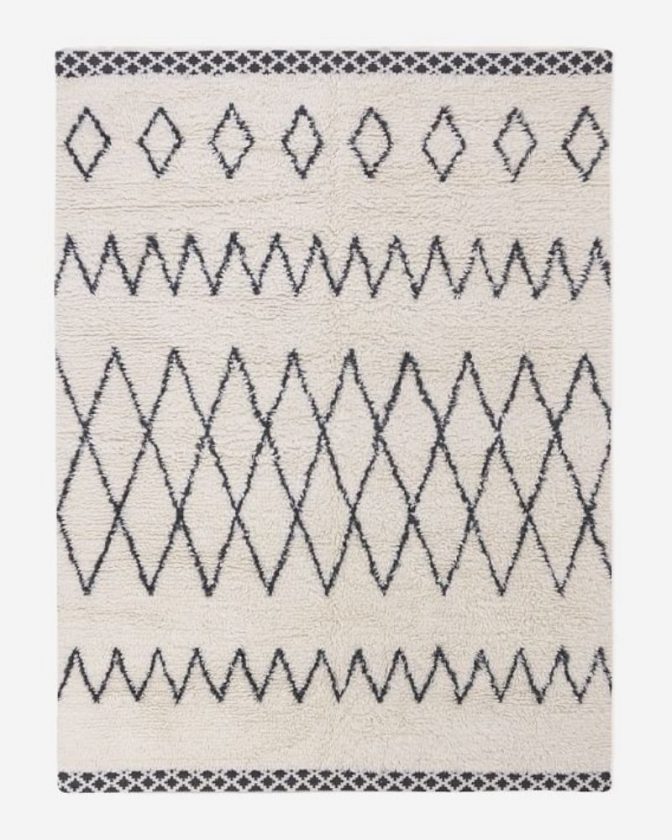
West Elm is bringing ethical rugs to a broader market with their collection of Fair Trade Certified wool and cotton rugs. While I recommend browsing the smaller shops listed above first, West Elm is supporting the movement to responsibly-made, fair trade rugs.
Price Range: $$$
Conscious Qualities: Fair Trade production, Majority Natural Materials
6. Jubi
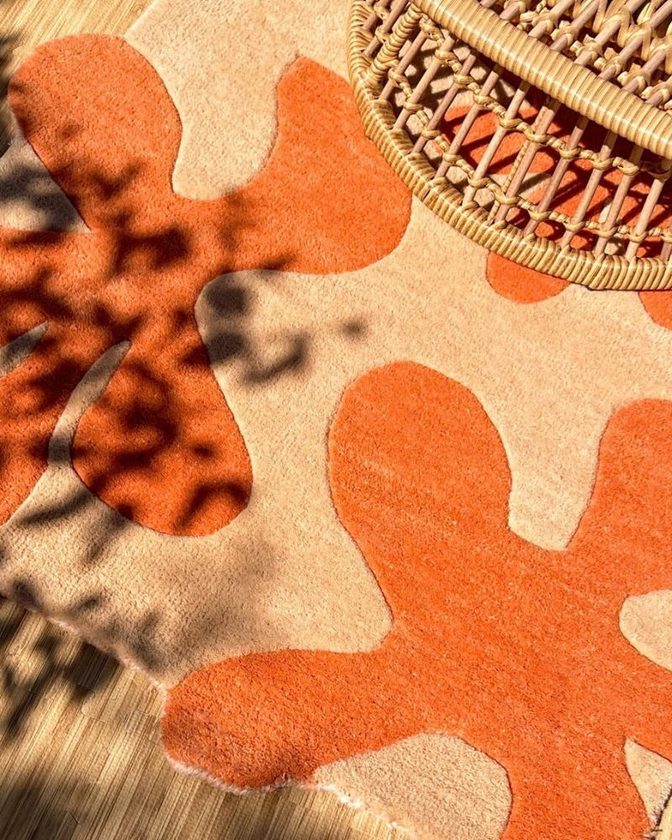
Best for: Modern rugs in vibrant prints
Categories: Accent Rugs, Circle Rugs, Runners
Jubi is a Brooklyn studio founded by textile designer Cassie Dagostino. Every rug is handmade from New Zealand wool by fourth-generation weaving families in Bhadohi, India using traditional techniques. Each rug is made-to-order, meaning no excess stock. Since everything is made to order, expect between 3 and 7 weeks for your rug, depending on the technique used.
Conscious Qualities: Pays Above Market Rates, 100% Wool, Made-to-Order
Price Range: $228 – $668
Shipping: Free worldwide shipping
7. Rejuvenation
Best for: Classic rug styles made in Fair Trade factories
Categories: Accent Rugs, Runners, Area Rugs
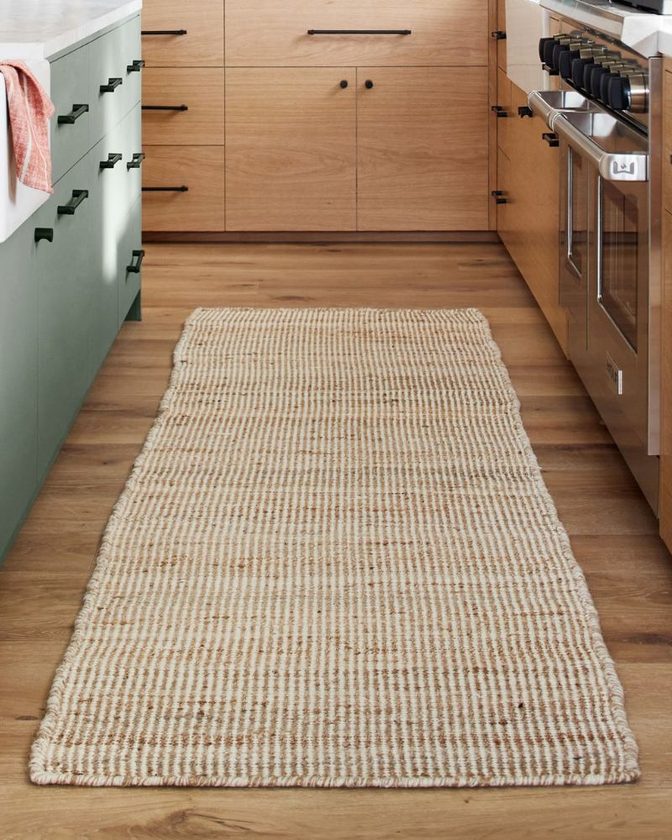
Home retailer Rejuvenation has a selection of rugs made in Fair Trade Certified factories. Their collection includes undyed hand-loomed rugs to geometric flatwoven wool rugs. And while I’d typically avoid synthetics, it tends to be unavoidable for outdoor rugs — so Rejuvenation’s Fair Trade 100% recycled poly rug is a good option.
Conscious Qualities: Fair Trade Certified, Mostly Natural Materials
Price Range: $79 – $1,649
Shipping: Contiguous U.S. shipping for 10% of product price (add $20 for HI, AK, and US. territorries)
Liked this guide to ethical rugs? You might also enjoy:
Ethical Home Decor Brands to Curate a Beautiful, Conscious Space
Eco-Friendly Furniture to Furnish Your Home Sustainably
Fair Trade and Eco-Friendly Blankets to Cozy Up With
The post 5 Best Ethical Fair Trade Rugs to Elevate Your Space appeared first on Conscious Life & Style.
As a longtime book lover, I may be biased, but I think a full bookshelf is one of the most beautiful additions to a space. There’s nothing better than seeing a showcase of your favorite reads alongside a TBR list.
A bookcase, though, can of course be used for all sorts of purposes from placing your favorite photos of family and friends to showcasing treasured vintage finds.
Whatever the case, this guide will help you find the right sustainable bookshelf for your living room, office, or wherever you like to cozy up with a good read