

As you furnish a new space, or just invest in a new piece or two, you may be looking for non-toxic furniture brands to ensure clean indoor air and a safe environment for yourself and/or your loved ones.
Building materials and furnishings are one of the major causes of indoor air pollution, according to the EPA. So non-toxic furniture is a key aspect of creating a healthy home.
What is Non-Toxic Furniture?
If you’re here, searching for non toxic furniture, you’re probably somewhat familiar with the fact that most furniture contains either proven or potentially harmful chemicals and you’re looking for a better way. But what exactly is a better way?
Well, there’s actually quite a bit to consider, so here’s a quick list. (Scroll to the bottom for much more in-depth explanation on all of these elements!)
- No Flame Retardants
- No Formaldehyde (Many, though not all, composite woods that use adhesives contain formaldehyde. Some terms to look out for are plywood, particle board, engineered wood, or MDF.)
- Free of Toxic Water Repellents or Stain Guards (These commonly contain Perfluorochemicals, otherwise known as PFCs)
- No PVC / Vinyl (Common in fake leather or “vegan leather” fabrics)
- Zero VOC finishes (Or low-VOC as a secondary option)
- Uses Natural & Organic Materials (such as Dunlop latex instead of polyurethane foam, organic cotton, hemp, and linen instead of synthetic fabrics, and responsibly-sourced solid wood)
- Non-Toxic Certifications (such as GREENGUARD Gold, which can help you find certified non-toxic furniture for your home)
Is All Eco-Friendly Furniture Non-Toxic?
A lot of eco-friendly furniture is also non-toxic, but that isn’t always the case.
Some furniture brands advertise their products as eco-friendly because they use engineered wood or particleboard made from repurposed sawmill or other wood waste. But, in many cases (though not all), the adhesives used in engineered wood can be toxic, off-gassing formaldehyde.
It’s also worth noting that engineered wood containing formaldehyde is actually not so eco-friendly, even if it’s making use of waste, as it’s polluting the environment and harming human health.
Is Secondhand Furniture Non-Toxic?
Secondhand shopping is a great avenue for finding sustainable furniture affordably, and I’m a HUGE fan of purchasing pre-loved.
While used furniture isn’t necessarily non-toxic (unless you find used furniture from a brand using natural and organic materials) products do off-gas over time, and so depending on how old the furniture is, you are likely going to be exposed to fewer toxic chemicals than if buying that same piece of furniture new.
Just be sure to find furniture that has come from a smoke-free home. (And potentially pet-free, if you have allergies/sensitivities). You may also want to clean the furniture with non-toxic cleaning products, especially if buying preloved furniture with upholstery!
[Related: Tips for shopping secondhand furniture & home goods]
Similarly, not all non-toxic furniture is eco-friendly. For instance, a brand might use natural materials that are irresponsibly sourced, such as harvesting wood from ancient or old growth forests. This guide, though, features brands that sell non-toxic and eco-friendly furniture.
Non-Toxic Furniture Companies To Know
These brands are leading the way when it comes to safe, organic, and non-toxic bedroom furniture, living room furniture, dining room furniture, and office furniture. There are even some brands who have certified non-toxic furniture, as an extra level of verification.
The price ranges of these brands vary, so you’ll find something that matches your needs — you’ll find everything from heirloom-quality premium furniture to affordable non-toxic furniture. Browse through this guide for some highlights and visit each brand’s website for further details.
This guide contains affiliate links and partners. As always, all brands meet strict criteria for sustainability and are brands we love, that we think you’ll love too!
1. Savvy Rest
Categories: Platform Beds, Sofas & Chairs, Tables & Benches
Shipping: Ships within continental U.S.; Contact for shipping quotes for elsewhere
A leader in organic and natural furniture, Savvy Rest is a certified B-Corp with living room and bedroom furniture made from sustainably-sourced, safe-for-you materials.
Savvy Rest uses responsibly- regionally-sourced solid wood and zero-VOC stains (or leaves pieces unfinished). Their upholstered furniture is crafted from certified organic cotton and hemp fabrics, as well as Eco Institut-certified Dunlop and Talalay latex.
Use code CONSCIOUSSTYLE20 for 20% off!

2. Made Trade
Categories: Stools, Beds, Rocking Chairs, Accent Chairs, Tables & Benches
Shipping: Ships within continental U.S.
Furnishing your home mindfully is about to get a lot easier with the help of the collection of sustainable furniture on Made Trade
This woman-owned, Climate Neutral Certified sustainable online store has earth-minded and low-VOC furniture made from recycled materials like aluminum and plastic bottles, responsibly harvested hardwood, and other natural materials like rattan and bamboo.
Use code CONSCIOUSSTYLE for $20 off your first order of $150+

3. Avocado
Categories: Bed Frames, Dressers, Side Tables & Nightstands, Benches
Shipping: Ships furniture within the contiguous U.S.
Another exciting brand in the world of non-toxic furniture is Avocado. This B-Corp creates wooden furniture using either 100% solid FSC-certified maple hardwood, solid walnut, or 100% reclaimed solid Douglas fir. The furniture is completed using zero-VOC finishes and safe fumeless wood glue — all of which are made in the United States.
Avocado also offers several certified non-toxic furniture pieces that have been GREENGUARD Gold certified for low emissions and Formaldehyde Free certified by UL Environment. And, each piece of furniture is made in Avocado’s own FSC-certified LA woodshop.

4. Maiden Home
Categories: Sofas & Sectionals, Chairs, Beds, Dining Tables & Coffee Tables, Ottomans & Benches, Dining Chairs & Stools
Shipping: White glove delivery within contiguous U.S. for flat fee
This woman-founded direct-to-consumer furniture brand takes their commitment to quality and sustainability seriously. Each piece is individually handcrafted by upholstery and wood artisans in the North Carolina region using eco-minded materials like responsibly sourced hardwood and recycled steel springs.
Their furniture is free of flame retardants, formaldehyde and other harmful chemicals and their soy-based foam cushion cores are certified by CertiPUR-US®. Maiden Home also uses water-based, low-VOC glues and stains whenever possible. (You may want to inquire about a specific piece when ordering.)

5. Medley
Categories: Sofas & Chairs, Bed Frames, Nightstands, Storage, Dining Tables & Chairs, Benches & Desks
Shipping: Ships from the U.S.; Contact Medley for a quote if shipping outside of the U.S.
Made-to-order from quality materials in LA, Medley’s non-toxic furniture for the bedroom, living room, dining room, and office is sturdy and sustainably made.
Medley’s furniture frames are made with FSC-certified domestically-sourced alder hardwood and their tables are crafted from FSC-certified solid walnut and maple.*
And the brand offers a few natural fabric options including hemp and OEKO-TEX 100-certified wool. For cushions, choose between organic Dunlop latex (non-toxic option) or CertiPUR-US®-certified poly foam.

*(Note: some parts of Medley’s storage pieces are made using plywood. It is low-VOC CARB 2 compliant.)
6. Natural Home by the Futon Shop
Categories: Bed & Futon Frames, Dressers, Sofas & Sectionals, Side Tables & Coffee Tables
Shipping: Within contiguous U.S.; custom quotes for shipping elsewhere; offers free in-store pickup
As the name suggests, this furniture brand sells futons and futon frames, but they also offer other natural furniture, like side & coffee tables as well as non-toxic couches & sectionals.
The Futon Shop has Amish furniture handmade from solid wood (maple, walnut, oak, or cherry) that was harvested from sustainably managed forests and hand-rubbed with a no-VOC natural linseed oil finish. Each piece is handcrafted by Amish craftspeople in Pennsylvania with care, to ensure your piece lasts a lifetime.

7. Healthier Homes
Categories: Chairs & Stools, Tables & Benches, Desks
Shipping: Within Contiguous U.S.
Healthier Homes offers a curated selection of non-toxic furniture crafted with quality and sustainability in mind. Their selections of seating, tables, and accent furniture is made from solid wood, natural fabrics and metal, all finished with eco-minded non-toxic finishes.
The non-toxic furniture company also sells non-toxic paints, including cabinet and furniture lacquer.

8. Sabai
Categories: Sofa & Sectional, Ottoman, Chair & Loveseat
Shipping: Free shipping within continental U.S.; shipments to HI & AK incur additional fees
This affordable sustainable furniture company has a simple, yet sophisticated non-toxic sofa and other seating for your living space that is free of formaldehydes or toxic flame retardants.
Sabai uses FSC-certified wood for the furniture frames, domestically sourced maple for the legs, CertiPUR-US certified foam for the cushions, and recycled fiber fill for the pillows. For the upholstery fabric, customers can select between OEKO-TEX 100 Standard and Global Recycling Standard (GRS) certified recycled velvet or GREENGUARD Gold-certified upcycled poly.

9. Green Cradle
Categories: Dressers, Chests & Armoires, Bookcases, Nightstands, Cribs
Shipping: Ships within the U.S. and to Canada
Green Cradle crafts 100% solid wood, non-toxic dressers, storage furniture, and cribs in the United States.
The company sources local, sustainably-sourced woods, including maple, red oak, hard maple, cherry, and walnut and they use a zero-VOC finish (flaxseed/linseed oil) for all of their furniture. This oil is free of synthetic preservatives, heavy metals, carcinogens, polyurethanes, and other toxic chemicals.
And, as one of the only brands on this list with non-toxic cribs, Green Cradle is the place to go if you’re furnishing your little one’s nursery.

10. Masaya & Co
Categories: Beds, Sofas & Chairs, Shelves & Storage, Dining Tables & Chairs, Side Tables & Benches, Outdoor Furniture
Shipping: Within the U.S.
Masaya & Co is a sustainable furniture brand that not only commits to responsible wood sourcing, but is actively restoring forests in Nicaragua. The brand plants 100 trees for every product sold and to date, the company has planted 1 million trees.
The heirloom-quality furniture is made from locally-sourced solid tropical hardwood (teak, rosita walnut, and royal mahogany) and crafted in Nicaragua by skilled artisans. These hardwoods are dried in solar kilns on-site and each product is finished with a low-VOC natural oil or water-based poly finish.

11. My Green Mattress
Categories: Bed Frames
Shipping: Within U.S. and Canada
When it comes to your bedroom, you want your indoor air quality to be as healthy as possible. And My Green Mattress has a non-toxic bed frame to meet those needs.
The mattress brand has a simple and affordable eco-friendly bed frame made from untreated domestically-grown Poplar wood — in other words, it’s free from wood stains, adhesives, or any other toxic chemicals.

12. VivaTerra
Categories: Sofas & Sectionals, Chairs & Seating, Benches & Stools, Cabinets & Chests, Desks, Shelves, Dining Tables & Chairs
Shipping: Within the U.S.
VivaTerra is a green lifestyle retailer that has a selection of eco-minded and non-toxic furniture and home decor.
You’ll find elegant pieces made from materials like sustainably-sourced solid wood, 100% reclaimed wood, flax linen fabric, seagrass rope, rattan, and sturdy metal. Much of the furniture is also expertly made by skilled furniture artisans.

13. West Elm Greenguard Certified
Categories: Beds & Cribs, Dressers & Storage, Consoles & Hutches, Desks & Chairs
Shipping: Within U.S.; doorstep or white glove delivery available
Well-known furniture retailer West Elm has a strong selection of non-toxic furniture that is GREENGUARD Certified to be low VOC. This certification indicates that the furniture has been tested to meet strict chemical emissions limits.
West Elm also has other sustainability filters like sustainably-sourced (FSC-certified wood typically), Fair Trade (made in a Fair Trade Certified factory) and Contract-Grade (made to last).

14. What We Make
Categories: Bathroom Vanities, Desks & Office Furniture, Bookcases & Storage, Coffee & End Tables, Chairs, Stools & Benches, Dining & Pub Tables
Shipping: Within U.S.
What We Make is an impressive sustainable non-toxic furniture brand based in the Chicago area. They use reclaimed barn wood to make each furniture item made to order.
The non-toxic furniture brand finishes their pieces with an oil-based VOC-free finish that doesn’t contain hazardous chemicals.

15. Vermont Woods Studios
Categories: Beds, Storage, Side Tables & Coffee Tables, Dining Tables & Chairs, Desks & Bookcases
Shipping: Ships to all 50 U.S. states; international shipping
Founded by a husband-and-wife / woodworker-and-conservationist team, Vermont Woods Studios is committed to creating exceptionally high quality and sustainable furniture.
Vermont Woods Studio sources responsibly-harvested North-American hardwoods for their non-toxic bedroom, dining room, living room, and office furniture. The company also uses low-to-no VOC finishes, such as a GREENGUARD certified lacquer finish, linseed oil, tung oil, and carnauba wax.
Each piece is expertly handcrafted to order in Vermont by furniture craftsmen — their non-toxic furniture even comes with a lifetime warranty.

More Information on Non-Toxic Furniture
Curious to learn more about non-toxic furniture? Here are some considerations on what to look for when shopping for non-toxic furniture for your space.
No Flame Retardants
There are hundreds of different types of flame retardants. Evidence shows that flame retardants are associated with harmful health impacts, such as reproductive toxicity, cancer, neurological function, impacts to the immune system, and adverse effects on fetal and child development.
Once commonplace to meet California’s fire safety standard, fire retardants are now banned by the state at certain concentrations and in certain products — and a growing number of states are also taking action against them to some extent.
So furniture without flame retardants should be considered a very baseline measure.
No Formaldehyde
As one of the 25 most abundantly produced chemicals in the world, exposure to formaldehyde is a common concern in furniture as well as a number of other consumer products.
The health impacts of formaldehyde exposure include:
- “Corrosive injury to the gastrointestinal tract”,
- Irritation to the eyes, skin, and respiratory tract
- Malaise, headache, irritability, memory and dexterity issues, sleeping disturbances
- Can cause skin disorders and asthma-like symptoms in those who’ve been previously sensitized
- And formaldehyde has been determined to be a probable human carcinogen
And as the EPA states, the primary way you’d be exposed to formaldehyde is by “breathing air containing off-gassed formaldehyde”, often the formaldehyde that has “off-gassed from products, including composite wood products”.
No Perfluorochemicals (PFCs)
If you’re familiar with the DuPont scandal, you’re familiar with PFCs. While typically associated with non-stick cookware, PFCs are also used to repel oil and water on a number of other types of products, including textiles like upholstered furniture.
Why are PFCs a problem? Well they’re persistent not only on products, but in the environment and in people and animals. PFCs can be released directly from manufacturing facilities into the air and water or they can be released from any products you have at home containing PFCs and into your indoor air.
Exposure to PFCs has been associated with several adverse health effects including cancer, liver toxicity, hormone disruption, developmental toxicity, and harm to the immune system.
No PVC (Vinyl)
Many fake leathers (which sometimes come with the euphemism “vegan leather”) are made from PVC. PVC is known as the most toxic and environmentally damaging plastic.
The chemical used to make PVC, vinyl chloride, is a known carcinogen, linked to increased risks of several types of cancers, according to the National Cancer Institute.
Low VOC or Zero VOC Finishes
VOCs, or Volatile Organic Compounds, include a wide group of chemicals. Examples include: benzene, ethylene glycol, methylene chloride, tetrachloroethylene, toluene, and xylene.
While each chemical will have different levels of toxicity and may cause different health impacts, VOCs have been connected to many health issues, including damage to the liver, kidney, and central nervous system; headaches, fatigue, dizziness and nausea; and eye, nose, and throat irritation. Some VOCs are even suspected or known carcinogens.
In an ideal world, you would be able to find furniture that is completely free of VOCs.
A common zero VOC finish is linseed oil, or flaxseed oil. This natural finish is food safe and free of harmful chemical solvents, heavy metals, or other toxic ingredients.
That said, budgetary limits, aesthetic preferences, and other values (such as local, ethically-made, etc.) are factors.
So, finding low-VOC furniture can also be a good option, especially if you’re able to off-gas it outdoors or in your garage for a few months before bringing it into your home.
Organic & Natural Materials
This is an obvious one! Preferable materials include organic cotton, hemp, linen, sustainably and locally sourced wool, responsibly-harvested wood (ideally locally sourced and native to the region), and Dunlop latex.
Some certifications to know are Global Organic Textile Standard (GOTS), Global Organic Latex Standard (GOLS), and OEKO-TEX Standard 100.
Other Non-Toxic Certifications
One common certification is the GREENGUARD certification, which are products that have been “scientifically proven to meet some of the world’s most rigorous third-party chemical emissions standards”.
The GREENGUARD Gold certification is the next level. It includes criteria for additional chemicals and requires lower total VOC emissions. It limits the emissions of over 360 VOCs and chemical emissions.
Your Non-Toxic Lifestyle Journey
There is a lot to consider when shopping for non-toxic furniture! Hopefully, this breakdown of elements and red flags to look out for was useful and this list of non-toxic furniture brands gave you a good starting point in your research.
Keep in mind that the journey to green living or non-toxic living is just that — a journey. So, don’t stress if you can’t convert 100% of your home to non-toxic decor and furnishings right away.
Less toxic furniture is still better than conventional super toxic furniture. And implementing air filters or just keeping your windows open each day for an hour can also do wonders. Don’t feel pressured into perfection. Take it slow and do what you can, based on your time and budgetary constraints.
You’re doing great — thank you for caring so much about your health, your loved one’s health, and the health of our shared environment.
Note: This curation is based upon publicly available information and while we do our due diligence, Conscious Life & Style cannot guarantee the claims of the companies featured. See our Website Disclaimer for more.
More Guides Like This
Non-Toxic Home Tips: How to Make Your Indoor Air Healthier Now
The Best Non-Toxic Cookware Materials and Brands
10 Eco-Friendly & Non-Toxic Sofas
The post 15 Best Non-Toxic Furniture Brands for a Healthy Home (2024) appeared first on Conscious Life & Style.
15 Best Non-Toxic Furniture Brands for a Healthy Home (2024)

The right sustainable rug can completely transform a space. A plant-based fiber rug like jute or sisal can create a grounding warmth, while a thick responsibly-sourced wool rug adds a sense of luxury. An artisan handcrafted rug infuses character and authentic culture where a vintage one can add layers of history and soul.
Furniture is functional and can be beautiful, but adding an exceptional rug is what brings it all together. A rug is at the center — at the heart — of your living room or bedroom or dining room. In other words: a rug is how you start to turn those four walls into a home.
That said, unfortunately most rugs today are mass-produced from synthetic fibers like polyester (read: plastic), finished with toxic chemicals, and made in unethical labor conditions.
Thankfully, there is a better way. Let’s talk sustainable rugs.
What is a “Sustainable Rug”, Exactly?
I like to include an in-depth explanation on “sustainable” in our guides because there’s no standard definition of the term when it comes to fashion or home goods. So here’s how we define “sustainable rugs” at Conscious Life & Style.
Natural Materials:
We’re looking for natural fibers like jute, seagrass, sisal, hemp, cotton (less common) or ethically-sourced wool. Recycled natural fibers are a great bonus, as is organic. The most reputable organic certification for fibers currently on the market is Global Organic Textile Standard (GOTS).
We’re steering clear of synthetic rugs, including recycled polyester in this guide, because they risk releasing microplastics into our homes and environment.
Also natural fibers that aren’t treated with or blended with synthetics are generally biodegradable at the end of their life.
“Recyclability” when it comes to textiles is largely a misnomer. We have far more textile waste than we do textile recycling infrastructure capacity. Plus many types of fabrics still can’t be recycled properly — if at all — today.
Dyes & Chemical Usage
Another source of impact is the dyes and other finishes used on the rugs. Many of these dyes and finishes are synthetic.
One better option is a “low impact dye” — this generally refers to a synthetic dye that doesn’t contain common toxic chemicals (like heavy metals) and has a higher absorption rate, which requires less water. Natural dyes on the other hand are non-synthetic colorants derived from plants, minerals, or sometimes even insects.
There are also additional chemicals these companies may add to rugs like PFAS (forever chemicals) for stain or water resistance or flame retardants. So if you see claims like “stain resistant” or “easy care” you probably want to do some additional digging to ensure those textiles weren’t treated with toxic chemicals.
One certification to look for is OEKO-TEX® STANDARD 100, which is a label for textiles that have been tested against common harmful substances.
Ethical Production Practices:
Unfortunately forced and child labor is still happening in the carpet and rug industries. So transparency is key. Two certifications to look for are GoodWeave (assurance against child, forced, and bonded labor) and Fair Trade Certified . Certifications are certainly not an end all be all, so I’m also looking for transparency from the brand — who makes their products? How are they made? What is their relationship to those makers, artisan cooperatives, or facilities? Are they working in safe conditions? Are they paid fairly? A living wage?
Another element here is craftsmanship. Many of these rug-making techniques have been around centuries, but are at risk of dying out with the rise of mass-produced rug makers. Is the brand showing a commitment to sustaining heritage techniques and generations-old craftsmanship?
You might also like to look for local production, though local doesn’t automatically mean ethical. I still like to look for transparency here, as exposés have found there are still sweatshops in the US, too.
Durability & Longevity:
This one is the most challenging. Not only is it difficult to assess the durability of a rug before you’ve purchased it (even most reviewers only comment on their initial experience), but durability is also significantly impacted by how we care for that rug. Do you wash it often? Do you have pets? Kids? Are you putting the rug in a high-traffic area? Is it getting wet often (like in a kitchen or bathroom)?
That said, I’m looking for attention to craftsmanship from a brand, and attention to detail. There are also certain elements to look out for. For example:
- Thicker and denser rugs generally hold up better than looser or low-density tufted rugs.
- Reinforced edges prevent fraying and strong backings prevent the rug curling at the edges.
- Hand-knotted rugs are labor intensive (and may be pricier) but can last decades or even centuries.
Top Picks for Sustainable Rugs
Ok so that was a lot! But no stress — I’ve done the hours of heavy lifting and digging for you to curate this guide to brands with sustainable rugs. So let’s dive in.
Note that Conscious Life & Style is reader supported and this guide includes affiliate links, which means if you make a purchase via some of these links, I may earn a commission. As always all brands meet are rigorous sustainability criteria.
Secondhand First!
Part of our philosophy at Conscious Life & Style is to look secondhand first. So before we dive into the brands, here are some places to find vintage and pre-loved rugs first:
1. Urban Natural

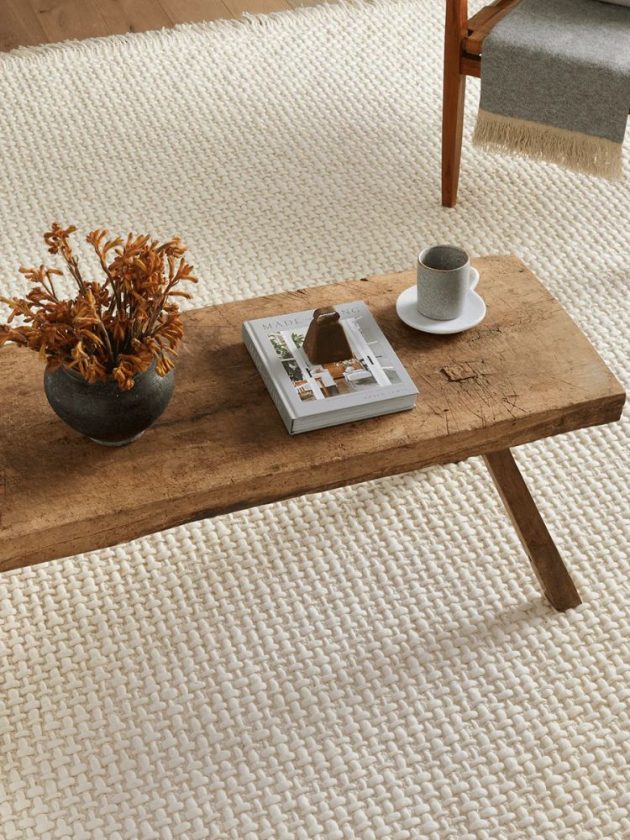
Best for: Living rooms, dining rooms and bedrooms
Urban Natural is your online destination for finding responsibly-made, exceptionally crafted home goods from sustainably-minded makers. Brands on Urban Natural include Loloi, a well-respected GoodWeave certified rug brand with rugs ethically hand-woven in Varanasi, India; and Jaipur Living, a company dedicated to preserving time-honored handcrafted art and rug weaving traditions, partnering with 40,000 artisans across hundreds of rural communities throughout India.
Other sustainable rug options on Urban Natural include 100% linen rugs from Libeco, which holds the Masters of Linen® quality label; and 100% wool rugs made in the USA from Earth Weave, the first US carpet manufacturer with a completely natural product line.
Materials: Wool, Jute, Sisal, Cotton, Silk, and Linen (Note: there are a couple of “performance” rugs made with polyester)
Price Range: Starts at $179
Shipping: Ships within the US
2. Lorena Canals
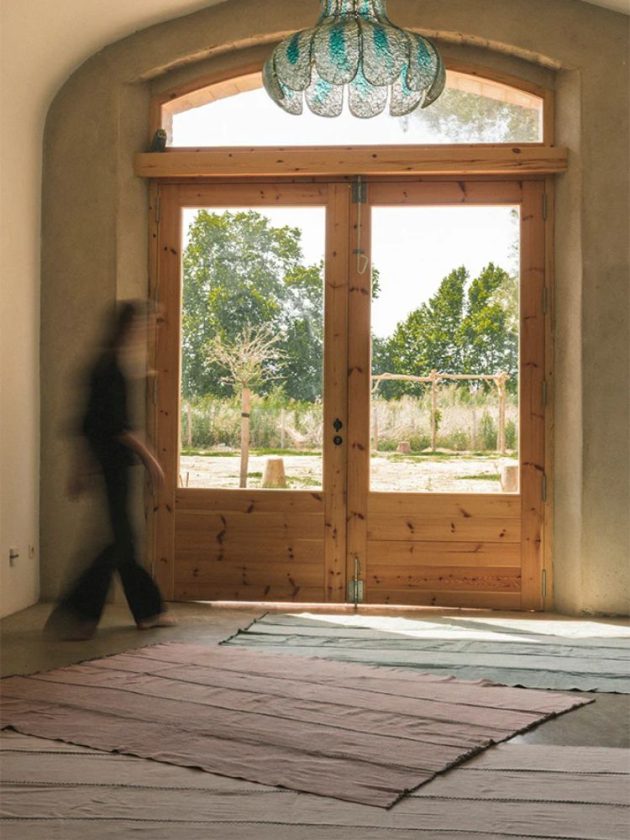
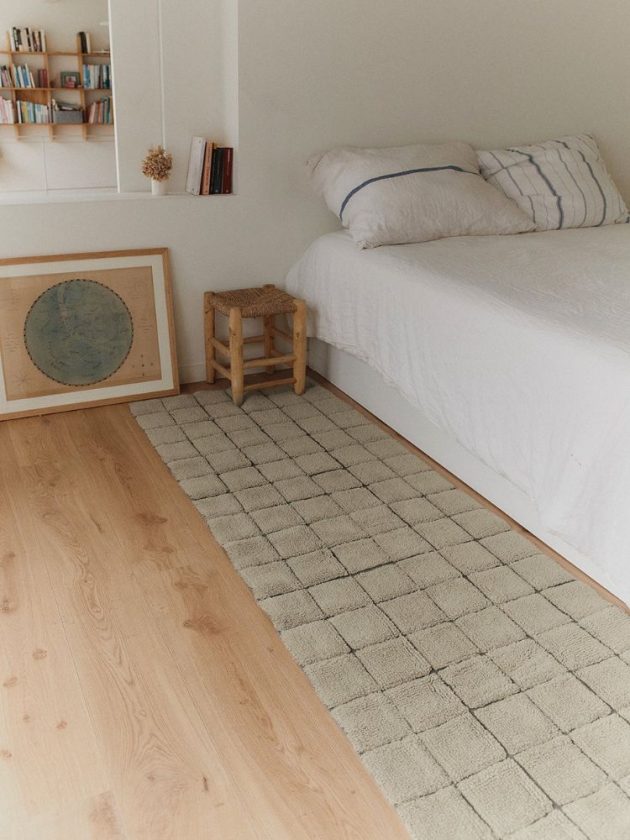
Best for: Living rooms, entryways and bedrooms
Lorena Canals revolutionized the rug industry with machine-washable cotton and wool rugs that don’t compromise on beauty or sustainability. Handcrafted in the brand’s own factory in India since 1998, each piece uses natural or recycled fibers, non-toxic azo-free dyes certified by GOTS and OEKO-TEX standards, and a water-efficient cone-dyeing method that conserves 75% of water compared to traditional processes. The aesthetic ranges from playful geometric patterns and kitchen tile motifs to minimalist neutral textures in their Woolable collection. With customizable options and designs that celebrate the natural colors of undyed wool, these rugs pair practical washability with artisan craftsmanship, all while supporting the brand’s Sakûla Project school for children in northern India.
Materials: Cotton, Wool
Price Range: From $145
Shipping: Global | Outside of US and Canada? Use this website to order instead.
3. CICIL
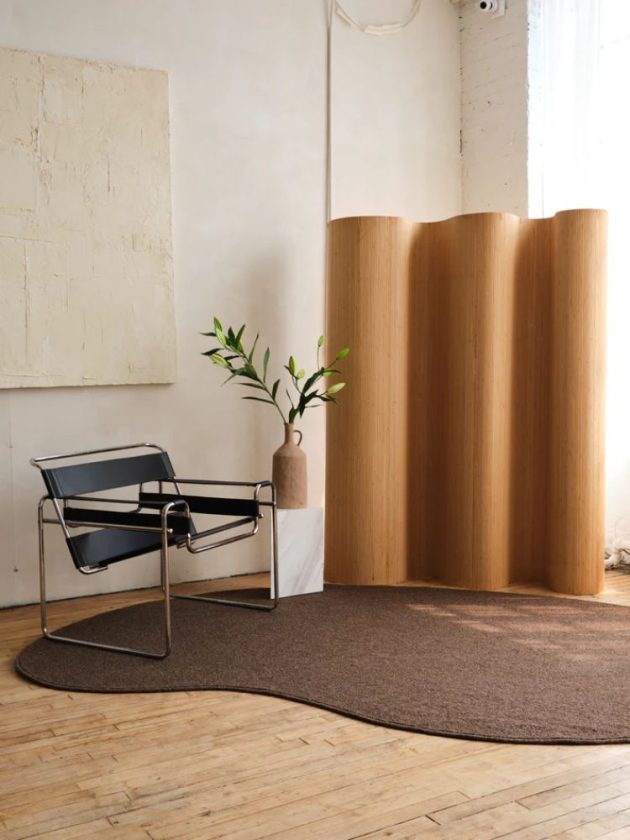
Best for: Living rooms, bedrooms, hallways, and dining rooms
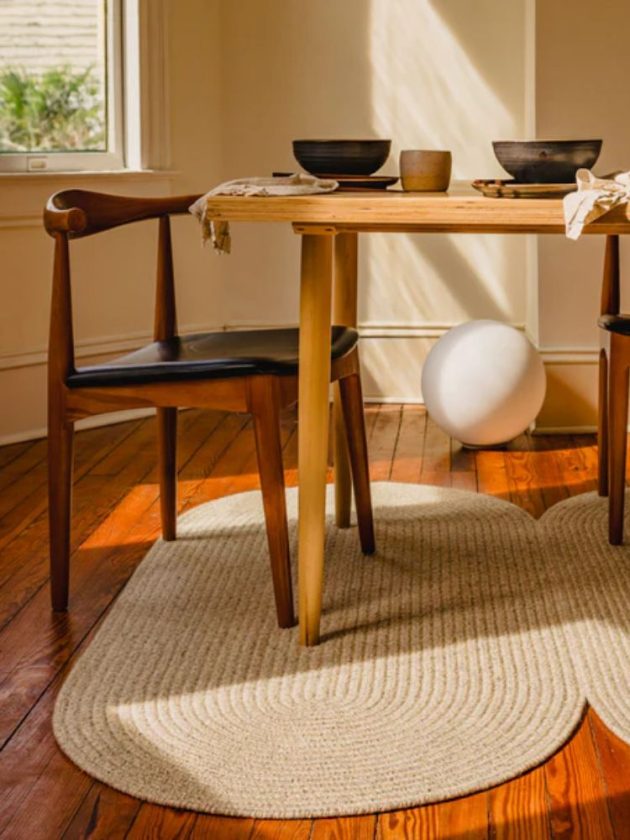
Founded by two former Patagonia textile experts in North Carolina, Cicil brings radical transparency to rug-making with a supply chain that travels less than 1,000 miles from wool to floor. Their braided and shuttle weave rugs use 70% undyed wool sourced directly from small family farms across upstate New York, Pennsylvania, and Vermont, combined with 30% jute for durability. With shapes ranging from linear and oval to curvy and arch designs, each piece celebrates natural wool tones—from deep grays to warm beiges—without any synthetic dyes or finishes. Made in the Carolinas using traditional techniques on vintage looms, Cicil’s approach is intentionally “anti-innovation,” focusing instead on time-tested methods that create rugs built to biodegrade gracefully after a lifetime of use.
Materials: Wool, Jute
Price Point: From $459
Shipping: Ships within the US (all orders ship free)
4. West Elm Fair Trade Certified
Best for: Living rooms, dining rooms, offices, or bedrooms
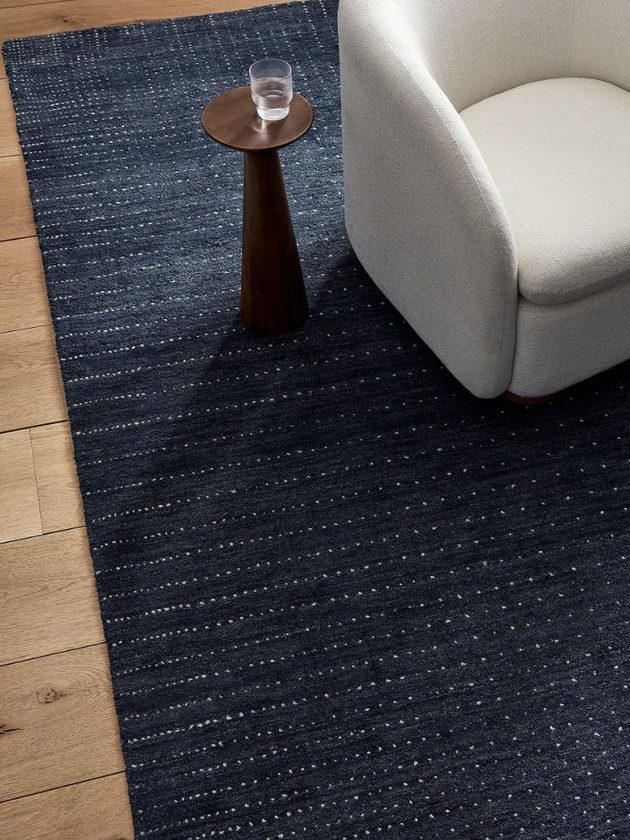
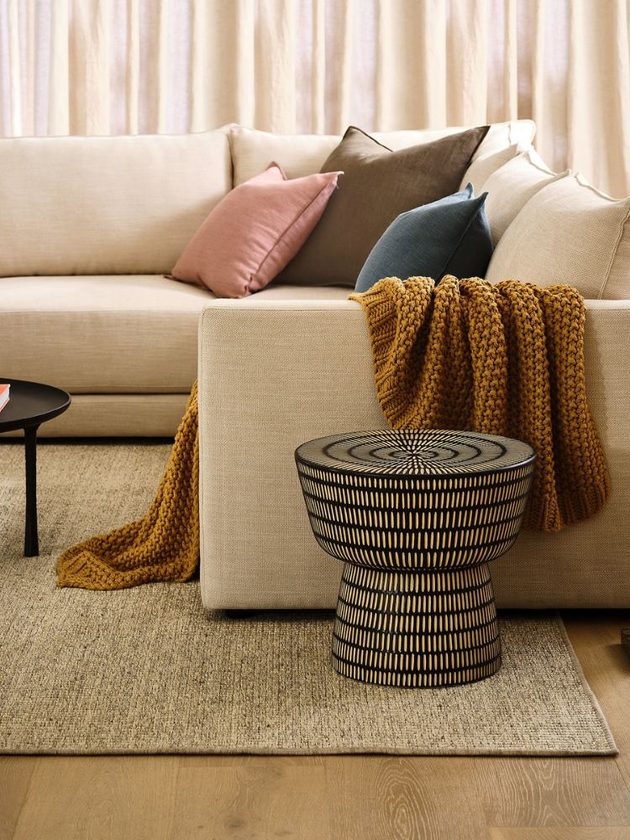
I tend to put large retailers, like West Elm, through much stricter scrutiny in my vetting process because they have larger supply chains which makes transparency much more difficult. It’s easy to know your factory without a certification if you work with one or two facilities. It’s much harder when you work with 20 — or 200. That’s why I appreciate that West Elm has such an extensive selection of rugs made in verified Fair Trade Certified factories.
Most of West Elm’s rugs are also made from 100% natural materials like sisal, jute, wool, and cotton. Though like most companies, their “Performance Rugs” are made with polyester. West Elm does use 90-100% recycled polyester for these rugs which makes it a lower impact choice from a carbon emissions point of view. It may still shed microplastics, but if you have pets that could be worth the trade-off for you to have a durable rug.
Note that West Elm does not have non-toxic related certifications for most of their rugs, so this can be a great choice if you value aesthetic variety, ethical production, and natural materials, but if your top priority or concern is that the rug was tested for potentially harmful chemicals, West Elm might not be the right fit for you.
Materials: Wool, Jute, Sisal, Cotton (Performance rugs use recycled polyester)
Price Point: From $459
Shipping: Ships within the US and select other countries
5. Schoolhouse
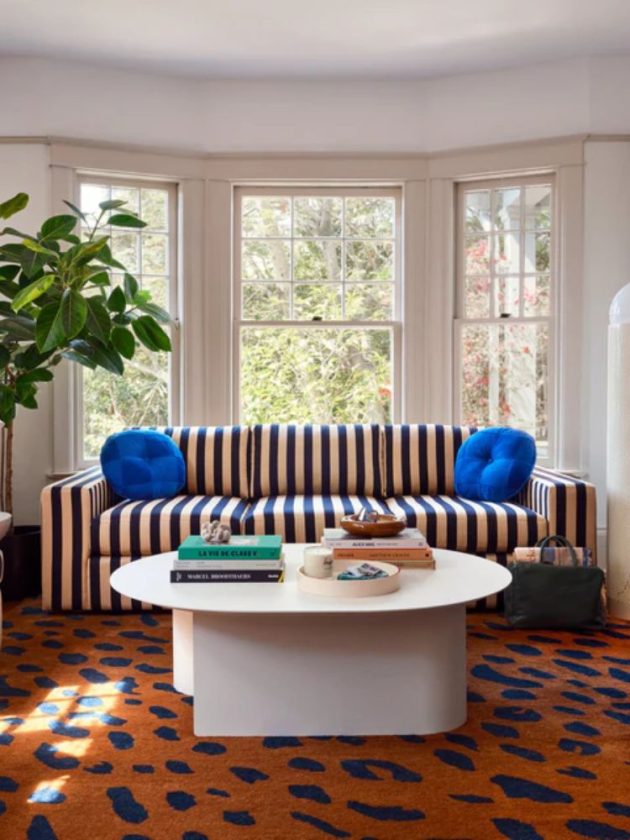
Best for: Bedrooms, living rooms, and dining rooms
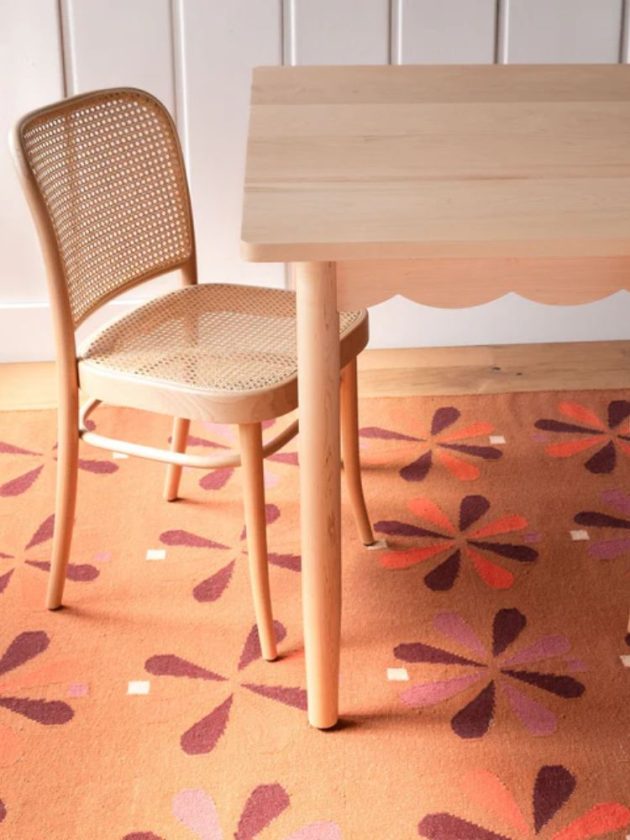
Schoolhouse brings American design sensibility to handcrafted rugs woven in India using natural materials. Their collection spans hand-knotted wool pieces with vivid, whimsical patterns like the Sundrop design to reversible flatweave plaid styles perfect for layering. Natural-dyed wool yarn creates rich, enduring colors—from burnt orange and chartreuse to soft neutrals—while jute-chenille blends offer versatility underfoot without the typical scratchiness. With 80% of their assortment domestic and FSC-certified materials across their product lines, Schoolhouse prioritizes reducing carbon emissions through consolidated shipping and minimal plastic packaging.
Materials: Wool, Jute, Cotton, Recycled PET (note: PET is plastic, so this isn’t our top recommendation)
Price Range: From $79
Shipping: Ships to all US States and Canada
6. Nestig
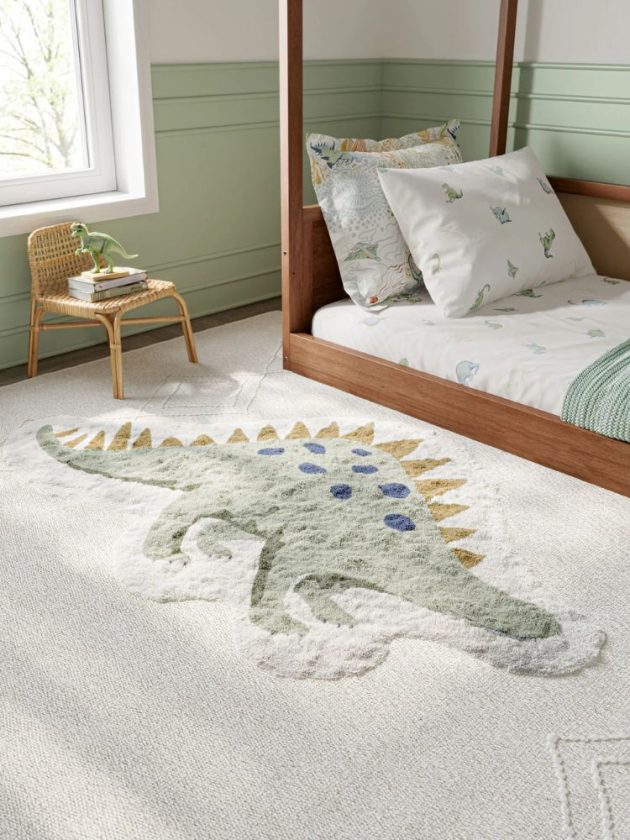
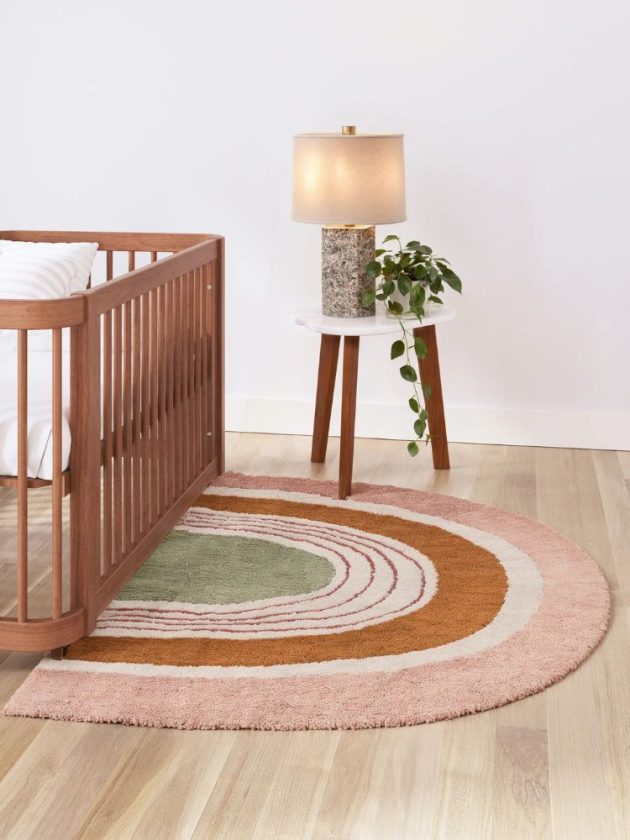
Best for: Nurseries and playrooms
Nestig transforms nursery floors with whimsical, machine-washable rugs that parents actually want to clean. Hand-loomed in Brazil by local artisans with over 20 years of experience, each piece uses 100% GOTS-certified organic cotton grown locally and dyed with non-toxic pigments. The designs range from playful vehicles (dump trucks, airplanes, sailboats) and animals (dinosaurs, bears) to sophisticated geometric patterns and world maps. Nestig operates on a “just enough” business model that minimizes warehouse inventory and carbon footprint, partnering exclusively with sustainable, family-owned businesses. Every rug arrives as a truly one-of-a-kind piece with natural variations that come from artisan craftsmanship.
Materials: Organic Cotton
Price Range: From $399
Shipping: Ships to US, Canada, and the UK
7. Salem Hello
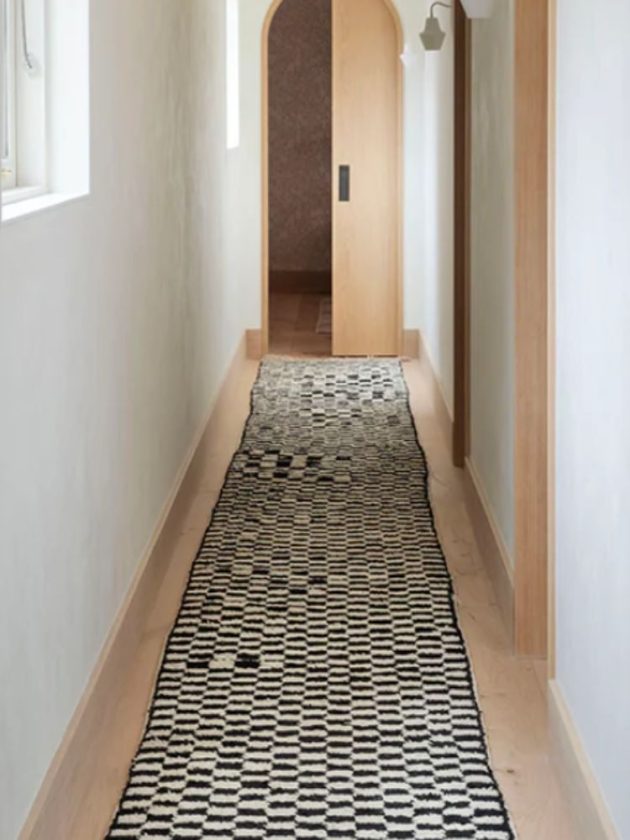
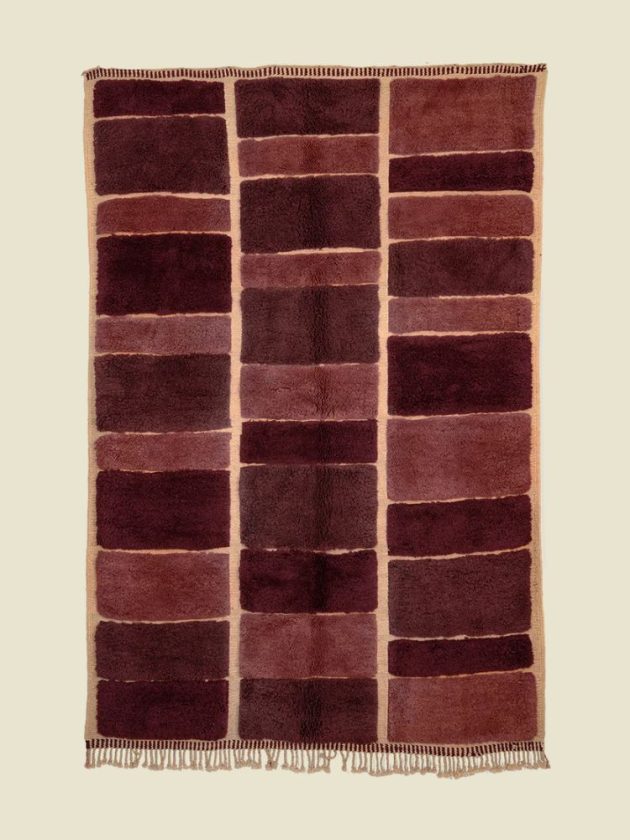
Best for: Living rooms, bedrooms, hallways and statement spaces
Salam Hello bridges the gap between Moroccan artisan tradition and contemporary homes with transparency at its core. Each handwoven rug is crafted by Amazigh women in Morocco’s Atlas Mountains, preserving techniques passed through generations while ensuring fair wages and artisan recognition. The collection includes ready-to-ship vintage and new pieces alongside made-to-order designs where you choose size, color, and pattern. From neutral flatweaves and textured hand-knots to bold geometric designs rich in traditional symbolism, every rug carries protective meaning woven into its fibers. With collaborations like their Izra collection with General Assembly and the Atlas Form line, Salam Hello offers refined modern interpretations alongside authentic traditional styles.
Materials: Wool
Price: From $625
Shipping: Ships Worldwide
8. Organic Weave
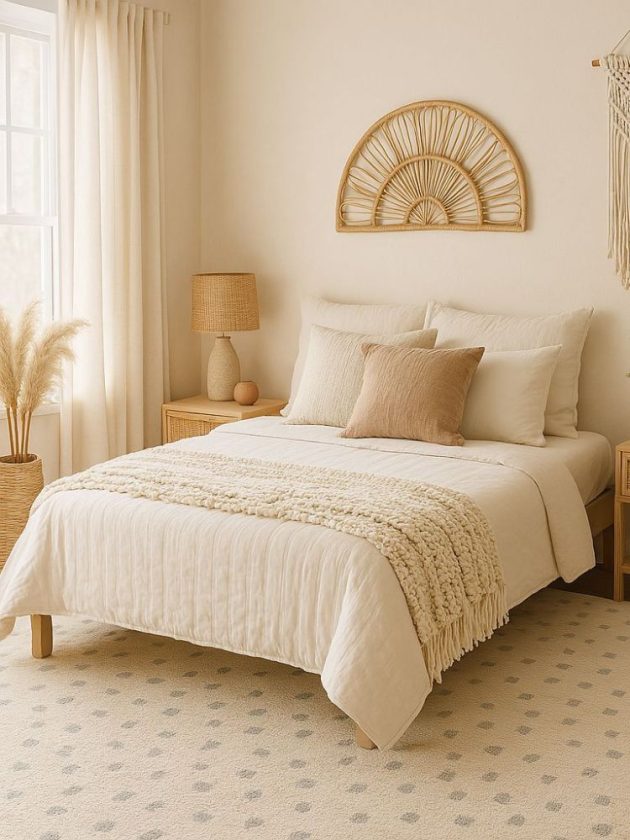
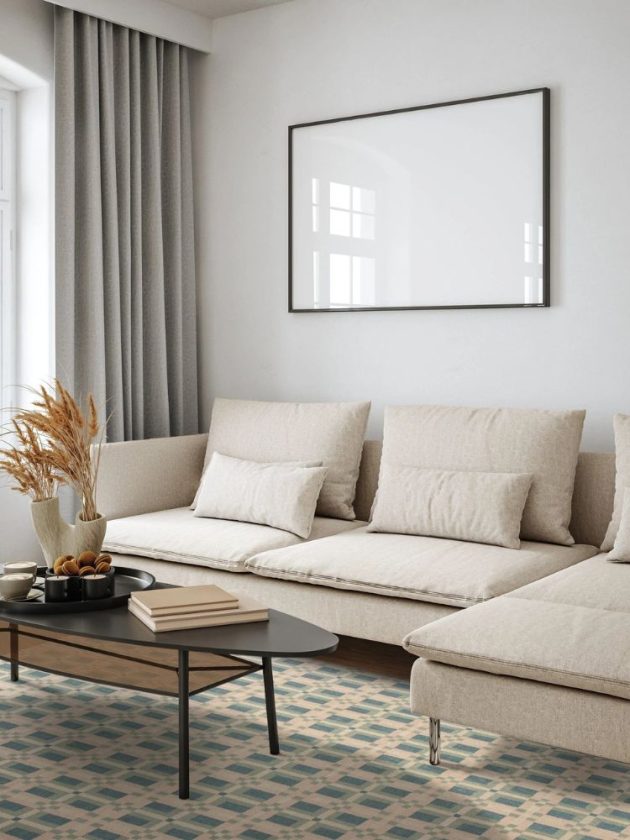
Best for: Living rooms, bedrooms, and kids’ rooms
Organic Weave was born after founder Linda witnessed child labor at the rug manufacturers in India her family’s rug business was sourcing from. When Linda became the buyer at her family’s company, she started sourcing exclusively from the only supplier that was committed to not employing children.
Today, Organic Weave is GoodWeave certified — a certification providing additional assurance there isn’t child labor in the supply chain. And as the name suggests, the sustainable rug company also uses organic materials: 100% organic wool for high-traffic areas like living rooms and 100% organic cotton for lower traffic areas like bedrooms. Their handmade, artisan crafted rugs are Global Organic Textile Standard Certified too.
Materials: Organic Cotton, Organic Wool
Price Range: From $1,789
Shipping: Ships Worldwide
9. LOOMY
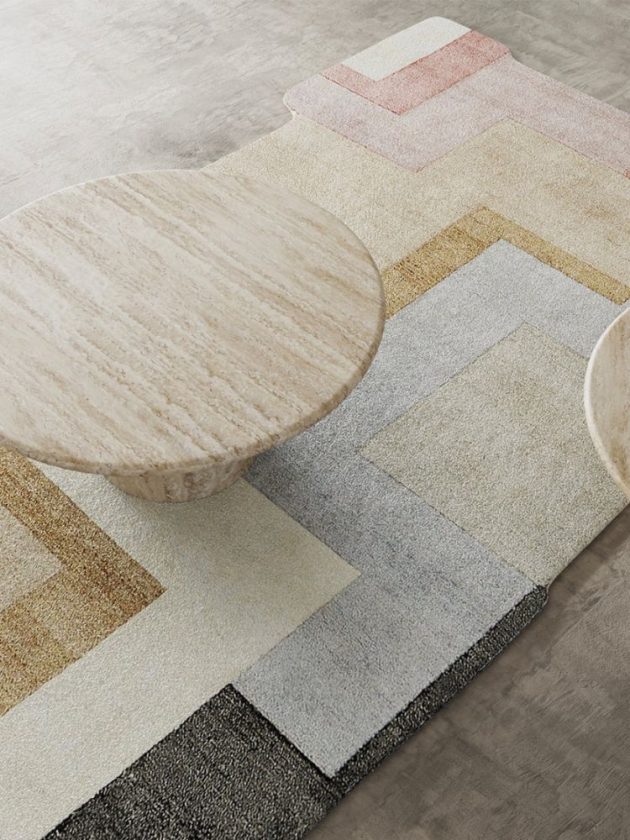
Best for: Living rooms, bedrooms, and dining rooms
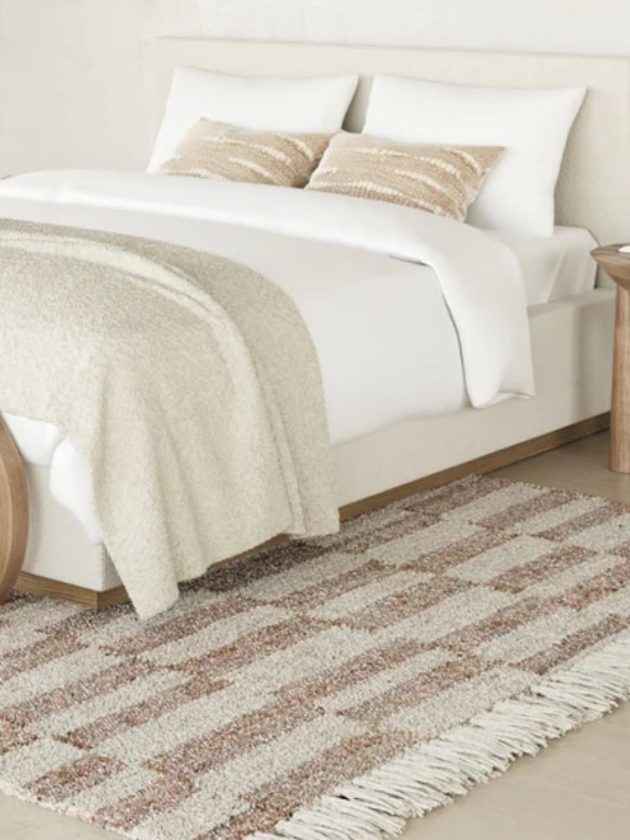
LOOMY proves that sustainable doesn’t mean sacrificing style with a curated collection of contemporary rugs made entirely by hand from indigenous artisan weaving communities worldwide. Their natural fiber collection includes wool, jute, cotton, hemp, and sisal rugs alongside performance options crafted from recycled P.E.T. plastic diverted from oceans and landfills. From shaggy textures and bold geometric patterns to minimalist flatweaves, every design is exclusively created in-house and made without mechanical assistance, using traditional spinning, natural dye baths under the sun, and generations-old loom techniques. The brand’s transparency extends to sharing exactly who made each rug, how many hours it took, and the sustainable materials used.
Materials: Wool, Jute, Cotton, Hemp, Sisal, Recycled P.E.T.
Price Range: From $278
Shipping: Ships to all US States and Canada
10. Revival

Best for: Living rooms, bedrooms, and dining rooms
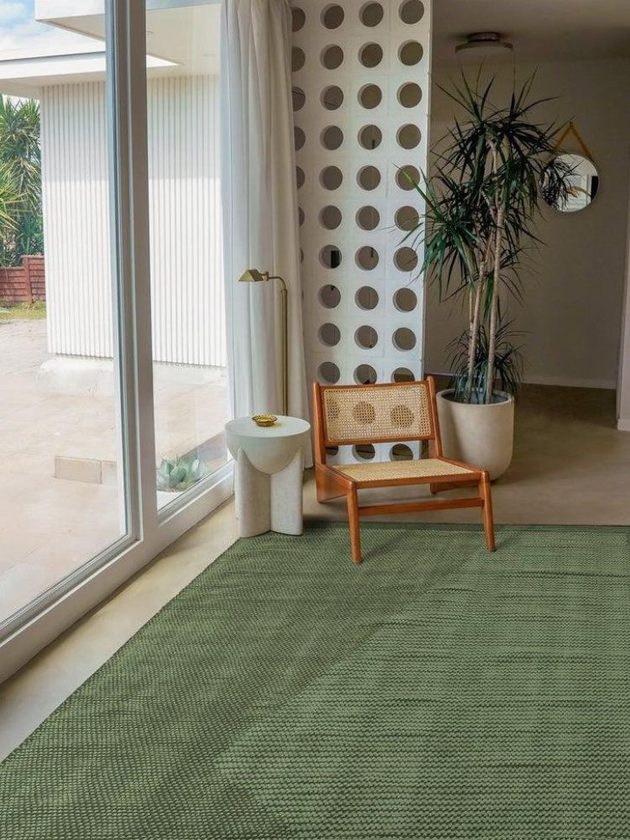
Originally founded as a vintage rug curator, Revival now makes a wide range of affordable, beautiful rugs for all needs, whether you have kids, pets, or just want an easy-care washable rug.
Not all options from Revival are sustainable, and some are made from virgin polyester, so for natural fibers I’d direct you to their Wool Rugs collection and Jute Rugs collection, including their naturally dyed jute rugs. Revival also carries one-of-a-kind rugs, which include vintage options.
Materials: Wool, Jute, Recycled Polyester (also has some rugs made with new polyester, which I’d avoid)
Price Range: From $169
Shipping: Ships to contiguous US and selected other international destinations
Honorable Mentions: More Sustainable Rug Options
Here are some additional companies with sustainable rugs to check out! These didn’t make the “top 10” list based on our criteria, but you might have different priorities. So if you’re not finding what you’re looking for above, I recommend taking a look at this list too.
Hook and Loom: if you’re looking for a non-toxic organic rug, Hook and Loom has undyed organic cotton and natural wool rugs made without added chemicals. Their website doesn’t have the most modern user experience, which can make shopping a bit more cumbersome, but the brand has thousands of positive reviews.
Sabai: Sabai’s all-natural textured rugs are crafted from jute and wool in North Carolina by skilled rug makers. They are one of the few companies to manufacture their rugs in the US. That said, the rug does appear to be on the thinner side considering the price point.
The Citizenry: Hand-knotted and hand-loomed by artisan partners across the globe from Morocco to Peru each piece blends modern minimalist design with time-tested techniques passed down through generations. The Citizenry’s collection features everything from plush, textured wool designs to natural jute pieces, and the retailer guarantees 100% fair trade standards on every product, partnering directly with artisan communities. However, many customers complain online about slow shipping and poor customer service, so that’s something to keep in mind before purchasing.
Yaya & Co: this brand has some high sustainability standards like 100% organic certified materials and production in a Fair Trade Certified family-owned factory! Their designs are quite colorful and fun too, which isn’t always easy to find with organic materials. Their selection is more limited compared to the other brands and retailers, which is the only reason they didn’t make it onto the top 10 list.
The post 10 Best Sustainable Rugs For a Healthier Home and Planet appeared first on Conscious Life & Style.
Just like fashion has been overrun by fast fashion, home goods and furniture have similarly seen a rapid decline in quality. Rugs are no exception.
And similar to fashion, these cheap goods come at a high cost — namely, to the planet and to people. In fact carpet and rug production is rampant with exploitation.
On the other hand, fair trade rugs present the best of what a rug can bring to your home: artistry, craftsmanship, and heritage.
The brands featured in this guide are partnering with (and fairly paying!) skilled artisans who are using generations-old — and sometimes even centuries-old — techniques. These artisans are sustaining long lines of crafts, preserving their cultural diversity, and celebrating the richness of their time-honored crafts.
There’s simply no replacement for a timeless, quality artisan-made rug — they’re like pieces of art you can lay out on your floor or hang on your walls.
So, enjoy browsing through this guide to sustainable rug brands listed out below and best of luck on your search for the right fair trade rug!
Where to Find Ethical and Fair Trade Rugs
Note that this guide includes affiliates and partners. As always, brands must meet high standards for ethics and sustainability to be featured and all opinions are my own.
1. The Citizenry
If you’re browsing for fair trade rugs, but looking for a more minimalist or neutral aesthetic, look no further than The Citizenry.
The brand’s natural, handmade rugs — made by artisans working in fair trade conditions — feature striking prints but more subtle colors. Next to each product page you’ll be able to learn more about the workshop and the artisans behind that piece.
Price Range: $$$
Conscious Qualities: Fair Trade, Natural Fibers, Craft Preservation
Categories: Area Rugs
2. Kiliim
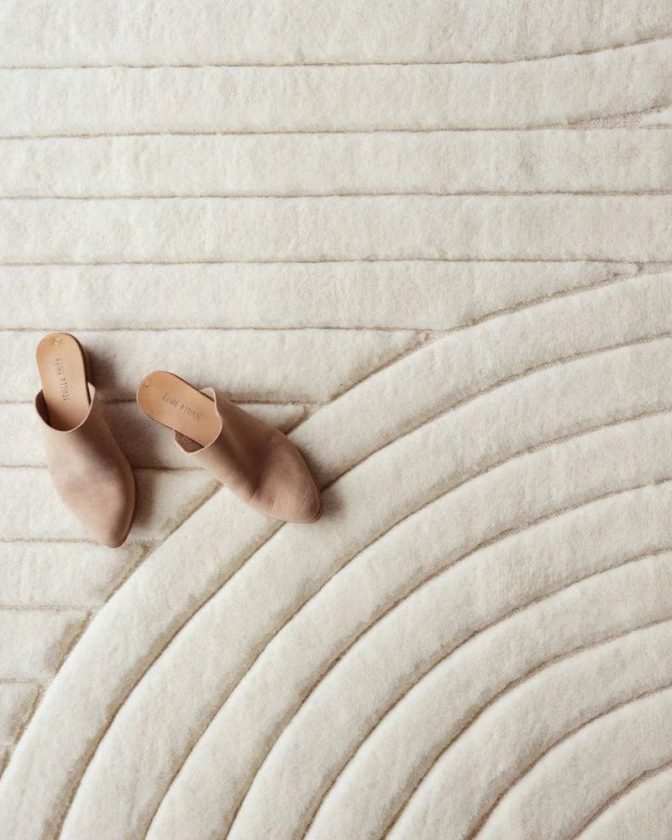
If you’re well-versed in rug terminology, you may recognize that this brand’s name looks similar to the word kilim. Kiliim’s rug are made using authentic, well, kilim rug craftsmanship by artisans in Egypt coming from generations of kilim artisans. To ensure ethical production and to support the preservation of this heritage craft, Kiliim pays living wages to all artisans.
Price Range: $ – $$$
Conscious Qualities: Ethical Production, Heritage Craft Preservation, Natural Fibers
Categories: Area Rugs, Accent Rugs
3. Urban Natural
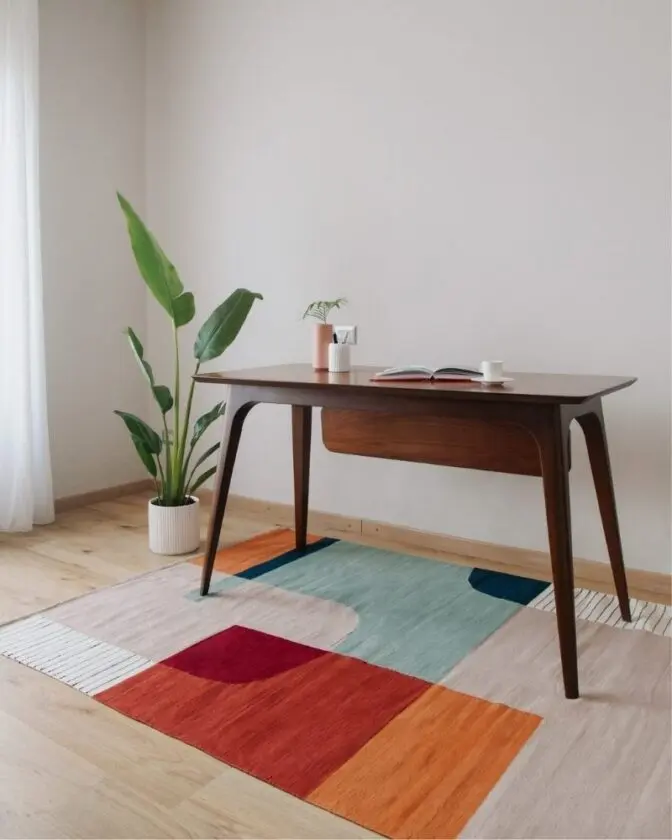
This natural home and lifestyle retailer has a beautifully curated selection of sustainably-made rugs crafted with materials like jute, sisal, wool, and cotton.
Several brands on Urban Natural are also ethically hand-loomed or hand-knotted, such as Loloi — a GoodWeave partner — and Jaipur Living — a brand that partners with thousands of local artisans to sustain heritage crafts.
Price Range: $$+
Conscious Qualities: Eco-Conscious Materials
Categories: Outdoor, Area Rugs, and Accent Rugs
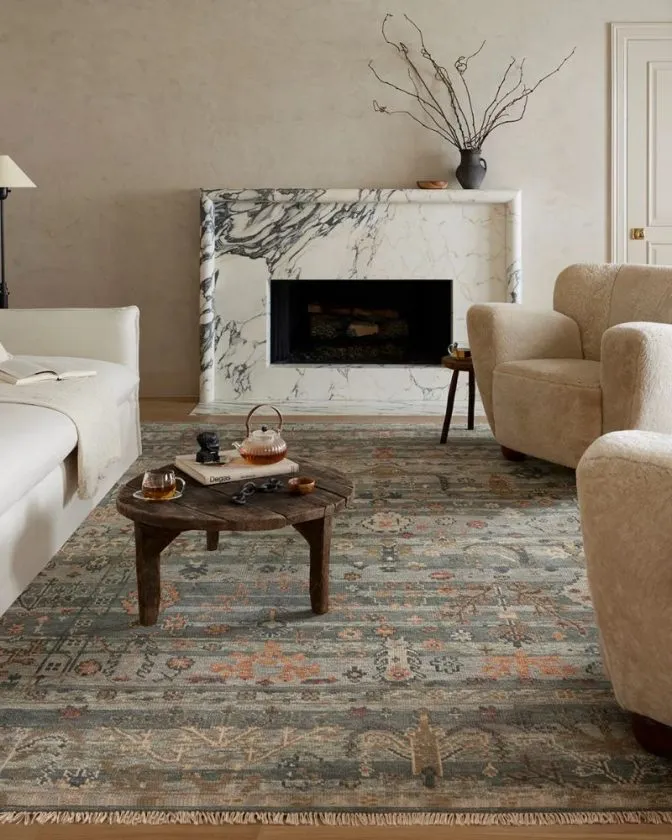
4. Zuahaza
Each of Zuahaza’s artisan-made rugs is creatively designed with unique patterns and expertly handwoven by weavers in Colombia. Zuahaza’s captivating rugs are made from sustainably-sourced fique, a natural fiber from Colombia that is similar to hemp. And, just like hemp, fique requires little water to grow and is rarely attacked by pests (meaning fique is always grown organically without chemical pesticides).
Price Range: $$ – $$$
Conscious Qualities: Organic Fibers & Natural Dyes, Cultural Preservation, BIPOC-Owned
Categories: Area Rugs, Runner Rugs, Accent Rugs
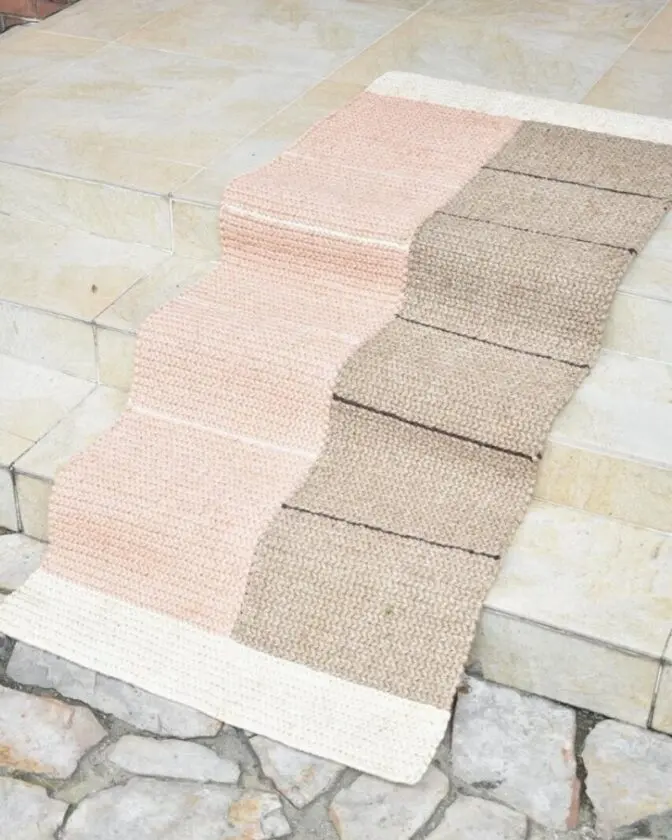
5. LOOMY
Founded by a weaver, LOOMY is dedicated to making beautiful, non-toxic rugs that will last for decades to come.
LOOMY partners with highly-skilled artisan weavers who craft quality rugs made from eco-minded materials like banana silk, jute, and recycled cotton built to withstand whatever life brings you.
Price Range: $$ – $$$
Conscious Qualities: Eco & Non-Toxic Materials, Craft Preservation
Categories: Area Rugs, Accent Rugs, Runners, Outdoor Rugs
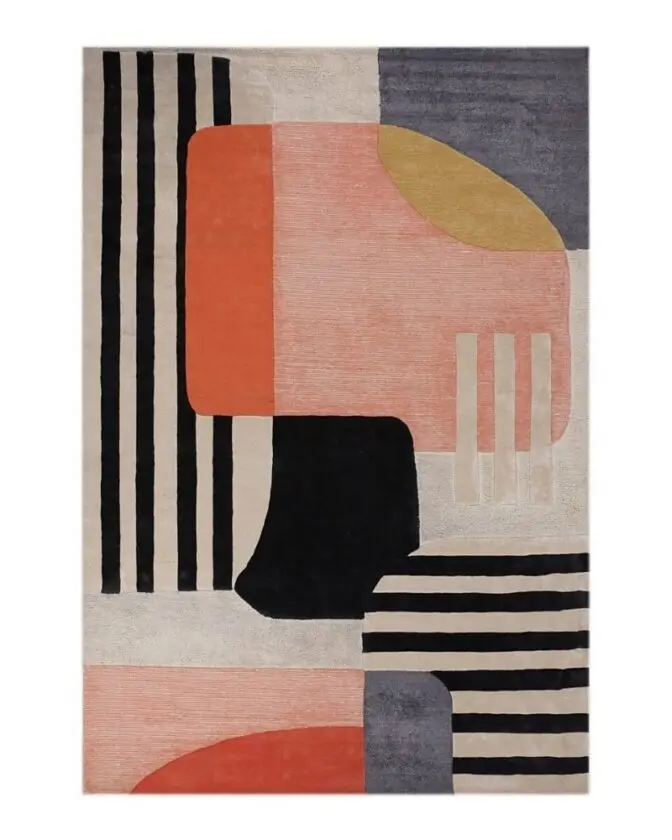
6. Leah Singh
Leah Singh’s designs are a reflection of the designer’s background, growing up surrounded by the rich artistry of India and studying at Parsons amidst the structural, minimal lines of New York.
All of the brand’s rugs are made by artisans in India who use embroidery, weaving, and printing techniques native to their respective regions.
Price Range: $$ – $$$
Conscious Qualities: BIPOC-Owned, Ethical Production, Cultural Preservation
Categories: Area Rugs, Accent Rugs, Runners
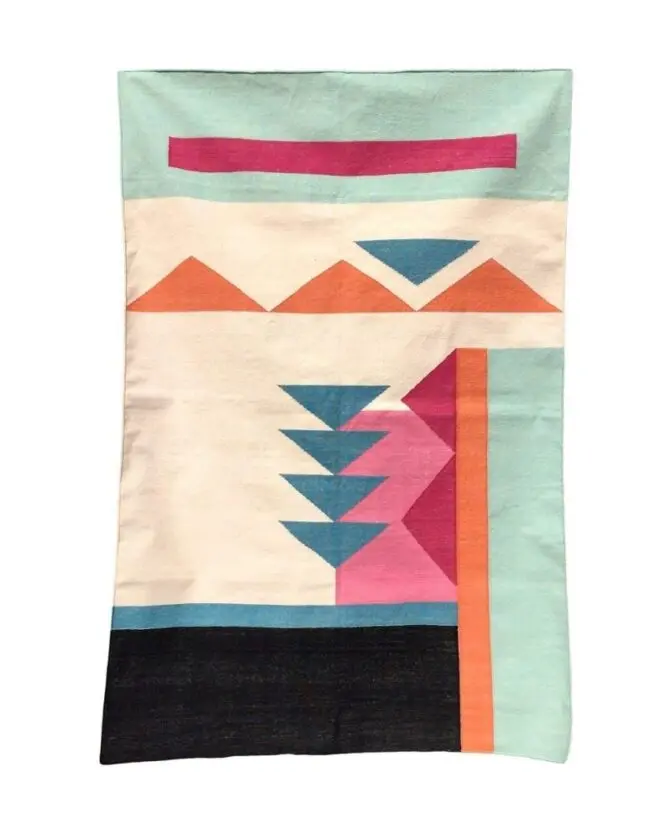
7. West Elm
West Elm is bringing ethical rugs to a broader market with their collection of Fair Trade Certified wool and cotton rugs. While I recommend browsing the smaller shops listed above first, West Elm is supporting the movement to responsibly-made, fair trade rugs.
Price Range: $$$
Conscious Qualities: Fair Trade production, Majority Natural Materials
Categories: Area Rugs, Accent Rugs
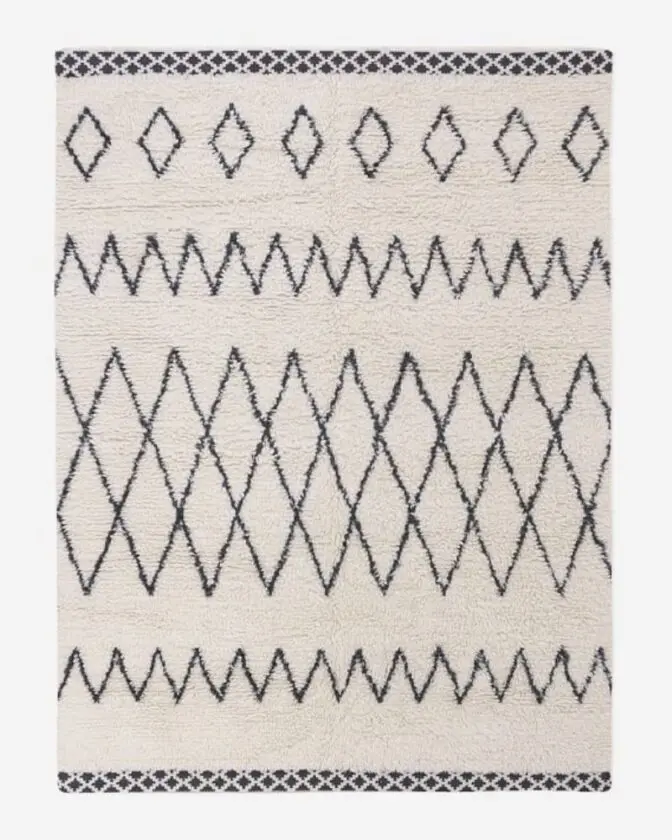
Liked this guide to sustainable rugs? You might also enjoy:
Ethical Home Decor Brands to Curate a Beautiful, Conscious Space
Eco-Friendly Furniture to Furnish Your Home Sustainably
Fair Trade and Eco-Friendly Blankets to Cozy Up With
The post 7 Best Ethical Fair Trade Rugs to Elevate Your Space appeared first on Conscious Life & Style.
A durable set of eco-friendly dinnerware is a solid ingredient for a sustainably set table! But…
What is Sustainable Dinnerware?
Well looking for secondhand and vintage dinnerware is always a good start, whether that’s your grandmother’s porcelain dining sets or a pre-loved set of colorful plates and bowls at your local thrift store.
Another great place to look is estate sales. You can likely find full sets of dinnerware! If none of those options are available to you (or your just not finding something you love) you can check out a site like Etsy Used or Chairish.
*Important note on secondhand dinnerware: the FDA started regulating the use of lead in dinnerware in 1971. So you might want to avoid any dinnerware produced before 1971, unless it’s just for display!
Here are some qualities to look for when shopping for new sustainable dinnerware:
Sustainably sourced materials: such as responsibly-harvested bamboo and recycled glass.
Quality: when it comes to products you’re going to potentially use and wash daily, durability is an important factor to keep in mind. Also consider your lifestyle! Perhaps glass and porcelain aren’t the best choices if you have little ones, or you tend to drop things often. (Guilty!!)
Usefulness: You might also want to consider if you will be hand-washing or dishwashing your dinnerware. Some materials are too fragile for the dishwasher, so consider if you’ll have the time (and willingness) to hand wash them all the time. Because part of sustainability is that you’ll actually use the products and they won’t just sit and collect dust! 
Ethical production: this could look like transparent local manufacturing or artisan-made and fair trade. In any case, an ethical dinnerware brand would prioritize fair living wages for the workers, ensure safe healthy conditions (this includes no toxic chemicals used in production!) and go above and beyond to consider the wellbeing of the people who work for them and/or produce their products.
Ownership and Equity: this means looking at who owns and profits from the brands we’re supporting; if a brand is owned by a person of color, it will be indicated in their description below (BIPOC-owned stands for Black, Indigenous, Person of Color-owned and WOC-owned stands for Woman of Color-owned).
Your Values: you may have other elements you look for in a brand, such as traditional craft preservation. Or perhaps it’s really important to you that a brand is giving back to their local community.
Where to Find Eco-Friendly Dinnerware
The eco-friendly tableware and sustainable dinnerware brands featured below meet at least one (though most of them meet several) of the above criteria.
In this roundup, you’ll find sustainable pottery (including ceramic plates, sustainable mugs, and more), recycled glassware, artisan-made ethical dinnerware, and everything in between to suit your needs. I hope that this variety of brands will help you set the table, whether that’s for fancy dinner parties, Friday night pizza, or something in between.
This article features affiliates and partners. As always, we only feature brands that meet strict standards for sustainability that we love — and that we think you’ll love too!
1. East Fork
East Fork’s ethically-made dinnerware and tableware is next level — their gorgeous sustainable ceramics, glassware, mugs, and other goods are exquisitely designed and built for durability.
Committed to creating local manufacturing jobs, all of East Fork’s eco-friendly pottery is made in Asheville, North Carolina and is working to center equity and inclusion throughout their business.
Categories: Plates, Bowls, Cups, Drinking Glasses, Flatware/Silverware,
Conscious Qualities: Locally-Made, Transparent Production
Price Range: $$$

2. Our Place
From the same brand that brought us their cult-favorite Always Pan, comes a gorgeous collection of non-toxic dinnerware and sustainable pottery.
Our Place has hand-painted main plates and side bowls made with recycled and virgin porcelain ceramic and dinner glasses handmade from recycled glass and colored with natural dyes.
Categories: Glassware, Bowls, Plates
Conscious Qualities: Eco Materials, Gives Back, WOC-Owned
Price Range: $$

3. Fable
Prioritizing timelessness and sustainability, Fable sources quality materials and simple designs that last the test of time.
The eco-minded dinnerware company partners with makers in Portugal, Germany, Italy, Japan, and the US that use conscious practices, like ethical employment, craftsmanship, and low-waste practices (like sourcing recycled clay).
Categories: Dinnerware, Drinkware, Cutlery, Serveware, and Decor
Conscious Qualities: Quality Craftsmanship, Low Waste Practices, Responsibly Sourced
Price Range: $$$

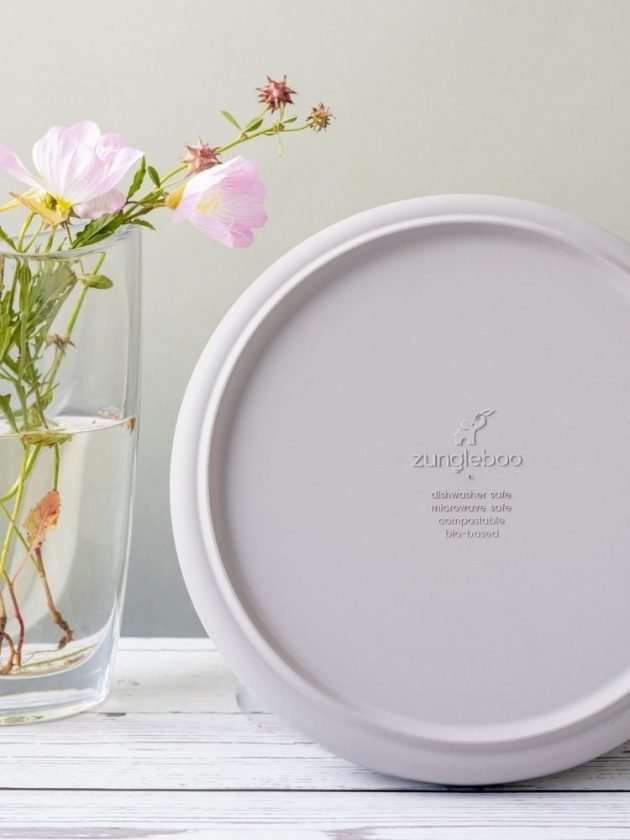
4. Zungleboo
Lightweight, shatterproof, and made from corn starch + bamboo fiber, Zungleboo creates family-friendly and eco-friendly dinnerware!
Their versatile plant-based bowls and plates are also dishwasher and microwave safe, making them easy to care for no matter how busy mealtime is. As Zungleboo writes on their website, their sustainable dinnerware is “from real plants, for real life”.
Categories: Bowls, Plates
Conscious Qualities: Eco Materials, WOC-Owned
Price Range: $$
Use code CONSCIOUS15 for 15% off!
5. Urban Natural
Green home retailer Urban Natural has stunning eco-friendly tabletop goods from leading contemporary brands like Farmhouse Pottery and Ethnicraft.
The brands Urban Natural curates source natural materials, use time-honored processes, and take quality craftsmanship seriously.
Categories: Plates, Bowls, Cups & Mugs, Flatware
Conscious Qualities: Artisan Goods, Natural Materials, Locally and Ethically Made
Price Range: $$ – $$$

6. GOODEE
For artisanal plates that can elevate your tablescape, GOODEE is the answer.
From 100% porcelain stone ceramic plates hand-crafted in the ancient Japanese town of Arita and hand-painted plates made from Egyptian clay to marble patterned ecothylene® (upcycled BPA-free plastic) plates ideal for family-friendly daily wares, GOODEE has options for everyone.
Categories: Plates, Glassware, Cups & Mugs, Serving, Flatware
Conscious Qualities: Ethical Production, Craft Preservation
Price Range: $$$

7. Ekobo
Ekobo’s colorful eco-friendly dinnerware is available in a variety of colors and sizes, perfect for mixing and matching to create a unique sustainable table setting for any space.
The eco-friendly dinnerware from Ekobo is made from upcycled bamboo and the result is durable, dishwasher-safe, and non-toxic diningware.
Categories: Plates, Bowls, Cups, Trays, Baby Diningware
Conscious Qualities: Eco Materials
Price Range: $$

More Guides For An Eco-Friendly Kitchen:
Best Fair Trade and Eco-Friendly Tablecloths
Your Sustainable and Zero Waste Kitchen Guide
The Best Zero Waste Food Storage Options
The post 7 Eco-Friendly Dinnerware Brands To Set Your Sustainable Table appeared first on Conscious Life & Style.
7 Eco-Friendly Dinnerware Brands To Set Your Sustainable Table



-

 Greenhouse Gases2 years ago
嘉宾来稿:满足中国增长的用电需求 光伏加储能“比新建煤电更实惠”
-
Climate Change1 year ago
Guest post: Why China is still building new coal – and when it might stop
-
Greenhouse Gases1 year ago
Guest post: Why China is still building new coal – and when it might stop
-

 Climate Change2 years ago
嘉宾来稿:满足中国增长的用电需求 光伏加储能“比新建煤电更实惠”
-

 Renewable Energy11 months ago
Sending Progressive Philanthropist George Soros to Prison?
-
Climate Change2 years ago
Bill Discounting Climate Change in Florida’s Energy Policy Awaits DeSantis’ Approval
-
Greenhouse Gases1 year ago
嘉宾来稿:探究火山喷发如何影响气候预测
-

 Carbon Footprint2 years ago
US SEC’s Climate Disclosure Rules Spur Renewed Interest in Carbon Credits