

Breezy, light, and breathable, we take a deep dive into how one of the best summer fabrics fares when it comes to sustainability while discovering these brands that are doing right by linen.
Where Does Linen Come From?
Linen fiber is extracted from the stalks of flax plants. This plant is also known for providing us with nutritious flaxseeds and linseed oil — talk about an overachiever!
In fact, linen is one of the oldest fibers known to man, dating back to the prehistoric era. Archaeologists and paleobiologists have discovered flax fibers during excavations that were twisted, indicating they were used to make ropes or strings among many proposed applications that must have been a great advantage to the hunter-gatherer society. In fact, linen wrappings were even used for mummification in ancient Egypt.
What is Linen Fabric?
Linen fabric is created by obtaining its fibers from the inner bark (or stalks) of the flax plant.
How is Linen Cloth Made?
Before the fibers are spun into the breezy linen you know and love, its fibers are loosened and separated from the rest of the stalk through a process known as “retting”. At that point, the fibers are still straw-like and coarse in texture.
To soften it, the fibers are broken up into small, short bits, while the actual fiber is left unharmed, and then “scutched”, where the straw is scraped off the fiber. After which they are then pulled through “hackles”, that comb the straw out of the fiber to finally prepare flax for spinning into linen fabric.
What is Linen Clothing?
Simply put, linen clothing is comprised of linen fiber in its entirety or blended with other natural fibers.
The Benefits of Linen Clothing
Why wear linen? Known for being ideal during the summers, clothing made from linen will allow heat to escape from the body while absorbing moisture and drying relatively quickly. While linen may have a notorious reputation for wrinkling rather quickly, when blended with other fibers, the creases aren’t as discernible as they would be with pure linens.
P.S. Did you know that US dollar bills are a blend of 25% linen and 75% cotton?
While linen may be notorious for its high energy consumption owing to its need to be ironed more, linen clothing’s pros easily outweigh its cons.
Flax plants can be grown in the harshest of climate conditions that require minimum water. What’s more impressive is the plant’s ability to absorb carbon. The European Confederation of Flax and Hemp (CELC) states that one hectare of flax absorbs 3.7 tons of CO2 every year.
Is Linen More Sustainable Than Cotton?
While there are benefits and drawbacks to every fiber when it comes to environmental sustainability, there are a few points where linen stands out when compared to cotton.
First, we know that durability is a key aspect of sustainability, because it means our clothes will last, enabling us to keep our clothes longer and buy new clothing less frequently.
So how long does linen clothing last in comparison to cotton? Linen clothing is up to 12 times stronger than cotton, helping increase its longevity and taking away the need to be replaced so often.
Another question might be about flax’s water usage. While the irrigation needs of the crop are dependent on the region’s climate (just as with cotton), 450–750 mm of water per season is sufficient for flaxseed. In fact, some studies even indicate that flax could be regarded as a drought-tolerant crop.
How to Care for Linen Clothing
When it comes to caring for linen clothing, linen can be washed on a gentle machine cycle with a mild detergent. (Check out these low waste low-impact detergent options.)
In case you’re curious whether linen stretches or shrinks, then there isn’t much to worry about. Linen is mostly pre-shrunk during the manufacturing stages but pure linens may show about 4% shrinkage.
And when it comes to stretch, linens aren’t known to stretch out over time but can show some level of elasticity when blended with other fibers.
Finally, it’s no secret that linen clothing tends to wrinkle easily! You may choose to embrace the natural characteristics of linen and wear your linen clothing as is, or if you want a crisper look, you may either want to look for a linen blended fabric, or be prepared to steam and/or iron your garments relatively frequently.
Note: This guide includes partners and/or affiliates. As always, brands must meet high standards for sustainability and ethics — and I only share brands that I believe in.
Where to Find Linen Clothing Secondhand
Don’t forget to check out local thrift stores and online secondhand shops first! Some options include Vestiaire Collective and The RealReal for luxury and premium brands or ThredUP and Poshmark for more affordable (as well as some mid-market to premium) brands.
Where to Find Eco-Friendly Linen Clothing
Price Range Key: $ = Under $100 | $$ = $100 – $200 | $$$ = $200+
1. Whimsy + Row
Whimsy + Row’s 100% linen garments are crafted locally within a few miles of their office. This means far lower shipping emissions and that their team can visit their factories regulalry to ensure good conditions and fair pay.
The brand also has several measures in place to reduce waste. They produce in small intentional quantities, repurpose extra scraps into accessories like bandanas, and have a resale program called Wear It Again Whimsy where you can buy or sell preloved Whimsy + Row garments!
Price Range: $ – $$
Size Range: XS – XL
Based in: U.S. | Ships: Internationally

2. Velvety
Online ethical fashion store Velvety has a vast selection of linen garments, from romantic dresses to laid-back button downs perfect for the beach.
Focusing on curating only timeless pieces from conscious European and Australian small businesses, Velvety has the slow made linen clothing you’ve been dreaming about! Velvety also has a preloved shop, currently available in Australia.
Price Range: $$
Size Range: XS-XXL
Based in: Australia | Ships: Internationally

3. Linen Fox
The beautiful linen clothing from Lithuanian fashion brand Linen Fox is all made by a team of 20 people in Lithuania.
This linen brand’s clothing is designed with durability in mind and made with OEKO-TEX certified linen fabric. The label follows fair trade principles and reduces fabric waste by selling their fabric scraps and making garments from multiple fabric pieces.
Price Range: € – €€
Size Range: XS – XL
Based in: Lithuania | Ships: Internationally

4. notPERFECTLINEN
Part of the appeal of linen is its’ creases and wrinkles — something that Not Perfect Linen embraces with their collections. In fact their slogan is “the beauty of linen is that it’s not perfect”. In the age of toxic wrinkle-free chemicals getting added to our clothes, that’s something we can stand behind!
This linen clothing brand uses OEKO-TEX Standard 100 certified linen fabric and crafts their slow fashion garments responsibly in Lithuania.
Price Range: $ – $$
Size Range: XS – XL, Option for custom garments for other sizes
Based in: Lithuania | Ships: Internationally

5. MATE
Prioritizing natural non-toxic materials, MATE has a collection of effortless linen shorts, slip dresses, button-downs, jumpsuits, and wide-leg pants made from this breathable, lightweight flax fabric.
MATE’s garments are made in Los Angeles — in fact their pieces are knitted, cut, sewn, and dyed within 15 miles of their office. The brand is also a certified B Corp.
Price Range: $$
Size Range: XS – XL
Based in: U.S. | Ships: Within U.S. only

6. OhSevenDays
OhSevenDays was founded by Megan Mummery after seeing the vast supply of surplus fabrics (i.e. deadstock) in Istanbul, Turkey.
While originally sourcing their deadstock fabric from middleman sellers, OhSevenDays now sources their surplus fabrics (including linen) directly from OEKO-TEX fabric mills for better transparency.
Just type “linen” into the search bar to browse all of the brand’s linen clothing!
Price Range: $$
Size Range: XS-XL + custom sizing options
Based in: Turkey | Ships: Internationally

7. Baltic Linen Art
From flowy linen dresses for warm sunny weekends to linen shirts for keeping cool at the office to linen overalls for working in the garden, Baltic Linen Art has linen clothes for all your needs.
The linen fashion brand even has linen scrunchies and linen headbands made from leftover fabrics to minimize waste.
Price Range: $ – $$
Size Range: XS – XXL
Based in: | Ships: Internationally

8. Reformation
Originally founded as a vintage clothing shop, Reformation has sustainability embedded into its core. They regularly publish their Sustainability Reports which report on their impact on people and planet, as well as the company’s progress towards their goals.
With about two third’s of a fashion brand’s emissions coming from their fabrics, Reformation prioritizes lower impact materials like recycled cotton, Tencel Lyocell, and of course linen.
But there’s a whole lot more, from water savings to ethical production, which you can geek out on in their Q4 Sustainability Report.
Price Range: $$ – $$$
Size Range: XS – XL
Based in: US | Ships: Internationally

9. Magic Linen
From classic linen shirts to linen aprons and linen pajamas, Magic Linen is your destination for finding summer-ready sustainable linen clothing for men or women.
The small business’ linen clothing is made with European flax and is certified by OEKO-TEX, which is a third-party that tests for hazardous chemicals.
The Etsy shop also has plenty of linen home goods, like bedding and table linens in case you’re a big fan of the fabric!
Price Range: $-$$
Size Range: XS – XXL
Based in: Lithuania | Ships: Internationally

10. Beaumont Organic
Looking for breathable garments perfect for your summer getaway to the English countryside or sea? Look no further than Beaumont Organic.
Beaumont Organic is a UK slow fashion brand with garments made from natural fabrics, like flax linen clothing! The brand publishes a directory of the factories they source from — 97% of production takes place in Northern Portugal.
They also have a repair program and are launching a resale program (currently available within the UK only).
Price Range: ££ – £££
Size Range: XS – L
Based in: UK | Ships: Internationally; covers EU customs & fees

11. LoveAndConfuse
The linen clothing from this lovely small Lithuanian brand on Etsy are truly swoon-worthy!
From wrap dresses to ruffled midi’s to high-waisted linen shorts and linen crop tops, their collection of linen fashion will have you dreaming of a slow travel escape to somewhere warm and sunny.
Price Range: $ – $$
Size Range: XS – XL
Based in: Lithuania | Ships: Internationally

12. Linen Handmade Studio
This small slow fashion label has a gorgeous selection of timeless linen clothing in their Etsy shop.
Linen Handmade Studio uses OEKO-TEX standard-certified linen and designs each piece to last through several seasons to come. And shoppers love this store — this linen clothes brand has a 5-star average rating from over 5,000 reviews.
Price Range: $$
Size Range: US 2-10
Based in: Lithuania | Ships: Internationally

13. Neu Nomads
With a mission to create simple, sustainable luxury at affordable prices, Neu Nomads offers quality classics made from earth-minded materials, including organic linen.
You’ll find linen trousers, effortless shirts, chic blouses, summer dresses, and even linen blazers in a range of colors among Neu Nomad’s consciously crafted selection.
Price Range: $ – $$
Size Range: XS – XL
Based in: U.S. | Ships: Internationally

14. tentree
If you’re on the lookout for some easy breezy pieces that’ll keep you cool, calm, and collected all summer long, then look no further. Tentree’s range of lightweight linen clothes are unfussy and every bit as chic.
Most of their linen clothes are blended with TENCEL Lyocell to offer more resistance to wrinkles, which means you’re spending a lot less time ironing it. But tentree does a lot more than just help you cut down on some energy consumption. For every item purchased, the brand offsets carbon by planting ten trees for every purchase made. An effort that has helped them earn a Climate Neutral Certified badge since 2021.
Size Range: XS–XL
Price Range: $$-$$$
Based in: Canada | Ships: Internationally
Check out tentree (CA)

15. EILEEN FISHER
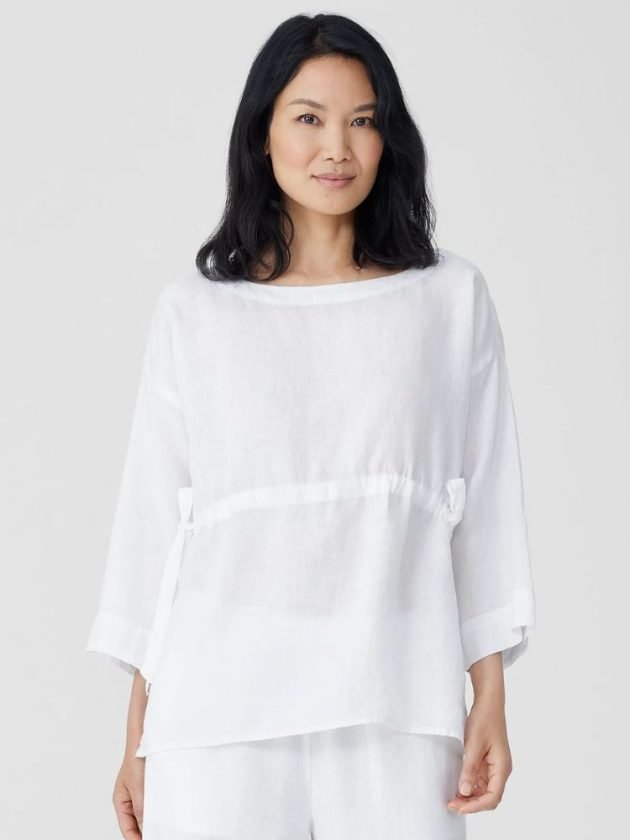
Slow fashion label EILEEN FISHER has elegant, minimalistic garments made from eco-minded fabrics including organic linen.
EILEEN FISHER’s organic linen clothing is timeless and made with quality, as part of their circularity efforts. In addition to ensuring their pieces last, the brand also has a resale program called Renew and a “third life” program called Waste No More that repurposes unwearable garments into unique items.
Price Range: $$$
Size Range: XXS – XL
Based in: U.S. | Ships: Within U.S.
 For More Slow Fashion Content:
More Sustainable Clothing Guides:
21 Organic Cotton Fashion Brands
What is Zero Waste Fashion? + 7 Circular Fashion Brands
10 Fashionable Hemp Clothing Brands
The post 15 Best Linen Clothing Brands With Easy Breezy, Beautiful Pieces appeared first on .
15 Best Linen Clothing Brands With Easy Breezy, Beautiful Pieces

Just like fashion has been overrun by fast fashion, home goods and furniture have similarly seen a rapid decline in quality. Rugs are no exception.
And similar to fashion, these cheap goods come at a high cost — namely, to the planet and to people. In fact carpet and rug production is rampant with exploitation.
On the other hand, fair trade rugs present the best of what a rug can bring to your home: artistry, craftsmanship, and heritage.
The brands featured in this guide are partnering with (and fairly paying!) skilled artisans who are using generations-old — and sometimes even centuries-old — techniques. These artisans are sustaining long lines of crafts, preserving their cultural diversity, and celebrating the richness of their time-honored crafts.
There’s simply no replacement for a timeless, quality artisan-made rug — they’re like pieces of art you can lay out on your floor or hang on your walls.
So, enjoy browsing through this guide to sustainable rug brands listed out below and best of luck on your search for the right fair trade rug!
Where to Find Ethical and Fair Trade Rugs
Note that this guide includes affiliates and partners. As always, brands must meet high standards for ethics and sustainability to be featured and all opinions are my own.
1. Obakki
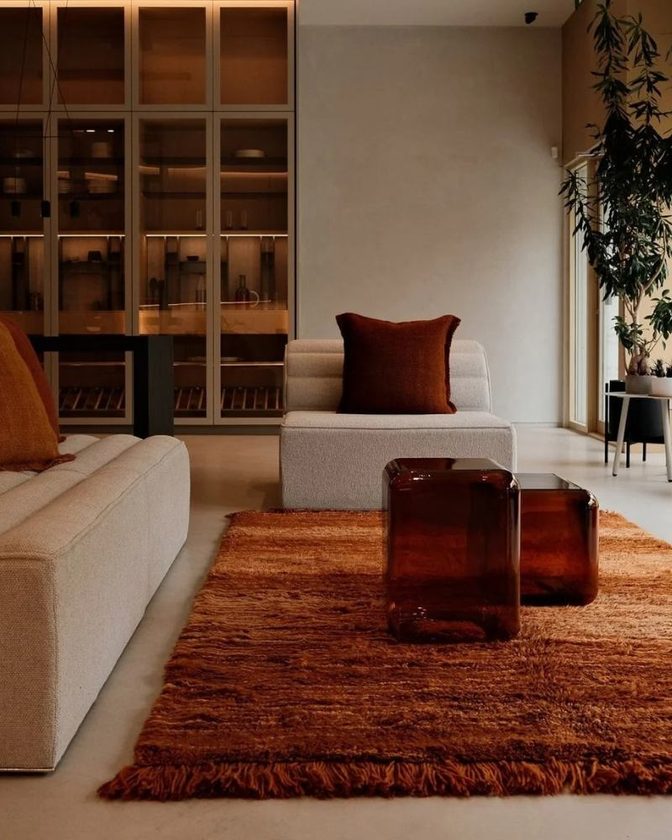
Best for: warm-hued handwoven wool rugs
Categories: Area Rugs, Runners, Accent Rugs
Obakki partners with artisan weavers primarily in Oaxaca, Mexico — including individual makers like José — who hand-dyes and weaves rugs on a traditional pedal loom using locally sourced sheep’s wool and natural dyes derived from native plants. The brand also works with Rrres Design Studio, a Latin American studio dedicated to preserving traditional Oaxacan weaving techniques, and sources handwoven textiles from artisan communities beyond Mexico as well, including Morocco.
Each rug is made from 100% wool with no synthetic dyes or backing. Most pieces are made-to-order with a 4-8 week production window, shipped directly from the artisan partners.
Price Range: $460 – $4,159
Conscious Qualities: Natural Fibers, Natural Dyes, Craft Preservation
2. Kiliim
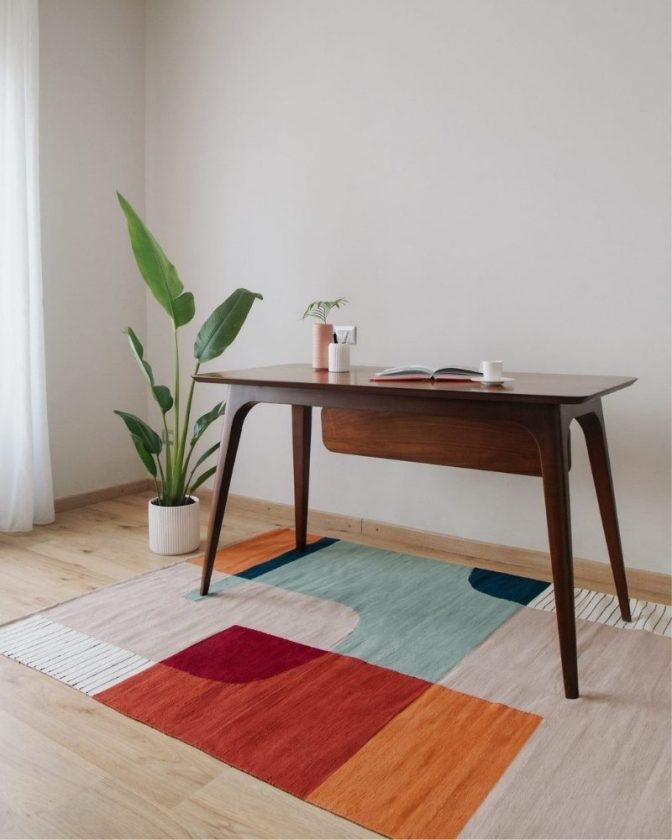
Best for: modern wool kilim rugs
Categories: Area Rugs, Accent Rugs
If you’re well-versed in rug terminology, you may recognize that this brand’s name looks similar to the word kilim.
Kiliim’s rug are made using authentic kilim rug craftsmanship by artisans in Egypt coming from generations of kilim artisans. To ensure ethical production and to support the preservation of this heritage craft, Kiliim pays living wages to all artisans.
Price Range: $95 – $4,812
Conscious Qualities: Ethical Production, Heritage Craft Preservation, Natural Fibers
3. Urban Natural
Best for: browsing fair trade rugs in lots of styles and sizes
Categories: Outdoor, Area Rugs, and Accent Rugs
This natural home and lifestyle retailer has a beautifully curated selection of sustainably-made rugs crafted with materials like jute, sisal, wool, and cotton.
Several brands on Urban Natural are