


Introduction Sustainable Energy Technologies for Off-Grid and Remote Areas
Access to reliable and affordable energy is a fundamental requirement for human development, yet many off-grid and remote areas around the world still lack access to electricity.
In these areas, sustainable energy technologies offer an opportunity to meet energy needs, improve livelihoods, and drive sustainable development.
This article explores innovative sustainable energy technologies that are specifically designed for off-grid and remote areas, providing clean, reliable, and affordable energy solutions.
Outlook Sustainable Energy Technologies for Off-Grid and Remote Areas
1. Solar Photovoltaic (PV) Systems:
Solar PV systems are one of the most accessible and widely used sustainable energy technologies for off-grid and remote areas. These systems convert sunlight directly into electricity using solar panels. They are modular and scalable, making them suitable for various energy needs, from small individual home systems to larger community microgrids. Solar PV systems can power lighting, appliances, mobile phone charging, and small-scale productive uses such as water pumping or powering small businesses. With no fuel costs and minimal maintenance requirements, solar PV is a sustainable and cost-effective solution for off-grid communities.
2. Small-Scale Wind Turbines:
In areas with consistent wind resources, small-scale wind turbines are an effective sustainable energy technology for off-grid and remote locations. These turbines generate electricity by harnessing wind energy and can be installed individually or in small clusters. Small-scale wind turbines are particularly useful in complementing solar PV systems, as wind speeds tend to be higher during periods of low solar radiation. They are suitable for powering community facilities, telecommunications infrastructure, and irrigation systems, providing reliable and clean energy in areas where wind resources are favorable.
3. Micro-Hydro Power Systems:
Micro-hydro power systems utilize the energy from flowing water to generate electricity. They are well-suited for off-grid and remote areas with access to rivers or streams. These systems consist of a turbine that converts the energy of moving water into electrical power. Micro-hydro power systems can be installed at various scales, from individual homes to community-level installations. They offer a reliable and continuous source of energy, particularly in areas with consistent water flow, and can power a range of energy needs, including lighting, cooking, and productive uses such as small-scale agro-processing or milling.
4. Biomass Gasification:
Biomass gasification is a sustainable energy technology that converts biomass, such as agricultural residues, wood chips, or crop waste, into a combustible gas known as syngas. This syngas can be used for cooking, heating, and electricity generation. Biomass gasification systems are suitable for off-grid and remote areas with abundant biomass resources. They provide a clean and renewable energy source, reduce dependence on traditional biomass combustion, and contribute to local waste management. Biomass gasification systems can be deployed at community levels, benefiting households, schools, healthcare centers, and small-scale industries.
5. Improved Cookstoves:
Traditional cooking methods using open fires or inefficient stoves not only contribute to deforestation but also pose health risks from indoor air pollution. Improved cookstoves are designed to be more efficient, reducing fuel consumption and emissions. These stoves can be powered by sustainable energy sources such as biomass pellets or biogas, offering a cleaner and healthier cooking solution. Improved cookstoves enhance energy efficiency, reduce the demand for biomass fuel, and improve indoor air quality in off-grid and remote areas.
6. Off-grid and remote areas
In off-grid and remote areas, where access to electricity infrastructure is limited, mobile and pay-as-you-go solutions have emerged as innovative approaches. These solutions leverage mobile technology and mobile payment systems to provide access to sustainable energy services. Mobile solar home systems, for example, are portable solar kits that include a solar panel, battery, and appliances such as lights and mobile phone chargers. Users can access these systems through mobile-based payment platforms, allowing them to pay for energy services in small increments. Pay-as-you-go solutions enable individuals in off-grid and remote areas to have affordable and flexible access to sustainable energy, empowering them to improve their livelihoods and productivity.
Conclusion Sustainable Energy Technologies for Off-Grid and Remote Areas
Sustainable energy technologies offer tremendous potential for meeting the energy needs of off-grid and remote areas in a clean, reliable, and affordable manner.
Solar PV systems, small-scale wind turbines, micro-hydro power systems, biomass gasification, improved cookstoves, and mobile and pay-as-you-go solutions are among the sustainable energy technologies specifically designed for these challenging contexts.
By deploying these technologies, off-grid communities can gain access to electricity for lighting, productive uses, and essential services such as healthcare and education. Moreover, these technologies contribute to environmental sustainability by reducing reliance on fossil fuels and mitigating the negative impacts of traditional energy sources. As governments, organizations, and communities recognize the importance of sustainable energy access, greater support and investment in these technologies will pave the way for a more inclusive and sustainable future, where even the most remote areas can thrive through clean and accessible energy solutions.
https://www.exaputra.com/2023/07/sustainable-energy-technologies-for-off.html


 This is what we voted for; it’s what carried the day in 2024.
Twenty years ago, you wouldn’t have been able to get one out of ten Americans to agree to such a blatantly racist and hateful statement.
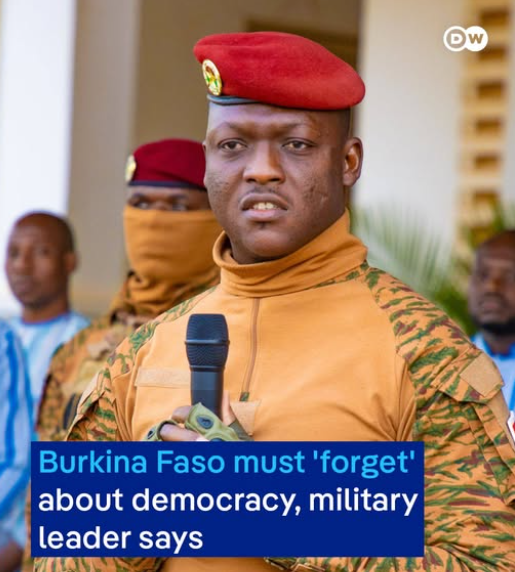 From DW Africa:
Burkina Faso’s military leader, Ibrahim Traore, has said the country should “forget about democracy,” in one of his clearest signs yet that military rule could continue for years. Traore seized power in a coup in September 2022, overthrowing another junta that had itself taken control just nine months earlier. Since then, he has tightened his grip on power, suppressing opposition and banning political parties in January. He had initially promised a return to civilian rule, but later delayed elections, arguing that Burkina Faso remained too insecure because of ongoing Islamist insurgencies. Last year, the junta extended the transition period, allowing Traore to stay in office until 2029. His remarks suggest Burkina Faso is moving even further away from its earlier pledge to restore democratic governance.
The story above is an extremely common one in the developing world and illustrates a critically important point: once a democracy is lost, it’s almost impossible to recover.
America: Take Heed.
 Although we can’t see behind the scenes, it appears that what I predicted is actually happening. i.e., that out top generals and admirals are refusing help the Trump administration commit war crimes.



-
Greenhouse Gases8 months ago
Guest post: Why China is still building new coal – and when it might stop
-
Climate Change8 months ago
Guest post: Why China is still building new coal – and when it might stop
-

 Greenhouse Gases2 years ago
嘉宾来稿:满足中国增长的用电需求 光伏加储能“比新建煤电更实惠”
-
Climate Change2 years ago
Bill Discounting Climate Change in Florida’s Energy Policy Awaits DeSantis’ Approval
-

 Climate Change2 years ago
嘉宾来稿:满足中国增长的用电需求 光伏加储能“比新建煤电更实惠”
-
Climate Change Videos2 years ago
The toxic gas flares fuelling Nigeria’s climate change – BBC News
-

 Renewable Energy5 months ago
Sending Progressive Philanthropist George Soros to Prison?
-

 Carbon Footprint2 years ago
US SEC’s Climate Disclosure Rules Spur Renewed Interest in Carbon Credits