

Weather Guard Lightning Tech
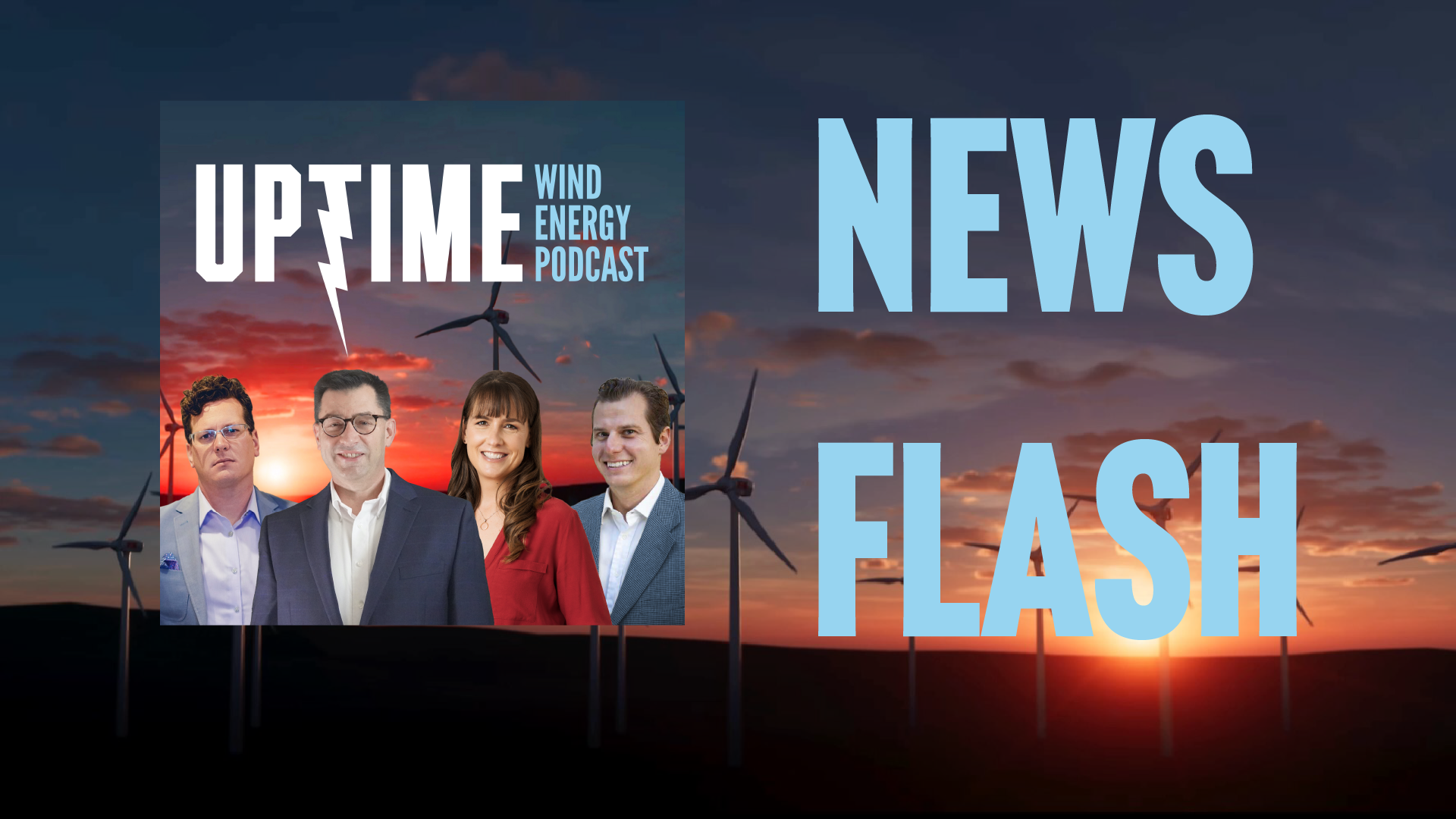
Siemens Gamesa €1.2 Billion Credit, Masdar Acquires Stake in Endesa, Leeward Renewable Energy Receieves Financing
Siemens Gamesa has received a €1.2 billion line of ‘green’ guarantees from the Spanish government along with a group of major banks. Masdar is finalizing a deal with Endesa to acquire a 49 percent stake in their 2, 000 megawatt renewable energy portfolio. Leeward Renewable Energy has secured $1.25 billion in financing for its construction warehouse facility. The Welsh government has established Trydan Gwyrdd Cymru, a publicly owned renewable energy developer.
Sign up now for Uptime Tech News, our weekly email update on all things wind technology. This episode is sponsored by Weather Guard Lightning Tech. Learn more about Weather Guard’s StrikeTape Wind Turbine LPS retrofit. Follow the show on Facebook, YouTube, Twitter, Linkedin and visit Weather Guard on the web. And subscribe to Rosemary Barnes’ YouTube channel here. Have a question we can answer on the show? Email us!
Pardalote Consulting – https://www.pardaloteconsulting.com
Weather Guard Lightning Tech – www.weatherguardwind.com
Intelstor – https://www.intelstor.com
Allen Hall: I’m Allen Hall, president of WeatherGuard Lightning Tech, and I’m here with the founder and CEO of Intel store Phil Totaro and the chief commercial officer of WeatherGuard, Joel Saxum, and this is your News Flash. Newsflash is brought to you by our friends at IntelStor. If you want market intelligence that generates revenue, then book a demonstration of IntelStor at IntelStor. com.
In Spain, Siemens Gamesa has received a crucial financial boost. The Spanish government and major banks have granted the company 1. 2 billion in green guarantees. This support will help Siemens Gamesa, which has been facing financial challenges, To back its wind energy projects, the company is also undergoing leadership changes with Vinod Philip, set to become the new CEO in August.
So Phil, this backing by the Spanish government and banks within Spain is a welcome entrant into the Siemens Gamesa financial situation.
Philip Totaro: It is and it’s something that they’ve been asking for for a while in terms of receiving some level of support. It seems a little lower than what they wanted unfortunately for them.
And keep in mind, this is almost like a, a line of credit type of thing. They don’t have to necessarily tap into this unless they, they actually need it. First of all the second aspect of this is that, the unions are also going to be all over this saying, well, this is ample evidence that you can, keep us on board and keep paying us or it, as it turns out, may have been necessary for them to receive this funding to be able to keep the, the unions happy.
So. We’ll see how much of this they, they end up actually needing. This will presumably be part of their financial reports in the future. How they’re, how they’re putting these funds to use. But hopefully they don’t need to tap into it too much and they can, get back to being a thriving company.
Joel Saxum: My, my main concern with it is if it’s a prop up or is it, is it real, right? So is this something that’s going to really boost them along? Do they really need it? Is it too, is it too little too late or is it just going to sit in an account and not be used? So. I think that what you’ll see from Wall Street and the investors and stock prices is going to be a little bit different than what reality is.
Allen Hall: Abu Dhabi’s renewable energy group, Masdar, is making moves in the Spanish market. After a failed bid for Nanergy, Masdar is now finalizing a deal with Endesa to acquire a 49 percent stake in the 2, 000 megawatt renewable energy portfolio. This could be one of the largest renewable energy deals in spain this year phil
Philip Totaro: yeah this comes on the back of master making moves in europe as we’ve talked about on newsflash and on the uptime podcast previously so the reality of this is this is you know also uh kind of building on what we talked about last week with china.
This is the Middle East deploying their capital and, and putting their money to to work in the renewable space. The, the deal with Endesa, which for those who don’t know, is basically Enel’s Spanish subsidiary. This is actually a pretty important step. Now, this isn’t getting 49 percent of all of Vendessa, just to be clear.
It’s only, as Allen mentioned, the renewables portfolio. But it’s still a pretty big step for them to make. And gives them, ample reason to to want to continue kind of building out their, their footprint throughout
Joel Saxum: Europe. Yeah. Masdar is taking the path of everybody else. It just seems odd to us because Masdar, Middle East money, but it’s the same exact thing that’s happening with a lot of the big money around Europe in the Western countries, right?
Blackrock and Brookfield, these other guys doing the same thing. Like, like Phil said, we’ve talked about on the podcast regularly. But. Just a
Allen Hall: different player in the market. In the U. S., Leeward Renewable Energy has secured 1. 25 billion dollars in financing for its construction warehouse facility.
This three year committed capital will fund the construction of six wind, solar, and battery storage projects, totaling nearly one gigawatts of capacity. Bill. This is quite amazing. Billions of dollars, again, going into renewables. That’s good.
Philip Totaro: Yeah, it is. And what’s, what’s interesting is that you’re seeing some of these companies tapping, these billions of dollars for multiple different projects, cross cutting a lot of different renewables.
It’s not just, we’re going to give you, 400 million to go do one project or 500 million to go build something that might be a hybrid project. This is, as you mentioned, billions that is going into building these kind of cross disciplinary and cross technology.
Renewables projects that are actually going to provide, base load during the day and at night, plus some battery storage capability that will, help back up and stabilize the grid. So this is actually really great to see.
Joel Saxum: Leeward a great great independent power producer, right?
They’ve been buying some assets, moving some stuff around. Nice to see that they’ve got some capital behind them. I’ve worked personally with some of the engineers over there. Great people. Some really smart engineers. So they’ll, they’ll do well. It’s nice to see solar and wind kind of in that, that same development
Allen Hall: build out plan at the same time.
Over in the UK, the Welsh government is taking a direct approach to renewable energy development. They’ve established Trydan Gwyrdd Cymru, a publicly owned renewable energy developer. This new entity aims to develop at least 250 megawatts of new renewable energy capacity by 2030 with an additional 750 megawatts by 2040.
focusing particularly on onshore wind projects. Now, Bill, this is a little unique that Wales is taking this step. Do you think I think this is a start of many such efforts to promote onshore and offshore wind.
Philip Totaro: That’s kind of fascinating question. I mean, you’ve seen other kind of sovereign wealth funds or, national funds or things like that from a financial standpoint, get stood up.
It’s rare that a government in this case, the Welsh government has stood up an actual, project development company that’s supposed to have, a development pipeline and portfolio. They do have plenty of people that know what they’re doing over there. So I don’t think they’re going to be hurting for, for getting experience on board with doing it.
But it is a bit interesting because Wales does have some locations that are kind of constrained from, from build out because of culturally sensitive areas that they’re not necessarily going to be able to, to fully build out in Wales, but there is still plenty of places in that part of the UK where they, they can certainly build out the rest of this portfolio that they, they want to do.
And it should give them an ample. Vehicle to be able to do it with this this government.
https://weatherguardwind.com/siemens-gamesa-masdar-endesa-leeward/

 All I can say about the me here is that personally I refused, against considerable pressure from my family, to indoctrinate my children into something I myself could not accept.
Is it actually “psychological abuse” to indoctrinate children into monotheistic religion? Whether to take it that far is an open question.
My parents, both atheists, sent my brother and me to Sunday School, as they thought it wrong to cut us off from a modality of growing up in America in the early 1960s. I don’t blame them, but again, it’s not something I was willing to replicate with my own children.
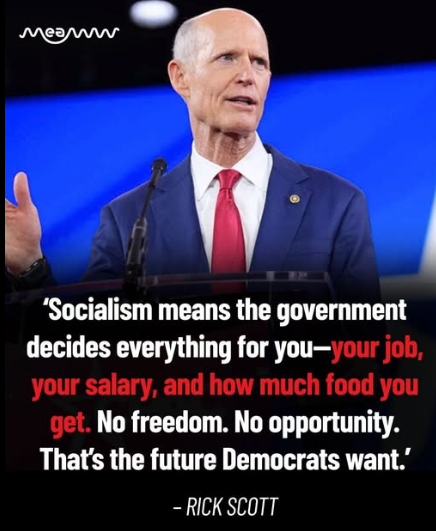 In less than a month, we’re going to learn how many idiots are buying this socialism crap.
Sure, there are people who don’t know anything about the way people live in northern England, New Zealand, Costa Rica, etc. Most of these people couldn’t find these countries on this globe.
But how many can there possibly be?
Clearly, Republicans are desperate, but isn’t asking voters to believe that the Swedes have to rely on the government for their job, salary, and food a bit over-the-top?
 I got the meme here from a neighbor, but I wonder who actually wrote it. There is a ton of propaganda on social media suggesting that we need to normalize the sociopathic criminality of the U.S. president.
It’s true that not every election is an apocalypse, but 2024 was disastrous for the U.S. democracy.
Yes, the country did not end. But it took a giant leap towards authoritarianism.
Even that’s not the end of the world. Democracies fail with great frequency on this planet. I just never thought I’d be living in the biggest socio-political collapse in the last 2000 years.
In an average week, I meet quite a few travelers here from lands all around this planet. Their most common thoughts on what’s happening here: “We simply feel sorry for you.”

Large flotilla brings Pacific voices and message to leaders at Pre-COP meeting: Keep 1.5C Alive
A ‘victory’ for communities as High Court rules climate impacts from coal and gas must be considered even where fossil fuels are exported

Indoctrinating Children into Religion
-
Climate Change1 year ago
Guest post: Why China is still building new coal – and when it might stop
-

 Greenhouse Gases2 years ago
嘉宾来稿:满足中国增长的用电需求 光伏加储能“比新建煤电更实惠”
-
Greenhouse Gases1 year ago
Guest post: Why China is still building new coal – and when it might stop
-

 Climate Change2 years ago
嘉宾来稿:满足中国增长的用电需求 光伏加储能“比新建煤电更实惠”
-

 Renewable Energy12 months ago
Sending Progressive Philanthropist George Soros to Prison?
-
Climate Change2 years ago
Bill Discounting Climate Change in Florida’s Energy Policy Awaits DeSantis’ Approval
-
Greenhouse Gases1 year ago
嘉宾来稿:探究火山喷发如何影响气候预测
-

 Climate Change2 years ago
Analysis: China’s CO2 falls 1% in Q2 2024 in first quarterly drop since Covid-19