

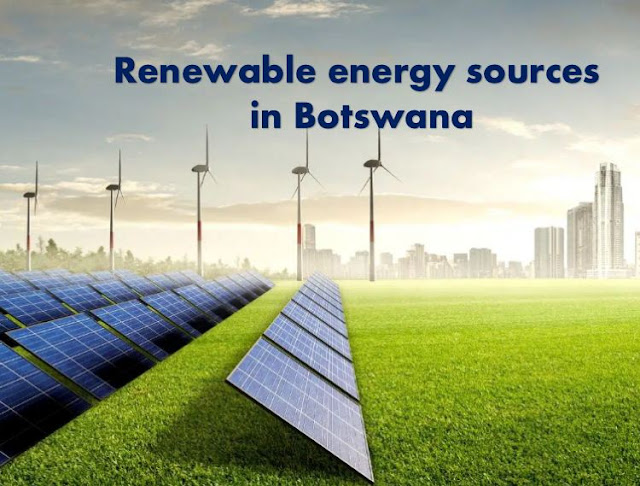
Renewable energy in Botswana
Botswana is a landlocked country located in Southern Africa that has recently shown an increasing interest in developing renewable energy sources.
The country has a population of over 2 million people, and its economy is heavily dependent on the mining industry, particularly diamonds. However, the government has recognized the need to diversify its energy mix and reduce its reliance on fossil fuels, which currently account for the majority of its energy consumption.
Botswana has significant renewable energy potential, particularly in solar and wind energy. The country receives abundant sunshine throughout the year, which makes it ideal for the development of solar power. Wind energy also has the potential to play a significant role in the country’s energy mix, particularly in areas with high wind speeds.
To date, Botswana has made significant strides in developing its renewable energy sector. The country has implemented a number of policies and programs aimed at promoting the use of renewable energy, including the development of a feed-in tariff system to encourage the adoption of solar power by households and businesses.
However, there are still significant challenges facing the development of renewable energy in Botswana, including limited access to financing, lack of technical expertise, and a weak regulatory framework. Nevertheless, the government remains committed to the development of renewable energy, and with the right policies and investments, there is significant potential for the country to become a leader in clean energy in the region.

Renewable energy sources in Botswana
Botswana has abundant renewable energy sources that have the potential to be harnessed for electricity generation.
These include solar, wind, biomass, and hydropower.
Solar energy is one of the most promising renewable energy sources in Botswana, given the country’s high solar irradiance levels. The country has several large-scale solar projects underway, including the 200 MW photovoltaic solar plant that is being developed in the Kgalagadi district.
Wind energy is also a viable option for power generation in Botswana. The country’s eastern region has good wind resources, and there are plans to develop wind farms in this area.
Biomass is another potential source of renewable energy in Botswana. The country has a large agricultural sector that produces significant amounts of waste biomass, such as crop residues and animal manure, which can be used to produce biogas and other forms of bioenergy.
Hydropower is another renewable energy option for Botswana, although the country has limited water resources. However, there are plans to develop small hydropower plants on some of the country’s rivers.
Botswana has the potential to become a leader in renewable energy in Africa, and the government has set ambitious targets for increasing the share of renewable energy in the country’s energy mix.
Botswana Nett Zero Carbon Target
Botswana has not yet set a net-zero carbon target, but the government has taken steps to reduce the country’s greenhouse gas emissions and promote sustainable development. In 2020, Botswana launched its National Climate Change Strategy and Action Plan, which outlines a roadmap for achieving the country’s climate goals.
The strategy includes a number of initiatives aimed at reducing Botswana’s greenhouse gas emissions, including:
Renewable energy development: Botswana is aiming to increase its renewable energy capacity to 15% of the country’s total energy mix by 2030. This includes the development of solar, wind, and hydropower projects.
Energy efficiency: Botswana is implementing energy efficiency measures to reduce energy consumption in buildings, transportation, and industry.
Sustainable land management: Botswana is promoting sustainable land management practices, including reforestation and sustainable agriculture, to reduce emissions from deforestation and land use change.
Waste management: Botswana is implementing waste management initiatives to reduce emissions from landfill sites and promote recycling and waste reduction.
Low-carbon transport: Botswana is promoting low-carbon transportation options, including electric vehicles and public transportation.
While Botswana has not yet set a net-zero carbon target, the National Climate Change Strategy and Action Plan represents a significant step towards reducing the country’s greenhouse gas emissions and promoting sustainable development. It is likely that Botswana will continue to take steps towards a low-carbon future, and may set a net-zero target in the future.

Botswana Sustainable Energy Program
The Botswana Sustainable Energy Program (BoSEP) is a government-led initiative aimed at promoting sustainable energy development in Botswana. The program was launched in 2016 and is being implemented by the Ministry of Mineral Resources, Green Technology, and Energy Security.
The objectives of the BoSEP are to:
Increase access to modern and sustainable energy services for households, businesses, and communities in Botswana.
Reduce Botswana’s reliance on fossil fuels and promote the development of renewable energy sources.
Improve energy efficiency in buildings, transportation, and industry to reduce energy consumption and greenhouse gas emissions.
Increase investment in the energy sector and promote private sector participation.
The BoSEP includes a number of initiatives and projects aimed at achieving these objectives, including:
Rural Electrification Program: The Rural Electrification Program aims to provide electricity to rural communities in Botswana that are currently without access to the grid. The program is focused on promoting the use of renewable energy sources, such as solar and wind power.
Energy Efficiency and Conservation Program: The Energy Efficiency and Conservation Program is aimed at promoting energy efficiency measures in buildings, transportation, and industry. The program includes initiatives such as energy audits, public awareness campaigns, and the development of energy efficiency standards and regulations.
Renewable Energy Development Program: The Renewable Energy Development Program is aimed at promoting the development of renewable energy sources in Botswana, such as solar, wind, and hydropower. The program includes initiatives such as the development of renewable energy policies and regulations, and the provision of financial incentives and support for renewable energy projects.
Private Sector Participation Program: The Private Sector Participation Program is aimed at increasing private sector investment in the energy sector in Botswana. The program includes initiatives such as the development of public-private partnerships, the provision of financial incentives and support for private sector investment, and the promotion of renewable energy investment opportunities.
The BoSEP represents a significant effort by the Botswana government to promote sustainable energy development and reduce the country’s reliance on fossil fuels. The program is still in its early stages, but has the potential to contribute significantly to Botswana’s economic development and environmental sustainability.
Government support for Renewable energy sources in Botswana
The Government of Botswana has recognized the importance of renewable energy sources in meeting the country’s energy needs and reducing dependence on fossil fuels. As such, the government has taken several steps to support the development and deployment of renewable energy sources in the country.
One of the key initiatives taken by the government is the formulation of the National Renewable Energy Policy (NREP) in 2015. The policy provides a framework for the promotion and development of renewable energy sources, including solar, wind, biomass, and hydropower, in Botswana.
The government has also established the Botswana Energy Regulatory Authority (BERA) to regulate the energy sector and ensure that renewable energy projects are given fair treatment in terms of licensing and tariffs.
In addition, the government has provided incentives to encourage the deployment of renewable energy sources, including tax exemptions and other financial incentives. For instance, the government has provided a 15% tax rebate for companies that invest in renewable energy projects.
The government has also established partnerships with international organizations, such as the United Nations Development Programme (UNDP), to support the development of renewable energy projects in the country.
The government’s support for renewable energy sources in Botswana has created a favorable environment for investment and deployment of renewable energy projects, which is expected to contribute significantly to the country’s energy security and sustainable development.

Botswana has several renewable energy development programs in place aimed at increasing the deployment of renewable energy sources in the country. Some of the notable programs include:
Botswana Renewable Energy Independent Power Producer Procuremen
t Program (REIPPPP)
This program aims to increase the contribution of renewable energy to Botswana’s electricity mix by procuring renewable energy from independent power producers. The program targets the development of up to 100 MW of solar power and 160 MW of wind power by 2025.
Scaling-up Renewable Energy Program (SREP)
This program is a partnership between the Government of Botswana, the World Bank, and other stakeholders. Its objective is to support the deployment of renewable energy in the country by providing technical assistance and financial support to renewable energy projects.
Rural Electrification Program
The government has initiated a rural electrification program aimed at providing access to electricity to rural communities in Botswana. The program involves the deployment of small-scale renewable energy systems such as solar home systems and mini-grids.
Botswana Power Corporation Renewable Energy Strategy
The Botswana Power Corporation has developed a renewable energy strategy aimed at increasing the deployment of renewable energy in the country. The strategy includes the development of large-scale solar and wind projects, as well as the integration of renewable energy into the existing electricity grid.
These programs and initiatives are expected to significantly increase the deployment of renewable energy sources in Botswana, contribute to energy security, and reduce the country’s greenhouse gas emissions.

Companies supporting the development of renewable energy in Botswana
Botswana has been working to develop its renewable energy sector to reduce its reliance on fossil fuels and promote sustainable development. While the country is still in the early stages of developing its renewable energy industry, there are several companies that are working to support this effort.
Here are a few examples:
Sun Exchange: Sun Exchange is a South African-based company that allows individuals and organizations to purchase solar panels and lease them to schools, hospitals, and other organizations in Botswana and other African countries. This provides these organizations with access to clean, affordable energy, while also providing investors with a return on their investment.
Ncondezi Energy: Ncondezi Energy is a UK-based company that is developing a 300 MW coal-fired power plant in Mozambique, with plans to export electricity to Botswana. While the project is not a renewable energy project, it is expected to reduce Botswana’s reliance on fossil fuels and provide the country with a more reliable source of electricity.
Engie: Engie is a French multinational company that provides a range of energy services, including renewable energy solutions. In Botswana, Engie has partnered with the Botswana Power Corporation to develop a 10 MW solar power plant in the town of Tobane.
Sunergy: Sunergy is a Botswana-based renewable energy company that provides solar water pumps and solar power solutions to rural communities. The company aims to help these communities access clean, affordable energy and reduce their reliance on fossil fuels.
Botswana Power Corporation: The Botswana Power Corporation is a state-owned utility company that provides electricity to the country. The corporation has been working to develop its renewable energy capacity, including through the development of a 100 MW solar power project in the town of Selebi Phikwe.
These companies are working to support Botswana’s transition to a more sustainable and renewable energy future. As the country continues to
Conclusion Renewable energy sources in Botswana
Botswana has abundant renewable energy resources, including solar, wind, biomass, and hydropower, which have the potential to meet the country’s energy needs sustainably.
The government of Botswana has recognized the importance of renewable energy and has put in place various initiatives and policies to support their deployment.
Through programs such as the Renewable Energy Independent Power Producer Procurement Program (REIPPPP), Scaling-up Renewable Energy Program (SREP), Rural Electrification Program, and Botswana Power Corporation Renewable Energy Strategy, the country is expected to significantly increase the deployment of renewable energy sources and contribute to energy security and sustainable development.
As the country continues to develop and implement its renewable energy policies, it has the potential to become a leader in renewable energy in Africa and achieve its goal of reducing dependence on fossil fuels, promoting energy security, and mitigating climate change.
https://www.exaputra.com/2023/03/renewable-energy-sources-in-botswana.html

 I suppose there are people who believe that the radical left is on a path to make Christianity illegal, and perhaps to install Islam as the official religion of the United States. This is remarkable for two reasons:
a) Every schoolchild in America learns about the First Amendment’s guarantee of freedom of religion at a very young age, and
b) This country made it successfully though 250 years with no one being ignorant enough to bring up this ridiculous concern.
One would hope that this figure of near 60% would indirectly translate into Trump’s ouster before he can take full control of the U.S. government.
We vote Trump’s stooges out of office in November and replace them people of honor. Trump is impeached, convicted and removed. From there, justice takes its course.
Nordex Q3 Orders Jump 30%, Vestas Bets on Australia
Nordex Q3 orders jump 30% and Vestas lands about a gigawatt in Australia. Plus why turbine factories skip Australia, high project costs, and whether batteries can replace coal.
The Uptime Wind Energy Podcast is brought to you by Weather Guard Lightning Tech, creators of the StrikeTape Ultra LPS retrofit. Subscribe to Uptime’s Substack newsletter. And check out Rosemary’s “Engineering with Rosie” Youtube channel. Have a question we can answer on the show? Email us!



-
Climate Change1 year ago
Guest post: Why China is still building new coal – and when it might stop
-

 Greenhouse Gases2 years ago
嘉宾来稿:满足中国增长的用电需求 光伏加储能“比新建煤电更实惠”
-
Greenhouse Gases1 year ago
Guest post: Why China is still building new coal – and when it might stop
-

 Climate Change2 years ago
嘉宾来稿:满足中国增长的用电需求 光伏加储能“比新建煤电更实惠”
-

 Renewable Energy12 months ago
Sending Progressive Philanthropist George Soros to Prison?
-
Climate Change2 years ago
Bill Discounting Climate Change in Florida’s Energy Policy Awaits DeSantis’ Approval
-
Greenhouse Gases1 year ago
嘉宾来稿:探究火山喷发如何影响气候预测
-

 Climate Change2 years ago
Analysis: China’s CO2 falls 1% in Q2 2024 in first quarterly drop since Covid-19