

Weather Guard Lightning Tech

News Flash: Suzlon Soars While Siemens Energy, TPI Composites Tumble
Brace yourself, wind energy investors – the latest episode of News Flash brings turbulent forecasts for major industry players. Hosts Allen Hall, Phil Totaro, and Joel Saxum dive into the factors whipping up stock storms for turbine titans Siemens Energy and TPI Composites. Quality control issues have shredded share prices, leaving the companies listing and analysts speculating about potential mergers or acquisitions to stay afloat. But while most wind stocks are trapped in a downdraft, the hosts spy one high flier: Indian firm Suzlon Energy. Its shares have soared 150% thanks to slashed debt and new global partnerships. Will the coming months bring sunny skies or more dark clouds for wind energy? Tune in to find out!
Sign up now for Uptime Tech News, our weekly email update on all things wind technology. This episode is sponsored by Weather Guard Lightning Tech. Learn more about Weather Guard’s StrikeTape Wind Turbine LPS retrofit. Follow the show on Facebook, YouTube, Twitter, Linkedin and visit Weather Guard on the web. And subscribe to Rosemary Barnes’ YouTube channel here. Have a question we can answer on the show? Email us!
Pardalote Consulting – https://www.pardaloteconsulting.com
Weather Guard Lightning Tech – www.weatherguardwind.com
Intelstor – https://www.intelstor.com
News Flash Oct 9, 2023
Allen Hall: I’m Allen Hall, president of Weather Guard Lightning Tech. And I’m here with the founder and CEO of Intel store, Phil Totaro and the chief commercial officer for Weather Guard Lightning Tech, Joel Saxum. And this is your News Flash.
So if you check your stock portfolio lately, you may have noticed two things in there. Siemens Energy and TPI composites are not doing that well. There’s some real worry on the street about TPI composites. It has remained stagnant. It lost a lot of its value when they announced some quality issues a few months ago.
And the stock prices continue to slowly drop, and obviously Siemens Energy is in the same boat. They, when they announced the quality issues the stock price roughly dropped in half and it has been slowly sinking since then. These are two major players in windfill that have immediate value in the marketplace and we need them to be hanging around.
But the market and the holders of these stocks and the general industry is saying, This, they are not gonna have a good six months here. That there is not anything that’s gonna radically change. And it’s almost like they’re starting to short the stocks and think maybe there’s an acquisition in their future.
That’s what it appears like to me right now. What do what say
Phil Totaro: It’s interesting. I don’t know that acquisitions are necessarily the pathway out for either company. TPI is an interesting case because they are. largely at this point an outsourced manufacturing capability. They’re mostly building to print blades from GE and Nordex at this point.
And they’re, what they’re doing for GE is based on a lot of like legacy design and technology work. And it’s just churning out the, the, I’ll call it the mundane technology from, 15 years ago. The work that they’re doing for Nordex is interesting because they’re doing a lot of the newer blades and a lot of the newer designs but it’s still on a build to print basis.
Meaning that, I think they’re not able, and they’ve got a lot of smart and talented people there, but they’re not able to really demonstrate to the market that they’ve got more capabilities because they’re being so hamstrung by, These quality issues that they’ve had with Nordex and GE and other customers in the past.
They’re in a bit of a conundrum and, acquisition could be a pathway out of it. The likeliest thing to happen would be potentially a merger with Ares, a Brazilian blade manufacturing company that’s been interested in global expansion, particularly in North America Whether or not that’s actually gonna happen.
I don’t have any insider knowledge on that one or anything So it’s you know, it’s me hypothesizing the most likely outcome But I think that’s probably what would happen If they could get together on a deal Siemens is a different kettle of fish because of the brand name and what’s invested already, they are in a position where, okay, you could, you’re never going to take Siemens Gamesa and sell it off to anybody because nobody, even the Chinese companies or the Indian companies that have now emerged as, having an interest in being major global players in wind turbine manufacturing, nobody wants to assume the debt.
So you’re in a position where you either have to keep pumping money in to turn the company around. Or you potentially split ups and asset strips some of the company’s assets. What I’ve heard is that they might sell off some of the Spanish pieces and keep some of the Danish and German pieces together and, go back to doing Siemens.
The challenge with that is The onshore technology that they built combines the best IP of Gamesa and the best IP of Siemens, legacy Siemens Wind, and, product quality issues notwithstanding, that’s, they picked their pony, so to speak, like that’s what they have, in terms of a technology platform.
So if they want to also Split out the company and split the technology or do whatever. That you’re also talking about having to reinvest, half a billion to a billion dollars on retooling for, new technology that doesn’t necessarily utilize any of these legacy designs that they’ve been having these issues with.
I don’t see, I don’t, that’s why I don’t see that happening. The most likely thing for them is they keep, Siemens is going to have to step up, Siemens Energy is going to have to step up and keep putting money into this. And I know that sounds undesirable, particularly to the stock market. But they’re going to have to they’re, this is either going to recover.
Or completely implode. Those are really the only two options. And if it implodes, then you’re asset stripping and selling off whatever the remnants are anyway. If they salvage it, then this is the character building funny part of their the history of the company. So I’ve got
Joel Saxum: one thing to follow you up with, Phil, for anybody watching the stock market right now, Siemens, we’re talking about Siemens, we’re talking about TPI, we’re talking about all of these big wind companies.
August 26th, when Siemens came out with their, hey, we’ve got something bad going on, their stock plummeted and has been a downhill ever since. Almost that same date, this is when TPI had their last quarterly earnings. Stock went down and has been plummeting ever since. If you watch. Vestas has just, everything’s been going down.
It’s like the wall street, wall streets of the world don’t have faith in the wind energy market, except for one. I’m going to give you the one bright spot right now. Suzlon energy, the last six months, their stock price is up 150%.
Phil Totaro: Check that one out. They just paid off their debt, and actually, one of the investors who had come in to save them by providing them with capital actually terminated the agreement.
Which sounds bad, but basically, he’s pulling out because he doesn’t need to be there anymore as one of their major investors. The other thing that’s interesting is this whole play with the Donnie group, because they’re now… Trying to get even more money together. They’re wind turbine, stuff, notwithstanding, they’re also trying to get the money together to do the solar panel manufacturing as well.
Not only in India, but they want to set up factories elsewhere in the world. So they’re, this is, it’s interesting because they went through this period a few months ago where they had all this and their stock got hammered because they were being. There was like a major activist investor that was like accusing them of like accounting fraud or whatever, and they got past it.
They’ve now gotten TotalEnergies to put in 300 million to their, project development wind manufacturing. And they’re getting, commercial relationships established. This could be the opportunity for them to actually fulfill their, their wishlist here.
Allen Hall: If you’d like to learn more about mergers, acquisitions, and partnerships, visit our friends at IntelStore. com.
News Flash: Suzlon Soars While Siemens Energy, TPI Composites Tumble

 Whoa. Let’s take a step back. Is it really either A or B?
You could on the side of the morons, those incapable of any level of critical thinking, like the author of the meme here.
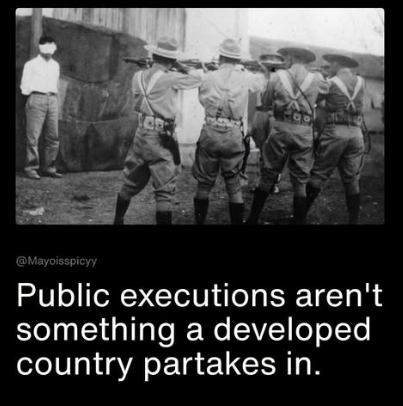 The United States seems set on propelling itself backwards.
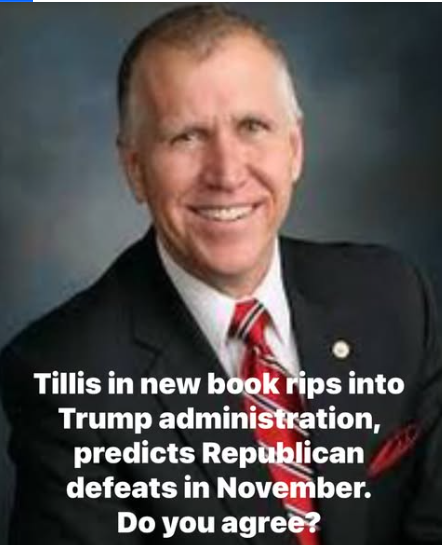 Maybe, as they say, “Hell has a special place reserved in it” for people like Thom Tillis, Republican Senator from North Carolina, who enabled Trump to rape and destroy the United States.
That was until it became clear to Tillis that he could jump ship, write a scathing book about the president, get all over mainstream news promoting it, and go on to enjoy another chapter of political success.
That we Americans are so stupid that we accept this blatant hypocrisy and criminality is sad proof that we’re not the people we were 20 years ago. Maybe what many people are saying are correct: we deserved what we got.



-
Climate Change1 year ago
Guest post: Why China is still building new coal – and when it might stop
-

 Greenhouse Gases2 years ago
嘉宾来稿:满足中国增长的用电需求 光伏加储能“比新建煤电更实惠”
-
Greenhouse Gases1 year ago
Guest post: Why China is still building new coal – and when it might stop
-

 Climate Change2 years ago
嘉宾来稿:满足中国增长的用电需求 光伏加储能“比新建煤电更实惠”
-

 Renewable Energy12 months ago
Sending Progressive Philanthropist George Soros to Prison?
-
Climate Change2 years ago
Bill Discounting Climate Change in Florida’s Energy Policy Awaits DeSantis’ Approval
-
Greenhouse Gases1 year ago
嘉宾来稿:探究火山喷发如何影响气候预测
-

 Climate Change2 years ago
Analysis: China’s CO2 falls 1% in Q2 2024 in first quarterly drop since Covid-19