


Green Energy Lansdcape in Europe: A Continent Powers Up with Renewables
Across the rolling plains of Denmark, where wind turbines dance with the North Sea breeze, to sun-drenched fields in Spain dotted with solar panels, a quiet revolution is underway.
Europe, once heavily reliant on fossil fuels, is steadily transforming its energy landscape, embracing green energy with unwavering ambition. This article delves into the continent’s progress, analyzing key statistics, and exploring the challenges and opportunities that lie ahead on this ambitious path.
Rising Renewables: Painting the Continent Green
In 2022, renewable energy sources made up a staggering 22.5% of the EU’s final energy consumption, marking a historical high. This represents a continuous climb from 21.9% in 2021 and a significant achievement, surpassing the 20% target set for 2020. (Source: European Environment Agency)
But this green surge isn’t uniform across sectors. The power sector leads the charge, with renewables generating a remarkable 40.7% of all electricity in 2022. Heating and cooling follow closely with 23.2%, while transport lags behind at 8.7%, highlighting the need for further acceleration in this crucial sector. (Source: EEA)
Taking a closer look at the sources powering this transformation, wind energy reigns supreme, contributing 15.7% to the EU’s energy mix in 2022. Hydropower stands tall at 6.1%, followed by solar (5.9%) and bioenergy (3.8%). These diverse sources paint a picture of a continent harnessing the power of nature to fuel its future. (Source: Eurostat)
However, national variations paint a more nuanced picture. While countries like Denmark (76%), Finland (56%), and Austria (43%) boast impressive shares of renewables, others like Poland (16%) and Malta (10%) have significant ground to cover, highlighting the need for targeted efforts to bridge the gap. (Source: Eurostat)
Impact and Benefits: Greener Skies, Brighter Future
The rise of renewables transcends mere statistics. Its impact reverberates across continents, offering tangible benefits:
- Climate Change Mitigation: The EU recorded a remarkable 30% reduction in greenhouse gas emissions compared to 1990 levels, largely attributed to the deployment of green energy. This reduction represents a crucial step towards mitigating the devastating effects of climate change. (Source: EEA)
- Energy Security: By diversifying its energy sources and reducing reliance on imports, Europe strengthens its energy security, especially in the wake of geopolitical tensions impacting traditional fossil fuel suppliers. This self-sufficiency offers greater control over energy prices and reduces vulnerability to external shocks.
- Economic Growth: The green energy sector is a significant job creator, fostering innovation and attracting investments. The European Commission estimates that 3.8 million people were directly employed in renewable energy in 2020, and this number is projected to grow, offering exciting opportunities for skilled professionals. (Source: EC)

Green Energy Lansdcape in Europe: Key Statistics
| Category | Statistic | Year | Source |
|---|---|---|---|
| Overall Share of Renewables | 22.5% | 2022 | European Environment Agency |
| Power Sector Renewables | 40.7% | 2022 | European Environment Agency |
| Heating & Cooling Renewables | 23.2% | 2022 | European Environment Agency |
| Transport Renewables | 8.7% | 2022 | European Environment Agency |
| Leading Renewable Source | Wind Energy (15.7%) | 2022 | Eurostat |
| Second Leading Renewable Source | Hydropower (6.1%) | 2022 | Eurostat |
| Third Leading Renewable Source | Solar Energy (5.9%) | 2022 | Eurostat |
| Fourth Leading Renewable Source | Bioenergy (3.8%) | 2022 | Eurostat |
| Highest National Share of Renewables | Denmark (76%) | 2022 | Eurostat |
| Lowest National Share of Renewables | Malta (10%) | 2022 | Eurostat |
| Greenhouse Gas Emission Reduction | 30% (compared to 1990) | 2022 | European Environment Agency |
| Estimated Annual Investment Need | €500 billion | N/A | European Commission |
| Projected Green Energy Jobs | 3.8 million (2020) | N/A | European Commission |
| EU 2030 Renewable Energy Target | 40% | N/A | European Commission |
| EU 2050 Climate Neutrality Goal | Yes | N/A | European Commission |
Please note that some data may be subject to slight variations depending on the specific source and methodology used. Additionally, several statistics presented here refer to 2022 data, with some projections based on estimates.

Challenges and Opportunities: Navigating the Green Labyrinth
Despite the progress, the path forward isn’t without its hurdles:
- Investment Needs: Scaling up renewable energy infrastructure requires substantial investments, estimated at a hefty €500 billion annually by the European Commission. Public-private partnerships and innovative financing mechanisms are crucial to bridge this funding gap.
- Grid Modernization: Integrating growing amounts of variable renewable energy (like wind and solar) into the grid necessitates modernization and investments in smart grids and storage solutions. These advancements will ensure efficient and reliable distribution of this variable energy supply.
- Public Acceptance: While public support for green energy is generally high, concerns about visual impact, land use, and potential environmental drawbacks need to be addressed through transparent communication and community engagement. Building trust and addressing these concerns is crucial for ensuring smooth project development and social acceptance.
- Geopolitical Factors: The ongoing war in Ukraine and global competition for critical minerals pose additional challenges to the stability and affordability of the green energy transition. Finding sustainable and ethical sources for these minerals is crucial for long-term success.
The Road Ahead: Charting a Sustainable Course
The European Union has set ambitious goals for the future, aiming for a 55% reduction in greenhouse gas emissions by 2030 and climate neutrality by 2050. Achieving these goals necessitates a multi-pronged approach:
- Accelerating the deployment of renewables: The EU aims for a 40% share of renewables in the energy mix by 2030, requiring faster permitting processes, streamlined grid connections, and targeted investments in areas like offshore wind and solar energy.
- Boosting energy efficiency: Reducing energy demand across all sectors through building renovations, appliance upgrades, and behavioral changes is vital.
https://www.exaputra.com/2024/02/green-energy-lansdcape-in-europe.html


 It’s possible that Americans are so angry that the Trump administration has ruined their country and its democracy that paid advertising for Republican candidates is having no effect on them.
We can only hope.
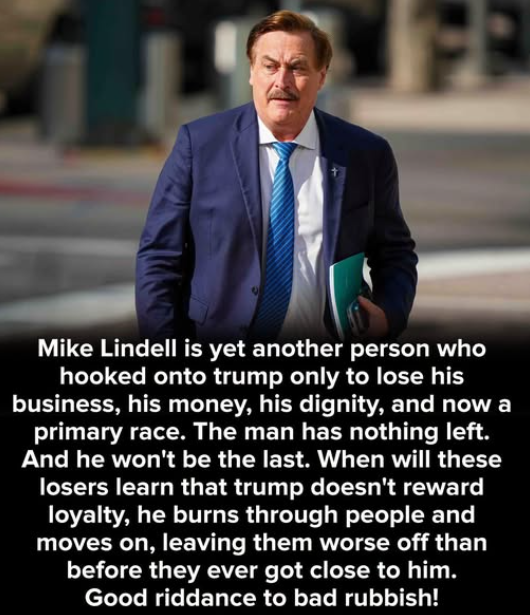 Obviously, the endorsement of a much-despised president didn’t help, but what chance did this election-denying moron actually have in a sophisticated state like Minnesota?
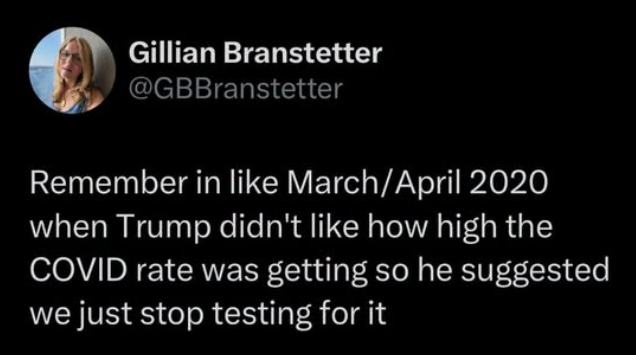 One good thing about having Trump in the White House is that doesn’t have enough sense to hide what a terrible person he is.
We all recall the COVID-19 outbreak, and Trump’s suggestion that we reduce our testing for the disease on the basis that less testing means fewer positive results, which means less outrage on the level of Trump’s ineptitude in handling the epidemic.



-
Climate Change1 year ago
Guest post: Why China is still building new coal – and when it might stop
-
Greenhouse Gases1 year ago
Guest post: Why China is still building new coal – and when it might stop
-

 Greenhouse Gases2 years ago
嘉宾来稿:满足中国增长的用电需求 光伏加储能“比新建煤电更实惠”
-

 Climate Change2 years ago
嘉宾来稿:满足中国增长的用电需求 光伏加储能“比新建煤电更实惠”
-
Climate Change2 years ago
Bill Discounting Climate Change in Florida’s Energy Policy Awaits DeSantis’ Approval
-

 Renewable Energy10 months ago
Sending Progressive Philanthropist George Soros to Prison?
-
Greenhouse Gases1 year ago
嘉宾来稿:探究火山喷发如何影响气候预测
-

 Carbon Footprint2 years ago
US SEC’s Climate Disclosure Rules Spur Renewed Interest in Carbon Credits