Connect with us

Published

on

In South Memphis, the air tells a story. It’s a story of extraction, exploitation, and environmental harm—a story that’s been told generation after generation, written not by the people who live there, but by the powerful who benefit while they suffer. Pollution from fossil energy has plagued South Memphis for decades: the coal-fired Allen steam plant, the Valero oil refinery, the Allen gas plants, and the Southaven gas plant—different names, same story: pollution from fossil energy without accountability.

Now, under the shadow of an unaccountable monopoly, billionaire moguls and trillion-dollar ambitions, the local communities are expected to bear yet more new burdens – a new polluting methane gas plant project, proposed by the Tennessee Valley Authority (TVA) at the Allen gas plant and a high-tech, high energy consumption data center owned by Elon Musk’s xAI. But there’s something even more alarming: xAI is being given a pass on important environmental health safeguards to power its servers with inefficient, polluting portable methane gas turbines – amounting to what could be the largest source of dangerous nitrogen oxides pollution in the entire county, even ahead of the Memphis airport – while regulatory agencies look the other way and community health hangs in the balance.

The Allen Plant and xAI’s Pidgeon Industrial Park facility are located near each other in the industrial zone of Southwest Memphis. The communities adjacent to the old Allen Fossil Plant have lived with the consequences of industrial pollution for decades. From coal ash contamination to toxic air, these neighborhoods have become sacrifice zones – places where the health and lives of predominantly Black and Brown residents are treated as expendable by those in power.

How the hell did they get a waiver?

That’s the question every Memphian should be asking. Most companies couldn’t operate a facility without power infrastructure in place and an approved site plan. But somehow, a billionaire’s go-fast vanity project is being allowed to do just that.

According to public reports, xAI’s Colossus supercomputer already operates 200,000 Graphic Processing Units (GPUs), with plans to scale up to over one million, making it one of the most powerful and energy-intensive systems in the world. That kind of computing scale demands massive energy and water use. Serving this large of an electrical load takes infrastructure, some of which, like power substations, has yet to be built. 

In Memphis and Shelby County, commercial and industrial facilities are generally required to obtain a Certificate of Use and Occupancy before beginning operations. This certificate ensures that a building complies with zoning, building, fire, and health codes. Operating a new business facility without it would raise serious legal and regulatory concerns.

Records show that CTC Property LLC, an affiliate of xAI, filed for a certificate of occupancy at the Riverport site (3231 Paul R. Lowry Road) in July 2024. At that time, a portion of xAI’s power needs were available at the facility, but a majority was not. So instead, xAI decided that the solution to not having enough power available to run their operation at the desired scale was to bring in dirty, inefficient, pollution-spewing portable turbines, while additional electrical infrastructure could be built. Why wait for the infrastructure when you can pollute now and apologize never? 

Despite the potential health and environmental risks, xAI was given an air quality permit waiver for their first year of operation, allowing them to run polluting methane gas-burning turbines, unpermitted and unregulated, in a residential-adjacent area that has already endured decades of environmental harm. The project timeline only deepens the concerns, some of which we at SACE have raised before, about xAI’s bait-and-switch tactics that leave communities voiceless and exposed before the permit process even plays out.

xAI brags in their own materials that their construction process for the facility goes “further, faster” and at an “unprecedented scale.” “We were told it would take 24 months to build. So we took the project into our own hands, questioned everything, removed whatever was unnecessary, and accomplished our goal in four months […] We doubled our compute at an unprecedented rate, […] and no one has come close to building at this magnitude and speed.

What they’re not saying is that questioning “everything” and removing whatever was “unnecessary” meant cutting corners and exploiting loopholes to advance Elon Musk’s own personal pet project. It meant connecting horribly polluting and inefficient power sources rather than getting grid power infrastructure in place properly like any other business would be required to do, and taking advantage of their temporary waiver to become perhaps the biggest nitrogen oxide polluter in the county.

The clock is running out on xAI’s one-year permit exemption, and instead of winding down, they’re asking Shelby County to greenlight long-term methane gas burning in a community that’s already borne the brunt of industrial pollution. It’s corporate privilege at its dirtiest, and Memphis shouldn’t pay the price. 

Not Temporary. Not Small. Possibly Illegal.

It turns out the situation is even worse than we thought. According to a recent letter from the Southern Environmental Law Center (SELC) and Memphis-based community groups, xAI isn’t just operating a few portable turbines while they wait for infrastructure—they’ve installed 35 of them, adding up to a power capacity of 421 megawatts—enough to rival a TVA power plant—all without proper permits. Many of the turbines currently on site are designed for temporary use in off-grid or natural disaster situations, clearly not how xAI is operating them.

The groups’ analysis shows that the turbines at xAI’s facility are collectively capable of emitting an estimated 1,200 to 2,100 tons of nitrogen oxides (NOx) every year—more than any other industrial source in Shelby County by a long shot. These pollutants aren’t just numbers on a chart. NOx contributes to smog, which triggers asthma attacks and other respiratory problems, especially dangerous in a city that already ranks high as an asthma capital.

It doesn’t stop there. xAI may also be exceeding the legal threshold for formaldehyde, a hazardous air pollutant that’s carcinogenic even in small amounts. They’re doing this with no oversight of their pollution, no apparent emissions monitoring, and no transparency. Just 35 turbines quietly installed, hidden from public view, in a community that’s already carried more than its fair share of pollution.

These are not minor violations. These appear to be blatant violations of the Clean Air Act and basic principles of environmental justice.

submit your comment

attend public hearing

Let’s be clear: this isn’t some “bureaucratic oversight.” xAI is operating what SELC calls “likely the largest source of industrial air pollution in Memphis” — with no enforceable permit, no oversight of their pollution, and no accountability. That’s not just reckless. That appears to be illegal. But the U.S. Environmental Protection Agency has been silent, and the Shelby County Health Department is considering granting them permission to keep going.

We’ve seen this before: billion-dollar corporations descending on under-resourced communities with promises of progress and jobs, sometimes lured by multimillion-dollar tax incentives, only to leave behind contamination, poor health outcomes, and stolen futures. And when times change, the subsidies dry up or the profits slow, they often pack up and leave, abandoning communities to deal with the toxic aftermath and economic fallout alone. 

xAI, founded by a man who once claimed he could save the world with solar, is now polluting the local community by burning methane gas while disregarding public health and community voices. This isn’t as much about the new frontier of technological advancement or AI as it is about power – who has it, who profits from it, and who gets poisoned for it.

This fight isn’t just about a methane gas plant or xAI. It’s about people. It’s about legacy. It’s about the right to breathe clean air, to drink clean water, and to live with dignity. It’s about ending the cycle that has allowed Memphis, especially Southwest Memphis, to become a dumping ground for projects no wealthy suburb would ever allow.

We know fighting billionaires and oligarchs is hard. They have money, lawyers, and media machines. But we have something they don’t: truth, community, and righteous rage. And we’re not alone.

Memphis is pushing back. The Southern Alliance for Clean Energy stands in solidarity with grassroots organizations like Memphis Community Against Pollution (MCAP), Young Gifted and Green, Protect Our Aquifer, and Sowing Justice who are on the front lines—organizing, educating, and mobilizing to hold polluters accountable, defend frontline communities, and protect Memphis’s most vital resources. From air to water, they’ve been ringing the alarm, knocking on doors, speaking truth at city and county meetings, and refusing to be silenced.

What You Can Do

Public Hearing – Friday, April 25, 2025

Time: 5:00 p.m. to 7:00 p.m.

Location: Fairley High School Auditorium, 4950 Fairley Road, Memphis, TN 38109

Hosted by the Shelby County Health Department’s Pollution Control Branch, this hearing will address xAI (a.k.a. CTC Property LLC)’s air pollution permit application for long-term operation of methane gas turbines at 3231 Paul R. Lowry Road. This is your chance to demand accountability. Ask the County to deny xAI’s air pollution permits and ask why unpermitted and possibly illegal turbines have been allowed to be installed and operate over the course of the last year. Ask why proper infrastructure wasn’t required before occupancy. Ask why billionaires get a free pass while Memphians pay the price.

Submit Written Comments by April 30

Can’t make it in person? You can still speak out. Submit your written comment to the Shelby County Health Department before the close of the comment period on April 30. (Submit Comments Here)

TVA Public Comment Period – Closes April 28

TVA is still accepting comments on its plan to install six additional methane gas turbines at the Allen Plant. These aren’t low-impact machines – they’re aeroderivative turbines, modeled after jet engines, and they will add more air pollution, noise, and stress to an already overburdened community. Tell TVA to stop greenwashing fossil fuel expansion and start investing in clean, community-centered alternatives like solar, battery storage, and energy efficiency, which would reduce emissions, protect health, and save Memphians money in the long run.

Instead of choosing a future-forward solution, TVA is dragging Memphis deeper into fossil fuel dependence, without transparency or meaningful community input. That’s not just shortsighted. It’s harmful.

submit your comment

We need every neighbor, advocate, and ally to show up. Ask questions. Demand better. Stand with Southwest Memphis.

Write your comment. Attend the public hearing. Speak your truth. Because environmental justice isn’t a slogan—it’s a lifeline.

Stopping the new methane gas turbines at the Allen Plant won’t erase decades of injustice, and neither will stopping xAI’s polluting shortcut to power. But they’re a step toward change—real, lasting, people-centered change.

Show up. Speak out. Stand firm. Memphis deserves better.

The post Fighting Giants: Standing with Memphis to Stop Pollution and Protect the People appeared first on SACE | Southern Alliance for Clean Energy.

Fighting Giants: Standing with Memphis to Stop Pollution and Protect the People

Continue Reading

Renewable Energy

EchoBolt’s BoltWave Makes Bolt Inspections Easy

Published

on

Weather Guard Lightning Tech

EchoBolt’s BoltWave Makes Bolt Inspections Easy

Pete Andrews from EchoBolt joins to discuss ultrasonic bolt inspection, the Bolt Wave device, and blade stud defect detection.

Sign up now for Uptime Tech News, our weekly newsletter on all things wind technology. This episode is sponsored by Weather Guard Lightning Tech. Learn more about Weather Guard’s StrikeTape Wind Turbine LPS retrofit. Follow the show on YouTube, Linkedin and visit Weather Guard on the web. And subscribe to Rosemary’s “Engineering with Rosie” YouTube channel here. Have a question we can answer on the show? Email us!

Welcome to Uptime Spotlight, shining light on wind. Energy’s brightest innovators. This is the Progress Powering tomorrow.

Pete Andrews: Pete, welcome to the program. Good to be back. Yeah. See you face to face. Yeah. Yes. This is wonderful. It’s a really great event to catch it with loads of the. UK innovation that are happening in the supply chain. So it’s, yeah, really nice to be here.

Allen Hall: This is really good to meet in person because we have seen a lot of bolt issues in the us, Canada, Australia, yeah.

Uh, all around the world and every time bolt problems come up, I say, have you called Pete Andrews and Echo Bolt and gotten the kit to detect bolt issues? And then who’s Pete? Give me Pete’s phone number. Okay, sure. Uh, but now that we’re here in person, a lot has changed since we first talked to you probably two years ago.[00:01:00]

You’re a bootstrap company based in the UK that has global presence, and I, I think it’s a good start to explain what the technology is and why Echo Bolt matters so much in today’s world.

Pete Andrews: Yeah, absolutely. So, um, as you said, we’re a uk, um, SME, there’s a team of 13 of us based here in the uk. Yeah. But we do deliver our services internationally, but really focused on Northern Europe.

Yeah. But increasingly we’ve done more in the US and North America, a little bit in Canada. Um, but our big offering really is to help wind turbine operators and owners reduce the need to routinely retire in bulks. So we have a quick and simple inspection technology that people can deploy, find out the status of their bolt connections, and then.

Reti them if necessary, but the vast majority of the time we find that they’re static and absolutely fine and can be left [00:02:00] alone. So it’s a real big efficiency boost for wind operators.

Joel Saxum: Well, you’re doing things by prescription now, right? Instead of just blanket cover, we’re gonna do all of this. It’s like, let’s work on the ones that actually need to be worked on.

Let’s do the, the work that we actually need to, and instead of lugging, like we’re looking at the kit right here, and I can, you can hold the case in one hand, let alone the tools in a couple of fingers. As opposed to torque tensioning tools that are this big, they weigh a hundred kilos, and those come with all of their own problems.

So I know that you guys said you’re, you’re focused here. You do a lot of work, um, in the offshore wind world as well. Yeah. I mean, offshore wind is where you add a zero right? To zeros. Yeah. Everything else is that much more complicated. It costs that much more. It’s you’re transitioning people offshore to the transition pieces.

Like there’s so much more HSE risk, dollar risk, all of these different spend things. So. The Echo Bolt systems, these different tools that you have being developed and utilized here first make absolute sense, but now you guys are starting to go to onshore as well.

Pete Andrews: Yeah, that’s right. So I mean, as as you said, that there’s really [00:03:00] three main benefit areas we focus on.

The first one is the health and safety of technicians, right? As you said, some of the fasteners used offshore now are up to MA hundred. So a hundred millimeter diameter bolts,

Joel Saxum: four inches for our American friends. Yeah, absolutely.

Pete Andrews: And they probably weigh. 30 kilos plus per bolt. Yeah. Um, so just the physical manual handling of that sort of equipment and the tightening equipment for those bolts is a huge risk for people.

If you think 150 bolts lifting or maneuvering, the tooling around on on its own can cause all the problems. So as well as the inherent risk of the hydraulic kit failing. So occasionally we see catastrophic tool failure. Is, which have really high potential severity, you know, sort of tensioner heads ejecting or crush injuries from Tor.

So that is really a key focus for our customers, just to [00:04:00] keep their teams safe, but also you have to be the cost effective and the the major cost benefit we allow is that we don’t have to revisit every bolt and every turbine like you’d have to do if you were retyping. So we believe there’s something of the order of a million pounds per installed gigawatt saving.

By moving from a routine REIT uh, maintenance strategy to a focused condition based inspection, you significantly reduce the amount of intervention you make and keep your turbines running more and reduce the boots on the ground on the turbine. So three real kind of, um, key. Benefits for people adopting our technology

Allen Hall: because we routinely see tower bolts being reworked or retention depending on who the manufacturer is.

And I’m watching this go on. I’m like, why are [00:05:00] we doing this? It seems, or the 10% rule, we’re tighten 10% this year, and they’ll come back and see how it’s going. That’s a little insane, right, because you’re just kind of. Tensioning bolts up to see if one of them has a problem and then you just do more of them and we’re wasting so much time because echo bolts figured this out years ago.

You don’t need to do that. You can tell what the tension is in a bolt ultrasonically, which was the original technology, the first gen I’ll call it, uh, that you could tell the length of the bolt. If the length of the bolt is correct within certain parameters, you know that it is tension properly. If it’s shrunk, that probably means it’s not tensioned properly.

That’s a huge advantage because you can’t physically see it. And I know I’ve seen technicians go, oh, I could take a hammer and I can tell you which ones are not tensioned properly wrong. Wrong. And I think that’s where equitable comes in because you’re actually applying a a lot of science simply [00:06:00] to a complex problem because the numbers are so big.

Pete Andrews: Yeah, I mean that, that, that’s been the real. Driving force between our offering is to simplify it. So ultimately we’re based on a non-destructive testing technique. It’s an ultrasonic thickness checking technique, but when from the non-destructive testing background, it’s crack detection, people have time, they can be, it’s a very precision measurement.

People have to be trained in the wind industry. We’re trying to inspect. A thousand, 2000 bolts a day at scale. It’s a completely different, um, ask of the technology and the way the technology has been developed historically has required too much technician expertise, too much configuration and set up time, and hasn’t delivered on the, on the speed that’s needed to be efficient in wind.

And that’s where our bolt wave [00:07:00] unit we’ve, that we’ve developed over the last. 18 months, let’s say, where all of our focus has gone to make it as slick and as easy for a client technician to pick up with minimal training. It’s through an iOS interface. Everyone understands it intuitively. Um, it’s a bit like using the camera app on your phone.

You know, you’re just hitting measure, measure, measure, measure, measure 10 seconds a bolt as you move the, um, ultrasonic transducer across, and then the data gets moved. Automatically to the cloud, to our bolt platform. And customers can view it in near real time. The engineer in the office can see the inspections happened.

They can see if there are any anomalous bolts, and then there can be communication there and then whether an intervention is necessary. So it’s sort of really changed the way our customers think about managing their, um. They’re bolted joints.

Joel Saxum: Well, I think these are, these are the kind of innovations that we love to see, right?

Because [00:08:00] we regularly talk about a shortage of technicians, and this isn’t, I was just learning this this week too, like this is not a wind problem. This is a everywhere problem. No matter what industry you’re in. Use are short of technicians. But we’re seeing like a tool like this is developed to be able to scale that workforce as well.

Right. You don’t need to be an NDT level three expert to go and do these things. ’cause there’s a very few of those people out there. Right? Right. We know the NDT people, a lot of NDT people, and that’s a hard skillset to come by. Yeah. This can be put in the hands of any technician. Yeah, a quick training course.

Just, Hey, this is how you use your iPhone. You can check Instagram, right? Yeah. Okay. You can off figure. Yeah, have fun. See you at lunch. Um, but they can, they can make this happen, right? They can go do these inspections and you’re getting that, that, uh, data collected in the field. Centralized back to an SME that’s looking at it and you don’t have to put that SME in the field and try to scale their ability to go and travel and do all these things.

They can be in the office making sure that the, the QA, QC is done correctly. I love it. I think that that’s the way we need to go with a lot of things. [00:09:00]Uh, and you’re making it happen.

Pete Andrews: Yeah. And it’s a real kind of. F change in mindset for us. So originally when we started Ebot, we were using third party hardware.

Yeah. Which required a bit of that specialism. Yeah. A bit of care about the setup of the project, getting multiple parameters configured before you got going. And it wasn’t really something we could put in the hands of a customer.

Joel Saxum: Yeah.

Pete Andrews: Which meant Ebot scale was limited to what our own team could go and do, and regionally as well.

You know, so we’re UK based. Probably 60% of our customers are uk, but now we have this Northern Europe offshore wind is obviously on our doorstep, but then increasingly we’ve done more and more in North America, so we’ve probably been to five or six sites now in North America and expect that to be a growth market because we can, we can now ship the devices over there, give some virtual training help.

Uh, [00:10:00] people set themselves up and then that opens up that market, you know, so it’s been a real change in strategy for us, but has allowed us to have far more impact than we otherwise would just try to be a pure service.

Allen Hall: Well, let’s talk about the big problem in the states of a minute, which are the root bushing or inserts that are loose in some blades.

When you lose that pushing, you also lose the tension on the bolt that can be measured. Is that something you’re getting involved with quite a bit now because of just trying to determine how many bolts are affected and, and where we are on the safety scale of can we run this turbine or not? Is that something that EE bolt’s been looking into?

Pete Andrews: Yeah, absolutely. So I, I’d say there’s sort of two halves of what we do. There’s the, there’s the bulk wholesale monitoring of. Typically static connections to eliminate this routine retitling where it’s not needed typically, typically. But then we have these edge cases of certain [00:11:00] connections and certain platforms that have known bolt integrity problems, and we are working with clients to really, um, manage those integrity risks.

Blade stud is an absolute classic, you know, sort of, I think almost every turbine OEM on some, if not all of their platforms has got. Embedded risk into their blades, pitch bearing connections. Um, so yeah, exactly as you said, our customers are using the technology for two things really. One is to ensure the bolts have been tightened to the preload that was specified or the target window.

And quite often we find there is an opportunity to increase the preload and therefore increase the resistance to fatigue failure. So. You know, particularly on older sites where the bolts perhaps not in the condition they were on day one. Well, they definitely won’t be. Um, when people have gone and retti them, they haven’t got back to where they, they should be.[00:12:00]

So we can prove that and increase a bit of that resilience, but then also start to look for the segments around the joint where, um, the bolt might start loosening or failures are occurring, and find areas where they can really hone in. And actively manage risk. And that sort of leads to what we’ve decided to do for the next year, particularly with Blade Stud in mind, is evolve this technology.

So whilst it’s also measuring the elongation, we will do a defect scan at the same time. So you’ll monitor your blade stu, um, connection and we’re hoping that we can set the device to flag to you there and then. We believe this bulk has got a defect while you’re here, get it changed out before it fails and, and all the knock on problems, um, from there.

Joel Saxum: So what you’re just pointing to there is a, is a workflow, right? So to me that is typical [00:13:00] of some of the amazing, innovative companies in the UK that I’ve run into throughout my career. And that is, you’re a group of SMEs, you know, bolted connections. That’s what you do, right? But then you’re like, hey. If there’s a tool, we could make a tool that would make our lives a bit easier, then it’s like, well, we could make the entire industry’s lives a little bit easier as well.

So let’s iterate on that. And now you’re able to send these kits around the world to look at these things. Hey, you have a problem with this specific model. We can help you with this because we know the failure mode and we know how to look for it. Let’s do that for you. Also here, you’re doing bolt bulk measurements.

We got that for you. But it all kind of flows back to the fact that Echo Bolt is a team. A bolted connection, SMEs that are making tools and being able to also provide consulting if need be. Yeah. Right. Um, to, to an entire industry. And I think that, um, this is my take on it, right? Wind is stop number one. I think you guys are gonna do a fantastic year, but there’s a lot of, uh, opportunity out there in bolted [00:14:00] connections as well.

Allen Hall: A tremendous amount blade bolts being broken from defects in the crystalline structure. What appears to be a more. Rapidly developing issue across fleets that I’ve seen. I went to a farm this summer and the number of blade bolts that were there on the table that were broken on the conference room table was And the whiteboard office.

Yeah. Yeah. This one,

Joel Saxum: this one.

Allen Hall: Your hard head is not gonna protect you from this one. It’s, it’s, it was this, um, I couldn’t imagine the amount of time they were spending hunting these things down. And of course, the only way they were finding ’em was they were broken. You like to catch ’em before they break because it becomes

Joel Saxum: a safety risk.

Just not too long ago we saw an insurance case where there’s an RCA going on and it is pointing at an entire tower came down. Right. And it is pointing at a mid, mid tower section bolted connection. How often do you guys run into those problems? Or are you contacted by insurance companies or anything like that to, to take a peek at those?

Pete Andrews: We haven’t done anything directly for insurance [00:15:00]companies, but we have been engaged by. Engineering consultancies that are doing RCA type activities. Okay. Um, things like at the end of defect liability periods mm-hmm. A customer has, has seen, they’ve had a lot of, uh, issues from an OEM, maybe an OE EM has offered a modification or an upgrade, assessing whether that upgrade is actually solved the problem or not.

We’ve got involved in, um, but the tower. Issue specifically. It’s actually very rare we find, um, problems with tower connections, but where we do is often where they haven’t achieved good flange flatness, ah, during installation or the bolts have been, let’s say, left out in the elements for a period and lubrication has been, has deteriorated before the bolt’s been installed.

So there are cases out there, but what I would say is. [00:16:00] To think about your whole life cycle, so ensure the bolt’s installed correctly and we can help with that with a QA to say, yes, this torque or tightening method has got you to the load that you want. Do some through life monitoring, but often if you install it correctly, it will it’s operational life.

You will have very little concern. But then in the UK market, we’re increasingly getting involved again at the end of life, right? Life extension where life extension turbines are 20, 25 years old. How does an operator make a decision to carry on running without replacing all bots? Um, and that’s where increasingly we being asked to use the technologist just to say, actually the joint is fine.

The bolts have run in a good, um, operational envelope. Run them on. Don’t replace a hundred percent of them like you might have been recommended to from your, um, yeah. Turbine supplier side. [00:17:00]

Allen Hall: So Pete, if someone’s doing a repower where they’re basically putting a new one in the cell on an existing tower, they’re making a lot of assumptions about all the bolts from the ground up that they’re gonna be okay.

And I know we’re talking about that. We’re in a lot of installations where. If the turbine has gone through a repowered or two. So now those bolts are 20 years old. Yeah. And trying to get ’em to

Joel Saxum: 30 35. 35

Allen Hall: 40. Yeah. I don’t know what they’re doing. By those bolted connections. Are they just like replacing the bolts?

Are they hitting ’em with a hammer again? Is that the, yeah,

Pete Andrews: I mean, they might replace ’em, but you’ve got a problem with the foundation bolts. ’cause they’re obviously often anchor bolts set into concrete, so you have to reuse them and. With the projects, both in wind and in process power industry with the chimney stacks to try and ascertain whether foundation bolts that are set into concrete are still suitable for operations.

So look for corrosion losses, look for [00:18:00] defects. Um, so yeah, they’re all things that need thinking about before you just make the snap decision to repower. But I think

Joel Saxum: a lot of that, uh, going back to a couple minutes ago, you were talking about at the commissioning phase, making sure that you have proper qa, QC of how these things were installed day one, and then making sure that before commissioning of a turbine, they’re checked.

I think that’s really important. We’re starting to see that in the blade world now too, where we’ve been talking about it for a long time, and now when you talk to operators, they’re like, we’re getting inspections done on the blades before they’re hung. Or at the factory before they’re hung. After they’re hung.

Like they want a good foundation baseline. Are you seeing that in the bolted connection world too?

Pete Andrews: Yes. Sort of. It’s just emerging for us. What we’ve found is, so most of our customers are in the operational phase ’cause they are the ones feeling the pain. Yeah. Of the routine retitling work. When they do major components, they sometimes engage us to come and say, can you check [00:19:00] before and after the blade was removed?

What was it? Before we took it off from a a bolt load perspective, what is it afterwards? Can you then recheck after 500 hours When we retalk it? And what we’ve seen there often is the initial install hasn’t got them to where they needed to be and they’ve had to go and do the break in maintenance or the 500 hour REIT to get the bolts to the right load.

So one of the questions that we have is whether. Some of the defects are actually being initiated very early on in that initial running in period and whether if, if actually you’d taken the time at, at the point of assembly to make sure you were correct, whether that avoids some of the knock on integrity concerns.

So yeah, it’s interesting area.

Allen Hall: Well, bolts are what hold wind turbines together and you better know you have the right. Tension and [00:20:00] torque on your bolts to get to the lifetime of the wind turbine and to, and to check it once in a while. And I know there’s a lot of operators I can think of right now in the United States that are sort of doing that job somewhat.

I I think they have missed out on opportunities to save a lot of money and to call it echo bolt. How do people get ahold of you? Because that’s one thing I run into all the time. Like, Hey, hey, you gotta talk to Ebol, call Ebol. How do they get ahold of you?

Pete Andrews: So the easiest ways are via our website. Which is echo bolt.com.

Um, LinkedIn, you’ll find us at Echo Bolt on LinkedIn. Reach out. Our email would be info@cobolt.com. So any of those route and you’ll, uh, reach me and the team and more than happy to speak to you about any of your faulting concerns or problems. We are, uh, yeah, we’re passionate about your problems.

Allen Hall: Pete, thank you so much for being on this podcast.

I, it is great to actually see you in person and see the bolt wave technology. It’s really [00:21:00] impressive. So anybody out there that needs bolt tensioning to checking tools, you need to get ahold of Pete at Echo Bolt and get started today. Thank you Pete. Thanks guys. It’s great to be here.

EchoBolt’s BoltWave Makes Bolt Inspections Easy

Continue Reading

Renewable Energy

Carbon Capture and Synthetic Fuels

Published

on

As we’ve noted in the past, the idea of capturing CO2 from the atmosphere is completely unfeasible, since 99.96% of the air around is something other than CO2 (mostly nitrogen).  However, there are environments that change this equation radically, cement plants being one of them, where the concentration of CO2 emissions is as high as 30% (versus .04%).

Now, this brings the subject of synthetic fuels into the realm of possibility.  Sure, if you want to make gasoline, diesel, and jet fuel, you’ll need two other things: hydrogen (which can come from electrolyzing water), and a considerable amount of energy, as these processes are heavily endothermic, meaning that energy must be supplied from external sources.

The good news is that we have enormous amounts of off-peak wind and nuclear that are wasted every day.  Please see: Doty WindFuels.

Carbon Capture and Synthetic Fuels

Continue Reading

Renewable Energy

What Trump Is Actually Doing

Published

on

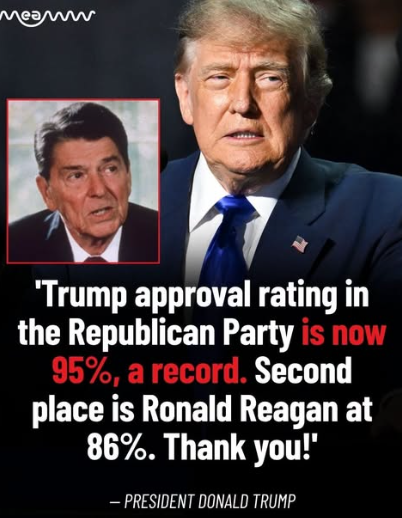
With each passing day, there are fewer and fewer American voters who believe the bullshit at left.

Is Trump working hard to stay out of prison? Enrich himself and his family?  Of course.

Could be possibly care less about anything else? Obviously not.

What Trump Is Actually Doing

Continue Reading

Trending

Copyright © 2022 BreakingClimateChange.com