

Weather Guard Lightning Tech
Arthnex – Arthwind’s Powerful Blade Maintenance Platform
In this insightful episode of Uptime Spotlight, Allen Hall and Joel Saxum welcome back Armando Costa Rego, CEO of ArthWind, to discuss their groundbreaking new software platform, ArthNex. This data-driven solution transforms wind turbine blade management by connecting field technicians directly with engineers in real-time, dramatically reducing downtime and optimizing repairs.
Visit ArthWind at https://arthwind.com.br
Connect with Armando on LinkedIn at https://www.linkedin.com/in/armandocostarego/
Allen Hall: Alright, Armando, welcome back to the podcast. Thank you guys. It’s a pleasure to be here again. Yeah. It’s been a couple of months since we’ve last had you on the podcast. But a lot has happened since then. Earth, wind, obviously huge Brazilian presence. You guys are working with most of the operators or much of most of the installed base in Brazil, and you’re expanding out into the United States and other places.
But the product offerings you have created over that short time span since we last talked are quite amazing and you want to announce this new software product. It’s called what? ArthNex.
Armando Costa Rego: Art Next, yeah. Yes. Yeah. This predator came from the idea to, to go deep in the value chain of the hippers, you know, everybody in the march, I think since 2017, the industry has experienced, uh, a fast improvement in the drone solution, the rover that we started like four years ago, and everybody’s talking about how long it takes an inspection and how long pressure to produce in minutes.
So we are talk 30, 20, 25. For me, what matters if we, we create data to hipper, so the, the discussion of the architect is, okay, we jump into this phase of, to discuss how fast an inspection we are now, uh, uh, using this data to provide it to the owners in operators, OEME, whatever, in the player in the market would be interested to use our.
Maybe he pair knowledge capabilities to go direct to actions that can prioritize what to do, how to do, and sometimes why to do. Yeah, that’s the question. Nobody do this question why to do that. Yeah. Those make sense or not? So the data will tell you what makes sense or those not make sense.
Joel Saxum: Yeah. So what, like when we look at most platforms out there, asset management blade inspection platforms, it’s here’s your inspections, here’s the findings from them.
Here’s a
Allen Hall: spreadsheet.
Joel Saxum: [00:02:00] Stop. Yeah, that’s it, right? There’s that. There’s no just looking at the earth Next platform. When Alan and I were peeking at it yesterday, it was like. Here’s a dashboard that shows you where your leading edge erosion status is on, on all your whole fleet. And this like, oh, that’s great.
Like, oh, your overall risk score is this, oh, this turbine has a risk score of that. Like, oh, what’s going on here? These are the ones that you need to stop now. Look at in two weeks, look at in 12 weeks, like. There was actionable data and that’s before we even get into the operational part of repairs, but actionable data that you can look at dashboard.
Now I know what decisions I need to make today.
Armando Costa Rego: Yeah, that’s right. That’s right. So it is a clean data, it’s clear data. We can interact with the image. We are not focused in show, like the entire blade in the platform because that consumes a lot of dev time of development, you know, so, and we note that only 4% of the emails have something to tell you.
Yeah, right. So some point of internet. So we work exclusively. And that information that’s really useful to the operator.
Allen Hall: Yeah, and I think that’s the problem, right? Is that when we get drone images or internal inspections, there’s a lot of data. Yeah. That then as we’ve talked to operators in the United States, we have engineers, usually junior engineers, going through all that data, trying to pick out what’s important and what’s not important so that they can develop a plan themselves internally, but they’re wasting.
Thousands of engineering hours doing it. Yes.
Joel Saxum: And the tr one of the troubles that we talk about regularly on, on the show is lack of technicians, but also the lack of engineering knowledge and support. So when you have a blade engineer that’s, this regularly happens in the states, I’m in charge, I’m the blade engineer, I’m in charge of a thousand turbines.
What? So they don’t have the bandwidth to take care of, to look through all of these different things, and that’s where the earth wind. Team with the Arthrex platform and all the engineering expertise you guys have in the background can help operators like that out a lot because they become their, you know, turn the tap on, turn the tap off blade engineering team that they can use.
Armando Costa Rego: Yeah. You know, in ArthWind we combining, we have a tried that we involve right people, we are talking about knowledge. And the experience of these people. Out of the 140 people that work for art in Brazil now have experienced some parts of the value chain, or in blade design, or in blade manufacturing, or in the OEME or make root cause analysis in broken blades.
You know, so we cover all life cycle. And the second pilot is technology. So we were the first company, maybe the, the South hemisphere in the world. To make an inspection with autonomous drone back in 2017. So in Brazil there nobody was talking about drone. And the last one is methodology. We are. Very confident that we cannot change the methodology, otherwise we will have a mess with data.
So since 2017, we created our own blade book, just to be straight to what this data does means. Yeah. Okay. If there is another, uh, categorization, for example, everybody’s talk about categorization, that’s a huge discussion. I disagree that we need to categorize from one after five. You know, I think that blade can talk much more than five levels.
Uh, but when you have our own methodology, we can combine the data from the inspection that we did from the ground, from in the manufacturing, and we can have a much more clear view during a root cause analysis when you will go to the blade, the data book and check the results. Yeah, that is no confusion.
If you crack, if the elimination, if the a Cat 5 is a Cat 3, we tell the history of each damage and the cause, the potential cause of those damage because our engineering is backed by blade designer. So they know what they are looking and what it, it can make this damage happens in the field, you know?
Allen Hall: Absolutely. And I think, uh, something that’s missed for American operators is realizing the talent that sits in Brazil, because Brazil was a blade manufacturer. That’s right. Long before America really started ramping up in blades and then even after America slowly stopped making blades. They were still being made in Brazil.
Yeah, so the, the manufacturing technology is in Brazil. The engineers who design blades and know all the inner structures of the blades and how to repair the blades and why certain blades performs this way and other, and others that way, that knowledge base is in Brazil, which makes art wind so. Valuable because you have just a huge people resource that doesn’t really exist in other parts of the world.
Maybe the only a place I would assume is like Denmark is where you have that kind of relationship between people that worked in the factory and understand how the bill blades then moved up to engineering and then moved up to management. That’s kind of there. But your people are hard to find in the states.
Yeah. And that and that thought process that goes along with it because you had to suffer through all the things that happened in the blade factory and then out in the real world. You develop some of these systems long before United States operators have. So that gives you like. Literally a 15 to 20 year jump of what’s out there otherwise, which is why Earth Wind is so valuable and whatnot, which I don’t understand why American operators aren’t using your resources as much just because you have the technology, you have the knowledge
Joel Saxum: and that, and now, like today, we wanted to make sure we talked about Earth Next, the new platform.
Yes. And that knowledge base is what built that platform. Absolutely, it did. It’s people that understand the whole value chain from manufacturing. I guess this, this sounds like a sales pitch for you, but we liked it so much when we saw I was blown away a lot,
Armando Costa Rego: you know? You know, yes. Back into 13 x we, we spent the last, the last seven years only processing data from the inspection, but we, all of us came from the Heary industry.
Yeah. Yeah. I started the business of in Europe in 2009. Yeah. Yeah. So I was dispatching two technicians for 23 countries like pizza, you know, 48 hours with, yeah.
Armando Costa Rego: And I, I thought that the way that we was managing repair 15 years ago. It’s not the way that we can accept anymore with modern blades, because if you see the margins, the uh, uh, the safety margin of the blades do not allow lack of no less during the hip air.
So that point that a x will play a crucial value in this field, because if you go to the hipper, everybody talk, uh, how long takes your inspection, doesn’t matter how long are you, save you in downtime with my data because. The new feature of the architect, we are going through the hip air value chain and we are broken in pieces, each task, and connecting the field technician direct with engineering.
Yes. What happens in the industry today after your technicians go? With a standard procedure, they start to grind. So it take three hours maybe to access the damage. They start to grind, Hey, I found a wave here. There was nothing procedure. So they climb down. They full stop. Yeah, let the turbine stop it. Go to the engineering by WhatsApp or whatever else saying the engineer, start to prepare the word documentation and send back to the, to the selected.
This is if you’re lucky.
Joel Saxum: Usually this is like a 24 hour delay in process. Oh, easy.
Armando Costa Rego: You know that it can take like 48 hours in downtime. So we are very focusing in reducing inspection time. But what is looking how to help this parts of the value chain and the aex? We do, we connect the technicians through the app with the standard procedure and if they, uh, found something different, they immediately in the tab, they press the button.
That it will be a pushup in the mobile, the engineering that you will start to work to the hip air. Yeah, no, you’ll not wait till overnight process. For tomorrow day, you solve the doubts of the technician not preparing a word. Give instruction because they know what to do and they just need to redact and say the instructions and pictures.
Send mockups, send the drafts, handmade drafts, you know, just to give you more research to the technician. Take decisions. You [00:10:00] know, and it, we are looking that we are already saving a lot of downtime in Brazil with this technology that we have for a customer applying, and the, the data that we are collecting is a good feedback from the blade repair companies.
Because it’s making the life of the bladed technicians much more easy. Yeah. They do not need to arrive in the hotel tired and prepare the reports. No, the work is done.
Allen Hall: The back office work is being done. Which is need in real time. In real time. Yeah. That, that’s the beauty of what Art Next is doing because you.
Been through the other way of doing it. Yeah. And you’ve seen how lossy it is and expensive it is. And the delays and the technicians you’ve created the platform though, that is easy to access. And I think that’s the, the hard part for a, a lot of people to grasp about Artex is you’re putting all that knowledge in a mobile phone.
It also appears on a desktop for the engineers to go through the, the communication interface is so much better than the WhatsApp we’ve been doing. Yeah. Text message, text messages, and also the track and
Armando Costa Rego: the data, the history of the, the story line of defect because when we broke the value chain of the hip air, there is a complex tasks.
Yes. Maybe a simple prepared 12 tasks. Right. Grinding, cleaning, et cetera, et cetera. So when we transform this offline data is online data. We generate gorgeous metadata, you know, because we can, uh, measure the fishings of the campaign, right. And also, uh, a second point of our tool that we control the quality assurance.
What kind of materials being employed, right? What’s the calibration certificates?
Joel Saxum: Yeah.
Armando Costa Rego: So we, we provide a, a full quality assurance services digital to the customer. For one year later, if there something is happening, you have all documentation of the damage. So you can use that with insurance companies to score qualified new suppliers for sure.
Yep. ’cause we are raising the bar of the quality controls of the industry.
Allen Hall: Yeah, and that’s the big problem I see mostly in the states, is that when they have an ISP show up on site. They don’t have discreet hours of how long it took to do this repair. They don’t know why it took longer than it did. They haven’t looked at how long should this repair really take and how do I budget this properly?
On top of it, I’m just getting a PDF after it’s done. I don’t see anything live. Yeah. So to speak, which is a huge problem because I think US operators don’t, can’t realize how much money and time they’re losing in that. Space. It’s millions. Millions of dollars. Millions of dollars. Easily, easily, easily. And that’s where Artex comes in because now you’re tracking ISPs, you’re tracking almost to a technician level the quality of the work engineering consisting of the work, the engineering of the work.
Right? Exactly. So now what? When I’m starting to do repairs, I come, I come in much more knowledgeable. And I have much better cost control measures in [00:13:00] place when I do it. So I can watch it go. I get alerts when the budget is running out. Yeah. Right. So that the, something happened, I, I got assigned budget to this.
I can’t go over, I need to know that our next provides me that, that look real time as the repair is happening. Um,
Armando Costa Rego: those are huge advantages. Uh, you know, I, I think that. Okay. We need to agree that to, to make bleed he air in the environment, in this environmental that we are living now with climate change, et et cetera.
That storm, we never have been some storm is knowing we’re so people is not ready how to plan. Right. So, uh, it’s very difficult to forecast how long you’ll take the repair today.
Speaker 4: Yeah.
Armando Costa Rego: So if you have more data. We can, uh, uh, learn a little bit more about that location to schedule or to make the, a better strategy, not changing the hip repair methodology, but change the chron, the, the timing.
Yeah. When to do that because, you know, sometimes I recommend to my customer to inspect the blade, the high wind season. That’s crazy. You lost production. No, you lost like. 30 minutes, but you, you prepare your campaign that that is the point. You know, you lose a lot of money, you know? Right. I think you, you’re touching
Joel Saxum: people on all sides of the value chain with the Earth Next platform.
So you’re making engineers happy by giving them qa, qc. Yeah. You’re making the procurement and the finance people happier because you’re optimizing the repairs themselves. You’re saving money there. Material. Material control. Material control. The asset managers like so from, I put my asset manager hat on when we were looking at the platform yesterday, and I see this.
Basically this entire health timeline of the blade, like from the factory inspections we did to the post commissioning end of warranty, all through the whole thing. It was like, on this date, we did this. On this date, we did that. And you’re able to see it in a flash
Allen Hall: in, in a graphical form. Yeah. Easy to digest.
It’s not images where I have to keep clicking the image to see the thing, and then I gotta figure out how a crack is progressing. It’s broken down, so it, it is visually easy to scan, which is what engineers have been asking for for the last five years, is I need to go in and scan a thousand blades. I need to know which 20 I’m gonna go look at today.
But I don’t wanna spend eight hours on each of these blades because I’m wasting my time. Going to Armando’s system and ArthNex, I can scan it. I know what my top priorities are for the day. That is an important feature as we get more cost conscious. And over the last, well, we had an election in the United States.
You may have heard about it, but we’re getting very cost conscious about how we spend our money. Are we spending the money wisely? The way that we’re gonna do that is with systems like Artex that’s gonna help us save money, be more efficient, get the repairs done, and extend the life of these turbines and produce more power.
So it ultimately comes to power?
Armando Costa Rego: Yes. Because we are connecting engineering. Yes. So the field. Yes. Without going to the building. So, uh, I have had some situation with field technician that where there, I don’t know what to do here. You know, and they do wrong tasks. No, it, we will, the damage will be still there.
So we go, okay, we can make a good finishing. Okay, but three months later we will, the crack will be still there. So I think that uh, uh, uh, one of the main points differential of our snacks, uh, people is asking, Hey, how fast did you do develop data? Two years, but there is a knowledge of 20 years of experie of my team.
So, and the, the best parts of that job, product owner, for example, he came from the field, he was a field inspector, so he started to. Creating small, uh, uh, uh, uh, programs to make his life better, you know, to make automated report. And you saw, hey, I think that we can create our own technology on that. So when you have the, the, the both of the developers that have been the field and really smart guy, I think that’s very [00:17:00] quickly to digitize the industry.
Uh, if you go to the positive, for example, if you are only a tech company and you try to figure out. What to develop. It’ll take longer. You’ll need much more trial, you need much more feedback. But when we know that we’re digitizing from fields. To the office much more fast. The, yeah, so,
Allen Hall: and the, uh, one of the advantages to the Earth next system is a lot of operators have 3, 4, 5 years of drone images, external, internal plus repair, PDFs, generally speaking their PDFs.
And if they wanted to implement the Arthrex system, it would be easy to do. You’re just gonna import that into the system. Arthrex is gonna. Digitize it, digitize it, and then analyze it so that you can see those trend lines almost within a couple of days. I think you could be up and running with the our next system for a lot of operators in the United States or globally Australia, I think in another place.
Yeah, they could use it. You’re gonna be busy. Armando, I you’re gonna be on an airplane quite a bit. Yeah,
Armando Costa Rego: we do. We actually do that. Uh, we have like customer, I, I think that we are achieving four gigawatts of contracting. Yeah. That’s Wow. But we feed three years contract, but we inspect more than 20 gigawatts per year in Brazil.
Right. For the spot inspection. Yeah. Which,
Allen Hall: which is important for everybody to understand. So what earth wind is doing in Brazil is. Gigawatts after gigawatts after gigawatts of inspection, which doesn’t really happen in the state and historic call. Historical year by year. By year. Yeah. Right.
Joel Saxum: That’s the trust, right?
Allen Hall: That’s the difference. There’s the trust
Joel Saxum: that that market has in you guys to get the solutions, right. Um, we want to export that. Yes. Let’s use that trust. Let’s use that track record to help. ’cause I mean, we talked about some of the successes that you’ve had, of course with Earth Wind, but with just the art Next platform guys have like four gigawatts you’ve onboarded here and then.
Yeah, on multiyear contracts, like great. Yeah.
Armando Costa Rego: And plus for megawatt wind turbine, so it’s modern turbine, auto turbine. We have a mix of technologies there. And also, uh, looking to what is the next, I think that we need to be much more concerned. Everybody’s talking about the standardization inspection, but we can go through the hipper as well.
How to communicate a hip pair, how to report. So if you go to the ax now where you press the bottle automatically, you have a beautiful report of five page.
Joel Saxum: Yeah.
Armando Costa Rego: Wow. We are receiving not 60 pages. Oh yeah. 60. No, it doesn’t matter. Not a photograph album for the wedding, you know, so it’s, uh, we need to have a registered to be used technically in the future with insurance company, with some discussion, technical discussion with OEMs, owner, et cetera.
Uh, but I think that the most beautiful is really to digitize this knowledge, you know, and put in the front line because our, we are very obsessed with the front line. We are always thinking how Aex can be better to the field technician because they are our customer. If they don’t like nobody use, so we are collecting this experience.
We are talking with technician. What’s the challenge of language? What the challenge of technical information doesn’t make any sense. To make a high technical procedure for someone that just need to understand, hey, how kind of layer. How is the size of the, the scarfing and how much product I need to prepare.
So we don’t need to complicate the terminology to the field operation. You need to make it easy, and I think that ArthNex will cross this bridge. Yeah. Yeah.
Allen Hall: Well, I, I want to touch on the insurance part of this. Yeah. Because insurance companies, as Joel has mentioned a number of times, run the world. So whatever insurance companies will pay for is what the industry will do.
What they won’t pay for, uh, is not gonna happen. And, but getting insurance buy-in into a system like ArthNex is really critical because they see the consistency of the repairs, they see the quality of the product. They can track it. They can also see where maybe an ISP is not doing the right thing and say, Hey, all right, you know, we need, we need to get address that.
The insurance industry is, is overseeing all of this at a tight level and they would love to have access to Aex to understand general trends that are happening in the industry. In
Joel Saxum: terms of blades. Exactly. I’m saying that dashboard, that quick look at a wind farm. If I’m a, if I’m an engineer, a renewables engineer from an insurance company.
And it’s renewal season and now I have to look at a hundred wind farms and some of them are printing out our next reports that are just like, risk score. Here’s this, here’s the top five, this is what we did this year, here’s my timeline. Boom. Check. They’re good, right? Boom. Reduce deductible. You’re gonna reduce the for
Armando Costa Rego: record that I have two keys to talk about.
Uh, you know, I think the info information. Affect the valuation of the wind farm. Yeah. We cannot forget that we are in m and A market in Brazil, for example. A lot of position in Brazil. Big companies are quite a big one. Right? You know, and the way we have the information organized, we have all technical details.
And the buyer will see this information, Hey, I can buy this risk. Yeah, yeah. Right. So you increase your valuation. But when we hide information, okay. Nobody buy. So decrease the valuation. Yeah. Due diligence becomes quick. We do a lot of due diligence. Brazil. Yeah. And when? When the buyers see our documentation.
Okay. It’s very well, I know that there’s a methodology that people, who knows what is saying. Okay. That is the documentation. And also a second point of insurance. I have a good case now we have good relation with insurance company. We do not work directly. But they told me sometimes, Hey, if I see this kind of dashboard, I can buy this risk.
’cause the problem is buy a risk that I do not know. Yeah. So if this li of management, I can reduce the premium and they can do more inspection. They can do more repair, they can be more proactive, you know? So I think that we need to join this mines to create value to the market, the industry, you know,
Joel Saxum: for that, that, that, that process.
Think about this, we’re gonna go buy a truck, right? And I’ve got two of them sitting there, but one of ’em. Has maintenance booked every record, every oil change, every tire rotation. What do rotation you do? Yeah. Yeah. And then it has a platform that I can look at it in. I’m like, I’m gonna buy that one. ’cause it’s reducing my risk.
Yeah. It, it gets rid of the worry. The one with all the details and everything organized well for me. That’s what I’m buying.
Allen Hall: Right. So Aex has sort of broken that barrier. Yeah. That we’ve been up against for the last couple of years in terms of understanding globally what is happening to Blades, how we can more efficiently take care of them, update them, keep them in good repair for a longer time without spending so much money and so much engineering time.
Spending around that is a huge value to the industry, and I know. I just saw Artex for the first time last week and were just blown away by it. ’cause I’ve seen a lot of operator inside monitoring systems and the spreadsheets and the picture and yeah, they’re kind of the same. They’re roughly the same.
The ui ux is different, but what the data you’re getting out of
Joel Saxum: is basically the same. It
Allen Hall: is. And it’s, it’s not super scannable. Yeah. And then the RX comes up. Mano says, look at this. But you know, I, even, I electrical engineer
Armando Costa Rego: understood what to do with those blades. You know, uh, we are a good threat company.
We are not selling product to investors or vc, et cetera. So we are selling product to the market, you know, that solve the problem of the industry today. Not tomorrow. So we need to solve the problem in the industry today. Okay. Right. Uh uh, what I see on that is everybody’s looking for a SaaS.
Yeah. SaaS doesn’t work without people.
Armando Costa Rego: Right. So our business model engineering as a service, the software is only the communication channel. That’s the problem. So we have people, we have an hour in Brazil, 25 people giving instruction to the customer through the platform. Wow. Have the AI in the platform. The ArthNex now brings the AI for this typical question, Hey, how many blades I affected with seven, five in two seconds.
It’s faster than to go to download the hip or call someone. The AI will tell. So for basic question, the AI is there for, even for, uh, people that don’t know nothing about Blades. Yeah, just it’s channel system, you know? Yeah. We’re having the hipper, uh, environment of the artex. We have a chat that we can send message, general message to the field.
For example, imagine that you are loud. Managing hundred drills that are more than 200 technicians. Yeah. And need to communicate something. Yeah. Now that’s important. So when you go in the shed, you select the work orders where you need that, this communication go through and you’ll send a note Now. Hey everyone, stop the work today for a safety induction.
So for project manager to have this level of communication and log in the platform that that is historical is very powerful because it’s very difficult to put everybody in the same page. Yeah, yeah. Oh yeah. Fragmented also for safety conditions. Yeah, yeah, for sure. To have the finding, Hey, everybody, stop their work.
Lightning. Yeah. The same time, right?
Allen Hall: Yeah.
Armando Costa Rego: You know? Yeah. So. If you are talking that the industry is paying like, I dunno, a hundred, $120 per hour per technician, why not you pay $40 per for a starlink to have this kind of connection that you save a lot of money in the
Joel Saxum: states and safety. This works at almost every window everywhere.
You’re not everybody. Not so much for you guys. Yeah. Well,
Allen Hall: yeah, we’re working on that. Elon’s working on that. So as an operator and a lot of operators listening to the podcast, in fact pretty much all of them do worldwide. How do they contact you to learn about Aex and get that demo so they can see this thing live?
How do they go about doing that? Do they just Google ArthNex, A-R-T-H-N-E-X and then it pops up or they go
Armando Costa Rego: to your website? Uh, they’ll go, they’ll find more details. Direct refers. So they can go to the commercial@arthwind.com gear or like to me. I’m very pleased to talk about ArthNext with everyone. No, because I can solve a lot of doubts.
I’m very, to talk with people is a product that I, we really believe that’s changed the industry, you know, so, yeah. So they can reach me out in Armando Costa at. Our twins.com. Do beer w beer.
Armando Costa Rego: Don’t not forget the beer com.
Allen Hall: And we’ll put Armando’s LinkedIn information please to the show notes so everybody can follow you and, uh, follow our next.
It’s a truly remarkable product. I know you’ve spent a lot of time developing it and it’s been vetted out. Now’s the time to get it globally out there. Yeah. Armando, I love having you on your podcast just. Such a resource for the wind industry. So thank you for appearing. Thank you guys. Thank you.
Armando Costa Rego: Thanks, buddy.
https://weatherguardwind.com/arthnex-arthwinds/

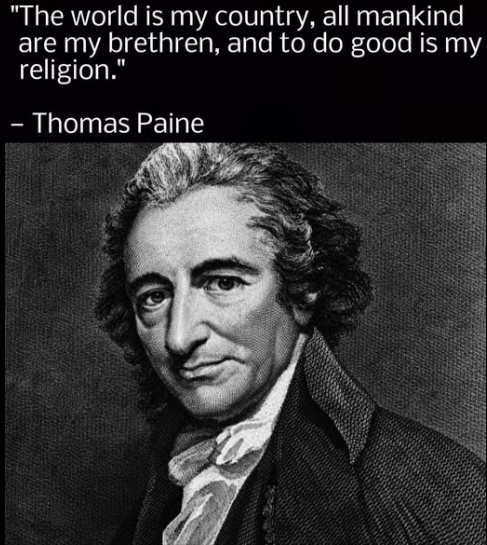 Sure, there have been many other people who have lived according to the beliefs expressed here by philosopher and American revolutionary Thomas Paine, but their numbers don’t begin to compare with those who think of themselves as patriots of the country of their birth and adherents to the religion they were assigned by their parents.
What a terrible shame. It’s easy to imagine a world of peace and harmony, but it sure seems an incredible challenge to get there. This is especially true today, on a planet that is increasingly led by fascist dictators, and a population where ignorance, nationalism, and hate is heating up by the day.
Weather Guard Lightning Tech
China Barred Vestas Software, Ørsted Buys Chinese Monopiles
Vestas CEO Henrik Andersen says China barred Vestas from monitoring its own turbines. Plus Ørsted takes heat for Chinese monopiles, India’s blade design gap, and tents that beat weather delays.
The Uptime Wind Energy Podcast is brought to you by Weather Guard Lightning Tech, creators of the StrikeTape Ultra LPS retrofit. Subscribe to Uptime’s Substack newsletter. And check out Rosemary’s “Engineering with Rosie” Youtube channel. Have a question we can answer on the show? Email us!
 Virtually all top-ranking retired military brass view Trump as shown at left. On top of that, Hegseth has publicly fired all current generals and admirals who are not loyal to Trump, as the entire world watched the purge.
Doesn’t this affect the way the psychopath’s command of our nation is ultimately determined?



