

ADNOC, the UAE’s leading energy company, has completed its acquisition of OCI Global’s majority stake in Fertiglobe. This move cements ADNOC’s 86.2% ownership of Fertiglobe, with 13.8% remaining publicly traded on the Abu Dhabi Securities Exchange (ADX). The acquisition marks a critical step in ADNOC’s strategy to dominate the global low-carbon ammonia market and further its ambitions in chemicals.
Dr. Sultan Ahmed Al Jaber, ADNOC’s Managing Director and Group CEO, highlighted the importance of this acquisition, stating,
“ADNOC’s majority shareholding in Fertiglobe marks another milestone in the delivery of our ambitious international chemicals growth strategy and goal to become a top five chemicals player. Fertiglobe will be the vehicle through which ADNOC advances its low-carbon ammonia business, supporting our efforts to enable a just, orderly, and equitable global energy transition.”
Fertiglobe: A Rising Power in Low-Carbon Ammonia
Ammonia is a key solution for decarbonizing industries like marine fuel, power, and agriculture, which account for 80% of global emissions.
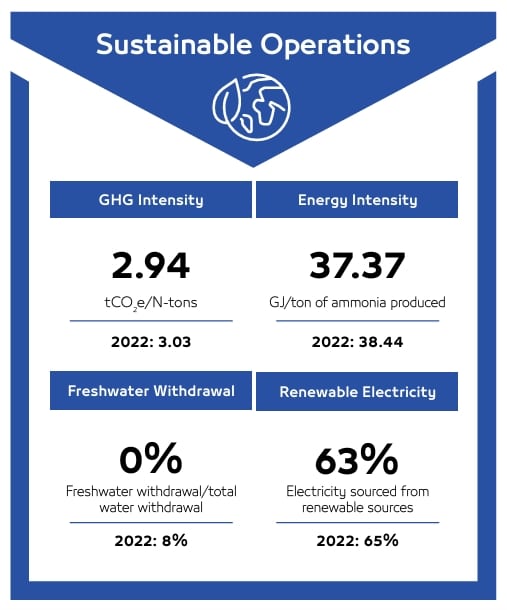
Fertiglobe, the world’s largest seaborne exporter of urea and ammonia, is a strategic asset in ADNOC’s chemical growth. It exports nitrogen products to 53 countries and holds a 10% share of global ammonia and urea trade. Last year, the company shipped its first batch of ISCC PLUS-certified renewable ammonia from Egypt. This clean product will help produce near-zero emissions soda ash for Unilever in India.
Additionally, the company has delivered several low-carbon ammonia shipments from the UAE, using hydrogen and carbon capture technology. Its renewable ammonia cuts emissions by 73%, accelerating the shift to cleaner energy.
Fertiglobe recently achieved a major milestone by securing a €397 million renewable ammonia offtake contract through the H2Global initiative, further strengthening its leadership in the low-carbon ammonia sector. This contract is valid till 2033.
Source: Fertiglobe
A Key Player in ADNOC’s Low-Carbon Fuel Ambition
Talking about the acquisition, ADNOC plans to integrate its stakes in existing and upcoming low-carbon ammonia projects into Fertiglobe.
- Significantly, this includes two major projects in Abu Dhabi, which will add 2 million tons per annum (mtpa) to Fertiglobe’s ammonia capacity. The company’s total capacity will increase from 1.6 mtpa to 8.6 mtpa, with more projects in the pipeline.
Thus, with ADNOC’s backing, Fertiglobe can become one of the top five global leaders in chemicals markets and low-carbon ammonia production, which is a key fuel in the energy transition.
Fertiglobe will continue its expansion under the leadership of CEO Ahmed El-Hoshy, who has been instrumental in building OCI’s ammonia and methanol business in the U.S. and Europe. He will lead the next expansion phase of Fertiglobe. The company’s current management team will remain intact as ADNOC rolls out the new strategy.
Moving on, Ahmed El-Hoshy, also highlighted the strategic importance of this move. He said,
“This transaction reinforces our long-term outlook and ambition to meet global demand for low-carbon solutions. As part of ADNOC’s ecosystem, we are excited to unlock the full potential of our portfolio.”
Low-Carbon Fuels and Renewable Ammonia Expansion
Industry experts predict demand for low-carbon ammonia will grow to 24 million tons by 2032 and Fertiglobe is just capitalizing on this demand. It will further help ADNOC reach its target of capturing 5% of the global low-carbon hydrogen market by 2030.
This aligns with the UAE’s National Hydrogen Strategy. The company plans to unveil a detailed growth strategy during its Capital Markets Day in Q1 2025, outlining its roadmap for further expansion and innovation.
ADNOC’s Sustainability Milestones
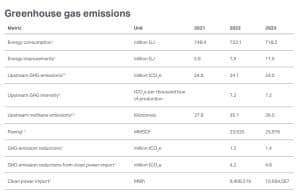
We discovered from the company’s sustainability report that ADNOC is allocating $15 billion (AED 55 billion) to invest in various decarbonization projects, including carbon capture, electrification, new CO₂ absorption technology, hydrogen, and renewables.
This investment will increase to $23 billion (AED 84.4 billion) in early 2024. Additionally, the company has raised its carbon capture capacity target to 10 mtpa by 2030. This is 2x its previous goal of 5 million tonnes.
Source: ADNOC
By 2025, ADNOC aims to improve energy efficiency by 5% (based on 2018 levels) and keep upstream methane intensity below 0.15%.
By 2030, it plans to produce 1 million tons of low-carbon ammonia annually, reduce operational emissions intensity by 25% (compared to 2019), and safely sequester 10 million tons of CO₂ per year. ADNOC is also targeting a 5% share of the global low-carbon hydrogen market and near-zero methane emissions in its operations.
By 2045, the company plans to deploy 100 GW of renewable energy capacity through Masdar, eliminate routine flaring, and achieve net zero operational emissions.
In summary, ADNOC’s acquisition positions Fertiglobe to lead in the low-carbon ammonia market. The plan holds immense promise for sustainable energy growth in UAE and international markets while delivering long-term value to shareholders.
- FURTHER READING: India and UAE Sign Major Agreements with Focus on LNG and Nuclear
The post ADNOC Boosts Stake in Fertiglobe for Global Low-Carbon Ammonia Growth appeared first on Carbon Credits.

The post Promoting Improved Cooking Practices in Nigeria appeared first on Terrapass.
For most companies, the largest figure in the carbon inventory is not the office, the vehicle fleet, or the electricity bill. It sits upstream, in the goods and materials a business buys to make and sell its products. These purchased inputs form the bulk of a company’s Scope 3 emissions, which routinely exceeds everything the business controls directly, and can add up to 90% of their global footprint.




-
Climate Change1 year ago
Guest post: Why China is still building new coal – and when it might stop
-

 Greenhouse Gases2 years ago
嘉宾来稿:满足中国增长的用电需求 光伏加储能“比新建煤电更实惠”
-
Greenhouse Gases1 year ago
Guest post: Why China is still building new coal – and when it might stop
-

 Climate Change2 years ago
嘉宾来稿:满足中国增长的用电需求 光伏加储能“比新建煤电更实惠”
-

 Renewable Energy12 months ago
Sending Progressive Philanthropist George Soros to Prison?
-
Climate Change2 years ago
Bill Discounting Climate Change in Florida’s Energy Policy Awaits DeSantis’ Approval
-
Greenhouse Gases1 year ago
嘉宾来稿:探究火山喷发如何影响气候预测
-

 Climate Change2 years ago
Analysis: China’s CO2 falls 1% in Q2 2024 in first quarterly drop since Covid-19