


Barcelona, A Sustainable Urban City
Public Transportation and Smart Mobility
Barcelona has made significant strides in promoting sustainable transportation and smart mobility solutions. The city boasts an extensive public transportation network, including buses, trams, and a well-connected metro system. Barcelona has also implemented bike-sharing programs and dedicated cycling lanes, encouraging residents and visitors to choose active and eco-friendly modes of transportation. Furthermore, Barcelona has embraced smart mobility initiatives, incorporating digital technologies and data analytics to optimize traffic flow and reduce congestion.
Renewable Energy and Energy Efficiency
Barcelona is committed to transitioning to renewable energy sources and improving energy efficiency. The city has increased its use of solar panels on public buildings and private residences, harnessing the abundant sunlight to generate clean energy. Barcelona also promotes energy-efficient practices, such as the implementation of smart grids, LED lighting, and energy-saving measures in buildings. Through its renewable energy and energy efficiency efforts, Barcelona is reducing its carbon footprint and working towards a more sustainable future.
Green Spaces and Urban Parks
Barcelona places a strong emphasis on green spaces and urban parks, recognizing their vital role in enhancing the quality of life for residents. The city boasts numerous parks and gardens, such as Park Güell and Park de la Ciutadella, which provide recreational areas, promote biodiversity, and contribute to improved air quality. Barcelona’s commitment to preserving and expanding green spaces within the urban landscape creates a healthier and more sustainable city for its residents to enjoy.
Waste Management and Recycling Programs
Barcelona has implemented effective waste management and recycling programs, aiming to minimize landfill waste and promote a circular economy. The city has established waste separation and collection systems, encouraging residents to sort their waste into different categories. Barcelona also has an extensive network of recycling containers throughout the city, making it easy for residents to participate in recycling efforts. Additionally, Barcelona has embraced composting initiatives, diverting organic waste from landfills and promoting sustainable waste practices.
Sustainable Urban Planning and Architecture
Barcelona’s urban planning and architecture incorporate sustainability principles. The city promotes compact urban development, reducing sprawl and preserving surrounding natural areas. Barcelona encourages mixed land-use developments, reducing the need for long-distance commuting and promoting walkability. The city also prioritizes green building practices, including the use of sustainable materials, energy-efficient designs, and green roofs. Barcelona’s commitment to sustainable urban planning ensures a harmonious balance between the built environment and the natural surroundings.
Water Management and Conservation
Barcelona recognizes the importance of water management and conservation, particularly in a region with limited water resources. The city has implemented water-saving measures, including efficient irrigation systems, rainwater harvesting, and water recycling initiatives. Barcelona encourages residents and businesses to adopt water-saving practices, promoting awareness and education about water conservation. Through its water management efforts, Barcelona is safeguarding its water supply and promoting sustainable water use.
Conclusion Barcelona: A Sustainable Urban Gem in Spain
Barcelona stands as a remarkable example of a sustainable city in Spain, showcasing innovative approaches to public transportation, renewable energy, green spaces, waste management, urban planning, and water conservation.
The city’s commitment to sustainability has created a vibrant and livable urban environment while minimizing its environmental impact. As other cities face similar challenges, Barcelona’s sustainable practices provide valuable inspiration and lessons for creating resilient and eco-friendly urban communities.
https://www.exaputra.com/2023/06/barcelona-sustainable-urban-gem-in-spain.html

 One might think that this level of idiocy and incompetence would detract from the appeal of the GOP, but Trump supporters don’t seem to mind.
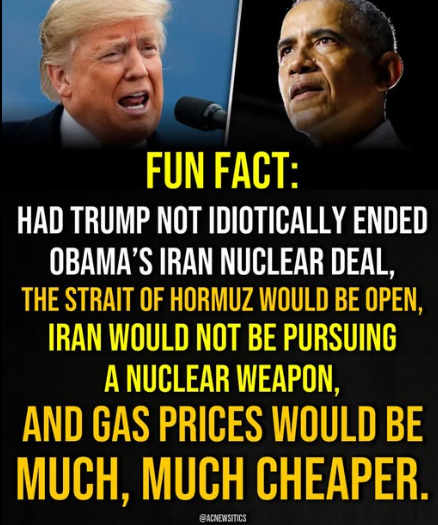 At left we see the cause of Trump’s imminent demise.
We’re OK on the lies and crimes, but we’re not OK on high prices, and though we’re dumb, we’re not dumb enough to believe that prices were higher under Biden.
Btw, people commonly refer to this as “Obama’s deal,” but several other countries were party to it.
 It’s a tragedy that this didn’t happen in 2015 when Trump entered the political scene.



-

 Greenhouse Gases2 years ago
嘉宾来稿:满足中国增长的用电需求 光伏加储能“比新建煤电更实惠”
-
Climate Change1 year ago
Guest post: Why China is still building new coal – and when it might stop
-
Greenhouse Gases1 year ago
Guest post: Why China is still building new coal – and when it might stop
-

 Climate Change2 years ago
嘉宾来稿:满足中国增长的用电需求 光伏加储能“比新建煤电更实惠”
-

 Renewable Energy11 months ago
Sending Progressive Philanthropist George Soros to Prison?
-
Climate Change2 years ago
Bill Discounting Climate Change in Florida’s Energy Policy Awaits DeSantis’ Approval
-
Greenhouse Gases1 year ago
嘉宾来稿:探究火山喷发如何影响气候预测
-

 Carbon Footprint2 years ago
US SEC’s Climate Disclosure Rules Spur Renewed Interest in Carbon Credits