Here’s an interesting article that begins:
Gone are the days of the unyielding God-fearing mother as the archetype of good parenting, suggests a recent article from the Los Angeles Times. According to multiple reports, research has shown that a secular upbringing may be healthier for children. According to a 2010 Duke University study, kids raised this way display less susceptibility to racism and peer pressure, and are “less vengeful, less nationalistic, less militaristic, less authoritarian, and more tolerant, on average, than religious adults.” But the list of benefits doesn’t stop there.
Insofar as my wife and I are non-religious, we thought it was simply wrong to impose the notion of an omniscient, omnipotent, and potentially vengeful God on our kids, if only because doing so would be hypocritical in the extreme.
Children face an entire array of challenges as they try to make sense of the world around them; they don’t need a whole new layer of complication, contradiction, and the rejection of science.
We knew our kids would be exposed to religion at some point early in their lives–from their cousins, friends, and so forth–and they would be able to make their own choices in this regard.
Moreover, I reasoned that if they want to know what my wife and I believe on the subject, they can ask.
Renewable Energy
Making the World an even More Disgusting Place
I recently met an attorney who told me that is specialty is traffic. “Really!” I replied. “That sounds interesting. Could you give me an example of what you do, and for whom?”
He explained that people who get hefty citations hire him to get their cases dismissed, or have their fines greatly reduced. He summarized this as follows, “I take money away from local governments, and keep bad drivers on the road.”
Holy crap, I was thinking. Not everyone is a Mahatma Gandhi or MLK, but should anyone fashion a career out of making the world a more dangerous and degraded place than it already is?
I’ll grant that this is an extreme example. But consider that there are millions of people working in industries like fossil fuels, tobacco, sodas, and building war machines. Then we have our elected officials whose job it is destroy public education and environmental health, while others work on gerrymandering so as to keep themselves in office and dismantle our democracy.
Sure, the attorney described above has a disgusting profession, but he’s not alone.
Renewable Energy
A Nation of Idiots and Its Race to the Bottom

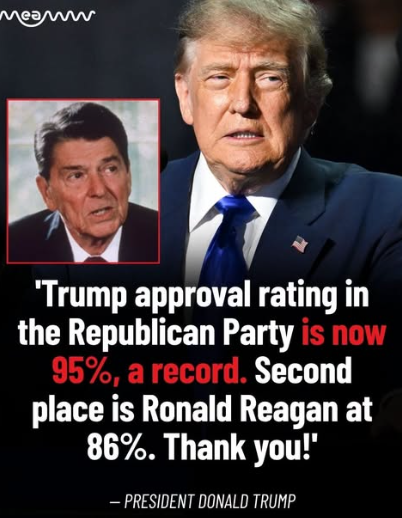
The appeal to America’s most stupid people is heating up, and the meme here is a great example.
First, let’s realize that the percentage of Muslims in the U.S. is somewhere between 1.1% and 1.3%, compared to Christianity at 67%.
Then, try to image any process by which our local, state, and federal laws, conforming as they all must to the U.S. Constitution could be replaced by Sharia law, which calls for the amputation of thieves’ hands, lashing as punishment of consuming alcohol, and the stoning to death of adulteresses.
https://www.2greenenergy.com/2026/05/19/nation-of-idiots/
Renewable Energy
Conference Recap, Suzlon Targets Europe
Weather Guard Lightning Tech
![]()
Conference Recap, Suzlon Targets Europe
Matthew Stead recaps WindEurope Madrid and Blades Europe Edinburgh. Plus Suzlon unveils its Blue Sky platform for Europe, Muehlhan consolidates six specialist firms, and Mingyang keeps hunting for a European home.
Sign up now for Uptime Tech News, our weekly email update on all things wind technology. This episode is sponsored by Weather Guard Lightning Tech. Learn more about Weather Guard’s StrikeTape Wind Turbine LPS retrofit. Follow the show on Facebook, YouTube, Twitter, Linkedin and visit Weather Guard on the web. And subscribe to Rosemary Barnes’ YouTube channel here. Have a question we can answer on the show? Email us!
Speaker: [00:00:00] The Uptime Wind Energy Podcast, brought to you by StrikeTape. Protecting thousands of wind turbines from lightning damage worldwide. Visit striketape.com. And now, your hosts.
Allen Hall 2025: Welcome to the Uptime Wind Energy Podcast. I’m your host, Allen Hall, and I’m here with Matthew Stead, who is back in Australia, but not at home.
He’s up in Queensland. Or actually, not even on– in Queensland, technically. He’s on an island off the coast of Queensland. Where are you at, Matthew?
Matthew Stead: Uh, Moreton Island. It’s, uh, like a resort island off, uh, off of Brisbane, so beautiful outside.
Allen Hall 2025: Well, you need a little bit of resort time because you’ve been to two conferences, and you spent a good bit of time in Austria after that.
So you were at WindEurope in Madrid, and then following that, you went right over to Scotland for Blades Europe. So I wanna hear your thoughts. We’ll start with, uh, WindEurope and what was going on at that conference. It did sound like there was a pretty [00:01:00] good attendance, and some people that I have talked to about it really en-enjoyed being in Madrid.
It’s just
Matthew Stead: a bigger city. Um, first time I’d ever been to Madrid, and, uh, yeah, the show was amazing, actually. I was, I was a bit blown away by, uh, I think the OEMs were back out in force. You know, so like the Vestas, Siemens were, um, really– and Nordexes and so forth were really back out in force, so that was really good to see.
Um, the, some of the larger operators had really, really strong presence as well. So you could see that, you know, Iberdrola, Res, um, those sorts of companies were, um, really, you know, putting a big effort in and meeting their customers and, um, really showing, uh, the world who they were. So that was really, um, you know, really good to see.
There were so many people seriously. Um, the queues for food at lunch were, were, um, one of the major problems. Um, so, um, yeah, it was really a lot of people, so that was really exciting. Um, and I mean, for me, I was [00:02:00]trying to catch up with, with partners and friends and, yeah, it was, it was jam, jam-packed just meeting people in the industry.
Um, probably a few other things. So s- you know, SkySpecs and Aerones had a really strong, um, presence there. So, um, SkySpecs and Aerones were, were doing really well. Um, maybe one of the, um, surprises for me, and I know this has been a topic on a few other previous episodes, was there was a lot of interest in bird and bat detection.
I, I, I think there had to be, like, five companies that were, were– had really big setups, and it was a really, really big topic around cameras and so forth. So, um, that was a, a big topic. And, um, then there, there was a really, really strong, you know, supply chain, you know, from, from vessels to cables to, you know, repairs.
Allen Hall 2025: What was the ratio of offshore companies to onshore companies? I’m always curious.
Matthew Stead: You’re looking through the, the list. Um- I would, I’m only guessing it [00:03:00] was probably about 40% had an offshore focus of some kind. So it was definitely a strong offshore focus. Um, obviously, you know, a lot of onshore, offshore combined companies.
But yeah, definitely the word offshore kept on popping up a lot.
Allen Hall 2025: Because Spain is mostly onshore. Like, um, like 99% onshore, right? I think it’s a couple of small projects going offshore. Does it look like the onshore business is gonna pick up, uh, just in terms of the activity on the floor in Madrid?
Matthew Stead: Uh, yeah.
Um, I, I think, you know, like I said, you know, those big operators like the REZAs and the Iberdrolas and, and the OEMs, I, I think it’s just a given that, um, you know, things are buoyant. Um, well, they appear to be definitely very buoyant. Uh, I think we’ve heard, you know, some of the positive, um, financial news from a few of the OEMs recently.
So yeah, yeah, it seems like o- onshore is, is maturing further, further, further. And so you went straight
Allen Hall 2025: from Madrid, right, to [00:04:00] Edinburgh, Scotland. That was a change in weather, I would assume. Uh, probably about a 20 degree Celsius difference. 25 down to 15, yes. Whoa. Okay. Yeah, that’s a good bit. Uh, but the Edinburgh conference, that’s the first time that Blades Europe has been to Edinburgh.
I, at least I don’t remember them being there before. That tends to be a more technical conference than Wind Europe. Uh, the, the Blades conference is obviously focused on blades, and all the relevant experts in Europe do tend to show up there. What were some of the hot topics at Blades Europe this year?
Matthew Stead: Yeah, I think it was, um, an interesting conference. Um, I, I’d been to Blades USA, so I was able to contrast, um, Blades USA a little bit. I think probably the differences here were, yeah, there was definitely some strong, strong, uh, experts there, like you say. Um, you know, Birgit, um, our friend was, was in attendance and a few of her colleagues from Statkraft.
Um, I think, and or, uh, actually ORE Catapult, the, the [00:05:00] UK research, um, offshore renewable energy research, um, they did some great presentations. I really, um, they really shared some really good insights. So, um, ORE Catapult were talking about life extension and, um, you know, looking at the, the fatigue on blades and, uh, how they’re, how they’re going to perform and life extension.
So some great stuff from ORE Catapult there. Probably another key topic that came up was around, uh, sort of related to life extension, but also recycling. The, there was a really good session on the new IEC standard. Um, um, to, you know, full disclosure, I was actually on the panel. So I, I thought it was a great panel.
But, um, the new IEC standard for blade operations and maintenance, um, is really well a-advanced now in its development. Um, very strong risk focus, you know. So depending on the risk then drives your, your blade O&M program. [00:06:00] Um, so that was a, a great talk as well. Uh, and then maybe finally, um, something close to my heart, um, I think the, the, you know, the maturity of CMS companies.
There actually, there were five blade CMS companies there, which is probably the biggest turnout I’ve seen around blade CMS, um, ever. And so it was good to see that sort of, um, interest and growth, um, and the need for, for blade CMS. Uh, and, um, obviously the last one, lightning. So lightning always an issue.
Lots of discussions around lightning, um, you know, through Greece and a few of the, the, the Balkan go- Balkan states. On the blade recycling front, there’s a
Allen Hall 2025: company in Scotland called ReBlade that is involved in some of the recycling efforts. Did they give a presentation of, of what they’re up to at the moment?
Matthew Stead: Uh, yes, I think they did. Um, they’re talking about setting up a, a site in a, a [00:07:00] couple of sites, and I think Inverness was the, the location where they’re, where they’re setting up a site. The, um, the port is supportive, so they’re working through those, those, those challenges. You know, getting a site, getting transport and access to the blades.
Um, working out when, when the, when the blades will come to them. You know, the storage of blades. Um, the, the end, end uses for those blades. Getting all that supply chain, um, lined up was, you know, yeah, it was, that was quite thorough and quite, um, yeah, inspiring.
Allen Hall 2025: And on the CMS side, what are operators trying to monitor?
‘Cause usually have something in mind that they’re going after.
Matthew Stead: For better or for worse, there’s still some serial, um, failure modes. Um, and so the industry is looking at very particular, you know, challenges that, um, certain make and model have. Um, so root insert failures was definitely one of those, um, one of those topics.
Um, and that was actually one of the, the, the [00:08:00] roundtable discussions at, uh, Blades Europe. Some other, um, monitoring around, you know, lightning and- lightning damage and what’s happening with the LPS. That was also, uh, another big topic for, for monitoring. And then a few other sort of general, more, more general, um, you know, natural frequencies of blades and seeing if the natural frequencies are changing, indicating a change in stiffness, which relates to potential damage.
So yeah, there was– it was quite a mix of the types of, um, CMS that was discussed.
Allen Hall 2025: Has the digital twin finally died? Anybody talk about that?
Matthew Stead: There’s actually a current call-out for a new research project in Europe around digital twins. So, um, yeah, one of the larger, one of the larger operators is, is putting, pulling together a team to talk about digital twins, so-
Allen Hall 2025: I, I think this is one of the more difficult things to do, but just because you’re dealing with a variety of blades and blade factories and unique issues that pop up that are…[00:09:00]
You, you really can’t model until after they happen. And after they happen, everybody knows about them anyway. So what’s the point of the digital twin if you can’t detect things early? It, it, it is a great concept, but hard to implement.
Matthew Stead: Yeah. And why? Why would you do it? I mean, you, you’re only gonna do it if there’s a benefit, and what is the benefit?
So, but I think, uh, actually at Blades Europe, digital twins was not really a topic. And maybe one thing I forgot to say is that the, um, Wind Power Lab did a, a good, um, presentation on carbon blades as well, so.
Allen Hall 2025: The, the carbon blades are, is a very good discussion, just because the trend has been lately to scrap blades and bring new ones on site.
And the carbon can be difficult to repair, or it takes a long time to repair, and you just don’t have the manpower or woman power to go out and fix it. So the, the fastest option is to build a new blade. But it does leave a lot of blade waste, which is where the industry is not going. Uh, recyclable blades, which is [00:10:00] in process at the moment, will make that easier, but you just don’t wanna be recycling blades.
You like to be able to repair them. Composites are repairable. And it’s, it is so odd that they, they wanna continue on that pathway, but we’ll see. We’ll see. You don’t really learn the lesson until you do it.
Matthew Stead: Um, however, you know, the, the presentation on carbon blades was, um, you know, highlighted a lot of the challenges, but also highlighted some of the positives and the, you know, how they do help.
Um, and so there was a lot of support for carbon blades, but there’s a lot of unknowns and, um, and there was a lot of discussion around how do you even test if the LPS is working. Uh, it’s just impossible. So, you know, traditional methods on carbon blades, yeah, it just don’t work. So, um, but there was a lot of support that the carbon does bring benefit.
But yeah, I agree with you. There’s a lot of challenges there.
Allen Hall 2025: That’s one of the things we learned years ago back in the late ’80s, early ’90s when we, at least in, in the [00:11:00] States, started building a number of carbon fiber aircraft. And the repair situation and dealing with repairs in, in remote locations became difficult.
And you’ve learned how much training it took to keep an industry running, and you’re starting from zero for a lot of places that all he had worked on was aluminum. It, it’s a completely different world. You’re, you’re training tens of thousands of technicians around the world. You weren’t planning to go do that, and now you are.
So it just, it adds to the cost.
Matthew Stead: It also ties into the OEM, um, you know, providing, you know, details on how to repair those blades because they’re not, they’re not just a standard item, so-
Allen Hall 2025: No, you, you don’t wanna be grinding into a protrusion if you can avoid it. It- you’re just never gonna get it back into that original form because protrusions are in some part magic.
And taking a grinder to them is not gonna… It’s breaking the magic. All the magic will be leaving that protrusion when you do that. Yeah, very [00:12:00]difficult. Delamination and bond line failures in blades are difficult problems to detect early. These hidden issues can cost you millions in repairs and lost energy production.
CIC NDT are specialists to detect these critical flaws before they become expensive burdens. Their nondestructive test technology penetrates deep into blade materials to find voids and cracks traditional inspections completely miss. CIC NDT maps every critical defect, delivers actionable reports, and provides support to get your blades back in service.
So visit cicndt.com because catching blade problems early will save you millions.
Well, as we know, the wind industry has long been dominated by a handful of European and American turbine makers, uh, particularly in the, quote-unquote, “West.” Uh, but that landscape may be [00:13:00] shifting. Suzlon, the Indian turbine giant that nearly collapsed under about a $1.5 billion of debt just a few years ago, is back.
The company has unveiled a new turbine platform aimed squarely at Europe, and says it will build its first factory on the continent if it wins enough orders. Vice Chairman Girish Tanti, uh, delivered the announcement at the WindEurope conference in Madrid, where Matthew was Signaling that Suzlon believes its time has come.
And since you were there, Matthew, did you hear any news on the floor, any discussion on the show floor about Suzlon entering Europe?
Matthew Stead: Well, actually, yes. So, um, um, there was actually a good, uh, contingent of Suzlon people at, uh, Blades Europe. So, uh, they attended, uh, Wind Europe and then Blades Europe. Um, and I, you know, I was able to have a bit of discussion with them.
I think, I think, uh, they were quite optimistic about, um, [00:14:00] you know, moving back or moving into, into Europe in terms of manufacturing. Um, however, there was an element of skepticism. Am I allowed to say that? So they, uh, were, they were not completely, um, convinced that it’s gonna happen, but, uh, they were certainly excited by that.
It was definitely a, a clear possibility, but not a given.
Allen Hall 2025: Well, they have a, a new platform called the Blue Sky platform, um, which will have, I think, two turbines here, a 5 megawatt and a 6.3 megawatt, which is squarely aimed at Europe and also the United States, for that matter. And building a factory, though, doesn’t make a lot of sense if the cost driver for a factory in Europe is the European employees, which it tends to be when you hear the discussions about the cost structure, it’s about the employees.
I’m not sure why Suzlon would make blades or nacelles in Europe unless they could avoid tariffs or taxation, because India is a very [00:15:00] cost, uh, driven, uh, manufacturing facilities writing country. So why would you wanna go build another expensive factory, probably in the realm of a couple hundred million pounds, uh, if you’re gonna go do it?
It probably doesn’t make any sense to do that as well as just selling turbines into Europe. It seems like the easier path.
Matthew Stead: Yeah. And then you’ve got all the, like, the quality control challenges and, you know, you get the cultural challenges. So yeah, to be honest, I don’t qu- I don’t quite understand the logic behind that either.
Um, maybe there’s, there’s some things that we don’t know about behind the scenes in terms of tariffs and other, other incentives that we don’t know about.
Allen Hall 2025: Would you see operators taking, uh, a Suzlon presentation and maybe even writing plans for developing with Suzlon turbines in the next couple of years?
Is that a, a feeling that Europeans would, would do that, or is Vestas mainly and Siemens Gamesa so strong in Europe that it doesn’t make any sense unless [00:16:00] you’re in sort of the periphery countries of Europe?
Matthew Stead: I mean, my first exposure to a wind turbine was a Suzlon turbine in Australia, and there are many, many, many Suzlon turbines in Australia.
And they’re all, they’re all still working. They’re all still reliable. So I mean, from a reputation and reliability and, um Yeah, history point of view, I can’t see why not. I mean, you know, uh, the operators will see that, you know, they’ve proven themselves. They’re not new kids on the block. Um, and so why wouldn’t an operator think about it?
Allen Hall 2025: Well,
Matthew Stead: in
Allen Hall 2025: this quarter’s PES Wind magazine, which you can download for free at peswind.com, there is a nice article from Muelhen Wind Services, and that is a growing company. A lot going on there. Our friends at AC883 just joined Muelhen a f- few months ago, and is being part of that conglomerate. And, and we know that obviously building wind farm used to mean [00:17:00]consulting with dozens of contractors, and this is where Mue- Muelhen has really s- stepped into the breach here.
So from blade repair at one company and heavy lift cranes at another company, all that had to be managed separately. You’re calling s- different companies all the time. And watching asset managers and site supervisors do this, uh, it is a thankless job. Well, Muelhen’s trying to change that a little bit, uh, and they’re saying that that model no longer works, and I totally agree with them.
It’s insane. Uh, but so Muelhen has consolidated six specialist firms under its one brand, and covering everything from port pre-assembly to long-term operations and maintenance across Europe, the US and Canada, uh, and Asia-Pacific. Its CEO, Søren Hoffer, uh, puts it plainly, “The next phase of wind will not be won by turbine size alone.
It will be decided by the supply chain’s ability to execute.” Boy, [00:18:00]couldn’t say truer words. Uh, I’ve worked with Muelhen or my company, Weather Guard Lightning Tech, has worked with Muelhen on a couple of projects over the years, and we’ve always had, uh, great service from them, and we have talked to a number of operators that love them, that love using Muelhen.
So it’s not a surprise that they’re trying to grow and expand and make life easier for the operators.
Matthew Stead: Sounds like a brilliant move, really. I mean, you know, pulling all these sort of things together is, is a real challenge, isn’t it? I mean, coordinating all these subcontractors, um, getting to turn up at the right time, and yeah, I mean, it just sounds like a brilliant move, and I think that we need more, more, more efficient service companies to service the growing fleet.
So the more they can get organized, the better.
Allen Hall 2025: Yeah, the scale matters here, and the expertise matters. As we’ve have a couple hundred thousand turbines that are [00:19:00] operating in the, quote-unquote, “West,” it does make sense to have a larger player that has seen most of those turbines and has some experience with them.
It’s always the scary scenario when you’re working with a new company. Have they been on this turbine before? Do they know what they’re doing? Do they know- Lockout tagout. Even simple things like that come to the forefront. And the, the trouble is on some of these smaller companies that are in that business is that, uh, you just don’t get the level of service, you don’t get the level of response, you don’t have the horsepower if something were to, to go wrong on site.
They don’t have the cash to, to bring in a second crane or another crew to get this job done. It, it does become scale at some point. And, uh, for a long time in the wind industry, particularly United States, it, it has been a lot of, quote-unquote, “mom-and-pop operations,” and those are slowly getting acquired by the likes of Muehlhan.
I, I, I think this is inevitable at some point. Uh, from the asset owner’s, uh, desktop watching this go on, [00:20:00] how do you see, you know, a large operator interfacing with Muehlhan? Are they gonna do just one-stop shopping at this point? They’re, they’re not gonna have three or four different companies to work with, that they’re just gonna lock into, uh, Muehlhan?
‘Cause, uh, that’s what I see.
Matthew Stead: Yeah. I, I think, you know, from the, the WOMA Conference in, in Melbourne, we saw a bit of a, bit of a shift towards, um, outsourcing, at least in Australia Pacific region. And I mean, if, if you’re gonna outsource, um, you’re, you’re probably gonna join up with a, a Muehlhan, um, equivalent.
So, you know, that way it just takes some of the risk out of, out of it, so it, it sort of makes sense. Um, the other observation I’ve heard is that, you know, because of the seasonality of blade repairs, it’s really hard to keep hold of, um, blade techs. And so if you’re a global company, you’ve got at least some opportunity of using the ses- seasonality and keeping hold of the good techs and, um, you know, so, you know, you know, summer in, in North, North, uh, America, and then, you know, summer in [00:21:00] Australia.
So it, it, it allows these company, allows these companies to keep hold of their good people.
Allen Hall 2025: Yeah. And that, that’s always been the yearly problem, right? That you have a, a crew of a couple good crews in the summertime, and you come back the next summer and it’s a whole different group of people and yeah, that, that, that’s trouble for the industry.
Well, a- and it’s good. It’s fi- it’s finally good to see this happening, and I know, uh, we’ve talked about it internally here at Weather Guard of who to work with and who to partner with. We like working with companies that have scale, and I think we’re finally there. So it’s really interesting to see this article from Johan in PES Wind.
So if you, if you haven’t read the article, you should go visit peswind.com and take a look. There’s a lot of great content in this quarter’s issue, and y- you don’t wanna miss it. So go to peswind.com today. As wind energy professionals, staying informed is crucial, and let’s face it, difficult. That’s why the Uptime podcast recommends PES Wind magazine.
PES Wind offers [00:22:00] a diverse range of in-depth articles and expert insights that dive into the most pressing issues facing our energy future. Whether you’re an industry veteran or new to wind, PES Wind has the high-quality content you need. Don’t miss out. Visit peswind.com today. So when, when the energy prices spike like they’re happening right now, uh, the Iran war being one of the main drivers, and obviously gasoline prices have jumped quite a bit, here’s what happens.
The China’s clean energy sector goes to work, and they’re racing to make connections and make sales. As electricity prices jump up, gas prices jump up, everybody wants to try to find a cheaper way to provide energy to their countries or locales. Uh, China’s there to offer it. So it’s solar panels, batteries, EVs, and even wind turbines are, are looking for homes out of China.
Uh, for European wind professionals, [00:23:00] the most important part comes from Mingyang, right? So they were unable to get a production facility in Scotland, but they haven’t given up yet. They are still searching for a home somewhere in Europe. And as of today, I don’t think they’ve found it. They’re s- I think they’re still looking for some country to host them.
But how long is that gonna go on, Matthew? I, I think with the domination of Vestas and Siemens Gamesa in Europe and Suzlon trying to make an entry, will Mingyang and other Chinese manufacturers eventually find a home?
Matthew Stead: It’s interesting. I think, uh, if you look at the airline industry, you’ve always had premium providers, and you’ve always had low-end providers, and I think there’s always a place for all of them.
And so I re- I reckon they’ll find, I think they’ll find their place in, in the market and just, you know, it might just take a while. But they’ve got the strength, haven’t they? They’ve got the product. They’ve got the strength. So it’s just a matter [00:24:00] of time.
Allen Hall 2025: Yeah. I, I, I d- I do think eventually it will happen.
But Vestas and, and Siemens Gamesa have done a pretty good job of controlling it, and wind Europe, honestly. Wind Europe has not been a proponent of a Chinese manufacturer in Europe, so that generally will help slow down any business plans they would have But at the same time, there’s a lot of opportunities around the world that’s not necessarily in Europe, right?
South America has strong ties with China. They’re– And Chinese companies are, are starting production in China. There’s a lot th- things happening there. You’re gonna see that in Africa and other places. So it doesn’t necessarily have to happen in Europe, which is, I think Europeans and Americans think, “Well, we can’t have China in those locales.”
Fine. But it isn’t like China doesn’t have other opportunities to, to sell turbines or solar panels or batteries. There are plenty places on the planet where
Matthew Stead: people that
Allen Hall 2025: need
Matthew Stead: lower cost energy, and they’re gonna find them. Um, I did attend a, a panel [00:25:00] discussion on Türkiye, um, and the growth, and there was a lot of growth in Türkiye around onshore and offshore.
And so maybe Mingyang, that might be a, a place, um, for them to, to start, you know, on the doorstep of, of Europe. The stepping stone, so to speak. Stepping country.
Allen Hall 2025: Is there risk in that, uh, uh, if, uh, uh, Mingyang decided to put a plant in Türkiye? Is, does that come with some political aspect? Because I, I, I don’t remember.
Türkiye t-tends to play, uh, uh, k- kind of like Switzerland in, in terms of working with different, uh, political systems over time. Yeah.
Matthew Stead: I, I’ve had a bit more to do with a few, a few, um, sort of organizations in Türkiye recently and, um, you know, it’s highly professional, highly, you know, logical, and so I, I can’t see why it’d be a challenge.
So I think, yeah, that stepping stone into Europe might be a, a logical way to go. Well, maybe
Allen Hall 2025: we’ll see that in the next [00:26:00] couple of months. I don’t know. There’s gonna be a lot to happen there. There’s so much money being spent in Europe on renewables, wind, solar, battery, all the above, that there’s plenty of opportunity, and every company that has a product that’s gonna be trying to sell it in Europe right now.
It’s a smart move. Absolutely.
Matthew Stead: I think the other thing that we’ll probably be talking about a little bit more is EV trucks or, you know, electric trucks.
Allen Hall 2025: You think so?
Matthew Stead: I reckon we’ll be talking more and more about electric trucks.
Allen Hall 2025: Does Europe even have a, a le- a real true EV tractor-trailer, large truck?
What do they call… I guess they call it a lorry.
Matthew Stead: I don’t think yet. But that’s why I’m saying I think this is a topic that’s gonna raise itself. Um, I’ve, I’ve seen some numbers recently which says that it’s a bit of a no-brainer to go from diesel to, um, to battery now.
Allen Hall 2025: So is Tesla gonna be the, the winner there just because of their, I don’t even what they call it, the Tesla truck?
Is that what they call that now?
Matthew Stead: Not the Cybertruck, the, the truck truck.
Allen Hall 2025: Electric semi-truck. There you go. [00:27:00] Thank you, producer Claire.
Matthew Stead: I think you’ve gotta watch, you know, you’ve gotta watch BYD and a few of the other, the other, um, other companies.
Allen Hall 2025: Do they have something as large as what, uh, Tesla is offering today?
Because Tesla is offering a true semi or tractor-trailer
Matthew Stead: I, I, I must admit I’m not a, a huge expert on the topic, but I’m sure Rosemary is.
Allen Hall 2025: She drives the big rigs? Is that what she’s doing?
Matthew Stead: But I think we– Yeah, I think, I think it’s an in-interesting thing to watch because, um, certainly fuel prices in Australia are definitely pushing, um, this idea of, um, electric trucks.
Allen Hall 2025: Yeah, diesel prices are really high in the States. I- if they’re high in the States, I can’t even imagine what they are in Europe or Australia. They must be through the roof. So if you have a diesel vehicle, although they run forever and are pretty efficient, the price of fuel is insane right now.
Matthew Stead: And, you know, if you, if you take that a step further into mining, so Twiggy Forest, um, and Fortescue, you know, switching to [00:28:00] electric, uh, trucks and electric mining, yeah, it makes sense.
Allen Hall 2025: Does the math work out on that? Uh, obviously Fortescue is taking, uh, really a pretty significant risk in that they’re developing their own electricity generation sites via wind and solar and battery, the whole thing, and they’re converting some of their larger vehicles to electric. Does that hold a big risk, or is this just a financial no-brainer, particularly when diesel prices are so high?
Matthew Stead: Yeah, I think it’s a financial no-brainer. Uh, and that’s why partly I think we’ll be talking about trucks because, you know, once the finances make sense, um, there’ll be a faster transition. And I think, you know, Fortescue is not a silly company.
Allen Hall 2025: Fortescue is willing to dabble, right? So they’re willing to, to see where the technology is and spend a little bit of money and possibly it works out, right?
I think there’s– you have to take a little bit of risk if you’re in that business because you are spending so much money on fuel. [00:29:00] You can spend a couple million dollars playing in different areas to pick an eventual winner. Obviously, they’re gonna– Well, it’s not obvious at the moment, but it, it seems obvious to us being on the electricity side.
Electricity is gonna be the answer. Renewable energy is gonna be the easy way to do it, the lowest cost way to do it. There you go. Go do it. Well, American Clean Power’s event, uh, which is in Houston this year, will be happening June 1st through the 4th at the convention center downtown in Houston. It’s gonna be warm, everybody, so if you’re traveling from a cooler country like Denmark to Houston, bring something cool to wear.
It will be warm in June. It, it– Houston is just a very warm place, and it’s quite humid, so it’ll, it’ll be a, a unique environment. However, it does sound like there’s gonna be a, a, an– A number of interesting companies and a lot of people that are attending that event this year, and one of them is gonna be Matthew and EOLOGIX-PING with Weather Guard Lightning Tech will [00:30:00] both be down at the event in a booth and seeing everybody and, and, and meeting a whole bunch of, of, uh, new people that are getting into the industry, which is, to me, is always the fun part.
Like, we just meet so many really fun people. Uh, and Matthew, you know, we had a discussion internally about that, like, uh, our, our new, uh, chief commercial officer, Nikki Briggs, has been commenting. We’ve been talking to so many operators around the world, and after every, uh, little meeting briefing that we have, we do a post-briefing, and she goes, “They were so nice.”
And I s- yes, Nikki, the wind industry people are fantastic to work with. Like, they’re all focused on doing something positive, and they’re trying to, to do it the best that they can. And there’s a lot of constraints to it, and they’re making a number of hard decisions. But when we all come together at American Clean Power here in the States, hey, we can kinda commiserate and [00:31:00] talk about what’s happening and catch up.
And I feel like we need a little bit of catch-up time in this industry, particularly here in the United States.
Matthew Stead: Yeah. Yeah. I, I think, um, I, I definitely agree. And I, I found, you know, previously I used to work in the construction industry and work with engineers and, you know, transport, blah, blah, blah, blah, blah.
And actually, I found that the renewable industry, there’s a lot of really open people, really happy to have a discussion, um, not the big egos, so I completely agree. And, um, I’m thinking back, um, I first met people in the wind industry in, you know, around 2012, 2013, and, you know, I still know a number of those people and really appreciate catching up with them.
Um, so actually, Berend van der Pol was probably one of the first, and, uh, Birgit Junker was, um, maybe one of the second, so yeah. And I’m definitely looking forward to ACP.
Allen Hall 2025: If you’re, if you’re down in Houston at American Clean Power, definitely stop by a- and say hi to everybody from [00:32:00]EOLOGIX-PING and Weather Guard Lightning Tech, and hey, learn about all the things that are going on because both companies have new products that’ll, were gonna be announced at the site.
Uh, we’re already getting inundated with requests on the Weather Guard side. It’s insane. We’re telling people, like, “Slow down, slow down, slow down. We’ll, we’ll, we’ll talk to you about it when we get to Houston.” But, uh, expect a very attentive audience this year, which is exciting. That wraps up another episode of “The Uptime Wind Energy Podcast.”
If today’s discussion sparked any questions or ideas- We’d love to hear from you. Reach out to us on LinkedIn, and don’t forget to subscribe so you never miss an episode. And if you found value in today’s conversation, please leave us a review. It helps other wind energy professionals follow the show. For Matthew, I’m Allen Hall, and we’ll see you here next week on the Uptime Wind Energy [00:33:00] Podcast.
-
Climate Change9 months ago
Guest post: Why China is still building new coal – and when it might stop
-
Greenhouse Gases9 months ago
Guest post: Why China is still building new coal – and when it might stop
-
Greenhouse Gases2 years ago嘉宾来稿:满足中国增长的用电需求 光伏加储能“比新建煤电更实惠”
-

Climate Change2 years ago嘉宾来稿:满足中国增长的用电需求 光伏加储能“比新建煤电更实惠”
-
Climate Change2 years ago
Bill Discounting Climate Change in Florida’s Energy Policy Awaits DeSantis’ Approval
-
Renewable Energy7 months agoSending Progressive Philanthropist George Soros to Prison?
-
Carbon Footprint2 years agoUS SEC’s Climate Disclosure Rules Spur Renewed Interest in Carbon Credits
-
Greenhouse Gases10 months ago
嘉宾来稿:探究火山喷发如何影响气候预测