

It’s time to stop before you shop. We’re taking a step back to shed light on the issues with Black Friday and Cyber Monday.
The biggest shopping event of the year
It’s that time of the year again: with Halloween behind us and the holidays ahead, businesses are bombarding our mailboxes with promotional emails, and our social media feeds are filled with one thing—Black Friday.
The biggest shopping event of the year is happening on Friday 29th November, closely followed by Cyber Monday. As usual, we’ve been prompted for a good few weeks already to get the early deals and prepare for the hefty discounts. And this year, thanks to the cost of living crisis, many more shoppers than in years past are expected to seek out discounts, according to data from Deloitte.
But this shopping frenzy cannot be good for the planet, people, and animals, and consumers are increasingly questioning the ethics of shopping events like Black Friday and Cyber Monday.
Even when big brands and organisations put a “sustainable” spin on Black Friday, pushing “eco-friendly” deals, something feels off. There’s an air of greenwashing around these sales, and the overconsumption encouraged during this time can’t truly be sustainable.
So this year, we’re taking a step back to shed light on the environmental and social damage of Black Friday. It’s time to stop before you shop and ask: what is Black Friday? Where did it come from? What’s wrong with it? And most importantly, how can we, as conscious consumers, fight against the tide?
What is Black Friday?
Before we look into the issues with Black Friday, let’s rewind a little.
While many believe the term Black Friday is linked to the accounting description of being in the black, which connotes profit, the term is suggested to have been coined in 1960s Philadelphia, when traffic police officers used it to describe the large crowds rushing to stores on the Friday following Thanksgiving to start their Christmas shopping, creating traffic jams and overcrowded sidewalks.
Retailers have since taken advantage of Black Friday, putting a positive spin on it and doing their best to attract larger crowds thanks to exclusive deals and discounts. Black Friday is originally an (unofficial) American holiday, but in recent decades, the US phenomenon has spread its tendrils across the globe, in-store and online.
During Black Friday and its online cousin, Cyber Monday, retailers have one big goal: attract consumers to their store and website with one unmissable deal, hoping that you’ll fill your cart with more things you don’t need once you’re there.
What started as one day of shopping has become a whole season, with offers and discounts beginning as early as October.
What’s wrong with Black Friday?
Overconsumption may be one of the most discussed impacts of Black Friday, but its effect reaches further than that. Here are some of the main issues caused by the shopping event.
Black Friday’s environmental impact
The fashion industry, and especially fast fashion, is already polluting and exploitative as it is. Black Friday makes it even worse, as more and more people are prompted to spend their hard-earned dollars on those juicy deals.
More global consumer spending means more products being manufactured and shipped worldwide, so it’s no surprise that Black Friday’s carbon footprint has grown accordingly. According to data collected by Waste Managed, 2023’s Black Friday was expected to emit 429,000 tonnes of greenhouse gas emissions just from product deliveries.
Because so many transactions are made, more emissions are created, more waste is generated, and more trucks are dispatched to meet the demand. The Guardian revealed that in 2017, a diesel truck left an Amazon fulfilment centre every 93 seconds at peak Black Friday delivery times.
But Black Friday’s environmental impact doesn’t stop the moment the products land on our doorsteps. No—Black Friday promotes overconsumption, pushing consumerism to its extremes by telling us we need more unnecessary, unwanted, cheap goods made from poor-quality, unsustainable materials. And what happens when we realise that juicy deal is falling apart? Most of us throw it away. In fact, one study has suggested that up to 80% of our Black Friday purchases are thrown away after just one or even zero uses.
Black Friday’s social impact
Black Friday doesn’t just impact the planet we live on. It also affects all of us, starting with the workers who produce the goods we’re buying.
Production at a large scale often comes with outsourcing labour to nations where brands get away with paying pennies, depriving workers of access to a living wage and safe working conditions, and trapping them in an inhumane cycle of poverty. And as you might have guessed, the extra profit generated by the sale of even cheaper goods during Black Friday doesn’t end up in the workers’ wallets.
Then comes the workers that package, ship, and deliver the products. They are often under a lot of stress during this time of year, working long hours—from 12-16 each day at Amazon—to meet deadlines. In 2023, Amazon workers in 30 countries threatened to go on strike during Black Friday, demanding better pay and working conditions.
Black Friday also impacts us as consumers, playing on the idea that in this capitalist world, our value is based on the commodities we own and that by buying more things, we’ll feel better—more appreciated, loved, respected, and so on.
As Our Changing Climate highlights in its video, Black Friday’s deals and discounts aren’t created with shoppers in mind—they’re designed to plump up the companies’ balance sheets and the CEOs’ wallets. Black Friday is one of the many ways big brands are exploiting the working class for a profit.
A note on calling out people who shop during Black Friday
We’ve all seen the videos of the enormous crowds in shopping malls during Black Friday, and it’s easy to criticise those people for participating in the shopping event. But for some, Black Friday is one of their only chances to buy things they need. Calling out Black Friday shoppers doesn’t help, and some even argue that it’s classist, racist, and sexist. Part of the solution lies in all of us individually taking a step back, looking at what we consume, and asking ourselves if we really need to participate in Black Friday—not judging what’s in our neighbour’s cart. The other and most important part of the solution lies in addressing the systemic issues that lead to this yearly hysteria.
So what can you do instead?
Say no to the culture of overconsumption perpetuated by #BlackFriday sales, and remember we have power as consumers to push for positive change with more than just our spending
Find out more and get involved: https://t.co/EkvukYmfZC pic.twitter.com/nMqVI1NBh6
— Fashion Revolution (@Fash_Rev) November 11, 2021

So you’ve decided not to engage in Black Friday this year and to mindfully encourage those around you to do the same if they can—congrats! But, what can you do instead? And where do you start?
At Good On You, we want to help you avoid the hype and embrace conscious consumerism. And to do that, we recommend you stop before you shop. Give yourself the gift of taking a moment to shift from unconscious to conscious consumer. Before you reach for your wallet, start by asking yourself these three questions. After doing this short exercise, you might find that you don’t need to buy stuff after all.
Take a look at what’s already in your wardrobe and apply the 5 Rs of sustainable fashion: Reduce (what you own and consume), Rewear, Recycle, Repair, and Resell.
If, after all that, you still need to buy things, be curious and empower yourself to make better choices.
Here are a few other things you can do instead of chasing deals this Black Friday:
- Shop from local fashion brands and support your communities at home.
- At Good On You, we love to recommend some of the best more sustainable brands, rated “Good” or “Great”, but we also encourage shopping pre-owned (we love Vestiaire Collective and eBay) or having a clothes swap with friends, as other great ways to reduce the impact of your fashion choices.
- Participate in Giving Tuesday instead of Black Friday. Giving Tuesday helps promote charitable acts of giving to foster a society that is “more gracious” and inspires people to work together and help each other.
- Behind every discount, we should not forget that workers are being paid poverty wages for the clothes they make and that we wear.
- Make sure to choose something from a fashion brand that positively impacts the planet and its inhabitants. You can use the free Good On You app or directory to check the labour, environment, and animal ratings for thousands of fashion and beauty brands.
To help you out, here is a selection of brands that recognise the damage of events like Black Friday on conscious consumerism and go out of their way to fight against the tide:
- Flamingos’ Life (“Good”): Spanish plant-based shoemaker Flamingos’ Life will face Black Friday overconsumption by closing its online store on Black Friday.
- PANGAIA (“Good): During the Black Friday shopping season, PANGAIA is encouraging shoppers to make a donation of £10, €10, or $10 to charity through its website, and in exchange, they’ll get 30% off their purchase.
- Kotn (“Good”): From 29th November until 3rd December, 100% of Kotn’s sales will go towards building schools in rural Egypt, where the cotton in the brand’s collections is grown.
- Cariuma (“Good”): For every sale made over the Black Friday weekend, sneaker brand Cariuma will plant 10 trees.
- Dedicated (“Great”): Similarly, Swedish clothes brand Dedicated has partnered with One Tree Planted to assure that for every purchase made, a tree will be planted.
- Tripulse (“Great”): This year, the activewear brand is sharing a guide full of “practical advice and tips on how to build a conscious wardrobe for everyday wear and activewear… We want to make it easy for people to consume and wear more responsibly,” says the brand.
- Kuyichi (“Good”): The Dutch denim brand is donating 20% of its turnover from Black Friday to the Dutch Sustainable Fashion Circle, which works to fight greenwashing.
These different actions are changes we can all make to help push the fashion and beauty industries to become more sustainable. But if we want real change to happen, we need to pressure governments to implement regulation and hold brands accountable that are doing the most harm to our planet, people, and animals. In addition to buying less and buying better, you can also participate in social movements, ask for systemic change and justice, and challenge our capitalistic system and cultural habits.
The post Stop Before You Shop: The Issues With Black Friday and Cyber Monday appeared first on Good On You.
Stop Before You Shop: The Issues With Black Friday and Cyber Monday

Curating a conscious home is a thoughtful process involving much consideration — who made my products, how they were made, and what are they made from — and this guide aims to support you on your journey towards finding ethical and sustainable home decor you truly love.
What is Sustainable Home Decor?
Sustainable home decor includes any home decor that is made in a way that takes into consideration both the makers and the planet. Sustainable home decor will be ethically made using eco-friendly and natural materials. Eco-friendly decor will also be produced using sustainable supply chain practices. This includes using renewable energy and recycled or compostable packaging.
While there are numerous sustainable home decor brands, some of which are featured below, first consider what’s already been made in order to prevent contributing to new waste. Secondhand, used, or DIY home decor options are typically more sustainable than buying new.
What is Ethical and Fair Trade Home Decor?
Ethical and Fair Trade home decor is produced in a way that adheres to Fair Trade standards and is, ideally, Fair Trade Certified. Fair Trade means paying artisans and makers a fair, living wage and providing ethical working conditions. Ethical home decor also includes supporting goods made by artisans using traditional heritage techniques and art forms. Many cultures around the world are at risk of losing their age-old artisanal crafts forever in the age of mass manufacturing.
It’s important to note that sometimes a major brand may use an “eco” fiber while still supporting irresponsible labor practices, and excessive production amounts that inevitably lead to a lot of waste. This is not true sustainability in my mind!
Most artisan-made home decor is ethically produced and directly supports the makers. However, it’s important to check if a brand or marketplace is transparent about their business practices to ensure they are ethical or Fair Trade.
Where Can You Find Sustainable Home Decor?
In terms of environmental sustainability, looking secondhand and vintage is always a great first place to look for sustainable home decor.
But if you’ve scoured those options and haven’t found what you’re looking for and/or if you’re looking to financially support artisans and traditional crafts around the globe, this shopping guide is designed for you. You’ll discover many brands with artfully designed and artisan handmade goods for furnishing any space among this list of decor brands.
All of the brands in this guide use natural and/or recycled fibers and avoid the use of virgin synthetics like polyester; however, some brands do use materials that are not the most environmentally-friendly option on the market, such as conventional cotton.
And of course, I wanted to choose brands that followed slow, thoughtful production practices, prioritizing artisan handmade over factory labor and quality over quantity.
So without further ado, here are my favorite small-batch, artisan-made, and ethical home decor brands.
Note that this guide includes affiliate links — as always, we only curate brands vetted for sustainability that we love (and that we think you’ll love too).
1. Urban Natural
Categories: Accent Pillows, Tabletop, Lighting, Wall Art & Mirrors, Blankets & Throws
Eco-friendly home retailer Urban Natural is on a mission to curate high-quality furniture (and other home goods) built with quality and free of toxic chemicals. Urban Natural carries several sustainable home decor brands, including artisan brands Ethnicraft and Jaipur Living as well as ethically USA-made brands Farmhouse Pottery and East Fork.
2. GOODEE
Categories: Pillows, Lighting, Wall Decor, Planters, Baskets, Blankets, Candles
GOODEE is an ethical marketplace featuring numerous sustainable artisan brands and designers. You’ll find a variety of beautifully crafted home decor goods to suit a wide range of styles. Goodee is a Climate Neutral and B Corp Certified company. They publish an annual impact report so you can easily ensure their business practices align with your values.
Our favorite brands on Goodee are Texidors, Baba Tree, Makaua, and Tensira.
3. Healthier Homes
Categories: Rugs, Lighting, Tabletop, Baskets, Wall Decor & Wallpaper
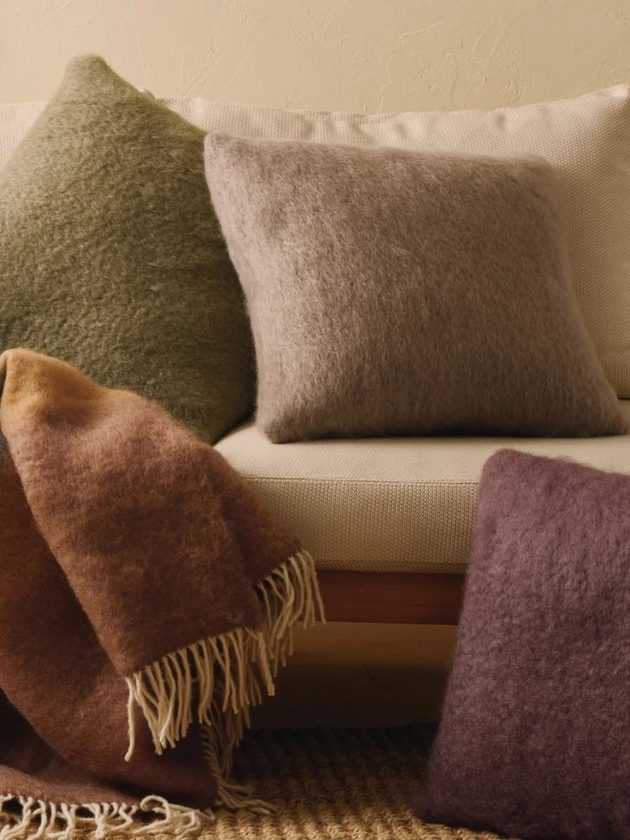
Founded after years running an award-winning healthy home building firm and publishing a book by the same name (Healthier Homes) this retailer is a go-to online destination for finding non-toxic home goods. The eco-friendly home decor on Healthier Homes is primarily made with natural materials like clay, cotton, seagrass, mango wood, and bamboo,

4. Will & Atlas
Categories: Baskets, Tabletop
Will & Atlas is a women-owned small business making most of their homewares from plant materials like jute, palm leaf, and hogla grass. Their natural fiber baskets are flexile but sturdy built to hold blankets, pillows, laundry, magazines, toys, or just to stand alone as a decor piece. You’ll also find jute coasters and placemats in their tabletop collection.
The brand is committed to ethical practices, partnering with nonprofit fair trade artisan groups in Bangladesh and craftspeople in the U.S. to build long-lasting production relationships.

5. Ten Thousand Villages
Categories: Baskets, Pillows, Throws, Candles, Wall Art, Planters & Vases
Founded 80 years ago, Ten Thousand Villages is the original fair trade store. Throughout the decades, the nonprofit business has continued their commitment to fair wages, safe working conditions, as well as sustainability.
As a founding member of the World Fair Trade Organization, with artisans around the world from under-resourced communities. Most of the products they carry are made from recycled, upcycled, and natural materials.
6. MagicLinen
Categories: Curtains, Kitchen Linens
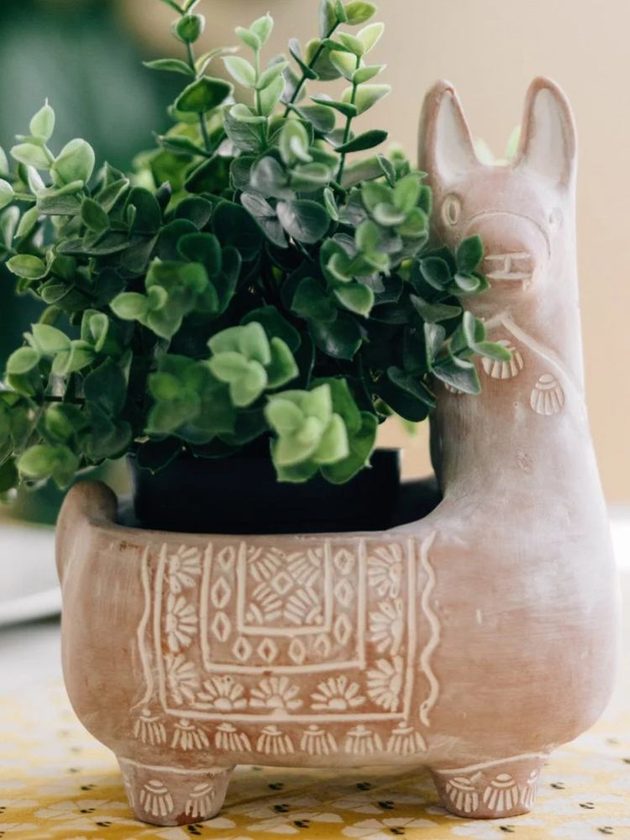
Linen is an exceptional material for home decor — there’s a reason we say “kitchen linens!” It’s natural, beautiful, and is often high quality.
I purchased a set of linen curtains from Magic Linen one year ago and they remain one of my favorite home decor pieces. The fabric they use meets the OEKO-TEX® STANDARD 100, meaning its been tested for harmful substances.
7. Passion Lilie
Categories: Pillow Covers, Table Linens
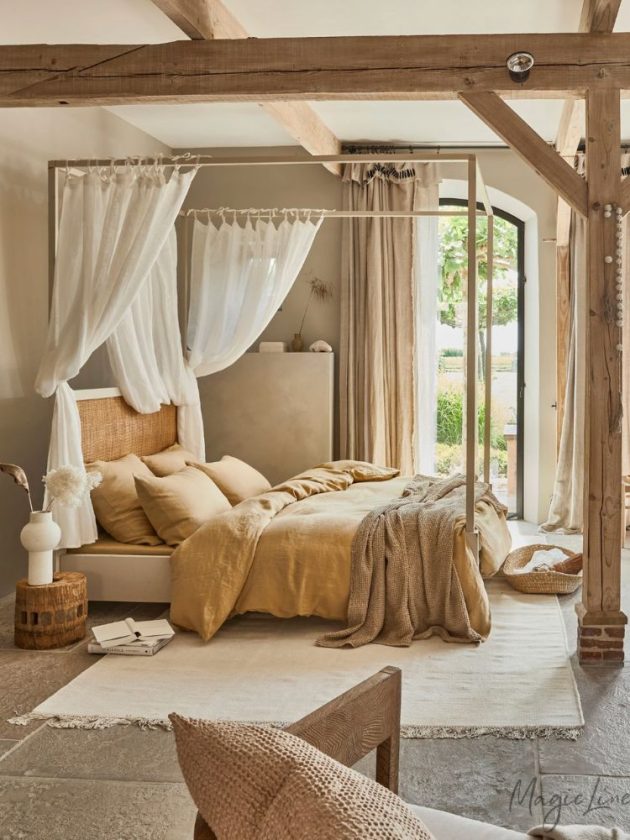
Passion Lilie is a fair trade fashion and lifestyle brand with ethically made home decor, too. The Fair Trade Verified brand has handwoven cotton blankets, organic cotton kitchen linens, unique ornaments, and hand-dyed throw pillow covers.
Each piece is made by Passion Lilie’s partners in India who pay living wages and ensure a safe working environment. Beyond this, the brand supports efforts to enable artisans to continually develop their skills and creates opportunities for community development.
8. 54kibo
Categories: Throw Pillows, Wall Hangings & Artwork, Mirrors, Baskets, Rugs, Lighting
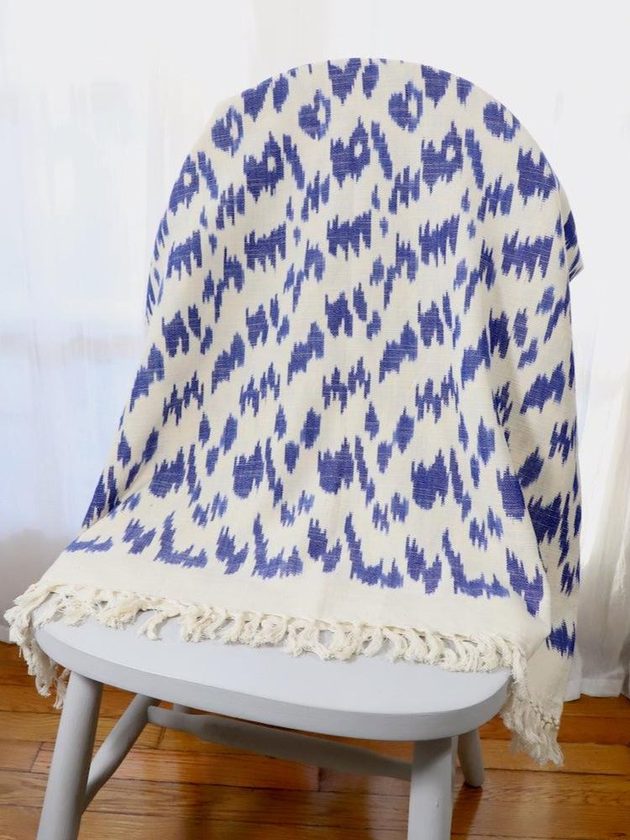
A destination for modern African artisanal decor, 54kibo curates a stunning selection of ethically made home decor. The pieces on 54kibo are made with time-honored techniques using locally sourced materials with rich histories. The designs are exceptional, but the stories behind them make the pieces beautiful additions to your home beyond the surface.
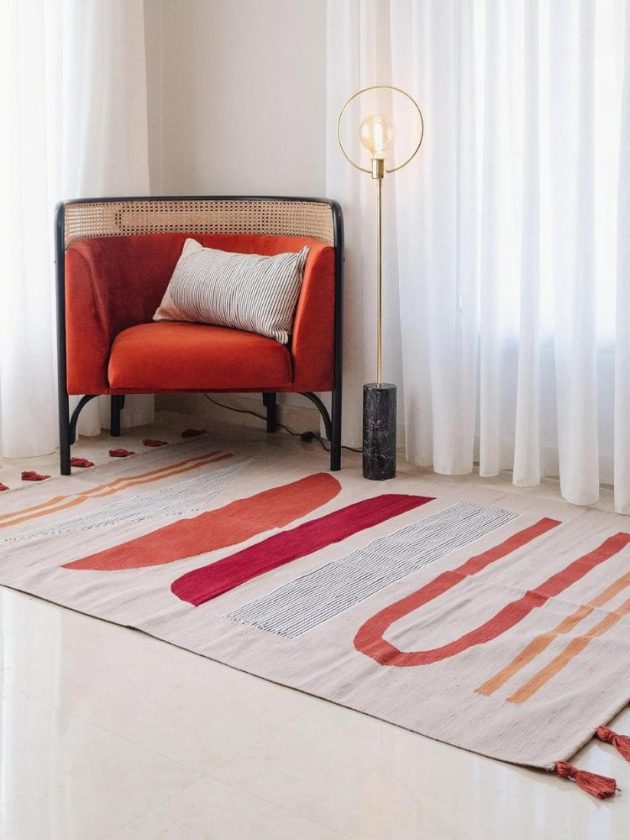
9. The Citizenry
Categories: Baskets, Planters & Vases, Tabletop, Wall Decor, Mirrors
The Citizenry partners with artisans around the world, ensuring safe conditions, fair wages, and offering grants to their artisan partners so that they can expand their businesses.
Their online collection features small-batch artisan-made home goods made from locally-sourced and natural materials like palm leaves and indigo dyes.

More Sustainable Home Guides:
Sustainable Furniture Brands to Furnish a Conscious Home
Best Eco-Friendly and Zero Waste Kitchen Products
Easy Swaps for a Low Waste, Sustainable Bathroom
The post 9 Beautiful Places to Source Ethical and Eco-Friendly Home Decor appeared first on Conscious Life & Style.
9 Beautiful Places to Source Ethical and Eco-Friendly Home Decor
Take a look at why hemp is heralded as a hero material and discover 14 hemp clothing brands that have tapped into its sustainable potential.
The exploration of fabrics has always been a starting point for sustainable innovation in fashion. After all, fabrics provide tangible proof that change is possible while having a direct impact on the environment in one way or another. Plus fabrics are responsible for an outsized proportion of a fashion brand’s carbon footprint and overall environmental impact, including biodiversity loss and pollution.
So, What is Hemp Fabric?
Hemp is a bast fiber produced from the cannabis sativa plant, where every part of the plant can be utilized for over 25,000 industrial uses including clothing, biofuel, bricks, paper, and textiles.
Contrary to its popular association, hemp is actually the sober sister to marijuana. Unlike its recreational sibling that’s grown for its psychoactive THC (tetrahydrocannabinol) properties, hemp contains less than 0.3% THC, a value that was the driving force behind the legalization of hemp production in the 2018 Farm Bill. So while you can’t really get high from hemp, you can definitely enjoy its material benefits — which are plenty!
What is Hemp Clothing?
The simple answer is that hemp clothes are garments made from hemp fabric! But the important caveat here is that most hemp clothes on the market today are not made from 100% hemp fabric. They are usually blended with other fibers, like cotton.
At this point, hemp fabric manufacturing is not at the scale or technological level that the manufacturing of cotton (the most popular natural material) is, making 100% hemp clothing more expensive to produce. Also, pure hemp fabric is also known to be quite stiff until a couple dozen washes later, so blending it with a fiber like cotton can make it softer and easier to wear on the offset.
100% hemp fiber content clothing does exist, it’s just rare at this point. Though we do think this will change with more sustainable material investment happening in the textiles industry.
Is Hemp Clothing Comfortable?
It depends! The softness of hemp clothing will vary based on how the fabric was produced and if it is blended with other fibers like cotton or lyocell. Pure hemp clothing can be rougher than cotton, but hemp is known to get softer with every wash.
Also, since hemp is a natural bast fiber that comes from the softer parts of the plant’s stalk or stem, it is softer than the coarser leaf fibers.
Can Hemp Clothing Protect From The Sun?
A lesser known benefit of hemp clothing is that it can reportedly even help shield you from harmful UV rays. According to skin cancer research, a fabric’s UPF (Ultraviolet Protection Factor) value is a number that coincides with the fraction of UV rays it allows to pass through and hit your skin — the higher the UPF number, the better the protection.
Research claims that hemp has a UPF of >50 (according to European standards) due to natural pigments and lignin within the fibers, which act as UV absorbers.
Is Hemp Clothing Sustainable?
There are a lot of benefits to hemp clothing. But don’t just take our word for it, we’ve listed some of hemp’s most impressive sustainable qualities below:
1. Hemp is not resource-intensive
Hemp can be grown under a variety of agricultural and ecological conditions and has a capacity to grow rapidly.
Hemp clothing vs. cotton: With a high yield of 250% more fiber than cotton, hemp requires less land to grow, has no need for harmful pesticides or chemicals, and needs as little as 1/3rd of the water compared to conventional cotton. (Though individual use cases may vary based on the region that each of the crops are grown.)
2. Hemp is a restorative plant
Growing hemp can also help contribute to the maintenance of soil quality, courtesy of its anchored roots which prevent soil erosion and nutrient loss.
In fact, research shows that hemp can be used to restore contaminated soils through ‘phytoremediation’ — a process that has proven successful in the early 90s when industrial hemp was planted in some of the polluted Ukrainian regions near the Chernobyl disaster where much of the land was rendered useless. The experiments showed that hemp helped remove radioactive elements from the soil.