

Throughout April and May, people across the Middle East and much of Asia have suffered from record-breaking heatwaves, which have been made more frequent and more severe by climate change.
But not everyone has been affected equally, as Climate Home found out when speaking to people living by the Mediterranean Sea, just an hour or two’s drive apart. The Israeli city of Tel Aviv has been largely unscathed by the ongoing war between Israel and the Palestinian militant group Hamas, while Gaza’s urban areas have been bombed heavily, forcing most residents to flee Israeli attacks.
Climate Home spoke to two Palestinian fathers, now living in Gazan refugee camps in Rafah and Deir al-Balah, who have lost children to the recent heatwave. Both had fled their homes before their children died and are living with their surviving families in makeshift wood and nylon tents, fanning themselves with plastic food containers for ventilation.

Boys carry water bottles in Gaza on May 28, 2024. (Photo: Naaman Omar)
Meanwhile, just to the north, on the beach-side promenade of Tel Aviv, Israeli locals told Climate Home they had waited out the heatwave in air-conditioned apartments. Their main concerns were the cost of cooling, the strain it places on the country’s electric grid and drooping house plants.
Not just temperatures
Friederike Otto is one of the scientists who worked on a study issued by the World Weather Attribution group which found that climate change made the April heatwave in the Middle East five times more likely.
She told a press briefing that heatwaves are “not just about the temperatures – it’s what these temperatures mean to people”.
Asked separately about Gaza, she told Climate Home: “If you don’t have access to water, if you don’t have access to shade, if you don’t have access to medication – the extreme heat just compounds so much the challenges that these people are already facing.”

The Gaza Strip, one of two Palestinian territories, is just 25 miles long and about five miles wide. Since a bloody attack by Hamas on Israeli civilians on October 7, the Israeli military has repeatedly bombed and invaded Gaza, killing over 35,000 people.
The attacks have caused 1.9 million people, nearly 85% of the Gazan population, to flee their homes. While air conditioning, electricity and clean water have long been scarcer in Gaza than Israel, the current conflict has worsened that inequality, development agencies have said.
Greenhouse tents
Many refugees are living in nylon tents. Without walls, fans or air conditioning, they told Climate Home they are battling heat by using expensive water to shower as often as they can and stripping children – nearly half of the region’s population – to their underwear.
“It is like living in a green house, and no one can tolerate living inside.”
We are just at the beginning of summer, and the temperatures are already unbearable in #Gaza
Access to fresh water is very limited, making hot weather an even bigger health threat#CeasefireNow pic.twitter.com/6Qtln9XPD0
— UNRWA (@UNRWA) April 25, 2024
Hilmi Basal, 41, and his wife and six children left their home in northern Gaza after Israeli warnings. They fled south, buying a makeshift tent to live in the Deir al-Balah refugee camp. On April 26, Basal said, his three-year-old son fell suddenly to the ground and entered a coma. Five days later, he was pronounced dead in the local hospital.
Basal told Climate Home he “lives a difficult life” after losing his child, feeling “despair, frustration and fear of losing more children”. He said the tents are like greenhouses, so his family spend their days outside, preferably at the seashore where they can swim and shower.
He and his wife dress their five surviving children in only their undergarments and search for water to cool down. A 20-litre bottle of drinking water costs $1.50, which Basal says “is an amount that many families suffering from extreme poverty do not have”.

A boy sits in a bombed-out area of the Rafah refugee camp after an attack by Israeli bombers in Gaza – May 27, 2024 (Photo: Hashem Zimmo/TheNews2/Cover Imag)
Ribhi Abu Salem, 39, also lost a child to the heatwave. The three-year-old fainted suddenly while he was inside the family’s tent and died at the hospital. Doctors said the cause of the death was direct exposure to sunlight.
Until Israel’s attack, the family lived in an air-conditioned house in the Jabalia refugee camp in northern Gaza. This was built for Palestinians fleeing what they call the Nakba (meaning “catastrophe”) in 1948, when Zionist paramilitaries violently removed Palestinians from the newly-declared Israeli state.
Advised by the Israeli government to leave northern Gaza, Salem’s family fled south to the city of Rafah, where they sheltered in a tent. “Despite the scarcity of water, many tent residents resorted to buying large quantities of water to shower more than five times during the day,” Salem said.
After his family left, the Israeli government bombed their home, leaving them with nowhere to return to when the conflict ends. On May 6, Israeli forces began attacking Rafah and have since killed dozens of people sheltering there.
“It’s difficult to convey the scale of the humanitarian situation in Rafah. In every direction you look there are makeshift shelters.”@UNWateridge describes the sense of loss & fear people face in #Gaza as they look for water, food & safety.
Nowhere is safe in the #GazaStrip pic.twitter.com/OpH2YV7avk
— UNRWA (@UNRWA) April 25, 2024
For those with homes still standing, the usefulness of air conditioning and fans has been hindered by Israel’s blocking of fuel supplies to Gaza’s only power plant, leading to shortages of electricity. Solar panels continue to provide power for some, although they are also vulnerable to destruction by Israeli weapons.
AC the key
Across the border, Israelis are coping much better with the heatwave. Although the emergency services say 147 people have been treated for dehydration, fainting or heatstroke, none have been reported dead from the extreme heat.
When Climate Home visited Tel Aviv’s seaside promenade last week, beach-goers were sitting under umbrellas or stretched out on lawns listening to Spanish music blaring from a bar advertising frozen margaritas.

The beach in Tel Aviv on May 23, 2024 (Photo: Jessica Buxbaum)
Twenty-somethings Noam Sophia Samet and Tal Danon spoke to Climate Home still wet from a dip in the Mediterranean Sea. Both said they use air conditioning all the time. “It’s expensive but it’s worth it,” said Samet.
Timna Lalach, 70, said last month’s heatwave didn’t affect her, as she stayed inside her cooled apartment all day. Thirty-nine year old Anna Tarkovsky said she too stayed inside with the air conditioning on – the only problem was her plants died, she added.
Black-outs
While Gazans lack air conditioners, Israel’s main issue is that there are too many for its coal and gas-powered electricity grid to handle peaks in demand when residents all turn their cooling equipment on at the same time,
During a heatwave last June, Israeli energy authorities imposed rolling black-outs. Last month, Samet and Danon’s electricity cut out once for a few hours while they were trying to work.
Avner Gross, an environmental science professor at Ben Gurion University, said the Israeli government should plan better for hot days, with measures to store electricity or manage demand for it. “We need to be prepared and we are not even close,” he said.
Both Israel’s national government and Tel Aviv’s authorities want to expand vegetation cover and plant trees to provide shade. Tel Aviv is a member of the ‘cool cities’ network, which aims to tackle urban heatwaves.

Ficus trees provide shade on Dafna Street in Tel Aviv in 2017 (Photos: Avishai Teicher)
But Gaza, and the other Palestinian areas in the West Bank and East Jerusalem, are much further away from becoming more resilient to the same unbearably high temperatures.
The World Bank estimates that rebuilding the Gazan homes destroyed as of January this year will cost $13 billion. Far more have since been razed – and water, health and electrical infrastructure also needs to be restored.
The predicament of Gazans forced to endure sweltering conditions in ill-equipped tents is not an isolated problem. Across the world, climate change and war are forcing more and more people out of their homes and into makeshift camps. More than 75 million people are currently displaced inside their own countries – 50% more than five years ago.
The World Weather Attribution study notes that the recent heatwave made already precarious conditions for internally displaced people and conflict victims worse.
“With limited institutional support and options to adapt, the heat increases health risks and hardship,” the scientists wrote.
(Reporting by Taghreed Ali, Jessica Buxbaum and Joe Lo; editing by Joe Lo and Megan Rowling)
The post On beaches of Gaza and Tel Aviv, two tales of one heatwave appeared first on Climate Home News.

When oil and gas shipments stopped flowing through the Strait of Hormuz at the start of the Iran war, Southeast Asian nations were left reeling as the supply crunch laid bare their acute reliance on fossil fuel imports.
As prices soared, governments in the region scrambled to introduce emergency energy-saving measures – from a four-day working week to curbs on air conditioning. Thailand revived decommissioned coal plants while the Philippines, which imports nearly all of its oil, declared a “national energy emergency”.
But the crisis has also prompted renewed resolve to find a long-term solution to their vulnerability at a time when electricity demand is booming to power the region’s growing industry, cooling needs and the mushrooming of energy-hungry data centres.
At the heart of Southeast Asian nations’ response is a longstanding infrastructure project to connect the region’s power grids by 2045 and enable cross-border trading of clean electricity through a network of underground and subsea interconnectors.
-
Southeast Asia’s fragile grids threaten billions in clean energy investment
Renewables developers need reliable electricity infrastructure and stable policies to help the region meet climate goals and surging demand for power -
UN backs push to upgrade grids slowing clean power uptake in Africa and SE Asia
The Global Grids Accelerator will help turn national and regional plans to expand electricity infrastructure into viable projects on the ground -
China keeps Indonesia’s battery dream afloat but future less certain
Chinese capital and technology turned Indonesia into the world’s top nickel supplier, but its dependence on China and the rise of nickel-free batteries could upset its battery ecosystem plans
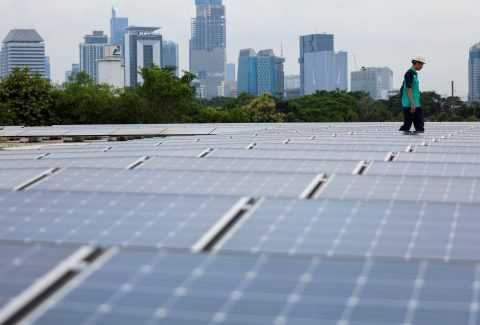
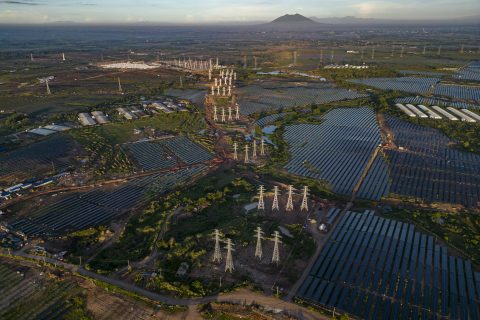
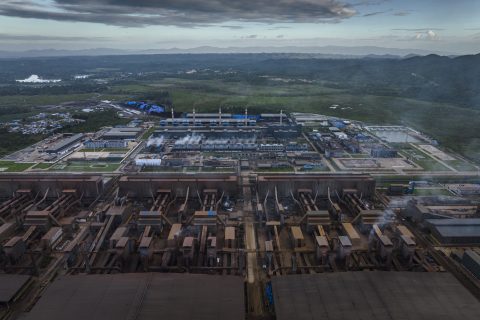

The plans will allow nations with high renewable energy generation potential to trade surplus power to their neighbours and major demand centres like Singapore, helping to integrate more renewables into the power mix and reduce reliance on fossil fuel imports.
“[It] will give us more energy security,” the Philippines’ energy secretary, Sharon Garin, told a press conference after a meeting of the Association of Southeast Asian Nations’ (ASEAN) energy ministers last week, when they discussed accelerating the delivery of the regional grid as part of measures to respond to the energy crisis.
“The Philippines is rich in solar power, Malaysia is rich in hydropower and Indonesia has geothermal: different countries have different resources. [The ASEAN Power Grid] will optimise the utilisation of renewables to the benefits of each member state,” said Garin.
But turning this decade-old political vision into a reality has been slow, held up by painstaking work to harmonise a patchwork of regulatory and legal frameworks and mobilise the private capital needed to build cross-border infrastructure.
More than $300 billion is needed to expand and modernise the region’s fragile grids to support the projected energy demand increase by 2050. This includes $27 billion required to deliver the cross-border interconnections by 2040, according to the International Energy Agency (IEA).
Every year of delay could cost the region billions of dollars in additional fuel costs and lock in new gas infrastructure for decades to come, according to analysis by global energy think-tank Ember.
The building block for energy security
With electrification high on the agenda of the COP31 climate talks in Türkiye next month, there is growing attention on the need to modernise and expand grid infrastructure to cope with growing electricity use and more renewables in the power mix.
Clean electrification and energy efficiency could deliver about a third of cumulative carbon emission reductions between 2026 and 2050, according to the International Renewable Energy Agency’s World Energy Outlook. But delivering that would require doubling annual global grid investment to $1 trillion between now and 2035.
Last month, the UN launched an initiative to accelerate investment into expanding and modernising grids in Southeast Asia and Africa.
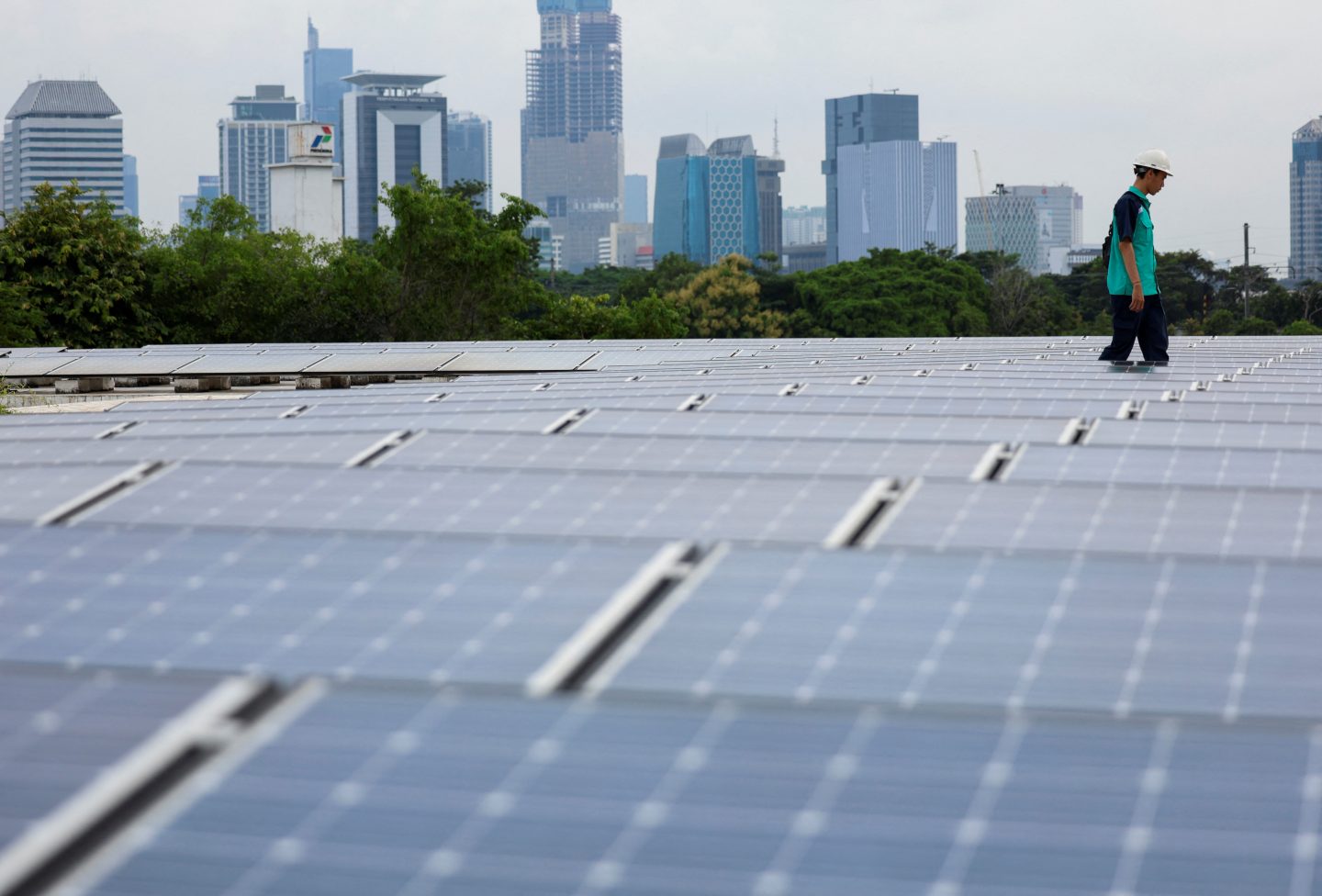
First conceptualised in 1997, the ASEAN Power Grid has gained fresh impetus in recent years as countries turn to renewables to cut their emissions and move away from volatile fossil fuel markets.
Energy supply disruption caused by wars in Ukraine and the Middle East has strengthened the case for regional grid connections. Before this year’s conflict began, the Middle East accounted for 60% of Southeast Asia’s crude oil imports. Competition for fewer, more expensive oil and gas shipments has left Southeast Asia facing a $160 billion energy import bill this year. Based on current policies, this could rise to $400 billion by mid-century.
In the Philippines last week, energy ministers agreed on an enhanced planning framework to deliver the ASEAN Power Grid and made progress on regulatory guidelines.
Garin said ministers were considering accelerating the project’s delivery. “The first study was to connect [by] 2045 – that’s too far,” she said.
A strong business case
The economic benefits of the plan have “captured the political imagination” of leaders in the region, Robert Cooke, grids advocacy lead at the Global Renewables Alliance, told Climate Home News. “The business case is stronger than ever,” he said.
“If countries were to go about building their own separate grids, of course that would be an expensive endeavour. But the discussion around the ASEAN Power Grid includes what costs could we share in building out this grid,” added Tiza Mafira, director of the Indonesia office for the Climate Policy Initiative.
Stronger grids would help the region meet collective targets to increase the share of renewable energy in total primary energy supply from 14% to 30% and in installed power capacity from 34% to 45% by 2030.
Connecting and pooling dispersed renewable resources would also help smooth local power shortages caused by daily and seasonal variations, reducing the need for backup gas plants and battery storage.
The IEA found the ASEAN Power Grid could help unlock some of the 20 terawatts of untapped solar and wind potential across Southeast Asia – an amount around 55 times the region’s current total power capacity.
From lines on a map to shovels in the ground
Rather than building a single unified network, the ASEAN Power Grid is developing cross-border links between neighbouring countries and smaller groups of nations.
As of 2025, nine of 18 priority interconnection projects are operational – accounting for around 10 GW of capacity with an additional 13.7 GW planned by 2040.
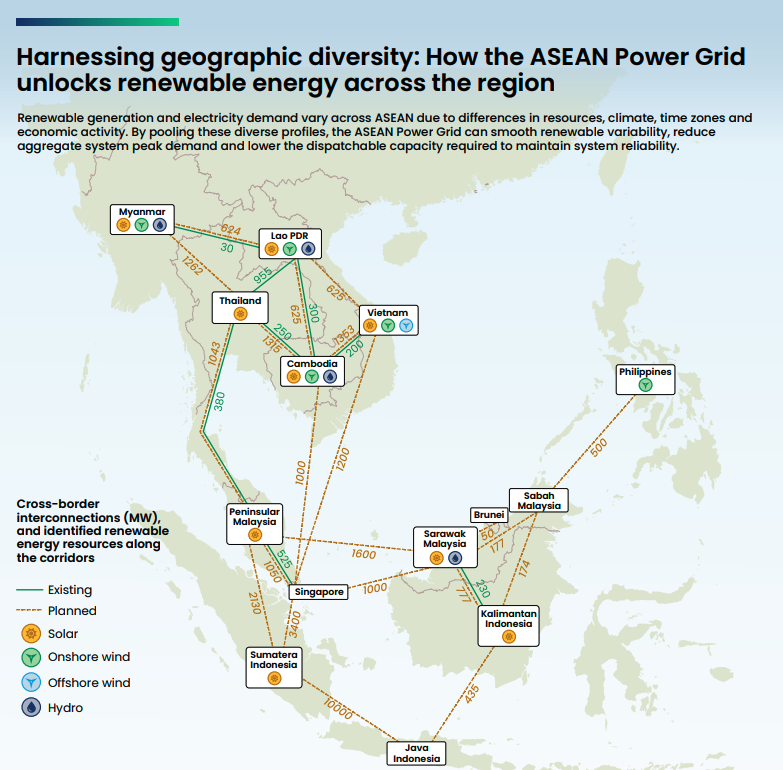
Source: Ember
A power line channelling up to 200 MW of clean electricity generated from hydropower in Laos to Singapore via Thailand and Malaysia has emerged as a key building block for grid-to-grid trading.
Progress on technical discussions will also help provide the clarity the private sector needs to invest in bankable projects, said Cooke.
In 2025, the Asian Development Bank and the World Bank announced a dedicated funding initiative to support the project.
“The enabling pieces are emerging,” said Monalisa Dimalanta, former chair of the Philippine Energy Regulatory Commission and the National Renewable Energy Board. “But the timelines remain unclear and a 2045 vision cannot answer today’s emergency,” she said.
“A power grid… that exists only on paper will not keep the lights on.”
Singapore: the delivery test
The implications of failing to deliver the ASEAN Power Grid are most acute in Singapore.
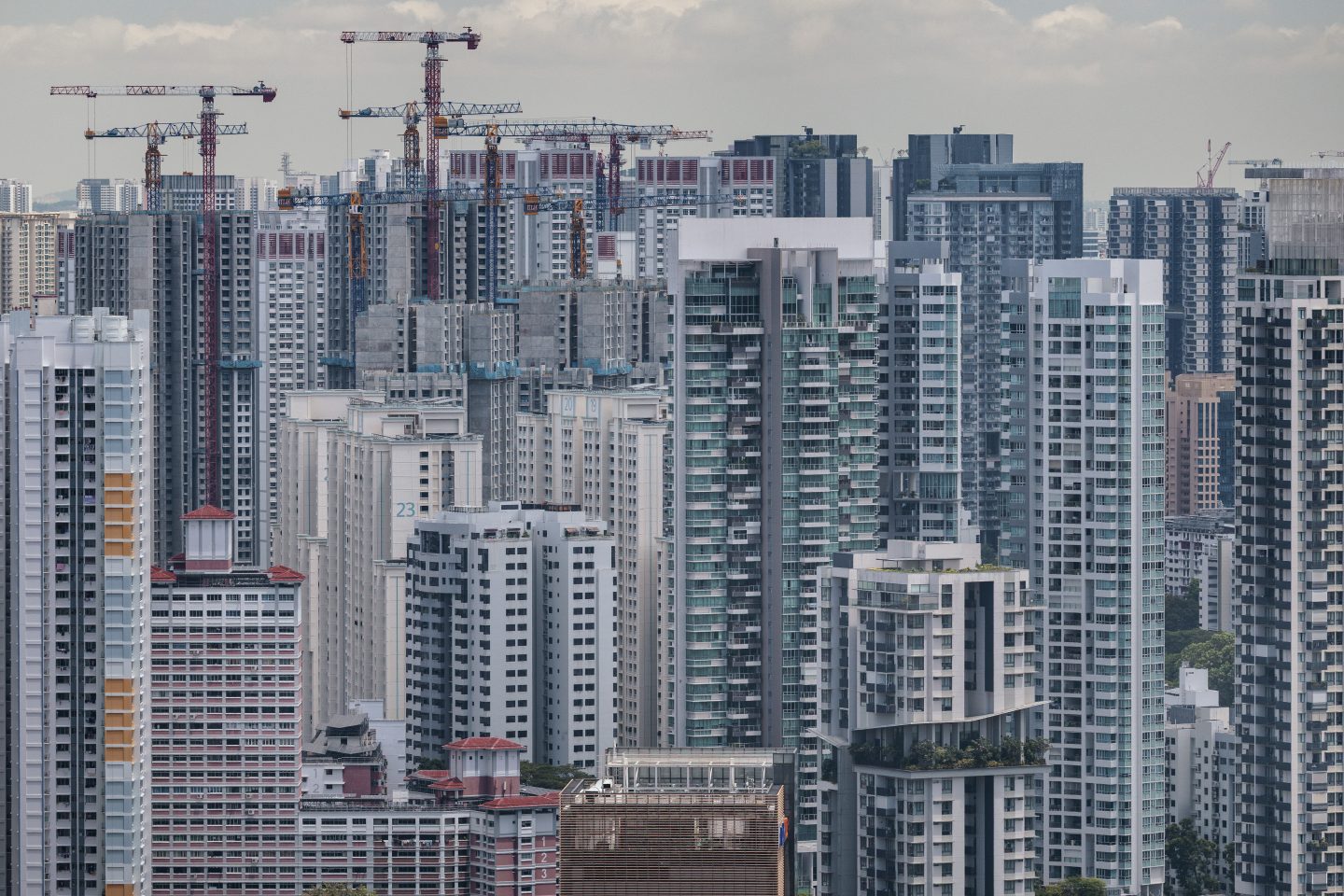
Constrained by space, with few renewable energy resources and dependent on gas for more than 90% of its electricity mix, Singapore has emerged as a leading proponent of a regional power grid as it seeks to achieve net-zero emissions by 2050.
To meet its power needs, the city-state aims to import 6 GW of low-carbon electricity by 2035, around one-third of its energy demand – a target which it is set to miss, however.
The plans heavily rely on building interconnectors to import solar power from Indonesia across the South China Sea. Around 40% of the ASEAN Power Grid’s planned interconnections are directed towards Singapore.
Ember’s analysis found that delivering the planned interconnectors by 2035 could enable renewables to meet nearly half of Singapore’s electricity demand. Delays could drop this to only a fraction of the country’s needs, and risk locking in new gas capacity until the 2050s. Without the ASEAN Power Grid, Singapore would need to install an additional 300 MW of gas-fired power capacity to bridge the gap by 2035.
Already home to the largest data centre capacity in Southeast Asia, Singapore’s electricity demand keeps rising, driven by the boom in AI infrastructure. “At one point, [it] either has to build a new gas plant, or it has to get the interconnection to supply that demand,” Lam Pham, an Ember energy analyst and the report’s author, told Climate Home News.
A region at a crossroads
With capital increasingly available, political will is now the biggest risk standing in the way of timely execution, said Pham.
But there are other challenges too, including the lack of frameworks on transmission tariffs and how to share the benefits of clean power trading. “It’s really hard to justify projects without that,” he said.
In addition, climate-fuelled weather events, including extreme heat and tropical storms, pose major threats to the region’s grid infrastructure. Experts say stronger grid interconnection can isolate damage and build the system’s resilience.
Efforts to deliver on the ASEAN Power Grid also come as ministers stressed the “continued importance of oil and gas” for economic development and seek to secure fossil fuel supplies and stockpile oil to prepare for the next crisis.
Despite an acceleration of renewable deployment, particularly solar, coal still generates nearly half the electricity supply in ASEAN member states and dominates the power mix in Indonesia, the Philippines and Vietnam, while Singapore and Thailand rely on gas.
While these measures might help the region with the immediate crisis, “the long-term answer is more domestic renewable energy, electrification, storage, efficiency and regional power trade”, Dimalanta said.
Main image: An aerial view of the MTerra solar project in the Philippines, set to become one of the world’s largest solar-and-battery developments (Photo by Ezra Acayan/Getty Images)
The post SE Asia speeds up plan for connected clean power grid after oil shock appeared first on Climate Home News.
SE Asia speeds up plan for connected clean power grid after oil shock
Climate Change
“Sink or swim”: WA Gov hugely underestimating decline in regional gas demand while sleeping on green exports, new report finds
PERTH, Tuesday 13 October 2026 — A new report from Greenpeace Australia Pacific and Springmount Advisory reveals green commodity exports are an untapped economic opportunity for Western Australia in a declining Asian gas market, while offering a genuine solution for decarbonising Asia.
From Gas to Green: Building Western Australia’s Future State is a comprehensive analysis of the declining gas market in Asia, and the untapped economic opportunity for WA to become a global leader in green commodity exports while driving the regional shift away from fossil fuels.
The report offers key recommendations for the WA Government to support regional decarbonisation through an orderly phase out of gas exports in favour of green iron and other green exports. It comes as global climate leaders from across business, politics and advocacy prepare to meet for the Global Citizen Now: Perth event focused on decarbonising WA.
Key findings: