

Quick Key Facts
- Roughly 40 percent of Earth’s land surface is covered by grasslands.
- Grasslands store about one-third of Earth’s terrestrial carbon and act as important carbon sinks.
- More than one million people take advantage of the ecosystem services provided by grasslands in the United States each year.
- Most of America’s prairies — more than 70 percent — have been destroyed.
- U.S. National Grasslands are home to the largest representation of endangered and threatened species in the country.
- Prairie grassland soil that is well-established can contain 10 tons of root material per acre, most of which is in the top two feet.
What Are ‘Grasslands’?

Grasslands — also known as savannas, prairies, steppes and pampas — are ecosystems found in parts of the world that do not get sufficient consistent rainfall to support forest growth, but get enough to avoid the landscape turning into desert. Often, grasslands are a transition ecosystem between deserts and forests.
Found on every continent other than Antarctica, grasslands are typically flat and open, making them more vulnerable to human development. Agriculture, overgrazing, drought, illegal hunting, invasive species and climate change are all threats to the health of grasslands and the wildlife who live in their abundant expanse.
Why Are Grasslands Important? Why Do They Matter?
Resilient and beneficial, grasslands and rangelands provide many essential ecosystem services such as acting as habitat for large mammals, burrowing animals, reptiles and pollinators; mitigating flooding and droughts; water filtration; and long-term carbon sequestration.
Even with all the benefits they provide, less than 10 percent of grasslands are protected globally.
Types of Grasslands
Grasslands go by many different names and are made up of two main types: tropical — also known as savannas — and temperate.
The two types appear similar, but have different kinds of soil and are inhabited by a variety of unique creatures depending on their location. As many as 25 large plant-eating species can be supported by the different types of abundant grasses in any given grassland habitat.
Tropical Savannas

African savannas are home to many iconic animal species, like elephants, lions, giraffes, gazelles, zebras, cheetahs and wildebeest.
The savannas of northern Australia, sub-Saharan Africa, Asia and South America are examples of tropical grasslands. The climate is warm with contrasting rainy and dry seasons. Savannas get most of their rainfall for the year in only a few months, which means trees are without water for long periods of time, inhibiting their growth.
The soil of savannas is not as rich as that of temperate grasslands. Rainfall can vary from year to year — 10 to 40 inches — and season to season. Temperatures are also highly variable, from below freezing to above 90 degrees Fahrenheit.
Vegetation height depends on the amount of rainfall a region gets. Some grasses can be less than a foot tall, while others may be up to seven feet high, with roots extending as deep as three to six feet. Two of the many types of grassland vegetation found in tropical savannas include Rhodes grass and red oat grass.
Because of their moderate rainfall and underground biomass, savanna soil tends to be extremely fertile and beneficial for crops.
Temperate Grasslands

Temperate prairies in the U.S. are lively with burrowing creatures such as prairie dogs and black footed ferrets, bison, deer, elk, pronghorns, coyotes, badgers and swift foxes, as well as bird species like larks, sparrows, raptors and blackbirds.
The rich soil of temperate grasslands means grasses are abundant and tall. Galleta and purple needlegrass — native to California — are two of the species found in the temperate grasslands of North America, Northern Mexico and Argentina.
Benefits of Grasslands
Provide Habitat for Many Plants and Animals, Including Endangered Species

Grassland habitats provide an abundant variety of grasses that wildlife use as a food source, for building burrows and nests and as camouflage from predators and prey.
Wildflowers like hyssop, yarrow and milkweed spring up and carpet grasslands during the rainy season, attracting pollinators that are important to crops and native vegetation. Grassland vegetation has adapted to the grazing, wildfires and drought that regularly occur in the ecosystem.
Mitigate Drought and Floods

The deep root systems of prairie grasses absorb the abundant water that comes with the rainy season, reducing runoff, flooding and erosion. Wells made by roots trap water and act as sponges that slowly release the water into the soil. This ecosystem service is becoming increasingly important as extreme rainfall becomes more common due to climate change.
The deep roots of grassland vegetation also boost drought resistance, as they retain water longer than plants with shallow roots.
Seed Dispersal

Though most seeds are deposited close to their parent, grassland plants use a variety of creative transport methods to spread their seeds far and wide through the process of seed dispersal. Whether they travel by wind, water or animal courrier, each seed has unique physical characteristics fit for the job.
Some seeds are contained inside fruits animals enjoy, and when they are ingested, the seeds travel with their host until they are deposited somewhere else.
Other plants, like violets, produce seed pods. When they are ripe, they pop open and eject the seeds away from the parent plant. Ants also bring violet seeds into their tunnels where they germinate.
The physiology of seeds like sandburs enables them to get caught on animals, who carry them to another location, sometimes a good distance away. Bison have historically been major seed carriers.
Wind is a common method of seed dispersal for prairie vegetation like milkweed, thistle, wild lettuce, goldenrod, aster and other plants that have little propellers or feathery or wing-like structures that catch the wind. Other seeds are so light and tiny that they are blown easily, like dust.
In moist prairies and wetlands, seeds that are able to float are dispersed by wind, rivers and streams.
Whatever the method, seed dispersal is an ingenious and efficient way for grassland plants to ensure at least some of their seeds have a chance of propagating.
Improve Water and Air Quality

Grasslands help filter and purify surface water, groundwater and air with their dense, deep roots, which trap rainwater, allowing it to trickle into the soil, where it is cleaned. This is especially important in agricultural areas where harmful chemicals are used. Some farmers plant buffers of grasses alongside ditches and streams to catch excess pesticides, phosphorus, nitrogen and sediment before it makes its way into freshwater sources.
Grassland vegetation cleans the air by removing carbon dioxide — turning it into energy and releasing oxygen as a byproduct through the process of photosynthesis. Plant roots also store carbon in the soil, rather than releasing it into the atmosphere.
In some areas, agricultural runoff contaminates soil, drinking water and groundwater with chemicals, polluted sediment, manure, bacteria and an overabundance of nitrites and nutrients.
Runoff also harms fish and other aquatic life. Grasslands’ carbon-rich soils and vegetation act as a natural filter of agricultural toxins, preventing them from entering waterways.
Roughly half a million tons of pesticides, four million tons of phosphorus and 12 million tons of nitrogen are applied each year to U.S. crops, pointing to the importance of intact grasslands to help maintain the country’s clean freshwater sources.
Generate, Preserve and Renew Soils
Temperate grasslands have dark soil rich in nutrients from their deep, many-branched roots. When vegetation rots, it binds soil together and provides food for living plants.
Savannas, on the other hand, have porous soil with a thin humus layer that drains water quickly.
In addition to the nutrients that come from decaying roots, the bulk of organic matter in grassland soils comes from animal manure. Only a small portion of the soil’s nutrients comes from plant matter.
The consistently rejuvenating process of growth, decay, nourishment and regrowth keeps grassland soils fresh and robust.
Prevent Erosion
Grasslands’ extensive, deep root systems help to prevent erosion by anchoring soil and holding it in place.
The ability of grassland vegetation to increase water permeation and stimulate soil microbes contributes to improved soil structure and healthier soil overall, which means better plant growth.
The root systems of grasslands are denser and more shallow than those of woodlands and grow laterally, providing the best erosion control.
Control Agricultural Pests
Grasslands provide a natural and sustainable form of “pest” control by providing food, breeding sites and shelter for species — like spiders and ground beetles — who consume them. These services are an alternative to the use of toxic chemicals on crops.
Pesticides meant to kill certain “pests” contaminate soil and water and can end up harming or killing pollinators, other insects and larger animals as well.
Expanding grasslands and other natural habitats like hedgerows and forests near agricultural lands — as well as establishing new ones — can help increase this regenerative form of “pest” management.
Act as Carbon Sinks

Not only do grasslands sequester a third of the planet’s carbon deep in their root systems and soil, the carbon is not released unless the ground is tilled or dug up. This means that — unlike trees that release their sequestered carbon when they die — undisturbed prairies and savannas are able to store carbon for thousands of years, even when their grasses are destroyed by wildfires.
Their remarkable ability to store carbon contributes to climate stability and helps fight climate change.
Grasslands and Wildfires

Wildfires can be beneficial to grassland ecosystems and play an important role in keeping grasslands healthy by helping to prevent woody shrubs, trees and invasive species from taking over the landscape. This helps increase wildflower diversity, which in turn supports pollinators.
Wildfires help maintain vegetation habitat for species that need open, sunny conditions to germinate, like wildflowers and oak trees. Fresh habitat is created after a fire, which sometimes attracts new species, but can also lead to a decline in others.
Native Americans help maintain grasslands for bison and other species by setting fires. The grazing animals enjoy the fresh grass regrowth in that area and graze on it more frequently.

Threats to Grasslands
Conversion to Croplands and Grazing Land
The rich soil of temperate grasslands have led to most in the U.S. being converted into farm or grazing land. The loss of so much grassland has destroyed wildlife habitat, affecting many species, including vital pollinators who depend on grassland wildflowers for food. This in turn affects crops and native flowers, which rely on the pollinators for propagation.
Along with agriculture comes increased sedimentation, soil erosion, pesticides, livestock manure and nutrient runoff, which leaches into groundwater, rivers and streams.
Drought
Drought can have a major impact on grasslands, reducing the productivity of vegetation and causing massive plant dieoff that can limit species’ geographical distribution.
Native grasslands have evolved to adapt to low levels of precipitation, but unusually severe and prolonged drought is a different story. It can reduce plant abundance and affect the amount of forage vegetation for grazing animals.
Drought and overgrazing during rapid growth periods of a plant’s life also lead to less growth the following year. And when drought and high temperatures cause the green leaf area of plants to be removed, or lack of soil moisture limits the production of carbohydrates, plant growth can be delayed or reduced.
The effects of severe drought are predicted to occur more frequently due to climate change. A 2024 study found that the loss of plant growth was 60 percent higher during extreme short-term droughts when compared with historically more common droughts that are less severe.

Overgrazing
Overgrazing is a main contributor to degradation of grasslands worldwide. It reduces vegetation cover and degrades topsoil, leading to soil compaction from trampling by wildlife. It also increases soil susceptibility to erosion and reduces infiltration rates.
One of the best ways to ensure grasslands do not become degraded is to support sustainable grazing. Grazing management works best when it takes into account the characteristics of the local environment, as well as factors like elevation, slope, water accessibility and climate.
Reducing the grassland ecosystem’s competitive nature through selective grazing can help thin out some plants while allowing others to become more dense.
Invasive Grasses
Invasive plant species can reduce grassland quality and displace native plants. These non-native grasses may not be able to withstand extreme weather such as wildfires and drought, leading to further loss of habitat.
Illegal Hunting
Illegal hunting has decimated many large animal populations, affecting entire ecosystems. Large animals like elephants crush and eat shrubs and trees, preventing them from overtaking grasses and turning savannas into forests.
Loss of grasses means less vegetation for grazing animals such as the endangered Grevy’s zebra.
Climate Change
As global heating affects Earth’s rainfall patterns, marginal grasslands can turn into deserts.
Additionally, increased carbon dioxide in the atmosphere affects the cycle of water, carbon and nitrogen, which controls the exchange of air and gasses in plants — particularly grassland vegetation. When carbon concentrations are higher, plant stomata get smaller in order to save water, reducing transpiration. When this happens, the flow from soil to roots and leaves is also reduced, potentially lowering nitrogen uptake and weakening plants’ ability to perform photosynthesis.
What Can We Do to Support Grasslands?
As a Society?
Education is essential to restoring and conserving grassland habitats for wildlife, essential carbon storage and the many other ecosystem services grasslands provide. Educating farmers and the public about how important grasslands are to the planet — as well as about methods to build and protect healthy, chemical-free soil — will help safeguard these vital ecosystems for the future.
Crop rotation is a key part of building and maintaining healthy soil, as greater plant diversity means more accumulation of organic matter and nutrients, which improves productivity. It can also disrupt the life cycles of “pests,” thereby acting as a natural substitute for toxic pesticides.
Not only do we need to protect and restore grasslands, but we need to safeguard wetlands — a crucial part of grassland ecology — at the same time.
Setting aside more of Earth’s terrestrial habitat for nature is one of the most important ways to help protect grasslands. The creation of nature reserves and state and national parks, the enforcing and expansion of endangered species protections and the repurposing of land and land restoration can all work together to preserve and restore natural ecosystems like grasslands. This serves to enhance biodiversity, conserve soils and vegetation and mitigate the impacts of climate change.

It is also important to increase investment in key conservation programs to keep grasslands healthy and intact. We must preserve old-growth grasslands through easements and acquisition.
Grasslands can be restored through the thinning of forested areas that were once open. In addition, controlled burning can stimulate vegetation growth while replenishing calcium stored in dried grasses to the soil.
Biodiversity research is essential to understand the complexity of grassland ecosystems so that we can better protect and restore them for future generations. Planning for the future by seedbanking ensures we continue to have the “right seed” when we need it to reestablish grasslands that are at risk of extinction.
In Our Own Lives?
One of the best ways to help preserve our grasslands is to volunteer with a restoration organization. Citizen science projects like vegetation and soil collection and wildlife monitoring can help researchers to better understand these important ecosystems.
You can support legislation that promotes the sustainable use of land, prevents deforestation and looks after biodiversity in your area.
Opting for sustainable methods of gardening, reducing personal consumption and choosing products from companies that use eco-friendly practices are all ways to support grasslands and the environment as a whole.
Supporting the rights and traditional knowledge of Indigenous Peoples whose stewardship of the land has been sustainable for thousands of years is another important aspect of grassland conservation.
Other ways to help grasslands are to participate in activities like local educational programs, habitat restoration and clean up efforts. Bring friends and family along with you!
Takeaway

Grasslands are vitally important for biodiversity, nature and climate. They are essential habitat for billions of animals — such as the African elephant, long-billed curlew and black-footed ferret — throughout the world. They store roughly a third of the Earth’s carbon while providing climate resilience against heat waves, drought and wildfires. They are crucial for the food security, energy and livelihoods of many communities throughout the planet.
Despite their importance, grasslands are remarkably unprotected. From 2016 to 2020, 10 million acres of Great Plains grasslands were destroyed — mostly for crop agriculture. The destruction of grassland habitats is one of the main contributors to the steep decline of grassland birds, more than 300 species of which call the ecosystem home.
Grasslands provide natural solutions for carbon sequestration while reducing climate change impacts. Restoring and protecting them not only bolsters habitat and improves landscape resilience, it supports wildlife, rural and Indigenous communities and the ecological balance of the planet as a whole.
The post Grasslands 101: Everything You Need to Know appeared first on EcoWatch.
https://www.ecowatch.com/grasslands-facts-ecowatch.html

Last winter, we kept our house at 60 degrees and our electric bill was STILL $280. I’ve been interested in solar for a long time, but on the long list of house projects (especially when you’re restoring a 200 year old house on the historic registry) some are more pressing than others.
But with a few of those major projects wrapping up, and a daunting bill before me, I figured now was the time for a quick google search on solar panels, and let me tell you….. It can be very overwhelming.
Figuring out the rules (cough, cough, historic society), incentives or rebates if applicable, how much it would cost, how much we could save, etc. felt a little like a part-time job. But, one website made it really easy to compare things, and I am happy to be partnering with Aurora Solar to share that site with you.
Because I think you should be able to easily run the numbers on your house without a lot of hassle!

This post is sponsored by Aurora Solar, but all thoughts and opinions are my own.
If you’ve ever gotten a solar quote, there’s a good chance that Aurora Solar was involved. Aurora was founded in 2013 after its co-founders spent seven months trying to design a solar energy system using a patchwork of different tools.
Afterall, designing a solar system shouldn’t be harder than actually installing one. So they built software specifically for solar professionals. Today, more than 7,000 solar organizations use Aurora, and more than 20 million solar projects have been designed using the platform. They are also the largest solar software provider in the world. Their software is used by roughly 80% of the top 75 residential solar companies in the U.S.
All of this tech has been primarily used by professional installers to map your roof and then create a proposal, but now Aurora is offering this tech to us to help compare quotes.
So instead of having to call a bunch of different installers, I could use the Aurora Solar Marketplace to understand my solar potential, compare estimates, understand my possible savings, look into battery storage and other home electrification incentives, and map out different financing options.
1. know how much electricity the system will actually produce
Before you even get into the price, make sure you understand what you’re actually being quoted.
Two solar systems can have very different prices because they may not be the same size or produce the same amount of electricity. A cheaper system might simply have fewer panels and offset less of your electric bill.
With Aurora, you can compare solar estimates and see the system size, energy production, and how much electricity the system should offset.
You can also upload your utility bill to get a solar estimate based more closely on your actual energy usage, to make the quote accurate for you instead of a ‘generic household’.
2. understand the solar payback period
Aurora calculates things like payback period and lifetime savings, which makes it much easier to understand the long-term finances.
The solar payback period is basically how long it takes for your estimated savings to make up for what you spent on the system, and this is the number that surprised me most!
One estimate had a payback period of around 7 years, and another was closer to 11 years! Over 25 years, two of the estimates I looked at had almost a $13,000 difference in projected savings.
Of course, these are still projections as electricity rates can change (HELLO 2026) but when you’re trying to compare two options for the same house, knowing that one is projected to pay for itself four years sooner is pretty useful information.
3. look beyond the monthly payment
Depending on the installer, you may be looking at a cash purchase, solar loan, lease, or power purchase agreement.
But thankfully with Aurora you can compare the different financing options side-by-side which makes it a lot easier to see the trade-offs. One option may have a lower upfront cost, another may have a lower monthly payment, and another may give you better long-term savings.
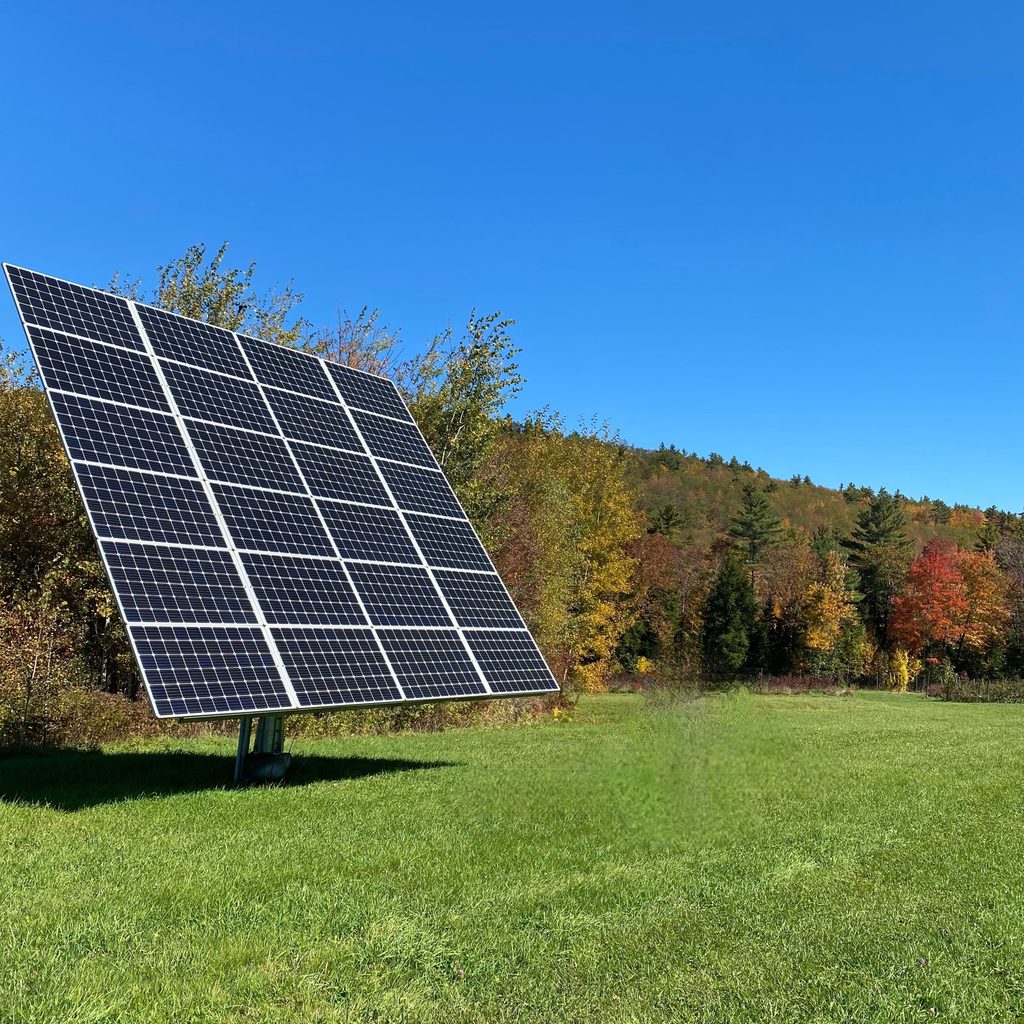
4. find out which solar incentives actually apply to you
The minute you start Googling solar, you can find federal incentives, state incentives, utility programs, rebates, net metering, and a whole bunch of information that may or may not even apply to where you live.
And some of the articles ranking at the top of Google are several years old! (RIP to the federal incentives canceled at the end of 2025.) But, Aurora can account for solar incentives when calculating the cost and savings of a system, including state, local, and utility-specific programs.
I would still double check any incentive or tax benefit you’re planning to use before signing a contract, especially because programs and eligibility can change, but having all the relevant information in the same place makes the research process much less overwhelming.
5. research the installer, equipment, and warranties
Aurora lets you compare solar installers based on things like reviews, reputation, pricing, and financing options, which I think is just as important as the actual quote.
I’d also look closely at what equipment is included. What panels are they using? What kind of inverter? How long are the equipment warranties? Is there also a workmanship warranty from the installer? Who handles repairs if something goes wrong five or ten years from now?
And, I know I’ve said it a million times, but it’s nice to see it side-by-side without having to fill out a bunch of forms and be hounded on the phone just to get an idea of what solar may look like.
The post How to Compare Solar Quotes: What to Look For Before You Choose appeared first on Going Zero Waste.
How to Compare Solar Quotes: What to Look For Before You Choose
Green Living
Sustainability In Your Ear: XPRIZE’s David Babson on Why Climate Grand Challenges Need Buyers, Too