

ANTALYA, Türkiye, Thursday 19 November 2026 — In response to the second draft COP31 cover decision text, Dr Susie Byers, Head of Advocacy at Greenpeace Australia Pacific, said:
“While this latest cover decision draft at least recognises the reality and urgency of 1.5°C overshoot, it doesn’t set the world on a path to fix it. Any electrification goal must be much clearer about accelerating the pathway out of fossil fuels, and the inclusion of a target on CCUS – a false solution and effective licence for fossil fuel companies to keep polluting – is completely out of order.
“The draft text provides no certainty or clarity about finance actually being delivered to the communities that need it, when they need it, and instead kicks key decisions into the long grass.
“Every fraction of a degree of overshoot means losses becoming increasingly irreversible, the scale of harm to lives and livelihoods grows. This is not a moment for weak compromises: the world has a responsibility to do more. Minister Bowen as President of Negotiations must now pull every single lever to drive these talks as far as they can possibly go, and deliver an outcome that raises political will to deliver the phase out of coal, oil and gas.
“The spirit of multilateral co-operation seen in Antalya must turn commitments into accelerated action to deliver a just transition away from fossil fuels and deliver the crucial finance communities need. We must go further.”
ENDS
COP31 images and video available here in Greenpeace Media Library
Media contact: Kate O’Callaghan in Antalya (GMT+3) on +61 406 231 892 (Whatsapp/Signal)
‘We must go further’: Latest COP31 draft text fails to deliver clear pathway from fossil fuels

Climate Change
COP31 Bulletin Day 10: New draft keeps electrification goal but drops fossil fuel references
The keenly awaited second draft of the COP31 cover decision was released mid-afternoon on Thursday in Antalya. At half the length of the first version, the nine-page document still covers many bases – except a key demand by developing nations to put a number on tripling finance for adaptation.
It also drops wording welcoming the global roadmap on transitioning away from fossil fuels prepared by Brazil’s COP30 presidency, which one veteran campaigner called “a glaring regression”.
The text has a section with a menu of measures for responding to an expected overshoot of the 1.5C warming limit, which includes the Turkish presidency-led 35×35 electrification pledge and efforts to boost both carbon capture and storage (CCS) and carbon dioxide removal.
This appears to be an effort to placate Arab nations, which do not want reference to new sectoral goals in the text, but are pushing for the inclusion of CCS.
The text also highlights the importance of the reports from the Intergovernmental Panel on Climate Change (IPCC) for the next Global Stocktake (GST) of climate progress ending in 2028. It “invites” the IPCC to provide all three key reports in its next assessment cycle to the GST.
Some large developing nations, led by Saudi Arabia and India, oppose landing two of these three reports in time for the GST, arguing it does not give enough time to include science from the Global South, but the European Union is insisting on the delivery of the reports.
-
Rich countries must step up to replenish Green Climate Fund, Duarte says
GCF Executive Director Mafalda Duarte tells Climate Home News efforts to leverage the fund’s balance sheet more effectively and find new contributors do not mean letting wealthy donor nations off the hook
One of the most controversial changes from the first version of the text seems to be the exclusion of a figure for the goal to triple adaptation finance approved last year at COP30 in Brazil, which African and least-developed countries had wanted to see defined as at least $120 billion a year by 2035.
Instead, it proposes a report to be prepared on the baseline for that goal by COP32, which would also track progress on delivery, alongside a roadmap on adaptation and resilience finance aiming to identify sources, including “innovative” sources, which would also cover funding for loss and damage. An “implementation pathway” for the tripling would also be discussed under the new climate finance work programme.
Jasper Inventor, head of the COP31 Greenpeace delegation, said that, on finance, the text “kicks crucial decisions on adaptation on how to deliver the tripling commitment down the road”.
“Developing countries and communities need predictable funding, with a clear baseline, delivery milestones and accountability today,” he added.
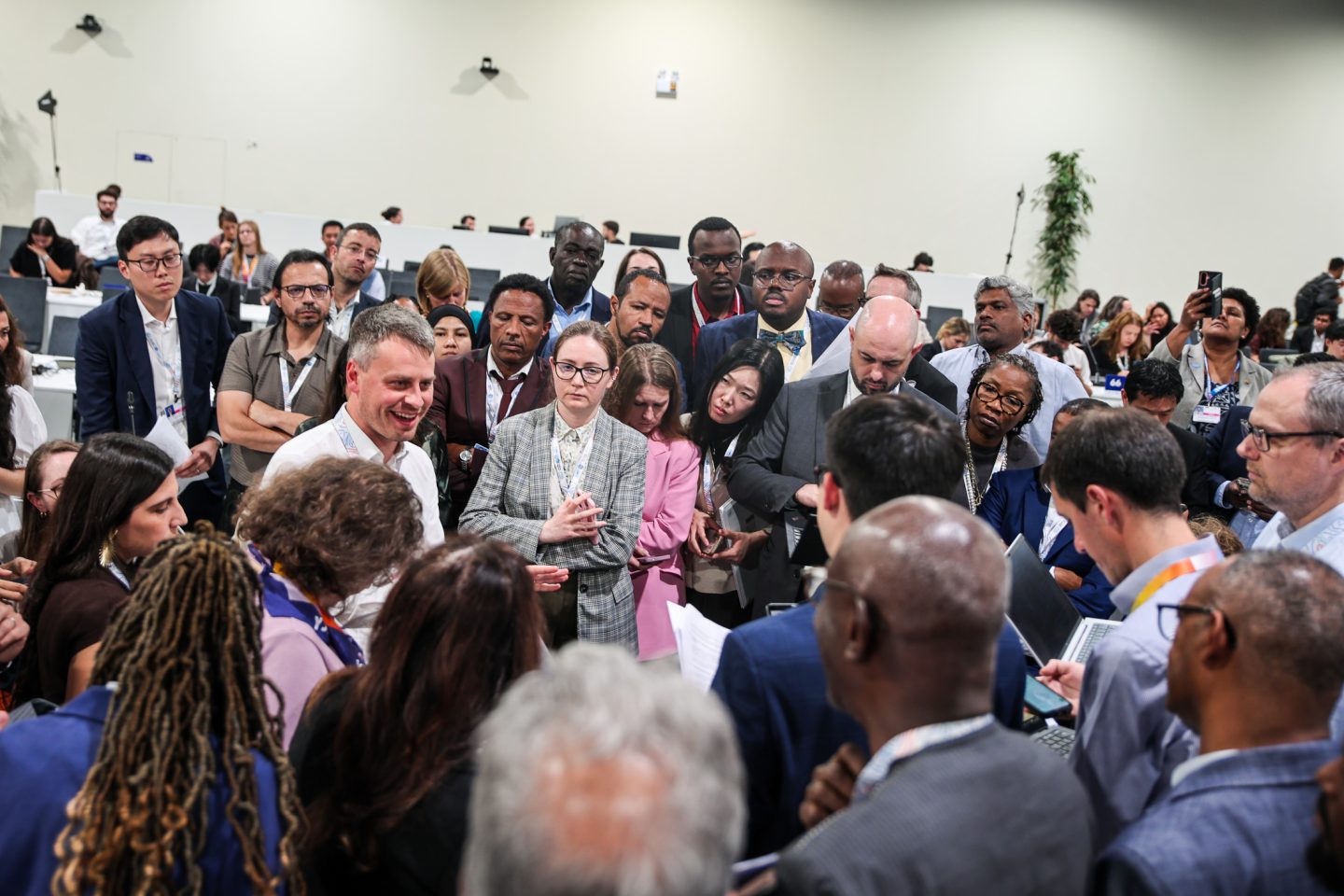
On oceans – one of the main priorities for both Türkiye and Australia which has historically played a relatively backseat role in climate talks – it creates the Antalya Ocean Current, a multi-year plan for ongoing dialogues that would seek to inform future COP decisions from a marine perspective.
It also requests the co-facilitators of the current ocean and climate dialogue (so far a relatively weak voluntary initiative) to develop a report by 2028 that would inform the next GST. Pradeep Singh, senior project manager at the Oceano Azul Foundation, said both outcomes are “encouraging” but that countries are “behind time and need to already move from dialogue to implementation”.
Mohamed Adow, director of climate and energy think tank Power Shift Africa, said that if the text remains as it is, “it will be a ghost COP”.
“After the progress made in 2023 at COP28 in Dubai where fossil fuels were mentioned for the first time, there is now no mention of the f-word at all,” he said. “COP31 has been muzzled on the most important threat causing the climate crisis.”
David Waskow, director of international climate at the World Resources Institute (WRI), told journalists that the text is “more focused” than previous iterations but that the main battles are still outstanding. He added “we still have a way to go” before knowing how ambitious the final outcome will be.
He also noted that the only issues with a numerical target are the electrification pledge and a bracketed proposal to ramp up carbon capture and storage to “at least 500 MtCO2” by 2035, which he said some countries might be “uncomfortable with”.
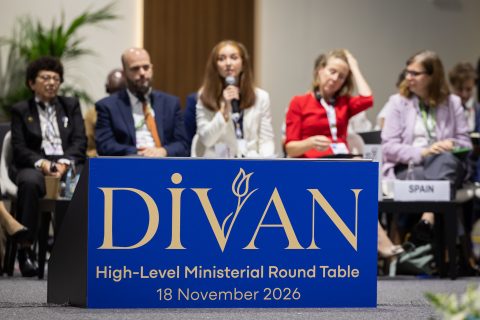
Little progress in ministers’ key “divan” meeting
After ministers gathered for a “divan” conflab on Wednesday night to start resolving differences on what should be in the main COP31 political decision, the talk in the halls was that it had been a nice opportunity for them to share views but little had moved forward.
The room – closed to media – was set out with chairs in a large circle, so far apart the assembled ministers looked like they had to cross a small ocean to actually speak to one another.
Adão Soares Barbosa, Timor-Leste’s climate ambassador who chairs the Least Developed Countries (LDCs) at the climate talks, told Climate Home News the discussion had been “constructive” but noted that some ministers expressed concern there would be no agreement on a decision.
The co-presidencies reassured ministers that there would be, Barbosa said.
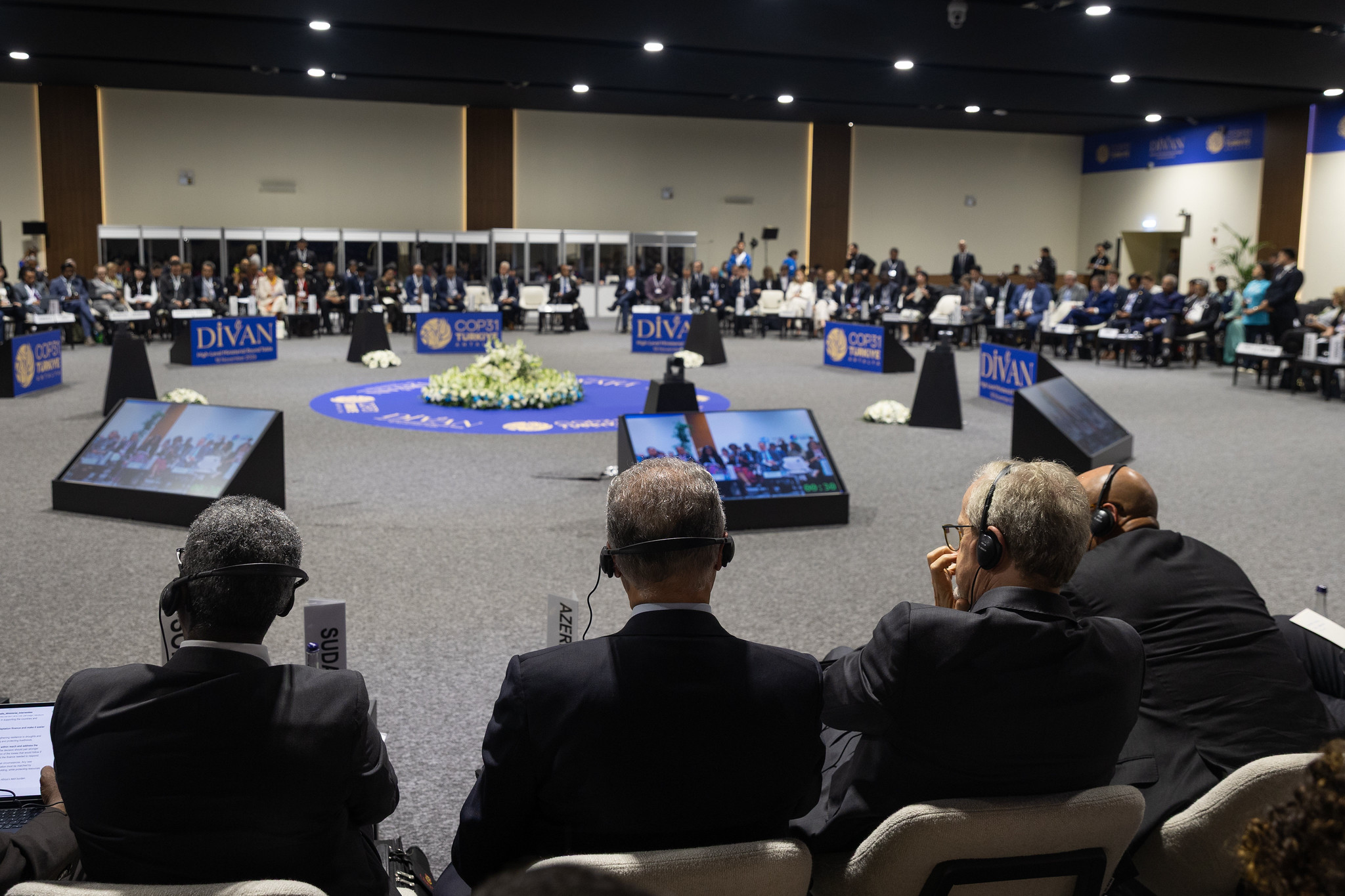
Irish environment minister Darragh O’Brien, who represents the European Union, told a press conference on Thursday morning that the atmosphere at the divan was “very different” from last year’s similar ministerial Mutirão session. “It wasn’t as confrontational,” he said.
Next to him, Tuvalu’s climate minister Maina Talia said “it seems to be” that language about transitioning away from fossil fuels will be out of the cover text, adding there was a small window of opportunity to keep it in. It is opposed by fossil fuel-producing countries, including Saudi Arabia and Russia.
In a statement issued after the “divan”, COP31 president Murat Kurum urged countries not to reiterate their respective positions at this stage of the talks, but to identify where they can move forward together.
“Let us listen to one another, broaden our common ground and translate what is possible into concrete outcomes,” he said in an emailed statement.
Discussions reportedly touched on all the key hot topics – from 1.5C overshoot to adaptation finance and electrification – but little progress seems to have been made in how to bridge divisions.
According to World Resources Institute experts, reiteration of positions and a lack of guidance from Australia and Türkiye left ministers frustrated and many issues still blocked.
Rich countries must step up to replenish Green Climate Fund, Duarte says
A second draft of the cover decision is due later today, with expectations that it will be slimmed down from the catch-all version released on Monday. New draft decision texts on other tricky topics, including the climate finance work programme, just transition mechanism and global goal on adaptation are so far missing in action.
The presidency’s plan is to hold a closing plenary later today to gavel through less controversial items that have been settled, but that list is not likely to be long.
Hot-button issues include whether and how to define the goal to triple adaptation finance by 2035 that was agreed in the final hours of COP30 in Brazil but without any numbers attached to it. Developing countries want Antalya to define the target as $120 billion a year but wealthy governments are reluctant to assume the full burden of delivering that.
Climate Home News understands from a senior government source that there is appetite across the board for a strong outcome on adaptation that would create a drumbeat towards COP32 in Ethiopia, but that finance is the piece that still needs to be worked out in order to unlock a deal.
Read this new comment piece from Shaikh Faridul Islam, Bangladesh’s state minister for environment, forest and climate change, explaining why clarity is needed from COP31 on where, when and how international climate finance will be delivered to vulnerable countries.
IEA: Hormuz crisis drives electrification shift as COP31 weighs 35×35 pledge
The flagship World Energy Outlook report from the International Energy Agency (IEA) suggests that, in a scenario aligned with the Paris temperature limit of 1.5C, a planned transition away from fossil fuels and into renewables could cut energy bills and add millions of jobs in the energy sector.
In the IEA’s net zero pathway, annual clean energy investment triples to around $4.5 trillion over the next decade. The energy sector also adds 15.6 million jobs by 2035, most of them building clean power and grids. Under that scenario, jobs in fossil fuel supply would halve over the same period, with the IEA warning that policies are needed to support workers and communities during the transition..
A turn towards electrification has been one of the main responses to the Hormuz crisis, the report says, which has led 25 countries to announce new electrification policies since February.
IEA chief Fatih Birol said in a statement: “I have rarely seen the energy security policy objectives and the climate objectives so closely aligned.”
But the IEA warned that security concerns alone will not deliver the emission cuts needed. Current policies point to 2.9C of warming by 2100 and the latest national climate plans do not foresee a significant acceleration of emissions reductions.

At COP31, Birol called on countries to deliver an “unmistakeable signal” to markets by strongly backing a pledge – which the IEA was involved in drafting – to increase electrification from 23% to 35% of final energy consumption by 2035. Around 75 countries – both developed and developing – are said to have endorsed the pledge, although the Turkish presidency has yet to release a list.
According to the IEA report, electricity could already reach around 33% of final energy consumption by 2035 at a profit, using today’s prices and technology costs.
David Tong, global industry lead at Oil Change International, called on countries at COP31 to deliver “credible roadmaps to phase out fossil fuels” and deliver finance that helps developing countries “electrify almost everything”. Around 10 countries, mostly European, plus the Pacific region have developed, or said they will develop, such a roadmap.
The post COP31 Bulletin Day 10: New draft keeps electrification goal but drops fossil fuel references appeared first on Climate Home News.
https://www.climatechangenews.com/2026/11/19/cop31-antalya-turkiye-australia-ministers-agremeent-fossil-fuels-electrification/
The flagship World Energy Outlook report from the International Energy Agency (IEA) shows that countries have turned to electrification as one of their main responses to the Hormuz crisis, which has helped more countries to wean their economies off fossil fuels.
Twenty-five countries – most of them in Asia – have announced new electrification policies since February, the report says, driving demand for electric motors in industry, electric vehicles, renewable power generation and heat pumps.
The war in Iran has become the largest energy supply shock in history, the report shows, and the longer the crisis extends, the more countries will likely turn to electricity, said IEA chief Fatih Birol at a launch event at IEA headquarters in Paris.
But the IEA warned that security concerns alone will not deliver the emission cuts needed. Current policies point to 2.9C of warming by 2100 and the latest national climate plans do not foresee a significant acceleration of emissions reductions.
At COP31, Birol called on countries to deliver an “unmistakeable signal” to markets by strongly backing a pledge – which the IEA was involved in drafting – to increase electrification from 23% to 35% of final energy consumption by 2035. Around 75 countries – both developed and developing – are said to have endorsed the pledge, although the Turkish presidency has yet to release a list.
At the report launch event, he added that his message on electrification being a policy that strengthens energy security and lowers emissions “found a very strong echo” at COP31, and that climate goals and energy security policies are now “very well aligned”.
“Countries putting policies that improve their energy security also have to reduce their emissions. As an energy organisation, we would like to see more energy and less emissions,” he said.
-
COP31’s electrification pledge wins support, with caveats on clean power and finance
At least 14 countries have endorsed the voluntary pledge so far, but island nations warn it must not distract from the shift away from fossil fuels -
COP31’s electricity goal must be about more than AI and luxuries for the rich
The pledge to boost electrification must not neglect the pressing need to bring clean, affordable power to hundreds of millions of people still living without it -
COP31 Bulletin Day 10: Ministers’ exchange makes little clear progress
On Wednesday night, ministers got the chance to swap views on what should be in the cover decision, but it seems few differences were bridged

Transition away from fossil fuels can deliver benefits
The IEA report suggests that, in a scenario aligned with the Paris temperature limit of 1.5C, a planned transition away from fossil fuels and into renewable sources could cut energy bills and add millions of jobs in the energy sector.
In the IEA’s net zero pathway, annual clean energy investment triples to around $4.5 trillion over the next decade. The energy sector also adds 15.6 million jobs by 2035, most of them building clean power and grids.
Under that scenario, jobs in fossil fuel supply would halve over the same period, with the IEA warning that policies are needed to support workers and communities during the transition.
According to the IEA report, electricity could already reach around 33% of final energy consumption by 2035 at a profit, using today’s prices and technology costs.
Solar generation in particular has become the preferred option for many developing countries, particularly in Asia and Africa, and in 2025 it has achieved the third-largest increase in capacity by any energy source, the report shows.
Even under conservative scenarios in which countries roll back climate policies, solar power is forecast to grow strongly, reaching about half of global electricity generation by 2035, up from around 33% today.
Birol said at the report launch that the agency’s forecast from two years ago that the world would enter an age of electricity has been “comfortably” fulfilled.
COP31 must carry fossil fuel phase out forward, experts say
David Tong, global industry lead at Oil Change International, called on countries at COP31 to deliver “credible roadmaps to phase out fossil fuels” and deliver finance that helps developing countries “electrify almost everything”.
At COP31, Denmark, Finland and Portugal released new roadmaps to wean their economies off coal, oil and gas, joining France, Germany and the Netherlands who had already published their plans before COP. Spain, Brazil, Ireland, Luxembourg and the Pacific islands as a region have also committed to producing their own.
Bill Hare, a veteran climate scientist and CEO of the climate think tank Climate Analytics, said the report shows that countries need to start planning the transition away from fossil fuels and that COP31 must take this conversation forward, because the alternative is to “essentially cook the planet”.
He added the Australian and Turkish co-presidency must follow the steps of Brazil and, if they can’t get this in the final decision in Antalya, they must “run a presidency process” that carries the conversation forward.
The post As COP31 weighs 35×35 pledge, IEA says Hormuz crisis driving electrification appeared first on Climate Home News.
As COP31 weighs 35×35 pledge, IEA says Hormuz crisis driving electrification
Having been to more than my share of UN climate summits, I can tell you that they showcase both the best and worst of humanity. On the one hand, the willingness of every country on Earth to come together and sit at the same table despite their differences. On the other, our seeming total inability to agree and move forward together. At least at anything like the scale and pace the now existential global climate crisis demands.
Nonetheless, this cumbersome and often painful process remains an essential part of the world’s response to climate change. As we enter the final days of negotiations here in Antalya, and before we deliver you a final verdict, let’s recap some key moments of the last two weeks.
It’s make or bake time
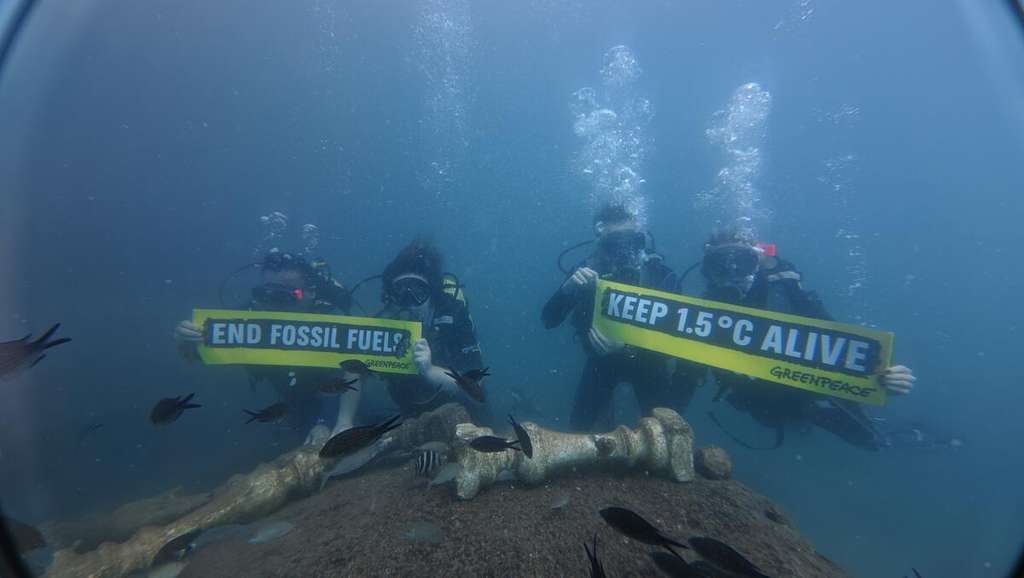
The week began with a blistering call from outgoing UN Secretary General Antonio Guterres to “tell the truth”.
“The brutal truth is that the climate crisis is outrunning us,” said Guterres.
“It’s make or bake time,” he added. “And fossil fuel interests keep making a killing… while killing our planet.”
The solution? Phase out fossil fuels, protect people, and make polluters pay. More on that later.
Guterres also paid tribute to the frontline communities, young people, scientists and Indigenous peoples who “have been standing up to some of the most powerful monied special interests in our world today”. Hear, hear!
The F word
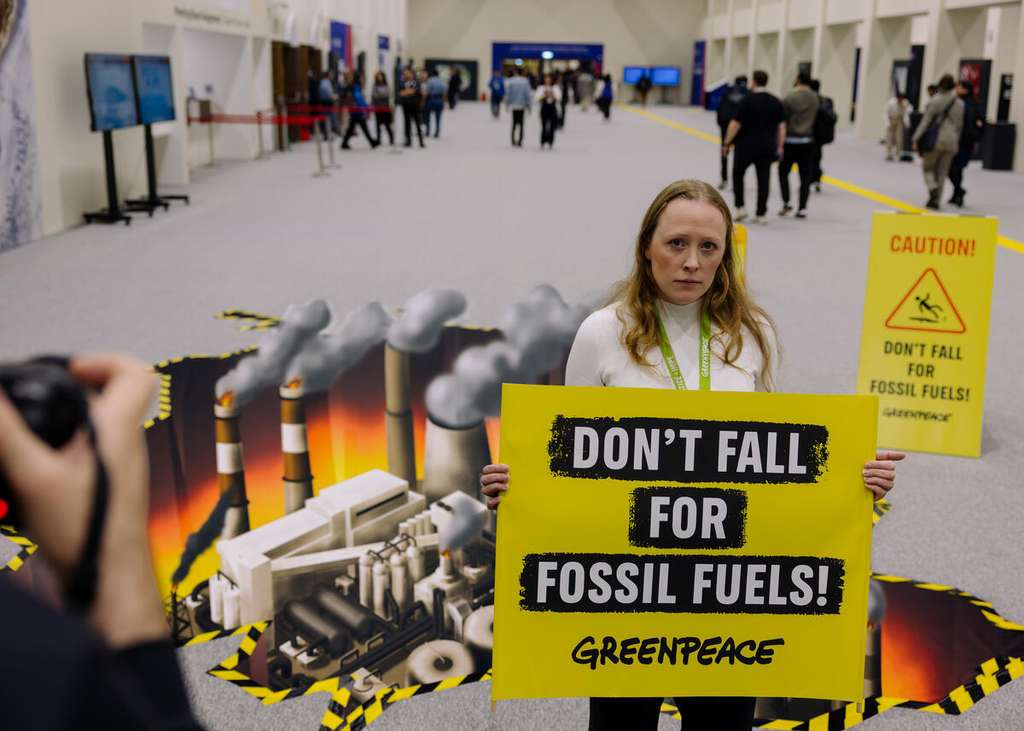
Cut to Wednesday and it was Australian Prime Minister Anthony Albanese’s turn to bring the vision and urgency that COP31 needs.
“We sought this role because we wanted to speak for the people of the world who need urgent action,” began the Prime Minister. He went on to mention the Pacific nine times, including reading a message from a young student in Tuvalu. He did not mention fossil fuels once. We’ll let you be the judge of that performance.
Pacific pawa
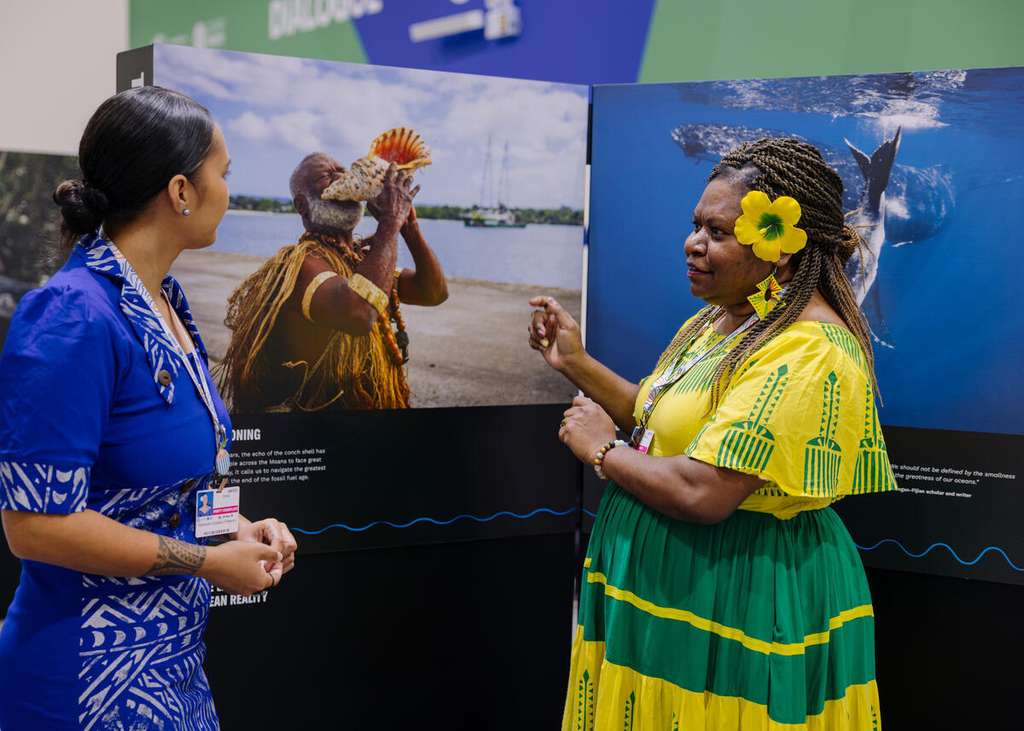
Thankfully there is no shortage of powerful voices of the Pacific, and of First Nations and local communities from around the world here in Antalya. They are the heart and conscience of these negotiations: holding the line on limiting warming to 1.5°C, leading with joy, and showing the way with practical solutions.
Seeds of progress
Back to Australia and the start of week two saw us sign an agreement with South Korea, one of our biggest trade partners, saying we are going to work together on shifting our energy systems and industries beyond fossil fuels. Now this was something to celebrate!
For half a century, the relationship has run on iron ore, coal and gas. Today, Korea, including its steelmakers, is determined to move beyond fossil fuels, and Australia has the clean energy they need.
The agreement recognises that our world is changing; that those countries who buy our fossil fuels will not do so for much longer, that Australia needs a plan to support communities likely to be affected by this transition, and that import-export partners need to work together to solve the challenges they cannot solve alone. The two countries say they hope this model of cooperation becomes an example for broader international cooperation.
Collateral damage
The fault line at the heart of any COP is finance. The fossil fuel era has led to an enormous concentration of wealth, with some countries profiting enormously from the burning of fossil fuels while others bear the brunt of climate damage. That wealth now needs to be redistributed to enable ‘less developed’ countries to transition to clean energy and build their resilience to the growing impacts of climate change.
Countries are also working at this COP to establish a new ‘Just Transition Mechanism’, designed to help ensure that workers and communities are adequately supported through the transition away from fossil fuels, rather than being left to face the challenges alone.
Right now the negotiations on climate finance feel well and truly stuck. The European Union is chief among those demanding stronger commitments to keeping 1.5°C alive and ending fossil fuels but refusing to yield to any finance demands. The losers in this standoff, as always, as the world’s most vulnerable countries and communities.
Crunch time
This year Australia, as President of Negotiations, took on the responsibility of stewarding global climate cooperation through a moment of major upheaval: shifting global power dynamics, an energy crisis brought on by fossil fuel dependence, and escalating heat, floods and fires due to the burning of coal, oil and gas.
The Government has hedged its bets on landing a new global commitment on electrification — a critical component of moving our energy and industrial systems beyond fossil fuels. A strong global electrification commitment that is tied to the goal of limiting warming to 1.5°C and genuinely displaces fossil fuels will be a meaningful outcome, and proof that even in these fractured times, multilateral climate cooperation is alive. But will the myopic focus on a flagship electrification goal have led Australia to drop the ball on other crucial issues, from unblocking the aforementioned finance negotiations to landing the Just Transition Mechanism? We will know soon!
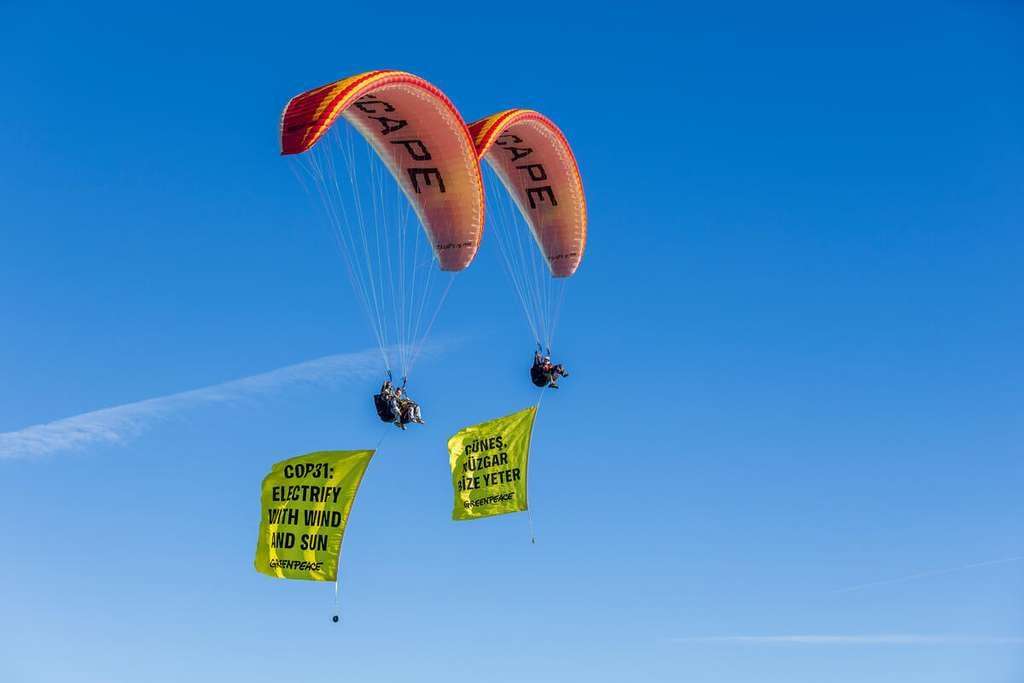

‘We must go further’: Latest COP31 draft text fails to deliver clear pathway from fossil fuels

COP31 Bulletin Day 10: New draft keeps electrification goal but drops fossil fuel references

As COP31 weighs 35×35 pledge, IEA says Hormuz crisis driving electrification

-
Climate Change1 year ago
Guest post: Why China is still building new coal – and when it might stop
-
Greenhouse Gases1 year ago
Guest post: Why China is still building new coal – and when it might stop
-

 Renewable Energy1 year ago
Sending Progressive Philanthropist George Soros to Prison?
-
Greenhouse Gases1 year ago
嘉宾来稿:探究火山喷发如何影响气候预测
-

 Climate Change2 years ago
Analysis: China’s CO2 falls 1% in Q2 2024 in first quarterly drop since Covid-19
-

 Climate Change1 year ago
嘉宾来稿:探究火山喷发如何影响气候预测
-

 Green Living2 years ago
Our Picks for the Top 2024 Black Friday and Cyber Week Sales From Sustainable Brands
-

 Renewable Energy5 months ago
Send a Bible to a Starving Child