

As you furnish a new space, or just invest in a new piece or two, you may be looking for non-toxic furniture brands to ensure clean indoor air and a safe environment for yourself and/or your loved ones.
Building materials and furnishings are one of the major causes of indoor air pollution, according to the EPA. So non-toxic furniture is a key aspect of creating a healthy home.
What is Non-Toxic Furniture?
If you’re here, searching for non toxic furniture, you’re probably somewhat familiar with the fact that most furniture contains either proven or potentially harmful chemicals and you’re looking for a better way. But what exactly is a better way?
Well, there’s actually quite a bit to consider, so here’s a quick list.
Scroll to the bottom for a much more in-depth explanation on all of these elements!
- No Flame Retardants
- No Formaldehyde (Many, though not all, composite woods that use adhesives contain formaldehyde. Some terms to look out for are plywood, particle board, engineered wood, or MDF.)
- Free of Toxic Water Repellents or Stain Guards (These commonly contain Perfluorochemicals, otherwise known as PFCs)
- No PVC / Vinyl (Common in fake leather or “vegan leather” fabrics)
- Zero VOC finishes (Or low-VOC)
- Uses Natural & Organic Materials (such as Dunlop latex instead of polyurethane foam, organic cotton, hemp, and linen instead of synthetic fabrics, and responsibly-sourced solid wood)
- Non-Toxic Certifications (such as GREENGUARD Gold, which tests for low emissions of VOCs)
Is All Eco-Friendly Furniture Non-Toxic?
A lot of eco-friendly furniture is also non-toxic, but that isn’t always the case.
Some furniture brands advertise their products as eco-friendly because they use engineered wood or particleboard made from repurposed sawmill or other wood waste. But, in many cases (though not all), the adhesives used in engineered wood can be toxic, off-gassing formaldehyde.
It’s also worth noting that engineered wood containing formaldehyde is actually not so eco-friendly, even if it’s making use of waste, as it’s polluting the environment and harming human health.
Is Secondhand Furniture Non-Toxic?
Secondhand shopping is a great avenue for finding sustainable furniture affordably, and I’m a HUGE fan of purchasing pre-loved.
While used furniture isn’t necessarily non-toxic (unless you find used furniture from a brand using natural and organic materials) products do off-gas over time, and so depending on how old the furniture is, you are likely going to be exposed to fewer toxic chemicals than if buying that same piece of furniture new.
Just be sure to find furniture that has come from a smoke-free home. (And potentially pet-free, if you have allergies/sensitivities). You may also want to clean the furniture with non-toxic cleaning products, especially if buying preloved furniture with upholstery.
Something I’ve experienced with upholstered furniture is that even if someone is selling from a smoke-free, pet-free home they might have sprayed the furniture with toxic fabric fresheners. So if there is any upholstery that is removable, I like to take it off and wash that before using the preloved pieces in my home. If it is not removable, it’s nice to leave it outside to off-gas.
If you don’t have any area to do this, I might recommend putting it in a room with the door closed and a window open with your indoor vents in that room closed. Of course, that might depend on the weather if that is possible for you!
[Related: Tips for shopping secondhand furniture & home goods]
Similarly, not all non-toxic furniture is eco-friendly. For instance, a brand might use natural materials that are irresponsibly sourced, such as harvesting wood from ancient or old growth forests. This guide, though, features brands that sell non-toxic and eco-friendly furniture.
Is IKEA Non-Toxic?
IKEA has taken many efforts to produce non-toxic furniture. However, due to reports that IKEA uses wood from old-growth ancient and endangered forests, I have not included them as an official recommendation in this guide.
I will say that I have several secondhand IKEA pieces in my own home from friends and from FB Marketplace. I even have my brother’s old childhood dresser from IKEA, which proves that even cheaper products can last when you take care of them.
So shopping secondhand is an approach to access IKEA’s non-toxic pieces more sustainably (and at an even lower price point). IKEA also has their “as is” program which sells “second-chance” items that were returned, are missing parts, have damaged packaging, or are being discontinued.
Non-Toxic Furniture Companies To Know
These brands are leading the way when it comes to safe, organic, and non-toxic bedroom furniture, living room furniture, dining room furniture, and office furniture. There are even some brands who have certified non-toxic furniture, as an extra level of verification.
The price ranges of these brands vary, so you’ll find something that matches your needs — you’ll find everything from heirloom-quality premium furniture to affordable non-toxic furniture. Browse through this guide for some highlights and visit each brand’s website for further details.
This guide contains affiliate links and partners. As always, all brands meet strict criteria for sustainability and are brands we love, that we think you’ll love too!
1. Medley
Categories: Sofas & Accent Chairs, Bed Frames, Nightstands, Storage, Dining Tables & Chairs, Benches & Desks
Shipping: Ships within the U.S.; Contact Medley for quote if shipping outside U.S.
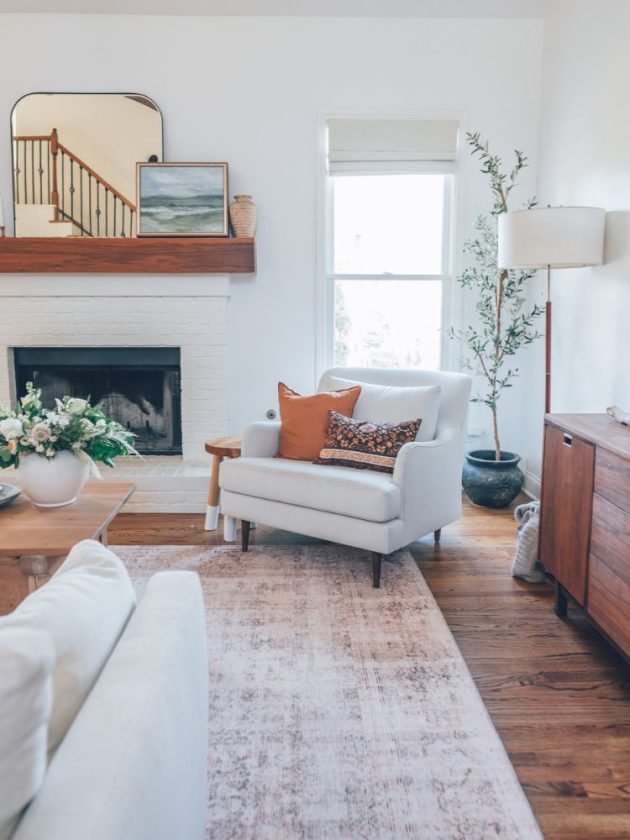
Made-to-order from quality materials in LA, Medley’s non-toxic furniture for the bedroom, living room, dining room, and office is sturdy and sustainably made.
Medley’s furniture frames are made with FSC-certified domestically-sourced alder hardwood and their tables are crafted from FSC-certified solid walnut and maple. Any plywood used is low-VOC CARB 2 compliant.
The brand offers a few natural fabric options including hemp and OEKO-TEX 100-certified wool. For cushions, choose between organic Dunlop latex or CertiPUR-US®-certified poly foam.
2. Avocado
Categories: Bed Frames, Dressers, Side Tables & Nightstands, Benches
Shipping: Ships furniture within the contiguous U.S.
Another exciting brand in the world of non-toxic furniture is Avocado. This B-Corp creates wooden furniture using either 100% solid FSC-certified maple hardwood, solid walnut, or 100% reclaimed solid Douglas fir. The furniture is completed using zero-VOC finishes and safe fumeless wood glue — all of which are made in the United States.
Avocado also offers several certified non-toxic furniture pieces that have been GREENGUARD Gold certified for low emissions and Formaldehyde Free certified by UL Environment. And, each piece of furniture is made in Avocado’s own FSC-certified LA woodshop.

3. Savvy Rest
Categories: Platform Beds, Sofas & Chairs, Tables & Benches
Shipping: Ships within continental U.S.; Contact for shipping quotes for elsewhere
A leader in organic and natural furniture, Savvy Rest is a certified B-Corp with living room and bedroom furniture made from sustainably-sourced, safe-for-you materials.
Savvy Rest uses responsibly- regionally-sourced solid wood and zero-VOC stains (or leaves pieces unfinished). Their upholstered furniture is crafted from certified organic cotton and hemp fabrics, as well as Eco Institut-certified Dunlop and Talalay latex.
Use code CONSCIOUSSTYLE20 for 20% off!

4. Cisco Home @ Urban Natural
Categories: Sofas & Sectionals, Chairs & Seating, Benches & Ottomans, Beds & Benches, Coffee Tables
Shipping: Within the U.S.
Cisco Home is a sustainable furniture company using responsibly-sourced materials to craft heirloom-quality furniture in Los Angeles.
When shopping for furniture, select the “Inside Green” option and Cisco Home will build your furniture entirely from FSC-Certified woods, organic latex, jute, hemp, organic cotton, and wool.

5. Thuma
Categories: Beds, Dressers & Shelving, Bedside Tables
Shipping: Ships within U.S. and Canada (international customers can use freight forwarder)
Simple, functional, and sustainably made from upcycled rubberwood, Thuma’s non-toxic furniture is one of our top picks. Thuma’s pieces are made with solid wood and are GREENGUARD Gold Certified, which means they’ve been tested for low VOC emissions.

6. Natural Home by the Futon Shop
Categories: Bed & Futon Frames, Dressers, Sofas & Sectionals, Side Tables & Coffee Tables
Shipping: Within contiguous U.S.; custom quotes for shipping elsewhere; offers free in-store pickup
As the name suggests, this furniture brand sells futons and futon frames, but they also offer other natural furniture, like side & coffee tables as well as non-toxic couches & sectionals.
The Futon Shop has Amish furniture handmade from solid wood (maple, walnut, oak, or cherry) that was harvested from sustainably managed forests and hand-rubbed with a no-VOC natural linseed oil finish. Each piece is handcrafted by Amish craftspeople in Pennsylvania with care, to ensure your piece lasts a lifetime.

7. Healthier Homes
Categories: Chairs & Stools, Tables & Benches, Desks
Shipping: Within Contiguous U.S.
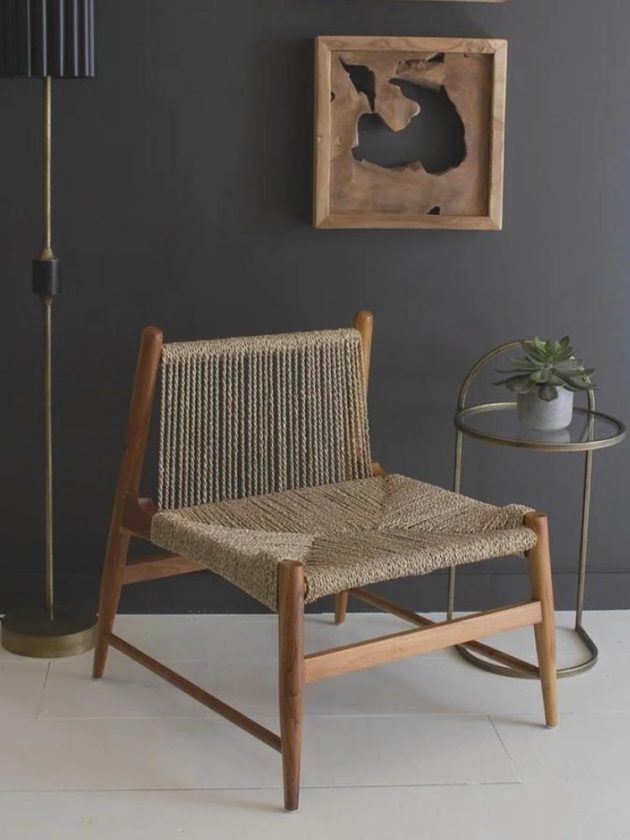
Healthier Homes offers a curated selection of non-toxic furniture crafted with quality and sustainability in mind. Their selections of seating, tables, and accent furniture is made from solid wood, natural fabrics and metal, all finished with eco-minded non-toxic finishes.
The non-toxic furniture company also sells non-toxic paints, including cabinet and furniture lacquer.
8. Copeland @ Urban Natural
Categories: Beds, Desks, Side Tables & Coffee Tables, Dining Tables & Chairs, Dressers & Buffets
Shipping: Ships within contiguous U.S. (contact for overseas logistics)
Founded with sustainability at its core, Copeland crafts hardwood furniture — using woods mostly sourced within 500 miles — made-to-order in its’ Bradford, Vermont factory. This factory has a solar array and is heated completely by wood waste.
The majority of their pieces note that they are finished with a GREENGUARD certified finish ensuring low chemical emissions.
9. West Elm GREENGUARD Certified
Categories: Beds & Cribs, Dressers & Storage, Consoles & Hutches, Desks & Chairs
Shipping: Within U.S.; doorstep or white glove delivery available
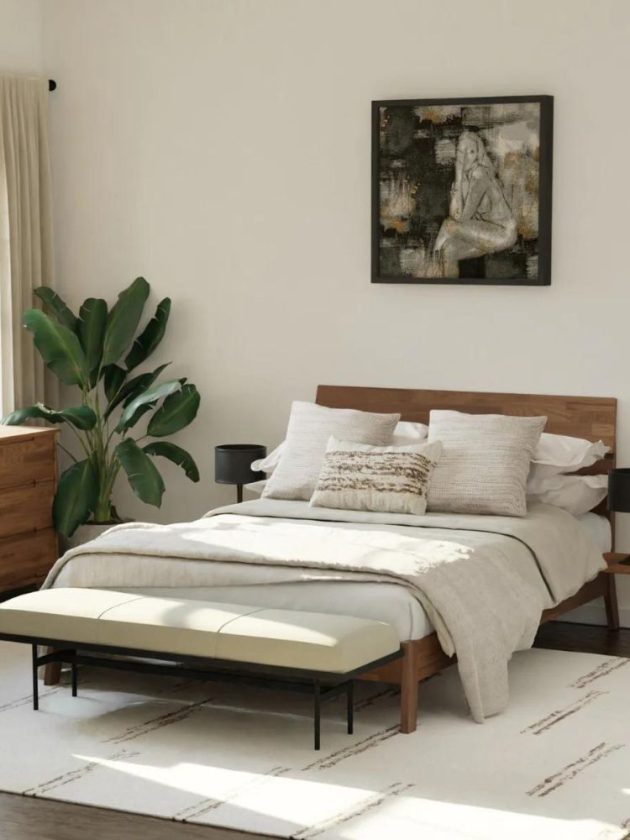
Well-known furniture retailer West Elm has a strong selection of non-toxic furniture that is GREENGUARD Certified to be low VOC. This certification indicates that the furniture has been tested to meet strict chemical emissions limits.
West Elm also has other sustainability filters like sustainably-sourced (FSC-certified wood typically), Fair Trade (made in a Fair Trade Certified factory) and Contract-Grade (made to last).

10. Sabai
Categories: Sofa & Sectional, Ottoman, Chair & Loveseat
Shipping: Free shipping within continental U.S.; shipments to HI & AK incur additional fees
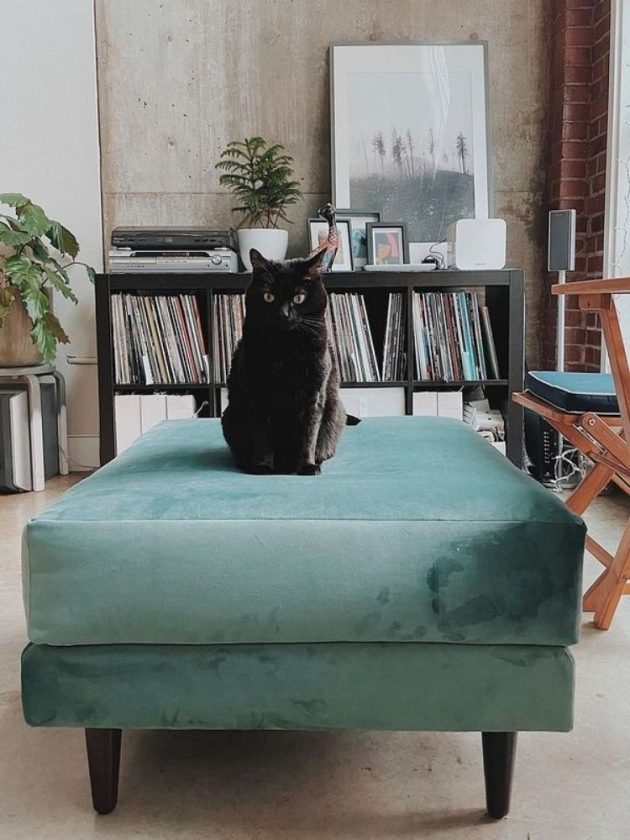
This affordable sustainable furniture company has a simple, yet sophisticated non-toxic sofa and other seating for your living space that is free of formaldehydes or toxic flame retardants.
Sabai uses FSC-certified wood for the furniture frames, domestically sourced maple for the legs, CertiPUR-US certified foam for the cushions, and recycled fiber fill for the pillows. For the upholstery fabric, customers can select between OEKO-TEX 100 Standard and Global Recycling Standard (GRS) certified recycled velvet or GREENGUARD Gold-certified upcycled poly.
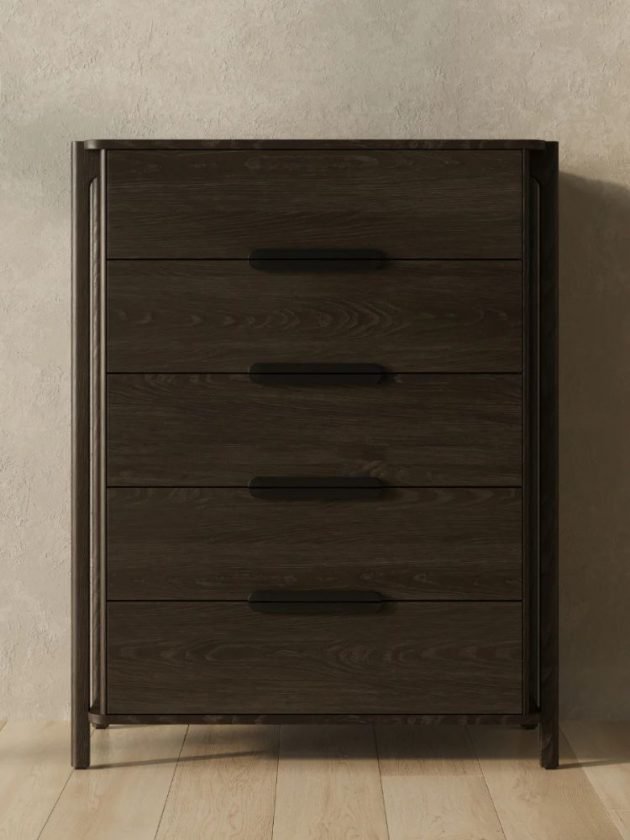
11. GRAYN @ Urban Natural
Categories: Beds, Nightstands, Dressers
Shipping: Within continental U.S.
This modern and minimalist furniture brand creates heirloom-quality, non-toxic furniture handcrafted in Vermont. GRAYN’s solid hardwood pieces are finished with GREENGUARD-certified coatings, which is a third-party that tests for harmful VOCs.
GRAYN sources ethically harvested, locally grown wood from North American forests and partners with sustainable textile leaders like Libeco and Crypton to offer PFAS-free, GREENGUARD-certified, and natural fabric options. Their environmentally conscious approach extends to solar-powered manufacturing and selecting materials within a 500-mile radius to minimize their carbon footprint.
12. My Green Mattress
Categories: Bed Frames
Shipping: Within U.S. and Canada
When it comes to your bedroom, you want your indoor air quality to be as healthy as possible. And My Green Mattress has a non-toxic bed frame to meet those needs.
The mattress brand has a simple and affordable eco-friendly bed frame made from untreated domestically-grown Poplar wood — in other words, it’s free from wood stains, adhesives, or any other toxic chemicals.

13. What We Make
Categories: Bathroom Vanities, Desks & Office Furniture, Bookcases & Storage, Coffee & End Tables, Chairs, Stools & Benches, Dining & Pub Tables
Shipping: Within U.S.
What We Make is an impressive sustainable non-toxic furniture brand based in the Chicago area. They use reclaimed barn wood to make each furniture item made to order.
The non-toxic furniture brand shares that they finish their pieces with an oil-based VOC-free finish that doesn’t contain hazardous chemicals.

14. Green Cradle
Categories: Dressers, Chests & Armoires, Bookcases, Nightstands, Cribs
Shipping: Ships within the U.S. and to Canada
Green Cradle crafts 100% solid wood, non-toxic dressers, storage furniture, and cribs in the United States.
The company sources local, sustainably-sourced woods, including maple, red oak, hard maple, cherry, and walnut and they use a zero-VOC finish (linseed oil) for all of their furniture. This oil is free of synthetic preservatives, heavy metals, carcinogens, polyurethanes, and other toxic chemicals.
And, as one of the only brands on this list with non-toxic cribs, Green Cradle is the place to go if you’re furnishing your little one’s nursery.

15. IKEA (Some Pieces)
Categories: Beds, Desks, Side Tables & Coffee Tables, Dining Tables & Chairs, Dressers & Buffets Sofas & Sectionals, Ottomans & Benches, Outdoor Furniture
Shipping: Standard Delivery starts at $19 or In-Store Pickup Option
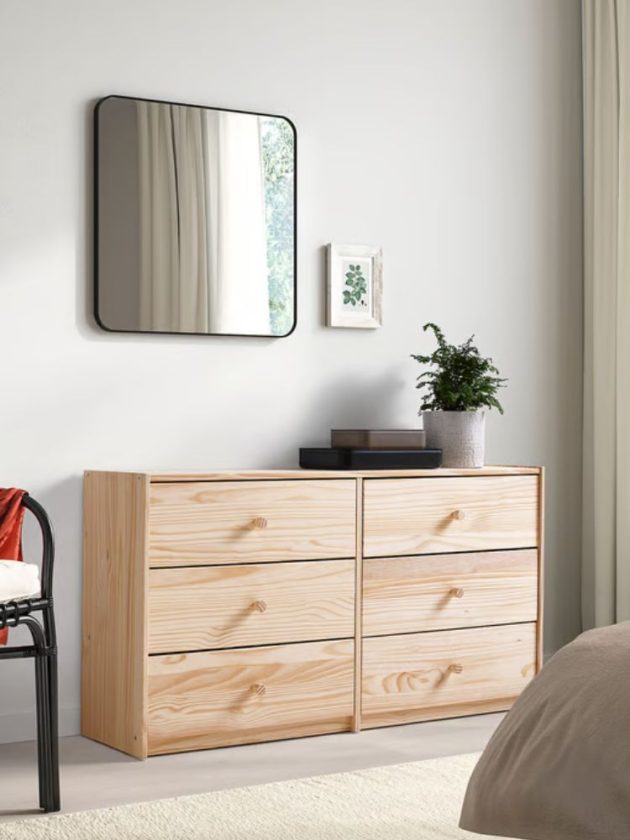
Not everything on IKEA is “non-toxic” or “sustainable”, but IKEA offers safer and more conscious options than the majority of other affordable furniture stores. Personally, I’ve purchased a few of their solid wood pieces when I couldn’t find what I was looking for secondhand. (Engineered wood can contain formaldehyde, so I’d steer clear of those products.) You can also find unstained wood furniture at IKEA.
Want to Dive Deeper? Here’s how I vetted for non-toxic furniture:
These are some considerations for what to look for when shopping for non-toxic furniture for your space.
No Flame Retardants
There are hundreds of different types of flame retardants. Evidence shows that flame retardants are associated with harmful health impacts, such as reproductive toxicity, cancer, neurological function, impacts to the immune system, and adverse effects on fetal and child development.
Once commonplace to meet California’s fire safety standard, fire retardants are now banned by the state at certain concentrations and in certain products — and a growing number of states are also taking action against them to some extent.
So furniture without flame retardants should be considered a very baseline measure.
No Formaldehyde
As one of the 25 most abundantly produced chemicals in the world, exposure to formaldehyde is a common concern in furniture as well as a number of other consumer products.
The health impacts of formaldehyde exposure include:
- “Corrosive injury to the gastrointestinal tract”,
- Irritation to the eyes, skin, and respiratory tract
- Malaise, headache, irritability, memory and dexterity issues, sleeping disturbances
- Can cause skin disorders and asthma-like symptoms in those who’ve been previously sensitized
- And formaldehyde has been determined to be a probable human carcinogen
And as the EPA states, the primary way you’d be exposed to formaldehyde is by “breathing air containing off-gassed formaldehyde”, often the formaldehyde that has “off-gassed from products, including composite wood products”.
No Perfluorochemicals (PFCs)
If you’re familiar with the DuPont scandal, you’re familiar with PFCs. While typically associated with non-stick cookware, PFCs are also used to repel oil and water on a number of other types of products, including textiles like upholstered furniture.
Why are PFCs a problem? Well they’re persistent not only on products, but in the environment and in people and animals. PFCs can be released directly from manufacturing facilities into the air and water or they can be released from any products you have at home containing PFCs and into your indoor air.
Exposure to PFCs has been associated with several adverse health effects including cancer, liver toxicity, hormone disruption, developmental toxicity, and harm to the immune system.
No PVC (Vinyl)
Many fake leathers (which sometimes come with the euphemism “vegan leather”) are made from PVC. PVC is known as the most toxic and environmentally damaging plastic.
The chemical used to make PVC, vinyl chloride, is a known carcinogen, linked to increased risks of several types of cancers, according to the National Cancer Institute.
Low VOC or Zero VOC Finishes
VOCs, or Volatile Organic Compounds, include a wide group of chemicals. Examples include: benzene, ethylene glycol, methylene chloride, tetrachloroethylene, toluene, and xylene.
While each chemical will have different levels of toxicity and may cause different health impacts, VOCs have been connected to many health issues, including damage to the liver, kidney, and central nervous system; headaches, fatigue, dizziness and nausea; and eye, nose, and throat irritation. Some VOCs are even suspected or known carcinogens.
In an ideal world, you would be able to find furniture that is completely free of VOCs.
A common nearly zero VOC finish is linseed oil, or flaxseed oil. This natural finish is food safe and free of harmful chemical solvents, heavy metals, or other toxic ingredients.
Low-VOC furniture can also be a good option, especially if you’re able to off-gas it outdoors or in your garage for a few months before bringing it into your home.
Organic & Natural Materials
This is an obvious one! Preferable materials include organic cotton, hemp, linen, sustainably and locally sourced wool, responsibly-harvested wood (ideally locally sourced and native to the region), and Dunlop latex.
Some certifications to know are Global Organic Textile Standard (GOTS), Global Organic Latex Standard (GOLS), and OEKO-TEX Standard 100, which tests for harmful substances in textiles.
Other Non-Toxic Certifications
One common certification is the GREENGUARD certification, which are products that have been “scientifically proven to meet some of the world’s most rigorous third-party chemical emissions standards”.
The GREENGUARD Gold certification is the next level. It includes criteria for additional chemicals and requires lower total VOC emissions. It limits the emissions of over 360 VOCs and chemical emissions.
Your Non-Toxic Lifestyle Journey
There is a lot to consider when shopping for non-toxic furniture! Hopefully, this breakdown of elements and red flags to look out for was useful and this list of non-toxic furniture brands gave you a good starting point in your research.
Keep in mind that the journey to green living or non-toxic living is just that — a journey. So, don’t stress if you can’t convert 100% of your home to non-toxic decor and furnishings right away.
Less toxic furniture is still better than conventional super toxic furniture. And implementing air filters or just keeping your windows open each day for an hour can also do wonders. Don’t feel pressured into perfection. Take it slow and do what you can, based on your time and budgetary constraints.
If you’re here, you’re already doing great!
Note: This curation is based upon publicly available information and while we do our due diligence, Conscious Life & Style cannot guarantee the claims of the companies featured. See our Website Disclaimer for more.
More Guides Like This
Non-Toxic Home Tips: How to Make Your Indoor Air Healthier Now
The Best Non-Toxic Cookware Materials and Brands
10 Eco-Friendly & Non-Toxic Sofas
The post 15 Best Non-Toxic Furniture Brands for a Healthy Home (2026) appeared first on Conscious Life & Style.
15 Best Non-Toxic Furniture Brands for a Healthy Home (2026)

Make Earth Day 2026 the next step in your response to the environmental damage inflicted by recent U.S. policy reversals that have gutted decades of effort to preserve the climate our species—and all of nature—depends on. EarthDay.org has declared this year’s mission, to make “Our Power, Our Planet” the basis of celebrations on April 18th, a day of action, and April 22nd, the traditional date for Earth Day. Don’t just sit and savor nature, step up to the resist the forces dismantling the environmental protections that followed from the first Earth Day in 1970, which led to the creation of the Environmental Protection Agency, Clean Water Act, and Clean Air Act, among so many important national efforts.
Post and share Earth911 posters to help people think of the planet first, every day. Click the poster to get a larger image.

The post Earth911 Inspiration: Show Up for Planet Earth appeared first on Earth911.
https://earth911.com/inspire/earth911-inspiration-show-up-for-planet-earth/
The global market for natural health products now exceeds $300 billion, and parents are leading the charge — looking for gentler, plant-based alternatives to synthetic medicines for their kids. Some natural remedies have centuries of traditional use behind them. Others have meaningful clinical support. And a few carry real safety caveats that are easy to miss when you’re shopping for a more natural medicine cabinet.
Four ingredients cover a lot of ground: coconut oil, essential oils, honey, and apple cider vinegar. Here’s what the evidence says about each, including what to watch out for, especially with younger children.
| Note: A trained medical professional is always your best resource for treating serious ailments. This article provides general information, not medical advice. Never delay or ignore professional care based on something you read online. |
This article contains affiliate links that help fund our work.
1. Coconut Oil
Coconut oil earns its place in a natural medicine cabinet through sheer versatility. Applied topically, it works well as a balm for chapped cheeks, a diaper rash treatment for babies, a soothing after-bath moisturizer for dry skin, and as a carrier oil when diluting essential oils for topical use. It’s also a perfectly serviceable cooking oil — just keep separate containers to avoid cross-contamination between cosmetic and kitchen uses.
Look for unrefined, virgin coconut oil — it retains more of the naturally occurring medium-chain fatty acids (including lauric acid, which has demonstrated antimicrobial properties in lab studies) compared to refined versions. Nutiva Organic Virgin Coconut Oil is a consistently available option.
2. Essential Oils: Effective, But Use With Care
Essential oils are concentrated plant extracts potent enough to have real therapeutic effects, and potent enough to cause real harm if misused. For kids, the most useful are:
- Lavender oil soothes minor skin irritation, helps with relaxation, and has mild antiseptic properties. It’s one of the gentler oils for children. Plant Therapy Lavender Essential Oil is a reputable, widely available option.
- Tea tree oil (melaleuca) is a well-documented antiseptic useful for skin rashes and has shown effectiveness against head lice. NOW Tea Tree Oil is a reliable choice.
- Eucalyptus oil supports respiratory comfort when diffused and can be used in a natural chest rub for older children. Plant Therapy Eucalyptus Globulus is a good starting point. For children under 2, eucalyptus in any form should be avoided. For children ages 2–4, use only with extra caution and well-diluted.
Eucalyptus age limits: Eucalyptus age limits: The blanket warning “never use on children under 10” guidance circulating online is an overstatement. The European Medicines Agency concludes that eucalyptus used by inhalation, topically, or as a bath additive is appropriate from age 4, and that oral use is restricted to age 12 and up. Do not apply near the nose, mouth, or face of any young child. Robert Tisserand and Rodney Young’s Essential Oil Safety (2nd ed., 2014), the field’s standard reference, supports this more nuanced reading.
Lavender and tea tree and hormonal concerns with boys: Research published in the New England Journal of Medicine found a link between topical use of lavender and tea tree oils and hormonal disruption in prepubescent boys. Aromatherapy (diffusing) is the lower-risk alternative for this age group.
Always dilute essential oils. Undiluted oils should never be applied to a child’s skin. For children under 2, use a 0.5–1% dilution in a carrier oil (like coconut or almond oil). For ages 2–6, 1–2% is appropriate.
No peppermint for children under 30 months. Peppermint oil can increase seizure risk in very young children and should be avoided.
For a comprehensive reference, Johns Hopkins Medicine’s essential oil safety guide for children is a solid starting point. And check with your pediatrician before introducing new oils, especially for children with respiratory conditions.
3. Honey: Powerful Medicine — With A Critical Exception
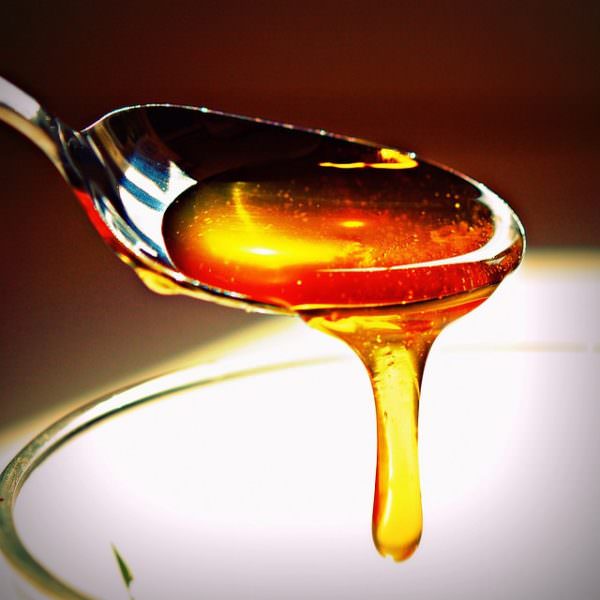
Raw honey does considerably more than sweeten tea. Applied topically, it’s an effective treatment for acne, particularly raw honey, which retains more antimicrobial compounds. Manuka honey from bees that pollinate the New Zealand mānuka bush has demonstrated well-documented antibacterial properties and is worth keeping on hand for wound care and throat soothing.
For throat relief, a spoonful of honey dissolved in warm water with lemon is effective for children over 1 year old. Look for raw Manuka honey rather than processed honey in a plastic squeeze bottle, which has been heated and filtered to the point of losing most of its beneficial properties.
| Critical Safety Warning — Honey and Infants: The FDA, CDC, and American Academy of Pediatrics all recommend that honey never be given to children under 12 months of age — in any form, including baked goods, cereals, or foods that contain honey as an ingredient. Honey can harbor Clostridium botulinum spores, which can cause infant botulism, a serious and potentially fatal illness. Infants’ digestive systems are not mature enough to neutralize the spores. This restriction applies to raw honey, pasteurized honey, and honey in cooked or processed foods. After age 1, honey is safe. |
4. Apple Cider Vinegar
Apple cider vinegar’s acidic properties make it useful for a handful of topical applications. Two cups diluted in bathwater can help soothe eczema flares; diluted 50/50 with water, it’s effective for sunburn relief and itchy skin.
Its strong taste makes internal use a tough sell for kids, but they can still benefit from external applications. As with honey, quality matters: get an unfiltered, unpasteurized brand that retains “the mother” — the strand-like protein-enzyme matrix that forms during fermentation. Bragg Organic Raw Apple Cider Vinegar is the go-to product and is widely available.
A note on internal use for older kids and adults: ACV is acidic enough to erode tooth enamel if taken undiluted or frequently. Always dilute in water and consult a healthcare provider before making it a regular supplement.
These four ingredients are a good starting point for your own natural healing remedies. Simple and straightforward, most will be readily available at your local health food store and are a cinch to apply or administer.
Building Your Natural Medicine Cabinet
These four ingredients give you solid coverage for common minor ailments — skin irritation, dryness, colds, scrapes, and more. Most are available at natural grocery stores; the essential oils are easy to find online from reputable brands like Plant Therapy, NOW, and Edens Garden, all of which publish third-party testing data.
Start simple, read the labels carefully (especially age guidance on essential oils), and keep products stored out of reach of young children. When in doubt, your pediatrician is the right call.
Editor’s Note: Originally written by Madeleine Summerville on April 8, 2015, this article was updated in March 2026 to reflect current pediatric safety guidance, including honey/infant botulism warnings and updated essential oil age recommendations.
The post Mother Nature’s Medicine: 4 Natural Remedies for Healthy Kids appeared first on Earth911.
https://earth911.com/living-well-being/mother-natures-medicine-4-natural-remedies-for-healthy-kids/
Spring is officially here, inspiring gardening plans as well as dread of lawn chores. Before you immerse yourself in another year of yard maintenance, we have a question for you: When was the last time you reevaluated your yard maintenance tactics and outdoor plant selections? An environmentally friendly approach to a low-maintenance yard can save you money, time, and effort while it benefits the local ecosystem.
By carefully selecting the right plants, including natives and perennials, you can minimize watering and yearly plantings — resulting in less work for you and a lower water bill. And by employing natural gardening techniques, such as composting and companion planting, you can keep your soil healthy and keep pests away — without chemicals.
Naturally, a healthy and biodiverse yard looks different depending on your climate and region. Are you familiar with the plants that are native to your region? It’s exciting to choose the optimal plants for your garden because you know you’re giving them the best chance of success — plus, you’re helping the surrounding ecosystem.
Before selecting your plants, be sure to check the noxious weed lists or your county extension office to make sure you don’t pick invasive plant species. Some low-maintenance plants may be invasive in your region. For example, English Ivy, an attractive, low-maintenance vine, is an aggressive invader and on the noxious weed of the United States list.
With careful plant selection and eco-friendly gardening strategies, you’ll enjoy a low-maintenance yard, save money, and benefit Mother Earth too! Check out the tips and plant recommendations in the following infographic from HomeAdvisor.

Editor’s Note: This article was originally published on March 31, 2021, and was updated in April 2026.
The post Infographic: Tips for an Environmentally Responsible, Low-Maintenance Yard appeared first on Earth911.
https://earth911.com/home-garden/infographic-eco-friendly-low-maintenance-yard/


A Lesson for America from West Africa
Virginia Republicans Want Tax Relief to Ease Gas Costs. There’s Also Electric Vehicles.
EPA Flags Microplastics as ‘Priority’ Water Contaminants, but the Move Doesn’t Guarantee Regulation
-
Greenhouse Gases8 months ago
Guest post: Why China is still building new coal – and when it might stop
-
Climate Change8 months ago
Guest post: Why China is still building new coal – and when it might stop
-

 Greenhouse Gases2 years ago
嘉宾来稿:满足中国增长的用电需求 光伏加储能“比新建煤电更实惠”
-
Climate Change2 years ago
Bill Discounting Climate Change in Florida’s Energy Policy Awaits DeSantis’ Approval
-

 Climate Change2 years ago
嘉宾来稿:满足中国增长的用电需求 光伏加储能“比新建煤电更实惠”
-
Climate Change Videos2 years ago
The toxic gas flares fuelling Nigeria’s climate change – BBC News
-

 Renewable Energy5 months ago
Sending Progressive Philanthropist George Soros to Prison?
-

 Carbon Footprint2 years ago
US SEC’s Climate Disclosure Rules Spur Renewed Interest in Carbon Credits