

Wrapping yourself up in one of these luxuriously soft, organic towels is the perfect way to add a bit of sustainable self-care into your everyday life. These brands have 100% natural, earth-minded towels that you dry off with in good conscience knowing the fabric is safe for your skin and good for our planet, too.
The towels listed in this guide are made from all eco-friendly and organic materials — mostly from organic cotton as well as some linen and hemp. Check out this post to learn more about organic cotton, this post for more on linen, and this one on hemp!
Alright let’s get into it!
The Best Places to Find Sustainable Organic Bath Towels
Note that this guide features partners and affiliates. As always, all brands met high standards for sustainability and are brands we love — and that we think you’ll love too.
1. Anact

Anact’s versatile, eco-friendly towels are made from an all-natural blend of 55% hemp and 45% organic cotton, and are also completely dye-free. There are no harmful chemicals used during the manufacturing process, which protects both you and the factory workers. These durable towels are absorbent and fast drying, while preventing the growth of mildew, proving that sustainability doesn’t have to come at the cost of functionality.
But Anact is more than a sustainable towel brand — this company is on a mission to disrupt the textile industry. They do this by taking responsibility for the end-of-life of the products they sell, by advocating for local manufacturing, and by helping create jobs for US farmers to grow hemp. Anact also partners with changemakers to push for legislative action and to fundraise for environmental justice initiatives. and to fundraise for environmental justice initiatives.
Sizes: Bath Towel, Hand Towel, and Wash Towel
2. Delilah Home

Sustainable bedding and towel brand Delilah Home offers luxurious 100% GOTS-certified organic cotton towels made in Europe. Delilah Home’s towels were one of the first Vegan.org certified towels in the US market as well.
Long-staple organic Turkish cotton is loomed into extra long-loops to create a super soft and absorbent surface and thick, plush (yet lightweight) texture for Delilah Home’s towels. In other words, these are the kind of towels that you’ll look forward to wrapping yourself up in after a long day!
Sizes: Face Towel/Washcloth, Hand Towel, Bath Towel, Bath Sheet
3. Misona

These ribbed organic cotton towels from Misona are the ultimate combination of texture and softness. The plush, absorbent towels are designed to offer a gentle post-shower scrub without irritating your skin. Plus, they come in five gorgeous colors!
Misona’s luxurious eco-friendly towels meet both the Global Organic Textile Standard (GOTS) requirements — a certification that ensures the use of organically grown fibers plus non-toxic production practices and other inputs — as well as the Oeko-Tex 100 Standard, which tests for toxic substances to protect the environment, textile workers, and consumers.
Sizes: Face Clothes, Hand Towel, Bath Towel, Bath Sheet
4. Coyuchi

Woven from GOTS-certified organic cotton, Coyuchi’s towels are naturally soft and absorbent, without being heavy. The sustainable home brand has a variety of towels, from fluffy and plush styles to lightweight Turkish bath towels.
In addition to being certified by GOTS, some of Coyuchi’s eco-friendly towel styles are Made Safe-certified and Fair Trade-certified as well.
Sizes: Washcloth, Hand Towel, Bath Towel, Bath Sheet, Bath Mat
5. Sunrise Bliss

When it comes to hair, typical towels can actually be quite damaging. That’s why Sunrise Bliss creates hair towels made from absorbent organic cotton t-shirt material that helps dry your hair while not causing any of that dreaded breakage or frizziness. Genius, right? The brand’s towels also come in super fun colors and prints!
The brand uses GOTS (Global Organic Textile Standard) certified organic cotton to ensure that every step of the supply chain is environmentally conscious and that their product is safe to produce for the makers of their towels and safe to wear for all of us wearing their towels!
Sizes: Hair towels
6. PACT

Sustainable fashion brand PACT has affordable organic cotton basics for the home too. Their towels are certified organic and come in a range of comforting colors at approachable prices. PACT’s towels start at $20 for a set of two washcloths and go up to $140 for their bath sheet sets, which feature 6 towels.
Sizes: Washcloth, Hand Towel, Bath Towel, Bath Sheet
Use code CONSCIOUSSTYLE20 for 20% off
7. Boll & Branch

Boll & Branch has spa-quality towels in warming neutral hues that will put you at ease. The brand has 100% organic cotton spa towels, which are lightweight and quick-drying, and plush towels, which are dense and luxuriously plush.
The cotton Boll & Branch sources for their towels is GOTS-certified and Fair Trade-certified. Their production is also certified Standard 100 by OEKO-TEX.
Sizes: Bath Towel
8. Linoto

Using 100% all-natural biodegradable linen, Linoto is a Black-owned brand creating eco-friendly towels to help you make the business of keeping clean a little fancier with their plush selection.
Available in shades of oyster, ecru, and charcoal colors, these beautiful basket weave linen towels are absorbent, and fast drying, while being resistant to mold and mildew.
In an effort to be zero-waste, the brand creates small house helper towels as an eco-friendly alternative to paper towels from their unusable production off-cuts.
Sizes: Washcloths, Bath Towels, Bath Mats, Spa Towels, and Hand Towels
9. Made Trade

Made Trade is the place to find artisanal quality sustainable towels that are created by either fair trade, vegan, sustainable, or BIPOC- and/or Women-owned brands.
Explore an assorted range of handcrafted towels that were made to stand out on your bathroom shelves. All of the brands Made Trade carries are thoroughly vetted to meet their ethical and sustainable standards.
Sizes: Washcloths, Bath Towels, Bath Mats, Beach Towels, and Hand Towels
10. Under The Canopy

There’s just something crisp and fresh about the textured towels by Under The Canopy. They’re like something you might find in a five-star hotel bathroom or spa, but way better! These towels aren’t just available in plain white but in a spectrum of soft pastels and deeply saturated hues.
The best part? These towels are made using GOTS-certified organic cotton that has also received the OEKO-TEX® Made in Green stamp of approval to ensure they’ve been tested negative for harmful chemicals.
Sizes: Washcloths, Bath Towels, Hand Towels, and Bath Sheets
Browse Under The Canopy’s Towels
You Might Also Want to Check Out:
17 Sustainable and Zero Waste Bathroom Swaps
Your Guide to Eco-Friendly and Low Waste Period Care
The Ultimate Guide to Organic and Eco-Friendly Bedding
The post 10 Organic Towels to Transform Your Bathroom Into a Sustainable Sanctuary appeared first on .
10 Organic Towels to Transform Your Bathroom Into a Sustainable Sanctuary

Just like fashion has been overrun by fast fashion, home goods and furniture have similarly seen a rapid decline in quality. Rugs are no exception.
And similar to fashion, these cheap goods come at a high cost — namely, to the planet and to people. In fact carpet and rug production is rampant with exploitation.
On the other hand, fair trade rugs present the best of what a rug can bring to your home: artistry, craftsmanship, and heritage.
The brands featured in this guide are partnering with (and fairly paying!) skilled artisans who are using generations-old — and sometimes even centuries-old — techniques. These artisans are sustaining long lines of crafts, preserving their cultural diversity, and celebrating the richness of their time-honored crafts.
There’s simply no replacement for a timeless, quality artisan-made rug — they’re like pieces of art you can lay out on your floor or hang on your walls.
So, enjoy browsing through this guide to sustainable rug brands listed out below and best of luck on your search for the right fair trade rug!
Where to Find Ethical and Fair Trade Rugs
Note that this guide includes affiliates and partners. As always, brands must meet high standards for ethics and sustainability to be featured and all opinions are my own.
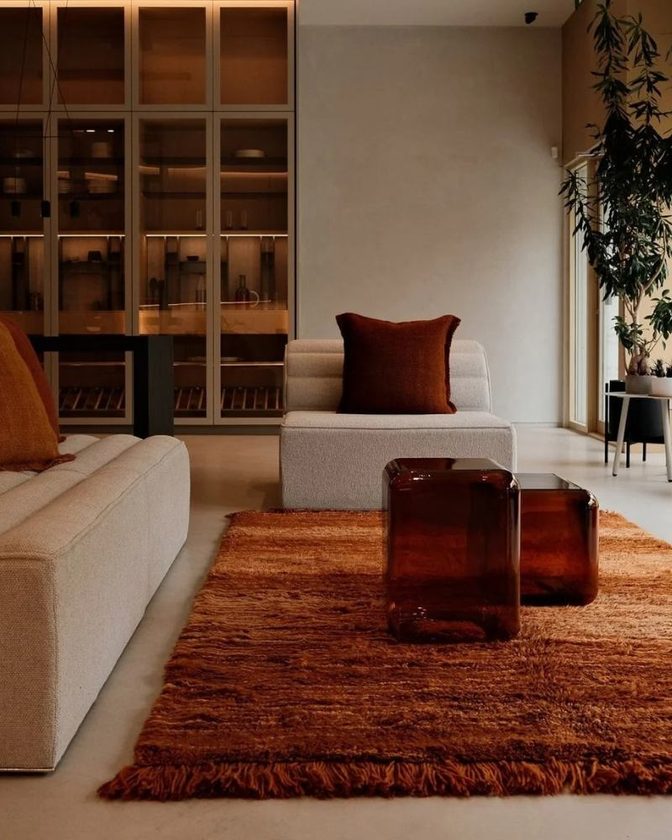
1. Obakki
Best for: warm-hued handwoven wool rugs
Categories: Area Rugs, Runners, Accent Rugs
Obakki partners with artisan weavers primarily in Oaxaca, Mexico — including individual makers like José — who hand-dyes and weaves rugs on a traditional pedal loom using locally sourced sheep’s wool and natural dyes derived from native plants. The brand also works with Rrres Design Studio, a Latin American studio dedicated to preserving traditional Oaxacan weaving techniques, and sources handwoven textiles from artisan communities beyond Mexico as well, including Morocco.
Each rug is made from 100% wool with no synthetic dyes or backing. Most pieces are made-to-order with a 4-8 week production window, shipped directly from the artisan partners.
Price Range: $460 – $4,159
Conscious Qualities: Natural Fibers, Natural Dyes, Craft Preservation
2. Kiliim
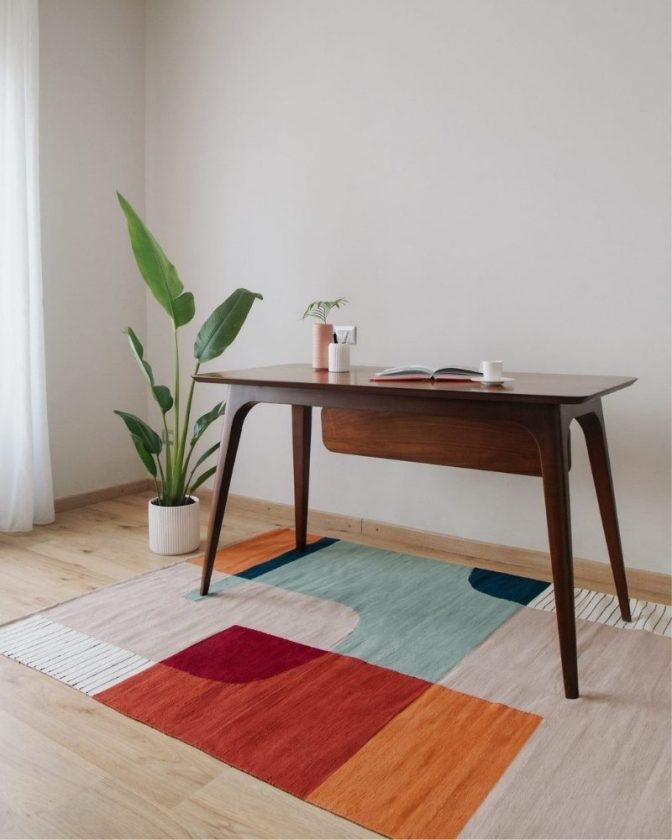
Best for: modern wool kilim rugs
Categories: Area Rugs, Accent Rugs
If you’re well-versed in rug terminology, you may recognize that this brand’s name looks similar to the word kilim.
Kiliim’s rug are made using authentic kilim rug craftsmanship by artisans in Egypt coming from generations of kilim artisans. To ensure ethical production and to support the preservation of this heritage craft, Kiliim pays living wages to all artisans.
Price Range: $95 – $4,812
Conscious Qualities: Ethical Production, Heritage Craft Preservation, Natural Fibers
3. Urban Natural
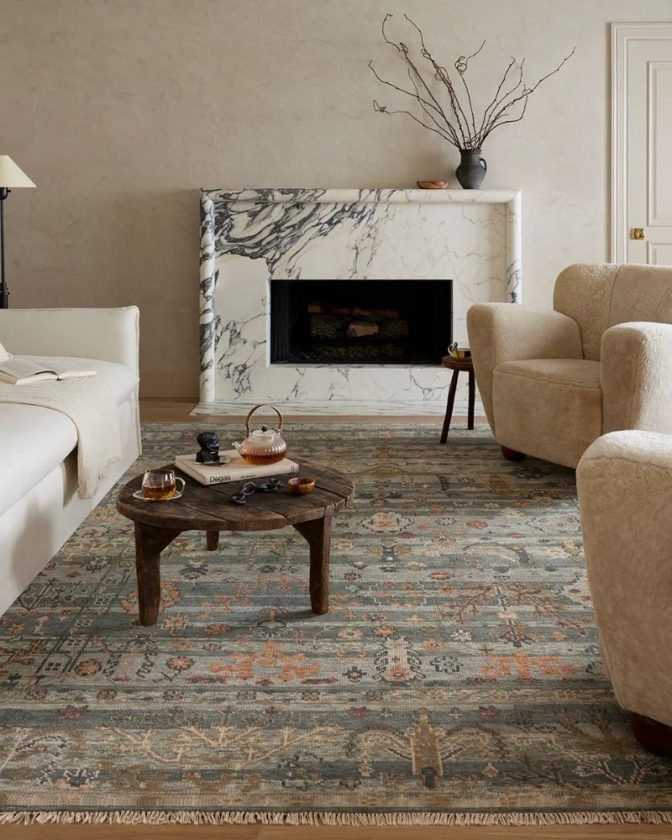
Best for: browsing fair trade rugs in lots of styles and sizes
Categories: Outdoor, Area Rugs, and Accent Rugs
This natural home and lifestyle retailer has a beautifully curated selection of sustainably-made rugs crafted with materials like jute, sisal, wool, and cotton.
Several brands on Urban Natural are also ethically hand-loomed or hand-knotted, such as Loloi — a GoodWeave partner — and Jaipur Living — a brand that partners with thousands of local artisans to sustain heritage crafts.
Price Range: $259 – $9,755
Conscious Qualities: Eco-Conscious Materials
4. LOOMY
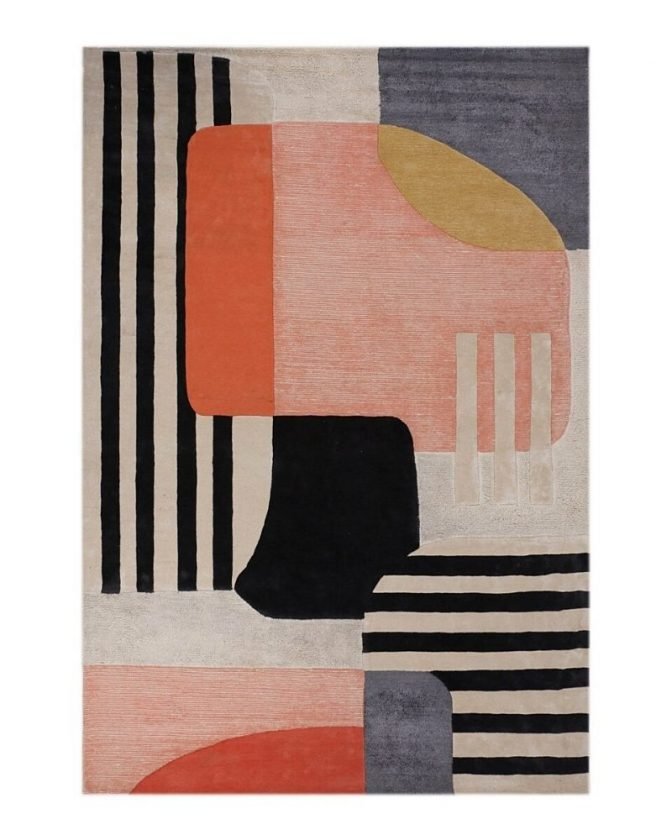
Best for: pet-friendly and performance rugs
Categories: Area Rugs, Accent Rugs, Runners, Outdoor Rugs
Founded by a weaver, LOOMY is dedicated to crafting beautiful artisan-made rugs that will last for decades to come.
LOOMY partners with highly-skilled artisan weavers who craft quality rugs made from eco-minded materials like banana silk, jute, and recycled cotton, plus performance options made from 100% recycled polyester built to withstand whatever life brings you.
Price Range: $298 – $8,298
Conscious Qualities: Natural Fibers, Craft Preservation, Vintage Options
5. West Elm
Best for: fair trade rugs in on-trend mainstream styles
Categories: Area Rugs, Accent Rugs
West Elm is bringing ethical rugs to a broader market with their collection of Fair Trade Certified wool and cotton rugs. While I recommend browsing the smaller shops listed above first, West Elm is supporting the movement to responsibly-made, fair trade rugs.
Price Range: $$$
Conscious Qualities: Fair Trade production, Majority Natural Materials
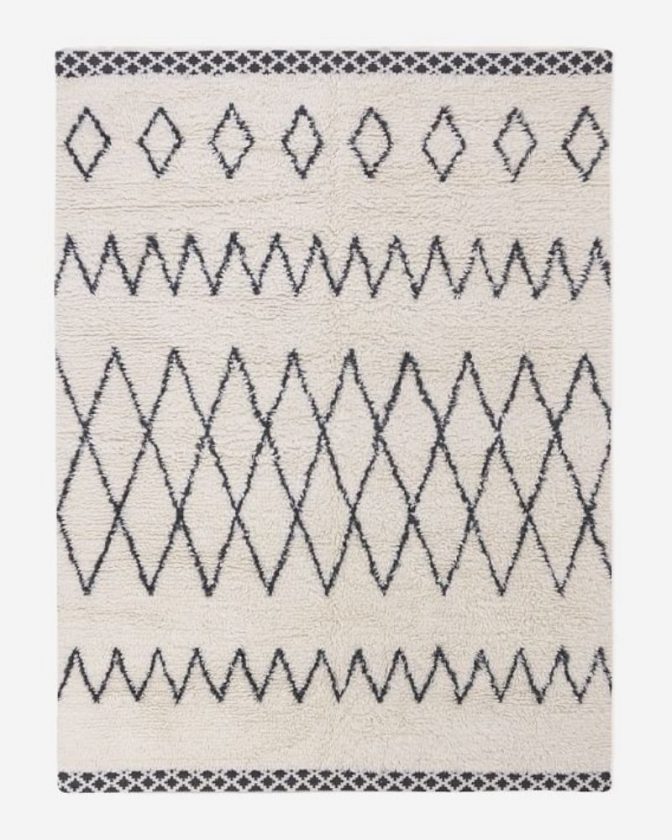
6. Jubi
Best for: Modern rugs in vibrant prints
Categories: Accent Rugs, Circle Rugs, Runners
Jubi is a Brooklyn studio founded by textile designer Cassie Dagostino. Every rug is handmade from New Zealand wool by fourth-generation weaving families in Bhadohi, India using traditional techniques. Each rug is made-to-order, meaning no excess stock. Since everything is made to order, expect between 3 and 7 weeks for your rug, depending on the technique used.
Conscious Qualities: Pays Above Market Rates, 100% Wool, Made-to-Order
Price Range: $228 – $668
Shipping: Free worldwide shipping
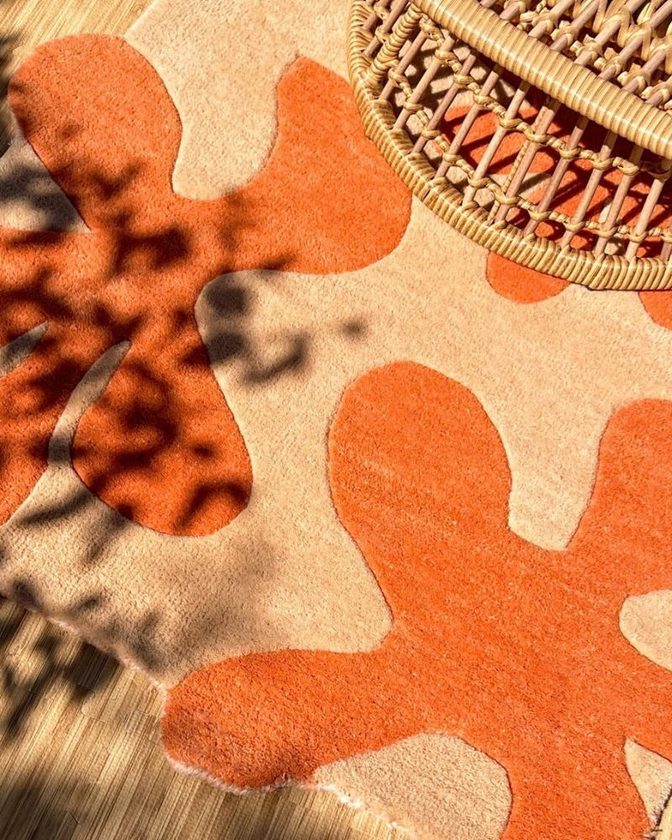
7. Rejuvenation
Best for: Classic rug styles made in Fair Trade factories
Categories: Accent Rugs, Runners, Area Rugs
Home retailer Rejuvenation has a selection of rugs made in Fair Trade Certified factories. Their collection includes undyed hand-loomed rugs to geometric flatwoven wool rugs. And while I’d typically avoid synthetics, it tends to be unavoidable for outdoor rugs — so Rejuvenation’s Fair Trade 100% recycled poly rug is a good option.
Conscious Qualities: Fair Trade Certified, Mostly Natural Materials
Price Range: $79 – $1,649
Shipping: Contiguous U.S. shipping for 10% of product price (add $20 for HI, AK, and US. territorries)
Liked this guide to ethical rugs? You might also enjoy:
Ethical Home Decor Brands to Curate a Beautiful, Conscious Space
Eco-Friendly Furniture to Furnish Your Home Sustainably
Fair Trade and Eco-Friendly Blankets to Cozy Up With
The post 5 Best Ethical Fair Trade Rugs to Elevate Your Space appeared first on Conscious Life & Style.
As a longtime book lover, I may be biased, but I think a full bookshelf is one of the most beautiful additions to a space. There’s nothing better than seeing a showcase of your favorite reads alongside a TBR list.
A bookcase, though, can of course be used for all sorts of purposes from placing your favorite photos of family and friends to showcasing treasured vintage finds.
Whatever the case, this guide will help you find the right sustainable bookshelf for your living room, office, or wherever you like to cozy up with a good read!
So what make a bookcase more sustainable? What makes a bookshelf non-toxic?
First of all: sustainable and non-toxic are two overlapping — but distinct — criteria. And both of those terms can come with a lot of opinions and varying definitions.
When it comes to sustainable bookcases, I look for:
- Responsibly Sourced Materials: most bookshelves are made primarily with wood. While natural, unsustainable wood sourcing can be a cause of deforestation, so we want to see that the wood was from responsibly managed forests or made from reclaimed or repurposed wood. Some bookshelves may feature metal, in which case recycled materials here are important.
- High Quality Construction: sustainability includes longevity — how long will you be able to use that furniture piece before it goes to the landfill and gets replaced? Look for transparency around craftsmanship and woodworking processes. Another sign of quality is the length of warranty a company has for its products.
- Ethically Made: this one is straightforward in theory — were the people making it paid fairly and working in safe conditions? — but is unfortunately not always easy to find information. In this category,