Connect with us

Published

on

Energy efficiency grants can play a crucial role in helping small and medium-sized enterprises (SMEs) in Australia reduce their energy consumption, lower operational costs, and contribute to environmental sustainability.

The Energy Efficiency Grants initiative for Small and Medium-Sized Enterprises is aiding businesses in upgrading or replacing inefficient equipment. So here goes our #1 guide to energy efficiency grants for Aussie SMEs.

This program is designed to help companies reduce their energy consumption and enhance overall energy efficiency. Additionally, it aims to determine the impact of energy price change on businesses.

But What are SMEs?

SMEs stand for Small and Medium-sized Enterprises. SMEs are businesses that fall within a specific range of size criteria, which can vary by country.

Generally, SMEs are characterised by factors such as the number of employees, annual turnover, and total assets. The exact criteria can differ, but they typically include:

Micro-enterprises

  • Employees: Fewer than ten employees
  • Annual Turnover or Balance Sheet Total: Not exceeding a certain amount

Small Enterprises

  • Employees: 10 to 49 employees
  • Annual Turnover or Balance Sheet Total: Exceeding the limit for micro-enterprises but not exceeding a certain amount

Medium-sized Enterprises

  • Employees: 50 to 249 employees
  • Annual Turnover or Balance Sheet Total: Exceeding the limit for small enterprises but not exceeding a certain amount

These definitions can vary by industry and country. SMEs play a crucial role in the economy, contributing to job creation, innovation, and economic development. They are often considered the backbone of many economies around the world.

Energy Efficiency Grant Program for SMEs

The primary objectives of this program include:

  • Enhancing practices related to energy efficiency.
  • Raising awareness and promoting the adoption of energy-efficient technologies.
  • Supporting small and medium-sized businesses in effectively managing their energy consumption and associated costs.
  • Decreasing greenhouse gas emissions.

The anticipated outcomes are as follows:

  • Heightened awareness regarding opportunities for energy efficiency.
  • Assistance provided to small and medium businesses in conserving energy and reducing their electricity expenses.

Contributing to Australia’s commitment to reduce carbon emissions by 43% from 2005 to 2030.

Application Details

A second round of grants is scheduled to open in early 2024. The initial round concluded for new applications in April 2023.

For updates on current and upcoming Australian grant opportunities, you can subscribe to alerts on GrantConnect.

How can the Energy efficiency Grants be Appropriately Utilised for SMEs

Properly utilising these grants involves a strategic approach, considering SMEs’ unique needs and challenges.

Here’s a thorough discussion on how SMEs in Australia can effectively utilise energy efficiency grants:

Awareness and Education:

Workshops and Training Programs: Conduct workshops and training sessions to raise awareness among SMEs about the availability of energy efficiency grants. Provide information on the potential benefits and the application process.

Energy Audits:

Subsidised Energy Audits: Use grants to subsidise energy audits for SMEs. These audits can identify areas where energy efficiency improvements can be made. It also helps Australian industries understand their current energy usage patterns and potential savings.

Technology Adoption:

Financial Support for Upgrades: Offer financial assistance for SMEs to invest in energy-efficient technologies, such as LED lighting, energy-efficient HVAC systems, and smart energy management systems.

Technology Consultation Services: Provide consultancy services to help SMEs choose the most suitable and cost-effective energy-saving technologies.

Implementation Support:

Project Implementation Grants: Offer grants to support the implementation of energy-saving projects. It can include assistance with the installation of energy-efficient equipment or systems.

Access to Experts: Facilitate access to experts or consultants who can guide SMEs through the implementation process, ensuring that the energy efficiency measures are effectively integrated into their operations.

Monitoring and Measurement:

Data Monitoring Systems: Allocate funds for implementing energy monitoring systems that allow SMEs to track their energy usage in real-time—this helps identify deviations from expected energy savings.

Performance Benchmarking: Establish benchmarks to measure the performance of implemented energy efficiency measures and provide ongoing support to ensure continuous improvement.

Capacity Building:

Training Programs: Develop training programs to enhance the skills of SME staff in energy management. It empowers them to identify and implement energy-saving measures on an ongoing basis.

Networking Opportunities: Facilitate networking opportunities for SMEs to share experiences and best practices in energy efficiency, fostering a community of businesses committed to sustainable practices.

Documentation and Reporting:

Grant Compliance Assistance: Support SMEs to ensure they meet the reporting requirements associated with the grants. It includes documenting the impact of energy efficiency measures on their operations and the environment.

Promotion and Recognition:

Publicise Success Stories: Showcase successful energy efficiency projects among SMEs to inspire others and build awareness of the positive outcomes achievable through these grants.

Recognition Programs: Establish recognition programs or awards to acknowledge SMEs demonstrating exceptional commitment to energy efficiency and sustainability.

Policy Advocacy:

Collaboration with Government: Collaborate with government bodies to advocate for policies that encourage and support energy efficiency initiatives among SMEs. This can include lobbying for increased funding for grants and streamlined application processes.

Long-Term Support:

Sustainability Planning: Assist SMEs in developing long-term sustainability plans beyond the grant period, ensuring that energy efficiency remains a priority in their business strategy.

Continued Support Services: Establish a support mechanism to address any challenges or questions SMEs may have after the grant period, fostering a lasting commitment to energy efficiency.

Benefits of Energy Efficiency Grant for SMEs in Australia

Energy efficiency grants for small and medium-sized enterprises (SMEs) in Australia offer a range of benefits to businesses, the broader economy, and the environment.

Here are some key advantages of these grants:

Cost Savings:

Implementing energy-efficient technologies and practices can significantly reduce energy consumption, lowering SMEs’ utility bills and operational expenses.

Financial Incentives:

Grants provide financial assistance for SMEs to invest in energy-saving technologies and upgrades, reducing the financial burden of adopting these measures.

Improved Competitiveness:

Businesses prioritising energy efficiency may gain a competitive edge by demonstrating a commitment to sustainability. This can attract environmentally conscious consumers and partners.

Environmental Impact:

Energy efficiency measures help decrease greenhouse gas emissions, contributing to environmental sustainability and aligning businesses with broader environmental goals.

Compliance and Certification:

Some grants may come with requirements for meeting specific energy efficiency standards. Compliance with these standards ensures eligibility for the grant and helps SMEs stay in line with evolving environmental regulations.

Technological Upgrades:

Grants enable SMEs to adopt the latest energy-efficient technologies, enhancing their operations’ productivity, reliability, and overall efficiency.

Job Creation:

Implementing energy efficiency projects requires skilled labour for design, installation, and maintenance, contributing to job creation within the community.

Capacity Building:

Training and capacity-building programs supported by grants enhance the skills of SME employees, making them more adept at identifying and implementing energy-saving measures.

Long-Term Savings:

Energy efficiency grants encourage SMEs to adopt sustainable practices that yield long-term benefits, helping them build resilience against future energy price fluctuations.

Community and Stakeholder Engagement:

Businesses pursuing energy efficiency initiatives supported by grants can enhance their reputation and foster positive relationships with customers, suppliers, and the local community.

Innovation and Research:

Grants can stimulate innovation in developing new energy-efficient technologies and solutions, fostering a culture of continuous improvement and adaptation.

Reduced Reliance on Fossil Fuels:

Energy efficiency measures can reduce dependence on traditional energy sources, promoting a more diverse and resilient energy supply for businesses.

Government and Industry Collaboration:

Collaboration between the government and SMEs in the energy efficiency sector can contribute to economic growth by fostering innovation and creating new business opportunities.

Risk Mitigation:

Implementing energy efficiency measures can enhance energy security for SMEs by reducing their vulnerability to energy supply disruptions and price volatility.

Societal Benefits:

Energy efficiency measures can improve indoor air quality and working conditions, positively impacting the health and well-being of employees.

In summary, energy efficiency grants offer many benefits, ranging from immediate cost savings and financial incentives to long-term environmental sustainability and enhanced competitiveness for small and medium-sized enterprises in Australia.

Your Solution Is Just a Click Away

The post 1 Guide to Energy Efficiency Grants for Aussie SMEs appeared first on Cyanergy.

1 Guide to Energy Efficiency Grants for Aussie SMEs

Continue Reading

Renewable Energy

Guiding America’s Future

Published

on

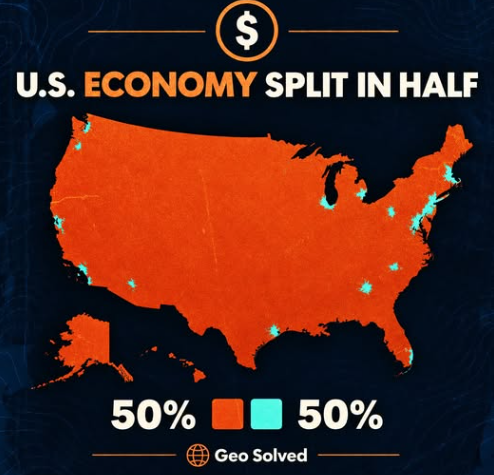
It’s easy to understand how Trump has great appeal to the hateful idiots and the amoral rich.

It’s much harder to see how it’s possible that a huge number of eligible voters are uninvolved in guiding the future of the United States, with many of them saying that “both sides are the same.”
Guiding America’s Future

Continue Reading

Renewable Energy

It’s PEOPLE Who Vote

Published

on

We often hear the MAGA folks claim that voting in the U.S. disproportionate favors the people in big cities, mostly along the coasts.

The obvious response: People vote, not acres of land.

And yes, it’s true that Trump has little appeal to the well-educated, highly productive people in Southern California, the Bay Area, the Mid-Atlantic, New England, other large cities like Chicago, Phoenix, Houston, and Seattle.

It’s PEOPLE Who Vote

Continue Reading

Renewable Energy

Global fleet, local knowledge: closing wind’s expertise gap

Published

on

Weather Guard Lightning Tech

Global fleet, local knowledge: closing wind’s expertise gap

This exclusive article originally appeared in PES Wind 3 – 2026 with the title, Global fleet, local knowledge: closing wind’s expertise gap. It was written by Allen Hall and other members of the Weather Guard Lightning Tech team.

As wind fleets expand across increasingly diverse operating environments, the expertise needed to solve their problems is becoming more dispersed. Closing the industry’s knowledge gap means connecting local challenges with specialist experience from across the global wind sector and beyond.

An operator finds something on a blade they have not seen before. Who do they call? The engineer who designed that blade moved on years ago. The service provider has not seen the problem either. Somewhere in the world, there’s probably a person who has spent 15 years working on precisely that failure mode. But there’s no reliable way to find them.

That scenario plays out again and again. It’s rare that a problem is unsolvable. A solution exists somewhere. The bigger problem is finding that solution, or the person close to solving it.

Wind has become a large, geographically dispersed industry with roughly 1.3 TW of installed capacity. The technical knowledge required to keep it running has dispersed with it. The knowledge is real, deep and often highly specialized, but it is scattered across the globe in small teams working in different markets.

This is not the first global industry to discover that no single organization can hold every discipline, and that different parts of the world present different problems.

Two answers, one problem

In January 2023, Andrew Billingsley took a call from Ørsted asking whether his company could recycle wind turbine blades. Billingsley is CEO of Plaswire, a polymer processor in Northern Ireland. It was not a wind company. Plaswire’s business had been built on finding a way to use plastics from aircraft seat manufacturing and other waste nobody else would handle: residue pulled out of biodigesters and municipal waste plants.

He said yes before he was certain the company could do it.

Plaswire had a proprietary process for combining polymers that materials engineers said couldn’t be combined. Ground blade fiber mixed well with the combined polymer. Plaswire says it now has capacity to process up to 11,000 tonnes of blades a year and has increased blade content in its product from ten percent to thirty percent. The company also reports that the resulting structural components can outperform the concrete and timber alternatives they replace.

The same waste stream produced an entirely different answer on the other side of the Atlantic. Everpoint Services in Houston, Texas decommissions wind and solar assets, leaving the company tasked with repurposing fiberglass blades. At a birthday party, Everpoint CEO Tyler Goodell put that problem to James Timmins, a drilling engineer who had spent his career planning and overseeing drilling operations for major oil companies.

Timmins realized that ground blade fiber might work as a fluid loss additive in oil, gas, and geothermal drilling, where fluid escaping into the formation can cost tens of thousands of dollars a day. Everpoint spent the next two years turning that idea into a product. The company says BladeBlok is patented and shipping globally from Houston.

Two regions, two answers, both effective. And in retrospect, it makes perfect sense. Northern Ireland has decades of depth in polymers and injection molding, so its answer was a polymer. Houston is a center of the global oil and gas industry, so its answer was drilling mud. Neither answer came out of the wind industry. Both came from regional industrial expertise meeting a problem that happened to land next to it.

Looking beyond Denmark

Modern wind turbine engineering grew up in Denmark, and in many ways it still lives there. The most prevalent turbine design was refined by Danish engineers. DTU Wind and Energy Systems still anchors much of the research on wind turbines. Ask a hard aerodynamic question today and there is a fair chance the answer comes from within Denmark.

What has changed is that designing turbines and operating them are different problems. They no longer happen in the same places. A machine is designed in a small number of locations. It is then operated wherever the wind blows: West Texas, Queensland, Gujarat, the North Sea, and the Spanish meseta.

The fleet is also getting older and more varied as it grows. Machines commissioned during the last boom are aging in ways nobody modeled, on sites with conditions nobody anticipated. That combination generates operational questions faster than any single organization can answer them. Those questions are local, specific, and urgent. Now, companies all over the world are being asked to solve wind’s problems with legacy knowledge, often from an adjacent industry, that originated a long way from where the turbine was built.

The same blade, four climates

The industry’s leading-edge erosion wisdom is shaped largely by northern European conditions. It is a real problem, well studied and well understood. It is also not the same problem in West Texas, where the air carries dust and insects, and where inspections routinely find turbines one to three years old that look as though they have run for far longer. Will Howell of Armour Edge describes one site near an open-cast mine where airborne marble particulates were destroying blades within two seasons.

India produces a variant that exists nowhere in Europe. During the northern dry season, a sticky, tar-like dirt builds on the blades until the flow separates and the blade effectively stalls. The monsoon washes it away. PowerCurve reports that the use of vortex generators in India has produced some of the largest energy gains it has recorded, exceeding five percent across a full year. India is now the fourth-largest wind market on earth, surpassing 56 GW; last year it added more capacity than Germany did.

Rosemary Barnes worked for a Danish blade manufacturer before returning to Australia in 2021 to work in operations. There, she found blades behaving unlike the ones she had known in Europe. The standard method of predicting erosion severity combines annual rainfall with tip speed. But when Barnes plotted Australian sites with known erosion problems against those two axes, she got a random scatter. The model had no predictive value in Australia.

Her firm, Pardalote Consulting, is now placing scientific-grade sensors in Australian wind farms to establish what actually drives erosion there. [Barnes is also a regular host of The Uptime Wind Energy Podcast.]

A library of experts

Today, finding the right specialist can be difficult.

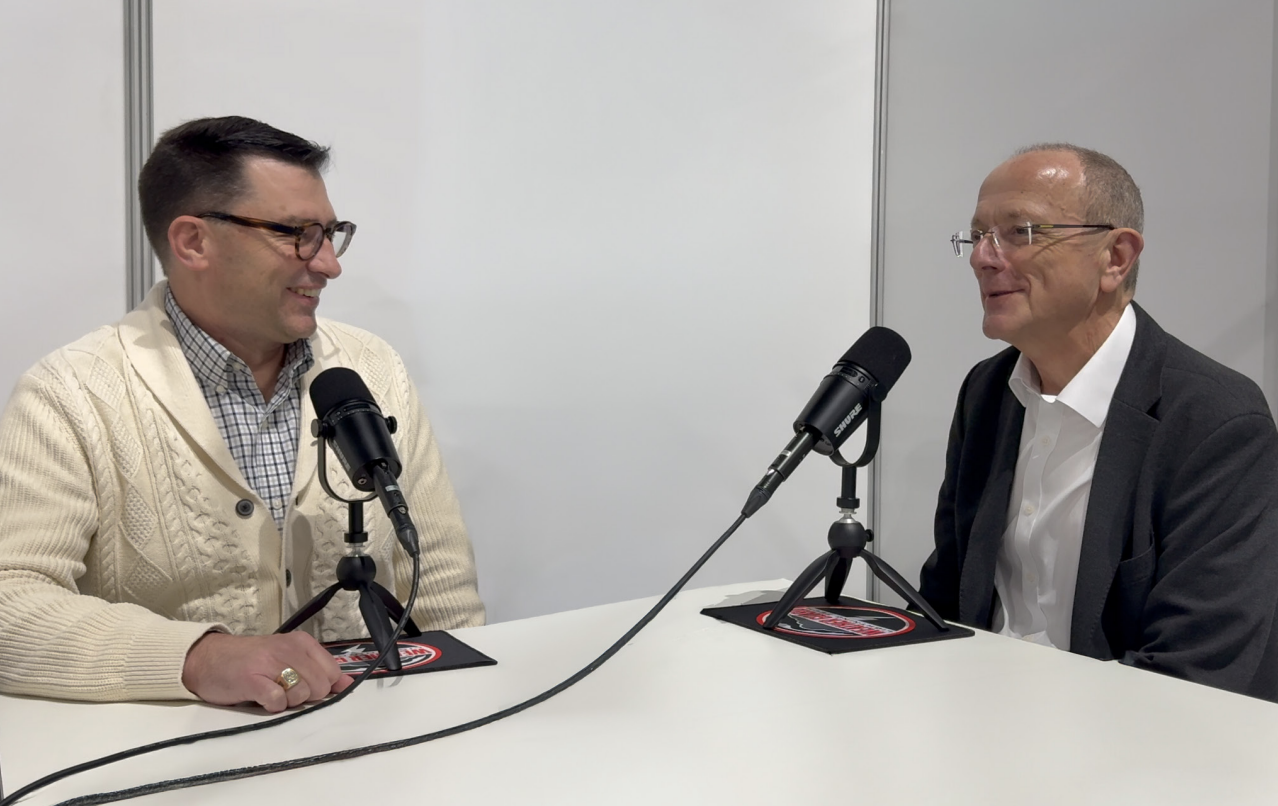
After six years hosting the Uptime Wind Energy Podcast, I increasingly think of the podcast as a library. In the past year alone, we’ve highlighted solutions from companies in Latvia, Denmark, Northern Ireland, Spain, Australia, Scotland, and the United States. As an organizer of the Wind O&M Australia event, one of our goals has been to bring international expertise to the local market. And similarly, to allow the global market to learn from knowledge that has been internal to Australia.

The answers are out there

The wind industry does not have time to solve the same problem twice. Fleets are aging, budgets are tight, and a blade defect that sits unresolved for a season costs real production. The pressure is to move faster, and the fastest way to solve a problem is rarely on your own. The fastest way to solve a problem is to find the person who has solved it. That search has to be a global one. The specialist who understands your failure mode may be in Copenhagen, Riga, Edinburgh, or Houston, working for a company you have never heard of. Geography is not a reason to rule them out. Increasingly it is the reason to go looking. The Uptime Wind Energy Podcast has become one way of documenting that dispersed expertise, bringing together specialists working on specific problems across different markets.
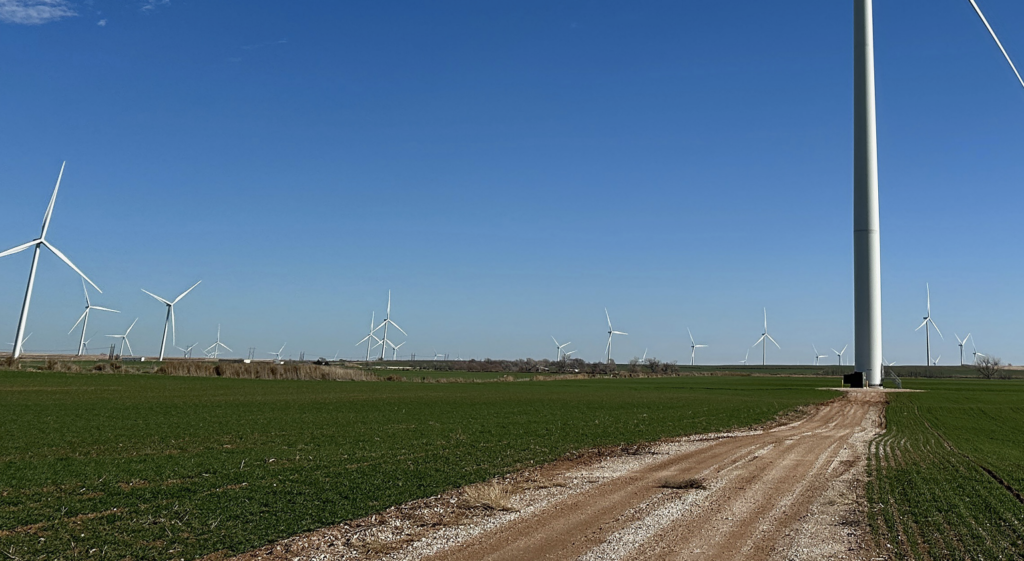
wind turbines operate in a variety of climates facing a variety of problems

The answers are out there.

Unless otherwise noted, images here are from The Uptime Wind Energy Podcast.

Contact us for help understanding your lightning damage, future risks, and how to get more uptime from your equipment.

Download the full article from PES Wind here. Previous articles you may want to read:

Find a practical guide to solving lightning problems and filing better insurance claims here

See how a cohesive operational strategy can dramatically improve reliability and profitability

Global fleet, local knowledge: closing wind’s expertise gap

Continue Reading