

HiWi is the abbreviation for the German term ‘Hilfs-Wissenschaftler*in’, which translates to research assistant, and describes a job position for students, often offered by faculties or research institutes. I am definitely not talking about the second definition given by German Wikipedia.
For nearly six years I’ve been one of many HiWis, going through research groups and following up on a range of tasks. I spent weeks of my life literally just scanning documents, but I also went on 10 international research missions. I met great people, built friendships and networks. I also found myself in situations that I wouldn’t wish on anyone. But to leave no room for any doubt; I loved being a HiWi, jumping at any field work opportunity, often taking the initiative, actively asking to join projects or research cruises. To this day I have good relations with my previous superiors, and I know that they only want the best for me. I’ve been very lucky in all of this.
However, I saw the flaws in the system and there are many stories out there, where inexperienced but motivated students/early-carrier scientists were taken advantage of, often under false pretenses and promises. So, I would like to take the opportunity to address some of these issues.

First and foremost is the critical, yet nuanced point of wages. At the core of it, a HiWi position remains a student job and is therefore a source of income. Personally, I was in a financial situation where I needed to generate an income and there are many others out there that similarly rely on a regular income to cover the cost of living. A HiWi position is particularly attractive because it pays while offering contacts and experience in your research field. However, it is no secret that there is little money in research. No surprise that the usual hourly HiWi pay corresponds to the minimum wage, often regardless of the experience or the degree that may be brought along. In contrast, for most other public positions, a higher degree is acknoweledged with a higher salary.
An argument often brought forward is that HiWi positions are not meant to provide a living (really, no student job should since you are a fulltime student) but are about gaining experience. While clearly, I’ve gained a lot of experience and have certainly been benefiting from that in many ways, this argument leaves a bitter aftertaste: does this mean that research experience is a financial privilege? That only those that can afford to earn less, have the opportunities to gain experience in laboratories and in the field outside of their curriculum? And that this is an acceptable state at research institutes? The German Federal Office of Statistics stated in a press release that 38.5 % of students in Germany are at risk of poverty (https://www.destatis.de/DE/Presse/Pressemitteilungen/2022/11/PD22_N066_63.html). This is a systematic issue and nobody expects HiWi hiring institutes to solve this, but I want to put it out here, that many students can simply not afford to be a HiWi. Yet, agreeing to a salary is a decision everyone needs to make for themselves. As you can guess from my brief intro, I agreed and managed to work for most of my studies at minimum wage because of comparably low rents in Kiel, a low budget lifestyle, financial aid, and because I really burn for that whole going-to-sea-shit.
Casually putting the big discussion about the ever growing socio-economic gap in Germany aside, I’d like to address another salary aspect: the real hourly wage. Many HiWis work significantly more hours than their contract calls for without claiming them, effectively decreasing their hourly wage.
Often, working hours are kept flexible or are restricted to a period of field work, which works better for student’s timetables. Rather than agreeing on fixed working hours, it is often about a certain task that needs to be finished by a certain time and date. While this seems attractive at first, in many cases, this leads to HiWis putting in extra time, as tasks may take longer than anticipated by superiors. This is particularly true, when there are only poor instructions given – often because tasks seem trivial to a person working in the field for years already – and honestly, in that moment it feels embarrassing to ask for more explanations as a HiWi. Especially field work is a HiWi trap because many students are extremely eager to get their hands dirty. To make sure we get to go in the field again we accept long working hours, wild working times and poor supervision, trying our hardest to leave a good impression. In 2022 I spend roughly 6 months at sea aboard research vessels. What do you think? Did I work my contractually agreed 20 hours a week?

This brings me to the more emotional and therefore trickier aspects: responsibilities and reputation. And as we gain experience and prove ourselves, we are ‘awarded’ with more responsibilities, which is a double-edged sword. Of course, it is a great feeling to do something yourself, maybe flattering even to know your superiors trust in your abilities, and yes, it will probably look great on your CV. But it is important to see when tasks are simply above your pay grade. I had to face this rather brutal reality after I had worked myself towards the brink of mental and physical health. During a two-month long research cruise I worked very long hours as a laboratory lead, feeling permanently sleep-deprived, stressed, insufficient, and lonely. Months later, I properly counted the hours I had worked and reflected on the emotional toll this had taken on me. I came to the sobering conclusion that I scraped the edge of a mental break-down for less than 2,50 € an hour, receiving little to no recognition. While I was able to communicate and discuss this situation with my superiors, I’ve seen other HiWis working roughly 800 % of their contractual hours, never being paid for the extra time spend. So please, whatever you do: know your worth! So even though it can be hard to formulate such issues to your superiors, it is important to discuss workload and -times.
Additionally, many institutions expect travel expenses to be paid upfront, reimbursing employees later, after an application process. This hits particularly hard when you are a student with little financial freedom (again, according to the press release stated above, every 4th student isn’t even in the financial situation were they are able to pay for unexpected, bigger expenses). Additionally, insecurities arise when you are unfamiliar with bureaucratic applications. The system of reimbursement is often slow, hard to understand, and generally rather opaque for students. Some of my reimbursement processes took more than 9 months and did often not clearly state, which trip it was for. Do better than me: keep track of that shit! And ask more experienced people for help, or if it is possible, avoid this kind of situation all together and find solutions with your superiors.

This brings me to another point that often seems to fall under the table: as a HiWi you have normal employee rights. This may seem obvious when reading, but many students are not aware of that when starting on a HiWi position. For instance, you are entitled to receive continued payment when you are sick, and you are also insured by your employer during working hours and on your way to and from work. There are first motions of unionizing and many information points or counseling centers at universities so make sure to get informed (some links are provided below).
Last but not least, the social aspects: again, especially field work is a minefield because you get to know people on a much more intimate level than in an office. While many great relations may grow from this, there might also be situations where feelings are not mutual. Worst case scenario, there is a misunderstanding between people of different levels of responsibility, maybe even crossing of boundaries. Situations in which I felt uncomfortable include being asked to leave a professional meeting because of my political views, people regarding me as unfit for tasks due to my gender, questions about my sexuality, unasked voicing of opinions on my body, and even proposals of higher positions in exchange for sexual favors. Again, I’ve been lucky enough to have had good people around me, and to have been at an institute with strong gender equality representatives, but even so, some of these experiences were hard to talk about and for several ones I didn’t even grasp the scope until much later. If you ever find yourself in a situation like this, or realize in hindsight that something was not okay, please talk about it to a trusted person!
Finally, I can only repeat that I loved being a HiWi and I would not be where I am today without it. I would have probably quit my studies if it wasn’t for my HiWi job reminding me what I was working towards. But I wished I would have stood my ground firmer on a few occasions, demanded more, been more critical with the system and had better knowledge of my rights and exercised them more vigorously. I’ve been told that the system has come a long way already – but I find that is no argument to accept a situation that still has a lot of room for improvement.
I hope that addressing some of these issues helps with progress. So, to all students, look out for yourselves. And to all superiors, don’t underestimate your impact. I’m hoping this helps someone out there, and with this,
Peace out
Johanna
Some helpful links in case you are now motivated to learn about HiWi rights (unfortunately most in German, sorrey):
https://www.verdi-studierende.de/tv-stud/material-tv-stud/broschuere-studentische-hilfskraefte.pdf
https://www.verdi.de/presse/pressemitteilungen/++co++71a27128-98a2-11ed-9291-001a4a16012a
https://www.meinpraktikum.de/ratgeber/studentische-hilfskraft-faq



A lot has happened in the meantime: I became an Associate Professor at the University of Southern Denmark, we all lived through the Corona period, then slowly adjusted to the post‑pandemic stability, only to find ourselves again in turbulent political times. I am now affiliated with the Marine Research Center in Kerteminde, a beautiful coastal town on the island of Fyn. My plan is to share small updates on my research and activities every now and then. So let’s start with yesterday’s sampling trip for benthic phytoplankton, carried out by my colleague, Prof. Kazumasa Oguri. The sampling will help prepare for the first‑semester bachelor students who will join his small but fascinating project. This project is all about the benthic diatoms that form dense, photosynthetic communities on tidal‑flat sediments. Their daytime oxygen production enriches the sediment surface and allows oxygen to penetrate deeper, supporting diverse organisms that rely on aerobic respiration. The project will explore how oxygen distribution and oxygen production/consumption in sediments change under different light conditions (day, night, sunrise/sunset). The team will incubate benthic diatom communities in jars and measure oxygen profiles using an oxygen imaging system under controlled light regimes.
Yesterday, we visited several potential sampling sites where students can carry out their fieldwork. I encourage all PIs in our group to define at least one small project related to Kerteminde Fjord, where our laboratories are located. Over time, I hope we can build a more integrated dataset describing the marine and coastal ecosystems of the area.
Another activity currently in preparation is a project on marine invasive species in Kerteminde, which will feed into a course I will run in July and a master’s thesis project. More will come later.
Let’s hope for a more continuous blog from here on, keeping track of our activities, with or without jellyfish!
You may have seen headlines recently about a new global treaty that went into effect just as news broke that the United States would be withdrawing from a number of other international agreements. It’s a confusing time in the world of environmental policy, and Ocean Conservancy is here to help make it clearer while, of course, continuing to protect our ocean.
What is the High Seas Treaty?
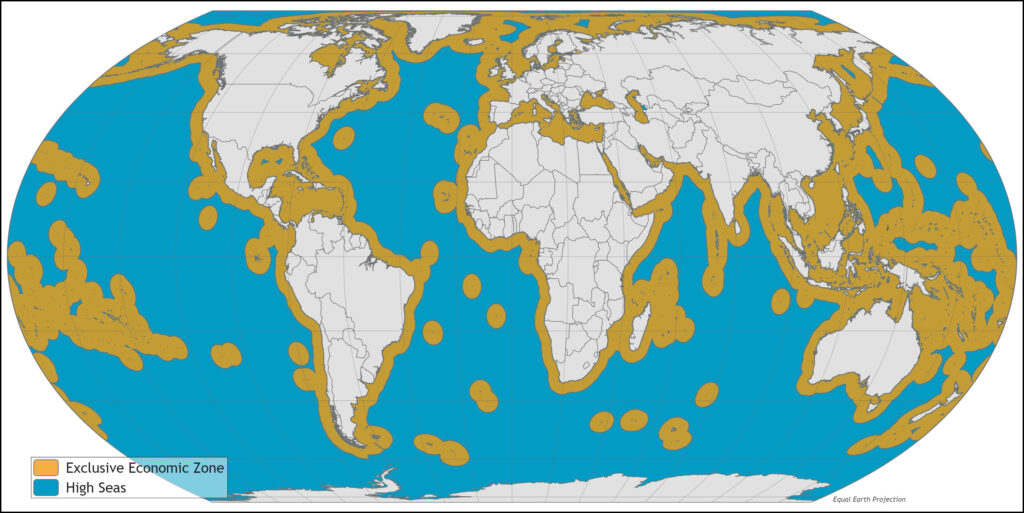
The “High Seas Treaty,” formally known as the Agreement on the Conservation and Sustainable Use of Marine Biological Diversity of Areas Beyond National Jurisdiction (BBNJ) Agreement, went into effect on January 17, 2026. We celebrated this win last fall, when the agreement reached the 60 ratifications required for its entry into force. (Since then, an additional 23 countries have joined!) It is the first comprehensive international legal framework dedicated to addressing the conservation and sustainable use of the high seas (the area of the ocean that lies 200 miles beyond the shorelines of individual countries).
To “ensure the conservation and sustainable use of marine biological diversity” of these areas, the BBNJ addresses four core pillars of ocean governance:
- Marine genetic resources: The high seas contain genetic resources (genes of plants, animals and microbes) of great value for pharmaceuticals, cosmetics and food production. The treaty will ensure benefits accrued from the development of these resources are shared equitably amongst nations.
- Area-based management tools such as the establishment of marine protected areas (MPAs) in international waters. Protecting important areas of the ocean is essential for healthy and resilient ecosystems and marine biodiversity.
- Environmental impact assessments (EIA) will allow us to better understand the potential impacts of proposed activities that may harm the ocean so that they can be managed appropriately.
- Capacity-building and the transfer of marine technology with particular emphasis on supporting developing states. This section of the treaty is designed to ensure all nations benefit from the conservation and sustainable use of marine biodiversity through, for example, the sharing of scientific information.
Get Ocean Updates in Your Inbox
Sign up with your email and never miss an update.
Why is the High Seas Treaty Important?
The BBNJ agreement is legally binding for the countries that have ratified it and is the culmination of nearly two decades of negotiations. Its enactment is a historic milestone for global ocean governance and a significant advancement in the collective protection of marine ecosystems.
The high seas represent about two-thirds of the global ocean, and yet less than 10% of this area is currently protected. This has meant that the high seas have been vulnerable to unregulated or illegal fishing activities and unregulated waste disposal. Recognizing a major governance gap for nearly half of the planet, the agreement puts in place a legal framework to conserve biodiversity.
As it promotes strengthened international cooperation and accountability, the agreement will establish safeguards aimed at preventing and reversing ocean degradation and promoting ecosystem restoration. Furthermore, it will mobilize the international community to develop new legal, scientific, financial and compliance mechanisms, while reinforcing coordination among existing treaties, institutions and organizations to address long-standing governance gaps.
How is Ocean Conservancy Supporting the BBNJ Agreement?
Addressing the global biodiversity crisis is a key focal area for Ocean Conservancy, and the BBNJ agreement adds important new tools to the marine conservation toolbox and a global commitment to better protect the ocean.
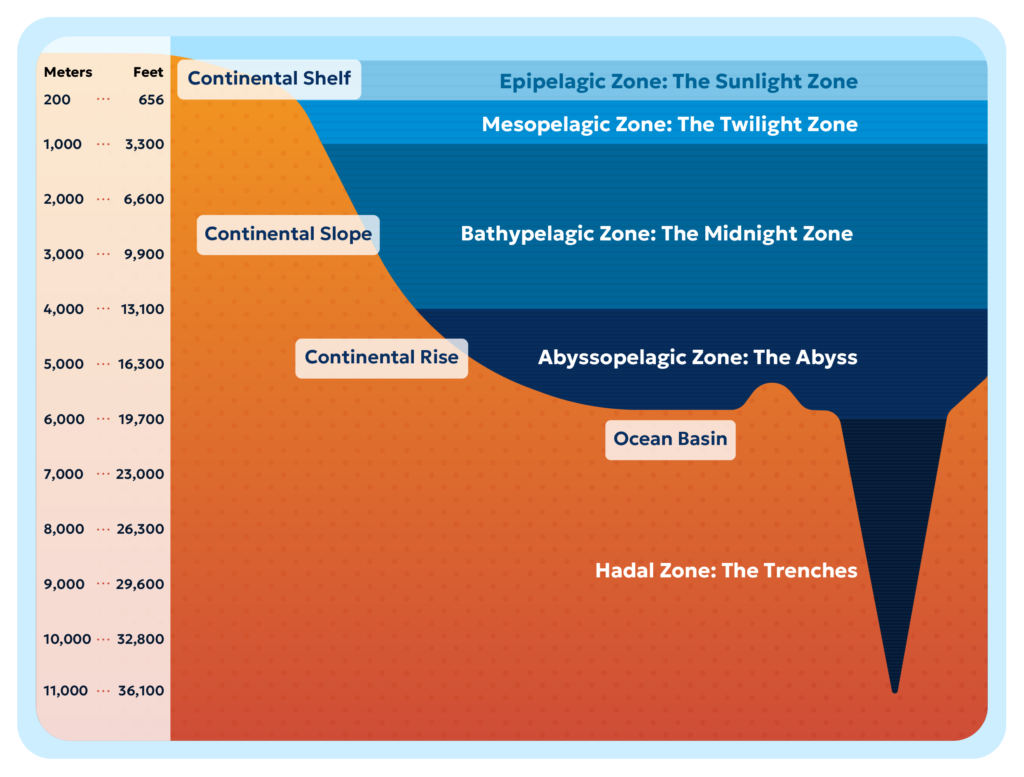
Ocean Conservancy’s efforts to protect the “ocean twilight zone”—an area of the ocean 200-1000m (600-3000 ft) below the surface—is a good example of why the BBNJ agreement is so important. The ocean twilight zone (also known as the mesopelagic zone) harbors incredible marine biodiversity, regulates the climate and supports the health of ocean ecosystems. By some estimates, more than 90% of the fish biomass in the ocean resides in the ocean twilight zone, attracting the interest of those eager to develop new sources of protein for use in aquaculture feed and pet foods.
Done poorly, such development could have major ramifications for the health of our planet, jeopardizing the critical role these species play in regulating the planet’s climate and sustaining commercially and ecologically significant marine species. Species such as tunas (the world’s most valuable fishery), swordfish, salmon, sharks and whales depend upon mesopelagic species as a source of food. Mesopelagic organisms would also be vulnerable to other proposed activities including deep-sea mining.
A significant portion of the ocean twilight zone is in the high seas, and science and policy experts have identified key gaps in ocean governance that make this area particularly vulnerable to future exploitation. The BBNJ agreement’s provisions to assess the impacts of new activities on the high seas before exploitation begins (via EIAs) as well as the ability to proactively protect this area can help ensure the important services the ocean twilight zone provides to our planet continue well into the future.
What’s Next?
Notably, the United States has not ratified the treaty, and, in fact, just a few days before it went into effect, the United States announced its withdrawal from several important international forums, including many focused on the environment. While we at Ocean Conservancy were disappointed by this announcement, there is no doubt that the work will continue.
With the agreement now in force, the first Conference of the Parties (COP1), also referred to as the BBNJ COP, will convene within the next year and will play a critical role in finalizing implementation, compliance and operational details under the agreement. Ocean Conservancy will work with partners to ensure implementation of the agreement is up to the challenge of the global biodiversity crisis.
The post What is the High Seas Treaty and Why Does It Matter? appeared first on Ocean Conservancy.
https://oceanconservancy.org/blog/2026/02/25/high-seas-treaty/
On Åland, the seasons change quickly and vividly. In summer, the nights never really grow dark as the sun hovers just below the horizon. Only a few months later, autumn creeps in and softly cloaks the island in darkness again. The rhythm of the seasons is mirrored by the biological station itself; researchers, professors, and students arrive and depart, bringing with them microscopes, incubators, mesocosms, and field gear to study the local flora and fauna peaking in the mid of summer.
This year’s GAME project is the final chapter of a series of studies on light pollution. Together, we, Pauline & Linus, are studying the effects of artificial light at night (ALAN) on epiphytic filamentous algae. Like the GAME site in Japan, Akkeshi, the biological station Husö here on Åland experiences very little light pollution, making it an ideal place to investigate this subject.
We started our journey at the end of April 2025, just as the islands were waking up from winter. The trees were still bare, the mornings frosty, and the streets quiet. Pauline, a Marine Biology Master’s student from the University of Algarve in Portugal, arrived first and was welcomed by Tony Cederberg, the station manager. Spending the first night alone on the station was unique before the bustle of the project began.
Linus, a Marine Biology Master’s student at Åbo Akademi University in Finland, joined the next day. Husö is the university’s field station and therefore Linus has been here for courses already. However, he was excited to spend a longer stretch at the station and to make the place feel like a second home.
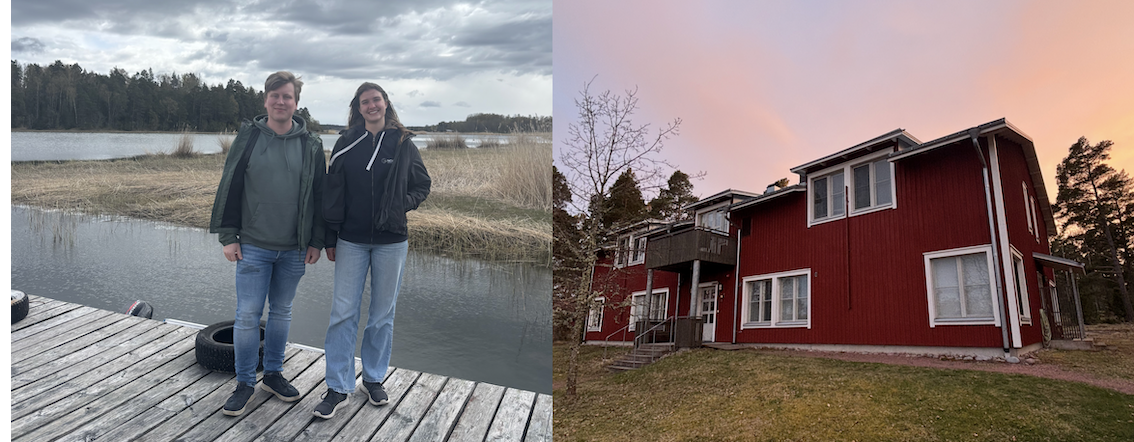
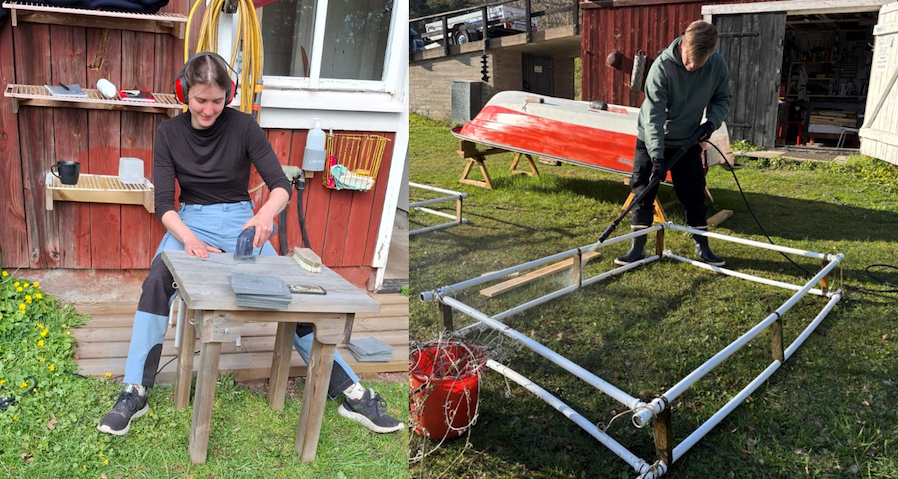
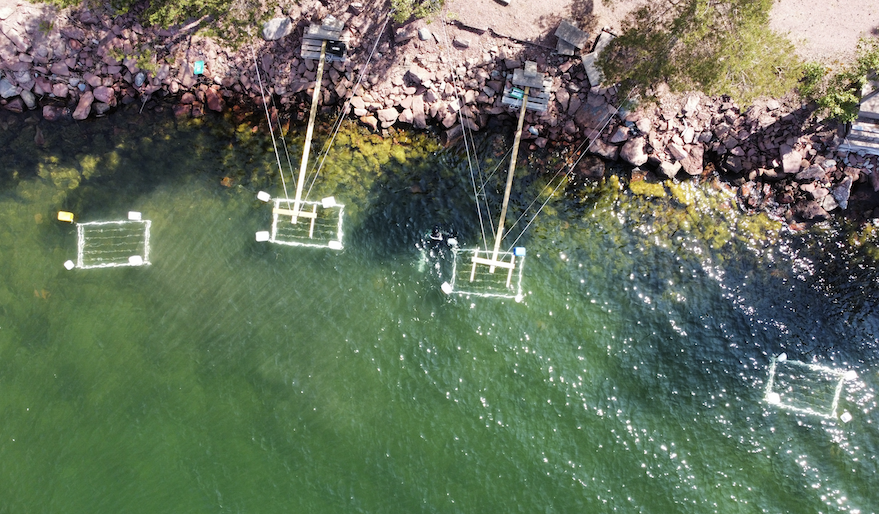
Our first days were spent digging through cupboards and sheds, reusing old materials and tools from previous years, and preparing the frames used by GAME 2023. We chose Hamnsundet as our experimental site, (i.e. the same site that was used for GAME 2023), which is located at the northeast of Åland on the outer archipelago roughly 40 km from Husö. We got permission to deploy the experiments by the local coast guard station, which was perfect. The location is sheltered from strong winds, has electricity access, can be reached by car, and provides the salinity conditions needed for our macroalga, Fucus vesiculosus, to survive.
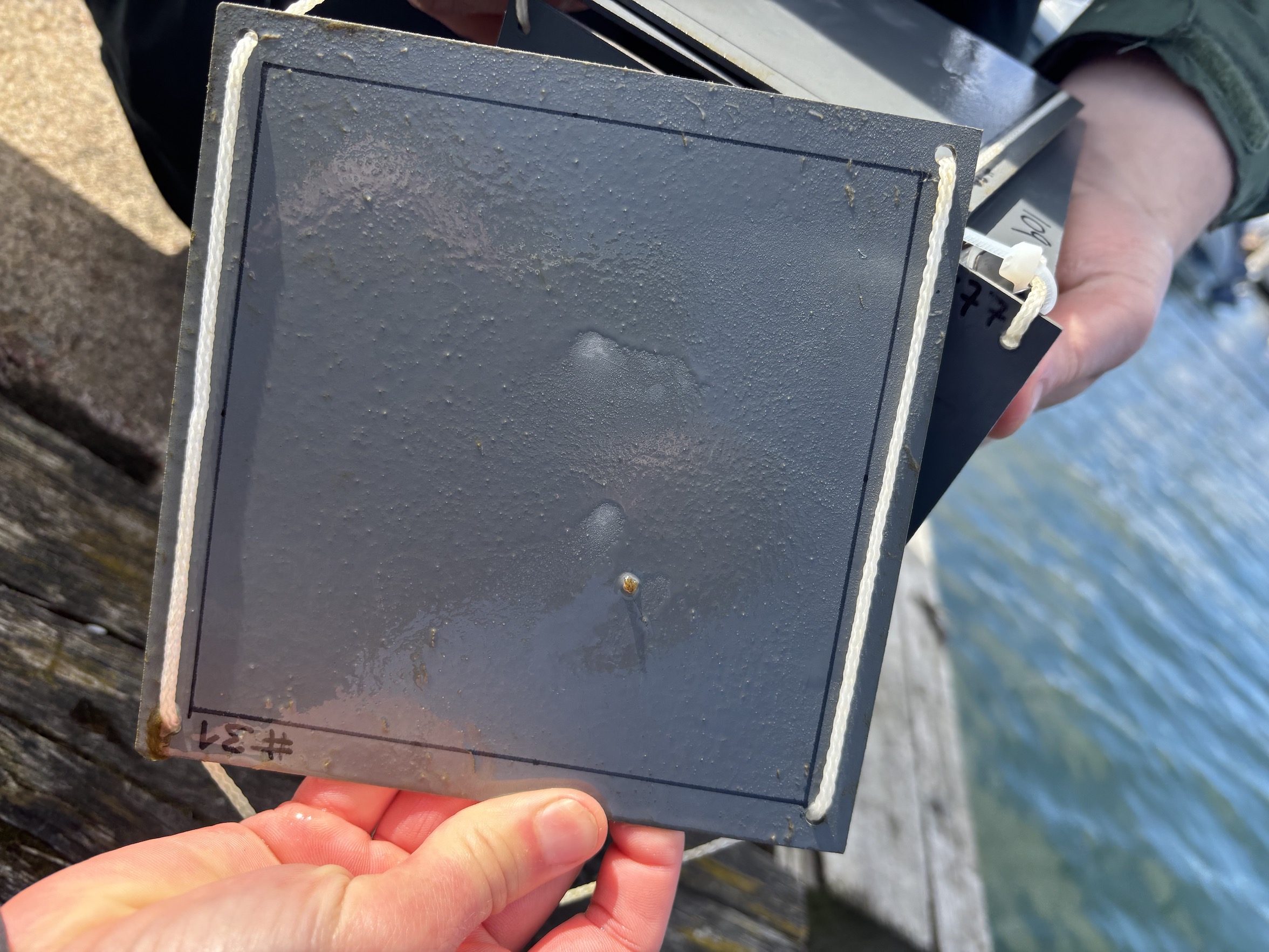
To assess the conditions at the experimental site, we deployed a first set of settlement panels in late April. At first, colonization was slow; only a faint biofilm appeared within two weeks. With the water temperature being still around 7 °C, we decided to give nature more time. Meanwhile, we collected Fucus individuals and practiced the cleaning and the standardizing of the algal thalli for the experiment. Scraping epiphytes off each thallus piece was fiddly, and agreeing on one method was crucial to make sure our results would be comparable to those of other GAME teams.
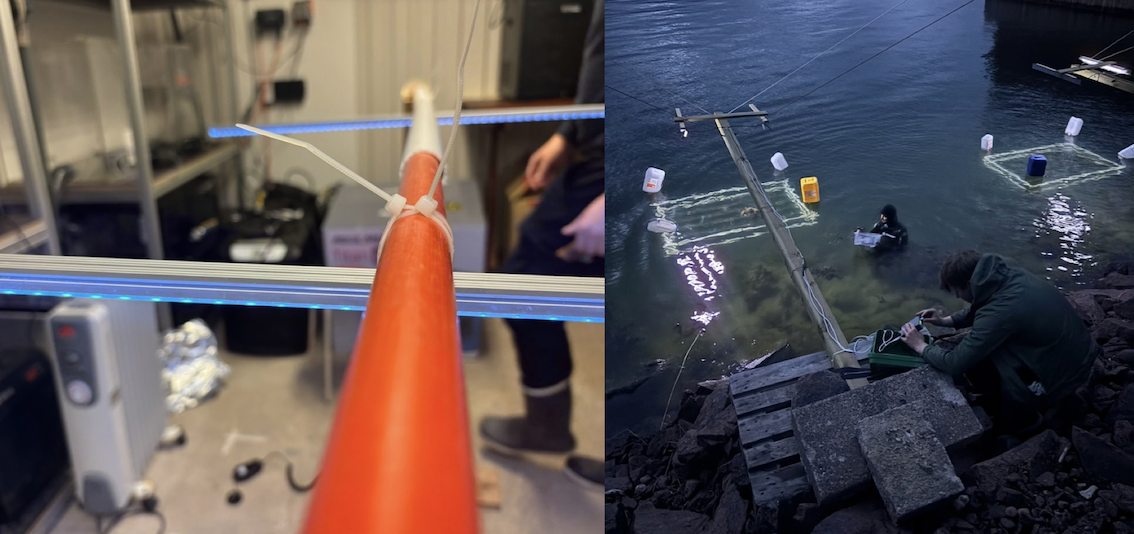
By early May, building the light setup was a project in itself. Sawing, drilling, testing LEDs, and learning how to secure a 5-meter wooden beam over the water. Our first version bent and twisted until the light pointed sideways instead of straight down onto the algae. Only after buying thicker beams and rebuilding the structure, we finally got a stable and functional setup that could withstand heavy rain and wind. The day we deployed our first experiment at Hamnsundet was cold and rainy but also very rewarding!
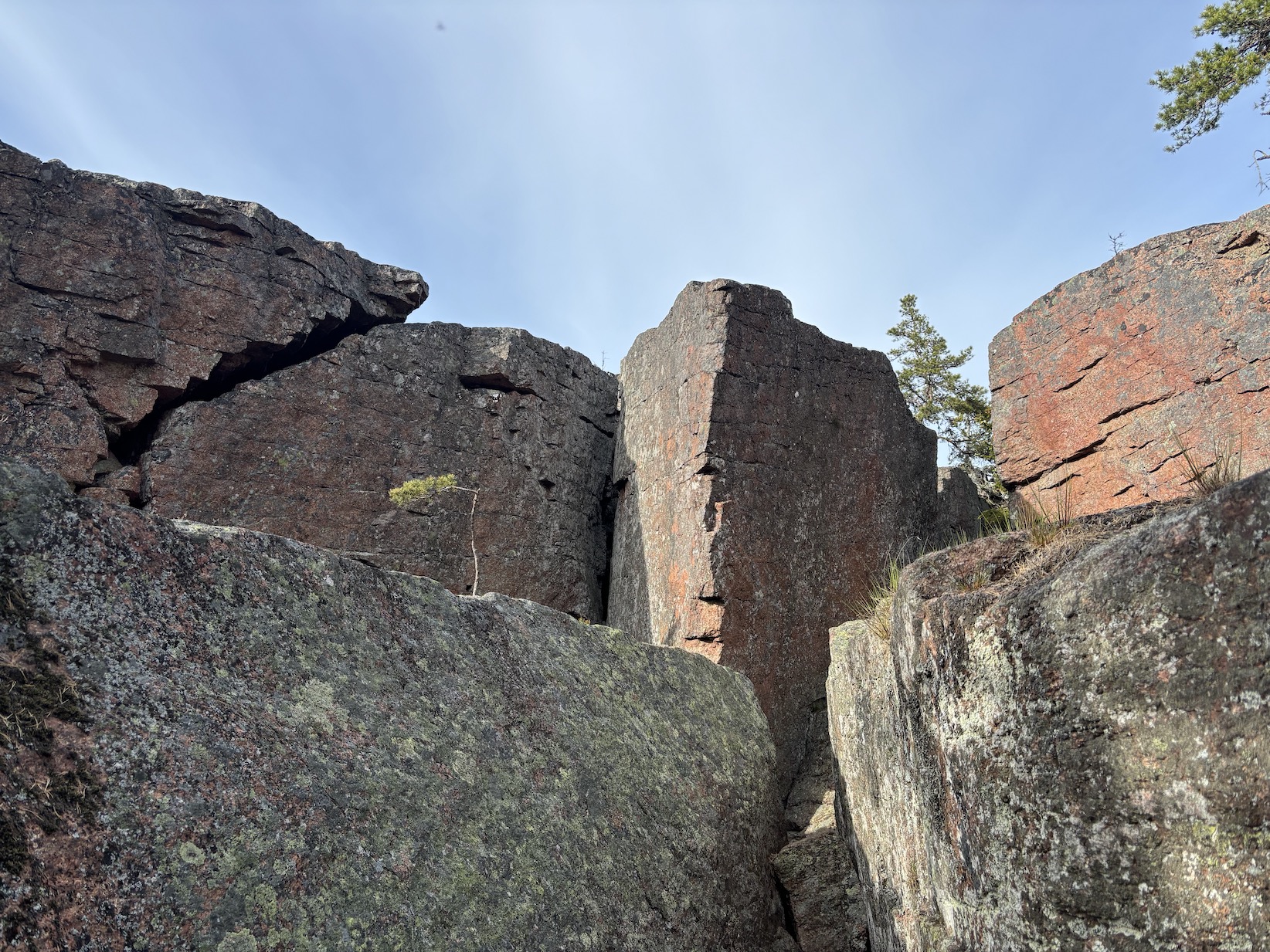
Outside of work, we made the most of the island life. We explored Åland by bike, kayak, rowboat, and hiking, visited Ramsholmen National Park during the ramson/ wild garlic bloom, and hiked in Geta with its impressive rock formations and went out boating and fishing in the archipelago. At the station on Husö, cooking became a social event: baking sourdough bread, turning rhubarb from the garden into pies, grilling and making all kind of mushroom dishes. These breaks, in the kitchen and in nature, helped us recharge for the long lab sessions to come.
Every two weeks, it was time to collect and process samples. Snorkeling to the frames, cutting the Fucus and the PVC plates from the lines, and transferring each piece into a freezer bag became our routine. Sampling one experiment took us 4 days and processing all the replicates in the lab easily filled an entire week. The filtering and scraping process was even more time-consuming than we had imagined. It turned out that epiphyte soup is quite thick and clogs filters fastly. This was frustrating at times, since it slowed us down massively.
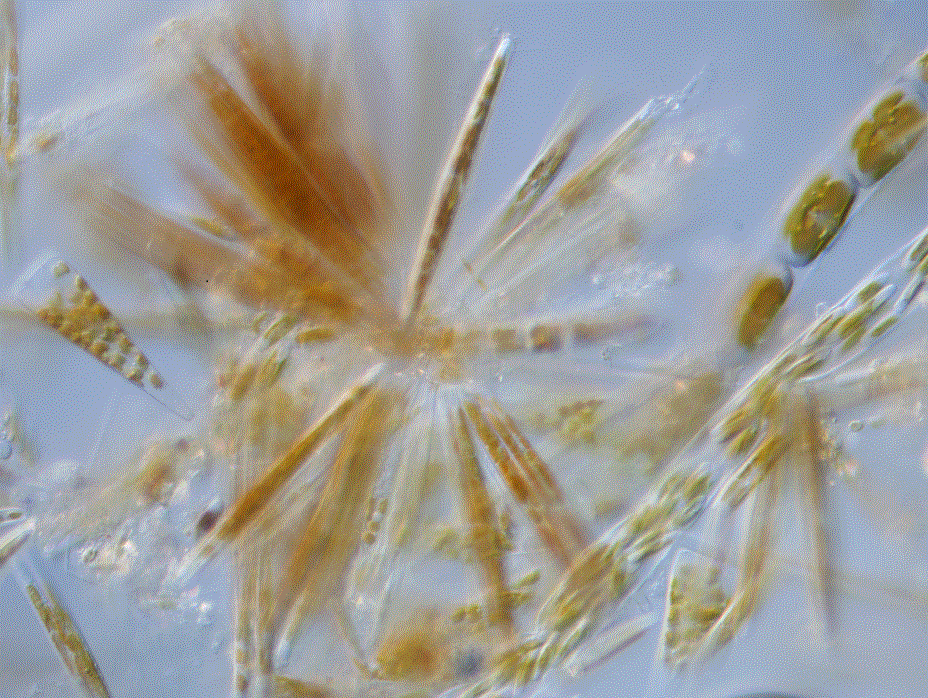
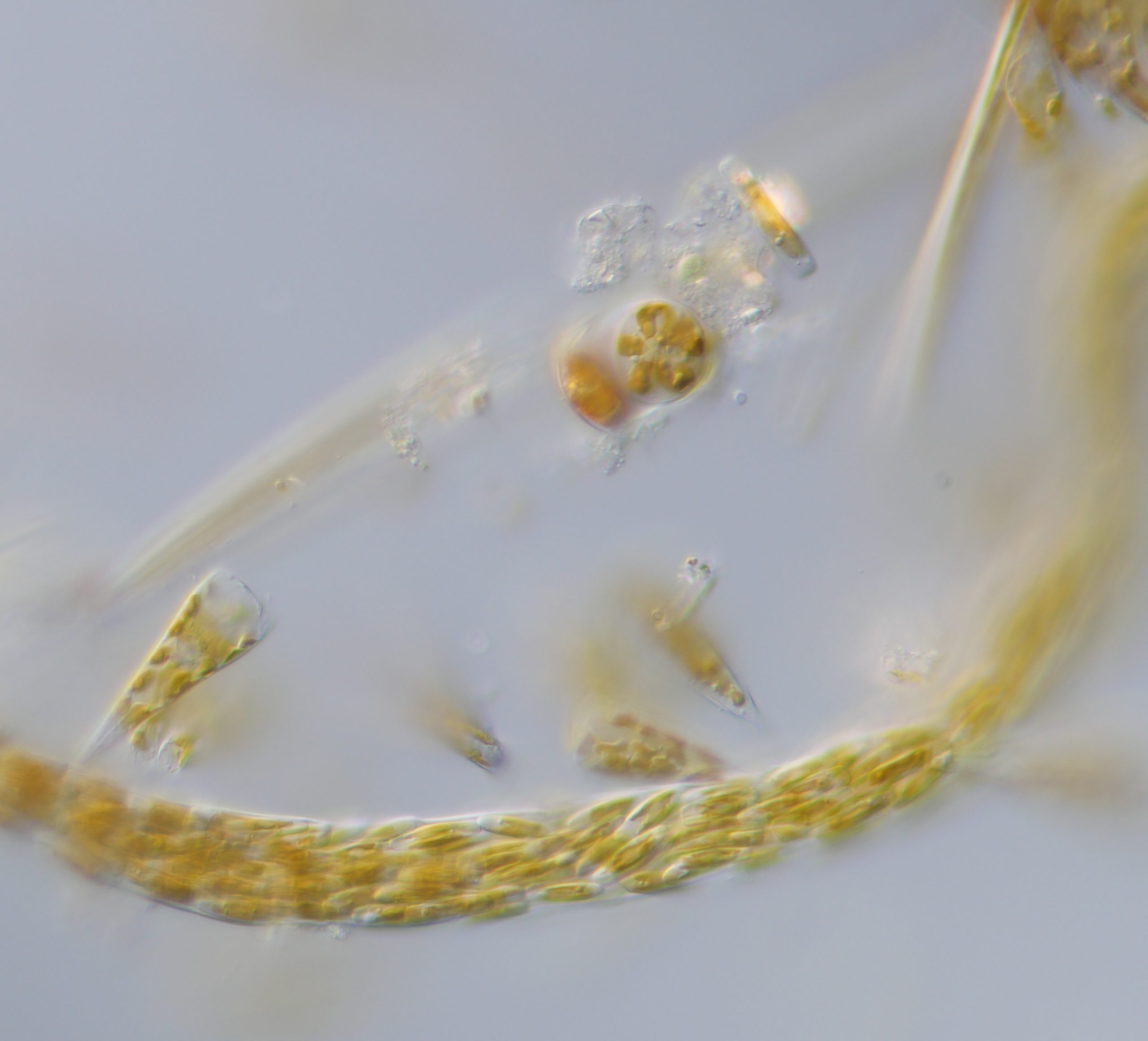
Over the months, the general community in the water changed drastically. In June, water was still at 10 °C, Fucus carried only a thin layer of diatoms and some very persistent and hard too scrape brown algae (Elachista). In July, everything suddenly exploded: green algae, brown algae, diatoms, cyanobacteria, and tiny zooplankton clogged our filters. With a doubled filtering setup and 6 filtering units, we hoped to compensate for the additional growth.
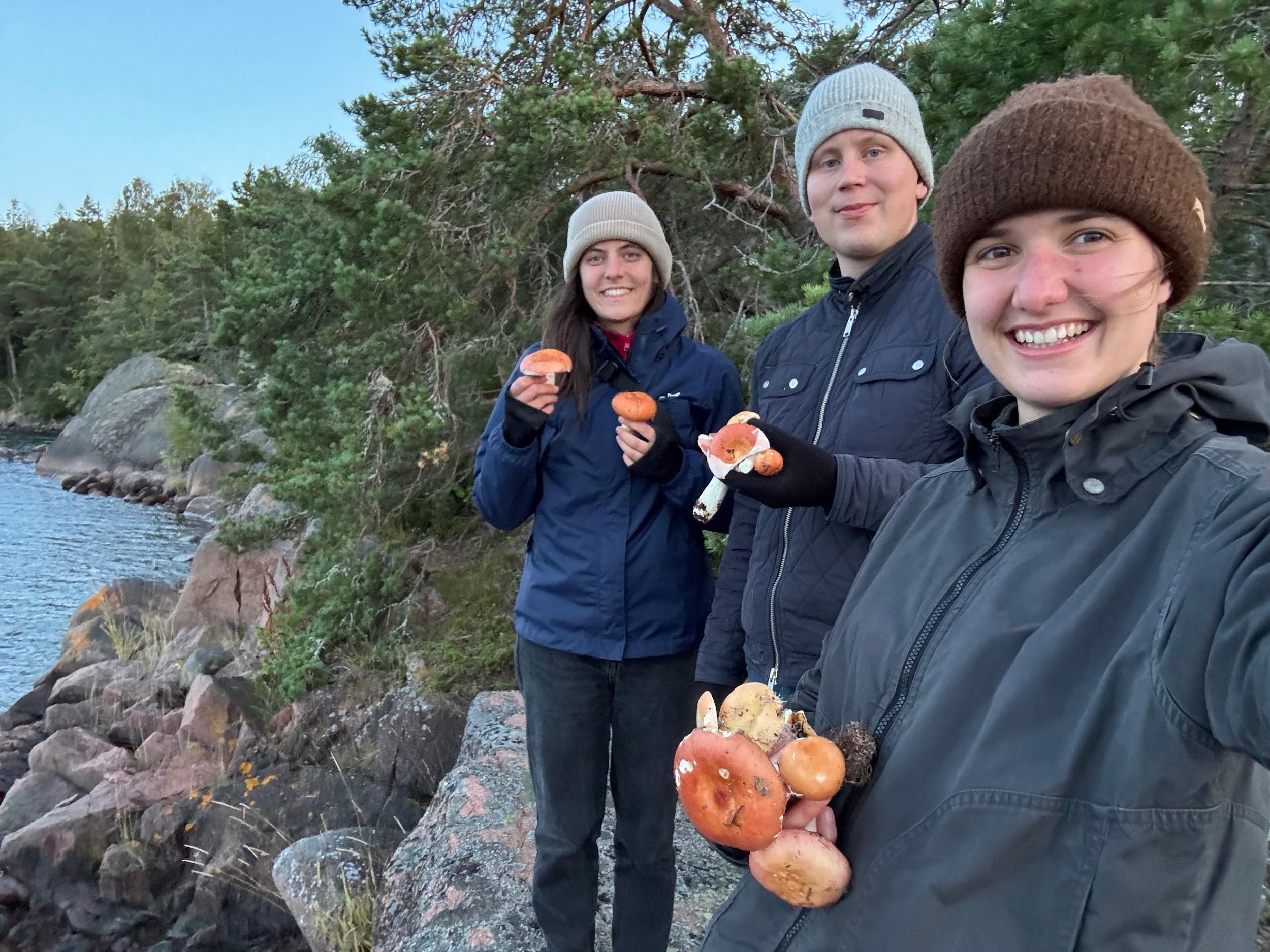
However, what we had planned as “moderate lab days” turned into marathon sessions. In August, at nearly 20 °C, the Fucus was looking surprisingly clean, but on the PVC a clear winner had emerged. The panels were overrun with the green alga Ulva and looked like the lawn at an abandoned house. Here it was not enough to simply filter the solution, but bigger pieces had to be dried separately. In September, we concluded the last experiment with the help of Sarah from the Cape Verde team, as it was not possible for her to continue on São Vicente, the Cape Verdean island that was most affected by a tropical storm. Our final experiment brought yet another change into community now dominated by brown algae and diatoms. Thankfully our new recruit, sunny autumn weather, and mushroom picking on the side made the last push enjoyable.
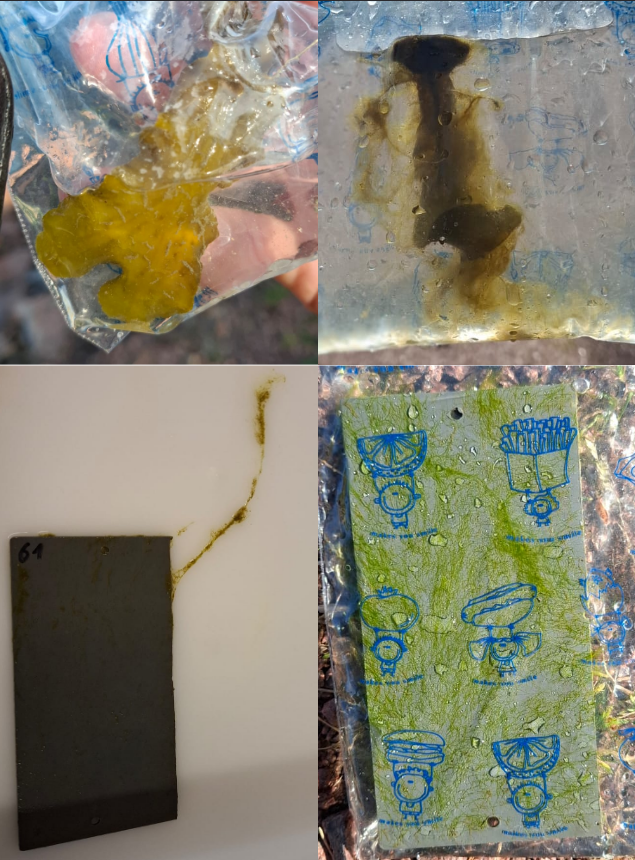
By the end of summer, we had accomplished four full experiments. The days were sometimes exhausting but also incredibly rewarding. We learned not only about the ecological effects of artificial light at night, but also about the very practical side of marine research; planning, troubleshooting, and the patience it takes when filtering a few samples can occupy half a day.

$10 Trillion in Carbon Cost? How U.S. Emissions Hit the Global Economy

Sustainability In Your Ear: Schneider Electric’s Steve Wilhite Maps the Renewable Energy Transition

The West Is Burning Before Summer Even Starts, and It’s No Accident
-
Climate Change8 months ago
Guest post: Why China is still building new coal – and when it might stop
-
Greenhouse Gases8 months ago
Guest post: Why China is still building new coal – and when it might stop
-

 Greenhouse Gases2 years ago
嘉宾来稿:满足中国增长的用电需求 光伏加储能“比新建煤电更实惠”
-
Climate Change2 years ago
Bill Discounting Climate Change in Florida’s Energy Policy Awaits DeSantis’ Approval
-

 Climate Change2 years ago
嘉宾来稿:满足中国增长的用电需求 光伏加储能“比新建煤电更实惠”
-
Climate Change Videos2 years ago
The toxic gas flares fuelling Nigeria’s climate change – BBC News
-

 Renewable Energy5 months ago
Sending Progressive Philanthropist George Soros to Prison?
-

 Carbon Footprint2 years ago
US SEC’s Climate Disclosure Rules Spur Renewed Interest in Carbon Credits