


Sustainable City
Social Equity and Inclusivity Building Cities
Social equity and inclusivity are fundamental principles for creating sustainable and livable cities.
They focus on ensuring that all individuals, regardless of their background or circumstances, have equal access to resources, opportunities, and services. By promoting social equity and inclusivity, cities can foster a sense of belonging, reduce disparities, and create environments where everyone can thrive and participate in city life.
Access to affordable and adequate housing is a cornerstone of social equity. Cities can prioritize the development of affordable housing options, including public housing, cooperative housing, and mixed-income housing, to ensure that residents from various income levels can find suitable housing options.
Additionally, promoting policies that protect tenants’ rights and prevent discrimination in housing can contribute to creating inclusive communities.
Accessible and affordable transportation is essential for social equity and inclusivity. Cities should strive to provide efficient and affordable public transportation systems that connect all neighborhoods and accommodate the needs of people with disabilities. Investing in infrastructure that supports walking and cycling, such as sidewalks, bike lanes, and pedestrian-friendly designs, can also enhance mobility options and promote inclusivity.
Incorporating universal design principles in the planning and design of public spaces, buildings, and infrastructure can ensure accessibility for everyone, regardless of age, ability, or mobility. Universal design features include barrier-free entrances, accessible ramps and elevators, tactile paving for visually impaired individuals, and inclusive public restroom facilities. Creating environments that are accessible to all promotes social inclusion and allows individuals to fully participate in community activities.
Community Engagement and Participation
Promoting community engagement and participation is vital for building social equity and inclusivity.
Cities can provide platforms and opportunities for residents to actively contribute to decision-making processes and influence policies that affect their lives. Community-based organizations, neighborhood associations, and citizen advisory committees can play a crucial role in fostering collaboration, amplifying diverse voices, and ensuring that the needs and aspirations of all residents are considered in urban planning and development.
Equitable access to essential services and amenities, such as healthcare, education, recreational spaces, and cultural institutions, is a fundamental aspect of social equity. Cities should strive to distribute these resources evenly throughout communities, particularly in underserved areas. Providing quality healthcare facilities, well-equipped schools, parks, libraries, and cultural centers in every neighborhood ensures that all residents have equal opportunities for personal growth and well-being.
Addressing Racial and Social Disparities
Cities must address systemic inequalities and historical injustices that have led to racial and social disparities.
This requires an understanding of the unique challenges faced by marginalized communities and targeted efforts to eliminate barriers and provide opportunities for advancement. Implementing policies and programs that focus on reducing disparities in education, employment, income, and access to services can help create a more equitable and inclusive society.
Education and awareness play a crucial role in promoting social equity and inclusivity. Cities can develop educational programs that raise awareness about social issues, foster empathy and understanding, and promote cultural diversity and inclusivity. Schools, community centers, and public spaces can serve as platforms for dialogue, cultural exchange, and education, promoting a sense of belonging and respect for diverse backgrounds and identities.
Social equity and inclusivity are essential pillars of sustainable and thriving cities. By prioritizing affordable housing, accessible transportation, universal design, community engagement, equitable access to services, addressing disparities, and promoting education and awareness, cities can create environments where everyone can participate, contribute, and enjoy a high quality of life. Fostering social equity and inclusivity is not only a moral imperative but also a catalyst for creating resilient, vibrant, and cohesive urban communities.
https://www.exaputra.com/2023/06/social-equity-and-inclusivity-building.html

 Some people may be, but, to a person, the foreigners I’ve met are deeply saddened, and terrified of the consequences of the Trump regime.
Their feeling is simply that America re-elected a convicted felon, rapist, and traitor who attempted to overthrow the U.S. federal government. If we’re willing to do that, we’re capable of anything, regardless of how depraved.
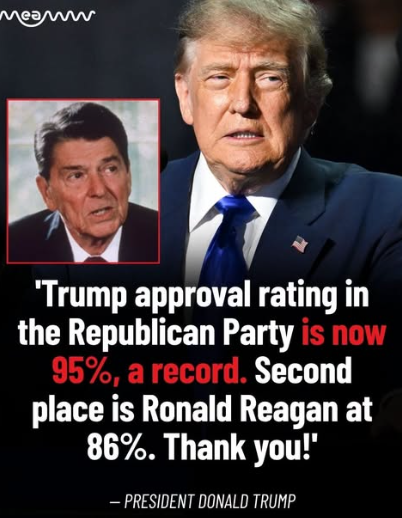 I’ve never understood why those who compose total bullshit like this don’t go for the gusto. Why 95% and not 99% or 100%?
Trump’s actual approval rating among Republicans is somewhere between 75% and 80%, as can be easily verified by anyone on Earth with a cell phone or computer. That number continues to dwindle, as he faces more pressure regarding the war, gas prices, child rape, etc.
Obviously, the president’s supporters are suckers for his lies, but isn’t this a bit over the top?
 I get a call every week or so from someone working for a start-up in oil exploration, hoping that I’ll invest. I guess my name and cell number got collected somehow from various online searches I’ve made.
I’m always quick to explain, “Oh, sorry, I don’t support wrecking the planet, even if I can profit from it. Neither should you. Bye now.”



-

 Greenhouse Gases2 years ago
嘉宾来稿:满足中国增长的用电需求 光伏加储能“比新建煤电更实惠”
-
Climate Change1 year ago
Guest post: Why China is still building new coal – and when it might stop
-
Greenhouse Gases1 year ago
Guest post: Why China is still building new coal – and when it might stop
-

 Climate Change2 years ago
嘉宾来稿:满足中国增长的用电需求 光伏加储能“比新建煤电更实惠”
-

 Renewable Energy11 months ago
Sending Progressive Philanthropist George Soros to Prison?
-
Climate Change2 years ago
Bill Discounting Climate Change in Florida’s Energy Policy Awaits DeSantis’ Approval
-
Greenhouse Gases1 year ago
嘉宾来稿:探究火山喷发如何影响气候预测
-

 Carbon Footprint2 years ago
US SEC’s Climate Disclosure Rules Spur Renewed Interest in Carbon Credits