

In the introduction to Sharon Udasin and Rachel Frazin’s new book, Poisoning The Well: How Forever Chemicals Contaminated America, the authors cite an alarming statistic from 2015 that PFAS (per- and polyfluoroalkyl substances) are present in the bodies of an estimated 97% of Americans. How did we ever get to this point? Their book is an attempt to explain that history, and to highlight those resisting the seeming inevitability of PFAS.
“I think we have the corporate cover-up and awareness on both the corporations’ and government’s part for decades upon decades,” said Udasin. “But we also see the power of regular people to effect change, to really bring about what politicians are not necessarily willing to do.”
The book tells stories of people deeply affected by ingesting PFAS, and the saga of how companies have been able to continue to churn out hundreds of different chemicals under the banner of PFAS, despite the risks and harms to human health. It is estimated that there may be at least 15,000 types of PFAS.
“These products are useful — waterproof stuff is nice to have, and there are other uses like medical and military uses that are very important,” said Frazin. “You know, preventing jet fuel fires is essential. But the price that we pay for all of that is the contamination in these communities.”
Udasin and Frazin, both reporters for The Hill, fanned out into four communities in the U.S. – in Alabama, Colorado, Maine and North Carolina. In Alabama, they found people ingesting industrial PFAS emanating from the very locations that employed them. In Maine, PFAS-contaminated sludge was spread over farmland.

“Colorado is a story of military contamination, in which area installations released PFAS-laden firefighting foam into the environment, enabling the chemicals to make their way into groundwater and then in the faucets of unsuspecting residents,” said Udasin.
In Alabama, Udasin said, “The death was so visible.” A key figure in the book is Brenda Hampton, an Alabama native who developed life-threatening illnesses that doctors suspected could be linked to toxic chemical exposure. “Brenda’s ‘death tour’ through the tiny twin towns of Courtland and North Courtland was particularly striking to me, because the extent of the damage was visible in such a compact space,” Udasin said.
New book spotlights ‘forever chemicals’ in North Alabama: ‘I know I’m facing death.’ www.al.com/news/huntsvi…
— Sharon Udasin (@sharonudasin.bsky.social) April 10, 2025 at 4:31 PM
Udasin’s reporting also helped reveal the ugly underside to rural areas of New England.
“Seeing the livelihoods of farmers ripped apart in the deceptively beautiful landscape of South and Central Maine allowed me to connect with both the people and natural beauty of that place — a place teeming with chemical contamination beneath its historic New England charm,” she said.

Alongside local reporting, the authors pored through documents looking for what Frazin called “needles in the haystack,” to unearth moments when companies – or the government – were aware of the potential toxic effects of PFAS but debated how to release that information.
“I believe we did have some original finds, including a document I dug up at the National Archives,” Frazin said, “where a doctor told the FDA that one of his patients who worked with Teflon was experiencing ‘angina-like’ symptoms. This document says the patient’s foreman told him the symptoms were caused by Teflon and that they all know about it.
“The corporations definitely had evidence of the adverse health impacts and ubiquity of PFAS for decades and still manufactured and sold PFAS-containing products,” she added.
Finds like these are highlighted throughout the book and tell the long and complicated story of the expansion of these “forever chemicals” into the world. The stories of death and illness are heartbreaking. But what Udasin and Frazin also discovered was that the crusade to break the hold of PFAS has become an ad-hoc national movement.
“I do think it’s become a grassroots national movement,” Udasin said, “because even all these local activists, they all know each other now, and they have created the National PFAS Coalition.
“When Brenda had her latest health incident, they were all from different sides of the country, getting together to check on her because they have created a national activist movement.”
Drinking water standards vary widely from state-to-state, which “creates an environmental justice issue, in which certain communities are less protected than others, through no fault of their own,” Udasin noted.
The U.S. Environmental Protection Agency has currently issued PFAS drinking water regulations. Frazin said that “this rule is a massive deal that is likely to lead many communities to filter out PFAS from their drinking water. It would not be subject to enforcement yet because the rule first required water utilities to test for PFAS and then to install filters if it found levels of one of a few PFAS above a certain threshold.”
On top of this, Frazin noted that the Trump administration has reduced the types of PFAS that will be covered by this rule and that implementation will be delayed until 2031. Which, as Udasin noted, puts the onus more on states, “given the Trump administration’s decision to rescind and reconsider existing rules on drinking water standards.”
When it comes to the regulation of “forever chemicals,” it’s “just a big unanswered question whether this administration and this EPA is going to be serious about enforcing anything,” a former EPA official told ProPublica.
— ProPublica (@propublica.org) July 8, 2025 at 11:01 AM
But the movement to improve drinking water standards — and decrease threats to human health — persists.
“I think that what I see is maybe the biggest difference between this movement and some of the other historical examples like movements on climate change or tobacco,” said Frazin, “is the media attention and the level of awareness. And so that’s what we’re trying to do – we’re trying to bring that attention to this issue. This issue has not received the attention it deserves.”
And Udasin noted that science might one day break the “unbreakable” chemical bonds that make up PFAS and perhaps reduce their toxic impact.
“I have a lot of hope in the science and technology that are actually currently being developed,” she said. “There are these brilliant scientists all over the world right now who in their laboratories are actually breaking apart the PFAS. A few of them are starting to be at commercial scale, or at least pilot-level commercial scale. So that gives me some hope that at least there may be a solution to getting rid of these at some point. And it’s not in the too-distant future.”
The post ‘Poisoning the Well’ Authors Sharon Udasin and Rachel Frazin on PFAS Contamination and Why It ‘Has Not Received the Attention It Deserves’ appeared first on EcoWatch.
https://www.ecowatch.com/poisoning-the-well-book-ecowatch.html

Just like fashion has been overrun by fast fashion, home goods and furniture have similarly seen a rapid decline in quality. Rugs are no exception.
And similar to fashion, these cheap goods come at a high cost — namely, to the planet and to people. In fact carpet and rug production is rampant with exploitation.
On the other hand, fair trade rugs present the best of what a rug can bring to your home: artistry, craftsmanship, and heritage.
The brands featured in this guide are partnering with (and fairly paying!) skilled artisans who are using generations-old — and sometimes even centuries-old — techniques. These artisans are sustaining long lines of crafts, preserving their cultural diversity, and celebrating the richness of their time-honored crafts.
There’s simply no replacement for a timeless, quality artisan-made rug — they’re like pieces of art you can lay out on your floor or hang on your walls.
So, enjoy browsing through this guide to sustainable rug brands listed out below and best of luck on your search for the right fair trade rug!
Where to Find Ethical and Fair Trade Rugs
Note that this guide includes affiliates and partners. As always, brands must meet high standards for ethics and sustainability to be featured and all opinions are my own.
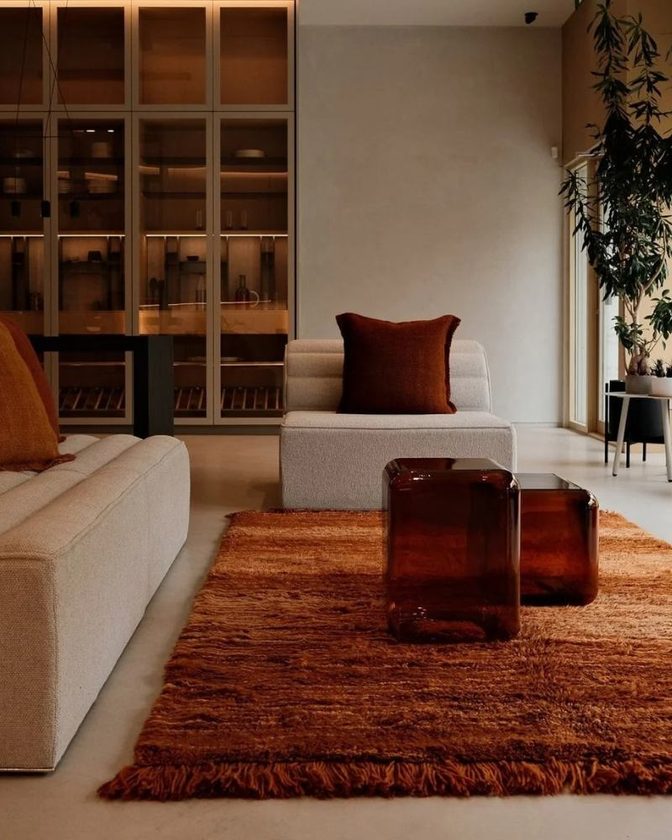
1. Obakki
Best for: warm-hued handwoven wool rugs
Categories: Area Rugs, Runners, Accent Rugs
Obakki partners with artisan weavers primarily in Oaxaca, Mexico — including individual makers like José — who hand-dyes and weaves rugs on a traditional pedal loom using locally sourced sheep’s wool and natural dyes derived from native plants. The brand also works with Rrres Design Studio, a Latin American studio dedicated to preserving traditional Oaxacan weaving techniques, and sources handwoven textiles from artisan communities beyond Mexico as well, including Morocco.
Each rug is made from 100% wool with no synthetic dyes or backing. Most pieces are made-to-order with a 4-8 week production window, shipped directly from the artisan partners.
Price Range: $460 – $4,159
Conscious Qualities: Natural Fibers, Natural Dyes, Craft Preservation
2. Kiliim
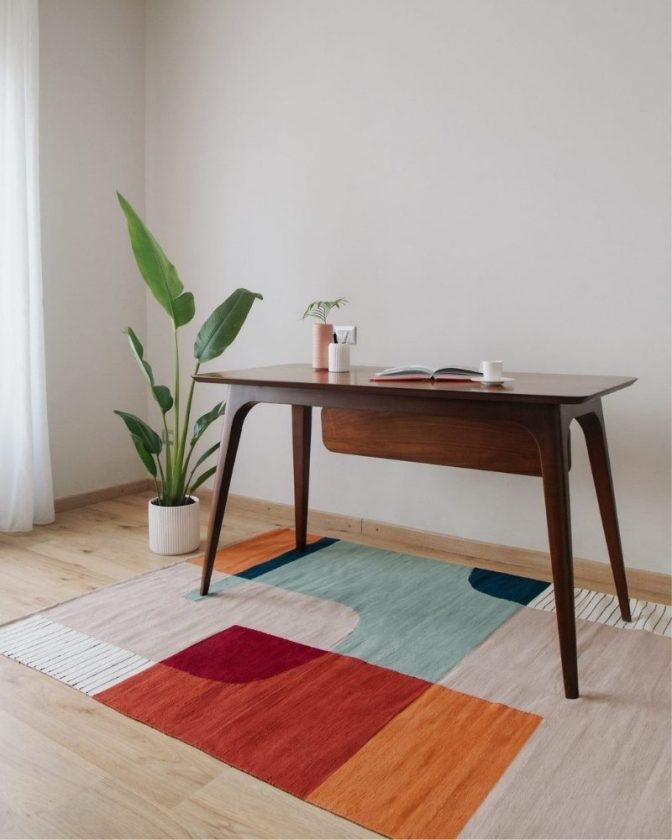
Best for: modern wool kilim rugs
Categories: Area Rugs, Accent Rugs
If you’re well-versed in rug terminology, you may recognize that this brand’s name looks similar to the word kilim.
Kiliim’s rug are made using authentic kilim rug craftsmanship by artisans in Egypt coming from generations of kilim artisans. To ensure ethical production and to support the preservation of this heritage craft, Kiliim pays living wages to all artisans.
Price Range: $95 – $4,812
Conscious Qualities: Ethical Production, Heritage Craft Preservation, Natural Fibers
3. Urban Natural
Best for: browsing fair trade rugs in lots of styles and sizes
Categories: Outdoor, Area Rugs, and Accent Rugs
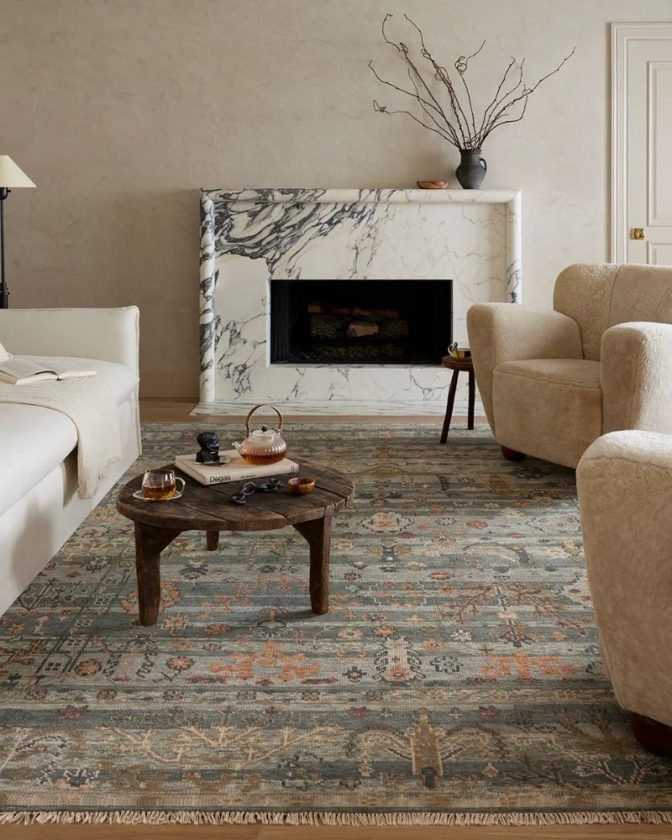
This natural home and lifestyle retailer has a beautifully curated selection of sustainably-made rugs crafted with materials like jute, sisal, wool, and cotton.
Several brands on Urban Natural are also ethically hand-loomed or hand-knotted, such as Loloi — a GoodWeave partner — and Jaipur Living — a brand that partners with thousands of local artisans to sustain heritage crafts.
Price Range: $259 – $9,755
Conscious Qualities: Eco-Conscious Materials
4. LOOMY
Best for: pet-friendly and performance rugs
Categories: Area Rugs, Accent Rugs, Runners, Outdoor Rugs
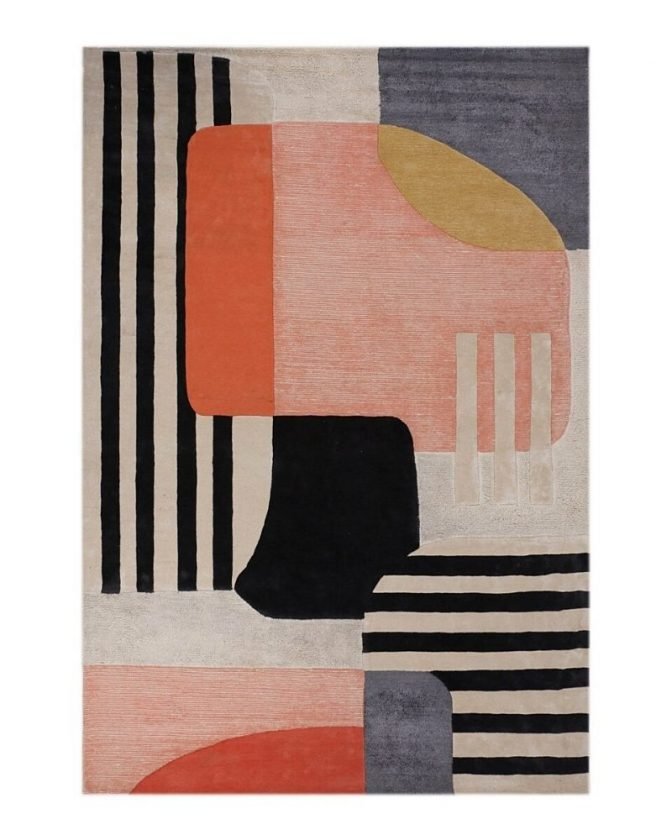
Founded by a weaver, LOOMY is dedicated to crafting beautiful artisan-made rugs that will last for decades to come.
LOOMY partners with highly-skilled artisan weavers who craft quality rugs made from eco-minded materials like banana silk, jute, and recycled cotton, plus performance options made from 100% recycled polyester built to withstand whatever life brings you.
Price Range: $298 – $8,298
Conscious Qualities: Natural Fibers, Craft Preservation, Vintage Options
5. West Elm
Best for: fair trade rugs in on-trend mainstream styles
Categories: Area Rugs, Accent Rugs
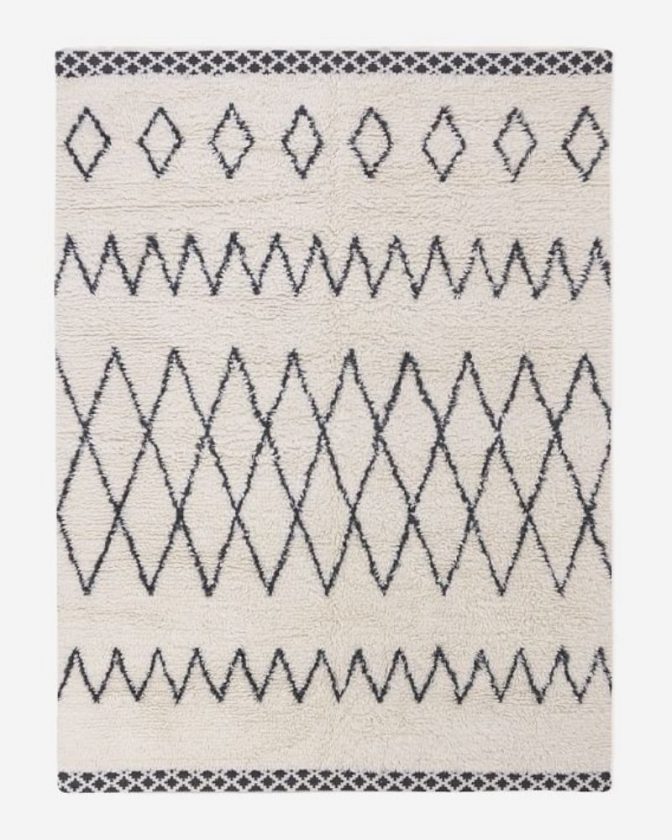
West Elm is bringing ethical rugs to a broader market with their collection of Fair Trade Certified wool and cotton rugs. While I recommend browsing the smaller shops listed above first, West Elm is supporting the movement to responsibly-made, fair trade rugs.
Price Range: $$$
Conscious Qualities: Fair Trade production, Majority Natural Materials
6. Jubi
Best for: Modern rugs in vibrant prints
Categories: Accent Rugs, Circle Rugs, Runners
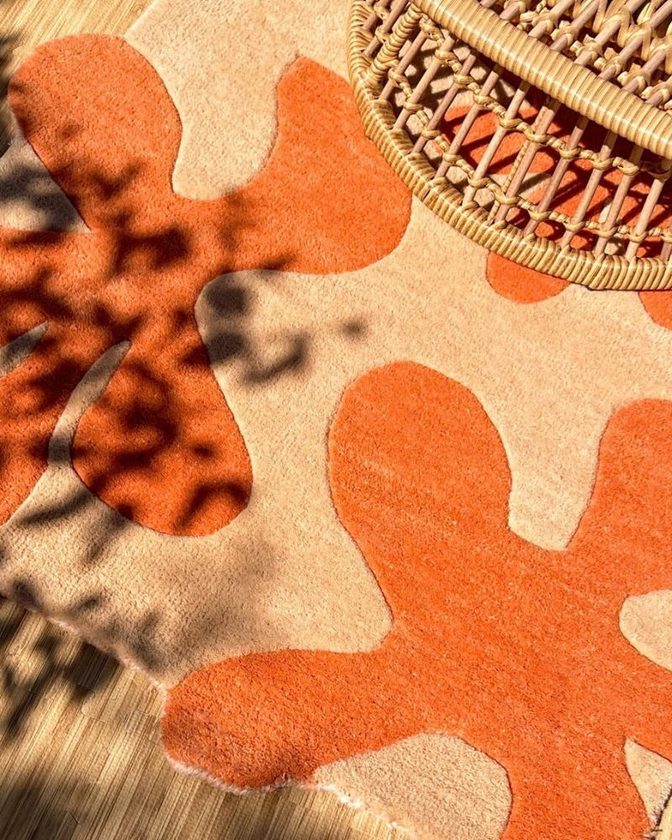
Jubi is a Brooklyn studio founded by textile designer Cassie Dagostino. Every rug is handmade from New Zealand wool by fourth-generation weaving families in Bhadohi, India using traditional techniques. Each rug is made-to-order, meaning no excess stock. Since everything is made to order, expect between 3 and 7 weeks for your rug, depending on the technique used.
Conscious Qualities: Pays Above Market Rates, 100% Wool, Made-to-Order
Price Range: $228 – $668
Shipping: Free worldwide shipping
7. Rejuvenation
Best for: Classic rug styles made in Fair Trade factories
Categories: Accent Rugs, Runners, Area Rugs
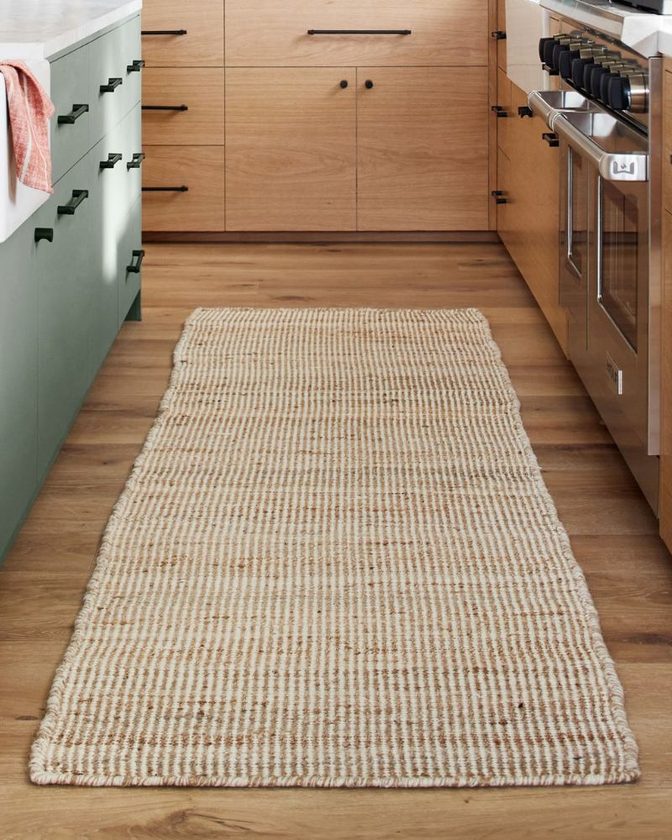
Home retailer Rejuvenation has a selection of rugs made in Fair Trade Certified factories. Their collection includes undyed hand-loomed rugs to geometric flatwoven wool rugs. And while I’d typically avoid synthetics, it tends to be unavoidable for outdoor rugs — so Rejuvenation’s Fair Trade 100% recycled poly rug is a good option.
Conscious Qualities: Fair Trade Certified, Mostly Natural Materials
Price Range: $79 – $1,649
Shipping: Contiguous U.S. shipping for 10% of product price (add $20 for HI, AK, and US. territorries)
Liked this guide to ethical rugs? You might also enjoy:
Ethical Home Decor Brands to Curate a Beautiful, Conscious Space
Eco-Friendly Furniture to Furnish Your Home Sustainably
Fair Trade and Eco-Friendly Blankets to Cozy Up With
The post 5 Best Ethical Fair Trade Rugs to Elevate Your Space appeared first on Conscious Life & Style.
As a longtime book lover, I may be biased, but I think a full bookshelf is one of the most beautiful additions to a space. There’s nothing better than seeing a showcase of your favorite reads alongside a TBR list.
A bookcase, though, can of course be used for all sorts of purposes from placing your favorite photos of family and friends to showcasing treasured vintage finds.
Whatever the case, this guide will help you find the right sustainable bookshelf for your living room, office, or wherever you like to cozy up with a good read!
So what make a bookcase more sustainable? What makes a bookshelf non-toxic?
First of all: sustainable and non-toxic are two overlapping — but distinct — criteria. And both of those terms can come with a lot of opinions and varying definitions.
When it comes to sustainable bookcases, I look for:
- Responsibly Sourced Materials: most bookshelves are made primarily with wood. While natural, unsustainable wood sourcing can be a cause of deforestation, so we want to see that the wood was from responsibly managed forests or made from reclaimed or repurposed wood. Some bookshelves may feature metal, in which case recycled materials here are important.
- High Quality Construction: sustainability includes longevity — how long will you be able to use that furniture piece before it goes to the landfill and gets replaced? Look for transparency around craftsmanship and woodworking processes. Another sign of quality is the length of warranty a company has for its products.
- Ethically Made: this one is straightforward in theory — were the people making it paid fairly and working in safe conditions? — but is unfortunately not always easy to find information. In this category, I look for transparency in practices, what relationship the brand has with the manufacturer (some produce in-house which is the best case scenario for transparency!), where it was made, and how well the makers were paid.
Ideally a sustainable bookshelf would also be non-toxic — as toxic chemical fumes aren’t exactly sustainable! But this isn’t always the case. For example, if a company prioritizes upcycled materials, they don’t necessarily have control over what inputs were part of the original materials. And sometimes a company focuses more on ethical artisan partnerships and sustainable wood sourcing, more than, say, using non-toxic finishes.
But when it comes to non-toxic bookshelves, this is what I look for. (Note that non-toxic doesn’t necessarily mean safe for all chemical sensitivities. Nor does it mean zero potentially irritating chemicals.)
- Solid Wood (where possible): MDF or pressed wood contains glue to stick the various wood pieces together, which can contain added formaldehyde. I prefer solid wood, or if it is engineered wood, I’d make sure the company is transparent around the type of glue used and/or they at least have a product certification like GREENGUARD. (More on that in a second.)
- Low or Zero VOC Finishes: most wood furniture is completed with some sort of finish to provide a protection against scratches or moisture. Many of these finishes are synthetic, and some can contain high levels of toxic chemicals. Look for a natural finish like linseed oil or beeswax or a low VOC synthetic finish.
Relevant Certifications
You’ll see a few certifications referenced throughout this guide. Here’s what each one covers:
- FSC Certified = the wood sourcing was responsibly managed; this is not a finish, foam, or textile guarantee.
- GREENGUARD / GREENGUARD Gold Certified = the finished product was tested for low chemical emissions, including VOCs, with Gold representing the stricter tier.
- Fair Trade Certified
 = verifies that a factory meets standards for fair wages, safe working conditions, and ethical labor practices.
 - Cradle to Cradle Certified (Gold) = evaluates a product or material across material health, circularity, clean air/climate, water/soil stewardship, and social fairness.
Where to Find Sustainable Bookcases and Shelving
I’m always a secondhand first proponent, and that goes for furniture, too. While your local thrift store might not have used bookshelves, check for dedicated furniture resale shops near you or estate sales. (I use EstateSales.net to find ones near me.) You can also find gently used pieces on online marketplaces like Facebook Marketplace, OfferUp or AptDeco.
If you can’t find something you love secondhand, and you don’t want to DIY your own bookshelf, then the next best choice is to shop from one of the sustainable furniture companies below. (If you’re simply looking for a bookstand, I’d suggest