

The global market for natural health products now exceeds $300 billion, and parents are leading the charge — looking for gentler, plant-based alternatives to synthetic medicines for their kids. Some natural remedies have centuries of traditional use behind them. Others have meaningful clinical support. And a few carry real safety caveats that are easy to miss when you’re shopping for a more natural medicine cabinet.
Four ingredients cover a lot of ground: coconut oil, essential oils, honey, and apple cider vinegar. Here’s what the evidence says about each, including what to watch out for, especially with younger children.
| Note: A trained medical professional is always your best resource for treating serious ailments. This article provides general information, not medical advice. Never delay or ignore professional care based on something you read online. |
This article contains affiliate links that help fund our work.
1. Coconut Oil
Coconut oil earns its place in a natural medicine cabinet through sheer versatility. Applied topically, it works well as a balm for chapped cheeks, a diaper rash treatment for babies, a soothing after-bath moisturizer for dry skin, and as a carrier oil when diluting essential oils for topical use. It’s also a perfectly serviceable cooking oil — just keep separate containers to avoid cross-contamination between cosmetic and kitchen uses.
Look for unrefined, virgin coconut oil — it retains more of the naturally occurring medium-chain fatty acids (including lauric acid, which has demonstrated antimicrobial properties in lab studies) compared to refined versions. Nutiva Organic Virgin Coconut Oil is a consistently available option.
2. Essential Oils: Effective, But Use With Care
Essential oils are concentrated plant extracts potent enough to have real therapeutic effects, and potent enough to cause real harm if misused. For kids, the most useful are:
- Lavender oil soothes minor skin irritation, helps with relaxation, and has mild antiseptic properties. It’s one of the gentler oils for children. Plant Therapy Lavender Essential Oil is a reputable, widely available option.
- Tea tree oil (melaleuca) is a well-documented antiseptic useful for skin rashes and has shown effectiveness against head lice. NOW Tea Tree Oil is a reliable choice.
- Eucalyptus oil supports respiratory comfort when diffused and can be used in a natural chest rub for older children. Plant Therapy Eucalyptus Globulus is a good starting point. For children under 2, eucalyptus in any form should be avoided. For children ages 2–4, use only with extra caution and well-diluted.
Eucalyptus age limits: Eucalyptus age limits: The blanket warning “never use on children under 10” guidance circulating online is an overstatement. The European Medicines Agency concludes that eucalyptus used by inhalation, topically, or as a bath additive is appropriate from age 4, and that oral use is restricted to age 12 and up. Do not apply near the nose, mouth, or face of any young child. Robert Tisserand and Rodney Young’s Essential Oil Safety (2nd ed., 2014), the field’s standard reference, supports this more nuanced reading.
Lavender and tea tree and hormonal concerns with boys: Research published in the New England Journal of Medicine found a link between topical use of lavender and tea tree oils and hormonal disruption in prepubescent boys. Aromatherapy (diffusing) is the lower-risk alternative for this age group.
Always dilute essential oils. Undiluted oils should never be applied to a child’s skin. For children under 2, use a 0.5–1% dilution in a carrier oil (like coconut or almond oil). For ages 2–6, 1–2% is appropriate.
No peppermint for children under 30 months. Peppermint oil can increase seizure risk in very young children and should be avoided.
For a comprehensive reference, Johns Hopkins Medicine’s essential oil safety guide for children is a solid starting point. And check with your pediatrician before introducing new oils, especially for children with respiratory conditions.
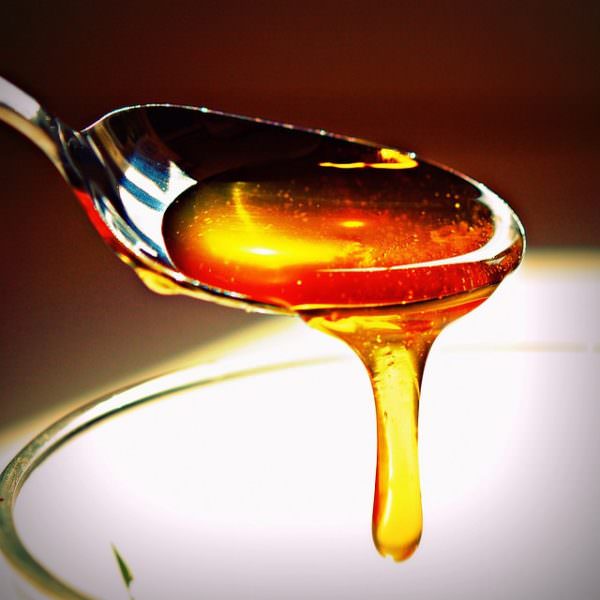
3. Honey: Powerful Medicine — With A Critical Exception
Raw honey does considerably more than sweeten tea. Applied topically, it’s an effective treatment for acne, particularly raw honey, which retains more antimicrobial compounds. Manuka honey from bees that pollinate the New Zealand mānuka bush has demonstrated well-documented antibacterial properties and is worth keeping on hand for wound care and throat soothing.
For throat relief, a spoonful of honey dissolved in warm water with lemon is effective for children over 1 year old. Look for raw Manuka honey rather than processed honey in a plastic squeeze bottle, which has been heated and filtered to the point of losing most of its beneficial properties.
| Critical Safety Warning — Honey and Infants: The FDA, CDC, and American Academy of Pediatrics all recommend that honey never be given to children under 12 months of age — in any form, including baked goods, cereals, or foods that contain honey as an ingredient. Honey can harbor Clostridium botulinum spores, which can cause infant botulism, a serious and potentially fatal illness. Infants’ digestive systems are not mature enough to neutralize the spores. This restriction applies to raw honey, pasteurized honey, and honey in cooked or processed foods. After age 1, honey is safe. |
4. Apple Cider Vinegar
Apple cider vinegar’s acidic properties make it useful for a handful of topical applications. Two cups diluted in bathwater can help soothe eczema flares; diluted 50/50 with water, it’s effective for sunburn relief and itchy skin.
Its strong taste makes internal use a tough sell for kids, but they can still benefit from external applications. As with honey, quality matters: get an unfiltered, unpasteurized brand that retains “the mother” — the strand-like protein-enzyme matrix that forms during fermentation. Bragg Organic Raw Apple Cider Vinegar is the go-to product and is widely available.
A note on internal use for older kids and adults: ACV is acidic enough to erode tooth enamel if taken undiluted or frequently. Always dilute in water and consult a healthcare provider before making it a regular supplement.
These four ingredients are a good starting point for your own natural healing remedies. Simple and straightforward, most will be readily available at your local health food store and are a cinch to apply or administer.
Building Your Natural Medicine Cabinet
These four ingredients give you solid coverage for common minor ailments — skin irritation, dryness, colds, scrapes, and more. Most are available at natural grocery stores; the essential oils are easy to find online from reputable brands like Plant Therapy, NOW, and Edens Garden, all of which publish third-party testing data.
Start simple, read the labels carefully (especially age guidance on essential oils), and keep products stored out of reach of young children. When in doubt, your pediatrician is the right call.
Editor’s Note: Originally written by Madeleine Summerville on April 8, 2015, this article was updated in March 2026 to reflect current pediatric safety guidance, including honey/infant botulism warnings and updated essential oil age recommendations.
The post Mother Nature’s Medicine: 4 Natural Remedies for Healthy Kids appeared first on Earth911.
https://earth911.com/living-well-being/mother-natures-medicine-4-natural-remedies-for-healthy-kids/

Spring is officially here, inspiring gardening plans as well as dread of lawn chores. Before you immerse yourself in another year of yard maintenance, we have a question for you: When was the last time you reevaluated your yard maintenance tactics and outdoor plant selections? An environmentally friendly approach to a low-maintenance yard can save you money, time, and effort while it benefits the local ecosystem.
By carefully selecting the right plants, including natives and perennials, you can minimize watering and yearly plantings — resulting in less work for you and a lower water bill. And by employing natural gardening techniques, such as composting and companion planting, you can keep your soil healthy and keep pests away — without chemicals.
Naturally, a healthy and biodiverse yard looks different depending on your climate and region. Are you familiar with the plants that are native to your region? It’s exciting to choose the optimal plants for your garden because you know you’re giving them the best chance of success — plus, you’re helping the surrounding ecosystem.
Before selecting your plants, be sure to check the noxious weed lists or your county extension office to make sure you don’t pick invasive plant species. Some low-maintenance plants may be invasive in your region. For example, English Ivy, an attractive, low-maintenance vine, is an aggressive invader and on the noxious weed of the United States list.
With careful plant selection and eco-friendly gardening strategies, you’ll enjoy a low-maintenance yard, save money, and benefit Mother Earth too! Check out the tips and plant recommendations in the following infographic from HomeAdvisor.

Editor’s Note: This article was originally published on March 31, 2021, and was updated in April 2026.
The post Infographic: Tips for an Environmentally Responsible, Low-Maintenance Yard appeared first on Earth911.
https://earth911.com/home-garden/infographic-eco-friendly-low-maintenance-yard/
Green Living
Classic Sustainability In Your Ear: Coastal Flooding in 2050 With Climate Scientist James Renwick
Turn back the clock to hear an early warning from James Renwick, co-author of the upcoming 2021 United Nations Intergovernmental Panel on Climate Change (UNIPCC) report and head of the School of Geography, Environment and Earth Sciences at Victoria University, Wellington, New Zealand, joins Earth911 to discuss the prospects for coastal flooding due to climate change. He shares troubling but important insights into how much seas have already risen since the 1800s — about one foot — and the potential for up to two feet more flooding in the coming century. He also reports the UNIPCC will acknowledge that the critical 1.5C warming threshold is locked in unless the world takes radical action to reduce emissions immediately. Humanity has already committed future generations to potentially disastrous climate impacts, he says.
Renwick explains how much water is stored in Antarctica and the projections for economic and housing losses along the U.S. East Coast, which is particularly prone to flooding because of the configuration of ocean currents. He also discusses the growing accuracy of climate models and how accelerated warming seen in recent years appears poised to continue speeding ice loss at the poles. But, Renwick argues, the international climate dialogue has shifted from resistance to acknowledgment of climate impacts and growing national and local action, which gives him hope. “Things are moving in the right direction,” he told Earth911’s Mitch Ratcliffe. “But we’ve got a lot of work to do.”
The upcoming COP26 meeting of global leaders, which was postponed to the fall of 2021 due to the pandemic, will feature many nations’ increased commitments to reduce emissions. In the meantime, he urges individual citizens to speak out and choose sustainably produced products, as well as support effective local remediation projects, such as tree-planting programs. Each of us can make a difference. Start your journey with this conversation with Professor James Renwick.
- Subscribe to Sustainability In Your Ear on iTunes
- Follow Sustainability In Your Ear on Spreaker, iHeartRadio, or YouTube
Editor’s Note: This podcast originally aired on January 1, 2021.
The post Classic Sustainability In Your Ear: Coastal Flooding in 2050 With Climate Scientist James Renwick appeared first on Earth911.
https://earth911.com/podcast/earth911-interview-coastal-flooding-in-2050-with-climate-scientist-james-renwick/
Before you throw away that empty soda bottle, wine bottle, or milk carton, think about turning it into a bird feeder.
These seven DIY projects show how to reuse common household items to make useful backyard wildlife stations. There’s something for everyone, whether you’re crafting with kids or have experience with tools. Whenever possible, choose glass instead of plastic. Experts say glass bottles last longer in the sun and are easier to clean than plastic.
This article contains affiliate links that help fund our work.
1. Soda Bottle Bird Feeder

The soda bottle bird feeder is a classic project that’s easy for anyone to make. Start by saving a 1- or 2-liter soda bottle from the recycling bin. Then, find two wooden spoons, dowels, or sturdy twigs from around your home or yard. These will serve as perches for the birds.
To make one, follow the instructions from Gardening Know How: mark two sets of holes at right angles, insert the spoons or dowels, fill the bottle with birdseed, put the cap back on, and hang it up with string or fishing line. If you’re working with young kids, adults should handle the cutting.
If you prefer not to do DIY from scratch, you can buy soda bottle bird feeder kits. Just attach the tray and wire to your own bottle.
2. Milk Carton Bird Feeder
Making a bird feeder from a milk or juice carton is just as easy as using a soda bottle. The Audubon Society even has a version that’s great for kids. Cut a large opening a few inches from the bottom on one side, add a stick underneath for a perch, make two small holes at the top for hanging, decorate it, and fill with birdseed.
Keep in mind that milk cartons don’t last as long as plastic or glass feeders. Watch for signs of wear and replace your feeder when needed. Remember to recycle the old carton.
3. Tray Bird Feeder

If you have leftover wood from a home project, you can make a simple tray feeder using Birds & Blooms’ instructions. You’ll need cedar or pine scraps, an aluminum screen for drainage, panel nails, eye screws, and some chain for hanging. You should also be comfortable using a drill and hammer.
You can also reuse old windows, picture frames, or other wooden items from around the house to make a tray feeder. One Instructables tutorial shows how someone built a feeder from the wooden backing of an old bronze award.
Tray feeders bring in many types of birds, like cardinals, chickadees, woodpeckers, and mourning doves. However, they don’t keep out squirrels.
4. Floppy Disk Bird Feeder
If you have some old floppy disks lying around, you can turn them into a retro bird feeder using an Instructables guide.
You’ll need to take apart three disks, remove the magnetic film, cut a window for the seeds, put the pieces together to form a cube, and attach a string for hanging. Use tape or a hot glue gun to hold it together, then add birdseed inside.
5. Self-Refilling Glass Bottle Bird Feeder
This gravity-fed feeder is a smart upgrade from basic designs. Remodelaholic’s wine bottle bird feeder tutorial explains how to build a simple wooden platform with a notched holder that keeps an upside-down glass bottle just above the seed tray. As birds eat, gravity refills the tray with more seed.
You need only a recycled wine bottle (or any narrow-neck glass bottle) and some wood for this project. The screw-based mount makes it easy to remove the bottle for refilling. Use a low- or no-VOC wood sealer to protect the frame.
6. Plastic Bottle Hummingbird Feeder
Want to bring hummingbirds to your yard? Try this Instructables guide for making a hummingbird feeder from recycled plastic containers. It uses a pop bottle and a deli container lid, like the ones from grocery store takeout, with milk bottle caps glued on as feeding ports.
Fill the bottle with hummingbird nectar. The International Hummingbird Society suggests mixing one part white sugar with four parts water. Don’t use food coloring, honey, or artificial sweeteners. The red parts of the feeder attract the birds, not the nectar itself.
If you want something sturdier and easier to clean, Birds & Blooms offers instructions for a glass bottle hummingbird feeder that uses copper wire and a commercial feeding tube. This version takes more effort to make but lasts much longer.
7. Glass Soda Bottle Bird Feeder

This is a step up in craft and durability, and a good reason to save that glass Jarritos or Mexican Coke bottle. Birds & Blooms’ glass soda bottle feeder tutorial pairs a recycled glass bottle with a chicken feeder base for a sturdy feeder that holds plenty of seed and will last for years.
The most involved step is drilling a hole in the bottle’s bottom using a diamond drill bit under running water to keep the bit cool so the glass doesn’t crack. A steel rod threads through the bottle and into the chicken feeder base, locked in place with a washer and wing nut; a G-hook at the top completes the hanger. To refill, simply unscrew the base, add seed, and reattach.
This DIY project requires comfort with a drill and patience with glass, but the result looks intentional and well-made, not like a weekend craft project. For the nectar-recipe and feeder-cleaning guidance that applies to all glass bottle builds, the International Hummingbird Society’s feeding page and Birds & Blooms’ black oil sunflower seed guide are solid references depending on what you’re trying to attract.
To find out where to recycle glass bottles in your area, check the Earth911 Recycling Directory. Most curbside programs don’t accept them, but many drop-off sites do.
Tips for Bird Feeders
- Clean your feeders every one or two weeks to stop mold and bacteria from harming birds.
- Hang feeders at least five feet above the ground and away from bushes where cats might hide.
- Black oil sunflower seeds attract the most types of birds.
- For hummingbird feeders, change the nectar every two or three days. In hot weather, change it even more often.
- Plastic feeders break down faster than glass ones in sunlight. Check them regularly and replace when needed.
Related on Earth911
Editor’s Note: This article was originally published in 2014, and was most recently updated in March 2026.
The post 7 DIY Recycled Bird Feeders appeared first on Earth911.
https://earth911.com/home-garden/7-diy-recycled-bird-feeders/


-
Climate Change8 months ago
Guest post: Why China is still building new coal – and when it might stop
-
Greenhouse Gases8 months ago
Guest post: Why China is still building new coal – and when it might stop
-

 Greenhouse Gases2 years ago
嘉宾来稿:满足中国增长的用电需求 光伏加储能“比新建煤电更实惠”
-
Climate Change2 years ago
Bill Discounting Climate Change in Florida’s Energy Policy Awaits DeSantis’ Approval
-

 Climate Change2 years ago
嘉宾来稿:满足中国增长的用电需求 光伏加储能“比新建煤电更实惠”
-
Climate Change Videos2 years ago
The toxic gas flares fuelling Nigeria’s climate change – BBC News
-

 Renewable Energy5 months ago
Sending Progressive Philanthropist George Soros to Prison?
-

 Carbon Footprint2 years ago
US SEC’s Climate Disclosure Rules Spur Renewed Interest in Carbon Credits