

Indonesia is planning to clear a forested area roughly the size of Belgium in order to make way for the production of sugarcane-derived bioethanol and food crops such as rice.
The move threatens to displace Indigenous groups who are reliant on the land for survival.
“Instead of clearing forests, the government should focus on optimising existing agricultural land, respecting indigenous rights, and implementing genuine agrarian reform,” said the Clean Coalition of environmental NGOs in a statement, as AFP reported.
Activists are concerned that the proposal will lead to more forests being cleared to make way for oil palm plantations. Palm oil is the country’s top export commodity and a key driver of deforestation in the archipelago.
“The plan to open 20 million hectares of land significantly increases the risk of palm oil expansion,” said Achmad Surambo, executive director of Sawit Watch, as reported by AFP.
Local communities have said they are already being harmed by the plan, which environmental watchdog groups say is the largest planned deforestation project in the world, The Associated Press reported.
Indonesia is home to many endangered and unique wildlife and plant species like orangutans, elephants, the Sumatran tiger, Sunda clouded leopards, sun bears, the Javan rhinoceros and giant forest flowers.
For decades, the country has been constructing massive food estates meant to bolster food security, with varying success. Former President Joko Widodo revived the concept during his decade-long administration, which ended last year.
Prabowo Subianto, the current president, has expanded the projects to include bioethanol crops such as corn and sugarcane, as part of Indonesia’s plan to develop more renewable energy sources and improve the country’s energy mix.
“I am confident that within four to five years at the latest, we will achieve food self-sufficiency,” Prabowo said in a speech last October. “We must be self-sufficient in energy and we have the capacity to achieve this.”
Although the International Energy Agency has said that biofuels like bioethanol have an important role in the decarbonization of transportation, the agency also warned that biofuel expansion should be developed sustainability so that it has a minimal impact on environmental factors such as land use and food production.
“Imagine every piece of vegetation in that area being completely cleared… having all the trees and the wildlife erased from the landscape and replaced with a monoculture,” said CEO of Mighty Earth Glenn Horowitz, as reported by The Associated Press. “It’s creating a zone of death in one of the most vibrant spots on Earth.”
Subianto’s brother Hashim Djojohadikusumo, the country’s energy and environment envoy, said 16 million acres of deforested and degraded land will be reforested by the government. However, experts caution that the ecological benefits of reforestation, while important, cannot compare with those of old-growth forest ecosystems, which support biodiversity, regulate water cycles and store enormous amounts of carbon in biomass and soils.

“The so-called food and energy sovereignty President Prabowo Subianto envisions will remain empty rhetoric if it relies on massive deforestation. This plan would worsen the climate crisis, triggering cascading impacts across sectors. Converting 20 million hectares of forest for industrial use will increase carbon emissions, fuel fires, and produce hazardous haze, especially if carried out in peat landscapes. Ultimately, this will derail the government’s climate commitments and efforts to safeguard biodiversity,” said Iqbal Damanik, Greenpeace Indonesia forest campaigner, in a press release from Greenpeace.
Vincen Kwipalo, a 63-year-old villager in Papua, said the area where he and others in the community once hunted has been converted into sugarcane nurseries that are watched over by guards, preventing them from their normal subsistence activities.
“We know the forests of Papua are one of the biggest lungs of the world, yet we are destroying it,” Kwipalo said, as The Associated Press reported. “Indonesia should be proud to protect Papua… not destroy it.”
Environmental watchdogs say the development will impact Indigenous groups for generations.
“Where are they going to hunt, fish and live?” Horowitz said. “For an Indigenous community that’s relied on the rainforest to provide for centuries, are they supposed to live in a sugar plantation?”
The post Indonesia Plans World’s Largest Deforestation Project for Production of Bioethanol Fuel and Food Crops appeared first on EcoWatch.
https://www.ecowatch.com/indonesia-deforestation-bioethanol-agriculture.html

There’s something undeniably special about wearing uniquely handcrafted, fair trade jewelry that you can know was made slowly and thoughtfully with care. Equally special is wearing an elevated set of jewelry crafted with recycled materials and sustainable processes.
Whether you’re looking for an investment piece or more affordable pieces, there are options for any budget on this list. The aesthetics of these fair trade and sustainable jewelry brands also vary, so you’ll also be able to discover an ethical brand that matches your unique style.
What is Fair Trade Jewelry?
Fair trade can both be a general term used to describe a brand’s sourcing practices — like direct relationships with artisan cooperatives, wages above local standard rates, and safe working conditions — or a third-party “Fair Trade” verification through an organization like Fair Trade Federation, Fair Trade USA, or World Fair Trade Organization. When a brand doesn’t have a certification, we verify a brand’s practices by their own published information.
In the cases where brands do go the extra mile and get a third-party verification for their fair trade practices, we’ve noted it directly in their entries.
Note that this guide includes affiliate links and partners. As always, we only feature brands that meet high standards for responsibility we love, and that we think you’ll love too!
2. Ana Luisa
Best for: affordable everyday jewelry
Conscious Qualities: Recycled Gold, Lab-Grown Diamonds, Small-Batch Production, Direct-to-Consumer
Ana Luisa creates stunning, elegant jewelry from responsibly-sourced materials including 100% recycled gold and lab-grown diamonds. The sustainable jewelry brand also produces in small batches to minimize waste.
By using a direct-to-consumer model, Ana Luisa is able to provide luxury, high-quality jewelry at accessible prices.

3. Monica Vinader
Best for: recycled demi-fine jewelry
Conscious Qualities: Woman-Founded, Recycled Silver & Gold Vermeil, Traceable Gemstones, Lab-Grown & Conflict-Free Diamonds, Supply Chain Transparency
Price Range: $85 (studs) – $2,495 (diamond ring)
British jewelry brand Monica Vinader was one of the first brands to meet the gap between fashion jewelry and fine jewelry with their “demi fine” jewelry. The women-founded brand has necklaces, earrings, bracelets, and rings crafted from 100% recycled sterling silver and gold vermeil, fully traceable gemstones, and lab-grown or conflict-free diamonds. Monica Vinader also launched Product Passports, taking an active effort towards full supply chain transparency.

4. WorldFinds
Best for: unique statement jewelry with a story
Conscious Qualities: Fair Trade Verified, Upcycled Materials, Artisan-Made
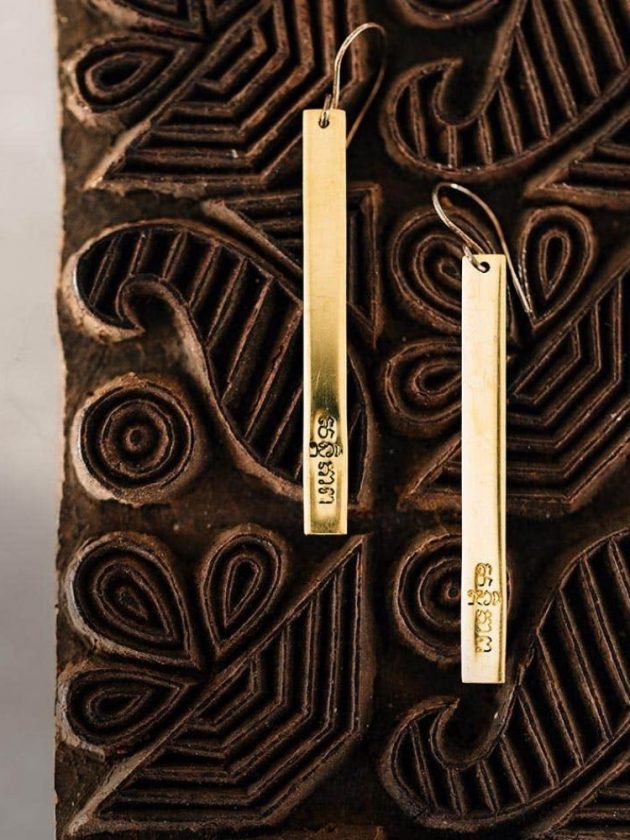
WorldFinds provides sustainable employment and just wages for hundreds of women artisans in India and Bali. These artisans handcraft both sleek metal fair trade jewelry and unique recycled Kantha pieces. WorldFinds is Verified by the Fair Trade Federation, which assesses members against fair trade principles including fair wages, safe conditions, and transparent supply chains.
Plus WorldFinds’ signature Kantha jewelry is made from upcycling materials: wood scraps from a furniture factory and locally sourced Kantha fabric remnants.

5. Astor + Orion
Best for: drop earrings and charm necklaces with symbolism
Conscious Qualities: Certified Ethical Factory, Recycled Materials, Designed for Recyclability, Repair Program
Ethical jewelry brand Astor + Orion sources their jewelry from a factory with multiple certifications ensuring worker safety, fair production practices, and responsible environmental management. Astor + Orion’s stunning jewelry is made from recycled materials and designed in a way to make it easily recyclable! Their pieces also come with a quality assurance — the brand will repair any piece within 6 months of purchase.

6. Laura Elizabeth
Best for: non-toxic jewelry in organic shapes
Conscious Qualities: Locally Sourced Recycled Metals, Woman-Owned, Fair Wages, Safe Working Conditions
Price Range: $45 – $330
Crafted from recycled metals sourced locally in LA, Laura Elizabeth creates stand-out sustainable jewelry. All of the brand’s jewelry is sourced ethically from a small, woman-owned studio in Los Angeles that ensures reasonable working hours (35 hr/week), fair wages, and safe working conditions (such as proper ventilation). Check out more on Laura Elizabeth in this post!
The jewelry is also non-toxic, free of cadmium or lead.

7. Ten Thousand Villages
Best for: giftable fair trade jewelry
Conscious Qualities: Fair Trade Production, Artisan-Made
Price Range: $6 – $175
Founded in 1946, Ten Thousand Villages is one of the fair trade pioneers and a founding member of the World Fair Trade Organization (WFTO), the global network that verifies fair trade practices across its member organizations.
They’ve developed relationships with artisans around the world, providing valuable economic opportunities for thousands of makers in 30 countries around the world. Their marketplace has handmade necklaces, earrings, bracelets, and rings, along with a variety of other fair trade goods.
8. Edge of Ember
Best for: gemstone jewelry
Conscious Qualities: Recycled Gold & Silver, Artisan-Made, Ethical Production
Price Range: $49 (ear cuff) – $2,730 (diamond tennis bracelet)
Edge of Ember’s timeless jewelry is responsibly crafted by makers working in artisan groups and small-scale factories. Their delicate necklaces, bracelets, rings, and other pieces are crafted by skilled artisans in India, Hong Kong, Germany, and Thailand. The brand carries out independent social audits to ensure ethical working conditions and environmental responsibility.
Edge of Ember has a wide selection of recycled gold and silver rings, bracelets, and necklaces adorned with stunning gemstones, including many birthstone jewelry options perfect for gifting.

9. Aurate
Best for: ethical diamond fine jewelry
Conscious Qualities: 100% Recycled Gold, Lab-Grown & Conflict-Free Diamonds, Vintage Collection
Price Range: $18 (stainless steel chain) – $19,000 (diamond tennis necklace)
Responsibly-sourced quality jewelry — that’s Aurate’s promise. The jewelry brand’s sleek, timeless pieces are thoughtfully made by seventh-generation craftspeople using 100% recycled gold and lab-grown or conflict-free diamonds.
Aurate also has a curated collection of vintage fine jewelry from cocktail watches to signet rings up to 50% off.

10. SOKO
Best for: modern, minimalist artisan-made jewelry
Conscious Qualities: Above-Market Artisan Wages, Black-Owned
Price Range: $78 – $298
SOKO is an innovative Black-owned ethical jewelry brand using mobile tools to bridge the barriers for artisan entrepreneurs in Kenya. In partnership with SOKO, independent artisans can operate a “virtual factory”, earning 5x more than an average artisan workshop in their local areas.
The jewelry is made with 24K gold or silver-plated brass — an affordable metal that also happens to consist of 90% recycled content on average. Other materials include reclaimed horn and bone, locally-sourced teak wood offcuts, and ceramic beads made by a fair trade women’s collective in Kenya.

10. Raven + Lily
Best for: affordable artisan jewelry
Conscious Qualities: Fair Trade Verified, Artisan-Made, Women-Led
Price Range: $40 – $240
Raven + Lily is an ethical fashion and jewelry brand verified Fair Trade by the Fair Trade Federation. The women-led brand partners with artisan women around the world who use natural materials to craft both classic, elegant pieces and statement jewelry.

11. NAKIIT
Best for: one-of-a-kind, solo-handcrafted pieces
Conscious Qualities: Made-to-Order, Recycled Silver & Gold, Zero-Waste Scrap Recycling
Price Range: $21 – $485
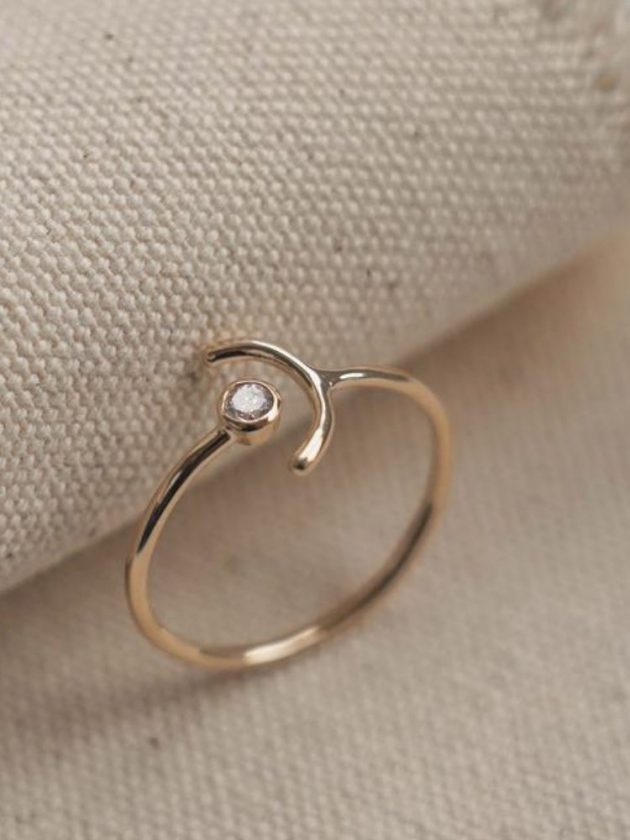
As a small, slow-minded jewelry brand, NAKIIT’s founder + owner handcrafts each piece with intention. In fact, every piece of jewelry the brand sells is made by the founder herself!
Nearly all of NAKIIT’s ethically-made jewelry is either made-to-order or one-of-a-kind, ensuring a minimal ecological impact and the highest attention to quality.
As if we could love this brand even more, NAKIIT also sources recycled sterling silver and gold, plus recycles any remaining metal scraps or dust after production.
You May Also Want to Check Out:
Best Fair Trade Fashion Brands With Style and Heart
Affordable Ethical Fashion Brands
Consciously Curated Marketplaces for One-Stop Ethical Shopping
The post 11 Best Fair Trade and Sustainable Jewelry Brands That Shine appeared first on Conscious Life & Style.
11 Best Fair Trade and Sustainable Jewelry Brands That Shine
It’s time to leave fast fashion in the dust — with one-of-a-kind designs, quality fabrics, and the assurance your dollars are supporting a more responsible fashion industry, these slow fashion brands are sure to win you over.
Before we go any further, though, I think we need to clarify what exactly slow fashion is…
What Do I Mean By “Slow Fashion?”
Slow fashion is about being more mindful and thoughtful about how clothing (and other fashion items) are being produced, how they’re being purchased, and how they’re being used/worn.
Instead of mass-producing trend-driven garments cheaply and quickly, slow fashion production is about creating a piece to last by using high-quality materials, transitional designs (i.e. they migth be contemporary but they’re not super “trendy”), and durable construction.
For individuals, slow fashion purchasing habits means buying less, but better. A slow fashion mindset is all about choosing well — it’s about picking well-made items that are built to last and also selecting pieces that fit your lifestyle and body well, to ensure they’ll not only be durable but will actually be useful for years to come.
Adopting slow fashion in your life, though, doesn’t necessarily have to mean spending money — this concept is also about slowing down to appreciate your clothes and closet. Slow fashion can mean wearing what you have as much as possible, mending and repairing worn clothing, or upcycling an even sewing your own clothes.
For more, read “What is Slow Fashion, Really?”
While slow fashion is a term that’s often used quite generally, it’s important to note that there are fast fashion brands that might have some organic or recycled clothing. Those did not make the list!
Slow fashion companies to me — and the criteria used to select brands for this guide — are brands that produce in smaller batches, make most of their pieces by hand, craft each piece with attention to detail and quality, and ideally, partner with skilled artisans, sewers, and craftspeople (who are of course fairly paid).
Now without further ado, here are our picks for…