

One gallon of water. That’s roughly how much a well-run aquaponics system uses to grow a kilogram of leafy greens. Compare that to the 30 or more gallons required by conventional soil farming, according to a 2024 comparative greenhouse study, and the benefits are inescapable.
That efficiency is why aquaponics — raising fish and growing plants in a closed-loop system — has moved from backyard novelty to subject of serious agricultural research. A 2025 review in Sustainable Environment Research documents how integrating AI, IoT sensors, and automation into aquaponics can significantly enhance system efficiency, increase food production, reduce operational costs, and minimize waste. For home gardeners in 2026, the barrier to entry has never been lower. All-in-one kits start under $100, water quality testing has become more accurate and affordable, and the science behind getting both fish and plants to thrive is well-established.
Nitrification is at the heart of every aquaponics system. Fish produce ammonia-rich waste. Beneficial bacteria convert that ammonia first into nitrite, then into nitrate — a form plants can absorb directly. The plants filter the water. The cleaned water returns to the fish. Once the system cycles, the main inputs are fish food and occasional water top-offs.
This article contains affiliate links. If you purchase an item through one of these links, we receive a small commission that helps fund our Recycling Directory.
1. Invest in Reliable Equipment
-
The core hardware list hasn’t changed much — but what’s available at each price point has improved considerably.
Aquarium or tank. A 100-gallon tank remains the recommended starting point for a serious home system. It gives you flexibility in fish species, plant density, and system stability. Acrylic tanks are lighter and optically clearer; glass tanks are heavier but scratch-resistant. Expect to pay $300–$600 for a quality 100-gallon tank. Search current options on Amazon.
If you’re new to aquaponics, the AquaSprouts Garden Kit is a well-reviewed all-in-one beginner system that fits a standard 10-gallon aquarium. It includes a grow bed, submersible pump, mechanical timer, and light bar mounting system, and costs $75–$90. The aquarium itself is sold separately.
Canister filter. For a 100-gallon aquaponics tank, target 500–600 gallons per hour (GPH) of water turnover, well above what the tank volume alone would suggest, because the fish load demands high filtration. The Fluval FX2 (~$269 on Amazon) is consistently top-rated for tanks up to 100 gallons, featuring 4-stage filtration, Smart Pump technology that auto-adjusts flow, and a built-in water change system. A solid budget alternative is the Penn-Plax Cascade 1000 (~$199 on Amazon), which handles up to 100 gallons, recirculating the water more than twice an hour.
Air pump. Dissolved oxygen is critical for fish health and for the beneficial bacteria driving nitrification. A quality air pump — or a canister filter with an integrated spray bar — will keep oxygen levels stable. A 2025 review in Reviews in Aquaculture found that micro-nano bubble (MNB) aeration increased butterhead lettuce yield by 35% compared to conventional diffusers, and raised nitrate concentration in the water. MNB systems are commercially available but not yet mainstream for home setups, so a conventional air pump remains the practical choice for most beginners.
Grow lights (optional, system-dependent). Indoor systems need supplemental lighting. Full-spectrum LED grow lights have dropped substantially in price and energy draw. Look for LED bars with daylight-spectrum output (5000–6500K) sized to your grow bed. Search LED grow lights on Amazon.
Water heater (optional). Tilapia require 70–85°F. If your space runs cooler, a submersible aquarium heater is essential. Search aquarium heaters on Amazon.
2. Choose Your Setup
Three system types work at home scale. The choice depends on available space, target crops, and tolerance for complexity.
Media bed are recommended for beginners. Plants grow in a bed of inert media, such as expanded clay pebbles, gravel, or lava rock, positioned above or beside the fish tank. A pump floods the bed periodically, then drains back. The media supports roots and houses beneficial bacteria. Research from Texas A&M confirmed media beds are the most forgiving system for beginners and support the widest range of crops, including fruiting vegetables like tomatoes and cucumbers. The Oklahoma Cooperative Extension Service provides detailed DIY build plans.
A 2025 study found that carbonized rice husks and cocopeat as grow media can yield five times more crop than traditional expanded clay aggregate (LECA), though they decompose over time and require more frequent replacement.
Nutrient film technique (NFT). A thin stream of water flows continuously through PVC tubes past plant roots dangling inside. Excellent for herbs, lettuce, and small greens in tight or vertical spaces; the tubes can be wall-mounted. Vertical aquaponics setups can increase productivity per unit area by up to 160% compared to horizontal systems, based on research with strawberries and basil. NFT kits are available on Amazon for both DIY and complete systems.
Raft (deep water culture). Plants float on foam rafts with roots submerged directly in nutrient-rich water drawn from the fish tank. They produce a higher yield than NFT for leafy greens, but requires more robust filtration because solids aren’t removed by a media bed. More common in semi-commercial operations than small home setups. Check options on Amazon.
A growing range of IoT sensors let you track pH, dissolved oxygen, ammonia, and temperature continuously from your phone. WiFi pH/EC meters designed for hydroponic and aquaponic systems are now in the $60–$120 range. For beginners, manual weekly testing is fine. For anyone running a system unattended or scaling up, continuous monitoring significantly reduces the risk of a water quality crash.
3. Add the Fish
An aquaponics system will support many species of fish. Several of the most popular options are:
- Tilapia: The most common aquaponics fish for good reason. Tilapia tolerate temperature swings, pH variation, and elevated ammonia better than most species. They grow quickly (typical harvest: 6–8 months), are inexpensive to stock, and provide a dual harvest of vegetables and protein. Best for warm indoor or greenhouse systems (70–85°F).
- Koi: Popular ornamental choice. Koi tolerate poor water quality and are hardy once established, but they’re susceptible to a range of pathogens and aren’t typically harvested for food. Well-suited to media bed systems where water quality is easier to maintain.
- Bluegill, perch, and catfish. Solid edible alternatives to tilapia in cooler climates where tilapia’s warmth requirements are a challenge. Texas A&M’s fish species selection guide covers temperature ranges, feed conversion ratios, and disease susceptibility for home-scale species in detail.
These are great options, but you can also consider carp, perch, largemouth bass, bluegills, guppies, and more. Purchase fish from a reputable aquaculture supplier or local fish hatchery when possible — disease-carrying fish is one of the fastest ways to crash a new system. Pet store fish are not certified disease-free.
4. Add the Plants
Like fish, the options are endless when deciding which vegetables to grow in your aquaponics system. Some popular options include broccoli, celery, cucumbers, and basil.
But because different plants require different conditions, you’ll want to select plants that will thrive in your setup. As Go Green Aquaponics explains, it is important to consider the following:
- System: What type of aquaponics system you will use – plants with no root structure do well in a raft setup, while root vegetables do well in a media bed.
- The optimal temperature and pH level for your fish and your plants – the closer the match, the more successful you’ll be.
- Environment: the amount of light, temperature and – if you’re setting up your system outside – rain the plants will get.
- How much space you have for plants versus how much space the plants need to grow.
- Plant-to-fish ratio: The more fish you plan on having, the more plants you need to absorb the nutrients.
5. Maintain Your System
Keeping healthy plants and fish will require regular maintenance. Some tips include:
-
Feed your fish two to three times daily in small amounts. Overfeeding is the most common cause of ammonia spikes in home systems. Uneaten food decomposes rapidly and overwhelms the beneficial bacteria that keep the system in balance.
Test pH weekly. Target range is 6.4–7.4, with most systems running best around 6.8–7.0. The API Freshwater Master Test Kit (~$35 on Amazon) tests pH, ammonia, nitrite, and nitrate in one kit — the standard recommendation for aquaponics monitoring. For more serious systems, the LaMotte Aquaponics Water Test Kit (~$85 on Amazon) covers nine parameters including dissolved oxygen and carbon dioxide, and comes with a rugged carrying case. To raise pH naturally, dissolve a tablespoon of food-grade potassium carbonate (potash) in a bucket of system water, add it slowly to the tank, and retest after 24 hours before adding more.
Test ammonia and nitrate weekly or biweekly. Ammonia should be below 2 ppm; nitrates should stay under 160 ppm. Elevated ammonia: feed less, increase aeration, or reduce fish density. High nitrates: add more plants or remove some fish.
Mind the cycling period. A new system takes 4–6 weeks to fully cycle and for the bacterial colony to establish and nitrogen conversion to stabilize. Don’t increase fish load or plant density during this period. Ammonia and nitrite readings near zero consistently is your green light.
The following video from Rob Bob’s Aquaponics provides guidance on how to check the pH, ammonia levels, and nitrate levels.
Get Some Fish In Your Garden
Aquaponics is an easy and environmentally conscious way to grow produce and raise fish at the same time. It can be used to grow all your favorite leafy greens, and there are endless varieties of fish that will adapt well to this system. Just keep up with regular maintenance and aquaponics will prove to be a viable and sustainable new way to garden.
The science of aquaponics is advancing quickly. Three developments from recent peer-reviewed literature are worth knowing about, even if most aren’t yet practical for home systems:
Algae co-cultivation. Reviews in Aquaculture reports that introducing macroalgae such as Spirogyra spp. can nearly double plant yields compared to traditional aquaponic systems. Co-cultivating microalgae (Chlorella) with plants in raft systems also controls ammonia at twice the efficacy of non-algal systems. This is emerging research — not yet mainstream for home growers — but a promising direction for anyone looking to push yields further.
Decoupled system design. Research from the Journal of the World Aquaculture Society (2024) documents that decoupled systems, which separate the aquaculture unit from the hydroponic unit, allow optimized conditions in each component, resulting in better nutrient utilization and increased productivity compared to coupled designs. Decoupled systems allow independent pH management for fish and plants, which is otherwise a constant compromise in standard coupled setups. Commercially available decoupled systems are beginning to become available; for DIY builders, it’s a worthwhile design consideration when scaling up.
AI and IoT integration. A 2025 Sustainable Environment Research review emphasizes that monitoring strategies using artificial intelligence, the Internet of Things, and renewable energy can significantly enhance aquaponic system efficiency. For home growers, this means the WiFi monitoring systems mentioned in Step 2 are part of a broader wave of automation coming to small-scale aquaponics. The good news: prices will continue to drop.
Editor’s Note: This article was originally published on March 17, 2021, and updated in April 2026. Feature image of outdoor aquaponics system courtesy of Vasch~nlwiki, CC BY-SA 4.0, via Wikimedia Commons
About the Author
David Thomas is founder and editor-in-chief of Everything Fishkeeping, a fishkeeping and aquascaping magazine. He has been keeping fish since he was a child and has kept over 12 different setups. His favorite is his freshwater tank with Tetras and Loaches.
The post How To Grow Vegetables With Aquaponics appeared first on Earth911.
https://earth911.com/home-garden/grow-vegetables-with-aquaponics/

Just like fashion has been overrun by fast fashion, home goods and furniture have similarly seen a rapid decline in quality. Rugs are no exception.
And similar to fashion, these cheap goods come at a high cost — namely, to the planet and to people. In fact carpet and rug production is rampant with exploitation.
On the other hand, fair trade rugs present the best of what a rug can bring to your home: artistry, craftsmanship, and heritage.
The brands featured in this guide are partnering with (and fairly paying!) skilled artisans who are using generations-old — and sometimes even centuries-old — techniques. These artisans are sustaining long lines of crafts, preserving their cultural diversity, and celebrating the richness of their time-honored crafts.
There’s simply no replacement for a timeless, quality artisan-made rug — they’re like pieces of art you can lay out on your floor or hang on your walls.
So, enjoy browsing through this guide to sustainable rug brands listed out below and best of luck on your search for the right fair trade rug!
Where to Find Ethical and Fair Trade Rugs
Note that this guide includes affiliates and partners. As always, brands must meet high standards for ethics and sustainability to be featured and all opinions are my own.
1. Obakki
Best for: warm-hued handwoven wool rugs
Categories: Area Rugs, Runners, Accent Rugs
Obakki partners with artisan weavers primarily in Oaxaca, Mexico — including individual makers like José — who hand-dyes and weaves rugs on a traditional pedal loom using locally sourced sheep’s wool and natural dyes derived from native plants. The brand also works with Rrres Design Studio, a Latin American studio dedicated to preserving traditional Oaxacan weaving techniques, and sources handwoven textiles from artisan communities beyond Mexico as well, including Morocco.
Each rug is made from 100% wool with no synthetic dyes or backing. Most pieces are made-to-order with a 4-8 week production window, shipped directly from the artisan partners.
Price Range: $460 – $4,159
Conscious Qualities: Natural Fibers, Natural Dyes, Craft Preservation

2. Kiliim
Best for: modern wool kilim rugs
Categories: Area Rugs, Accent Rugs
If you’re well-versed in rug terminology, you may recognize that this brand’s name looks similar to the word kilim.
Kiliim’s rug are made using authentic kilim rug craftsmanship by artisans in Egypt coming from generations of kilim artisans. To ensure ethical production and to support the preservation of this heritage craft, Kiliim pays living wages to all artisans.
Price Range: $95 – $4,812
Conscious Qualities: Ethical Production, Heritage Craft Preservation, Natural Fibers
3. Urban Natural
Best for: browsing fair trade rugs in lots of styles and sizes
Categories: Outdoor, Area Rugs, and Accent Rugs
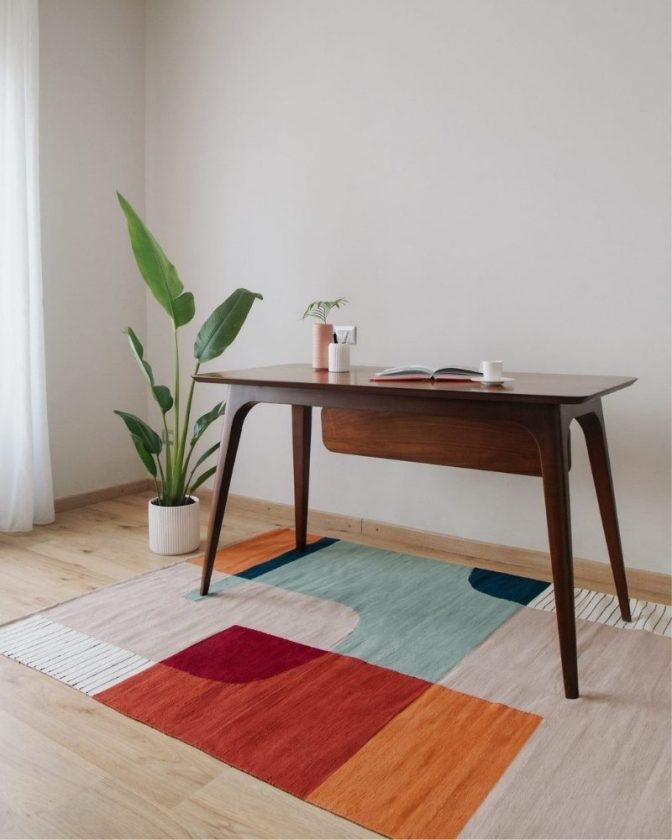
This natural home and lifestyle retailer has a beautifully curated selection of sustainably-made rugs crafted with materials like jute, sisal, wool, and cotton.
Several brands on Urban Natural are also ethically hand-loomed or hand-knotted, such as Loloi — a GoodWeave partner — and Jaipur Living — a brand that partners with thousands of local artisans to sustain heritage crafts.
Price Range: $259 – $9,755
Conscious Qualities: Eco-Conscious Materials
4. LOOMY
Best for: pet-friendly and performance rugs
Categories: Area Rugs, Accent Rugs, Runners, Outdoor Rugs
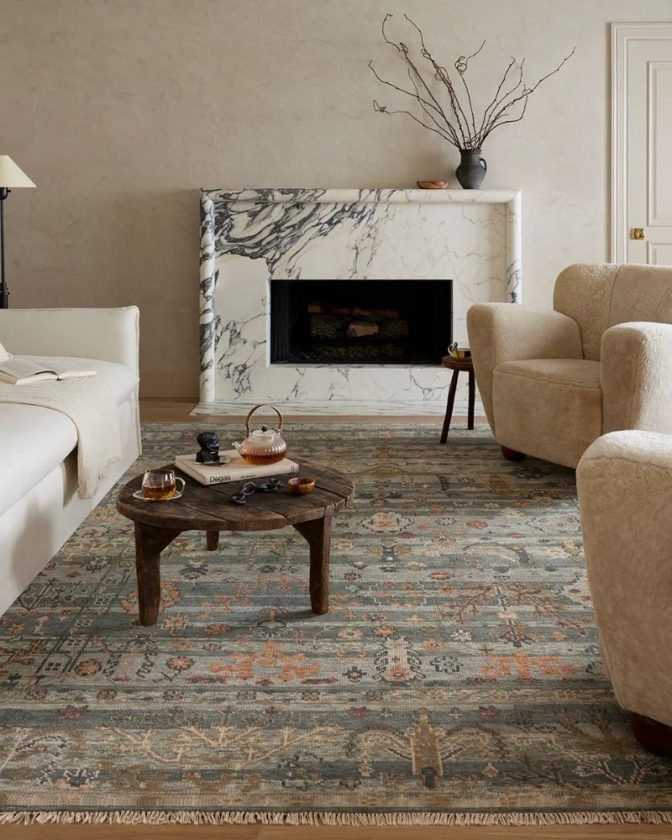
Founded by a weaver, LOOMY is dedicated to crafting beautiful artisan-made rugs that will last for decades to come.
LOOMY partners with highly-skilled artisan weavers who craft quality rugs made from eco-minded materials like banana silk, jute, and recycled cotton, plus performance options made from 100% recycled polyester built to withstand whatever life brings you.
Price Range: $298 – $8,298
Conscious Qualities: Natural Fibers, Craft Preservation, Vintage Options

5. West Elm
Best for: fair trade rugs in on-trend mainstream styles
Categories: Area Rugs, Accent Rugs
West Elm is bringing ethical rugs to a broader market with their collection of Fair Trade Certified wool and cotton rugs. While I recommend browsing the smaller shops listed above first, West Elm is supporting the movement to responsibly-made, fair trade rugs.
Price Range: $$$
Conscious Qualities: Fair Trade production, Majority Natural Materials

6. Jubi
Best for: Modern rugs in vibrant prints
Categories: Accent Rugs, Circle Rugs, Runners
Jubi is a Brooklyn studio founded by textile designer Cassie Dagostino. Every rug is handmade from New Zealand wool by fourth-generation weaving families in Bhadohi, India using traditional techniques. Each rug is made-to-order, meaning no excess stock. Since everything is made to order, expect between 3 and 7 weeks for your rug, depending on the technique used.
Conscious Qualities: Pays Above Market Rates, 100% Wool, Made-to-Order
Price Range: $228 – $668
Shipping: Free worldwide shipping

7. Rejuvenation
Best for: Classic rug styles made in Fair Trade factories
Categories: Accent Rugs, Runners, Area Rugs
Home retailer Rejuvenation has a selection of rugs made in Fair Trade Certified factories. Their collection includes undyed hand-loomed rugs to geometric flatwoven wool rugs. And while I’d typically avoid synthetics, it tends to be unavoidable for outdoor rugs — so Rejuvenation’s Fair Trade 100% recycled poly rug is a good option.
Conscious Qualities: Fair Trade Certified, Mostly Natural Materials
Price Range: $79 – $1,649
Shipping: Contiguous U.S. shipping for 10% of product price (add $20 for HI, AK, and US. territorries)
Liked this guide to ethical rugs? You might also enjoy:
Ethical Home Decor Brands to Curate a Beautiful, Conscious Space
Eco-Friendly Furniture to Furnish Your Home Sustainably
Fair Trade and Eco-Friendly Blankets to Cozy Up With
The post 5 Best Ethical Fair Trade Rugs to Elevate Your Space appeared first on Conscious Life & Style.
As a longtime book lover, I may be biased, but I think a full bookshelf is one of the most beautiful additions to a space. There’s nothing better than seeing a showcase of your favorite reads alongside a TBR list.
A bookcase, though, can of course be used for all sorts of purposes from placing your favorite photos of family and friends to showcasing treasured vintage finds.
Whatever the case, this guide will help you find the right sustainable bookshelf for your living room, office, or wherever you like to cozy up with a good read!
So what make a bookcase more sustainable? What makes a bookshelf non-toxic?
First of all: sustainable and non-toxic are two overlapping — but distinct — criteria. And both of those terms can come with a lot of opinions and varying definitions.
When it comes to sustainable bookcases, I look for:
- Responsibly Sourced Materials: most bookshelves are made primarily with wood. While natural, unsustainable wood sourcing can be a cause of deforestation, so we want to see that the wood was from responsibly managed forests or made from reclaimed or repurposed wood. Some bookshelves may feature metal, in which case recycled materials here are important.
- High Quality Construction: sustainability includes longevity — how long will you be able to use that furniture piece before it goes to the landfill and gets replaced? Look for transparency around craftsmanship and woodworking processes. Another sign of quality is the length of warranty a company has for its products.
- Ethically Made: this one is straightforward in theory — were the people making it paid fairly and working in safe conditions? — but is unfortunately not always easy to find information. In this category, I look for transparency in practices, what relationship the brand has with the manufacturer (some produce in-house which is the best case scenario for transparency!), where it was made, and how well the makers were paid.
Ideally a sustainable bookshelf would also be non-toxic — as toxic chemical fumes aren’t exactly sustainable! But this isn’t always the case. For example, if a company prioritizes upcycled materials, they don’t necessarily have control over what inputs were part of the original materials. And sometimes a company focuses more on ethical artisan partnerships and sustainable wood sourcing, more than, say, using non-toxic finishes.
But when it comes to non-toxic bookshelves, this is what I look for. (Note that non-toxic doesn’t necessarily mean safe for all chemical sensitivities. Nor does it mean zero potentially irritating chemicals.)
- Solid Wood (where possible): MDF or pressed wood contains glue to stick the various wood pieces together, which can contain added formaldehyde. I prefer solid wood, or if it is engineered wood, I’d make sure the company is transparent around the type of glue used and/or they at least have a product certification like GREENGUARD. (More on that in a second.)
- Low or Zero VOC Finishes: most wood furniture is completed with some sort of finish to provide a protection against scratches or moisture. Many of these finishes are synthetic, and some can contain high levels of toxic chemicals. Look for a natural finish like linseed oil or beeswax or a low VOC synthetic finish.
Relevant Certifications
You’ll see a few certifications referenced throughout this guide. Here’s what each one covers:
- FSC Certified = the wood sourcing was responsibly managed; this is not a finish, foam, or textile guarantee.
- GREENGUARD / GREENGUARD Gold Certified = the finished product was tested for low chemical emissions, including VOCs, with Gold representing the stricter tier.
- Fair Trade Certified
 = verifies that a factory meets standards for fair wages, safe working conditions, and ethical labor practices.
 - Cradle to Cradle Certified (Gold) = evaluates a product or material across material health, circularity, clean air/climate, water/soil stewardship, and social fairness.
Where to Find Sustainable Bookcases and Shelving
I’m always a secondhand first proponent, and that goes for furniture, too. While your local thrift store might not have used bookshelves, check for dedicated furniture resale shops near you or estate sales. (I use EstateSales.net to find ones near me.) You can also find gently used pieces on online marketplaces like Facebook Marketplace, OfferUp or AptDeco.
If you can’t find something you love secondhand, and you don’t want to DIY your own bookshelf, then the next best choice is to shop from one of the sustainable furniture companies below. (If